

Most history books skip over the part where entire towns vanished in smoke.
But wildfires? They don’t forget.
They torch forests, flip calendars, and rewrite headlines.
Some even made sure people remembered them 100 years later.
Let’s take a walk through the hottest moments in U.S. wildfire history.
Bring sunscreen, and maybe a fire extinguisher.
1. Peshtigo Fire, Wisconsin
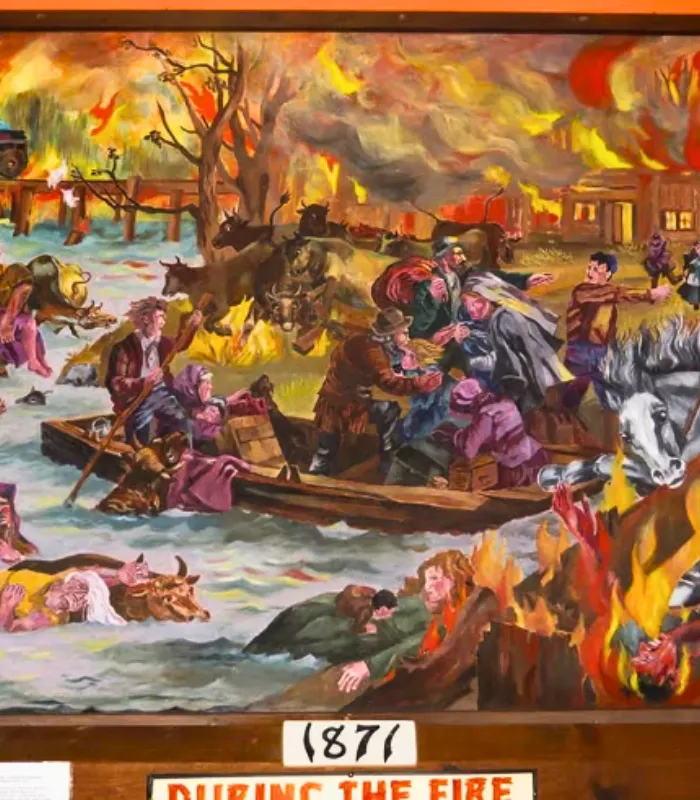
The Peshtigo Fire happened in October 1871.
It destroyed about 1.2 million acres of land.
Over 1,500 people died in the fire.
The fire started from small embers used to clear land.
Strong winds spread the flames quickly.
Whole towns were burned to the ground.
It is still the deadliest wildfire in U.S. history.
Many people do not even know it happened.
It happened the same day as the Great Chicago Fire.
Railroads carried sparks into dry woods nearby.
Towns like Peshtigo vanished in hours flat.
Survivors hid in rivers as fire storms raged.
Deadliest in U.S. History: Over 1,500 lives lost in a single fire.
2. Cloquet and Moose Lake Fires, Minnesota
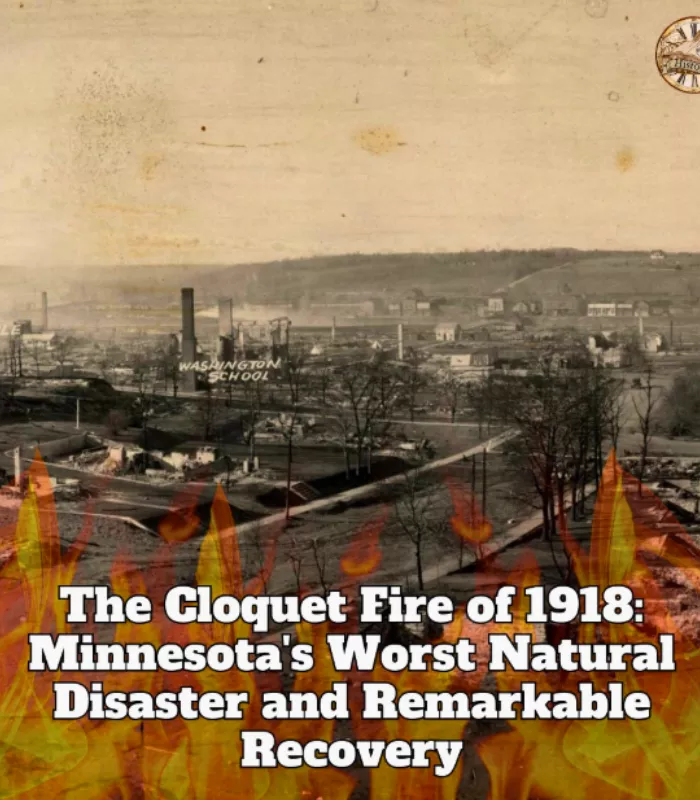
These fires happened in October 1918.
They burned parts of northeastern Minnesota.
Hundreds of people died.
It was a dry season with strong winds.
The fires started from sparks on the railroad tracks.
They spread fast and were hard to stop.
Many towns were hit hard.
Thousands lost homes and businesses.
It was the second deadliest fire in U.S. history.
Cars clogged roads as families fled south.
Smoke choked root cellars and wells alike.
It razed 38 communities in one sweep.
Historic Tragedy: One of the deadliest wildfires in U.S. history.
3. Great Hinckley Fire, Minnesota
This fire happened in September 1894.
It burned 350,000 acres of land.
A fire tornado reached 200 feet high.
Temperatures hit 1,600 degrees.
People ran to lakes and wells to escape.
Many still did not survive.
The fire came fast.
Few had time to leave.
It showed how deadly wind and fire can be together.
Trains became death traps mid-flight.
Fire whirls lifted people into the air.
Over 400 died in the sudden onslaught.
Fire Tornado Destruction: A deadly firestorm with massive loss of life.
4. Thumb Fire, Michigan
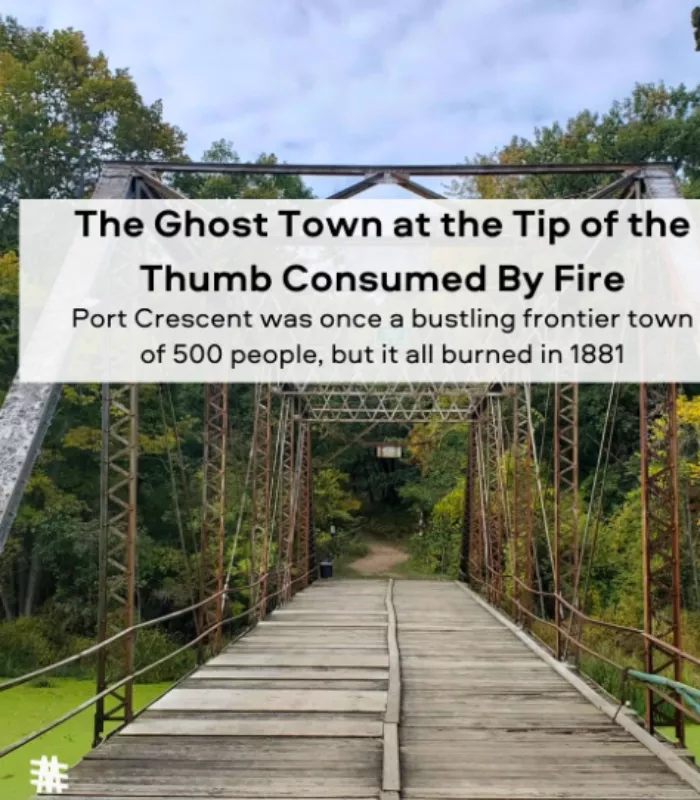
The Thumb Fire happened in September 1881.
It killed 282 people.
About 1 million acres were burned.
Over 1,500 homes were destroyed.
More than 14,000 people were left homeless.
The Red Cross gave disaster aid for the first time.
It started from lightning strikes and strong winds.
Dry fields made it worse.
Whole towns disappeared in the flames.
Ash darkened skies from coast to coast.
Farmers burned crops in drought fields.
It jumped Huron County in one gust.
First Red Cross Response: One of the deadliest wildfires in U.S. history.
5. Great Fire of 1910, Idaho, Montana, and Washington
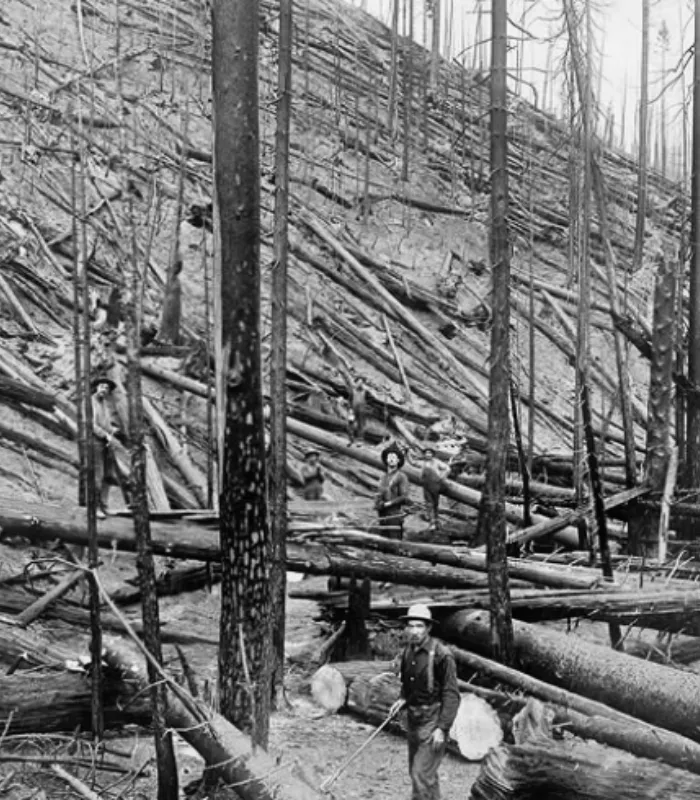
This fire is also called the Big Burn.
It happened in the summer of 1910.
It burned 3 million acres in just two days.
Eighty-seven people died, most of them firefighters.
It destroyed several towns and railroad tracks.
The smoke reached as far as New York.
It was so huge, it changed U.S. fire policy.
After this fire, the Forest Service grew stronger.
It became one of the most studied fires ever.
A cold front unleashed gale force winds.
Crew bosses sent men into blowups blind.
Rail bridges collapsed under flame weight.
The Big Burn: Burned 3 million acres and killed 87 in two days.
6. Camp Fire, California
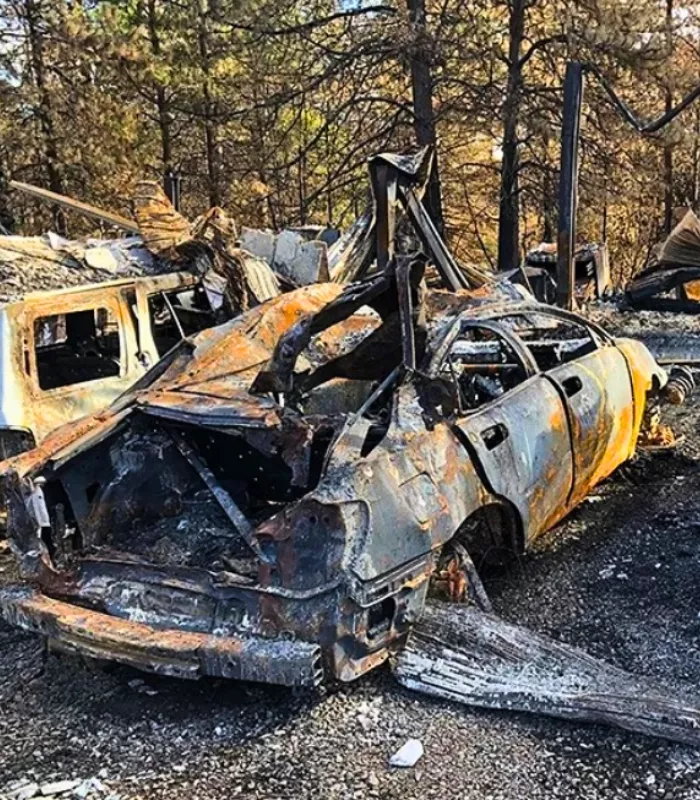
The Camp Fire started in November 2018.
A power line failed and sparked the fire.
It destroyed 95% of Paradise and Concow.
It killed 86 people.
It burned over 150,000 acres.
It caused billions in damage.
More than 5,000 firefighters worked to stop it.
It is California’s deadliest wildfire.
It shocked the whole nation.
Embers skipped ahead like glowing hail.
PG&E lines arced in 50 mile gusts.
Sirens wailed as grid power failed.
Modern Devastation: Deadliest wildfire in modern U.S. history.
7. Yacolt Burn, Washington and Oregon
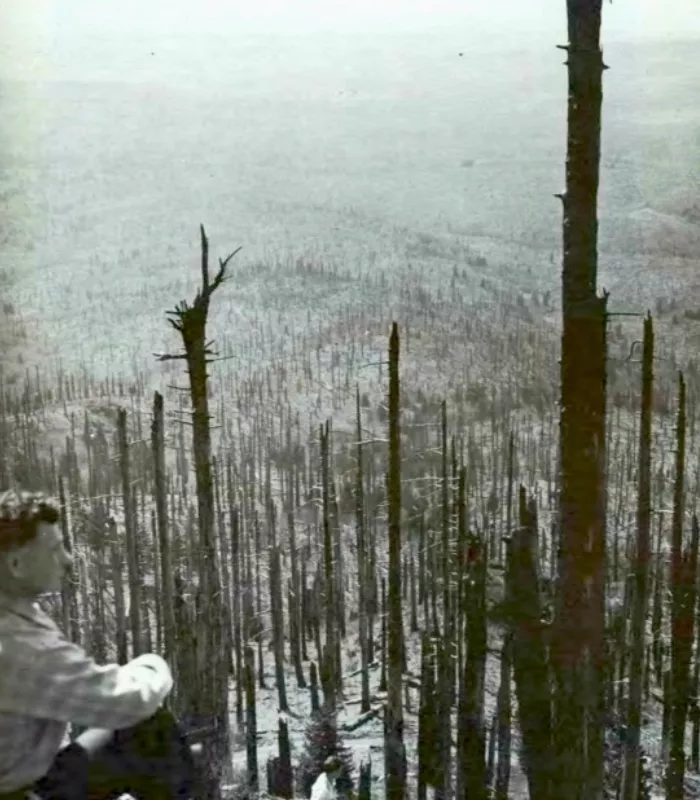
This fire happened in September 1902.
It was the first major forest fire in Washington.
It burned nearly 239,000 acres.
Sixty-five people died.
It started during a hot and dry spell.
Wind helped it grow fast.
Fires were burning all over.
But they combined into one big blaze.
It left a huge scar on the land.
Logging slash piles ignited in drought.
Blazes merged across state lines quick.
Creeks boiled fish alive downstream.
First Major Northwest Fire: Deadly early wildfire with major loss.
8. 2017 October Fire Siege, California
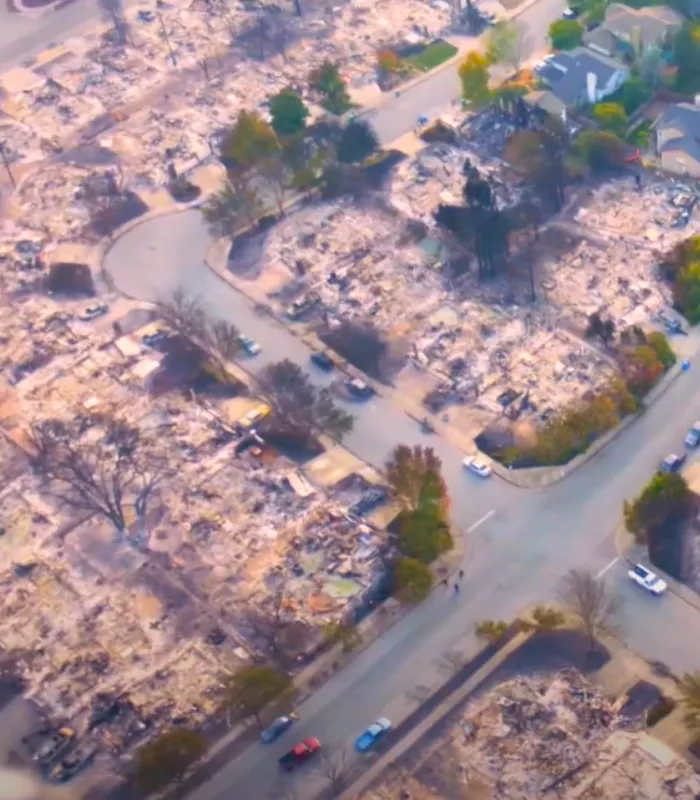
This event included several fires in October 2017.
The Tubbs Fire was one of the worst.
Altogether, 44 people died.
The fires burned 245,000 acres.
They were sparked by power lines.
Homes, farms, and businesses were lost.
The damage cost around $9 billion.
It was one of California’s costliest disasters.
Thousands had to flee with no warning.
Diablo winds screamed at 80 miles per.
Tubbs crossed highways in 30 minutes flat.
Napa vineyards burned to blackened stumps.
Billions in Losses: Massive fire siege with deadly impact.
9. 2020 Fire Siege, California
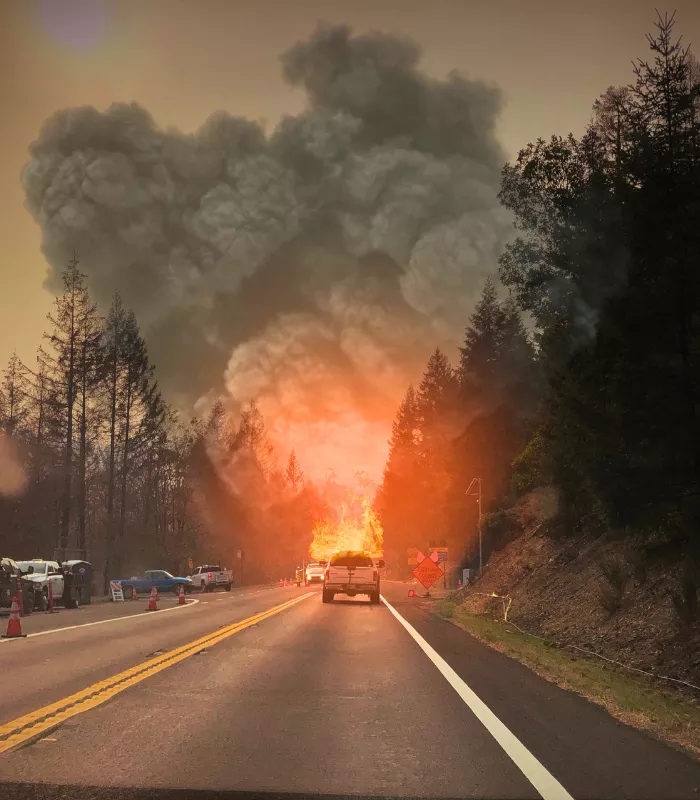
In August 2020, a lightning storm sparked many fires.
They burned for over four months.
More than 4.2 million acres were lost.
Thirty-one people died.
The skies turned orange across the state.
Air quality became dangerous.
This fire season broke records.
It was the largest wildfire season in California’s history.
It was a wake-up call about climate risk.
Over 10,000 lightning strikes hit dry land.
August Complex grew to million acres plus.
San Francisco daylight turned blood red.
Record-Breaking Flames: Largest wildfire season ever in California.
10. Griffith Park Fire, California
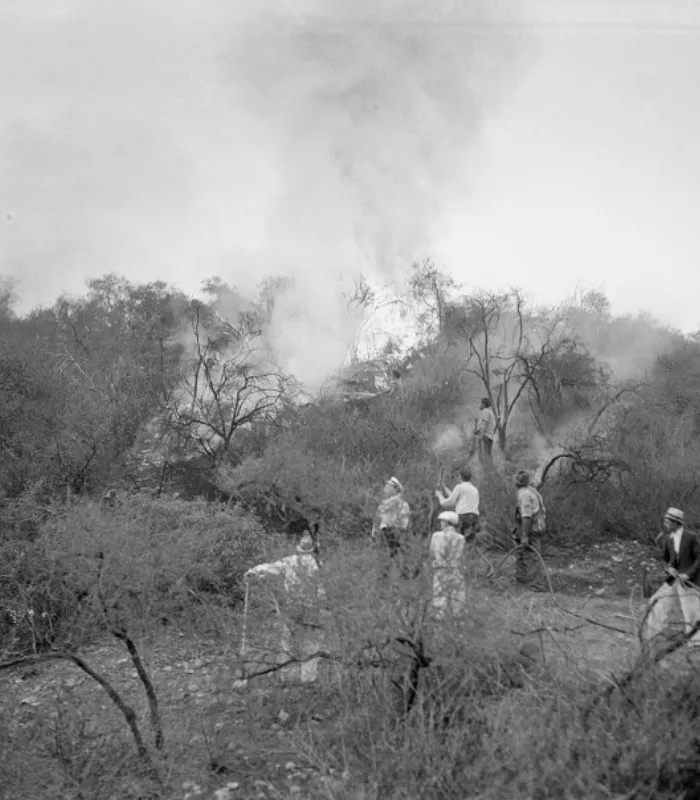
This fire broke out in October 1933.
It started during a brush-clearing project.
Winds pushed it up the slopes.
Only 47 acres burned.
But 29 people died trying to stop it.
Most were firefighters.
It is one of the deadliest events for fire crews.
It showed how dangerous even small fires can be.
It led to new safety rules for workers.
Crew cut brush with hand sickles dull.
Santa Ana winds shifted 180 degrees sharp.
Flames crowned over canyon rims sudden.
Firefighter Tragedy: One of the deadliest fires for emergency crews.