

Not every muscle car deserves a poster on a teenager’s bedroom wall.
Some deserve a strongly worded letter.
The golden age of American muscle ended hard, and what replaced it was a parade of badge-engineered disappointments dressed up in racing stripes.
Automakers kept the names. They quietly dropped everything else.
Calling some of these cars muscle cars is like calling a folding chair a throne.
1. 1974 Pontiac GTO
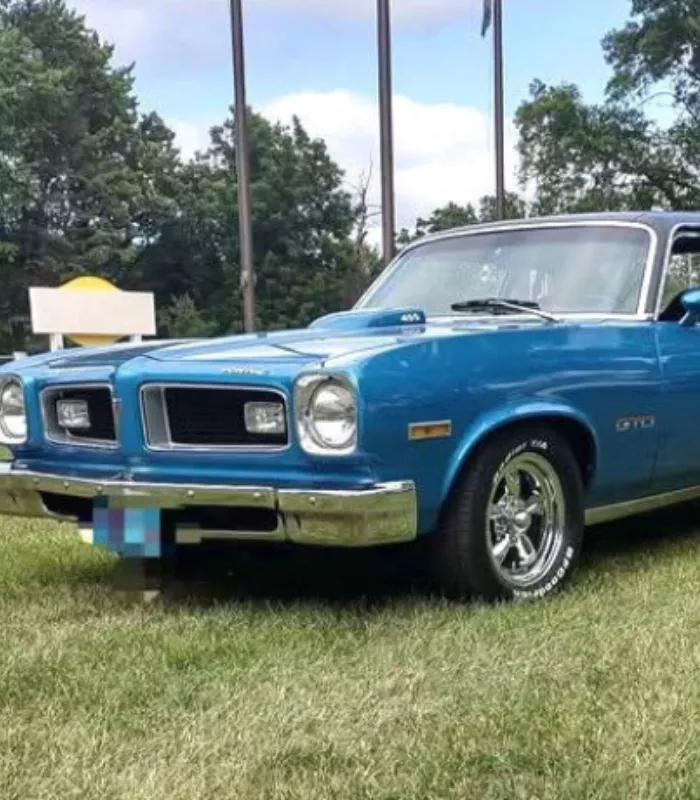
The GTO was once the king of muscle cars. But by 1974, it was a shadow of its former self.
Pontiac squeezed it down into a small Ventura body. The engine was gutted to meet new emissions rules.
The result? A so-called muscle car that made just 200 horsepower. That’s barely enough to impress a lawnmower.
The original 1964 GTO had launched an entire industry. This version could not even hold its own in a school zone.
Why It’s On This List: The legendary GTO nameplate was slapped onto a compact economy car body. It betrayed everything the original 1964 model stood for. Sales collapsed, and Pontiac killed it after just one year.
2. 1980 Chevrolet Camaro Z28
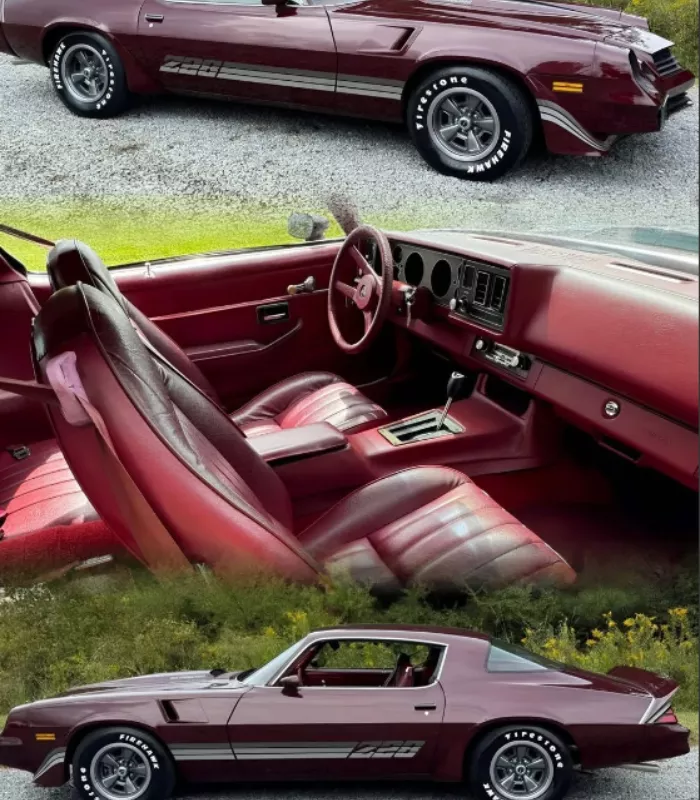
The Z28 badge used to mean business. In 1980, it meant something very different.
That year, the Z28 came with a 5.0-liter V8. But thanks to emissions chokes and low compression, it produced only 190 horsepower.
A base Toyota Supra from the same era could keep up with it. That tells you everything.
Buyers were still paying a premium for the Z28 package. They were getting a performance sticker on a mediocre machine.
Why It’s On This List: Chevy kept the aggressive styling but yanked out the soul. Buyers were paying for a muscle car image built on a very weak reality.
3. 1979 Ford Mustang Cobra
Ford dressed the 1979 Mustang Cobra in snake graphics and a big hood scoop. It looked mean and ready to race.
But here’s the catch. The standard engine was a 2.3-liter four-cylinder making just 88 horsepower.
The snake decals cost more effort than the engine ever would. It was pure window dressing.
Drivers who bought this car expecting Cobra-level performance were in for a very quiet, very slow surprise.
Why It’s On This List: Ford sold the muscle car dream with stickers and scoops. Under the hood was something you would find in a family commuter car. Performance fans were not amused.
4. 1976 Dodge Coronet Super Bee
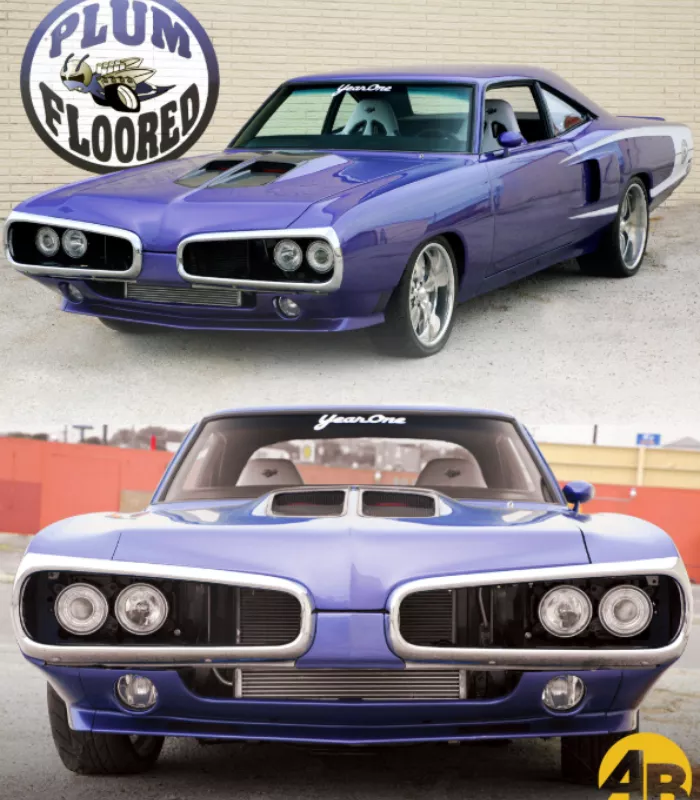
The Super Bee once stung hard in the late 1960s. By 1976, it had lost its stinger completely.
Dodge kept the name alive but stripped everything that made it special. The top engine option was a mild 360 V8 with strangled output.
Zero to 60 took over 10 seconds. That is not a muscle car. That is a myth on wheels.
The bee logo on the side was still there. The performance behind it had long since flown away.
Why It’s On This List: The Super Bee name carried real street credibility. Dodge used that credibility to sell a car that could not back it up. That is the definition of a worthless muscle car.
5. 1975 AMC Matador Machine
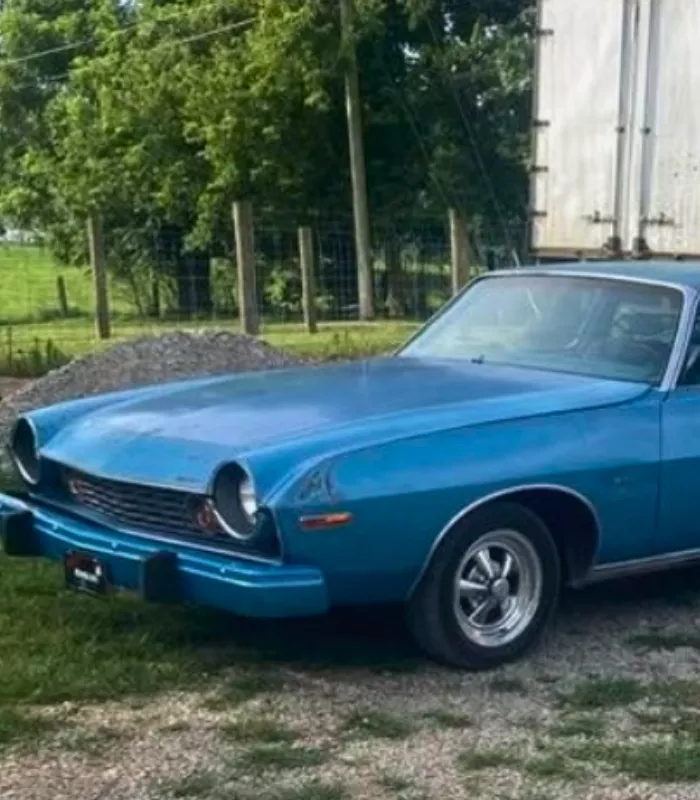
AMC tried hard to compete with the big three muscle car makers. The Matador Machine was one of their later attempts.
By 1975, the performance version came with a 401 V8 that was so emissions-restricted it felt slow and unresponsive.
AMC’s own engineers admitted the car was more show than go. And the show was not even that impressive.
AMC was already fighting for survival as a company. Putting out a weak performance car did not help their cause.
Why It’s On This List: AMC gave this car an aggressive name and a sporty look. But emissions rules turned the engine into something closer to a touring car motor. You are better off with an original 1970 AMC Rebel Machine instead.
6. 1977 Pontiac Firebird Formula
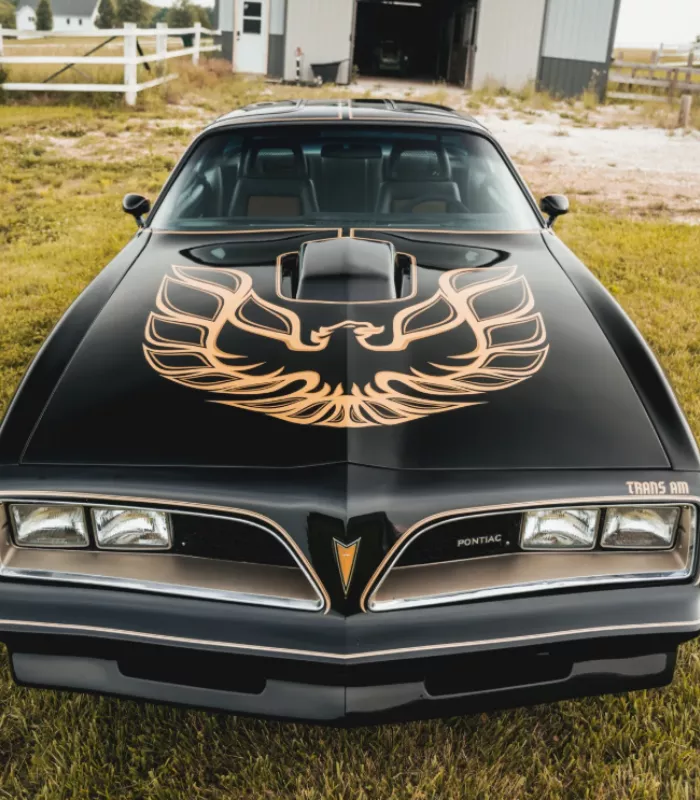
The Firebird Formula sounded fierce. The name promised power and performance.
In 1977, the base Formula came with a 301 cubic inch V8. It pushed out a sad 135 horsepower.
That is less power than many modern four-cylinder sedans make today. It aged very poorly.
Pontiac was charging Formula prices for economy car performance. Loyal fans had every right to feel cheated.
Why It’s On This List: Pontiac leaned hard on the Firebird brand’s muscle car legacy. But the Formula trim that year was gutless. The name wrote checks the engine simply could not cash.
7. 1974 Plymouth Road Runner
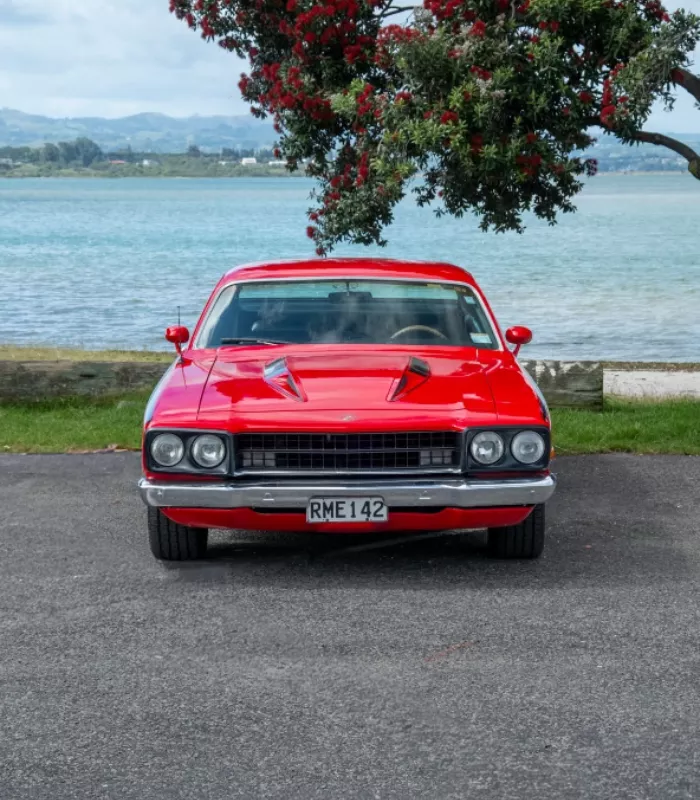
The Road Runner was a no-nonsense, budget muscle car in its prime years. It was built for guys who wanted speed without the fancy extras.
By 1974, Plymouth bolted on a new beak-style front end that many fans hated. Worse, the engines were strangled by emissions and fuel economy rules.
The most common engine that year made just 245 horsepower. And real-world performance was much worse than that number suggests.
The cartoon bird on the door was still cheerful. The people driving this car were not.
Why It’s On This List: Plymouth took a beloved no-frills muscle car and turned it into a bloated, ugly, slow shadow of itself. The cartoon bird on the side was the fastest thing about it.
8. 1980 Pontiac Trans Am Turbo
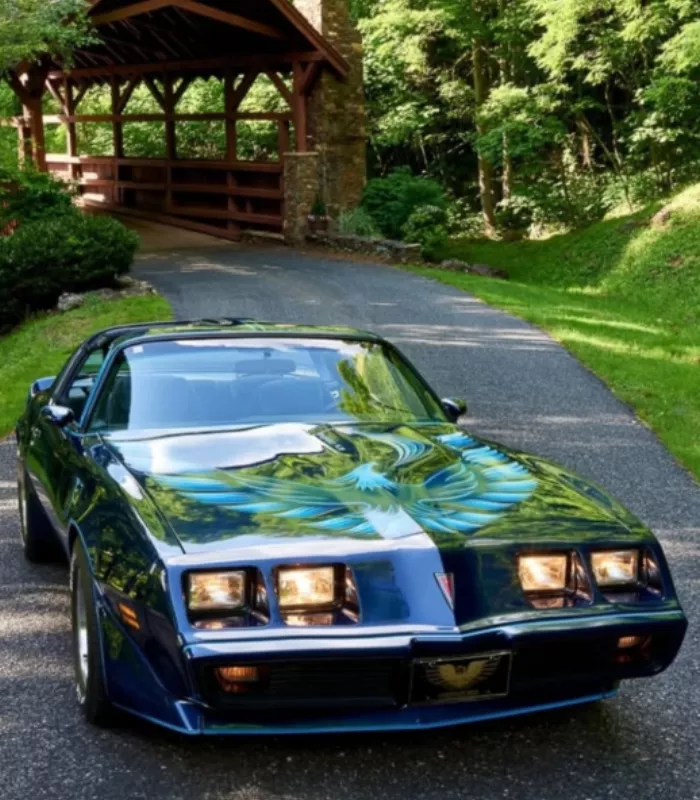
Turbocharging sounded like the future in 1980. Pontiac used it to try to save the Trans Am’s performance image.
The 4.9-liter turbocharged V8 made just 210 horsepower. And turbo lag was so bad that acceleration felt clumsy and unpredictable.
That’s why this car frustrated drivers who expected the Smokey and the Bandit experience. Real life did not match the movie.
The turbocharger technology of that era was simply not ready for everyday performance use. Reliability problems followed quickly.
Why It’s On This List: The turbo badge gave the impression of cutting-edge power. But the technology of the era could not deliver. It was slow, unreliable, and sold on movie star nostalgia alone.
9. 1976 Chevrolet Chevelle Laguna S-3
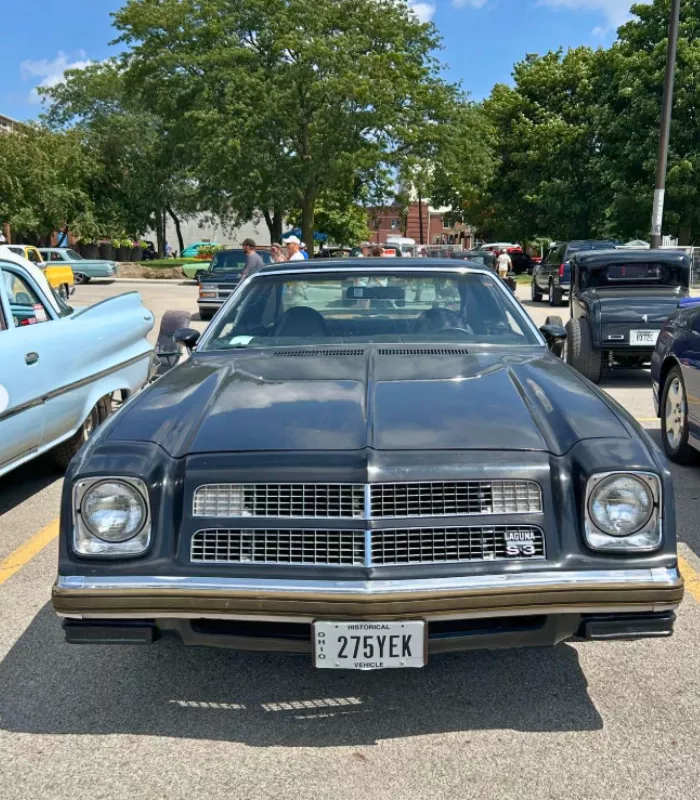
Chevrolet marketed the Laguna S-3 as a performance machine. It even had NASCAR styling cues on the nose.
But the engine lineup was deeply disappointing. The standard V8 made around 145 horsepower in real-world trim.
NASCAR looks with minivan power was not what muscle car fans had in mind. It was a tough pill to swallow.
The aerodynamic plastic nose actually made the car look faster than it was. That was probably the whole point.
Why It’s On This List: Chevy borrowed the credibility of stock car racing to sell a car with no real race pedigree. The swoopy plastic nose was eye-catching. The engine was forgettable.
10. 1978 Mercury Cougar XR-7
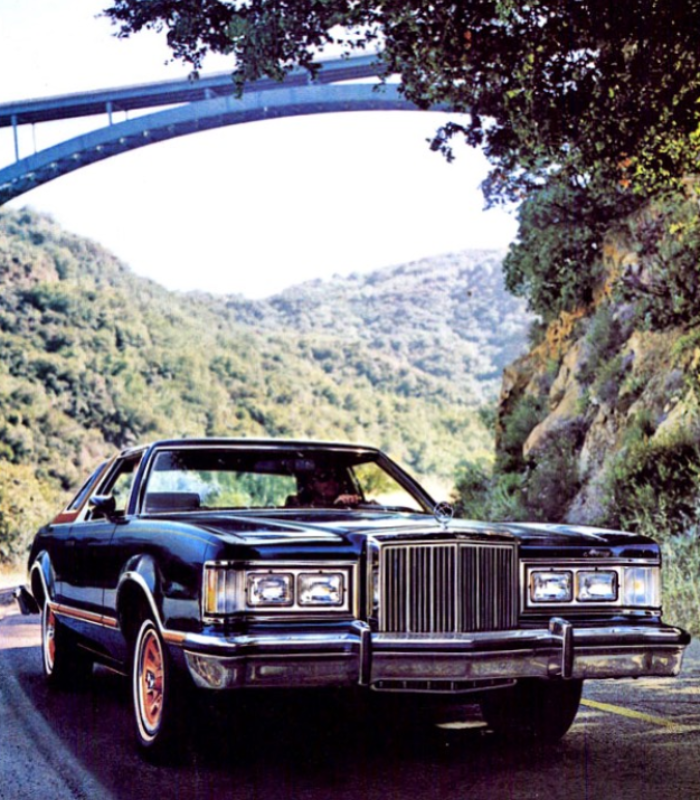
Ford’s Mercury division once had the Cougar as a sporty, stylish muscle car. By 1978, it had grown into a massive land yacht.
The car ballooned in size and weight. The engines could barely move all that metal with any kind of urgency.
A fully loaded 1978 Cougar weighed over 4,000 pounds. No V8 of that era was going to make that feel fast.
Mercury leaned on plush interiors and opera windows to distract buyers from the lack of any real performance.
Why It’s On This List: Mercury kept selling the Cougar on its old muscle car reputation. But it had quietly transformed into a luxury coupe for people who liked soft rides. I made a classic mistake of judging this one by its old name, and so did many buyers.
11. 1975 Chevrolet Camaro
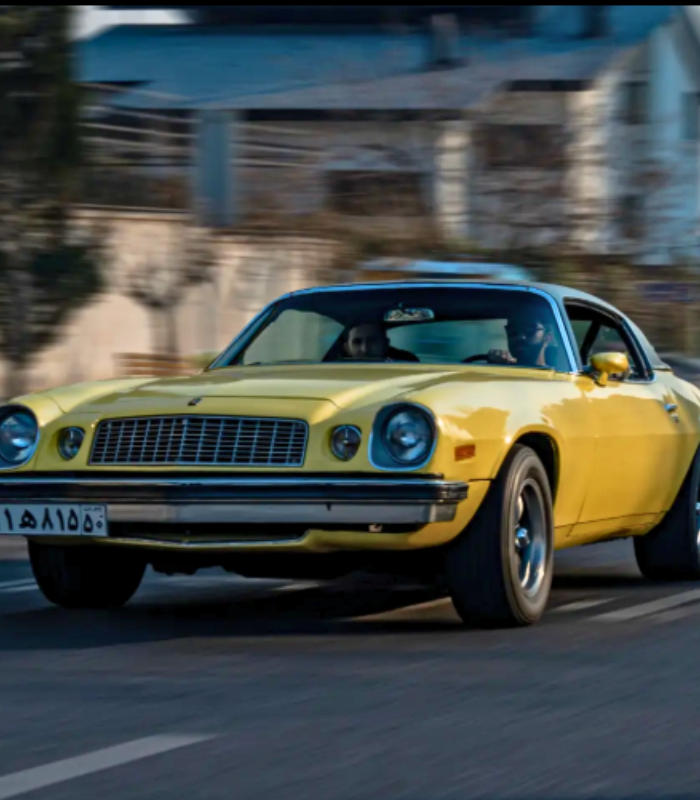
The second-generation Camaro had some fire in its early years. By 1975, that fire had gone completely cold.
The most powerful engine you could get that year was a 5.7-liter V8 with just 145 horsepower. Zero to 60 took up to 12 full seconds.
That is slower than many family station wagons of the same era. It was a dark moment for a legendary name.
Chevrolet was caught between keeping buyers happy and meeting strict new federal standards. Performance lost that argument badly.
Why It’s On This List: Chevrolet kept the Camaro name alive but gutted everything that made it worth buying. Even an optional Z28 package only bumped power to 155 horsepower. The badge said sports car. The stopwatch said otherwise.
12. 1978 Oldsmobile 4-4-2
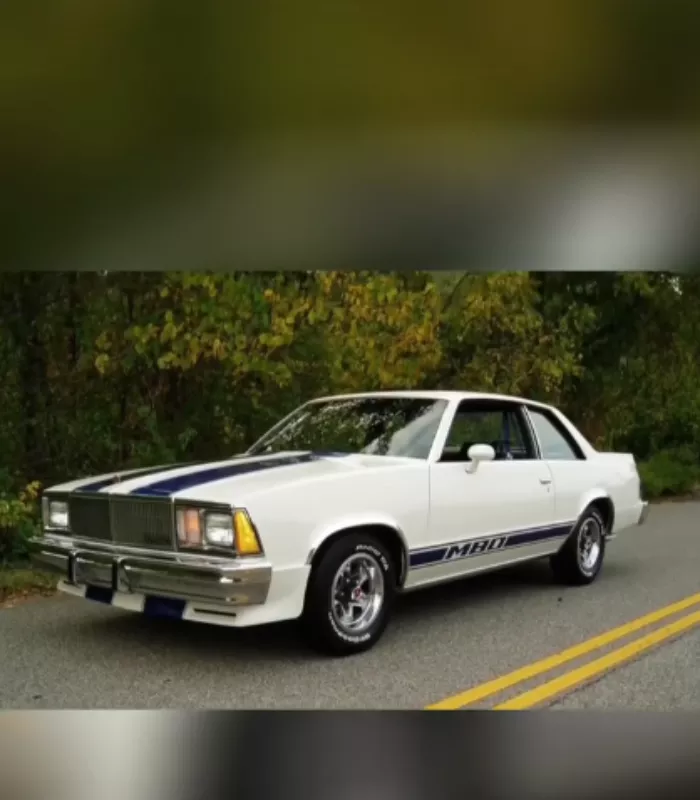
The original 1964 Oldsmobile 4-4-2 was a beast. It had a huge engine, serious attitude, and a reputation to match.
By 1978, the 4-4-2 badge was stuck onto a car with a 305 V8 making just 160 horsepower. Zero to 60 took 10.5 seconds.
The name once stood for 4-barrel carb, 4-speed transmission, and dual exhaust. In 1978, it stood for disappointment.
Oldsmobile was counting on buyers not doing the math. Most of them eventually did.
Why It’s On This List: Oldsmobile traded on decades of muscle car heritage to sell a slow, unremarkable coupe. Loyal fans who remembered the 455 cubic-inch glory days were not impressed. You are better off hunting down a 1970 model instead.
13. 1978 Ford Mustang II King Cobra
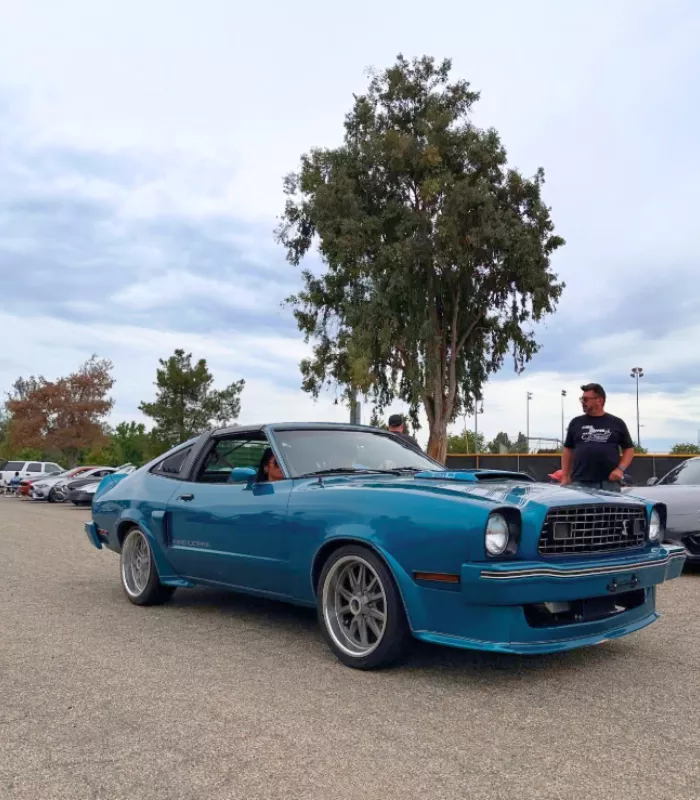
Ford dressed the Mustang II King Cobra in wild graphics and a giant cobra hood decal. It was one of the most aggressively styled Mustangs ever built.
But here’s the deal. The range-topping 4.9-liter V8 made only 142 horsepower. Zero to 60 took 10.5 seconds.
That’s slower than most modern minivans. The King Cobra was all crown and no throne.
The hood decal alone was larger than the car’s ambitions. Ford knew exactly what it was selling, and it was not speed.
Why It’s On This List: Ford sold over 1.1 million Mustang IIs between 1974 and 1978 by leaning on the iconic Mustang name. The King Cobra version took that to an extreme, charging a premium for stickers and a hood scoop on a car that could barely outrun a school bus.
14. 1976 Dodge Charger
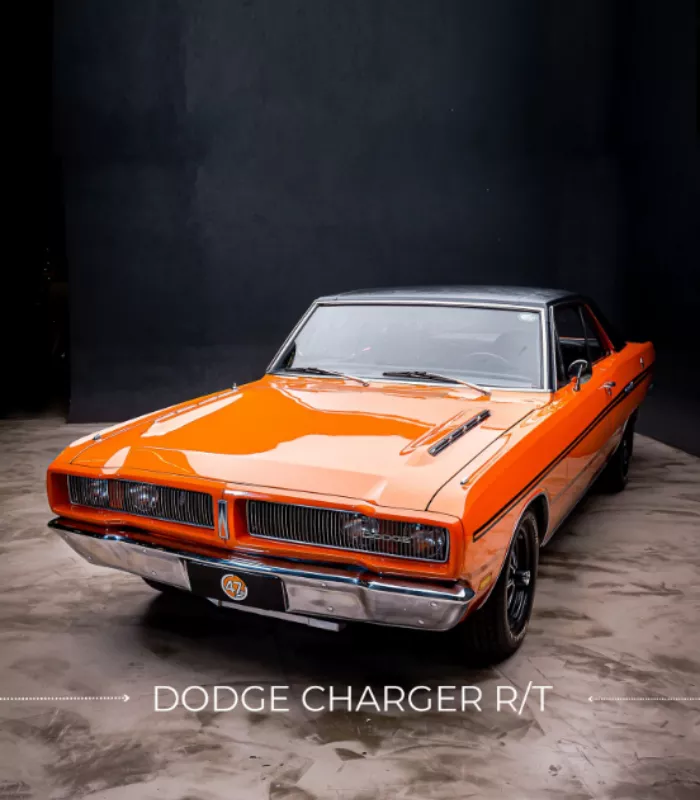
The Dodge Charger is one of the most famous muscle cars ever made. The 1969 model became a Hollywood icon. The 1976 version became something else entirely.
The top engine that year was a 6.6-liter V8 producing only 185 horsepower. The car weighed a massive 4,250 pounds.
It needed 11 full seconds to reach 60 mph. A big engine number meant nothing when the car was that heavy and that restricted.
Fans of the original Charger could only watch in disappointment as the name was stretched over something unrecognizable.
Why It’s On This List: The Charger name carried enormous street credibility from the muscle car golden age. Dodge used that credibility to sell a bloated, slow coupe that shared almost nothing in spirit with its legendary predecessors. That is a tough legacy to live down.
15. 1982 Chevrolet Camaro Iron Duke
The 1982 Camaro got a stylish third-generation redesign. Fans were excited. Then they opened the hood on the base model.
The Iron Duke was a 2.5-liter four-cylinder engine making just 90 horsepower. It gave the Camaro a weight-to-power ratio of 31.8 pounds per horsepower.
A four-cylinder Camaro. Let that sink in. It was arguably the most un-Camaro thing Chevrolet ever did.
The new body style looked sharp and modern. It deserved an engine that could at least keep up with highway traffic without breaking a sweat.
Why It’s On This List: Chevy built a car that looked fast and came with a four-cylinder engine slower than economy compacts of the same era. I made a classic mistake of assuming any new-generation Camaro had to have decent power. This one proved me wrong in the worst way possible.
16. 1980 Pontiac Grand Prix
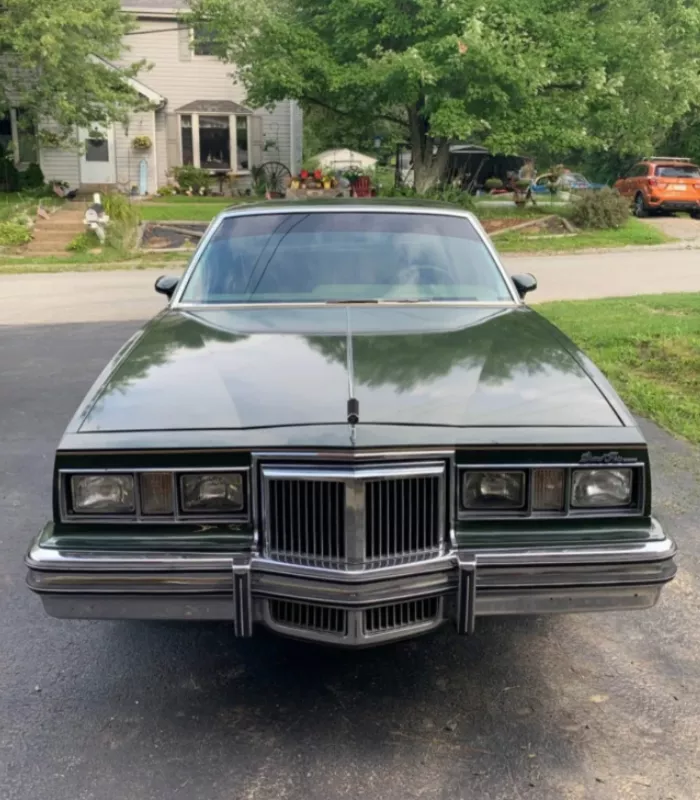
The Pontiac Grand Prix once had presence. It was large, powerful, and unmistakably American. The 1980 version was a very different story.
That year’s 4.3-liter V8 made just 125 horsepower. Zero to 60 mph took a staggering 14 full seconds.
An optional diesel V8 in 1981 managed only 105 horsepower and took 16.4 seconds to reach 60 mph. A diesel muscle car. Nobody asked for that.
Pontiac thought downsizing would win over fuel-conscious buyers. Instead, it just made longtime fans very, very sad.
Why It’s On This List: Pontiac shrunk the Grand Prix down in the late 1970s to save on fuel costs. By 1980, it had lost all pretense of being a performance car. The Grand Prix name deserved far better than what it got that decade.
17. 2000 Chevrolet Monte Carlo SS
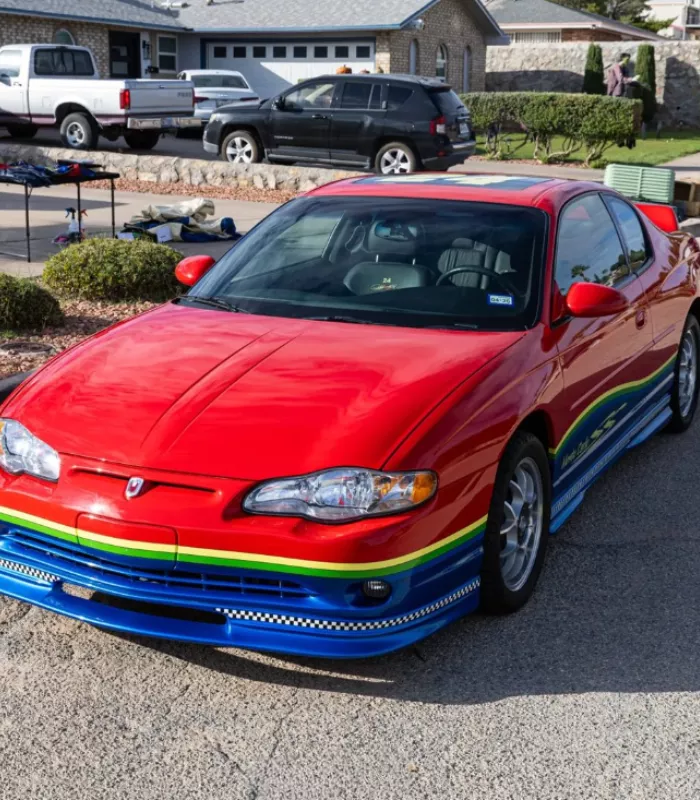
Chevrolet tried to revive the muscle car spirit in 2000 with a new Monte Carlo SS. The SS badge had real history behind it. That’s why this one stings so much.
The SS came with a 3.8-liter V6 making just 200 horsepower. It was front-wheel drive with a cheap interior and a four-speed automatic as the only transmission choice.
A front-wheel-drive SS badge is not a muscle car. It is a marketing trick. Zero to 60 took 8.6 seconds, which is unacceptable for anything wearing that badge.
GM had the tools and the history to do something great here. They chose the affordable route instead, and the SS name paid the price.
Why It’s On This List: GM took one of the most respected performance badges in American automotive history and stuck it on a front-wheel-drive family coupe with a V6. That’s why this car closes out our list with the distinction of being one of the most cynical badge jobs in muscle car history.