

Over the decades, automakers have unleashed machines that looked fast, sounded fast, and cost a fortune.
But behind the flashy badges and low-slung hoods was often a very different story.
A slow engine here. A fire hazard there. A trunk too small for a sandwich.
Detroit, Stuttgart, and Maranello all had their moments of madness.
Even the best carmakers in the world occasionally built something that had no business wearing a spoiler.
[survey question=”Which sports cars do you think failed to deliver on expectations?” author=”Author · Jennifer”]
1. Pontiac Solstice GXP, 2006-2010
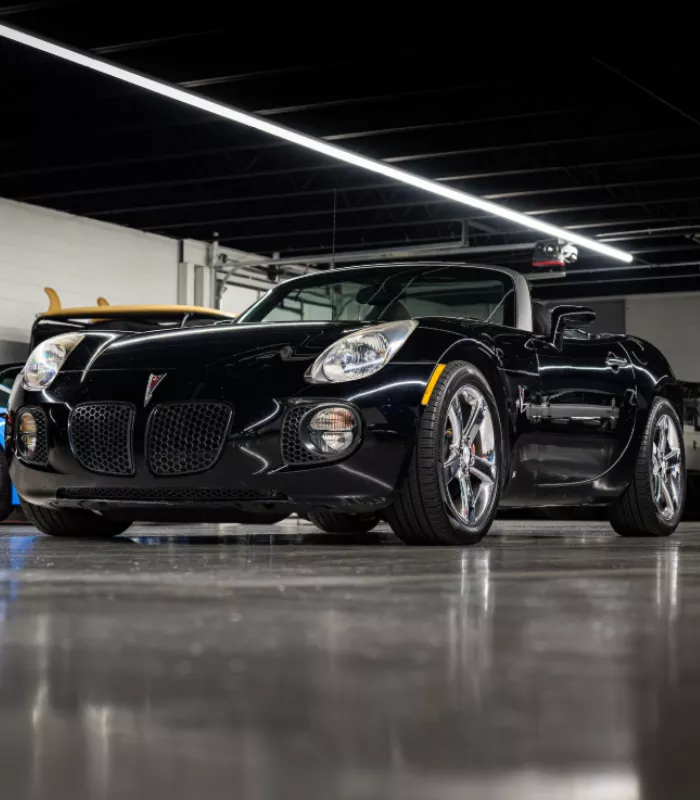
The Pontiac Solstice looked stunning in photos.
But here’s the catch: it was nearly impossible to get in and out of, especially if your knees were not what they used to be.
The trunk was so small it could barely fit a gym bag. And the soft top? It had to be folded and stored manually in that same tiny trunk.
Driving it around town meant planning every stop in advance just to avoid parallel parking. Most owners admitted they loved showing it off far more than actually driving it anywhere useful.
Why It’s On This List: With only 5.5 cubic feet of trunk space, the Solstice had one of the smallest storage areas of any sports car ever sold in America. It looked like a sports car but lived like a punishment.
2. Dodge Viper, 1992-2002 (First Generation)
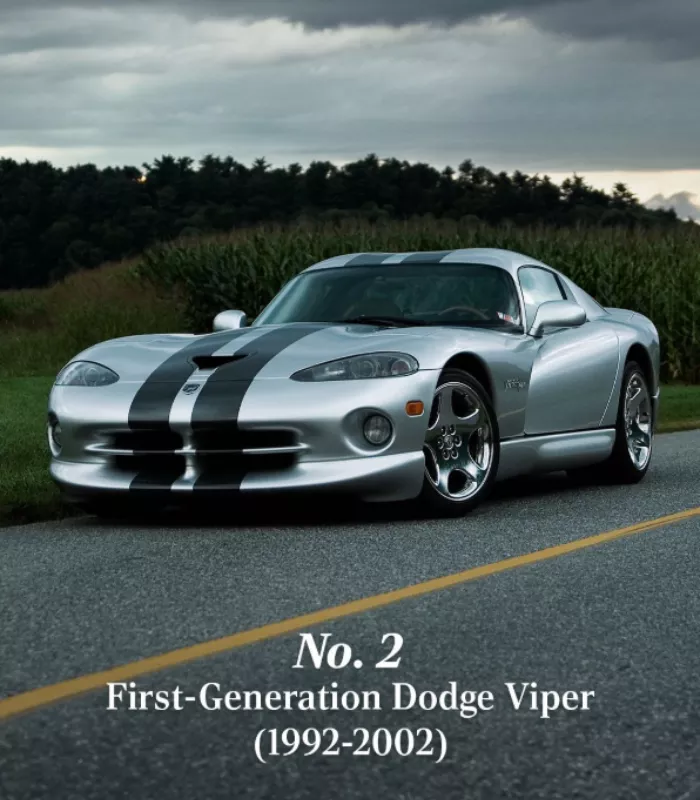
The original Dodge Viper was raw, loud, and wildly powerful.
It also had no traction control, no stability control, no ABS, and no side windows.
It was basically a 400-horsepower machine with no safety net. Experienced drivers struggled to keep it on the road. Beginners had no chance.
Even seasoned car enthusiasts treated it with extreme caution. One wrong move at highway speed and the Viper quickly reminded you who was actually in charge.
Why It’s On This List: The first-gen Viper sent more drivers into guardrails than almost any other American sports car of its era. Fun to look at. Terrifying to drive.
3. Lamborghini Countach, 1974-1990
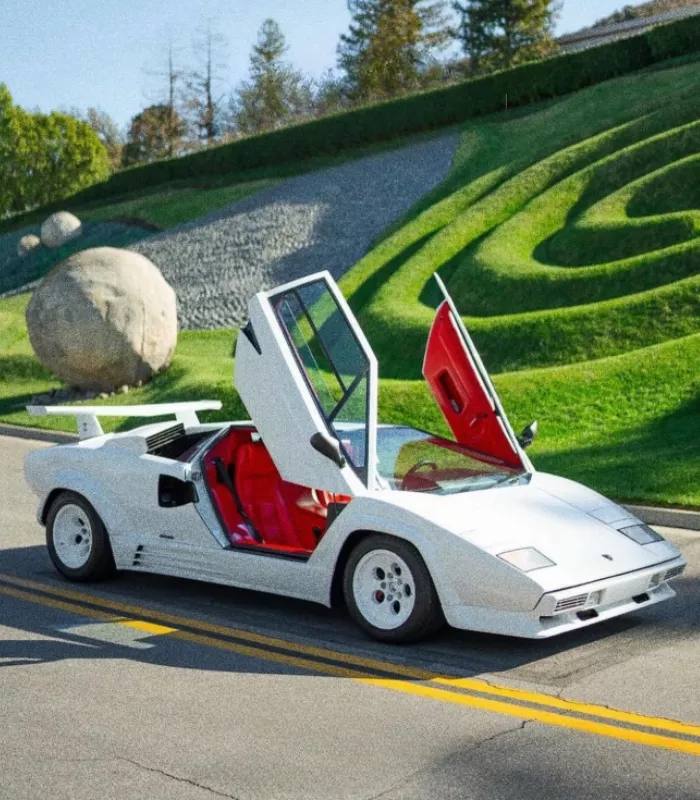
The Lamborghini Countach was the poster car of the 1970s and 80s.
It was on every teenager’s bedroom wall. But driving one was a completely different story.
The visibility was so bad that you had to open the door and stick your head out just to back up. The cabin was cramped, the ride was brutal, and the engine often overheated in traffic.
Owners who actually drove them regularly reported constant mechanical complaints and a ride so stiff it felt like sitting on a concrete slab at 80 miles per hour.
Why It’s On This List: The Countach was built to be admired, not driven. One automotive writer famously called it “the worst car I have ever loved.”
4. Ferrari Testarossa, 1984-1996
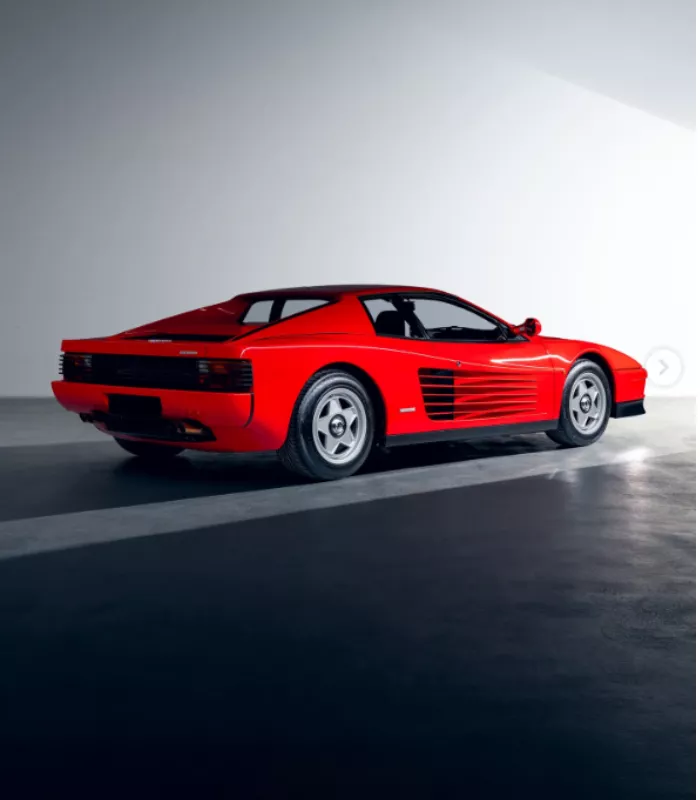
The Ferrari Testarossa became famous thanks to the TV show Miami Vice.
It was wide, flashy, and looked like nothing else on the road.
But it was also extremely difficult to park, nearly impossible to see out of, and the side strakes collected dirt like a magnet. It was a car that demanded a lot and gave back mostly headaches.
Owners in busy cities quickly learned that a valet could turn a simple dinner into a very expensive scrape along a parking garage wall.
Why It’s On This List: At 77.8 inches wide, the Testarossa was wider than many trucks of the time. Finding a parking spot was a daily adventure nobody asked for.
5. Bugatti Veyron, 2005-2015
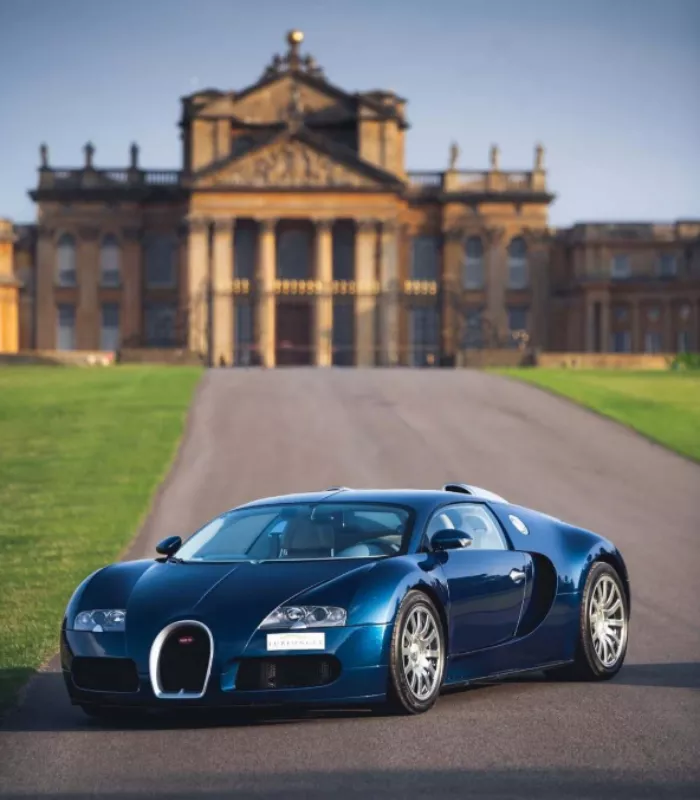
The Bugatti Veyron could hit 253 miles per hour.
That sounds impressive until you realize it burned through a full tank of fuel in about 12 minutes at top speed.
It also cost around $1.7 million new, and routine maintenance bills often ran over $300,000. That’s why most owners simply parked them and never drove them.
A set of replacement tires alone cost roughly $38,000. Oil changes required dropping the entire rear end of the car and ran close to $21,000 each time.
Why It’s On This List: Bugatti reportedly lost around $6 million on every single Veyron it sold. A car so expensive it was useless even to its own maker.
6. Alfa Romeo Spider (Series 3), 1983-1989
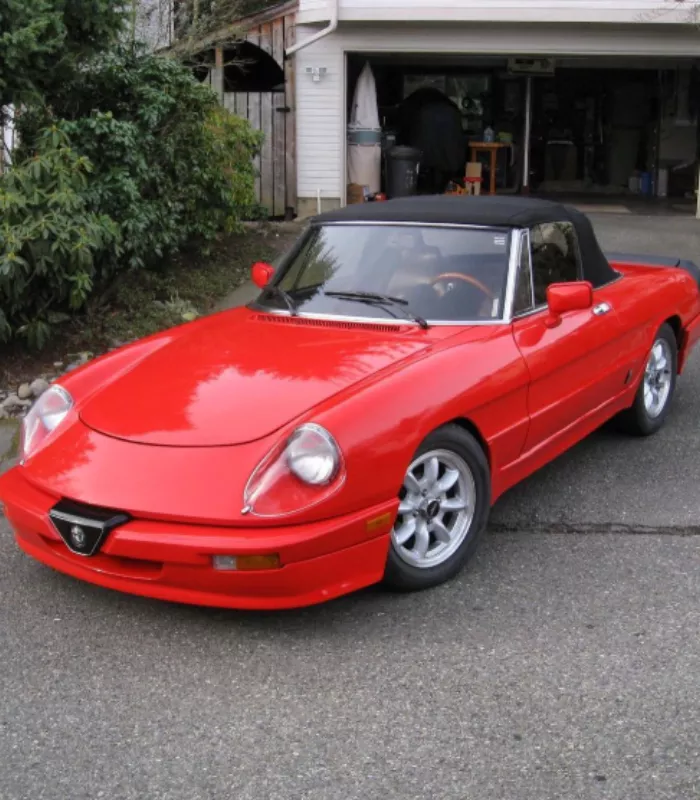
The Alfa Romeo Spider was one of the most beautiful roadsters ever made.
By the time the 1980s rolled around, though, it was badly outdated.
Rust problems were legendary. Reliability was a running joke. Owners spent more time at the mechanic than on the open road. One owner quipped that he needed two Spiders: one to drive and one for parts.
Even short road trips required a certain amount of optimism. Breakdowns were not a matter of if but when, and roadside assistance numbers were kept close at hand.
Why It’s On This List: Consumer reports from the era ranked it among the least reliable cars you could buy. Beautiful? Yes. Dependable? Not a chance.
7. BMW Z3 M Coupe, 1998-2002
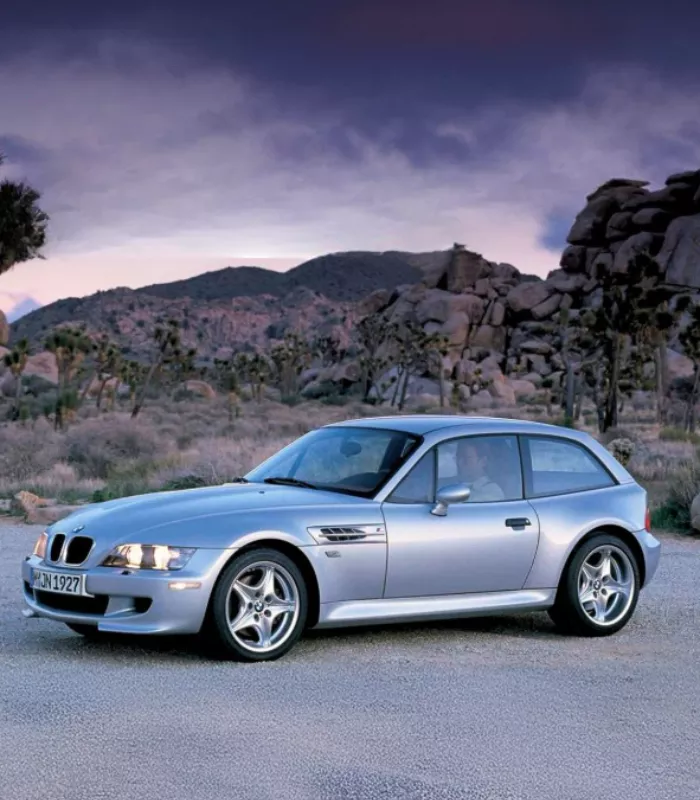
The BMW Z3 M Coupe had a nickname among car enthusiasts: “the clown shoe.”
Its odd hatchback shape made it look like something designed on a dare.
It was stiff, noisy, and had a tendency to snap into oversteer with very little warning. You’re better off with the standard Z3 if a fun weekend drive is what you were after.
The rear end would step out so suddenly on wet roads that even experienced drivers were caught completely off guard, often with very little time to correct it.
Why It’s On This List: Despite its wild looks, the Z3 M Coupe was praised by track enthusiasts but panned by everyday drivers. It was too much car for regular roads and not enough car for serious racing.
8. Mazda RX-8, 2003-2012
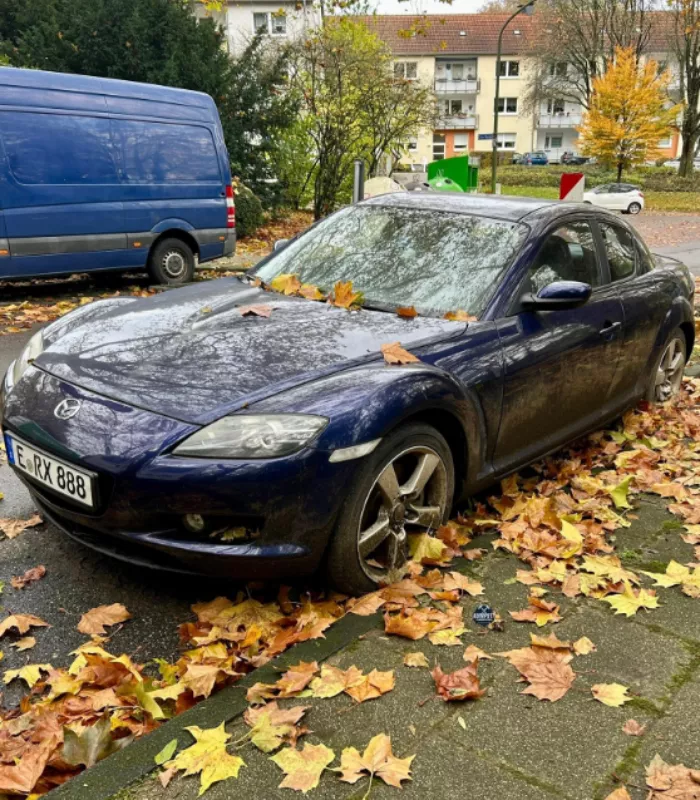
The Mazda RX-8 turned heads with its sleek lines and unique rotary engine.
But that rotary engine was the car’s biggest weakness.
It needed oil top-offs constantly, flooded easily in cold weather, and had a habit of burning through engines well before 100,000 miles. Many owners were shocked to find rebuild costs rivaling the car’s resale value.
Cold winter mornings were a particular gamble. Failing to warm the engine up properly, even once, could leave you stranded in your own driveway with a flooded rotary and a very long day ahead.
Why It’s On This List: The RX-8 was officially discontinued partly because its rotary engine could not meet modern fuel economy standards. A fun car that was never practical.
9. Porsche 914, 1969-1976
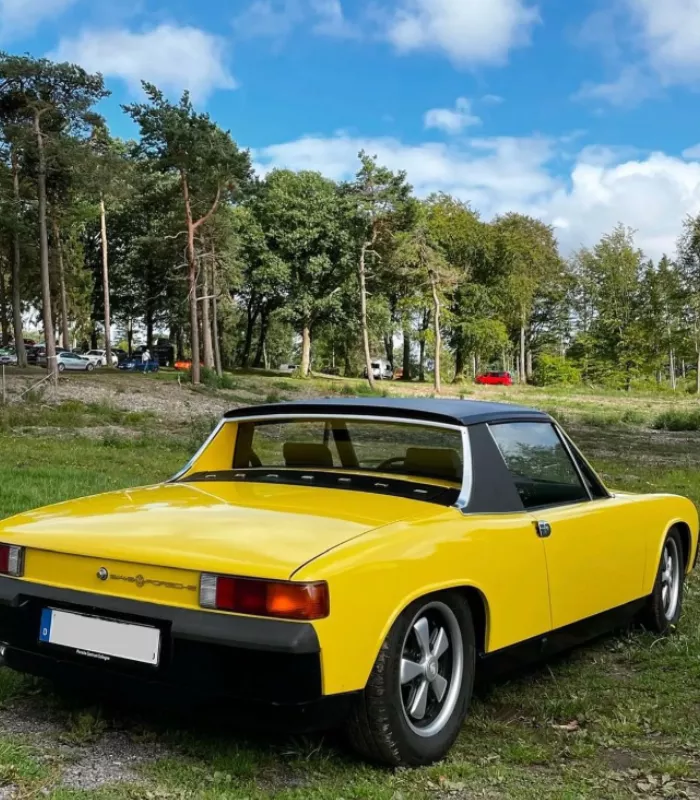
The Porsche 914 was meant to bring more people into the Porsche brand at a lower price.
I made a classic mistake of judging this one by the badge alone.
It was underpowered, slow, and felt cheap inside. Porsche fans resented it. VW fans did not want it either. It fell right into the gap between two audiences and pleased almost nobody.
The removable roof panel was stored in the trunk, which sounds clever until you realize it took up almost all of the already limited cargo space you were counting on.
Why It’s On This List: The base 914 had a 0-to-60 time of around 13 seconds. That is slower than most family sedans of the same era. A sports car in name only.
10. Chevrolet Corvair Corsa Convertible, 1965-1966

The Corvair Corsa looked sporty and stylish for its time.
But Ralph Nader’s 1965 book Unsafe at Any Speed put the Corvair in the national spotlight for all the wrong reasons.
Handling issues, especially at highway speeds, made it genuinely dangerous for the average driver. General Motors eventually stopped production just a few years later. It remains one of the most controversial American cars ever built.
The rear-engine design caused the back of the car to swing wide during hard cornering, a behavior that caught many unsuspecting drivers completely by surprise at the worst possible moments.
Why It’s On This List: The Corvair became a symbol of the early consumer safety movement in America. It helped create the modern car safety regulations we all benefit from today.
11. DeLorean DMC-12, 1981-1983
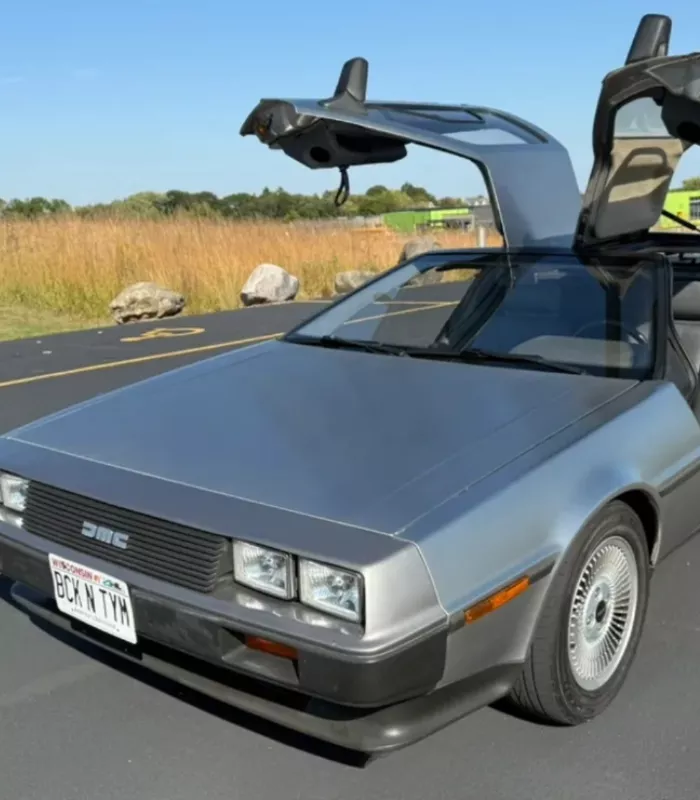
Everyone knows the DeLorean from the Back to the Future movies.
But the real car was far less exciting than Hollywood made it look.
It had a V6 engine that produced only 130 horsepower. That was barely enough to merge onto a highway. It went from 0 to 60 miles per hour in about 10 seconds, slower than most basic family sedans of the time. The company collapsed in 1982, just two years after production began.
The stainless steel body looked futuristic but was nearly impossible to repair after even minor dents. Body shops across the country simply turned DeLorean owners away rather than attempt the work.
Why It’s On This List: Fewer than 9,000 DeLoreans were ever made. Its biggest achievement was becoming a movie prop. As an actual sports car, it delivered almost nothing worth bragging about.
12. Plymouth Prowler, 1997-2002
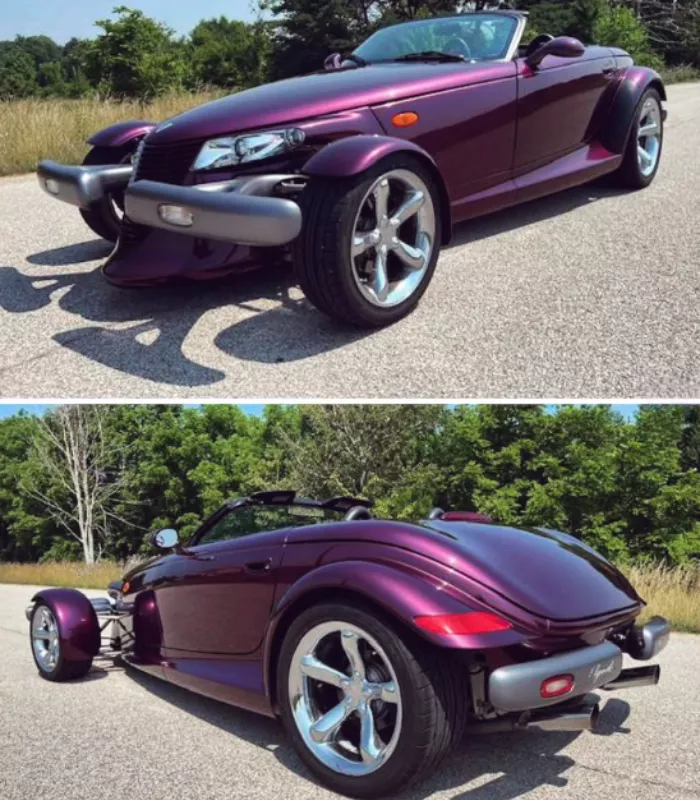
The Plymouth Prowler had one of the most eye-catching designs of the 1990s.
It looked like a hot rod straight out of the 1950s, and people loved it at car shows.
But here’s the deal: Plymouth put a V6 engine in a car that screamed for a V8. With only 214 horsepower, it could not back up its bold looks. It sold fewer than 12,000 units over five years, and Plymouth was discontinued shortly after.
To make things worse, the Prowler had no conventional spare tire. A flat meant calling a flatbed truck, which was not exactly what buyers had in mind when they signed on the dotted line.
Why It’s On This List: A retro-styled car with a grocery-getter engine, the Prowler was all costume and no muscle. It remains one of the biggest mismatches between style and performance in American car history.
13. Triumph TR7, 1975-1981
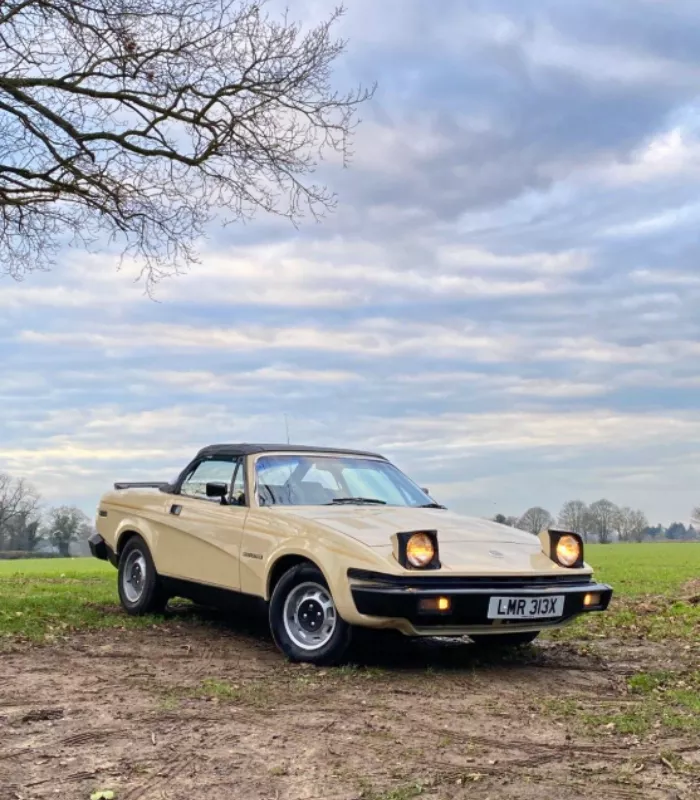
The Triumph TR7 was advertised as “the shape of things to come.”
What came after it was Triumph’s bankruptcy.
The U.S. version was strangled down to just 95 horsepower, making it slow, cramped, and uninspiring to drive. Build quality was poor, and the interiors felt cheap even by the standards of the time. Of the roughly 115,000 units built, fewer than half actually sold.
Labor disputes at the British factory caused long production delays and inconsistent build quality. Many cars arrived at dealerships with faults that should have been caught long before they left the factory floor.
Why It’s On This List: The TR7 helped end one of Britain’s most beloved sports car brands. That is a legacy no automaker wants to leave behind.
14. Pontiac Fiero, 1984-1988
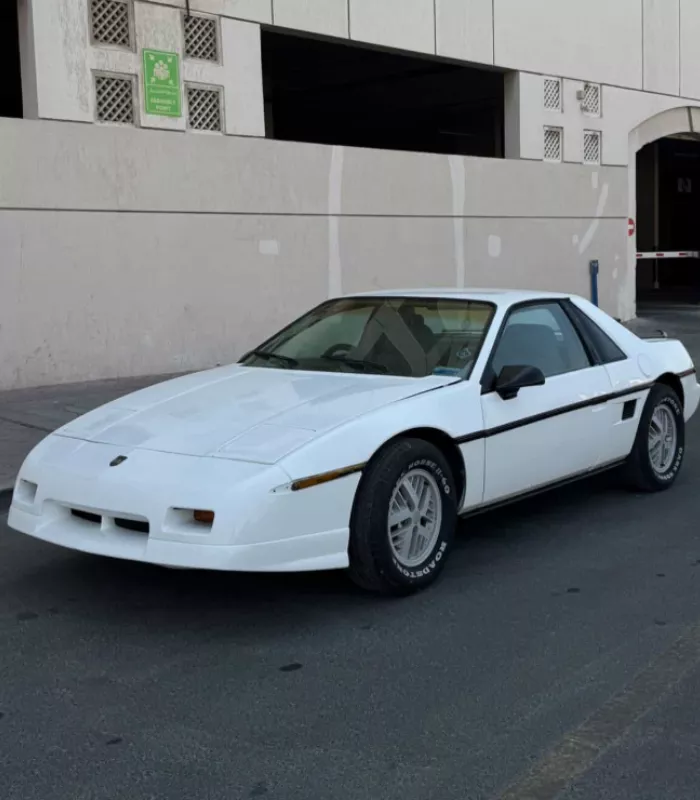
The Pontiac Fiero looked like a proper sports car and had a smart mid-engine layout.
On paper, it had everything going for it.
In reality, it had serious reliability problems, weak performance in the base model, and a well-documented tendency to catch fire due to oil leaks onto hot engine components. General Motors issued a major recall in 1987. The Fiero was discontinued the following year.
The base four-cylinder engine produced just 92 horsepower, which meant that even compact economy cars of the era could leave a Fiero behind at a stoplight without really trying.
Why It’s On This List: Over 260 fires were reported in early Fiero models. A car that literally could not keep its cool belongs on this list without question.
15. Porsche 924, 1976-1988
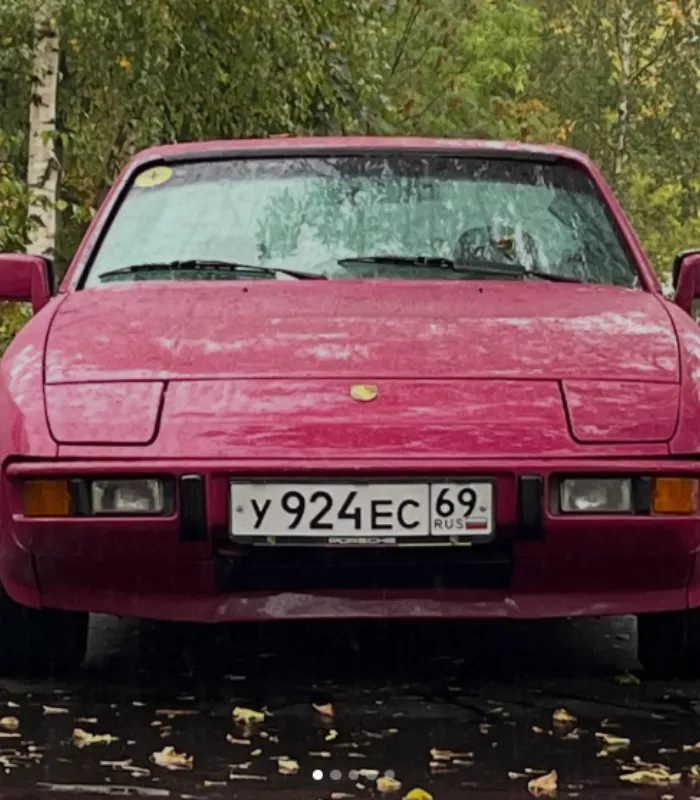
After the disappointing Porsche 914, the brand tried again with the 924.
It was meant to be an affordable entry into the Porsche family.
The base model offered just 125 horsepower, which felt embarrassingly weak for a Porsche badge. Reliability issues followed the car throughout its production run. Hardcore Porsche fans refused to accept it, and many dealers struggled to move them off the lot.
The cabin rattled on rough roads, the air conditioning was unreliable in warm climates, and the general fit and finish felt more like a budget hatchback than anything with a Porsche crest on the hood.
Why It’s On This List: The 924 used a 2.0-liter engine originally developed by Audi for a front-wheel-drive van. That is not exactly the pedigree Porsche buyers were paying for.
16. Saturn Sky, 2007-2010
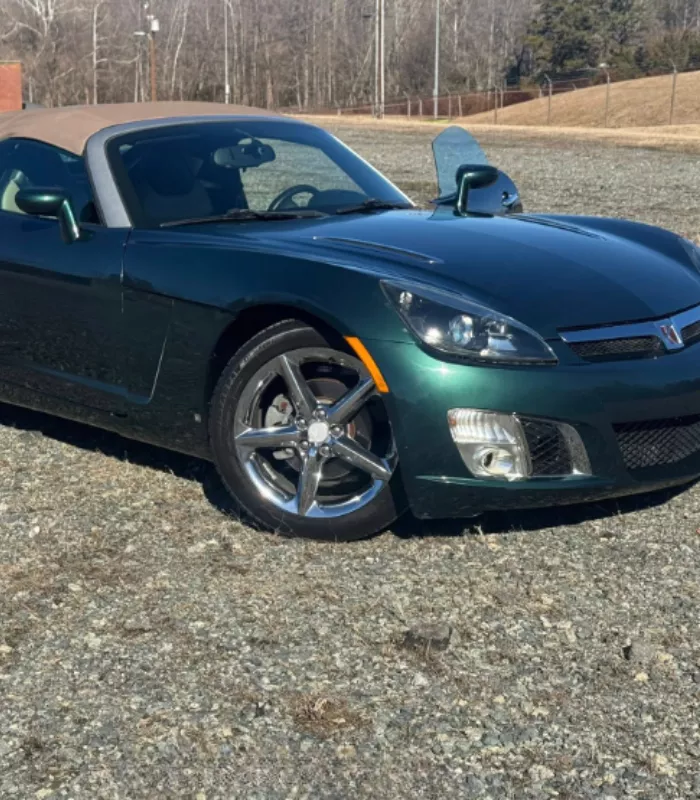
The Saturn Sky was one of the better-looking roadsters General Motors ever built.
That is where the good news ends.
The base model had only 180 horsepower, the interior was full of cheap plastic, and the car felt unfinished in too many ways. Saturn itself was shut down by GM in 2010, taking the Sky with it. You’re better off with a Mazda Miata from the same era for half the frustration.
Convertible top issues were a common complaint, with seals leaking after just a few years of normal use and leaving owners with a wet seat after every rain shower.
Why It’s On This List: The Sky shared its platform with the Pontiac Solstice, another car on this list. Two versions of the same disappointment is not a good look for any automaker.
17. Ferrari FXX K, 2014-2016
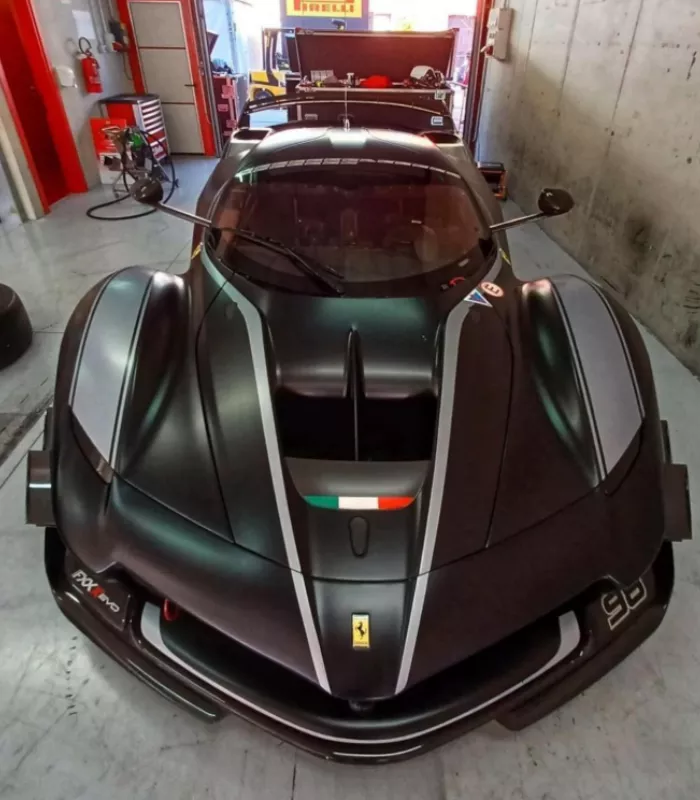
The Ferrari FXX K costs around $2.6 million and produces over 1,000 horsepower.
That sounds like the ultimate sports car, until you hear the rest.
It was not street legal. Ferrari kept the car themselves and only delivered it to a race track when the owner requested it. After each session, Ferrari took the car back. You could spend $2.6 million and still never actually own your own car. That takes useless to a whole new level.
Only 40 units were ever made, and buyers were handpicked by Ferrari itself. Spending millions did not even guarantee you a spot on the list, which may be the most exclusive rejection in automotive history.
Why It’s On This List: The Ferrari FXX K may be the only car on earth where the buyer does not get to keep what they paid for. The most expensive lease arrangement in automotive history.