

There is a certain kind of traveler who comes back from the Caribbean and says, “It was nice, but a little too crowded for me.”
That traveler went to the right ocean but the wrong island.
Scattered across the same warm water are places with glowing bays, ghost towns buried in volcanic ash, and beaches so empty they feel illegal.
These islands did not make the brochure because they never needed one.
Word never got out, and honestly, the people who live there prefer it that way.
1. Culebra, Puerto Rico
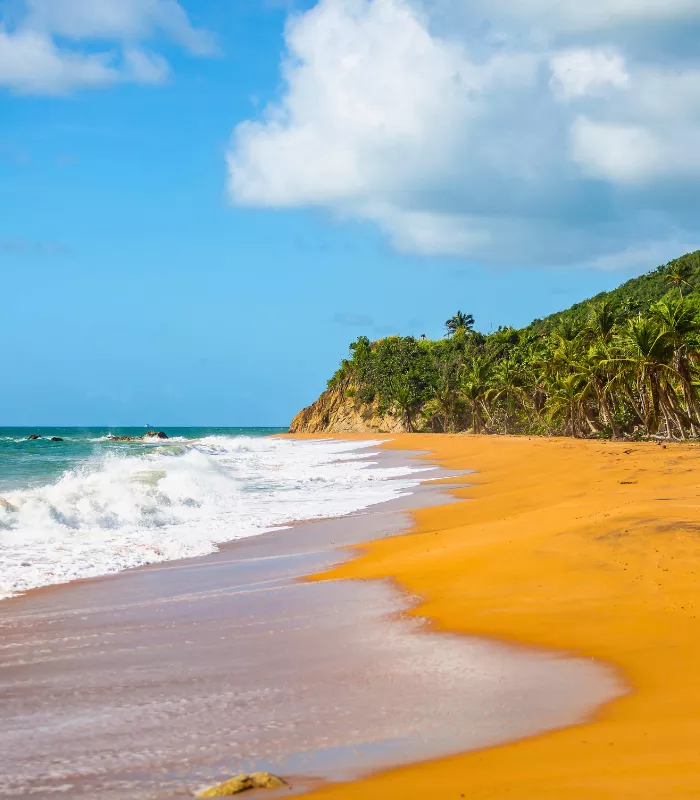
Most people have heard of Puerto Rico. But very few know about Culebra.
This tiny island sits about 17 miles east of the main island. It has no traffic lights. No fast food chains. No crowds.
Flamenco Beach here is consistently rated one of the top 10 beaches in the world. The water is so clear you can see your feet in 20 feet of water.
The island is also a protected wildlife refuge. Sea turtles nest on the beaches every year. Snorkeling here feels like swimming inside a nature documentary.
Getting here is easier than most people think. A short flight from San Juan takes less than 30 minutes. You land, step outside, and wonder why you ever went anywhere else.
Why It’s On This List: No passport needed. U.S. citizens can fly here directly and feel like they discovered a secret Caribbean paradise that most tourists walk right past.
2. Vieques, Puerto Rico
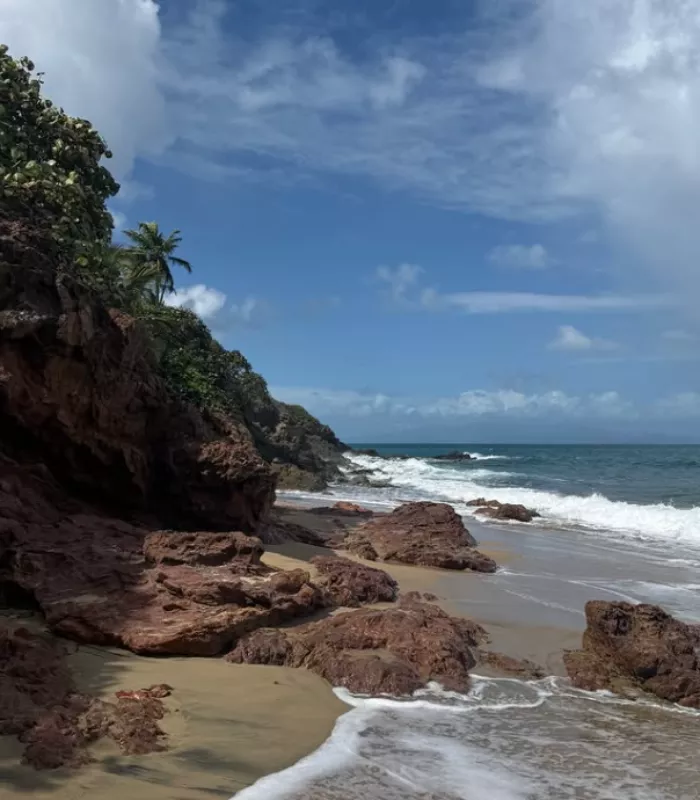
Vieques is another Puerto Rican gem that most Americans overlook.
For decades, the U.S. Navy used this island for military training. That kept tourists away. But here’s the deal: that history actually preserved it. The island stayed wild and untouched.
Today, Vieques is home to one of the brightest bioluminescent bays in the world. On a dark night, the water glows neon blue when you move through it.
Wild horses roam freely across the island. They wander through open fields and along roadsides as if they own the place. It is one of the most unexpected and magical sights in all of the Caribbean.
The beaches on the western end of the island are largely undeveloped. Miles of soft sand with almost no footprints. That is not something you find easily in the Caribbean anymore.
Why It’s On This List: The bioluminescent bay at Mosquito Bay holds a Guinness World Record for the highest concentration of bioluminescent organisms ever recorded.
3. Saba, Dutch Caribbean
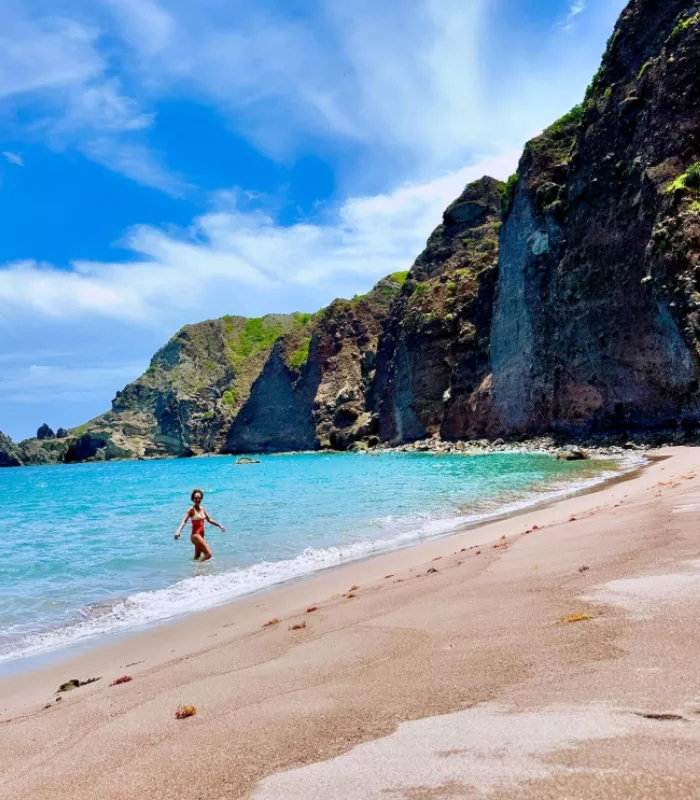
Saba is only 5 square miles. It is the smallest special municipality of the Netherlands.
The whole island is basically a volcano. The highest peak is called Mount Scenery. It rises nearly 3,000 feet straight out of the sea.
Saba has no beaches. Instead, it draws divers, hikers, and people who want to get completely off the grid. The airport here has one of the shortest commercial runways in the world.
The diving around Saba is considered some of the best in the entire Caribbean. Underwater pinnacles rise from the ocean floor and attract huge schools of fish, rays, and the occasional whale shark.
The island has a handful of small inns and locally owned restaurants. Meals are unhurried. Conversations with locals are easy. There is no reason to rush because there is nowhere to rush to.
Why It’s On This List: Saba sees fewer than 10,000 visitors a year. For comparison, St. Maarten nearby sees over 2 million. That tells you everything.
4. St. Eustatius (Statia), Dutch Caribbean
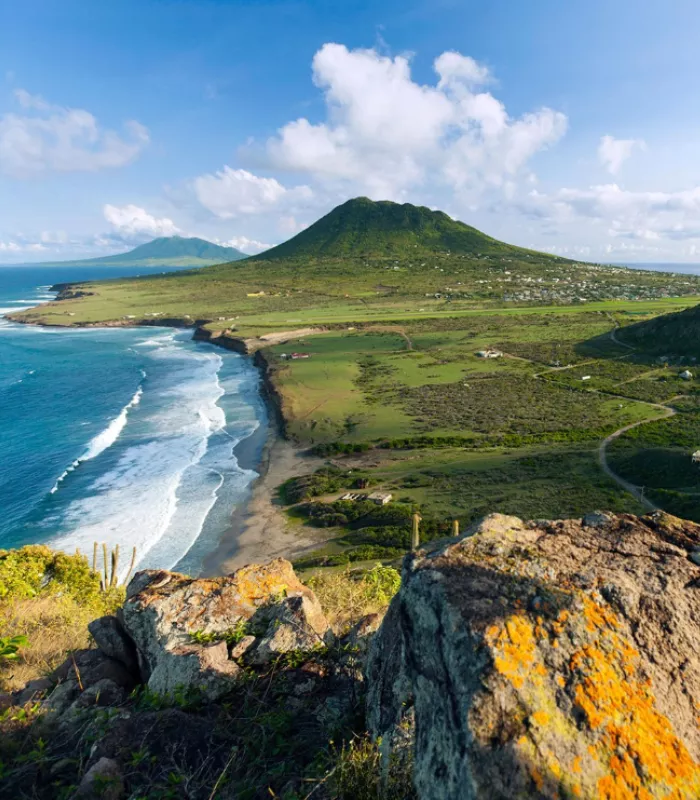
St. Eustatius is one of the least visited islands in the entire Caribbean.
But it has a fascinating history. In 1776, it was the first foreign government to officially salute the American flag. That’s why historians call it “The Golden Rock.”
The island has rich dive sites filled with sunken ships and old colonial warehouses still sitting on the ocean floor. History lovers will feel like they hit the jackpot.
Above water, the island is just as interesting. You can hike into the crater of an extinct volcano called The Quill, where a lush rainforest grows quietly inside the bowl. It feels like a secret garden hidden at the top of the world.
Walking through the old stone ruins of Lower Town gives you a real sense of just how powerful this tiny island once was. At its peak, it was handling more trade than almost anywhere else in the Western world.
Why It’s On This List: St. Eustatius was once the busiest trading port in the Western Hemisphere. Today, it welcomes only a few thousand tourists per year.
5. Anegada, British Virgin Islands
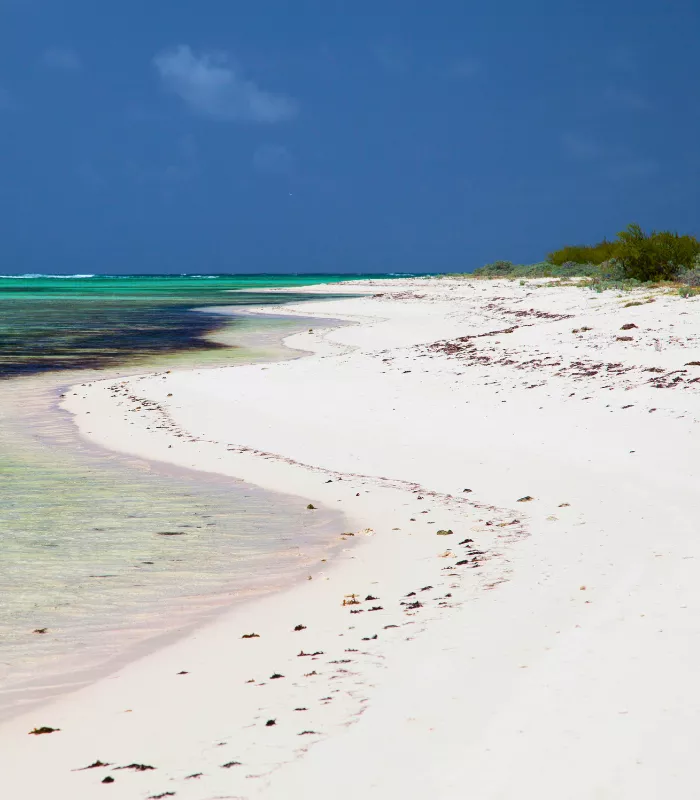
Most of the British Virgin Islands are hilly and green. Anegada is completely flat.
It barely rises above sea level. The whole island is made of coral and limestone. Its surrounding reef is the third-largest coral reef system in the world.
Anegada is also famous for its wild flamingos and fresh lobster. You can eat lobster caught that same morning, cooked right on the beach.
The beaches here stretch for miles with almost no one on them. The sand is powdery white, and the water shifts between every shade of blue and green imaginable. It is the kind of place people describe, and nobody believes until they see it themselves.
Because the island sits so low in the water, the sunsets here are unobstructed and enormous. The whole sky lights up in every direction. Locals say no two sunsets ever look the same.
Why It’s On This List: More than 300 ships have wrecked on the reefs around Anegada over the centuries. It is a dream destination for wreck divers and history buffs alike.
6. Dominica
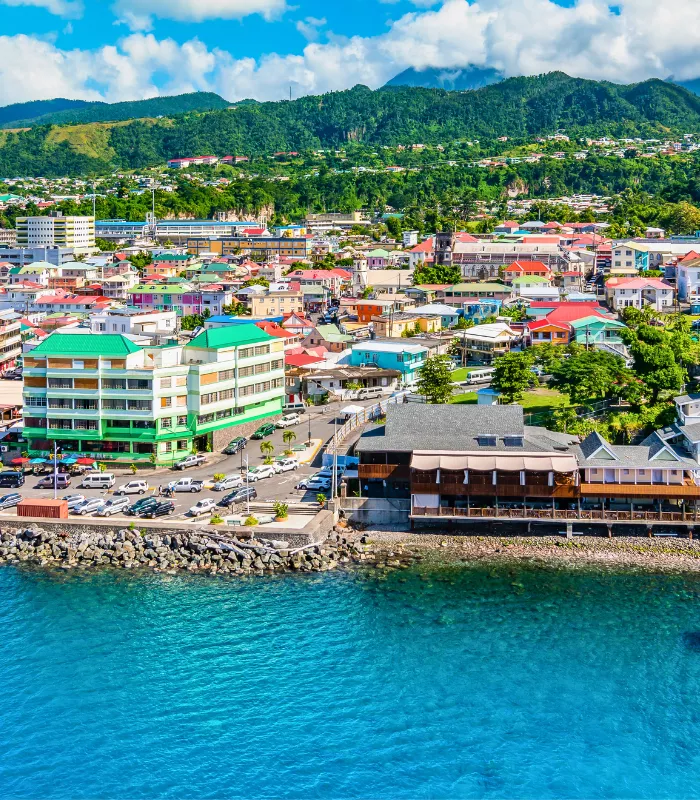
People mix these up all the time. Dominica and the Dominican Republic are two completely different places.
Dominica is a small island nation known as “The Nature Isle of the Caribbean.” It has boiling lakes, rainforests, and volcanic hot springs. You’re better off thinking of it as the Caribbean’s version of a national park.
There are no big resort chains here. The island has stayed raw and real on purpose.
Whale watching in Dominica is extraordinary. Sperm whales live in the waters around the island year-round, not just seasonally. Scientists actually come here to study them up close.
The hiking trails here wind through some of the most dramatic scenery in the entire region. Waterfalls appear around almost every bend. Some of them drop into natural pools you can swim in right on the spot.
Why It’s On This List: Dominica is home to the second-largest boiling lake in the world. It sits inside a volcanic crater and reaches temperatures close to 200 degrees Fahrenheit.
7. Marie-Galante, Guadeloupe
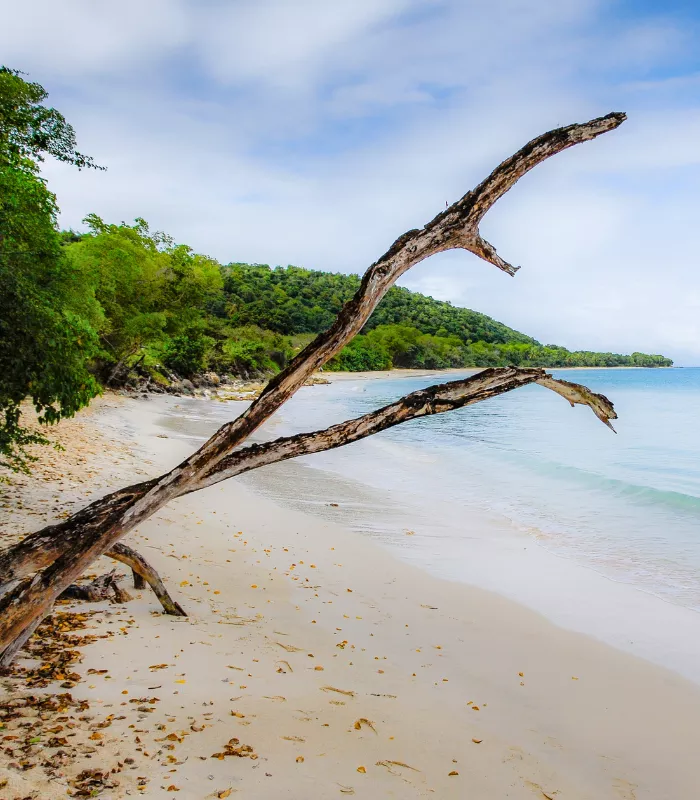
Marie-Galante is part of the French Caribbean island group called Guadeloupe.
It is a flat, round island about 25 miles south of the main island. Locals call it “The Big Pancake.” It has some of the most unspoiled white sand beaches in the entire Caribbean.
Rum production here is a serious art. The island still uses old ox-powered sugar mills that date back hundreds of years.
Life moves slowly on Marie-Galante, and that is exactly the point. Locals fish, farm, and gather at small outdoor markets. There are no big hotels pushing you to book a tour. It is just good food, warm people, and quiet beaches.
The ferry ride over from Guadeloupe takes about 45 minutes. Step off the boat, and the pace of life immediately shifts. Even the air feels different here, quieter somehow, and easier to breathe.
Why It’s On This List: Marie-Galante has about 12,000 residents and almost no tourist infrastructure. That means quiet beaches, fresh food, and a real slice of French Caribbean life.
8. Nevis, St. Kitts and Nevis
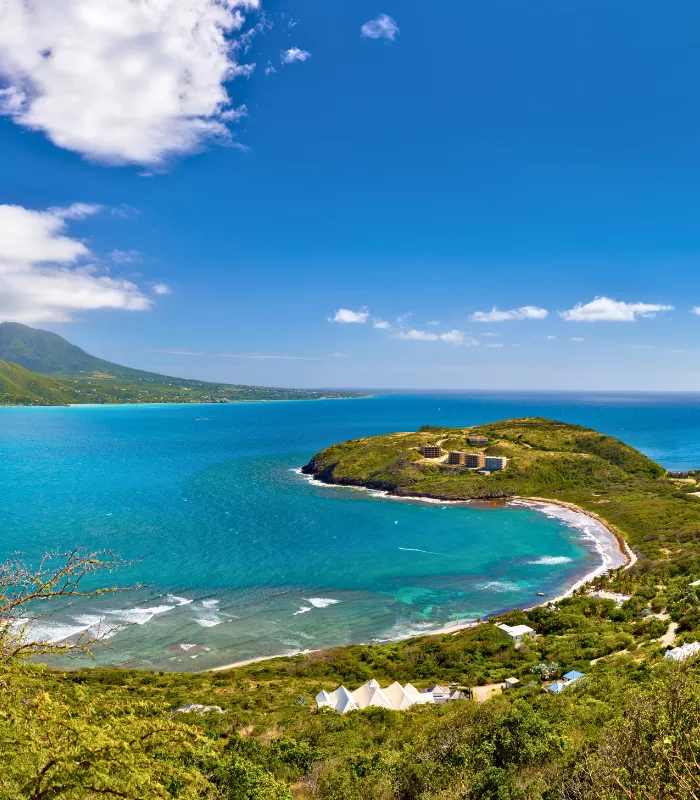
St. Kitts gets most of the attention. But Nevis, its smaller sister island, is the hidden gem.
Nevis was the birthplace of Alexander Hamilton. It was also one of the wealthiest sugar islands in the 18th century. Today, the whole island feels like a place where time slowed down on purpose.
The volcano at the center of the island is almost always wrapped in clouds. That is actually how the island got its name. Spanish explorers called it “Las Nieves,” meaning “The Snows.”
The hot spring baths near Charlestown have been drawing visitors since the 1700s. Even Prince William and members of the British royal family have made the trip. The warm mineral waters are said to be incredibly restorative.
The island is small enough that you can drive around the entire coast in under an hour. Yet somehow it never feels too small. Every road turns up something worth stopping for.
Why It’s On This List: Nevis has fewer than 12,000 residents. The main town, Charlestown, still looks much like it did in the 1800s. It is one of the most authentic colonial towns left in the Caribbean.
9. Tobago, Trinidad and Tobago
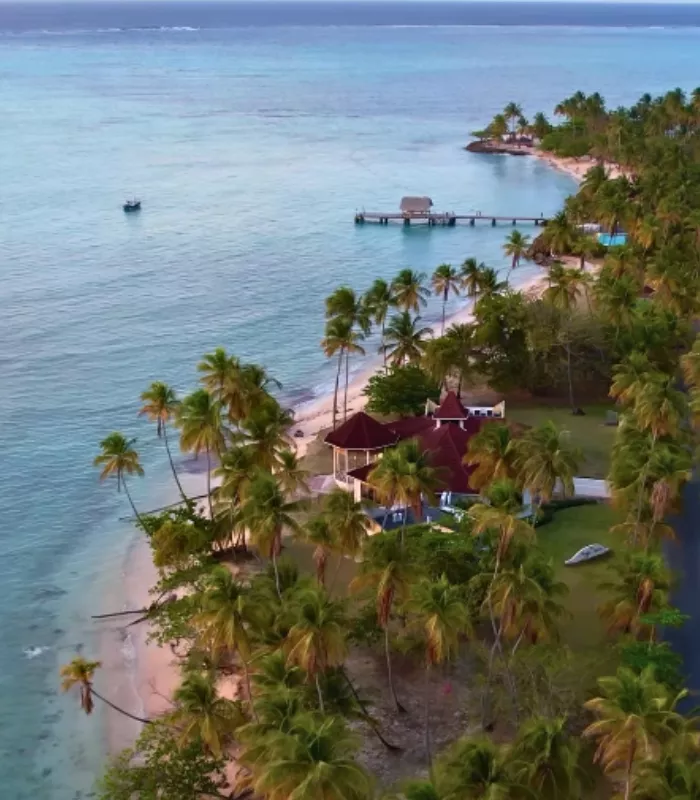
Everyone has heard of Trinidad. Tobago, its quiet partner island, is a different world entirely.
Tobago sits about 20 miles north of Trinidad. It has lush rainforest, coral reefs, and calm beaches that families absolutely love. The Buccoo Reef here is one of the oldest protected marine parks in the Caribbean.
The island is also known for its incredible birdwatching. Over 200 species of birds have been spotted here.
Tobago has a relaxed, unhurried energy that is hard to find anywhere else in the Caribbean. Small guesthouses, local cooking, and friendly communities make every visitor feel like a welcome guest rather than just another tourist.
The local food alone is worth the trip. Freshly caught fish, curried crab, and homemade hot sauce served at roadside stands give you a real taste of Caribbean life as it has always been lived.
Why It’s On This List: Tobago’s Main Ridge Forest Reserve is one of the oldest legally protected rainforests in the Western Hemisphere. It was protected by British law back in 1776.
10. La Desirade, Guadeloupe
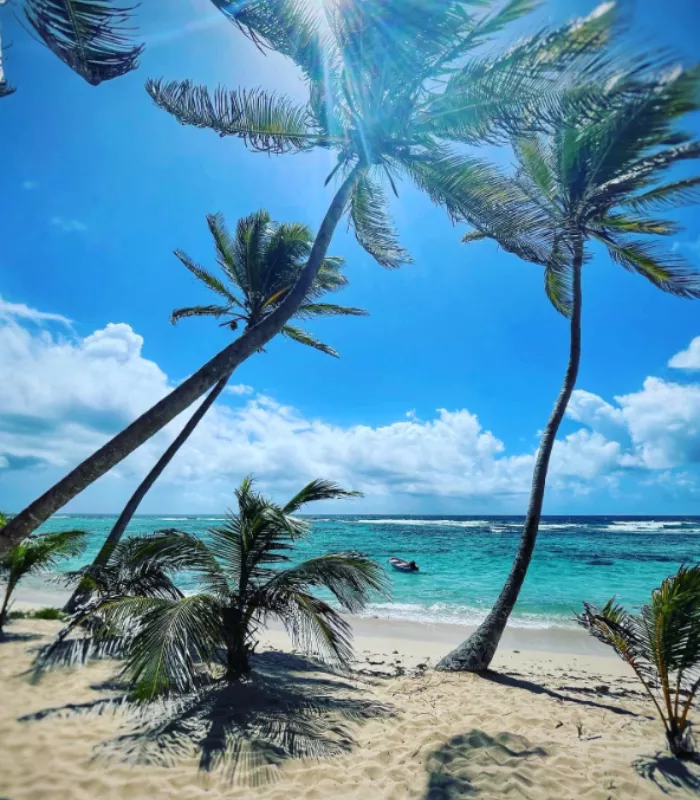
La Desirade sits just east of Guadeloupe. It is one of the most isolated islands in the French Caribbean.
For a long time, France used the island as a place to isolate people with leprosy. But here’s the catch: that dark history kept developers away. And that turned out to be a blessing.
Today, the island has crystal clear water, empty beaches, and a small community of about 1,700 people. Tourists are rare. Tranquility is guaranteed.
The island sits on some of the oldest rock formations in the entire Caribbean, estimated to be over 130 million years old. Geologists consider it one of the most geologically unique spots in the whole region.
There is one main road, a handful of small restaurants, and almost no nightlife to speak of. For anyone who has ever wanted a Caribbean island entirely to themselves, this comes remarkably close.
Why It’s On This List: La Desirade sees almost no international tourism. The beaches here are consistently empty even during peak Caribbean travel season, which is nearly impossible to find anywhere else.
11. Carriacou, Grenada
Most people know Grenada as “The Spice Isle.” But just 23 miles to the north sits Carriacou, and it is a completely different world.
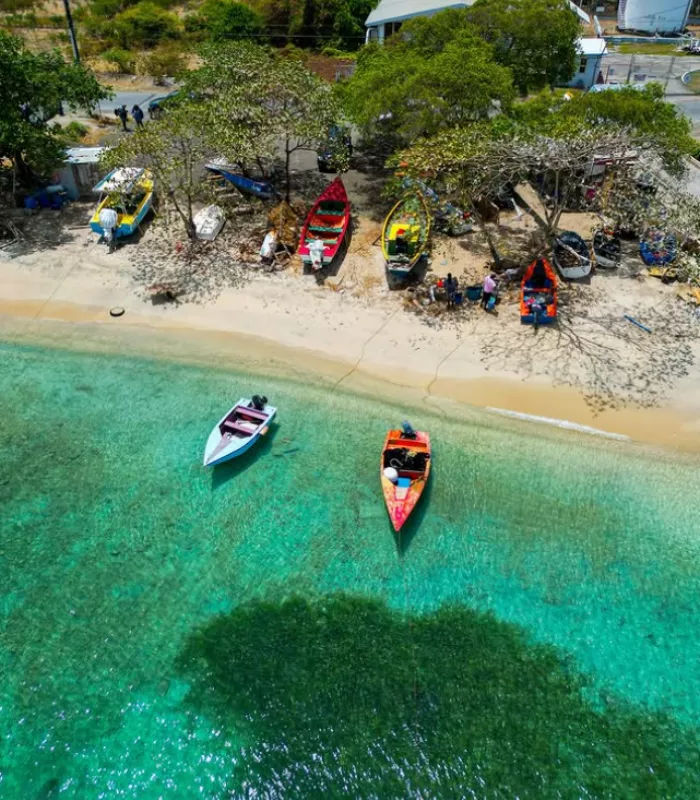
Carriacou is known as the “Isle of Reefs.” It is ringed by crystal clear water and quiet fishing villages. The entire island has fewer than 8,000 residents.
Boat building is still done here by hand, using techniques passed down for generations. You can actually watch craftsmen build wooden vessels the old-fashioned way right on the beach.
The snorkeling and diving around Carriacou are world-class. Soft coral gardens, sea turtles, and nurse sharks are regular sights just a short swim from shore.
Sandy Island, a tiny uninhabited strip of sand just off the coast of Carriacou, is the kind of place that makes you feel like you accidentally stumbled onto the set of a paradise film. Except it is completely real and almost always empty.
Why It’s On This List: Carriacou hosts one of the Caribbean’s oldest sailing regattas every August. Local boats made entirely by hand compete against each other. It is one of the most authentic Caribbean traditions still alive today.
12. Montserrat, British Overseas Territory
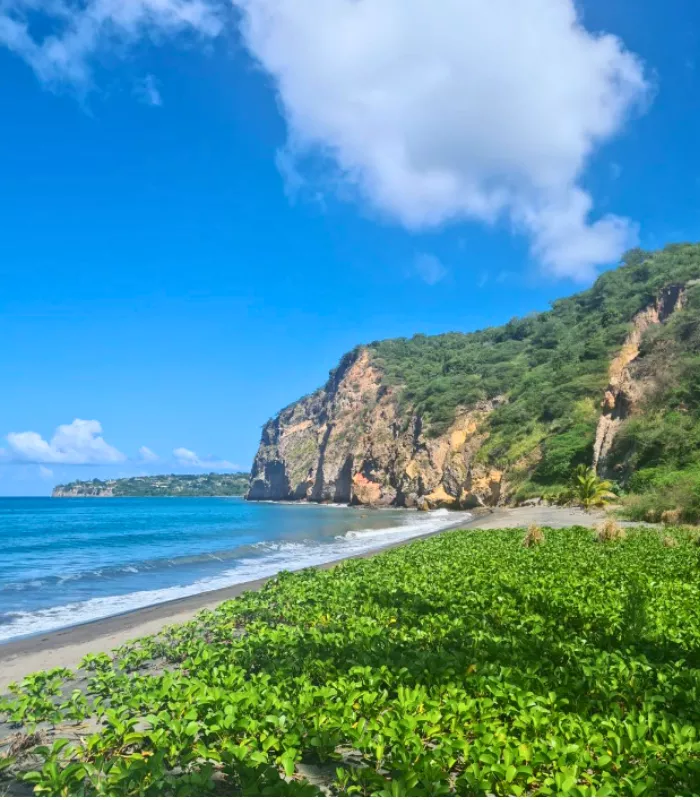
Montserrat is often called the “Emerald Isle of the Caribbean” because of its Irish roots and deep green landscape.
In 1995, the Soufriere Hills volcano erupted and buried the island’s capital city, Plymouth, under layers of ash. The ghost town is still there. You can actually tour it. There is nothing else like it in the Caribbean.
The northern part of the island is lush, safe, and full of warm, welcoming locals. Visitor numbers are extremely low, which means you get the whole island almost to yourself.
Montserrat also has a surprising musical legacy. Sir George Martin, the producer behind The Beatles, built a famous recording studio here in the 1970s. Many legendary albums were recorded on this tiny island.
The people of Montserrat rebuilt their communities after the eruption with remarkable resilience. That spirit is palpable when you visit. There is a warmth and pride here that is unlike anything you will find at a polished resort destination.
Why It’s On This List: Plymouth is one of only two capital cities in the world that has been completely abandoned due to a volcanic eruption. It is frozen in time and still buried under volcanic ash today.
13. Les Saintes, Guadeloupe
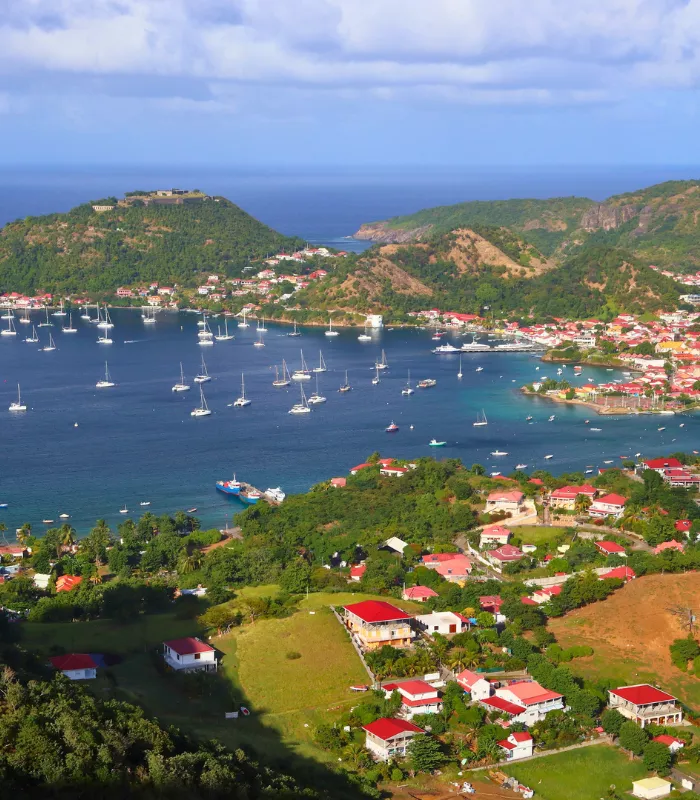
Les Saintes is a cluster of tiny islands just south of Guadeloupe. Most Americans have never even heard the name.
The main island, Terre-de-Haut, has one small village, colorful bays, and a French bakery on nearly every corner. No cars are allowed on most of the island. People get around by golf cart or scooter.
The views from Fort Napoleon at the top of the hill are some of the most stunning in the entire Caribbean. The bay below is regularly listed among the most beautiful bays in the world.
The food here is a delightful mix of French and Creole cooking. Fresh fish, warm baguettes, and strong coffee are part of everyday life. It feels like a little piece of Paris dropped into the tropics.
Children play in the streets. Fishermen repair their nets by the dock. Cats sleep on doorsteps in the afternoon sun. Life here has a rhythm that feels completely removed from the modern world, and that is precisely the appeal.
Why It’s On This List: The Bay of Les Saintes has been ranked among the top 10 most beautiful bays in the world by the Club of the Most Beautiful Bays in the World, an organization recognized by UNESCO.