

There are two kinds of people who skip this list. The ones who got lucky, and the ones who wish they had read it first.
Mexico is a breathtaking country with world-class food, culture, and beaches.
It also has cities where the U.S. State Department has issued its most serious travel advisories.
Those advisories are not handed out lightly.
They mean exactly what they say, and a first-time visitor is the last person who should arrive unprepared.
1. Tijuana, Baja California
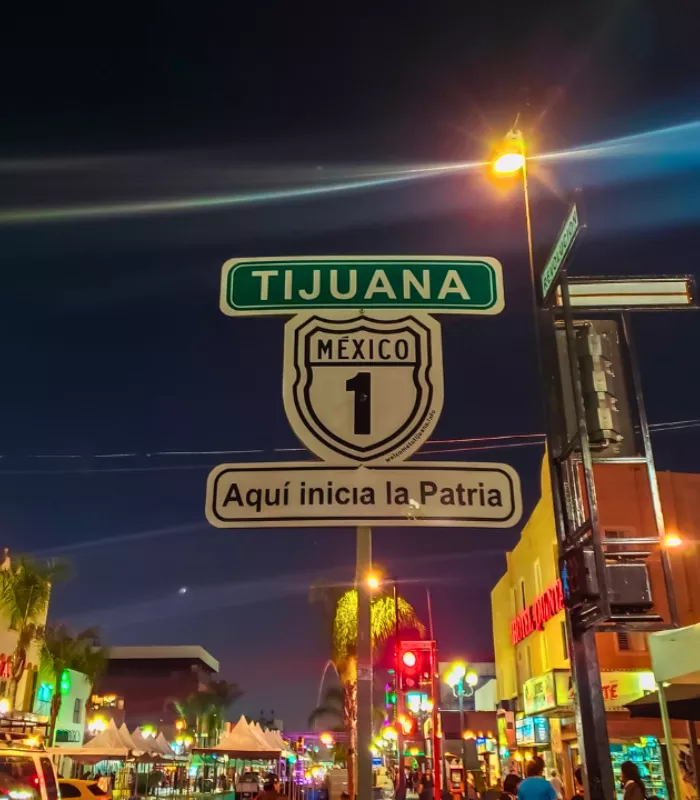
Tijuana sits right on the U.S.-Mexico border, just 20 minutes south of San Diego.
It sounds convenient. But here’s the deal: Tijuana carries one of the most serious travel advisories in the region, and the U.S. State Department urges Americans to reconsider travel to Baja California state entirely.
U.S. government employees face specific travel restrictions here.
Visitor incidents have been reported in busy commercial areas, not just after dark, and not just in isolated neighborhoods.
Tourists who wander even a few blocks from the main visitor strip can find themselves in very unfamiliar territory very quickly.
Unofficial taxi situations and people posing as local authorities have also been reported targeting foreign visitors specifically.
Why It’s On This List: U.S. government employees are restricted from traveling here. First-time visitors have no easy way to know which streets are well-trafficked and which are not.
2. Colima, Colima
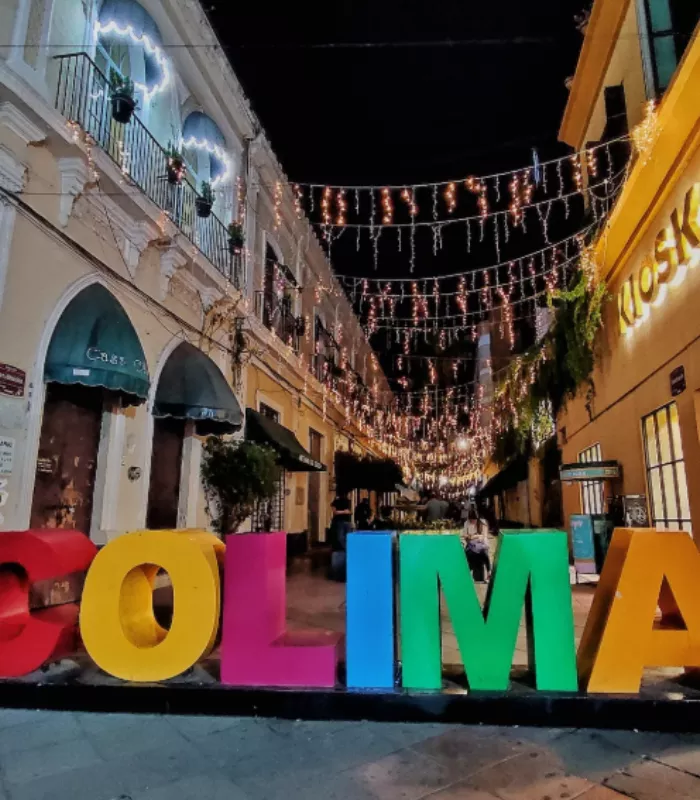
Colima is a small city, but do not let its size fool you.
The U.S. State Department has placed Colima state on its “Do Not Travel” list — the highest advisory level issued.
That means it carries the same warning level as active conflict zones.
Public incidents have been known to spill into open spaces without notice.
Local businesses operate under significant pressure, and that tension affects daily life throughout the city.
Visitors who arrive unaware of the situation have very limited options for getting help if something goes wrong.
Why It’s On This List: The entire state of Colima is flagged as Level 4 by the U.S. State Department. That is the highest rating possible. First-time visitors are strongly urged to choose a different destination.
3. Ciudad Juarez, Chihuahua
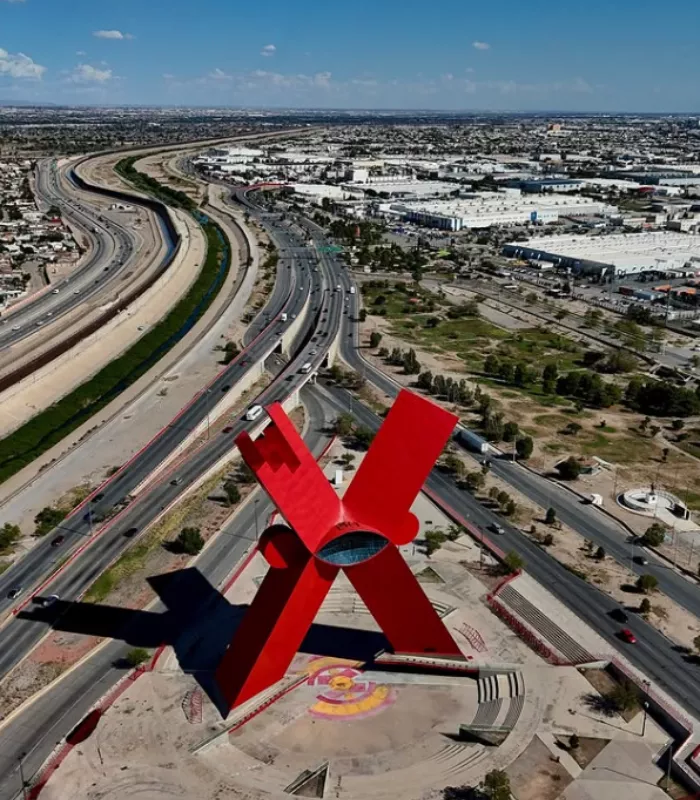
Ciudad Juarez sits across the Rio Grande from El Paso, Texas.
It once held the title of most challenging city in the world for visitor safety, and it has never fully shaken that reputation.
The U.S. State Department advises Americans to reconsider all travel to Chihuahua state, where Juarez is located.
Many neighborhoods lack reliable support services, meaning that response times in difficult situations can be very slow.
Road travel in and out of the city carries its own complications, with reports of vehicle incidents on major routes.
The proximity to the U.S. border gives a sense of familiarity that does not always reflect the reality on the ground for first-time visitors.
Why It’s On This List: Even residents approach certain parts of the city with caution after dark. A first-time visitor exploring on foot has very little margin for error here.
4. Culiacan, Sinaloa
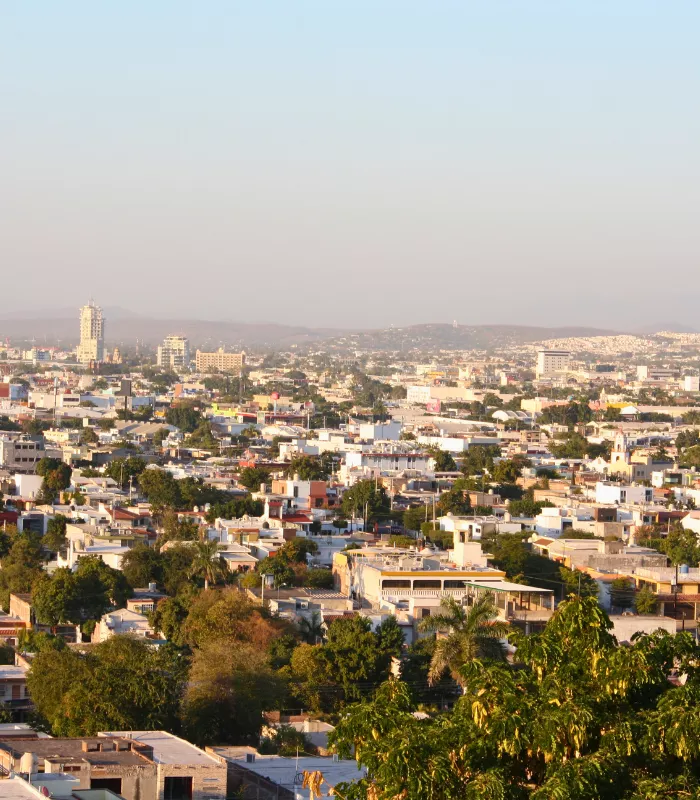
Culiacan is the capital of Sinaloa, one of Mexico’s most heavily advised states.
Conditions in the city worsened significantly following a period of intense inter-group conflict in recent years.
U.S. government employees are forbidden from traveling to Culiacan.
Residents themselves reportedly limit how much time they spend outside.
You are better off skipping this city entirely and choosing one of Mexico’s many safer destinations.
Extended disruptions to normal city life have affected local businesses and the area’s tourism infrastructure significantly.
First-time visitors have no reliable way to anticipate how conditions on the ground may shift during their stay.
Why It’s On This List: The entire state of Sinaloa is on the U.S. State Department’s “Do Not Travel” list. Visitor incidents including robbery and abduction are documented realities here, not rare exceptions.
5. Zacatecas City, Zacatecas
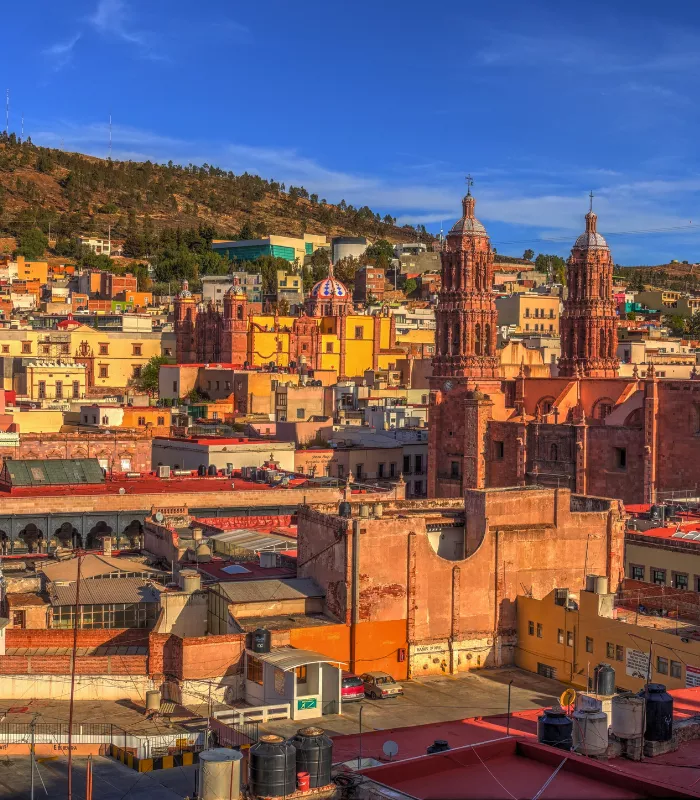
Zacatecas is a colonial city with beautiful architecture, and that makes it tempting for tourists.
But the state carries a Level 4 “Do Not Travel” warning from the U.S. State Department, citing abduction, extortion, and organized group activity.
U.S. citizens have been victims of abduction here.
Even U.S. government employees are not permitted to travel overland to reach the city.
Criminal group presence has grown significantly in recent years, with competing organizations seeking control of the region.
Locals have reported unauthorized roadblocks and checkpoints on routes in and out of the city.
A first-time visitor driving a rental car with out-of-state plates is an easy target in this environment.
Why It’s On This List: The pretty cobblestone streets can give a false sense of security. Opportunistic schemes involving people posing as officials — alongside very real organized group activity — make this a risky stop for a first-time visitor.
6. Zamora, Michoacan
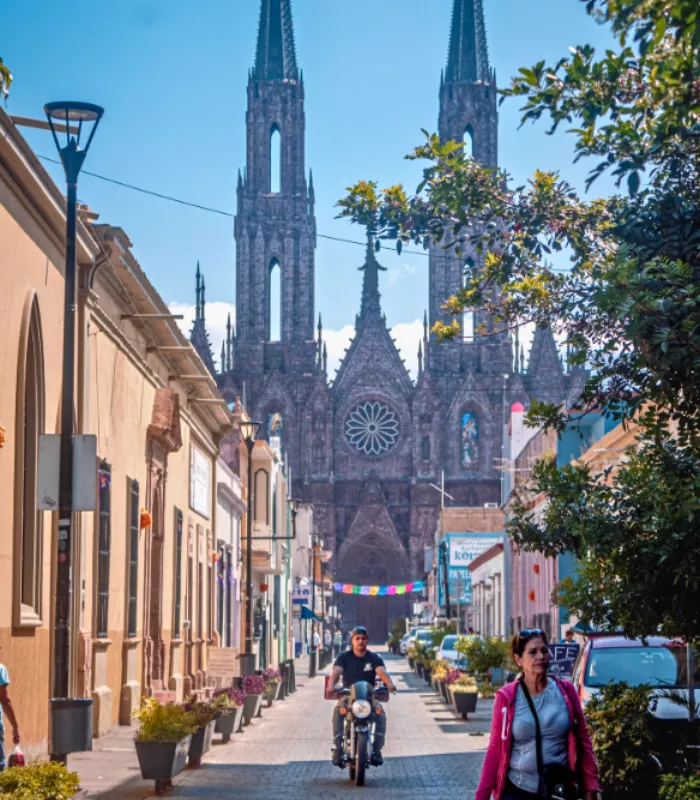
Zamora is known as the “City of Strawberries” because of its famous agricultural industry.
In 2021, it was ranked the most challenging city in the entire world for visitor safety based on incident rates.
Michoacan state is on the U.S. State Department’s “Do Not Travel” list.
That’s why even experienced Mexico travelers tend to steer far clear of this region.
Unauthorized toll points have been reported on highways in the area, where passing vehicles are stopped and money demanded.
Agricultural workers in the region have faced ongoing pressure from organized groups, and that instability affects the broader area.
There is very little visitor infrastructure remaining, which means there are few reliable places to turn to if something goes wrong.
Why It’s On This List: Zamora ranked as the world’s most challenging city for visitor safety in 2021. Abductions and vehicle incidents have been reported even in commercial areas during daylight hours. A first-time visitor has almost no way to navigate this safely.
7. Uruapan, Michoacan
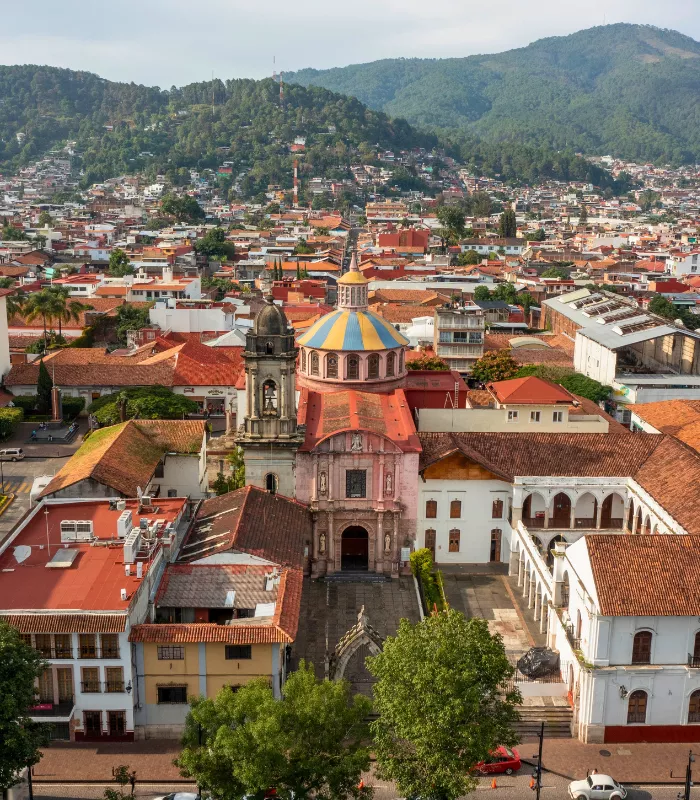
Uruapan is an inland city in Michoacan, close to a stunning national park.
But it has made international news multiple times for organized group activity and visitor incidents.
Like Zamora, it sits within Michoacan state, which carries a Level 4 “Do Not Travel” warning.
No waterfall or national park is worth this level of risk for a first-time visitor.
The city’s avocado industry has made it a focal point for competing organizations seeking to control profitable agricultural exports.
Disruptions tied to that situation have spilled into residential and commercial neighborhoods with notable frequency.
Visitors drawn in by the natural beauty of the area often have no idea how quickly conditions can change on the ground.
Why It’s On This List: Uruapan has been a persistent hotspot for organized group activity for several years, with no signs of improvement according to current travel advisories. Central and southern neighborhoods are considered especially challenging.
8. Acapulco, Guerrero
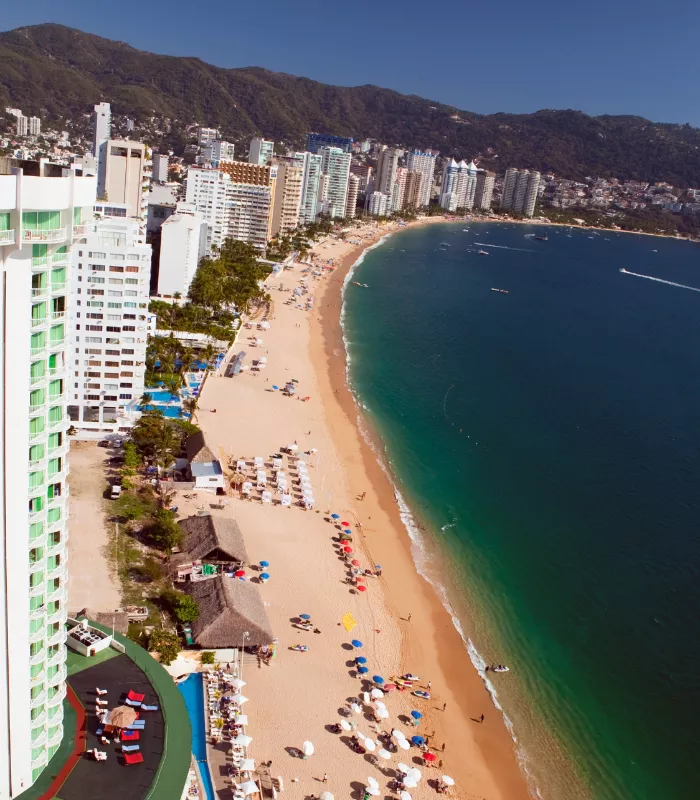
Acapulco was once one of Mexico’s most glamorous beach resorts, loved by celebrities in the 1950s and 60s.
Those days are long gone.
Today, Acapulco carries one of the most serious visitor safety profiles of any city in the Western Hemisphere, and Guerrero state sits on the U.S. State Department’s “Do Not Travel” list.
Organized groups have established a strong presence throughout the city, and the tourism industry has largely collapsed as a result.
Many of the beachfront hotels and restaurants that once defined the city have shut down or been abandoned.
Getting around the city independently is strongly discouraged, and local support resources are considered unreliable.
Why It’s On This List: What was once a bucket-list beach town is now a cautionary tale. The risks here far outweigh any beach vacation benefit for first-time visitors.
9. Irapuato, Guanajuato
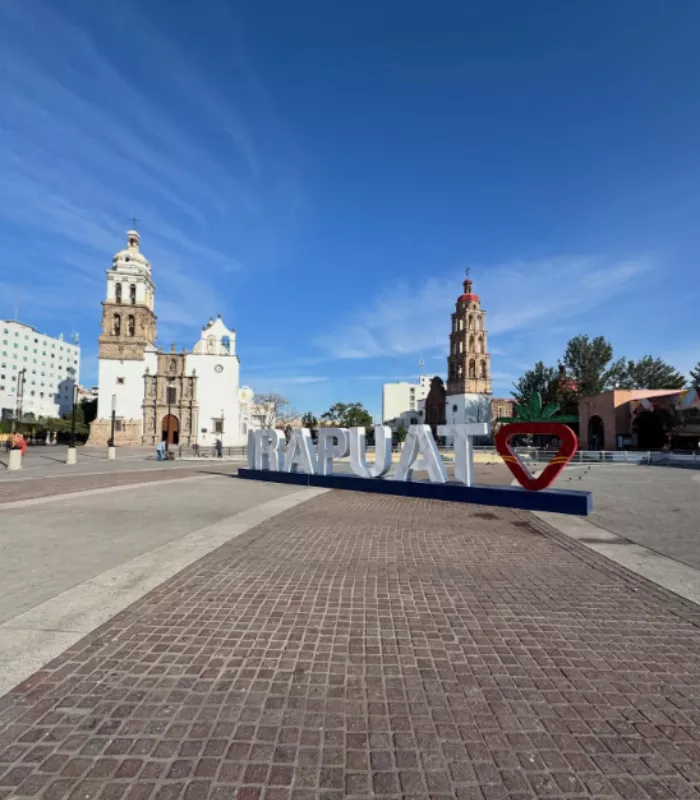
Irapuato sits in Guanajuato, a state that many people assume is safe because of its popular tourist cities.
The U.S. State Department tells Americans to reconsider travel to Guanajuato state, and Irapuato is a key reason why.
Competing organized groups have turned parts of this region into a tense environment, with serious incidents reported in civilian spaces including public facilities.
The unpredictable nature of the situation is what makes it particularly challenging for visitors who have no local knowledge.
Even staying in a hotel in a seemingly calm part of the city does not guarantee distance from the disruption.
Why It’s On This List: Irapuato has seen several serious incidents targeting civilians in recent years. Being in the wrong place at the wrong time is a very real possibility for any visitor unfamiliar with the local situation.
10. Celaya, Guanajuato
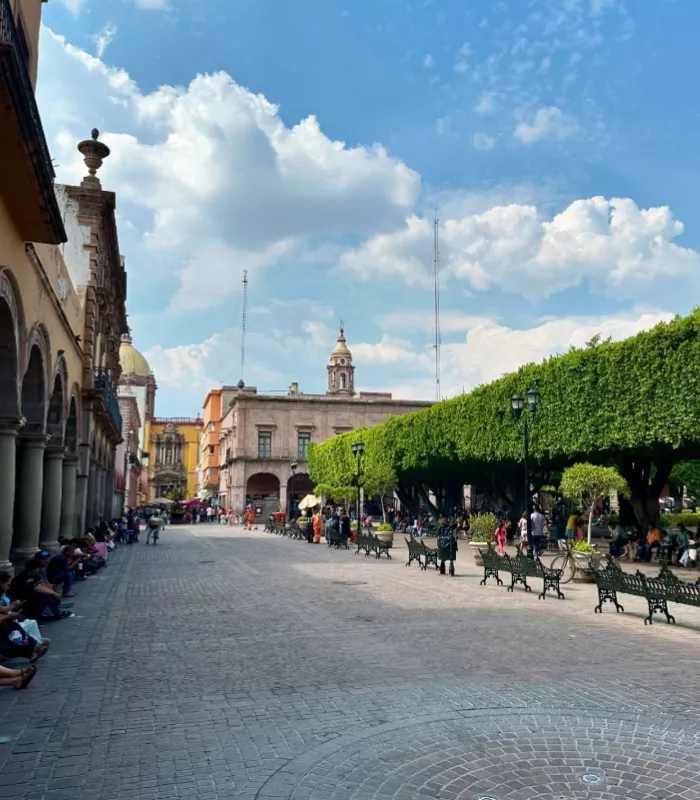
Celaya is an industrial city in central Mexico that first-time visitors rarely plan to visit, but sometimes pass through.
That alone is a reason to plan your route carefully.
Like Irapuato, it sits in Guanajuato state under a “Reconsider Travel” advisory, and visitor incidents including robbery and abduction have been documented here.
Passing through is one thing. Stopping overnight as a first-timer is another thing entirely.
Rest stops and roadside spots along routes near Celaya have been mentioned in visitor reports as places where travelers have encountered problems.
If your Mexico itinerary takes you anywhere near this area, planning a non-stop drive through is a much smarter option.
Why It’s On This List: Celaya has appeared on global lists of the most challenging cities for visitor safety for several years running. Incidents here are not limited to back streets — they have been reported in public areas during the day.
11. Ciudad Victoria, Tamaulipas
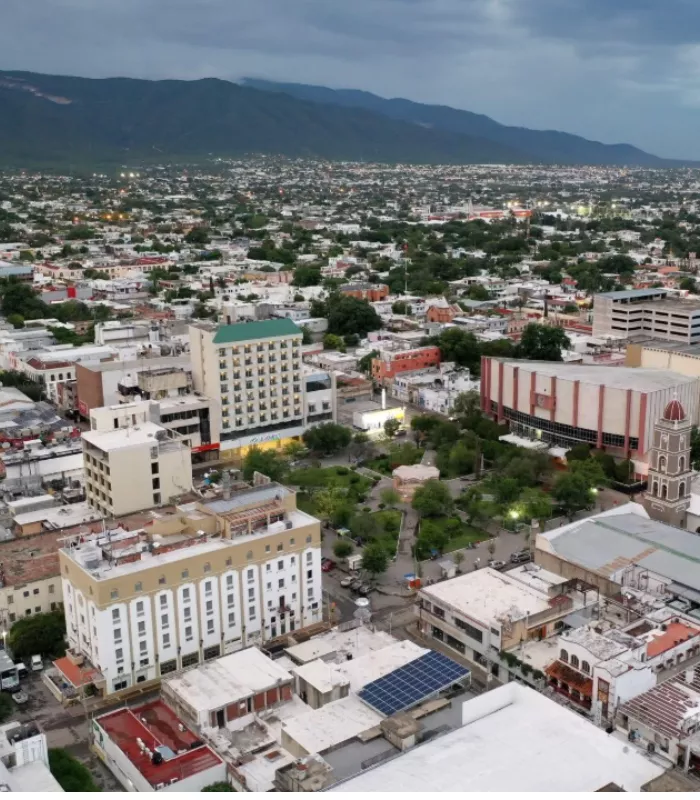
Ciudad Victoria is the capital of Tamaulipas, a border state that the U.S. State Department has placed on its “Do Not Travel” list.
Abduction and organized group activity are documented concerns throughout the entire state.
I made a classic mistake, assuming that state capitals are always safer than smaller cities. Ciudad Victoria proves that wrong.
U.S. government employees are restricted from traveling throughout nearly all of Tamaulipas.
Short-term abductions targeting foreign visitors for quick cash have been reported in the region.
The fact that this is a state capital with government buildings and offices does very little to change the situation on the streets.
Why It’s On This List: Tamaulipas as a whole is one of Mexico’s most heavily advised states. Ciudad Victoria sits at the heart of a region where incidents targeting foreign visitors, including U.S. citizens, are well documented.
12. Cancun, Quintana Roo

This one surprises most people.
Cancun is Mexico’s most famous beach destination, but visitor incident rates have climbed steadily in recent years.
The Mexican government has introduced special rules for bars, nightclubs, and short-term rentals in response to the situation.
The resort hotel zone is relatively controlled, but venturing outside it — especially after dark — involves risks that most first-time visitors are not prepared for.
Downtown Cancun, just a short distance from the glittering hotel strip, operates under very different conditions.
Tourists who use unofficial taxis or wander alone at night have reported encountering serious problems.
The gap between the resort bubble and the real city is wider here than almost anywhere else in Mexico.
Why It’s On This List: Quintana Roo state carries a Level 2 “Exercise Increased Caution” advisory. The glossy resort image can give first-timers a false sense of security. Organized group activity has increased significantly in the greater Cancun area in recent years.