

Mexico has over 9,000 miles of coastline. Somehow, millions of Americans keep squeezing onto the same 12 stretches of sand.
It is a little like having an entire buffet available and fighting over the same bread roll.
Some of these towns have been “discovered” so thoroughly that the discovery itself became the disaster.
Overdevelopment does not happen overnight. It happens one luxury condo tower at a time, until one day the beach you loved is buried under a pool deck.
1. Cancun, Quintana Roo

Cancun is the most-visited place in all of Mexico.
Over 9.7 million international tourists arrived here in 2024 alone.
That is more than double the number that visited Mexico City, the country’s second-biggest destination.
The beaches are crowded. The roads jam up. And waiting in line for just about everything becomes part of the trip.
The Hotel Zone feels like a bubble. Many visitors say it looks and feels like a Florida resort strip, with almost no authentic Mexican culture in sight.
Beaches along the Caribbean coast are also eroding at up to 2 meters per year due to overdevelopment and damaged coral reefs.
If you are over 50 and looking for a calm, peaceful vacation, the noise and crowds here will wear you out fast.
The sheer volume of people means restaurants are rushed, beaches are elbow-to-elbow, and the service that was once a point of pride has become an assembly line.
Why It’s On This List: Cancun was recently named one of the world’s worst tourist destinations. With 31 tourists for every one local resident, the city is under serious strain.
2. Tulum, Quintana Roo
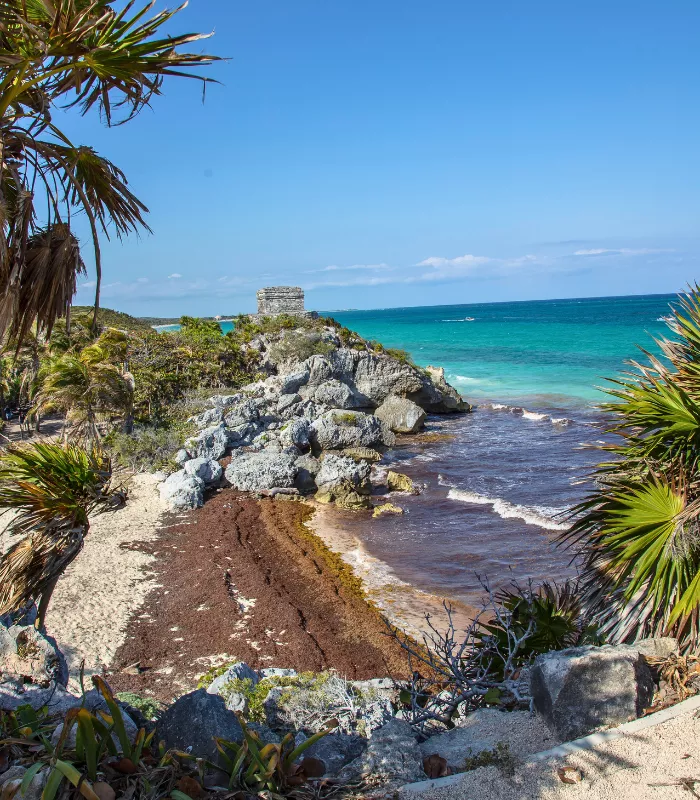
Tulum used to be a hidden gem. Those days are long gone.
Today, it ranks as the second most crowded tourist destination in all of Latin America, with 39 visitors for every local resident.
Beaches that were once open to the public are now blocked by private beach clubs. You often cannot access the sand unless you pay.
But here’s the catch. Despite the luxury branding, the local poverty rate jumped from 32% in 2015 to 62% in 2020. That is the highest increase in all of Mexico.
Prices are steep. Traffic is bad. And the infrastructure simply cannot keep up with demand.
What you pay for and what you actually get are two very different things in Tulum today.
The town has also struggled with a sewage crisis for years, with untreated waste threatening the very cenotes and reefs that draw visitors in the first place.
Why It’s On This List: Overdevelopment in Tulum has pushed out locals, blocked beach access, and turned a once-magical town into an overpriced tourist machine.
3. Playa del Carmen, Quintana Roo
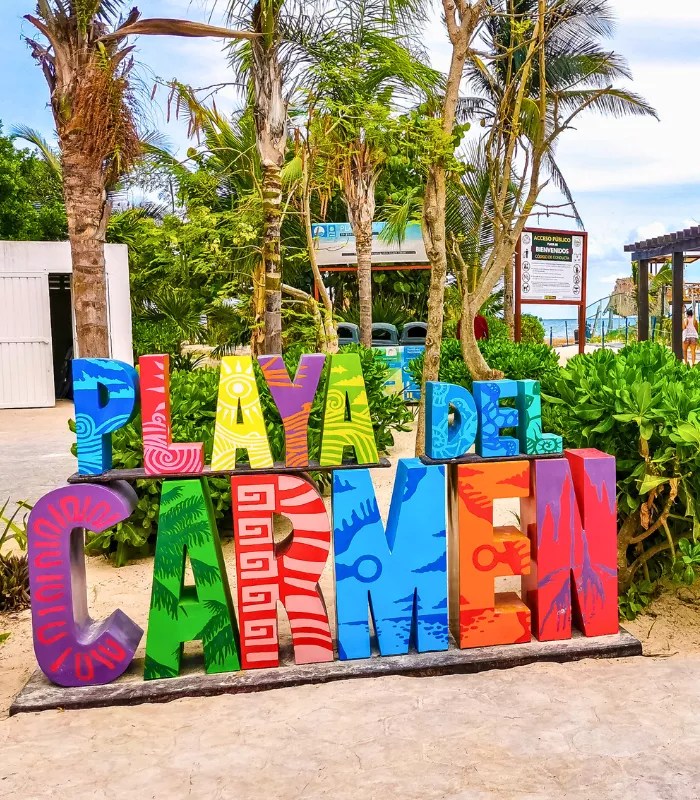
Playa del Carmen is home to Quinta Avenida, a long shopping strip packed with souvenir shops, chain restaurants, and tourist traps.
Rapid development has crowded the beaches and driven up prices to a point where many Americans feel they are not getting value for money.
Scams targeting tourists are a known issue. Taxi overcharging and unclear billing at restaurants are common complaints.
The beach is disappearing too. An 800 million peso ($43 million USD) restoration plan is underway, but it covers less than half the affected coastline.
For travelers who remember Playa del Carmen from 15 or 20 years ago, returning today can feel like a genuine loss.
The town now caters almost entirely to package tourists, and the local fishing culture that once gave it personality has been almost completely erased.
Why It’s On This List: Playa del Carmen has traded its charm for commercialization. It is one of the most overdeveloped stretches on Mexico’s Caribbean coast.
4. Cabo San Lucas, Baja California Sur
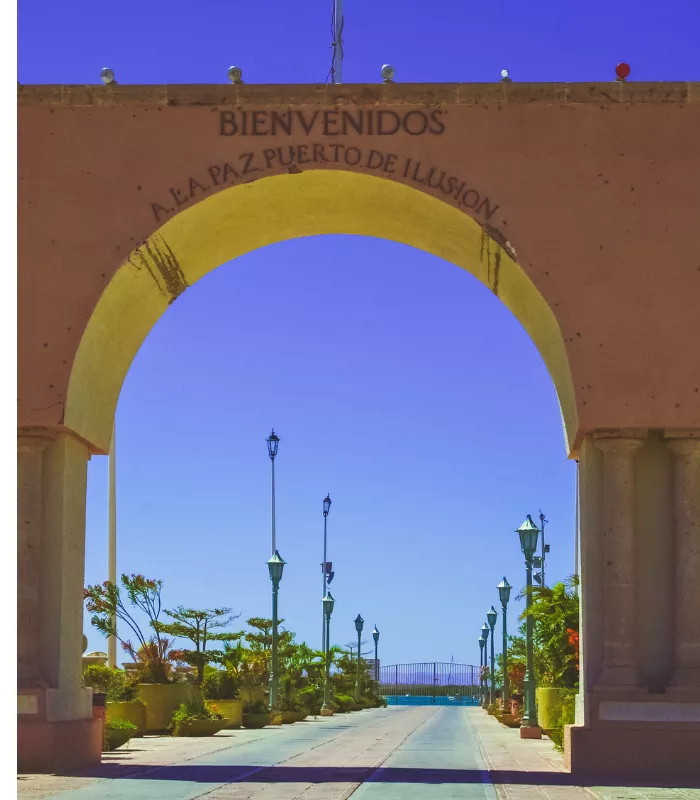
Cabo is famous for its arch, its nightlife, and its luxury resorts.
But the beaches are packed. A simple dinner for two can easily run $100 USD or more.
The crowd that comes to Cabo tends to be loud and young. If you are looking for a relaxing, peaceful getaway, you may feel out of place here.
NASA has also warned that rising sea levels could submerge parts of Cabo within the coming decades, putting its long-term future as a beach destination in serious question.
The gap between the glossy resort photos and the reality on the ground grows wider every year.
Water shortages are a genuine and growing concern in this desert region, yet developers continue to build pools, golf courses, and water parks at a remarkable pace.
Why It’s On This List: Cabo San Lucas is overpriced, overcrowded, and increasingly overdeveloped, with a party atmosphere that does not appeal to most 50+ travelers.
5. Cozumel, Quintana Roo
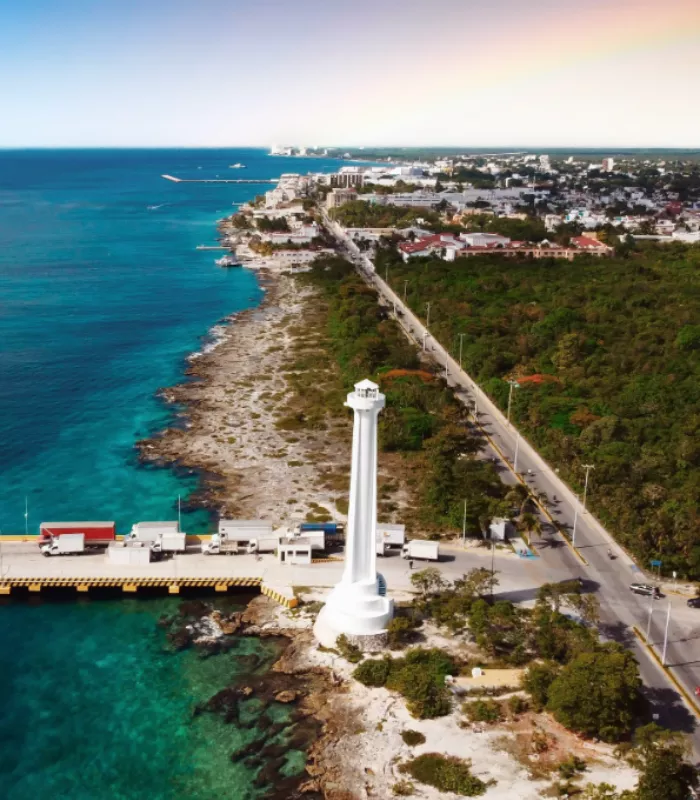
Cozumel ranks as the most congested tourist destination in all of Latin America, with an incredible 43 visitors for every single resident.
Cruise ships flood the port on a daily basis, bringing thousands of day-trippers who crowd the streets, shops, and dive sites.
The coral reefs, once world-class, are under pressure. Heavy diver traffic and coastal development are damaging the very thing that made this island famous.
If you are hoping for a quiet island escape, Cozumel during peak season will feel more like a shopping mall than a beach retreat.
The island’s natural beauty is real, but it is getting harder and harder to find underneath all the foot traffic.
On days when three or four cruise ships dock at once, the main town becomes nearly impossible to navigate on foot.
Why It’s On This List: More tourists per resident than anywhere else in Latin America. The numbers speak for themselves.
6. Puerto Vallarta, Jalisco
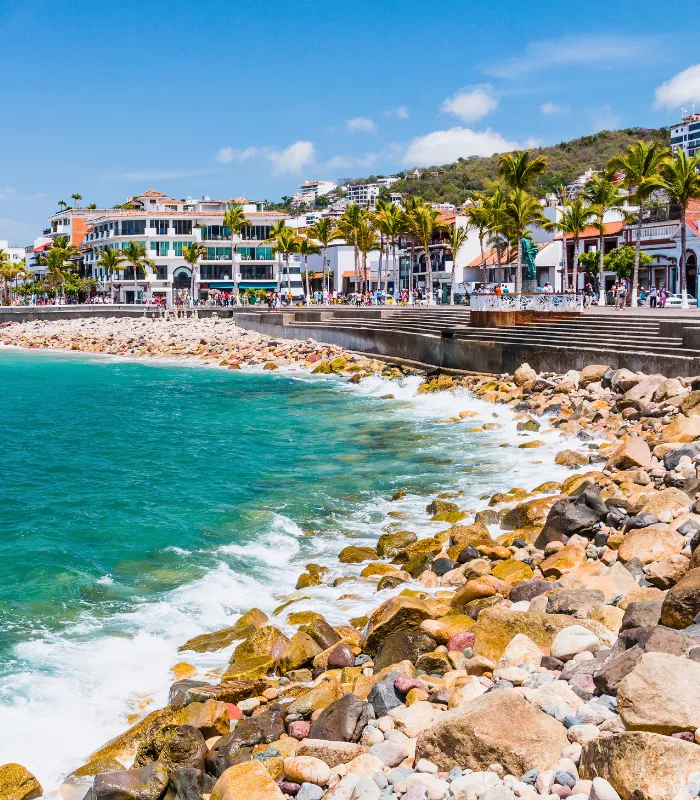
Puerto Vallarta is genuinely beautiful. That is not in question.
But it has become overly commercialized over the years, with constant street vendors, souvenir hawkers, and high prices that can make relaxing feel like work.
The Malecon boardwalk and main beach zones are packed during winter months, which happen to be peak travel season for Americans.
Mexico’s Ministry of Tourism actually launched a national campaign to redirect tourists away from overcrowded resorts like Puerto Vallarta to relieve the strain.
That is a remarkable thing for a government to admit about its own flagship destination.
Hotel construction along the Banderas Bay coastline has accelerated in recent years, putting more pressure on beaches that are already running out of room.
Why It’s On This List: Puerto Vallarta has grown faster than its infrastructure can handle. That is why it now feels more commercial than charming to many repeat visitors.
7. Akumal, Quintana Roo
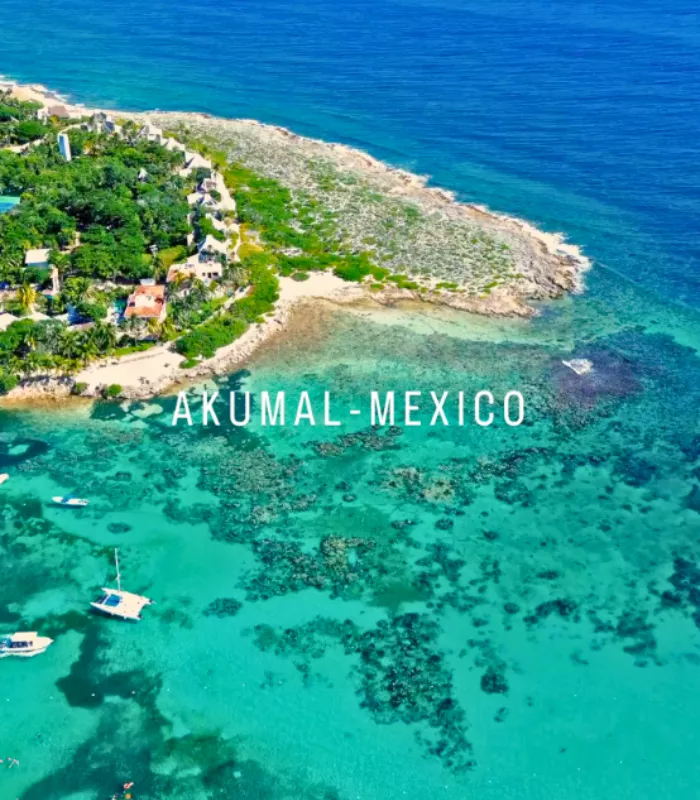
Akumal was once a quiet, laid-back village known for snorkeling with sea turtles.
Today, the crowds have made that experience far less magical. Tourists stir up so much sand that the water turns cloudy, making it hard to see anything underwater.
To access the beach, visitors now pay an entry fee. And hawkers selling turtle tours are aggressive starting from the parking area on the way in.
Sargasso seaweed has also been a growing problem in recent years, turning the once-turquoise water dark and brown during certain seasons.
The turtles are still there, but they are surrounded by a rotating crowd that never seems to thin out.
Marine biologists have raised concerns that the constant human presence is altering the natural behavior of the sea turtles that Akumal built its entire reputation.
Why It’s On This List: Overdevelopment and overcrowding have steadily eroded Akumal’s charm since the early 2000s. Long-time visitors say it is a shadow of what it once was.
8. Puerto Penasco (Rocky Point), Sonora
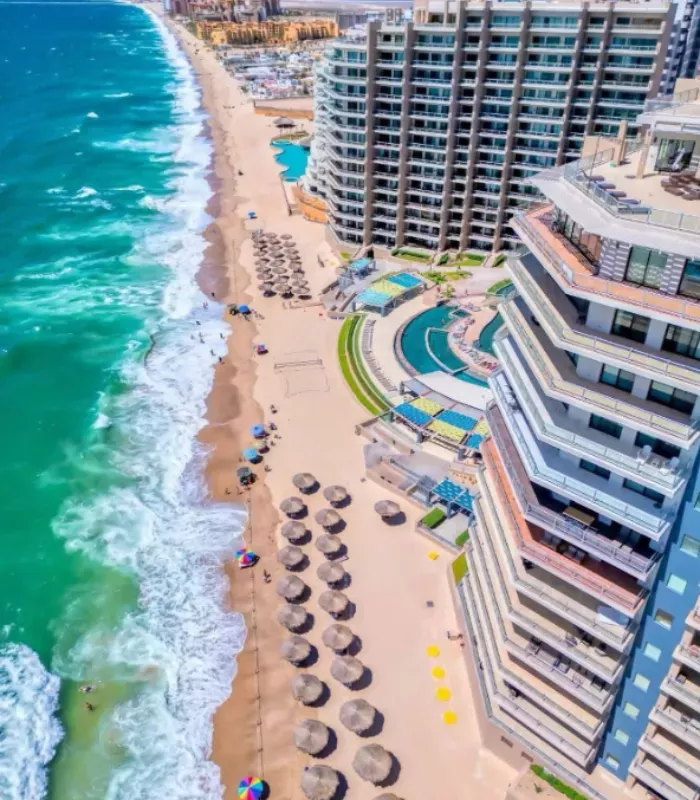
Puerto Penasco sits just 60 miles south of the Arizona border, which makes it extremely popular with American weekend visitors.
More than 1.6 million visitors pour into this small town each year.
Developers have rushed in with luxury condos, golf courses, and marinas. Environmentalists warn that estuaries and protected marine habitats are being destroyed in the process.
The town’s infrastructure has not kept pace with the building boom. Municipal services are stretched thin, and long-term planning has largely taken a back seat to short-term profit.
What was once a simple, affordable beach escape for Arizonans has become a construction zone with a view.
On holiday weekends, the single main highway into town backs up for miles, turning what should be a short trip into a multi-hour ordeal.
Why It’s On This List: Rocky Point is being overdeveloped faster than its fragile desert-marine environment can handle. What was once a charming fishing village is being swallowed by condos.
9. Mazatlan, Sinaloa
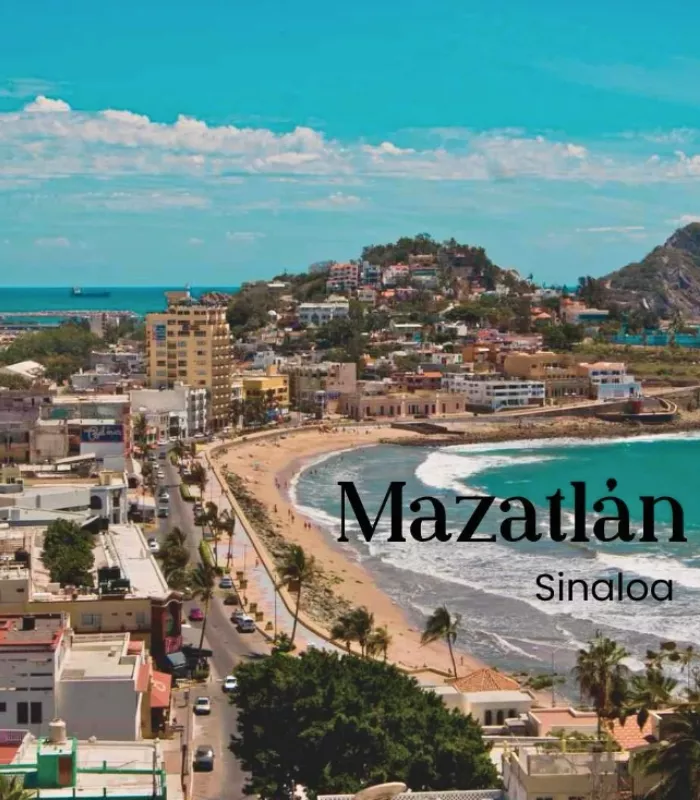
Mazatlan calls itself the “Pearl of the Pacific.” But mass tourism is putting that pearl under serious strain.
During peak summer season, the city sees over 677,000 tourists pour in during just two months. That easily exceeds the city’s own population.
Noise pollution, waste buildup, and traffic congestion are now regular complaints from both visitors and locals.
High-rise towers have been built right along the waterfront, blocking ocean views and destroying native coastal vegetation.
Local experts have called the development pattern “unsustainable,” saying it benefits developers far more than the community.
The authentic fishing-town spirit that once made Mazatlan worth visiting is getting harder to find with every passing year.
Sanitation infrastructure has struggled to keep up with the surge, and water quality warnings have been issued at several popular beach zones in recent summers.
Why It’s On This List: Mazatlan’s rapid overdevelopment has created road saturation, environmental damage, and a loss of the authentic character that once made it special.
10. Los Cabos (San Jose del Cabo), Baja California Sur
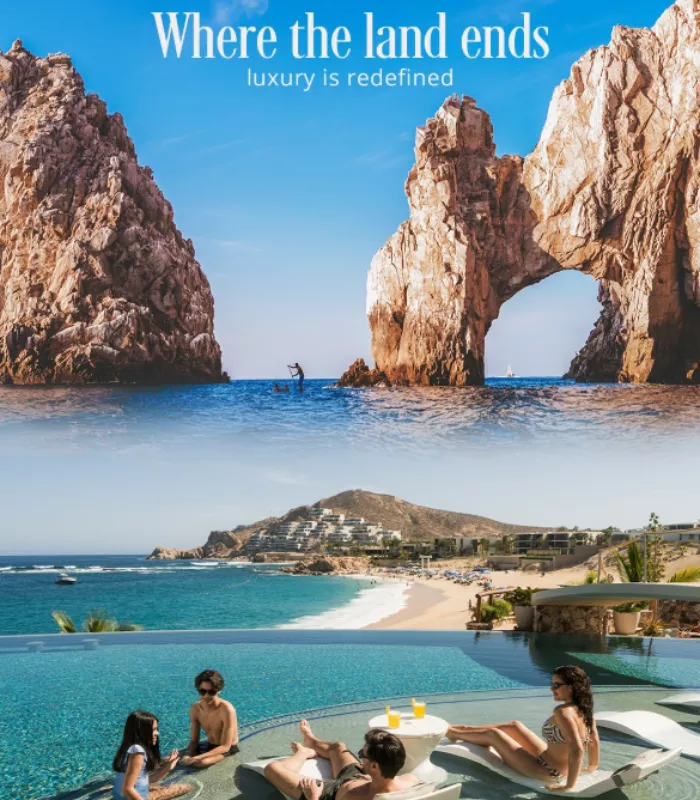
San Jose del Cabo used to be the quieter, more cultured alternative to Cabo San Lucas next door.
Not anymore. The entire Los Cabos corridor is now lined with mega-resorts, golf courses, and gated communities that stretch for miles.
The hotel strip between the two towns has turned vast stretches of natural coastline into a wall of concrete.
Swimming is actually dangerous at many Los Cabos beaches due to strong currents. Yet thousands of tourists wade in each year without knowing the risk, drawn in by looks alone.
You’re better off spending that resort budget somewhere the coastline has not already been sold off piece by piece.
Freshwater resources in this desert peninsula are being pushed to their limits, and local communities bear the cost of a tourism boom that primarily benefits outside investors.
Why It’s On This List: The entire Los Cabos corridor is a textbook example of overdevelopment that has swallowed a once-wild coastline whole.
11. Ixtapa, Guerrero
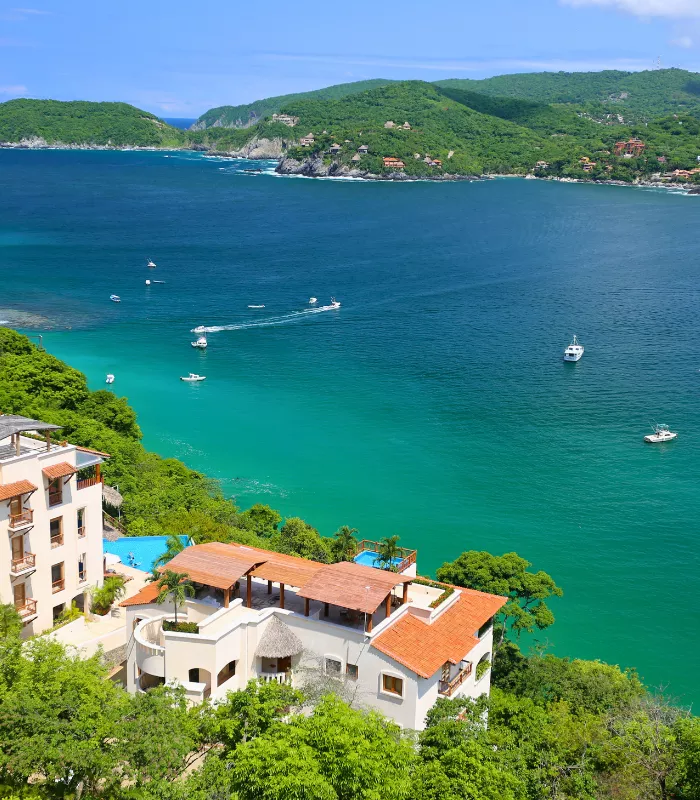
Ixtapa was not a natural beach town. It was purpose-built by the Mexican government in the 1970s as a planned resort destination.
That origin shows. The hotel zone feels artificial and sterile, with a lineup of large resort hotels and not much authentic character behind them.
The beaches themselves are lovely, but the town exists almost entirely to serve tourists. You’re better off in nearby Zihuatanejo, which has real streets, real restaurants, and a real community.
Development in Ixtapa has not evolved much, leaving it feeling outdated compared to other Mexican beach destinations.
Spending a week here can feel like staying inside an airport that happens to have a beach attached to it.
The lack of any real town center means that once you step outside your resort, there is genuinely very little to do or explore.
Why It’s On This List: Ixtapa was designed from scratch as a resort, which means it never had authentic charm to begin with. It remains a concrete-heavy, soulless stretch of hotels.
12. Huatulco, Oaxaca
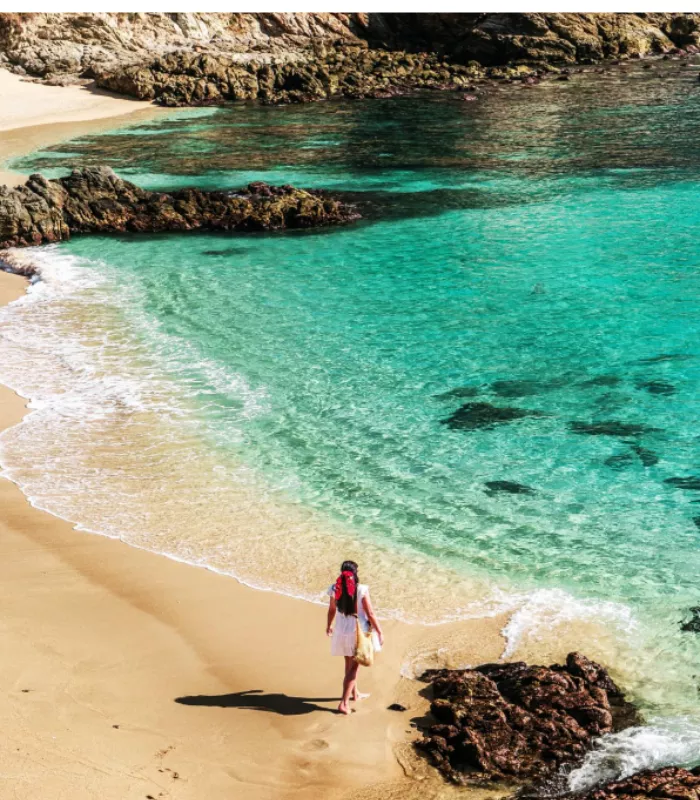
Like Ixtapa, Huatulco was a government-planned resort development built in the 1980s by FONATUR, the same agency that created Cancun.
While the bays are genuinely beautiful, the resort zone feels manufactured and disconnected from the real Oaxacan culture found just inland.
Development has been creeping into more of its nine bays over the years, and environmental groups have raised alarms about the long-term impact on the region’s fragile marine ecosystem.
Cruise ship traffic has increased significantly, bringing large crowds to bays that were once protected and peaceful.
The deeper you get into the resort zone, the further away you feel from the remarkable culture that makes Oaxaca one of Mexico’s most special states.
Visitors who come expecting an authentic Oaxacan experience often leave disappointed, having spent their entire trip inside a resort bubble with no real connection to the region around them.
Why It’s On This List: Huatulco’s top-down resort model prioritizes tourist dollars over authenticity. As cruise ships multiply, the quiet beauty that set it apart is slowly disappearing.