

The Caribbean is one of the most beautiful places on Earth. It is also one of the easiest places to visit at exactly the wrong time.
Hurricanes, crowds, and price surges do not care how long you saved up for this trip.
A little planning goes a long way when you are talking about paradise.
The difference between a great Caribbean vacation and a forgettable one often comes down to a few weeks on the calendar.
1. Peak Hurricane Season (August to October)
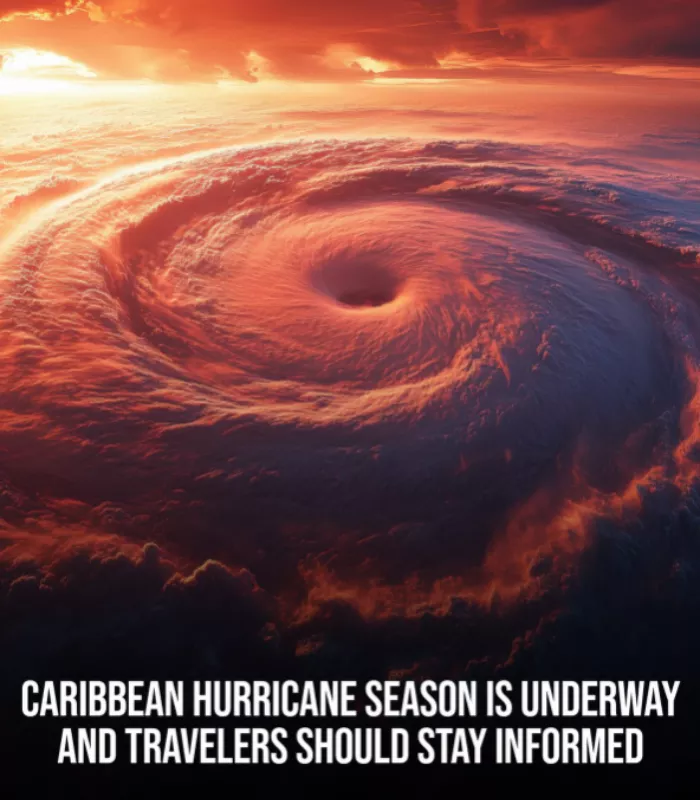
Hurricane season runs from June 1 to November 30.
But the worst weeks? August through October.
That’s when storms are strongest, most frequent, and most unpredictable.
In 2017, Hurricane Maria caused over $90 billion in damage across the Caribbean.
Flights get canceled. Resorts close. Trip protection plans get tested hard.
Some islands take months — even years — to fully recover after a major storm.
Resorts that look stunning in photos may still be under repair when you arrive.
A travel protection plan helps with costs, but it does not give you back lost vacation days.
Many travelers these days are taking longer, more meaningful trips.
Risking that kind of trip on the most dangerous stretch of the year is simply not worth it.
Storms in this period can form and strengthen within just 24 to 48 hours.
That leaves very little time to adjust plans once you are already on the island.
Airlines often charge hefty fees to rebook flights disrupted by weather events.
Even a near-miss storm can bring days of heavy rain, strong winds, and rough surf.
The ocean becomes choppy and uninviting during and after tropical storms.
Snorkeling and diving excursions get canceled, sometimes for several days at a time.
Smaller islands can feel isolated and stretched thin when a major storm moves through.
Getting off the island or finding assistance during a hurricane can take much longer than expected.
Why It’s On This List: You could book a dream vacation and spend it sheltering indoors — or worse, get stranded on the island for days after your trip ends.
2. Late June to Early July (School’s Out, Crowds Are In)
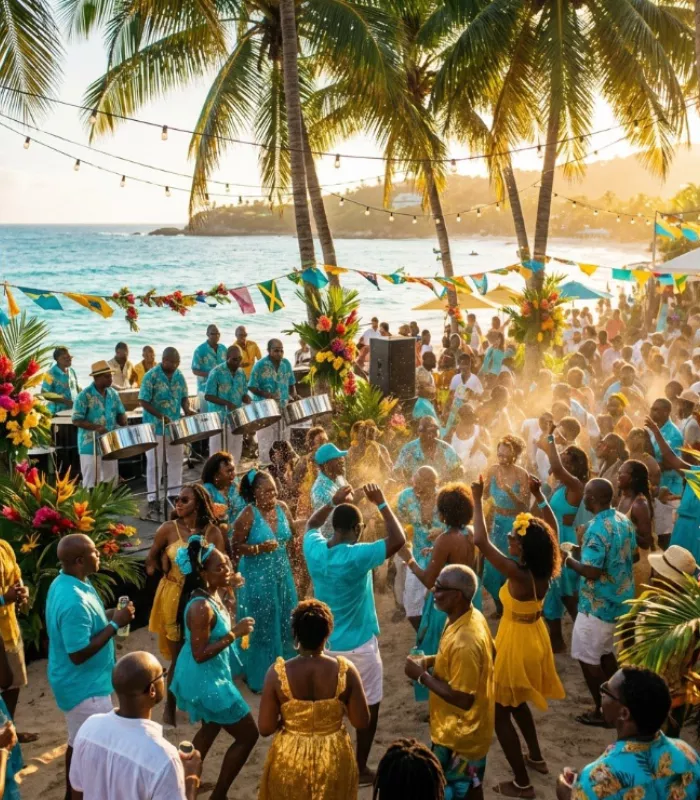
American families flood the Caribbean the moment school lets out.
Beaches get packed. Pools fill up. Restaurant wait times double.
Hotel prices can jump 30 to 50 percent compared to the off-season.
Travelers looking for a quieter, more relaxed experience often find this window works against them.
You’re better off visiting in May or November when the crowds thin out and prices drop.
Popular islands like the Bahamas and Jamaica see some of their highest foot traffic during this window.
Getting a good lounge chair by the pool can feel like a competitive sport.
Restaurants near resort areas often run out of menu items by early evening.
The service quality you expect from a premium resort can drop noticeably when staff are stretched thin.
A vacation is supposed to lower your stress levels, not raise them.
Rental car availability dries up fast, and prices for what is left go through the roof.
Popular snorkeling spots and nature tours book out weeks in advance during this period.
Even the most serene private beaches can start to feel like public parks in late June.
The value you get for your money simply does not match what you would get during a quieter month.
Noise from families with young children can make it hard to unwind at the pool.
Resort dining rooms reach capacity quickly, forcing guests into long waits or early dinner times.
The sheer number of people on the beach makes it hard to find a peaceful spot to read or nap.
What was supposed to be your escape starts to feel like every other crowded place back home.
Why It’s On This List: Overcrowded resorts and inflated prices take the joy out of a trip you’ve been planning for months.
3. The Week Between Christmas and New Year’s

This is one of the most expensive weeks to travel anywhere in the world.
The Caribbean is no exception.
Airfare can be two to three times the normal price during this stretch.
Popular spots like Aruba, St. Lucia, and Barbados get completely booked out.
But here’s the catch — even if you find a room, the holiday rush means slower service and less personal attention at resorts.
Many of the best restaurants require reservations made weeks in advance during the holidays.
Airport terminals are packed, and flight delays are more common during this period.
Holiday travelers tend to be stressed, which affects the overall atmosphere at resorts and beaches.
Some resorts add mandatory holiday surcharges that are buried in the fine print at booking.
That cheerful holiday spirit can disappear fast when you are paying double and waiting in line for everything.
Cruise ships also flood Caribbean ports during the holidays, bringing thousands of day visitors to small islands.
Local roads near popular attractions can back up for miles on busy port days.
Shopping areas and markets become nearly impossible to enjoy at a relaxed pace.
What should feel like a luxurious escape ends up feeling like navigating a crowded shopping mall.
Staff at popular resorts are often stretched so thin that basic requests take much longer than usual.
The personal, attentive service that makes a Caribbean resort special tends to disappear during peak holiday weeks.
Late checkout requests are almost always denied during this period because rooms are already promised to the next guest.
By the time New Year’s Eve arrives, most guests are more exhausted than when they left home.
Why It’s On This List: You pay top dollar for a watered-down experience when better timing could give you the same destination at half the stress and cost.
4. Early June (Start of Hurricane Season)
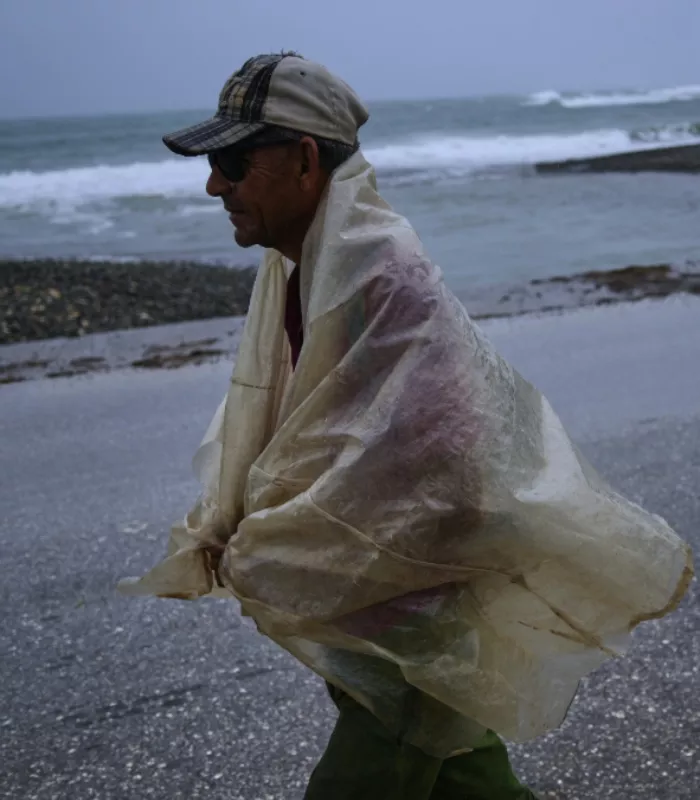
Many travelers think June is safe because big storms are rare that early.
That thinking can backfire.
Tropical storms can still form in June and disrupt travel plans.
On top of that, the Caribbean gets very humid and hot in early June.
Temperatures regularly hit the high 80s with heavy moisture in the air.
For travelers who prefer cooler, more comfortable conditions, that level of heat and humidity can be genuinely draining.
Outdoor activities like hiking, sightseeing, and long beach walks become uncomfortable quickly.
Some smaller resorts and local restaurants actually close in early June to prepare for the slower season ahead.
You may find fewer options for dining and activities than you expected.
The island can feel like it is winding down just as you are trying to get your vacation started.
Tour operators often reduce their schedules in early June as the busy season officially ends.
Many of the best guided excursions simply stop running until the fall.
The combination of heat and reduced services can make even a well-planned itinerary feel flat.
Staying hydrated and cool becomes a full-time job rather than a background concern.
The heat index — which factors in humidity — can push the feels-like temperature well above 100 degrees.
Spending long stretches outdoors in those conditions wears you down faster than expected.
Even shaded areas and breezy beachfronts offer little relief when the humidity is at its peak.
Most experienced Caribbean travelers know to steer clear of this window for exactly these reasons.
Why It’s On This List: The combination of heat, humidity, and growing storm risk makes early June a tricky window for travelers who want comfort and peace of mind.
5. Spring Break (Mid-March to Mid-April)
Spring break brings college students and young families to the Caribbean in large numbers.
Popular islands like Jamaica, the Bahamas, and Cancun get especially crowded.
Noise levels go up. Beach chairs disappear by 7 a.m. Bars stay loud until late at night.
I made a classic mistake once booking a “relaxing” resort in late March — it turned out to be party central all week.
If a quiet, peaceful trip is what you’re after, this window is one to reconsider.
All-inclusive resorts that normally feel calm and spacious can transform completely during spring break.
The guest demographic shifts heavily toward younger travelers looking for nightlife and entertainment.
Pool areas can stay noisy well into the evening, making early bedtimes nearly impossible.
Prices also spike during this period, similar to the summer rush.
You end up paying more money for an atmosphere that was not what you had in mind at all.
Some resorts even host special spring break events that draw even larger and louder crowds.
The vibe at the beach bars changes entirely, and not in a way most relaxation-focused travelers enjoy.
Even the quieter corners of a resort can feel unsettled when the whole property is buzzing with energy.
Rest and relaxation — the two things most people travel for — become genuinely hard to find.
Late-night noise from poolside events can bleed into guest rooms, disrupting sleep for the entire stay.
Spa appointments and wellness activities book up almost instantly during this high-demand period.
The peaceful morning beach walks you imagined are replaced by obstacle courses of umbrellas and coolers.
It is not that younger travelers do anything wrong — it is just a completely different kind of vacation.
Why It’s On This List: The spring break crowd has a completely different travel style, and it can clash hard with what relaxation-focused travelers are looking for.
6. Late April to Late May (The Rainy Season Build-Up)
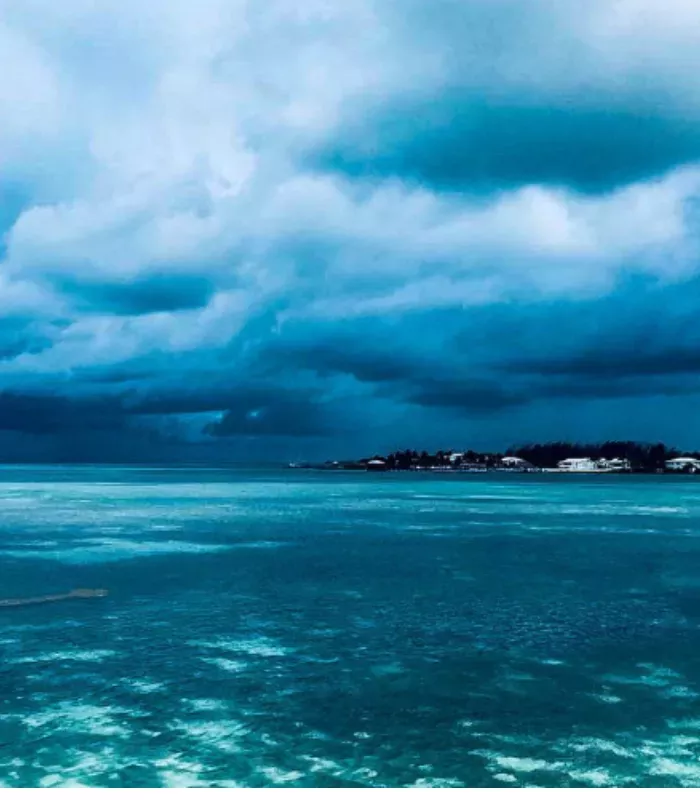
Late April marks the beginning of wetter weather across many Caribbean islands.
Afternoon rain showers start becoming more frequent and heavier.
Some days the rain only lasts an hour. Other days it lingers all afternoon.
That’s why beach-focused trips in this window can feel like a gamble.
Islands like Trinidad, Tobago, and Grenada tend to see the most rain during this stretch.
The rain does not always come with a warning, and it can cut a beach day short without notice.
Outdoor excursions like zip-lining, snorkeling tours, and boat trips are frequently canceled due to weather conditions.
Muddy trails and rough seas can limit the activities available to you during your stay.
Some travelers find themselves stuck indoors far more than they planned for.
When you have waited all year for a warm-weather escape, spending it watching rain from a resort window feels like a real letdown.
Humidity climbs sharply during this period, making even a short walk feel exhausting.
Mold and mildew can become an issue in older hotels and guesthouses that are not well-ventilated.
The lush green scenery looks beautiful, but it comes at the cost of soggy afternoons and limited sunshine.
Travelers who visit during this window often say they wish they had waited just a few more months.
Heavy downpours on some islands can make roads temporarily tricky to navigate, cutting off access to beaches and attractions.
Even indoor activities like shopping and dining can feel less enjoyable when you are soaking wet from the walk over.
The Caribbean is stunning in every season — but late April and May test even the most patient traveler.
Why It’s On This List: If you are counting on sunny beach days after months of planning, unpredictable afternoon downpours can put a real damper on your trip.