

In theory, every purchase you ever made was a great idea. In practice, some of them are still sitting in the original packaging.
There is a very specific kind of regret that comes from impulse buying.
It is not loud. It is quiet. It lives in the back of a drawer or under the bed.
It whispers things like, “Why did you buy the five-pound bag of quinoa?”
Recognizing the patterns behind regrettable purchases is the first step toward keeping more money where it belongs: in your pocket.
1. Exercise Equipment You Never Use
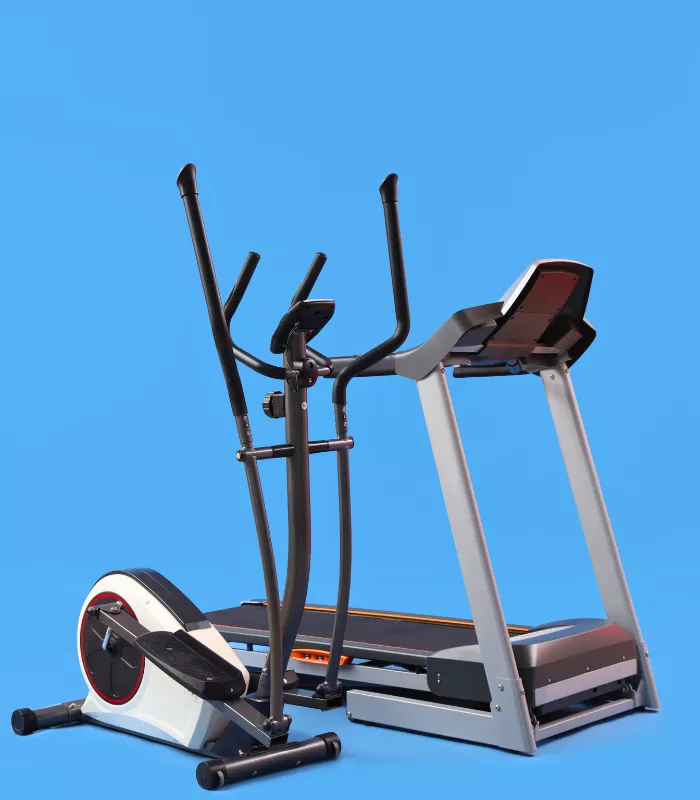
That treadmill looked like a great idea in January.
But after a few weeks, it became the world’s most expensive clothes hanger.
Most home gym equipment sits unused within 90 days of purchase. The excitement fades fast. And the guilt stays for years.
Why It’s On This List: Treadmills, stationary bikes, and ellipticals can cost hundreds to thousands of dollars. Most people over 50 find they prefer walking outside or joining a class instead. You’re better off trying a gym membership first before buying any big equipment.
2. Infomercial Kitchen Gadgets
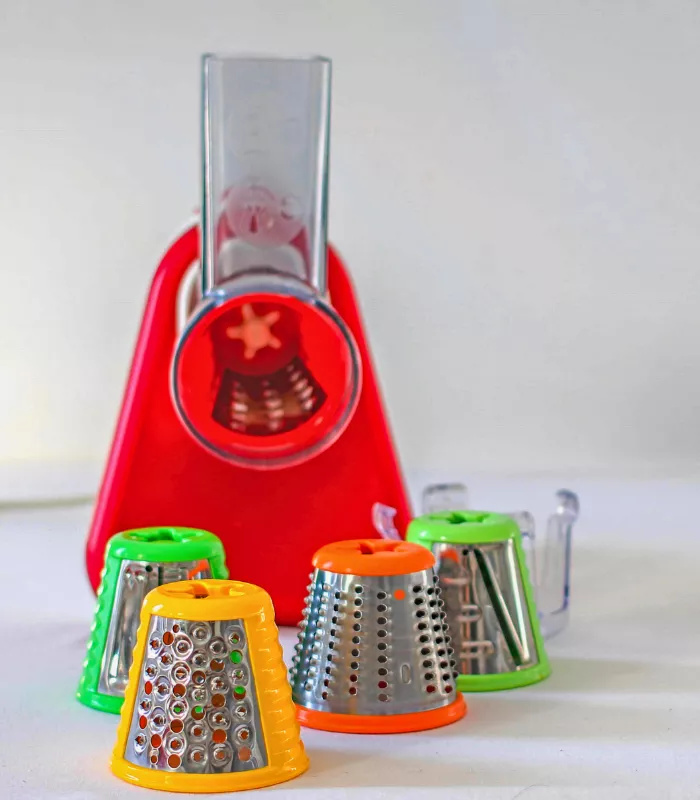
It slices. It dies. It does everything but get used.
Infomercial gadgets look amazing at 2 AM. But here’s the catch: most end up stuffed in a cabinet within a month.
The “as seen on TV” promise rarely matches real-life results. Cleanup is harder than it looks. And most gadgets only do one thing.
Why It’s On This List: Items like pasta makers, electric slicers, and “miracle” choppers sound useful. But they take up counter space and rarely get used more than once or twice. A good knife and cutting board will serve you better every single time.
3. Timeshares

The sales pitch was polished. The resort looked stunning. And the “deal” felt too good to pass up.
That’s why so many people sign the paperwork on the spot.
Timeshares are notoriously hard to sell and come with annual maintenance fees that never go away. Many owners end up paying for years even if they never use it.
Why It’s On This List: Studies show timeshare resale values are almost always lower than the purchase price. Some owners even struggle to give them away for free. Booking a vacation rental through a trusted platform gives you far more flexibility without the long-term commitment.
4. Extended Warranties on Small Electronics

The cashier asks if you want the extended warranty. It feels like the safe choice.
But here’s the deal: most small electronics either break early or last well beyond the warranty period.
Extended warranties on items like blenders, toasters, and small TVs are rarely worth the cost. The markup is high. The claims process is often a hassle.
Why It’s On This List: Consumer experts have long pointed out that extended warranties benefit the retailer far more than the buyer. Your credit card may already offer purchase protection. Check your card benefits before saying yes at the register.
5. Bulk Purchases of Perishable Items

The warehouse store deal looked incredible.
Three pounds of strawberries for the price of one. A gallon of salsa. Twelve yogurt cups at once.
But if you live alone or with just one other person, most of it ends up in the trash. Wasted food means wasted money, plain and simple.
Why It’s On This List: For smaller households, bulk buying perishables often costs more in the long run due to spoilage. Stick to bulk buying for shelf-stable items like paper towels, canned goods, or cleaning supplies. Those actually save you money.
6. Lottery Scratch Tickets in Large Quantities

One ticket is a little fun. A whole stack is a different story.
It is easy to spend $20, $30, or even $50 on scratch tickets without realizing it.
The odds of winning anything significant are extremely low. That money adds up fast over weeks and months.
Why It’s On This List: Scratch tickets are designed to feel like near-wins to keep you buying more. Setting a small monthly limit, like $5 or $10, keeps it fun without hurting your wallet. Anything beyond that is where regret tends to creep in.
7. Trendy Clothing You Only Wear Once

That bold print looked amazing on the mannequin.
But bold trends come and go quickly. And sometimes they just do not match anything else in your closet.
Impulse clothing buys based on trends rather than your personal style almost always collect dust.
Why It’s On This List: Fashion studies show the average American wears a new clothing item fewer than 10 times before discarding it. For people over 50, classic and comfortable styles tend to have much longer staying power than trendy pieces. You’re better off investing in timeless basics.
8. Oversized Televisions

Bigger always seems better at the store.
The display is bright. The picture is sharp. And the sale price makes it feel urgent.
But a TV that is too large for your room can cause eye strain and discomfort. Many buyers wish they had measured first.
Why It’s On This List: Experts recommend sitting about 1.5 to 2.5 times the diagonal screen size away from your TV. A 75-inch screen in a small living room can actually make the viewing experience worse, not better. Measure your space before you buy.
9. Subscription Boxes

The first box is exciting. It feels like getting a gift every month.
But here’s the catch: the novelty wears off fast. And canceling is often harder than signing up.
Many people forget about subscriptions entirely and keep paying for months without realizing it.
Why It’s On This List: Americans waste an estimated billion dollars each year on forgotten subscriptions. Subscription boxes for beauty products, snacks, or hobby items sound fun, but quickly lose their appeal. Always set a calendar reminder to evaluate whether you still want it after the first three months.
10. Dietary Supplements With Bold Claims

The label promises more energy, better sleep, sharper memory, and faster weight loss.
I made a classic mistake of buying a whole supply before doing any research.
Most supplements that make dramatic health claims have little to no scientific backing. And they can be surprisingly expensive.
Why It’s On This List: The supplement industry is not as tightly regulated as prescription medications, which means bold claims do not always hold up. Before buying any new supplement, especially for those over 50, it is worth talking to your doctor first. They can help you figure out what you actually need.
11. Books You Never Read

The title grabbed you. The cover looked inspiring. So you bought it on the spot.
Then it sat on the nightstand for six months untouched.
Buying books impulsively feels productive, but unread books pile up fast. Many people over 50 have entire shelves full of books they fully intend to read someday.
Why It’s On This List: Your local library likely has the same book for free. Most libraries also offer digital lending through apps like Libby, so you can borrow e-books from home. Try borrowing before buying. If you love it, then purchase a copy to keep.
12. Fad Diet Products and Meal Kits

The before-and-after photos are convincing.
The promise of easy weight loss or better eating habits sounds great in the moment.
But most fad diet products and meal kit subscriptions get abandoned within the first few weeks. The cost adds up quickly before you even notice.
Why It’s On This List: Meal kit services can cost two to three times more per meal than cooking from scratch. And many diet products make bold claims without solid science behind them. That’s why talking to a doctor or dietitian before spending money on any new diet program is always the smarter move.
13. Scented Candles and Home Fragrance Overload
One candle is lovely. A whole collection is another story.
Candles are one of the most common impulse buys because they are inexpensive and feel like a small treat.
But they accumulate fast, and many never get burned before the scent fades.
Why It’s On This List: Research from Capital One UK found that candles consistently ranked among the top regretted purchases. Most people already have more than they will ever use. If you love them, finish what you have before buying more. One at a time is enough.
14. Skincare and Beauty Products With Bold Claims

The packaging is sleek. The promises are impressive.
“Erases wrinkles in 7 days.” “Lifts and firms overnight.”
Most over-the-counter anti-aging products do not deliver the dramatic results they advertise. And the price tags can be steep for something that barely works.
Why It’s On This List: Dermatologists point out that the gap between marketing claims and actual results in skincare is enormous. A simple, consistent routine with a few trusted products beats a cabinet full of half-used jars every time. You’re better off asking your dermatologist what actually works for your skin.
15. Vacation Souvenirs You Do Not Display

In that moment, that hand-painted plate felt like a perfect memory.
Back home, it went straight into a drawer.
Souvenir impulse buys are one of the sneakiest ways vacation spending gets out of hand. Small purchases add up to big totals before the trip is over.
Why It’s On This List: Travel experts suggest setting a firm souvenir budget before any trip. Photos and a travel journal create lasting memories for free. If you must buy something, pick one meaningful item rather than grabbing things at every stop.
16. Gadgets Seen on Social Media

It looked genius in the video. Thirty seconds was all it took to convince you.
But here’s the deal: social media product ads are designed by experts to make everything look irresistible.
Nearly two-thirds of Americans who made a social media impulse purchase later regretted it, according to a Bankrate survey.
Why It’s On This List: Those quick demo videos often skip the downsides: flimsy materials, confusing setup, and poor customer service. Before buying anything you saw in a social media ad, search for real customer reviews on a third-party site. Give yourself 48 hours before clicking buy. Most of the time, the urge passes.
17. Hobby Starter Kits You Never Continued

Watercolor painting seemed relaxing. Calligraphy looked elegant. Woodworking sounded satisfying.
So you bought the full starter kit, used it twice, and moved on.
Hobby starter kits are one of the most common impulse buys people over 50 regret. The initial excitement rarely matches the time it takes to actually learn a new skill.
Why It’s On This List: Before investing in a full kit, try borrowing supplies from a friend or taking one low-cost class first. Many community centers offer beginner workshops for very little money. That way, you know if the hobby is truly a match before spending hundreds of dollars on supplies.
18. Furniture Bought Without Measuring

The couch looked the right size in the showroom.
At home, it blocked the entire hallway.
Buying furniture without measuring your space first is one of the most expensive mistakes you can make on impulse. Returns are often difficult, and delivery fees alone can cost a fortune.
Why It’s On This List: Interior designers consistently advise sketching your room layout and measuring doorways before any furniture purchase. Many retailers charge restocking fees of 10 to 25 percent for returns. A simple tape measure saves a lot of money and a lot of frustration.
19. Luxury Items Bought During a Sale

The original price was $400. The sale price was $150. It felt like you were saving $250.
But here’s the catch: you only save money on a sale if you actually needed the item.
Buying something you would not have purchased at full price is not saving. It is still spending.
Why It’s On This List: Retailers use sale pricing specifically to trigger impulse decisions. The fear of missing out on a deal is one of the strongest buying triggers there is. A simple rule: if you were not thinking about buying it before you saw the sale, you probably do not need it.
20. Pets Bought on a Whim

The puppy in the window was adorable. The kitten at the fair was irresistible.
But pets are a 10 to 20-year commitment that comes with real costs.
Veterinary care, food, grooming, and boarding can easily cost over $1,000 a year or more depending on the animal.
Why It’s On This List: Animal shelters report that impulse pet purchases are a leading cause of pet surrenders each year. A pet should be a planned, researched decision, not a spontaneous one. If you are seriously considering a pet, spend a few weeks volunteering at a local shelter first to get a true feel for the responsibility involved.
21. Buying “One Size Bigger” Clothes to Motivate Weight Loss

The idea is simple: buy the smaller size to stay motivated.
But most people find the clothes just sit in the closet, creating guilt instead of motivation.
Wearing clothes that fit you well right now does far more for your confidence and mood than a closet full of “someday” items.
Why It’s On This List: Psychologists point out that guilt-based motivation rarely works long-term. Buying clothes that are too small often backfires by making people feel worse about themselves rather than inspired to change. You’re better off celebrating the body you have today and shopping for clothes that make you feel great right now.