

The dirtiest secret in your home is not on your floor – it is under your kitchen sink.
That graveyard of half-used bottles is proof that we have all been fooled at least once.
Bright packaging, fresh scents, and bold claims are a powerful combination.
But a good-smelling kitchen is not the same as a clean one.
Some of these products have been conning clean freaks since before the internet could warn us about them.
1. Febreze as a Cleaner
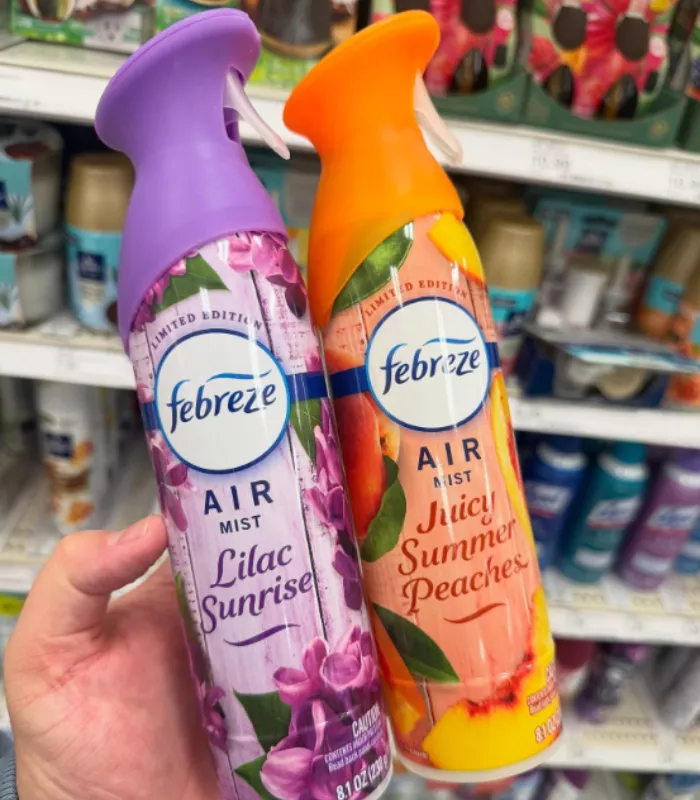
Febreze smells amazing. But it does not actually clean anything.
It masks odors by trapping smell molecules in the air. The dirt, bacteria, and stains? Still there.
Many people spray it on furniture and call it “cleaned.” That is not cleaning. That is just covering up the problem.
Febreze was invented by accident. A Procter and Gamble chemist discovered the odor-trapping molecule while working on a completely different project.
The product launched in 1998 and became one of the fastest-selling household products in history.
But fast-selling does not mean effective at cleaning.
Millions of cans are sold every year to people who believe they are sanitizing their homes.
Germs do not care how something smells.
A couch that smells like lavender can still be covered in dust mites and bacteria.
Febreze even admits on its own label that it is an odor eliminator, not a cleaner or disinfectant.
The bottle is right there, telling us the truth. We just never read it.
Odor-masking products have become a multi-billion-dollar industry built on the simple fact that our noses trust a fresh scent.
Why It’s On This List: Studies show Febreze reduces perceived odor by up to 75% – but leaves 100% of the mess behind. You’re better off using a proper fabric cleaner first, then Febreze after.
2. Generic “All-Purpose” Sprays
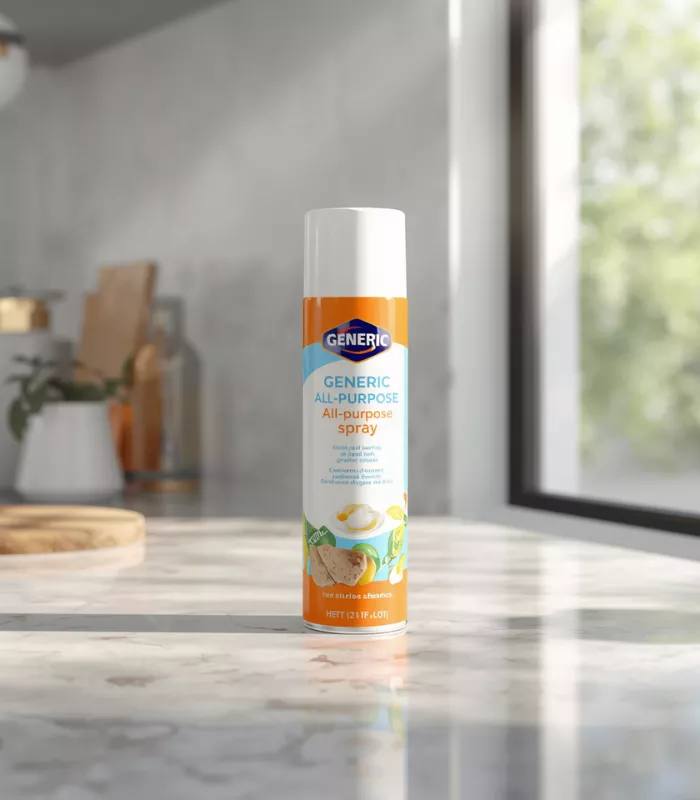
That cheap store-brand spray at the dollar store looks just like the real thing.
But here’s the catch – many generic all-purpose sprays have very low concentrations of active cleaning ingredients.
You end up spraying twice as much and scrubbing twice as hard. That means you’re not really saving money at all.
The cleaning product industry is worth over $30 billion in the United States alone.
A big chunk of that comes from budget sprays that look impressive on the shelf.
Manufacturers are not required to list the exact concentration of their cleaning agents on the label.
That means you have no way of knowing how diluted the product really is.
Some budget sprays are over 95% water.
You could get the same result by wiping your counter with a damp cloth.
The fancy scent and colorful bottle do most of the selling.
But scent does not lift grease, and a blue color does not kill germs.
Next time, flip the bottle over and look at the active ingredients before you buy.
If the active ingredient list is short or vague, that is a red flag worth paying attention to.
Why It’s On This List: Consumer testing has found that some budget sprays remove less than 40% of bacteria compared to leading brands. That’s a big gap when you’re cleaning a kitchen counter.
3. Dryer Sheets for Static Cling
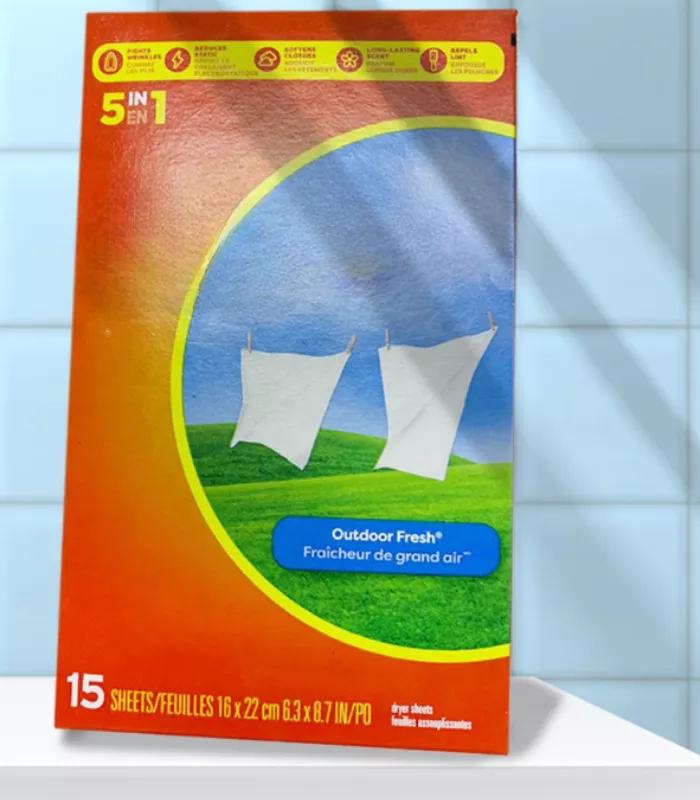
Dryer sheets have been a laundry staple for decades. But they do very little for stubborn static cling.
They work best on light fabrics. On synthetic materials like polyester, static cling barely budges.
Dryer sheets also leave a waxy coating on your dryer’s lint trap over time. That buildup can become a fire hazard.
Dryer sheets were introduced in the 1970s and quickly became a staple in laundry cabinets.
The idea was simple – reduce static and add a fresh scent to laundry.
But the reality is more complicated than the commercials suggest.
The chemicals in dryer sheets coat fabric fibers with a thin layer of lubricant.
That coating is what makes clothes feel soft.
But it also reduces the absorbency of towels and workout clothes over time.
Your towels may feel fluffy but actually be less effective at drying you off.
Athletes and fitness experts have warned against using dryer sheets on moisture-wicking fabrics for years.
The coating clogs the tiny pores in the fabric and kills its performance.
Wool dryer balls are a simple, reusable alternative that reduces static without any chemical coating whatsoever.
Why It’s On This List: That waxy residue can block airflow in your dryer. Run your lint screen under water – if water pools instead of draining through, your trap is already coated.
4. Lemon Juice as a Disinfectant
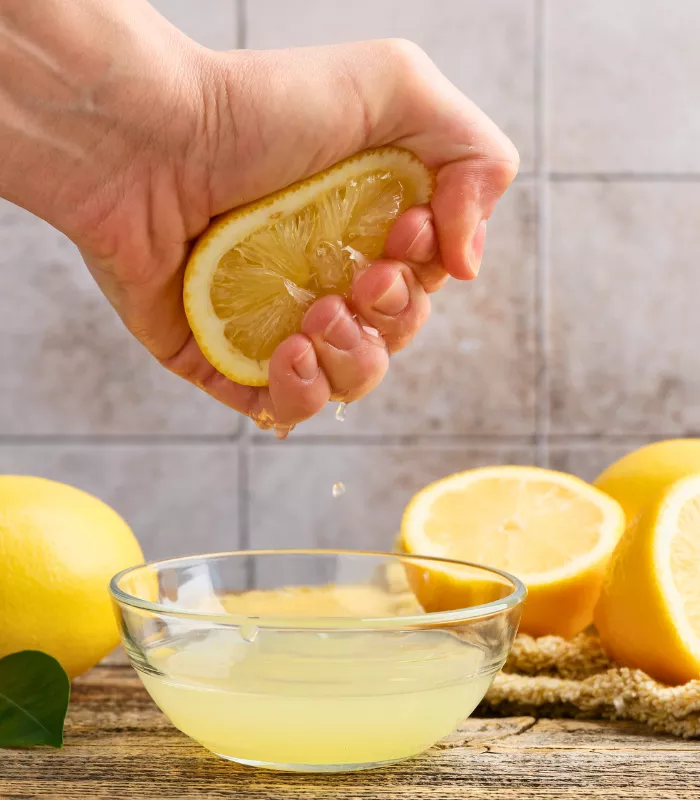
Lemon juice is a popular “natural” cleaner. It smells fresh and feels wholesome.
But here’s the deal – lemon juice is not strong enough to kill most household germs and bacteria.
Its acidity is too low to disinfect surfaces like raw meat cutting boards or bathroom counters. It may remove some light stains, but that’s about it.
The natural cleaning trend has grown enormously over the past two decades.
More and more people want to avoid harsh chemicals in their homes, which is completely understandable.
But natural does not automatically mean effective.
Lemon juice has a pH of around 2, which sounds impressive.
But most harmful bacteria require exposure to much stronger acids – or completely different types of cleaners – to be destroyed.
Salmonella and E. coli, two of the most common kitchen threats, are not fazed by lemon juice.
Natural cleaning blogs rarely mention this inconvenient fact.
Lemon juice can brighten white fabrics and remove certain mineral deposits.
But calling it a disinfectant is a stretch that could genuinely put your family’s health at risk.
If you want a natural disinfectant with real evidence behind it, hydrogen peroxide is a far better choice.
Why It’s On This List: To actually disinfect, a cleaner needs to meet EPA standards; lemon juice does not meet those standards. That’s why it should never replace a proper disinfectant in your kitchen.
5. Magic Eraser on Painted Walls
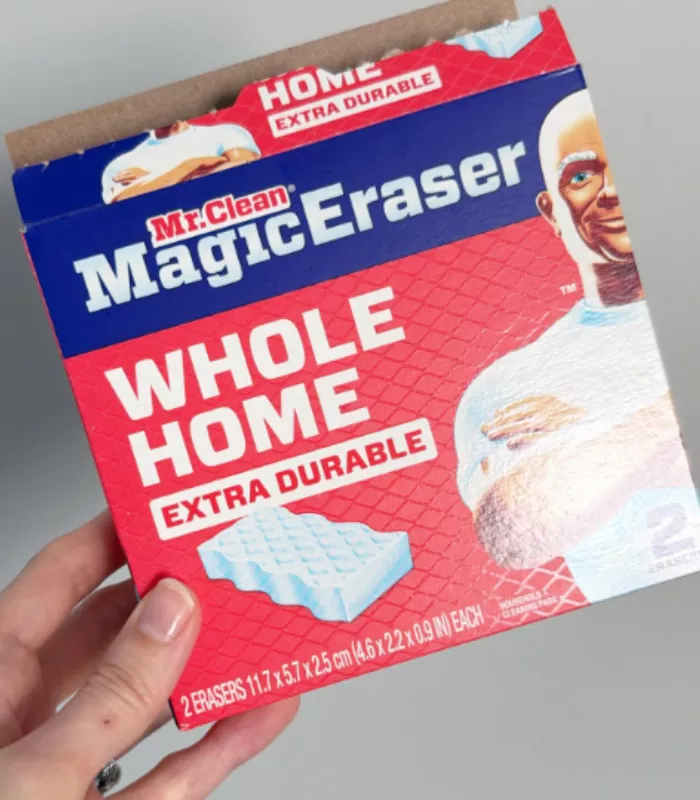
Magic Erasers feel like a miracle product. And on some surfaces, they really are.
But on painted walls, they can do serious damage.
Magic Erasers work like ultra-fine sandpaper. They can strip paint, dull finishes, and leave shiny scuff marks that are nearly impossible to fix without repainting.
Magic Erasers are made from a material called melamine foam.
When you rub it on a surface, it acts like thousands of tiny abrasive particles working at once.
On hard, non-porous surfaces like glass or sealed tile, that abrasion is your friend.
On painted drywall, it is your enemy.
Flat and matte paints are especially vulnerable because they have no protective sheen layer.
Even a gentle rub can remove the paint and leave a polished-looking streak.
That streak will catch light differently than the rest of the wall.
It will be visible every single day until you repaint the entire section.
Repainting a wall because of a cleaning mistake is one of the most frustrating home experiences there is.
A damp microfiber cloth with a tiny drop of dish soap is almost always a safer first step on painted surfaces.
Why It’s On This List: I made a classic mistake using a Magic Eraser on a flat-painted wall. It left a shiny streak that stood out like a sore thumb. Always test a hidden spot first.
6. Bleach on Rust Stains
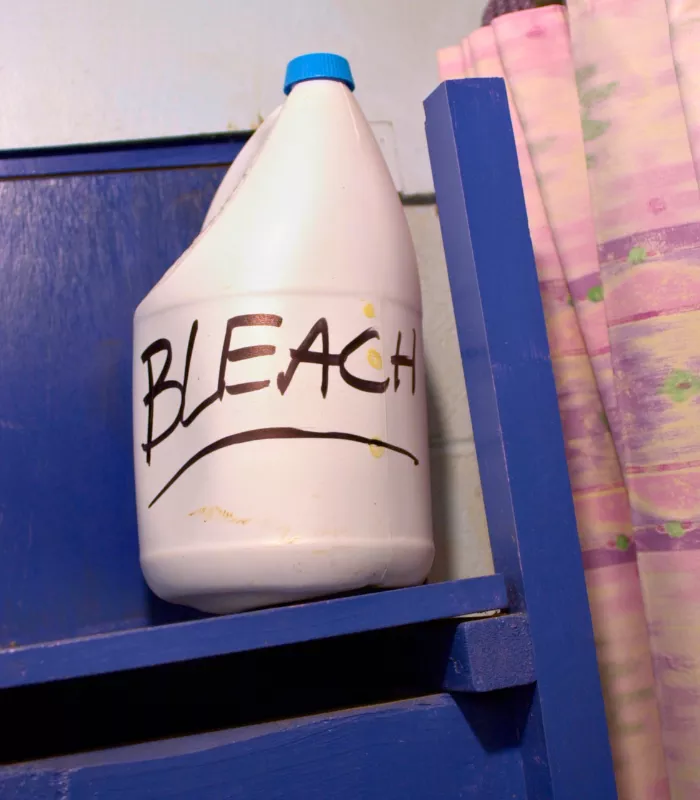
Rust stains in a sink or toilet are stubborn. Many people reach for bleach first.
That is one of the biggest cleaning mistakes you can make.
Bleach does not remove rust. It can actually make the stain darker and harder to remove. Rust needs an acid-based cleaner like Bar Keepers Friend or a product made specifically for rust removal.
Bleach is one of the most powerful and versatile cleaners in any home.
It kills bacteria, whitens surfaces, and disinfects as almost nothing else can.
But rust is an entirely different kind of problem.
Rust is iron oxide – a chemical compound that bleach simply cannot break down.
In fact, the oxidizing nature of bleach can actually accelerate the rust process.
That orange stain in your toilet bowl can turn deep brown or black after a bleach treatment.
Hard water affects an estimated 85% of American homes.
That means rust stains are incredibly common, and so is this mistake.
The fix is simple once you know it – reach for an acid-based cleaner, not a bleach-based one.
Products containing oxalic acid are specifically designed to dissolve iron oxide without damaging the surface underneath.
Why It’s On This List: Rust stains affect millions of homes with hard water. Using bleach on them is like pouring water on a grease fire – it makes things worse, not better.
7. Vinegar on Stone Countertops
Vinegar is a beloved home remedy for cleaning. It works well on many surfaces.
But on marble, granite, or other natural stone? It causes real damage.
The acid in vinegar eats into the stone’s surface and causes permanent dull spots called “etching.” Once etched, natural stone cannot be restored without professional polishing.
Vinegar has earned its reputation as a cleaning powerhouse on glass, tile grout, and appliances.
Its acetic acid content makes it genuinely effective in the right situations.
But that same acid is precisely what makes it so destructive to natural stone.
Marble and granite are calcium-based minerals.
When acid touches calcium, a chemical reaction occurs almost instantly.
The surface does not just get dirty – it gets physically eroded at a microscopic level.
You cannot see it happening, but you will notice the dull patch the next morning.
Professional stone polishing can cost several hundred dollars per countertop section.
That is a very expensive lesson that a $4 bottle of pH-neutral stone cleaner could have prevented.
Even diluted vinegar – the kind many cleaning guides recommend – is still acidic enough to cause etching with repeated use.
Why It’s On This List: Natural stone countertops can cost thousands of dollars. You’re better off using a pH-neutral stone cleaner. It costs just a few dollars more and protects your investment.
8. Multi-Surface Wipes on Greasy Stovetops
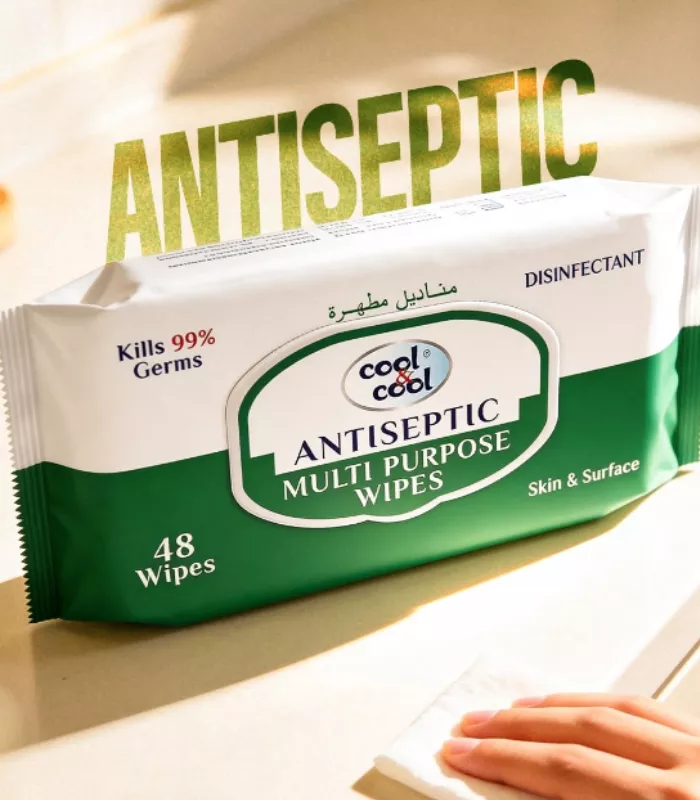
Multi-surface wipes are great for quick cleanups on glass or plastic.
But on a greasy stovetop, they just smear the grease around.
Most multi-surface wipes do not contain a degreaser. Without a degreaser, cooking oil and food grease just move from one spot to another instead of lifting off the surface.
Multi-surface wipes became hugely popular in the early 2000s and have never looked back.
They are convenient, disposable, and smell clean – which makes them feel effective.
But feeling effective and being effective are two very different things.
Cooking grease is a lipid – a fat-based compound that only breaks down in the presence of a surfactant or degreaser.
A standard multi-surface wipe contains neither.
Wiping a greasy stove with one is like trying to wash dishes with plain water and no soap.
You will spread the grease into a thin, nearly invisible film across the entire surface.
That film then attracts dust, cooking particles, and bacteria every single day.
Over time, that invisible grease layer bakes on and becomes extremely difficult to remove.
A dedicated kitchen degreaser spray left to sit for 60 seconds will do more work than an entire pack of multi-surface wipes.
Why It’s On This List: Stovetop grease buildup is one of the top causes of kitchen fires in homes. That’s why using the right degreaser is not just about cleanliness – it is also about safety.