

The internet loves a good cleaning hack. So does your well-meaning cousin.
The problem is, neither one studied chemistry.
Some of the most popular cleaning tips floating around today are more folklore than fact.
They get passed down like family recipes.
Except these ones leave streaks, damage surfaces, and occasionally flood your kitchen.
1. Using Baking Soda and Vinegar Together
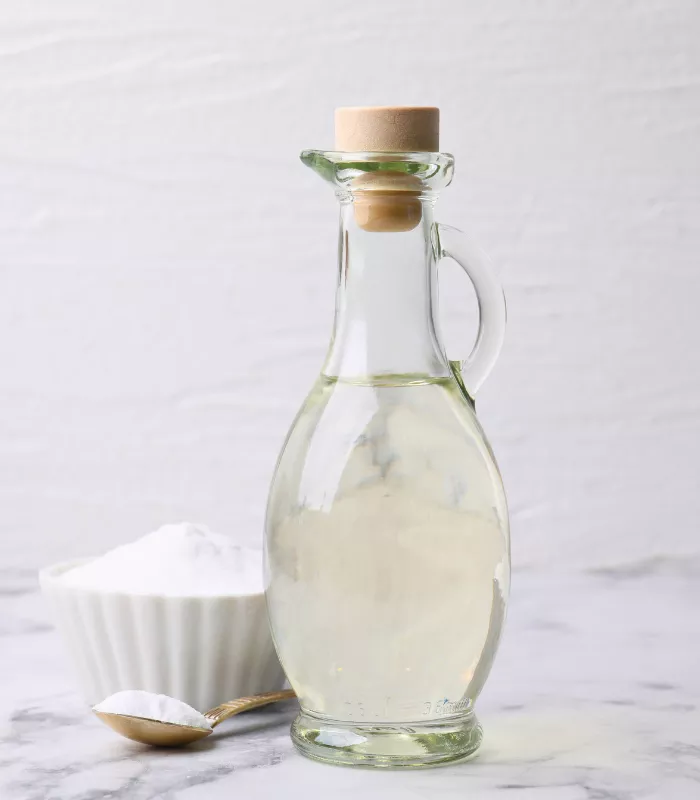
This one is everywhere online.
People mix baking soda and vinegar, thinking it creates a powerful cleaner.
But here’s the catch: when you combine them, they cancel each other out.
You get water and carbon dioxide. That’s it.
The fizzing looks impressive. But it does almost nothing to grease or grime.
You’re better off using each one separately. Baking soda scrubs. Vinegar cuts through mineral deposits. Together? They’re basically useless.
Many people have been using this combo for years without realizing it.
It feels productive. The bubbling gives the illusion that something powerful is happening.
But once the fizz dies down, you are left with a watery mess and a surface that is barely cleaner than before.
Baking soda works best as a gentle abrasive on its own.
White vinegar shines when used solo on mineral buildup around faucets and showerheads.
Mixing them is like hiring two great workers and having them cancel each other out before the job even starts.
Keep them in separate bottles and use each one where it makes the most sense.
Your cleaning results will improve almost immediately.
Simple changes like this can save you time, money, and a lot of wasted product.
Once you understand the chemistry, you will never mix them again.
Trust the science over the social media trend.
Why It’s On This List: This hack has been shared millions of times online, but the chemistry simply does not work the way people think it does.
2. Cleaning Windows With Newspaper
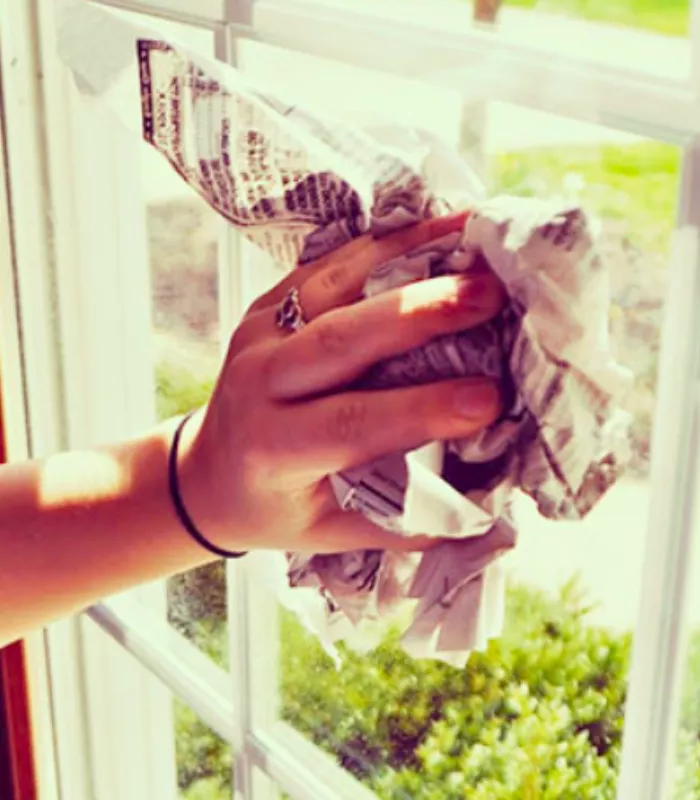
Your grandmother probably swore by this trick.
And years ago, it may have worked. Old newspaper ink was thick and acted like a mild abrasive.
Today’s newspaper ink is soy-based and much thinner. It smears more than it cleans.
You can end up with gray streaks and ink on your window frames.
A microfiber cloth works far better and leaves no residue behind.
The shift in ink formula happened gradually over the decades.
Most people never got the memo because the tip kept getting passed down anyway.
What worked beautifully in 1975 simply does not hold up today.
Modern newspaper pages are also thinner and tear more easily when wet.
That means more frustration and more mess on your hands, literally.
Microfiber cloths trap dust and liquid without leaving lint or streaks behind.
They are washable, reusable, and cost just a few dollars for a multipack.
A good glass cleaner paired with a microfiber cloth will give you crystal clear windows every time.
No ink smudges. No torn paper. No frustration.
Sometimes upgrading your tools is the simplest cleaning tip of all.
Set the newspaper aside for recycling and grab a cloth instead.
Your windows will thank you.
Why It’s On This List: This is a classic, outdated tip that many people over 50 still use out of habit, even though newspaper ink formulas changed decades ago.
3. Using Bleach on Everything
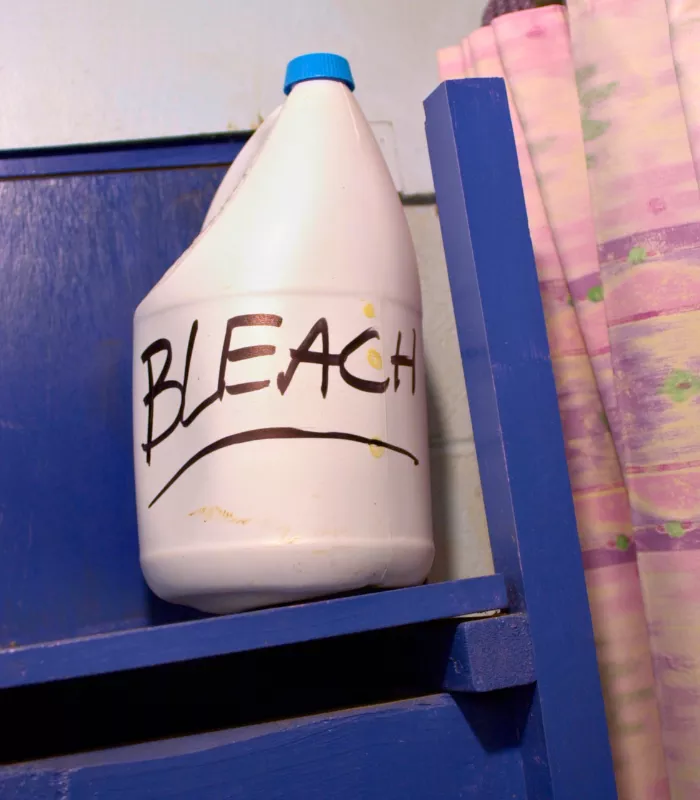
Bleach feels powerful. It smells clean. So people use it on everything.
But bleach is a disinfectant, not a cleaner. It does not remove dirt or grease.
Worse, it can damage grout, stain colored surfaces, and irritate lungs, especially in older adults.
Never mix bleach with ammonia or vinegar. The fumes can be dangerous.
That’s why reading product labels carefully is so important before you spray anything.
Bleach works well in specific situations, like sanitizing a cutting board after raw meat.
But spraying it on every surface in your home is overkill and often counterproductive.
It can turn yellow over time with repeated use.
It can strip the finish off certain countertops and leave them looking worn.
Prolonged exposure to bleach fumes in small enclosed spaces like bathrooms can cause headaches and breathing irritation.
For everyday cleaning, a simple all-purpose cleaner does the job without the risks.
Save bleach for the times when you truly need to disinfect.
Always open windows and wear gloves when you do use it.
Your lungs and your surfaces will hold up much better over time.
Less bleach, used wisely, goes a long way.
More is not always better when it comes to cleaning products.
Knowing when not to reach for it is just as important as knowing when to use it.
Why It’s On This List: Overusing bleach is one of the most common and potentially harmful cleaning mistakes made in households across the country.
4. Putting Dish Soap in the Dishwasher
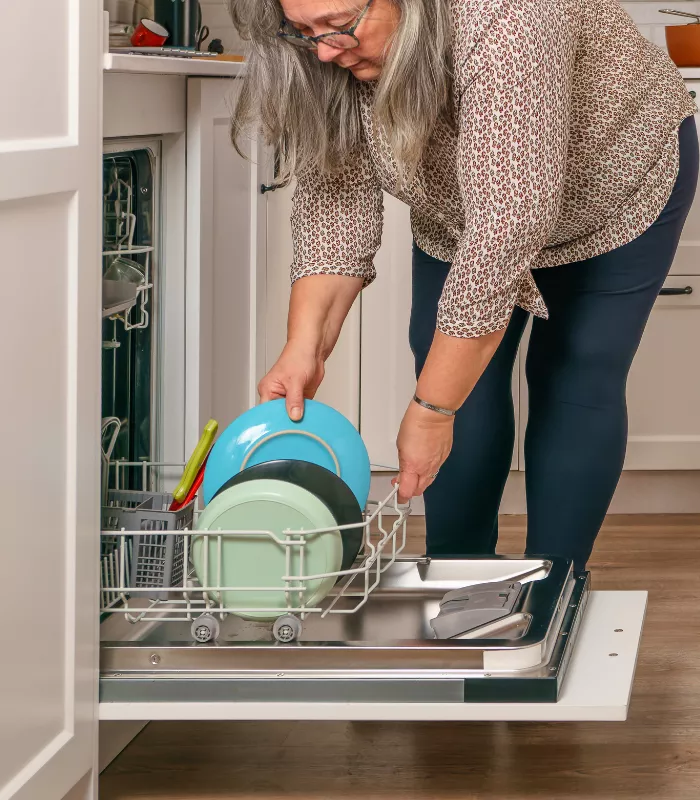
You run out of dishwasher detergent. You figure a little dish soap will do the trick.
I made a classic mistake thinking this once. Soap bubbles flooded my kitchen floor.
Dish soap creates way too many suds for a dishwasher to handle.
Even a tiny squirt can cause a sudsy overflow.
Always use detergent made specifically for dishwashers. It is formulated to clean without excessive foaming.
The two products look similar and both clean dishes, so the mix-up makes sense on the surface.
But dishwasher detergent is specifically designed to work in a high-heat, low-agitation environment.
Regular dish soap is made to lather up in your hands or a sponge.
Put it in a machine, and that lather multiplies fast.
Within minutes, you can have a floor full of bubbles and a dishwasher that needs to be run multiple times just to rinse out the soap.
The cleanup takes far longer than hand-washing the dishes would have.
If you ever run out of dishwasher detergent, hand-washing is genuinely the better option.
A small amount of baking soda in the detergent compartment can help in a pinch for lightly soiled loads.
But dish soap should never go near that machine.
Keep a backup box of dishwasher pods under the sink so you are never tempted.
A little planning saves a lot of mopping.
Your dishwasher is an investment worth protecting.
Why It’s On This List: This quick fix seems logical, but can cause a messy and stressful situation in minutes, especially for anyone home alone.
5. Using Lemon to Clean Everything Naturally

Lemon smells fresh and feels natural. So many people use it on counters, cutting boards, and faucets.
But here’s the deal: lemon juice is acidic. It can eat away at stone surfaces like granite or marble.
It can also leave sticky residue if not rinsed off completely.
Natural does not always mean safe for every surface.
You’re better off checking what your countertop material is before reaching for that lemon wedge.
Granite and marble are porous stones that are sensitive to acids.
Even a small amount of lemon juice can dull the surface finish over time.
You may not notice the damage right away, but it adds up with repeated use.
Lemon does work well on some surfaces, like refreshing a plastic cutting board or removing odors from a microwave.
The key is knowing where it helps and where it harms.
For stone countertops, always use a pH-neutral cleaner made specifically for that material.
These products are widely available and not expensive.
They protect the surface while still getting it clean.
When in doubt, check the manufacturer’s care guide for your countertop material.
A little research up front can save you from an expensive resurfacing job later.
Lemon is a lovely fruit. It is just not the universal cleaner the internet says it is.
Use it wisely, and your surfaces will stay beautiful for years.
Why It’s On This List: The “all-natural” label makes this hack feel harmless, but it causes real and costly damage to kitchen surfaces each year.
6. Using Dryer Sheets to Dust Furniture
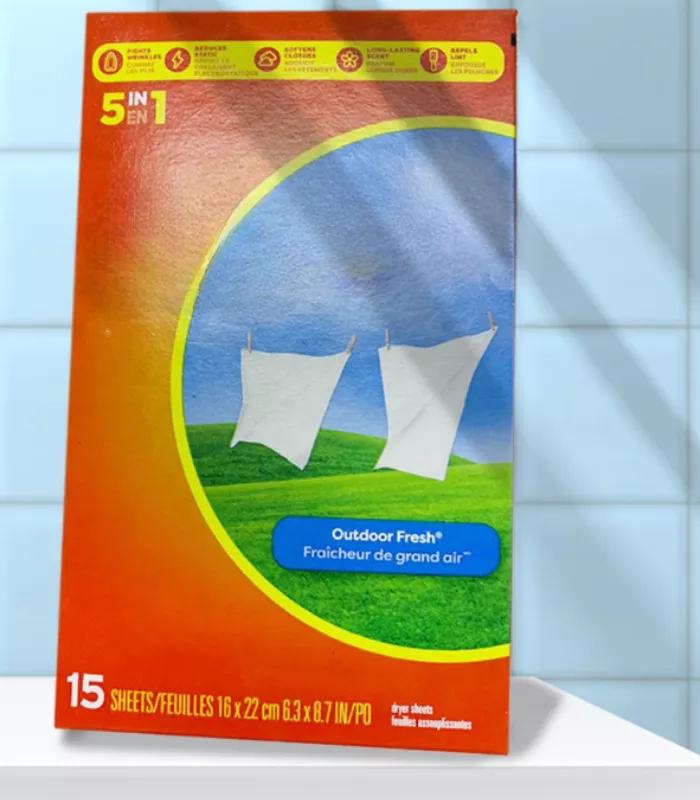
Some cleaning blogs say dryer sheets repel dust from furniture and screens.
They do pick up a little dust. But they also leave behind a waxy chemical coating.
Over time, that coating builds up. It can make wood furniture look dull and cloudy.
On TV screens or computer monitors, that residue can be very hard to remove.
A dry or slightly damp microfiber cloth does the job without any buildup.
The waxy film left by dryer sheets actually attracts more dust over time.
So you end up dusting more frequently, not less.
On electronics, that residue can interfere with the screen’s anti-glare coating.
Removing it often requires a specialized screen cleaner and a lot of careful buffing.
It is simply not worth the hassle when a microfiber cloth costs almost nothing and works perfectly.
Dryer sheets are great for their intended purpose inside the dryer.
But they do not belong in your dusting routine.
Microfiber cloths come in different sizes for different surfaces and can be washed and reused hundreds of times.
They are one of the best investments you can make for easy home maintenance.
Keep a few in every room for quick cleanups.
Your furniture will look cleaner and stay cleaner longer without the waxy residue slowing you down.
Simple tools used correctly always beat clever shortcuts that create new problems.
Why It’s On This List: This hack spreads fast on social media because it sounds clever, but the long-term buildup is a real problem that most people do not notice until damage is done.
7. Cleaning Grout With a Toothbrush and Bleach
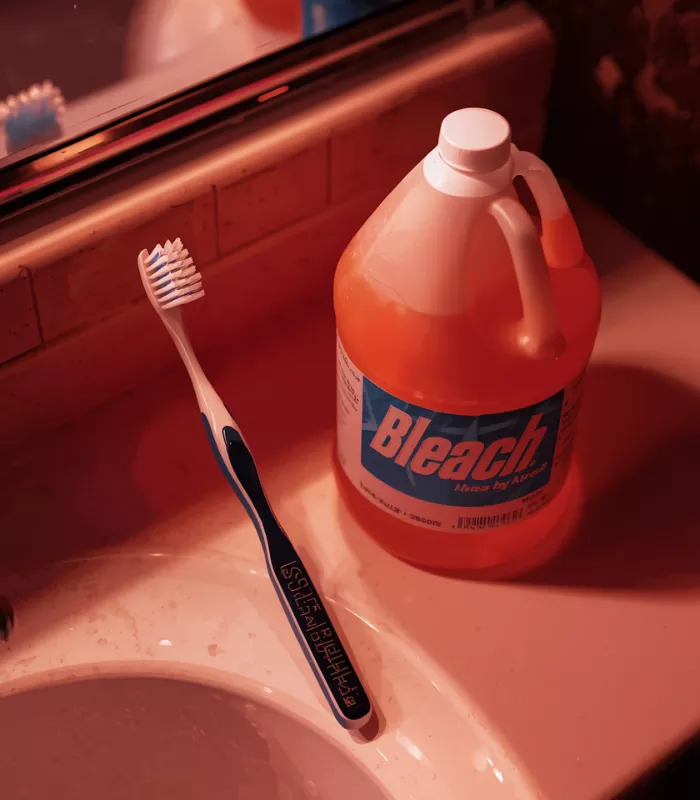
This one feels satisfying. You scrub, you see results, and the grout looks bright again.
But bleach weakens grout over time. Repeated use can make it crack and crumble.
A toothbrush also tends to be too soft to remove deep stains without a lot of effort.
That’s why a stiff-bristle grout brush and an oxygen-based cleaner work much better.
It lifts stains without eating away at the grout material itself.
Grout is a porous material that absorbs liquids easily, including bleach.
When bleach soaks in repeatedly, it breaks down the binding agents that hold the grout together.
Over years of regular use, you may start to see the grout thinning, chipping, or developing small cracks.
Regrouting a bathroom or kitchen floor is a time-consuming and costly repair.
Oxygen-based cleaners, sometimes called OxiClean-style products, work by releasing oxygen bubbles that lift stains out of the pores.
They are far gentler on grout while still being highly effective on tough discoloration.
Apply the cleaner, let it sit for several minutes, then scrub with a stiff grout brush.
The results are often better than bleach with far less effort.
Sealing your grout once or twice a year also helps prevent staining in the first place.
It creates a protective barrier that keeps grime from soaking in deeply.
A little preventive care goes much further than reactive scrubbing every few weeks.
Protect your grout now, and it will stay looking clean for years to come.
Why It’s On This List: Millions of homeowners use this method regularly, not realizing they are slowly breaking down the very surface they are trying to protect.