

Canada has 10 provinces, 3 territories, and apparently one job: convincing Americans it is all worth the trip.
To be fair, some of it absolutely is.
But a surprising number of its most famous cities have been coasting on reputation for years.
Good marketing is not the same as a good vacation.
If your travel budget is serious, your destination research should be too.
1. Toronto, Ontario
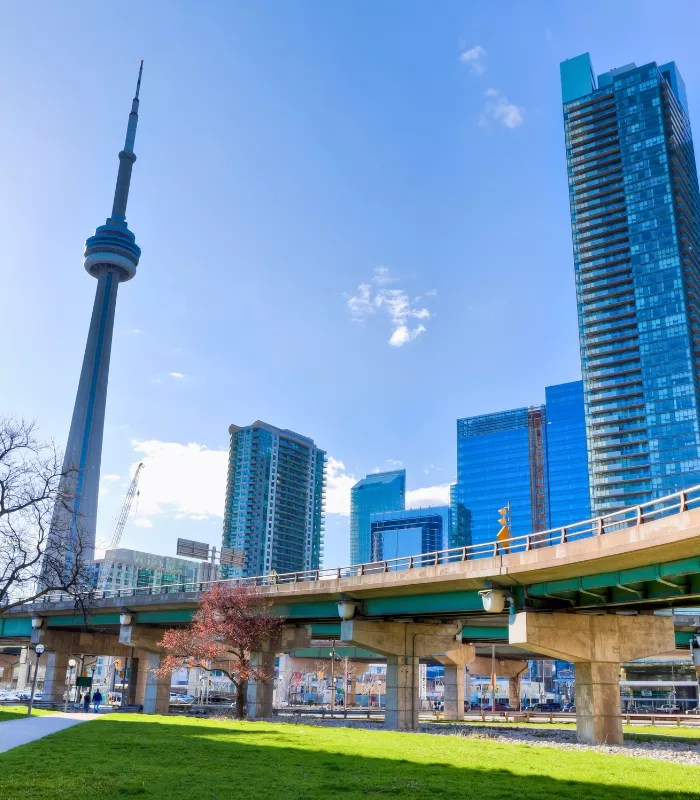
Toronto is Canada’s biggest city. Americans often expect a Canadian version of New York City. But here’s the catch: it rarely delivers that feeling.
The CN Tower costs over $40 CAD just to go up. The Toronto Zoo was ranked the city’s most disappointing attraction by visitors.
About 10.9% of tourist reviews called Toronto “disappointing.” That’s the highest rate of any Canadian city.
The downtown core is congested and expensive. Getting around without a car is harder than most travel blogs admit.
Restaurants in the tourist zones are overpriced for what you get. Locals eat elsewhere, and visitors rarely find those spots on their own.
The Royal Ontario Museum and Art Gallery of Ontario are worth seeing. But two good museums do not make a city worth a long-haul trip.
Why It’s On This List: Americans fly in expecting a world-class urban experience. They often leave feeling like they could have stayed home and saved a lot of money.
2. Vancouver, British Columbia
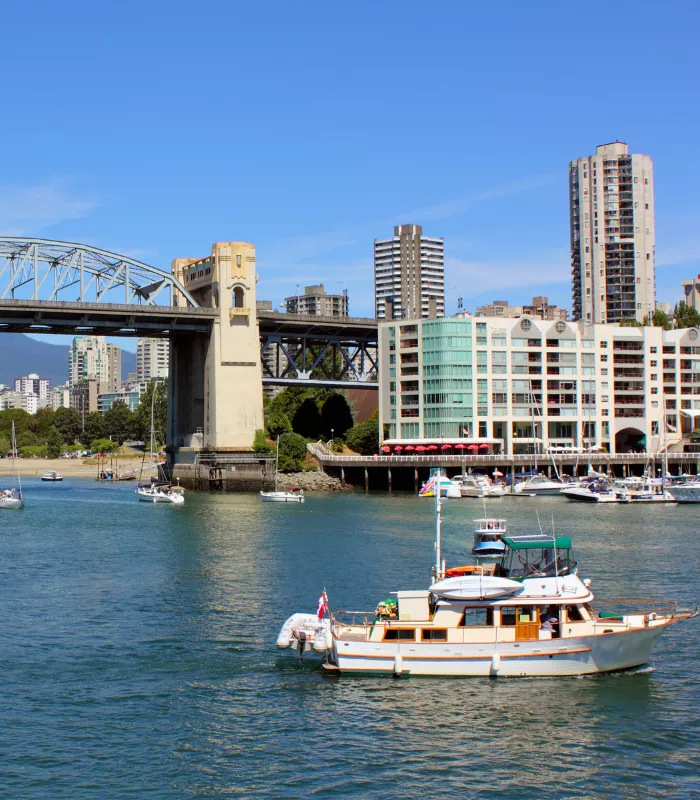
Vancouver looks stunning in photos. Mountains, ocean, trees. It checks every box on paper.
But the cost of everything will catch you off guard fast. Hotel rooms, meals, parking, it all adds up quickly.
Gastown, one of its top attractions, was rated its most disappointing spot by tourists. About 9.3% of visitors were left unimpressed overall.
Stanley Park is genuinely beautiful, but it is heavily crowded during the summer months. Finding a peaceful moment there in peak season is nearly impossible.
The homeless population in parts of downtown Vancouver can feel overwhelming for first-time visitors who were not expecting it.
The rain is also relentless for much of the year. If your trip falls outside of July and August, pack accordingly.
Why It’s On This List: You’re better off spending that money on a trip to Kelowna or Tofino, where the scenery is just as gorgeous, and the prices are far more reasonable.
3. Montreal, Quebec
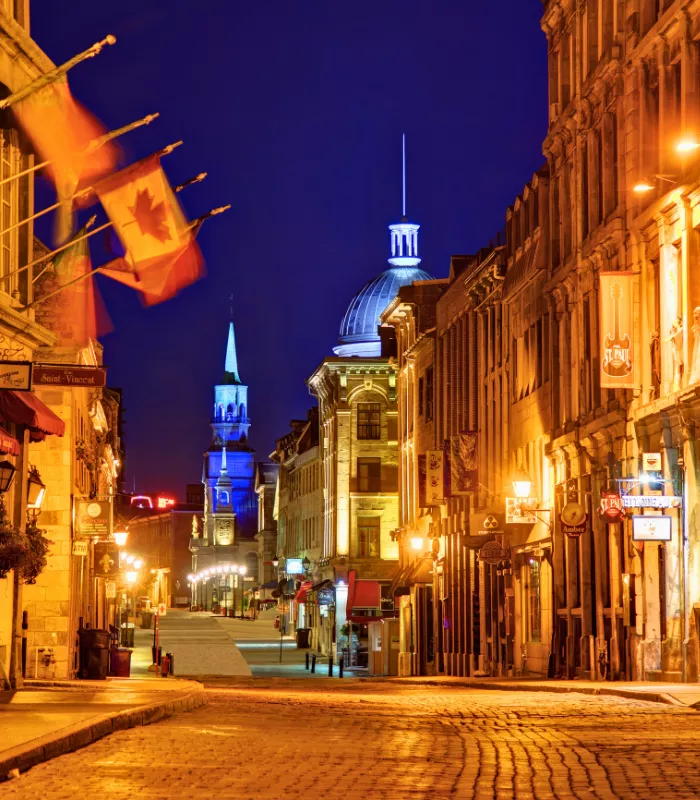
Montreal has a great reputation. French culture, great food, European charm. That’s the pitch, anyway.
Old Montreal has become heavily commercialized. The Biodome one of its flagship attractions, left 10.3% of tourists feeling flat.
Prices in tourist areas are also much higher than most Americans expect. The “hidden gem” parts of the city take effort to find.
The language barrier can also be a sticking point. While many Montrealers speak English, some tourist interactions feel noticeably cold for those who do not speak French.
Winter in Montreal is brutal. Temperatures can drop to -25 Celsius, and the famous underground city feels more like survival infrastructure than a tourist attraction.
Construction is a constant issue throughout the city. Road closures and detours have been a running joke among locals for years.
Why It’s On This List: The real Montreal lives in neighborhoods like Plateau Mont-Royal. But most tourists never make it past the souvenir shops.
4. Quebec City, Quebec
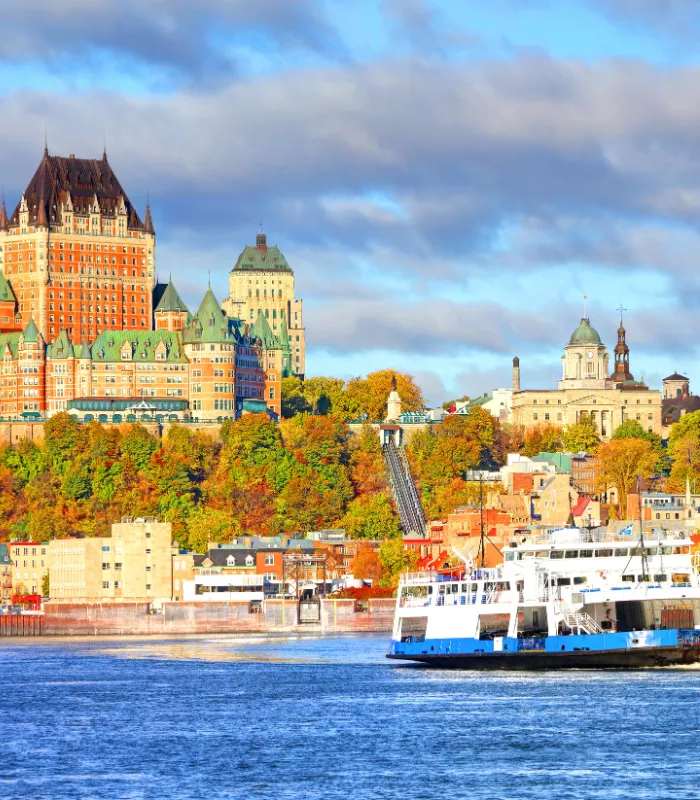
Quebec City promises a “Paris of North America” experience. The old stone walls and cobblestone streets do look lovely in photos.
That’s why thousands of Americans make the trip every year. But the reality is a very small, walkable area packed with tourists and gift shops.
About 8.2% of visitors called it disappointing. The Old Quebec Funicular, one of its most promoted features, ranked as its most disappointing attraction.
The entire “old city” experience can be covered in a single afternoon. After that, most visitors are not sure what to do with the rest of their trip.
Dining options inside the tourist zone are expensive and largely aimed at visitors, not locals. Authentic Quebec cuisine requires venturing well outside the walls.
Summers are busy, and winters are freezing. Shoulder season visits offer better value, but even then, the city can feel like it runs out of things to offer fairly quickly.
Why It’s On This List: For Americans 50 and older expecting a rich cultural deep dive, Quebec City can feel more like a theme park than an authentic European-style destination.
5. Ottawa, Ontario
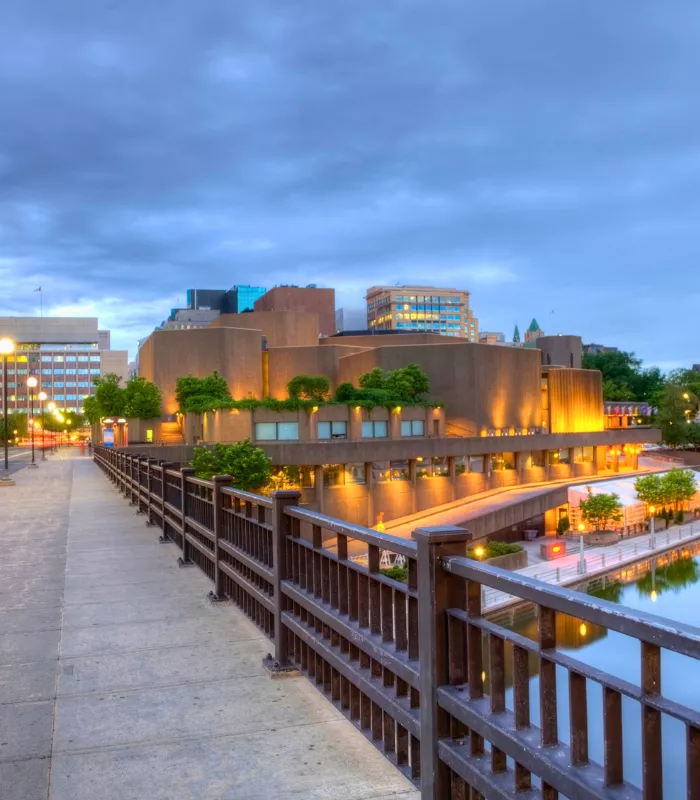
Ottawa is Canada’s capital. That sounds exciting. In practice, it feels more like a government town than a travel destination.
The Canada Science and Technology Museum consistently gets low marks from visitors. The city’s main draw is its museums, but many of them feel dated.
Locals and travel writers often describe Ottawa as “bureaucratically bland.” That’s a tough sell for a vacation spot.
Outside of the Rideau Canal and Parliament Hill, the city’s tourist offerings thin out quickly. Most visitors exhaust the highlights in a day or two.
The restaurant and nightlife scene is underwhelming compared to Montreal or Toronto. For a capital city, it closes down surprisingly early.
Getting around requires either a car or a lot of patience. The public transit system does not make exploring easy for first-time visitors.
Why It’s On This List: With Toronto and Montreal just a short drive away, Ottawa often feels like the least exciting stop on a Canadian road trip.
6. Calgary, Alberta
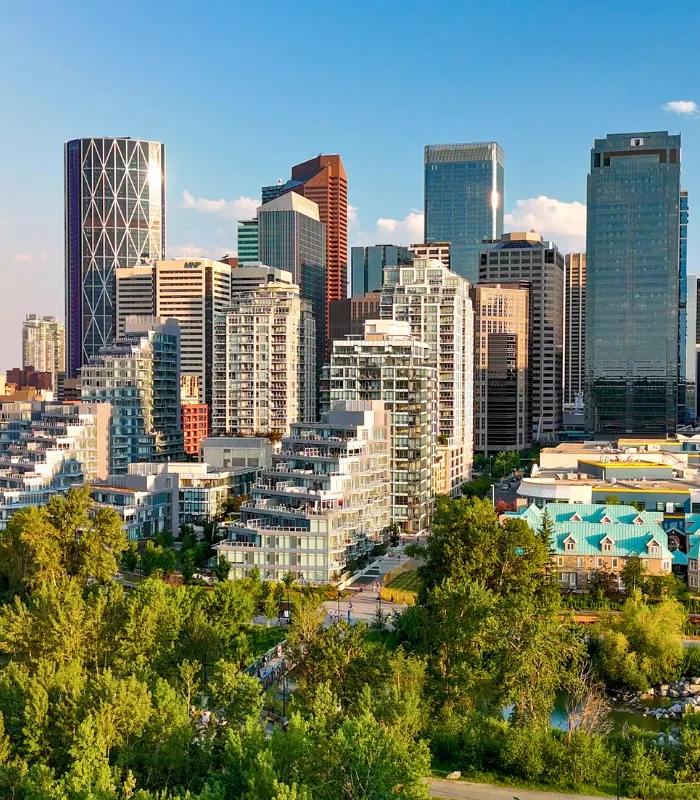
Calgary markets itself as a gateway to the Rockies. And sure, Banff is nearby and stunning. But Calgary itself? Not so much.
The Calgary Tower is expensive, quick, and forgettable. The “cowboy culture” vibe is largely manufactured for tourists.
What you mostly find is a corporate business hub with a Western costume on. The Stampede is fun for one day. After that, there’s not much pulling you back.
The city’s layout is built around cars, not pedestrians. Walking between attractions is neither easy nor enjoyable for visitors used to walkable city centers.
Outside of Stampede season, the streets downtown can feel surprisingly empty. It is a city that works better for people who live there than for people visiting it.
Hotel prices spike dramatically during the Stampede in July, which is when most Americans choose to visit. That combination of high cost and overhyped atmosphere rarely ends well.
Why It’s On This List: Americans who drive through Calgary to reach the mountains are making the smarter move. The city itself rarely justifies a dedicated stay.
7. Niagara Falls, Ontario
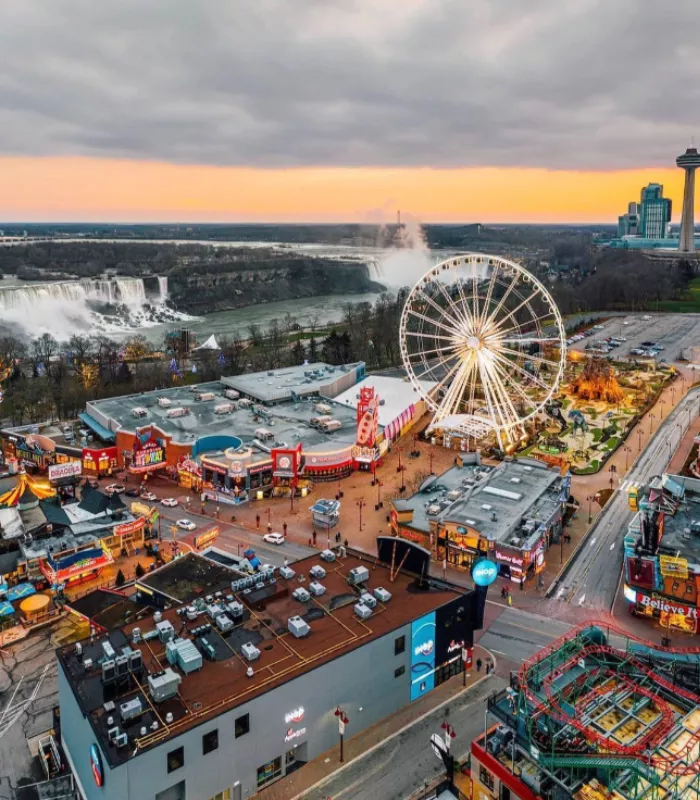
The falls themselves are absolutely breathtaking. No argument there. Niagara Falls is one of the most powerful natural wonders in North America.
But the city around the falls is a different story. Wax museums, haunted houses, and flashy casinos crowd every street near the water.
Locals openly avoid the tourist strip. Most savvy travelers treat Niagara as a quick photo stop, then head to nearby Niagara-on-the-Lake for a much better experience.
The Clifton Hill area, the main tourist drag, feels more like a carnival midway than a destination worthy of one of the world’s great natural wonders.
Parking and entry fees for even basic activities add up fast. A family or couple can easily spend $200 in a single afternoon without doing anything particularly special.
The falls are best seen from the American side anyway, which makes the trip to the Canadian city feel even less essential than it already is.
Why It’s On This List: Americans 50 and older who visited decades ago may be shocked by how commercial and chaotic the area around the falls has become.
8. Whistler, British Columbia
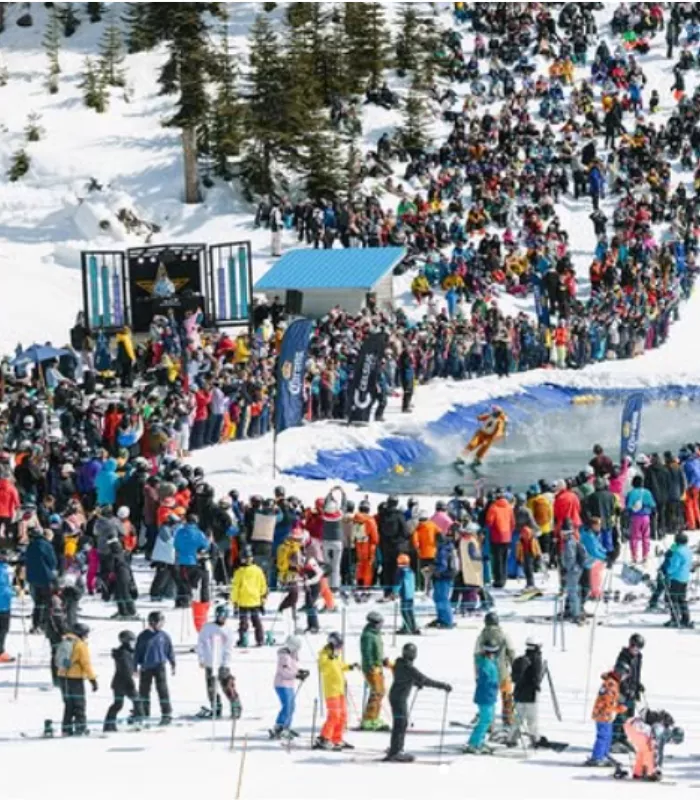
Whistler is world-famous as a ski destination. The mountain is genuinely impressive. But the village itself feels like a luxury mall with ski lifts attached.
Prices are among the highest of any resort town in Canada. A basic meal, a lift ticket, and a hotel room can drain your vacation budget in just two days.
The Superfly Ziplines attraction has been named one of Canada’s most disappointing paid experiences. For what you pay, many visitors expect far more.
The village pedestrian zone is attractive but very small. Once you have walked it twice and had one overpriced coffee, you have essentially seen it.
Summer visitors often feel shortchanged. Without snow, Whistler loses much of its identity, and the prices do not drop nearly enough to compensate.
Accessibility is also a challenge. Getting to Whistler from Vancouver means navigating the Sea-to-Sky Highway, which is scenic but can be stressful and slow during busy weekends.
Why It’s On This List: That’s why many Americans who love skiing find better value at resorts in Colorado or Utah, where the experience is comparable at a fraction of the cost.
9. Victoria, British Columbia
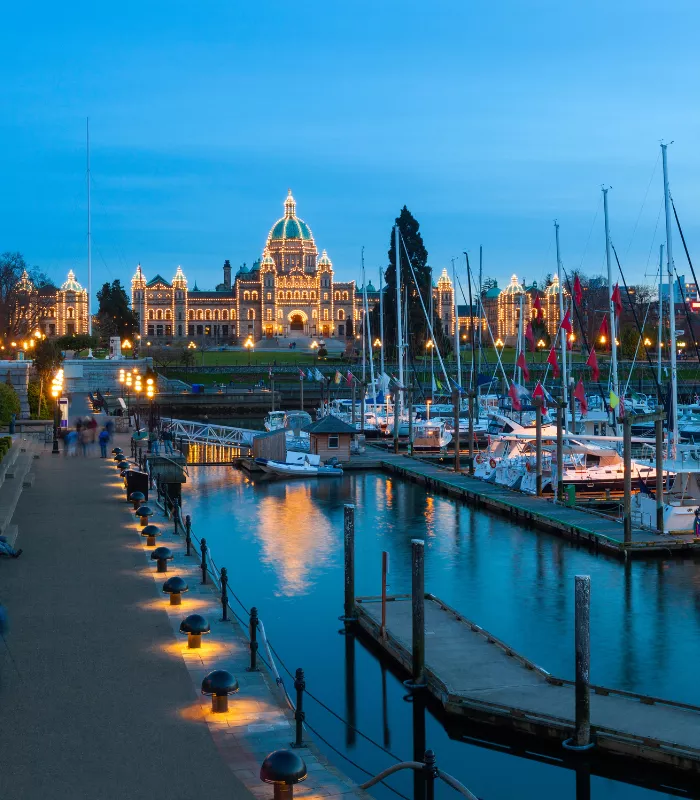
Victoria sells itself on British charm. Double-decker buses, high tea, and the famous Butchart Gardens. It all sounds wonderfully quaint.
But many visitors find the “British” feel a bit staged. The Butchart Gardens are beautiful but extremely crowded and expensive during peak travel season.
For Americans expecting a slice of England in Canada, the reality can feel like a polished tourist production rather than an authentic experience.
Getting to Victoria requires a ferry ride or a small regional flight. That extra step adds both cost and time that many travelers underestimate when planning the trip.
The city shuts down early. Nightlife is minimal, and dining options outside the Inner Harbour area can be surprisingly limited for a city of its tourism profile.
Victoria is also extremely popular with retirees and snowbirds, which keeps property and service prices high year-round. That cost gets passed directly to visiting tourists.
Why It’s On This List: I made a classic mistake booking a summer trip to Victoria without realizing how packed it gets. The gardens were lovely, but navigating the crowds made it more tiring than relaxing.
10. Edmonton, Alberta
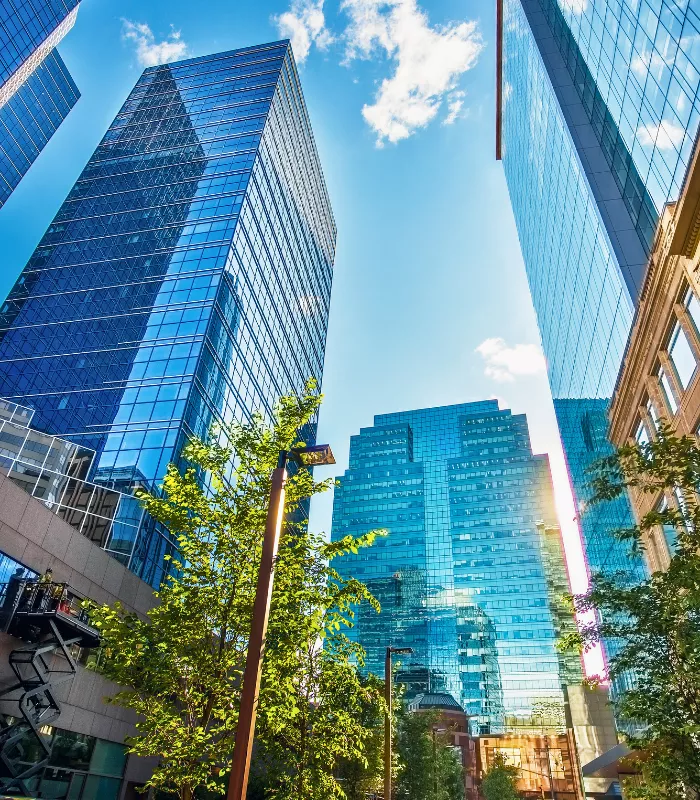
Edmonton is often pitched on the strength of the West Edmonton Mall. At one point, it was the largest shopping mall in the world. That was a long time ago.
The city’s downtown is sprawling and disconnected. Its festival scene gets heavy promotion, but many visitors find the energy underwhelming when they actually arrive.
Extreme temperature swings can also disrupt travel plans at any time of year. Edmonton winters are brutal, and even summers can bring sudden cold snaps.
The West Edmonton Mall is still massive, but it no longer holds the novelty it once did. Most of what it offers can be found at any large American shopping center closer to home.
The arts and culture scene, while improving, still lags well behind what most Americans expect from a city of Edmonton’s size and population.
There is also a significant urban safety concern in certain downtown neighborhoods that travel guides tend to gloss over. First-time visitors can find this jarring.
Why It’s On This List: For American retirees planning a comfortable Canadian city break, Edmonton rarely makes good on the promises its tourism branding makes.
11. Halifax, Nova Scotia
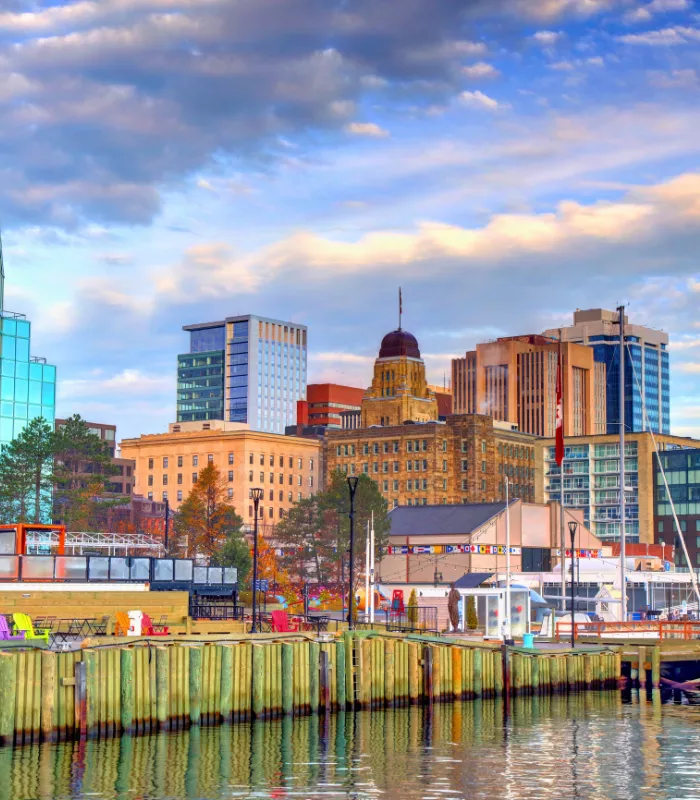
Halifax gets a lot of love in Canadian travel guides. The waterfront boardwalk and historic properties look great in pictures. But many American visitors find it surprisingly quiet once they arrive.
The entertainment options are limited for a city promoted as a top East Coast destination. The job market struggles too, which affects the overall energy of the city.
For Americans used to the lively Atlantic Coast cities in the U.S., Halifax can feel more like a sleepy town than a bucket-list stop.
The weather is also unpredictable. Atlantic fog rolls in without warning and can blanket the city for days, limiting visibility and dampening outdoor plans.
Dining is decent but not exceptional. The seafood is fresh, but one good chowder does not justify the airfare from most American cities.
The historic sites, while genuinely interesting, can be covered in half a day. After that, most visitors find themselves wondering what to do with the rest of their trip.
Why It’s On This List: You’re better off spending that time in nearby Lunenburg or Cape Breton Island, where the scenery and local charm are far more memorable.
12. Saskatoon, Saskatchewan
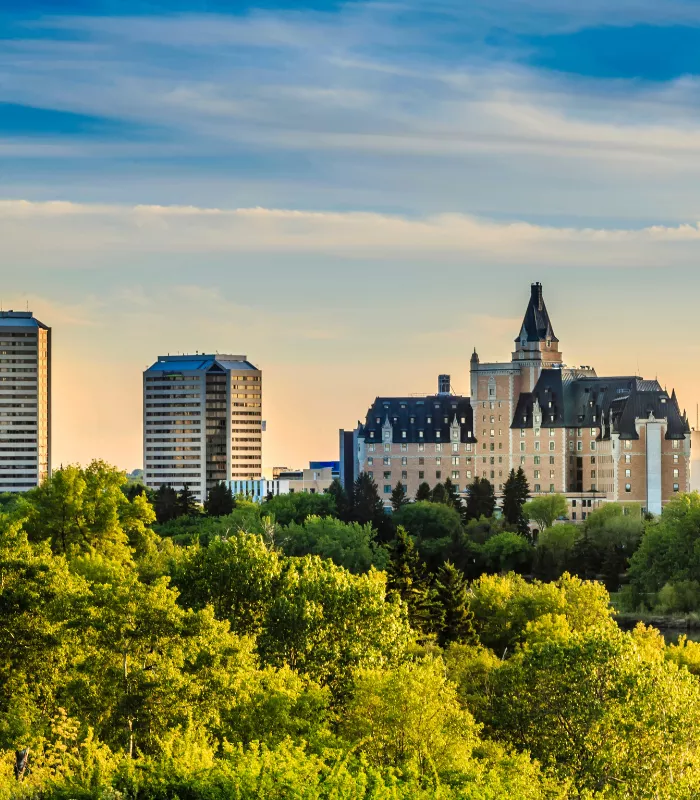
Saskatoon barely shows up on most American travel radars. But it does get promoted by some Canadian tourism campaigns as a “hidden gem” prairie city worth the detour.
The reality is a flat, spread-out city with limited tourist infrastructure. Winters are punishing, with temperatures regularly dropping below -30 degrees Celsius.
Most visitors who make the trip find little that justifies the long drive across Canada’s prairies. That’s why travel writers consistently leave it off their recommended Canadian itineraries for Americans.
The river valley parks are pleasant but unremarkable compared to nearly any natural destination in British Columbia or Alberta. Nature lovers are better served elsewhere in Canada.
The city’s food scene has improved in recent years, but it still cannot compete with what larger Canadian cities offer. Culinary tourism is not a reason to visit Saskatoon.
There is also very little public transit infrastructure for tourists. Getting around requires a rental car, which adds cost and complexity to what was already a hard trip to justify.
Why It’s On This List: For Americans 50 and older planning a Canadian adventure, Saskatoon is one stop you can comfortably skip without missing a thing.