

There is a special kind of disappointment that only a bad beach vacation can deliver. You planned for months, spent thousands of dollars, and ended up eating mediocre food while dodging aggressive souvenir vendors.
The Caribbean is one of the most stunning regions on the planet.
But stunning geography cannot fix a town that was not built for actual enjoyment.
Geography is not destiny, and a few Caribbean beach towns are living proof of that.
1. Nassau, Bahamas, Where the Vendors Never Let Up
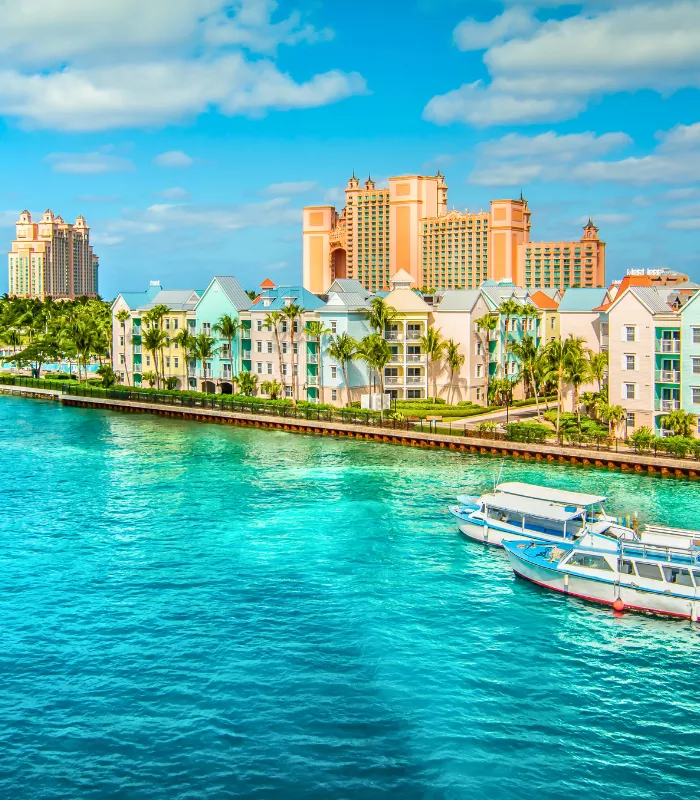
Nassau looks beautiful in photos. The reality for many visitors is a bit more crowded.
Crowds are a real problem. Nassau’s cruise port welcomes over 3 million cruise passengers a year. That means busy beaches, long lines, and pushy vendors everywhere you turn.
The famous Cable Beach is often packed shoulder to shoulder during peak season.
Taxi fares from the airport are notoriously high, and drivers do not always use meters.
Many visitors report feeling pressured by vendors the moment they step off the ship.
The historic downtown area has charm, but the streets can feel quiet and a little unfamiliar once the shops close for the evening.
Water sports and excursions are heavily marked up compared to other Caribbean islands.
Even budget hotels in Nassau tend to charge resort-level prices.
Street food options are limited, and most restaurants near tourist areas charge a premium.
The local bus system, called the jitney, is confusing for first-time visitors.
Keeping an eye on your belongings on busy beaches is a good habit here, as it is on any crowded beach.
Many visitors leave Nassau wishing they had chosen a different island entirely.
Paradise Island next door feels more polished, but it comes with an even bigger price tag.
For the money, there are simply better options in the Caribbean.
2. Montego Bay, Jamaica, Where Most Visitors Never Leave the Resort
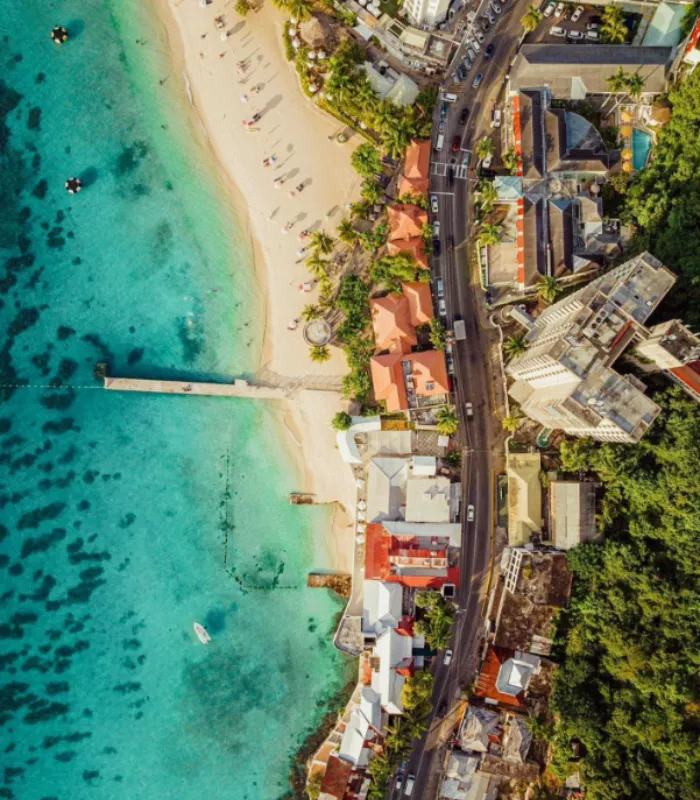
Montego Bay has gorgeous weather and turquoise water. But the area outside the resort zones is a different story.
Many visitors feel confined inside their all-inclusive resorts. You pay a lot to go to Jamaica but end up not leaving the hotel grounds. That is not the Caribbean experience most people dream about.
The Hip Strip, Montego Bay’s main tourist road, can feel chaotic and overwhelming.
Persistent street vendors and unlicensed tour guides are frequently reported by visitors.
Traffic in and around the city is heavy and unpredictable.
Many of the public beaches charge entry fees that add up quickly for families.
Reports of upset stomachs from local restaurants surface regularly on travel forums.
The gap between resort life and the surrounding neighborhoods is stark and uncomfortable for many travelers.
Rental car companies often add hidden fees that are not disclosed up front.
Medical facilities outside the resort areas are limited compared to what many visitors are used to.
Flight connections to Montego Bay from smaller U.S. cities often require long layovers.
Many visitors report feeling on edge throughout their stay rather than relaxed.
Excursions outside the hotel require careful vetting to avoid disappointing operators.
The overall cost-to-experience ratio leaves many visitors feeling shortchanged.
3. Cancun, Mexico, Built for a Crowd That Wants Noise

Yes, Cancun is technically in the Caribbean. And yes, it is wildly popular. But popular does not always mean good.
The Hotel Zone is packed with spring breakers and party crowds. If you want a quieter beach trip, this is not the vibe.
The beaches are beautiful, but the experience often is not. Loud music, aggressive timeshare salespeople, and forgettable tourist-corridor restaurants make Cancun tiring fast. You’re better off choosing a quieter Mexican destination like Isla Mujeres instead.
Timeshare presentations are aggressively marketed to tourists the moment they land.
The Hotel Zone is essentially one long strip of chain restaurants and big box resorts.
Finding authentic Mexican food requires leaving the tourist corridor entirely.
Nightclub noise can keep hotel guests awake well past midnight.
Traffic along Boulevard Kukulcan, the main Hotel Zone road, is frustratingly slow.
Many beach clubs charge steep day-pass fees just to access the water.
Jellyfish swarms are a seasonal issue that can close beaches without much notice.
Sargassum seaweed has been a growing issue on Cancun beaches for several years.
Some sections of beach have drawn complaints from swimmers about water clarity.
Shopping malls dominate the Hotel Zone, which feels more like suburban America than the Caribbean.
Many travelers say Cancun felt busier than their everyday life back home.
The city has grown so large that the original beach town character is completely gone.
4. Bridgetown, Barbados, Where the Price Tag Outpaces the Experience
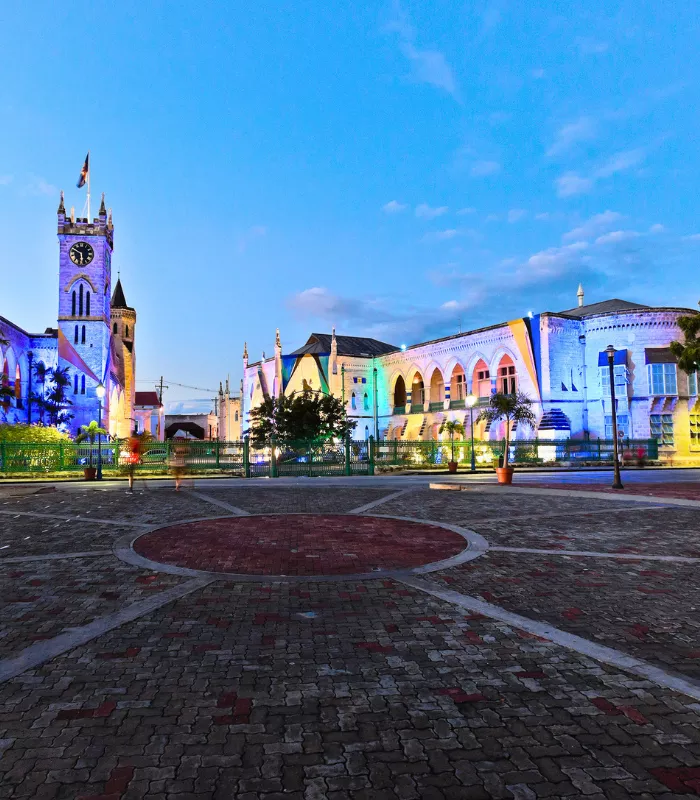
Barbados is one of the most expensive islands in the Caribbean. A simple beach lunch can cost $40 or more per person.
The island is lovely. But the value for money is simply not there for most travelers watching their budget.
A week in Barbados can easily cost twice what you’d spend in Puerto Rico or the Dominican Republic. That’s why budget-conscious travelers often leave feeling like they paid a premium for a very average experience.
Hotel rates in Barbados rank among the highest in the entire Caribbean region.
Imported goods carry a significant markup, which drives up the cost of everything from sunscreen to bottled water.
Dining out at mid-range restaurants can easily run $80 to $100 per couple for a basic meal.
Car rentals are pricier, and driving on the left-hand side surprises many American visitors.
The beaches, while beautiful, are not dramatically better than far cheaper destinations.
Many of the luxury beach clubs cater to a younger, wealthier European crowd.
Tipping expectations are high, and service charges are often added automatically to bills.
Flight prices to Barbados from the U.S. tend to be higher than flights to other Caribbean islands.
Currency exchange rates work against American travelers more in Barbados than in many neighboring islands.
Wi-Fi and phone data plans can be surprisingly expensive for short-term visitors.
Many travelers feel pressured to keep up with a luxury lifestyle that does not match their budget.
The gap between expectation and value is one of the most common complaints from American tourists.
5. Charlotte Amalie, U.S. Virgin Islands, Where the Cruise Crowds Take Over
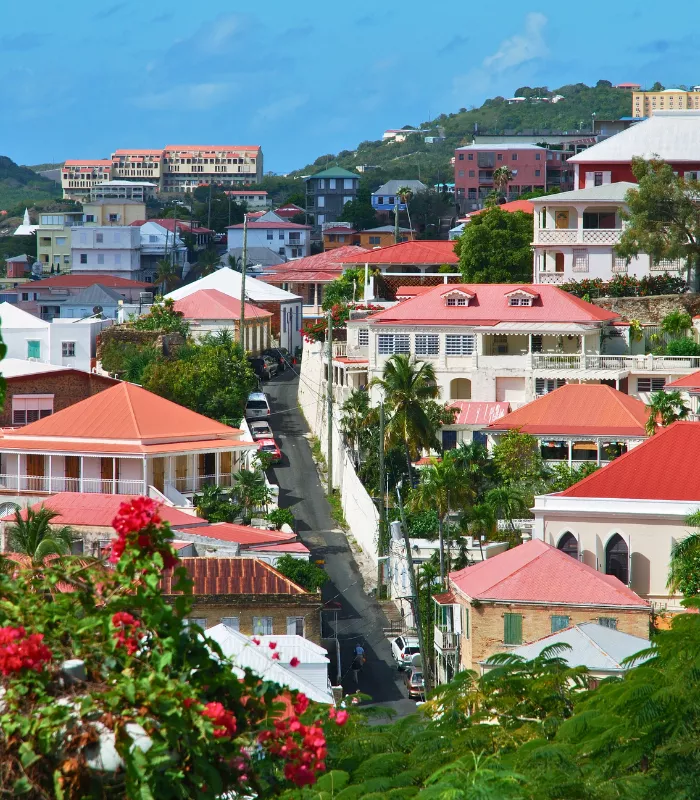
The U.S. Virgin Islands sounds like an easy choice for Americans. No passport needed. English spoken. U.S. dollar accepted.
But the cruise ship crowds make downtown Charlotte Amalie nearly impossible to enjoy. On busy days, thousands of day-trippers flood the small streets, making shopping and sightseeing feel like a chore rather than a vacation.
The jewelry and luxury goods stores downtown cater almost entirely to cruise passengers, not longer-stay visitors.
Roads on St. Thomas are narrow, hilly, and poorly maintained in many areas.
Traffic jams near the cruise port can last for hours on busy ship days.
Parking is scarce and frustrating throughout Charlotte Amalie.
Many of the town’s restaurants and shops close early or have inconsistent hours.
Signs of past hurricane damage are still visible in parts of the island.
Water shortages and power outages are not uncommon.
Some beaches near Charlotte Amalie are not well-maintained.
Keeping valuables out of sight is a good habit in the busier shopping areas and near the waterfront.
The “no passport needed” convenience does not outweigh the crowding and infrastructure concerns for many visitors.
Medical care on the island is more limited compared to what most Americans are used to at home.
Many travelers say the U.S. Virgin Islands felt like a mix of relaxed island pace and mainland U.S. prices, which does not always add up to a good deal.
6. Sosua, Dominican Republic, A Bay That Outshines Its Town
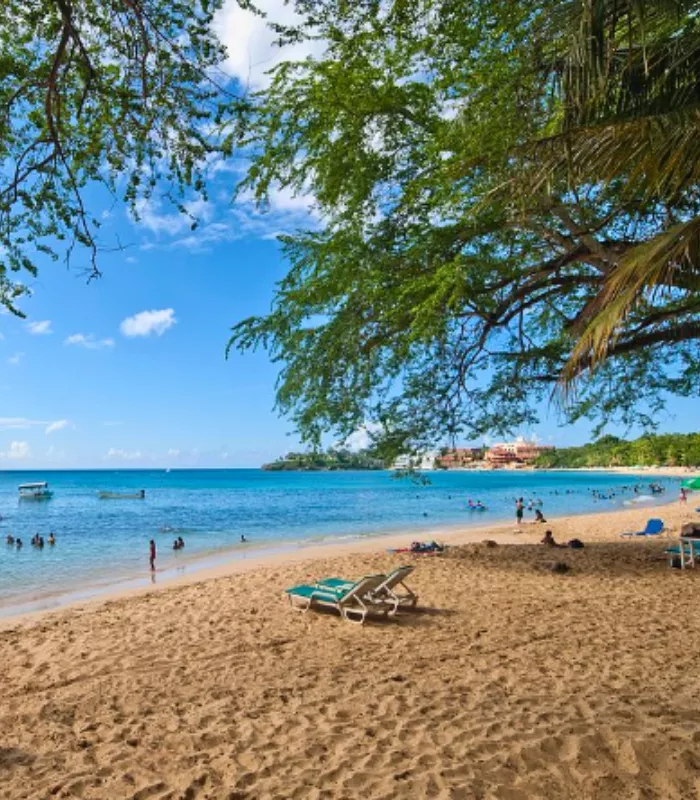
Sosua sits on a pretty bay in the Dominican Republic. It has white sand and warm water. But it has a well-known reputation that many travel guides gloss over.
The town has long been known for an adult-oriented nightlife scene, and many visitors report feeling unwelcome walking around at night.
The beaches are nice, but the surrounding town does not always match the setting. There are far better options in the Dominican Republic, like Las Terrenas or Samana, where the atmosphere is much more relaxed and family-friendly.
Persistent attention from vendors and touts toward tourists, especially women, is a frequently mentioned issue in traveler reviews.
Many of the bars and restaurants along the main strip cater to a nightlife crowd that does not mix well with families.
Unlicensed motorbike taxis are everywhere and can be unpredictable for pedestrians.
The town’s infrastructure is aging, with uneven sidewalks and limited street lighting after dark.
Some travelers online have questioned food handling standards at local eateries.
Reports of card skimming at ATMs have surfaced in the area more than once.
The beach, while beautiful in the morning, becomes crowded and loud by midday.
Many longtime visitors say Sosua has changed noticeably over the past decade.
Locals often suggest sticking to well-lit areas after dark.
The contrast between the gorgeous bay and the busier town surroundings is jarring for first-time visitors.
Tourism dollars in Sosua tend to go toward the nightlife economy rather than family-friendly development.
Visitors consistently rate Sosua among their less favorite Caribbean stops.
7. Willemstad, Curacao, Beautiful Photos, Complicated Logistics
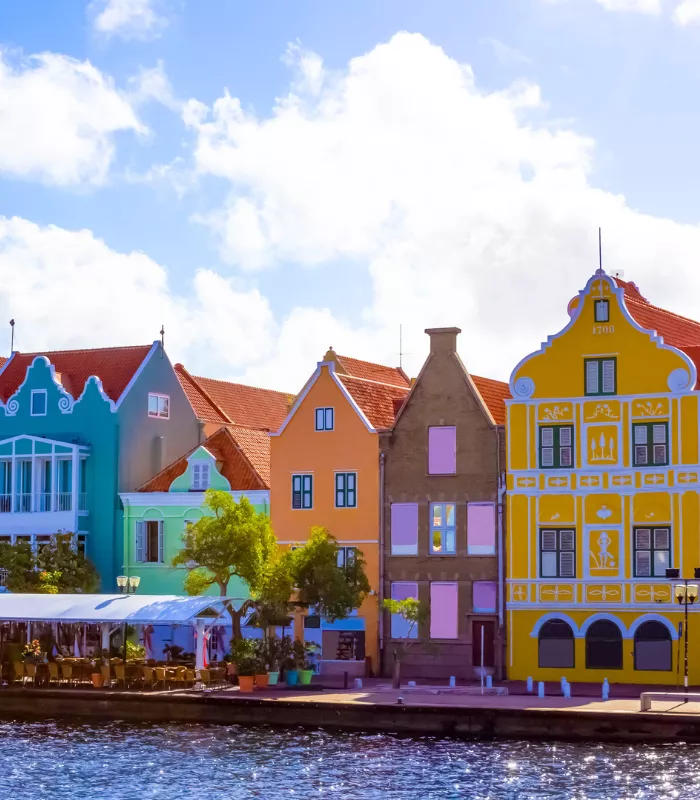
Curacao is colorful and distinct, right down to the wind-facing architecture that keeps the island’s Dutch buildings cool. The pastel buildings of Willemstad are genuinely beautiful. But getting around the island is harder than most visitors expect.
Public transportation is very limited. Renting a car is almost required, which can turn a relaxed trip into a more logistics-heavy one for travelers who would rather not drive on vacation.
The beaches also require research. Many of the best ones are tucked away, far from the main town, or charge entry fees. Without careful planning, you can end up spending more time driving than relaxing. That’s why many visitors say Curacao did not live up to the hype.
The island is extremely hot and dry for most of the year, which surprises visitors expecting lush Caribbean scenery.
Willemstad itself is more of a business and port city than a traditional beach town.
The nearest decent beach from the city center requires at least a 20-minute drive.
Sunscreen, medicine, and basic travel supplies are more expensive here than on other islands.
The local language is Papiamentu, and not all service workers speak fluent English.
Restaurant options in Willemstad skew toward Dutch and international cuisine rather than Caribbean flavors.
The island’s landscape is rocky and arid, which feels nothing like the lush tropics many travelers envision.
Curacao’s airport has limited direct flights from many U.S. cities, making travel connections complicated.
Wind can be strong enough along some coasts to make beach days uncomfortable.
The island has few covered walking areas, making outdoor exploration tough in midday heat.
Many travelers say getting around Curacao took more effort than they anticipated.
For an island with so much visual appeal, Curacao consistently underdelivers on ease of getting around.