

Italy has been the world’s most irresistible summer destination since the Romans invented the concept of taking one.
And we, the generation that saved up for months and wore our best shoes on the plane, understood that better than anyone.
Forty years of living taught us the difference between a place worth the airfare and one that just looks good on a postcard.
Italy is emphatically, consistently, infuriatingly both.
1. Rome
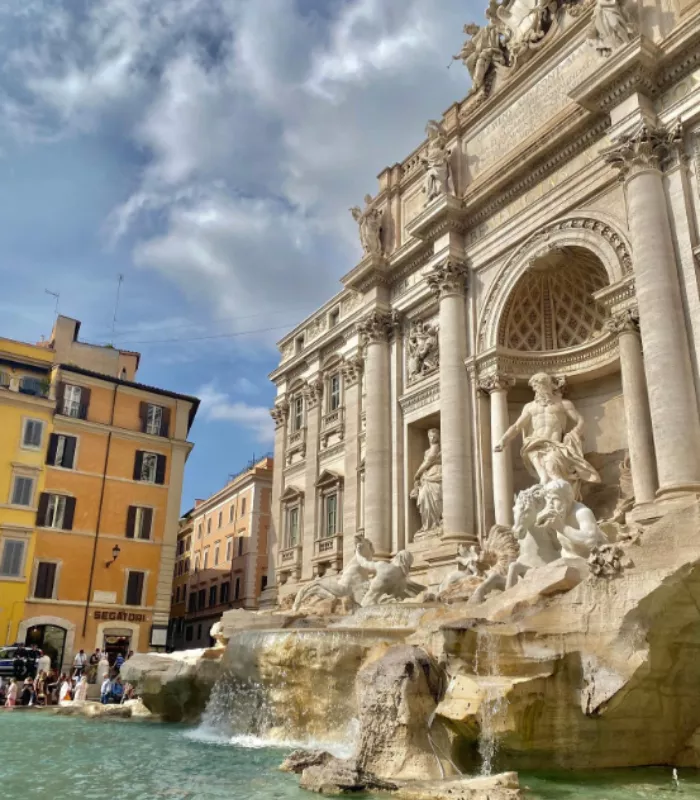
Somewhere around 1963, my aunt came back from Rome and could not stop talking about the Colosseum. She described it as if she had seen something from another world. Honestly, it still hits that way. Rome draws over 30 million visitors a year, and summer is the season that stretches every piazza to its absolute limit.
The Forum, the Vatican, the Trevi Fountain. We grew up seeing these in textbooks and now we get to stand inside them. Book the Vatican Museums well in advance. The line without a reservation in July can run three hours in 95-degree heat, and that is not a fun afternoon for anyone.
The city opens late and stays open late in summer, which suits us just fine. A 9 PM dinner outdoors with a glass of local Frascati white wine is not a treat. It is just Tuesday in Rome.
Rome gets an average of 30 days above 95 degrees Fahrenheit every July and August.
2. Florence
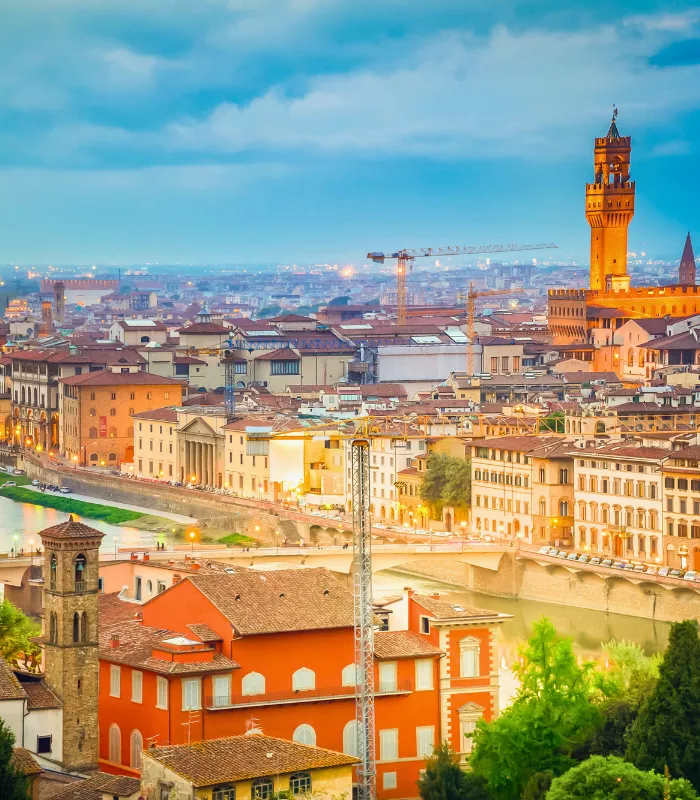
Most people think Florence is just about the David and the Uffizi. That is like saying Paris is just the Eiffel Tower. Florence in summer is a full sensory experience: the smell of leather from the artisan workshops in the Oltrarno district, the heat rising off the stone streets, the taste of a real bistecca alla Fiorentina at a sidewalk table.
The Uffizi Gallery holds Botticelli’s “Birth of Venus” and Michelangelo’s “Doni Tondo,” among thousands of other works we vaguely memorized in art class and completely underestimated. Pre-book your Uffizi tickets at least two weeks out in summer. Walk-ins are a fantasy.
Florence also serves as the perfect base for day trips into the Tuscan countryside. The Val d’Orcia, those rolling hills with the cypress trees, looks exactly like the paintings. It is almost suspicious.
If you have been carrying a vague guilt about skipping Florence on your last trip, this is your chance to own that decision.
3. The Amalfi Coast
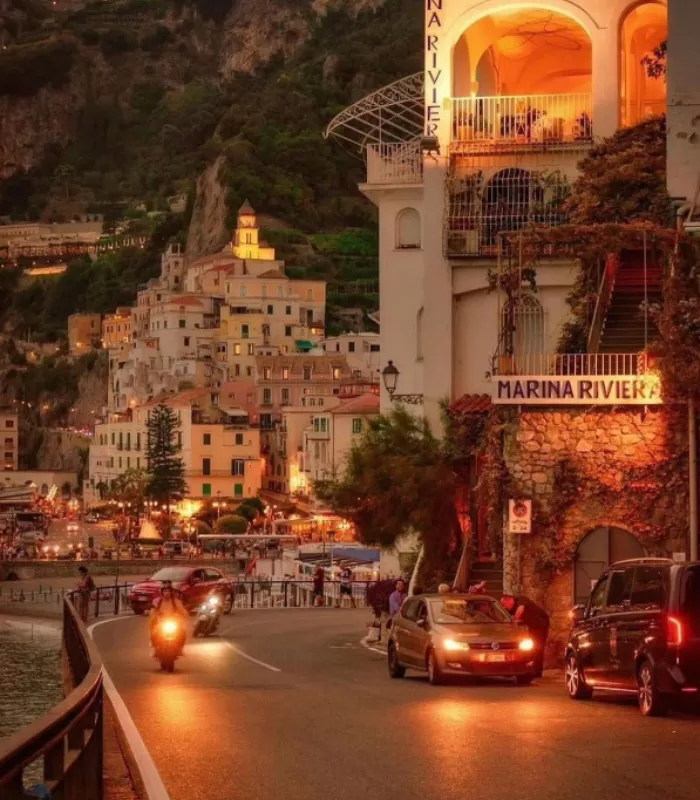
Nothing prepares you for your first view of the Amalfi Coast. The towns are built into cliffs over the sea at angles that should not be structurally possible. Positano, Ravello, Amalfi itself. All of them stacked and pastel and almost aggressively beautiful.
Summer temperatures run between 75 and 85 degrees Fahrenheit along the coast, and the water is warm enough to actually swim in. The single coastal road, the SS163, is one of the narrowest driving routes in Europe. Take the ferry between towns instead, or the SITA bus if you want a story to tell later.
Ravello sits 1,200 feet above the sea and hosts its famous classical music festival every summer. The concerts at Villa Rufolo, with the Mediterranean as a backdrop, are the kind of thing you will still be describing at dinner parties years from now.
The Amalfi Coast was designated a UNESCO World Heritage Site in 1997 for its cultural landscape, not just its scenery.
4. Venice, Before the Crowds Find You
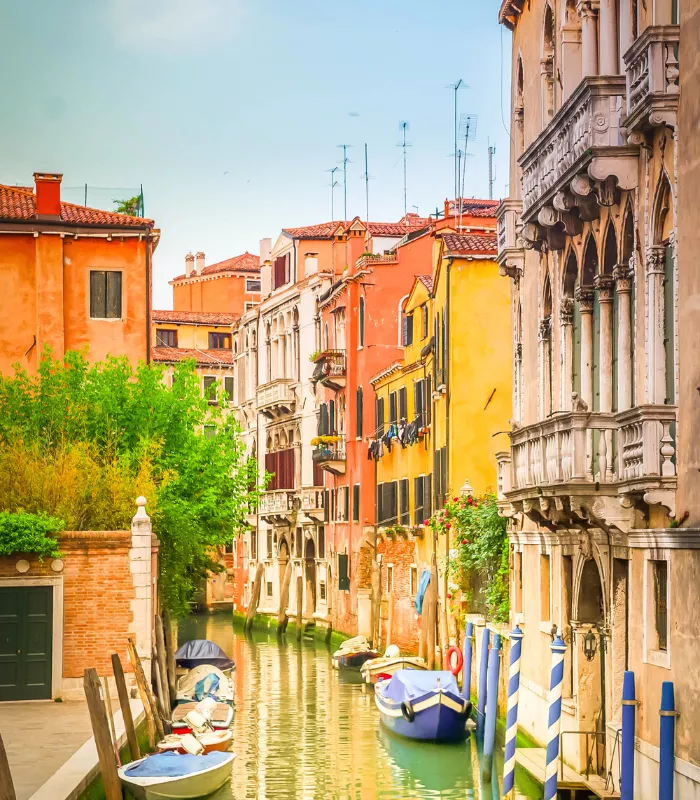
We romanticized Venice for decades and honestly it earned it. No cars. Just water and stone and bridges and the occasional accordion drifting from a canalside restaurant. The Grand Canal at sunrise, before the day-trippers arrive off the cruise ships, is still one of the more extraordinary sights on the planet.
Stay at least two nights. Venice is a day-trip destination for most visitors, which means mornings and evenings belong almost entirely to overnight guests. The Doge’s Palace, the Rialto Market, the Basilica di San Marco. All of them need time that a single day cannot give.
The quieter Cannaregio neighborhood, north of the main tourist corridor, feels like an actual city where actual people live. That contrast alone is worth the detour.
Was there a specific year you first heard that Venice was sinking? Because they have been managing water-level engineering interventions since the MOSE barrier project launched in 2003 and completed its first successful storm barrier test in 2020.
5. Sicily, The Island That Refuses to Be Skipped
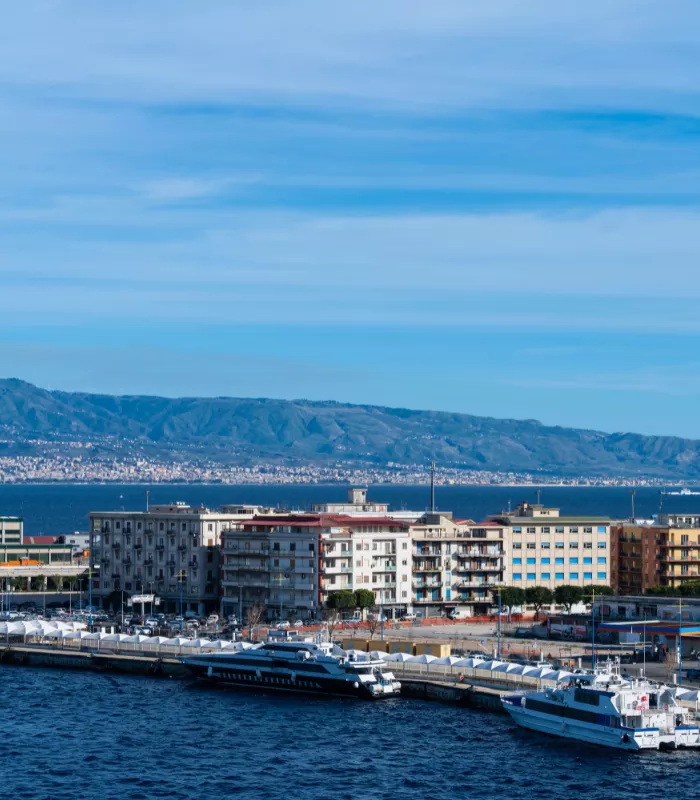
Sicily gets lumped in as an afterthought on Italy itineraries and that is a genuine mistake. This is an island with Greek temples, Arab-Norman architecture, active volcanoes, and some of the most serious street food in Europe. The Valley of the Temples near Agrigento dates to the 5th century BC. That is older than Rome.
Taormina is the summer jewel: a clifftop town above the sea with a 3rd-century BC Greek theater that still hosts live performances. On a clear evening you can see Mount Etna, Europe’s tallest active volcano at 10,912 feet, steaming gently in the distance. Palermo’s street markets, particularly the Ballarò market, are a full contact sport that you will absolutely love.
July and August in Sicily run hot, averaging 88 degrees Fahrenheit inland. Coastal towns stay breezy. Plan accordingly.
Sicily has been ruled by Greeks, Romans, Arabs, Normans, Spanish, and Bourbons before becoming part of unified Italy in 1861, which is exactly why the food tastes like nowhere else.
6. Sardinia, The Island Everyone Forgets
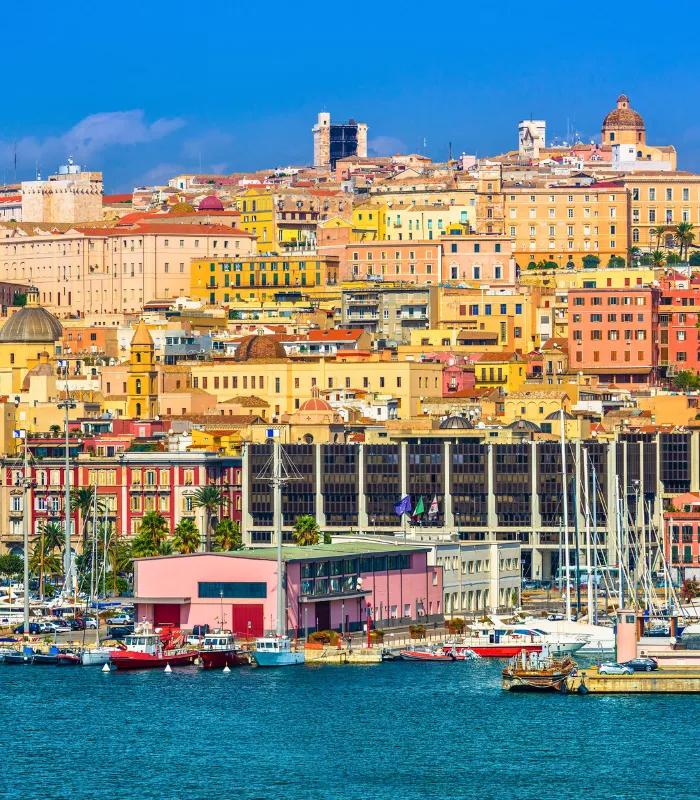
Sardinia sits in the Mediterranean like it is doing everyone a favor, and it kind of is. The Costa Smeralda, the Emerald Coast in the northeast, has water so clear and so blue that photographs of it look digitally altered. They are not. That is just what it looks like.
The island has its own ancient culture, the Nuragic civilization, which built thousands of stone tower structures called nuraghi between 1900 and 730 BC. You will find them scattered across the interior, and most tourists walk right past them to get to the beach. Do not walk past them.
Summer temperatures average 88 degrees Fahrenheit in July, but the sea breeze keeps the coast comfortable. Alghero, on the northwest coast, has a Catalan-influenced old town that genuinely surprises people expecting something more typically Italian.
Sardinia consistently ranks among the regions with the highest concentration of centenarians in the world, one of only five so-called Blue Zones identified by researchers.
7. Puglia
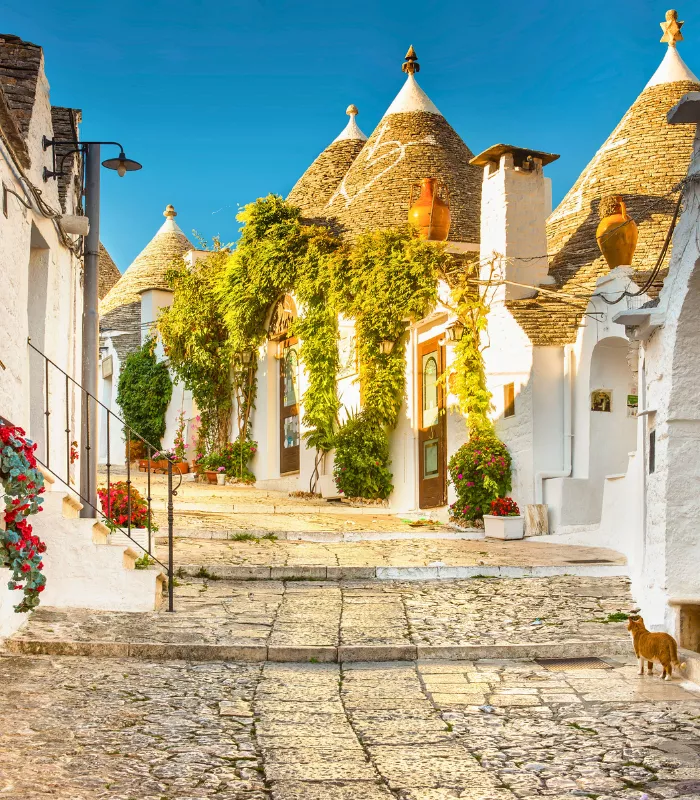
Puglia was the secret that Italians kept for themselves for a long time. The trulli houses of Alberobello, those white conical-roofed stone buildings, look like something from a fairy tale and have been there since the 14th century. The region stretches down the heel of the Italian boot, with coastline on both the Adriatic and Ionian seas.
Polignano a Mare is a small town built on a cliff above a cove, and its main beach is surrounded by dramatic rock formations. The food in Puglia is outstanding: orecchiette pasta made fresh by hand in doorways, burrata so fresh it barely holds its shape, fava bean puree with chicory greens. This is peasant food elevated to something extraordinary.
Summer temperatures stay around 85 to 90 degrees Fahrenheit. The sea is warm, the crowds are lighter than on the Amalfi Coast, and the pace is slower. Puglia rewards people who are not in a hurry.
Puglia produces roughly 40 percent of Italy’s olive oil, which explains a great deal about why everything you eat there tastes the way it does.
8. The Dolomites
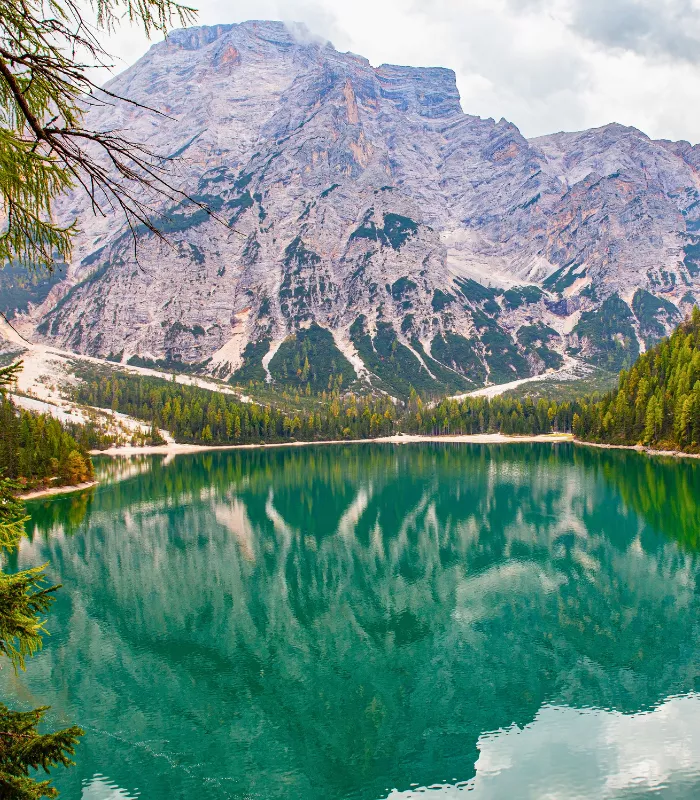
Here is one item that earns a genuine defense. While everyone else bakes on a beach in July, the Dolomites in northeastern Italy sit at elevations between 6,000 and 10,000 feet, and summer temperatures in the valleys stay comfortably in the mid-60s Fahrenheit. It is the most logical summer destination in Italy that somehow gets overlooked.
These are UNESCO World Heritage mountains, designated in 2009 for their extraordinary natural beauty and geological formations. The pale pink granite spires turn orange and red at sunset, a phenomenon locals call “enrosadira.” The hiking trails are exceptionally well-marked and range from easy valley walks to serious alpine routes. You choose your difficulty.
The region was part of the Austro-Hungarian Empire until 1919, which means the local culture, architecture, and cuisine blend Italian and Tyrolean traditions in ways that feel genuinely distinct from the rest of Italy. The food alone is worth the trip north.
The Dolomites offer a full summer’s worth of outdoor activity with none of the coastal heat, which seems obvious once someone tells you.
9. Cinque Terre
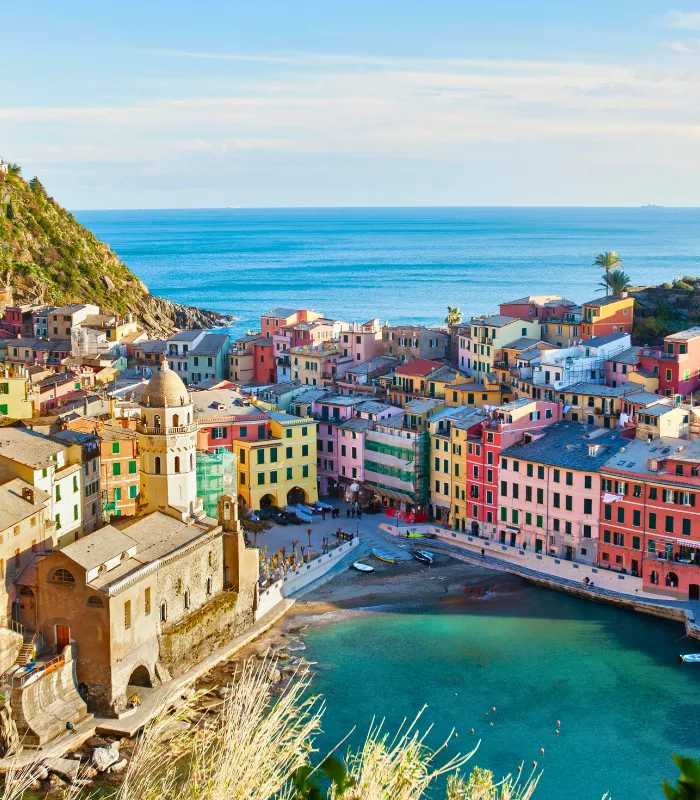
Five small fishing villages are clipped to the cliffs of the Ligurian coast between Monterosso and Riomaggiore, connected by trails, trains, and ferry boats. Cinque Terre became a UNESCO World Heritage Site in 1997. The villages themselves, Monterosso, Vernazza, Corniglia, Manarola, Riomaggiore, date back to the medieval period, and the terraced vineyards on the cliff sides have been worked for centuries.
The famous Sentiero Azzurro coastal trail connects all five villages, though sections of it have been closed periodically due to erosion and landslides. Check current trail conditions before planning a full traverse. The ferry between villages is reliable and takes the pressure off.
Stay overnight. Visitors who arrive by day-trip train and leave by dinner miss the entire point. Evenings in Vernazza, after the crowds leave, belong to a completely different and significantly quieter place.
Then: an obscure fishing coast. Now: one of the most photographed coastlines in the world, with a daily visitor cap system in place to manage foot traffic on the trails.
10. Lake Como
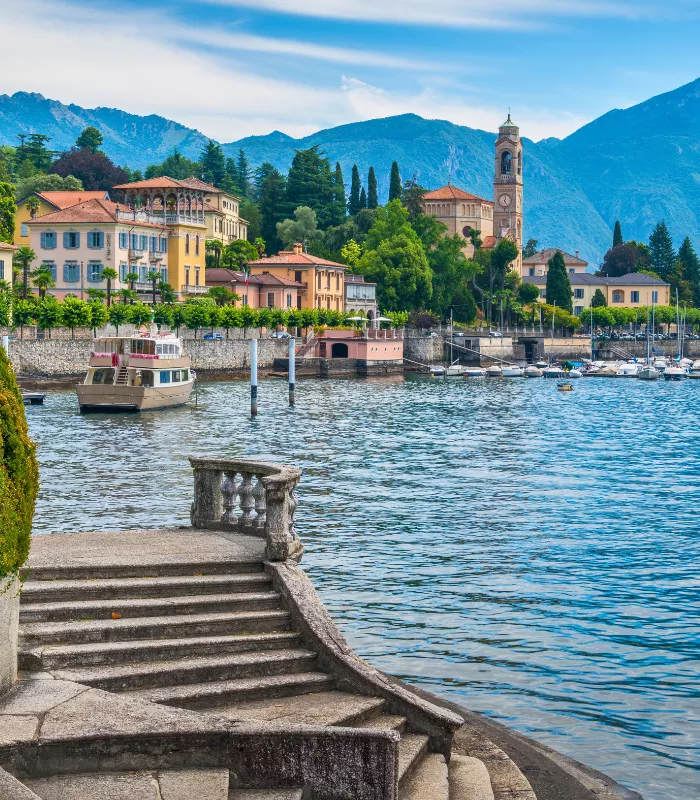
Lake Como has been attracting well-traveled Europeans since the Roman era. Pliny the Younger had a villa here. That is not a metaphor. An actual Roman writer and magistrate, born in 61 AD, owned property on this lake and wrote about it enthusiastically. The tradition of people arriving at Lake Como and immediately wanting to stay is genuinely ancient.
The lake sits in a Y-shaped valley in the pre-Alps, and the surrounding mountains keep temperatures cooler than the rest of northern Italy in summer, averaging around 75 to 80 degrees Fahrenheit in July. The towns of Bellagio, Varenna, and Menaggio are all accessible by ferry. Bellagio sits at the point where the two southern arms of the lake meet, and the views in both directions are remarkable.
The villas and gardens along the shoreline, including Villa Carlotta and Villa del Balbianello, are open to visitors. Villa del Balbianello, built in the 18th century, has appeared in several major films including “Star Wars: Episode II” and “Casino Royale.” Respectable film choices for a lakeside villa, I have to say.
Lake Como is the deepest lake in Italy at 1,345 feet, which is deeper than most people assume when they are sitting on the terrace drinking prosecco and looking at what appears to be a very pleasant, manageable body of water.
11. Verona
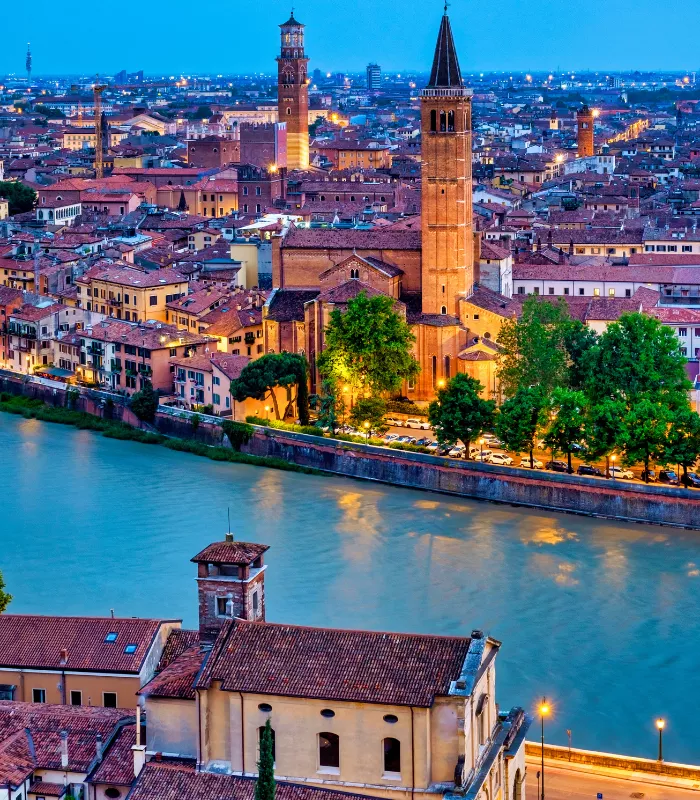
Every summer since 1913, the Arena di Verona has hosted one of the world’s great open-air opera festivals. The Arena itself was built by the Romans in the 1st century AD and seats around 15,000 people. Hearing Aida or Nabucco in that space, under an open sky, is not a cultural bucket-list item. It is a full physical experience.
Verona became a UNESCO World Heritage Site in 2000. The medieval center, the Roman ruins, the Romanesque churches — all of it is walkable. Shakespeare set Romeo and Juliet here, and the city has leaned into that completely. Visitors leave letters at the supposed house of Juliet by the thousands every year. It is a little absurd. Go anyway.
Summer temperatures average around 82 degrees Fahrenheit. The city is lively, confident, and much less overrun than Florence or Venice, which means you can actually enjoy a meal without a reservation booked three weeks in advance.
Then: a northern Italian city most people confused with Vienna. Now: one of the most romantically marketed destinations in Europe, off the back of a play written by a man who almost certainly never visited Italy.
12. Capri
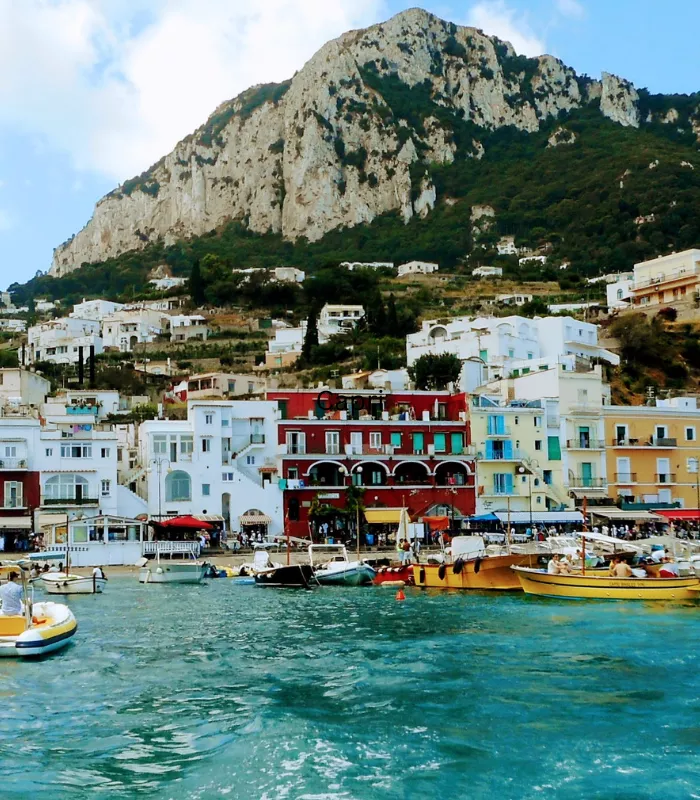
You already know what Capri looks like. The terraced cliffs, the glamorous harbor, the chairlift up to Anacapri. What surprises most people is the history underneath the postcard. Emperor Tiberius moved the Roman capital to Capri in 27 AD and ruled the empire from the island for the last decade of his life. His Villa Jovis, perched on the island’s highest point, is still there.
The Blue Grotto, the sea cave whose walls glow an electric blue from light refracting through an underwater opening, was used by Tiberius as a private swimming grotto. It was then feared by locals for centuries as a demon-inhabited cave before being officially rediscovered on April 18, 1826, by German writer August Kopisch and painter Ernst Fries. The grotto entrance is small enough that visitors enter lying flat in rowboats.
Peak summer on Capri is genuinely crowded. Day-trippers arrive by ferry from Naples and the Amalfi Coast in waves. Stay overnight and the island transforms into something quieter and considerably more interesting.
Three statues of sea gods were recovered from the floor of the Blue Grotto in 1964. Seven more statue bases were found in 2009. The cave has not been fully excavated.
13. Matera
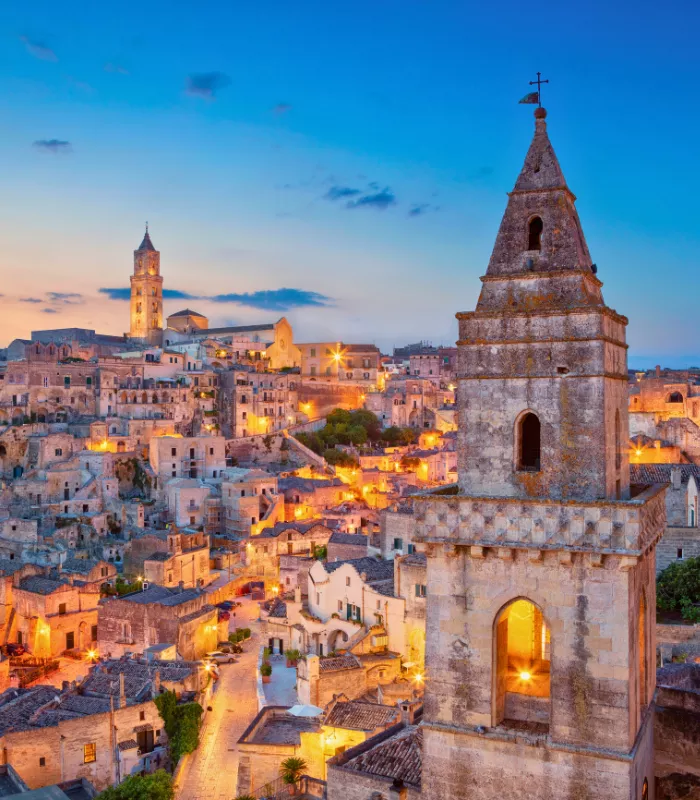
Matera is genuinely baffling. Not in a charming way. In a way that makes you stop walking and just stand there. The Sassi di Matera are cave dwellings carved into a ravine in the Basilicata region of southern Italy, and people have lived in them continuously for at least 9,000 years, with evidence of Neolithic settlements dating to 7000 BC. That makes Matera one of the oldest continuously inhabited cities on Earth.
15,000 residents out of the Sassi caves in 1952 were relocated, declaring the living conditions as not acceptable. By the 1990s, the same caves were being restored as hotels, restaurants, and cultural spaces. UNESCO listed the Sassi in 1993. Matera was a European Capital of Culture in 2019. The turnaround took about 40 years.
Summer heat in Basilicata runs fierce, often above 95 degrees Fahrenheit. Plan mornings for exploring and afternoons for sitting somewhere cool with a glass of Aglianico wine, which is the local red and completely worth your time.
A place that was officially condemned as a national disgrace in 1952 is now one of Italy’s most sought-after travel destinations. Make of that what you will.
14. Bologna, The City That Feeds Italy
Bologna has three nicknames: La Grassa (The Fat), La Rossa (The Red, for its terracotta rooftops), and La Dotta (The Learned, for its university, founded in 1088, the oldest in the Western world). The first one is the one that matters most to us. Ragu Bolognese, mortadella, tortellini, tagliatelle — these are not regional specialties. They are the originals.
The city’s covered portico walkways stretch over 38 kilometers through the historic center, which means you can walk in shade for miles, which in July is not a minor point. The porticoes were designated a UNESCO World Heritage Site in 2021. Summer temperatures average around 86 degrees Fahrenheit, and the locals handle it by eating well and moving slowly. A reasonable strategy.
Bologna does not perform for tourists the way Florence does. It just exists, excellently. The markets, the food shops, the restaurants — all of it is oriented toward people who actually live there and eat seriously. That is exactly the right energy for a summer afternoon.
Do you still call it Bolognese sauce when you make it at home, knowing full well it bears almost no resemblance to what they actually serve in Bologna?
15. Lake Garda
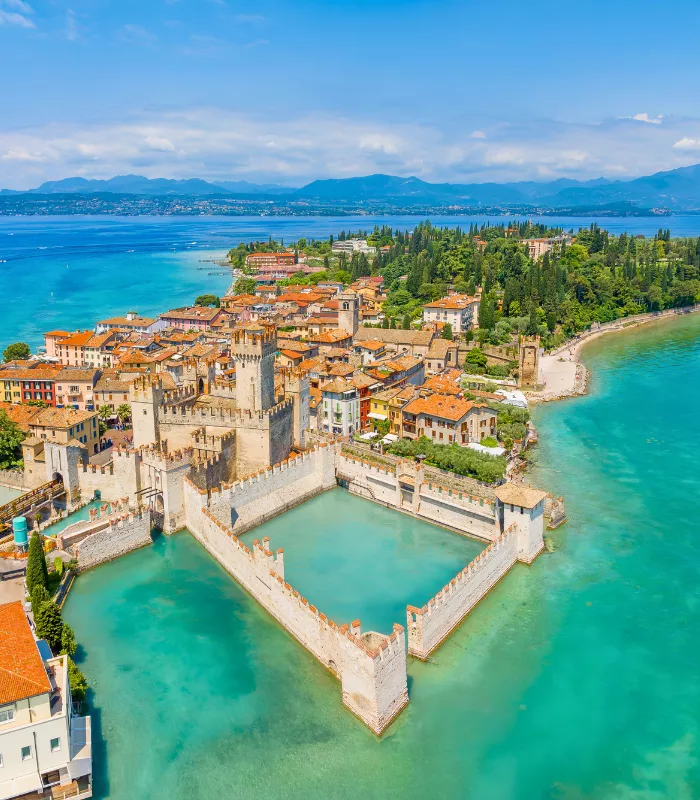
Lake Garda is the largest lake in Italy, stretching 32 miles long and sitting at the foot of the Alps in the northeastern corner of the country. The northern end is dramatic and alpine, with steep cliffs dropping directly into the water. The southern end opens into a gentler, sunnier landscape of olive groves, vineyards, and beach towns. Same lake. Completely different mood.
Summer water temperatures reach around 72 to 77 degrees Fahrenheit, warm enough for long swims. The lake is famous for reliable sailing winds, the Ora from the south in the afternoon and the Peler from the north in the morning. Sirmione, a medieval town on a narrow peninsula jutting into the southern lake, holds the ruins of a 1st-century Roman villa called Grotte di Catullo, one of the largest Roman residential ruins in northern Italy.
The lake spans three regions: Lombardy to the west, Veneto to the east, and Trentino-Alto Adige to the north. That means three different food cultures, three sets of local wines, and the ability to change your entire scenery by simply driving around the shoreline.
Lake Garda is close enough to Verona, Venice, and Milan to serve as a base for all three, which is the kind of logistical efficiency that takes about 48 hours to fully appreciate.
16. Portofino
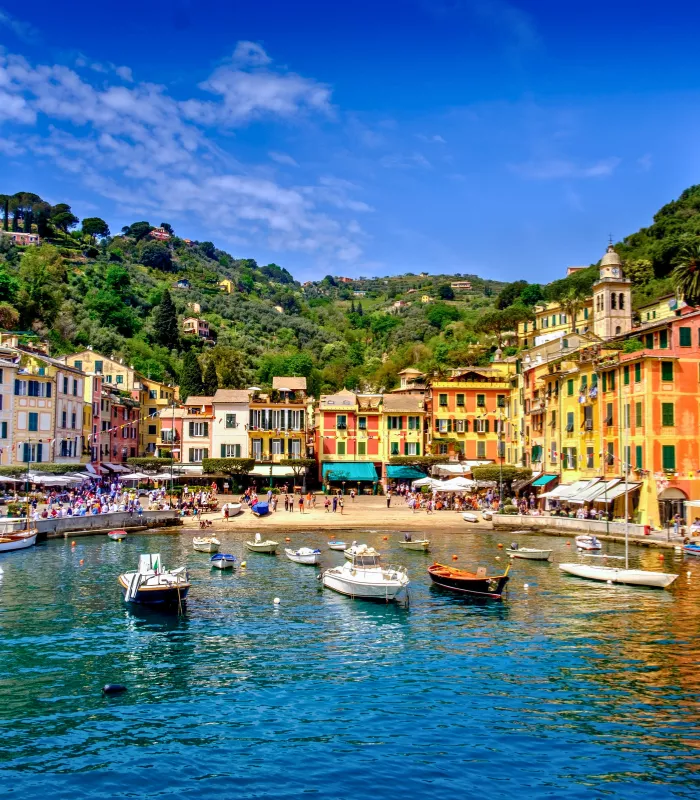
For roughly 30 years, between about 1960 and the mid-1990s, Portofino was where the world’s wealthiest people spent their summers. The harbor, ringed with pastel buildings and anchored with yachts, became the visual shorthand for Mediterranean luxury so completely that imitations of it appeared in resorts across the Caribbean and Florida. Those imitations are fine. Portofino is the original.
The village has fewer than 500 permanent residents. There are no large hotels within the village itself, no chains, no sprawl. The Church of San Giorgio overlooks the harbor from a promontory, and the walk from the village to the lighthouse at the tip of the headland takes about 40 minutes on a well-marked trail. The views from that trail are the ones you have seen in photographs without knowing where they were taken.
Getting there requires effort, which is partly the point. The narrow roads discourage casual visitors, and the ferry from Santa Margherita Ligure is the more pleasant option. Portofino is not the vibe for everyone. It rewards people who know what they are looking at.
The village that defined jet-set glamour for a generation now has a daily visitor cap to manage overcrowding. Even exclusivity has a carrying capacity.
17. Umbria
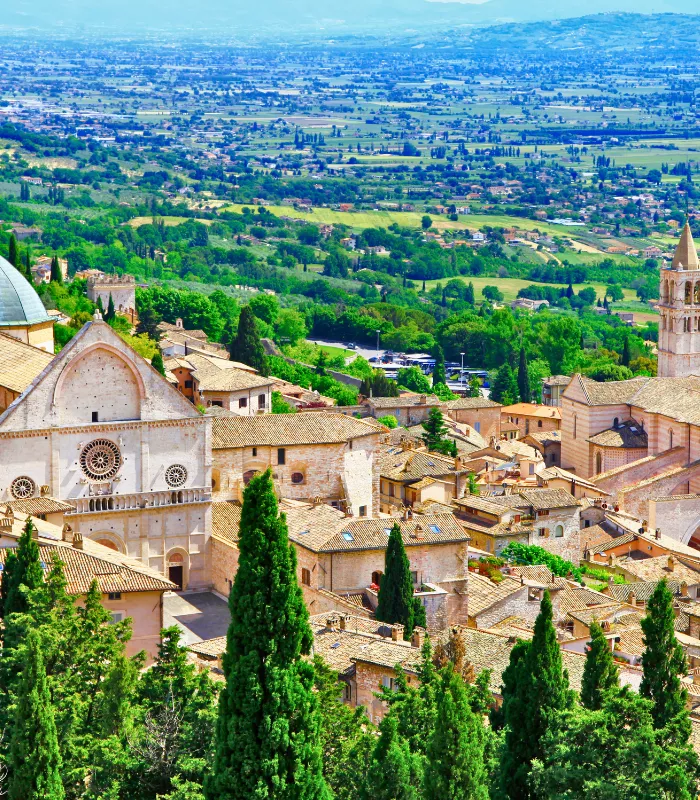
Umbria sits directly east of Tuscany and shares roughly the same landscape: rolling hills, medieval hill towns, olive oil, wine, truffles. The difference is that Tuscany has been discovered and Umbria has been somewhat less so, which in summer is a meaningful distinction. Assisi, the birthplace of Saint Francis, draws religious pilgrims year-round but remains genuinely peaceful compared to Florence or Rome.
Perugia hosts the Umbria Jazz Festival every July, one of Europe’s major outdoor jazz events, running since 1973. Orvieto, perched on a volcanic rock formation above the valley, holds a cathedral facade considered one of the finest examples of Italian Gothic architecture. The entire region is walkable at a pace that feels like Italy used to feel before everyone arrived at once.
July and August heat in the inland medieval towns runs hot, around 88 to 100 degrees Fahrenheit. Mornings are the productive hours. Afternoons are for sitting in the shade of a stone piazza with a Sagrantino wine, which is Umbria’s great red and not nearly famous enough outside Italy.
Assisi has been a destination for travelers since at least the 13th century. It has figured out how to receive visitors without losing itself, which is rarer than it sounds.
18. The Aeolian Islands
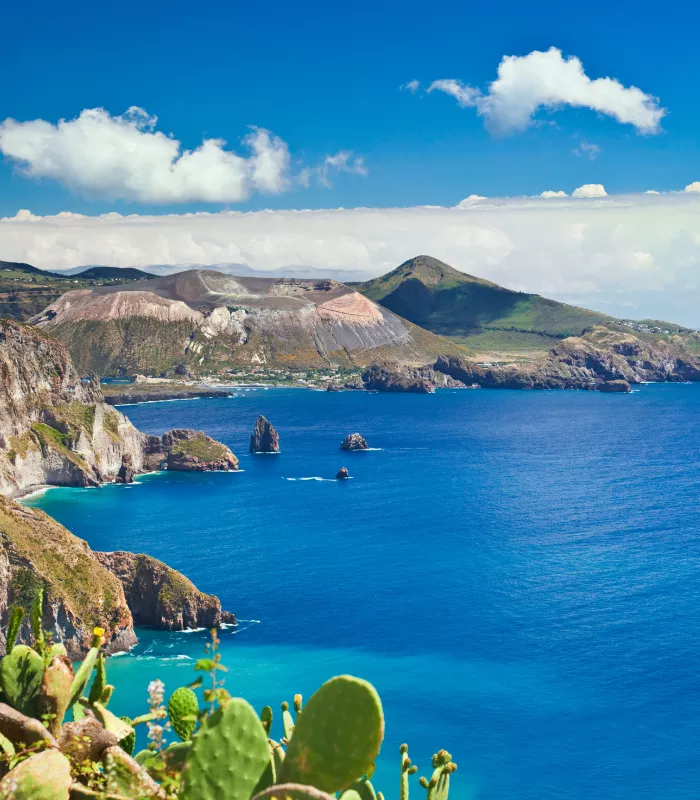
Seven volcanic islands sit in the Tyrrhenian Sea north of Sicily: Lipari, Vulcano, Stromboli, Salina, Filicudi, Alicudi, and Panarea. Most people can name one or two. All seven are worth knowing. The archipelago became a UNESCO World Heritage Site in 2000 for its volcanic geology, which is still actively demonstrated by Stromboli, an active volcano that erupts with minor explosions several times a day, reliably, and has done so for at least 2,000 years.
Salina is the lush green one, known for its capers and Malvasia dessert wine. Panarea is the small, fashionable one with a car-free harbor and a yachting crowd. Lipari is the largest and most accessible. The ferry hub is Milazzo in Sicily, and island-hopping by hydrofoil is straightforward once you understand the schedule. The schedule takes some understanding.
Swimming here is extraordinary. The water is clear, warm, and very deep in places, and the volcanic rock formations create underwater landscapes that divers and snorkelers find genuinely unusual. Summer temperatures on the islands average around 82 to 86 degrees Fahrenheit, cooled by sea breezes.
Stromboli has been erupting continuously for at least 2,000 years, which is either deeply reassuring proof of geological consistency or a reason to book a hotel with a view of the horizon. Your call.
19. Lecce
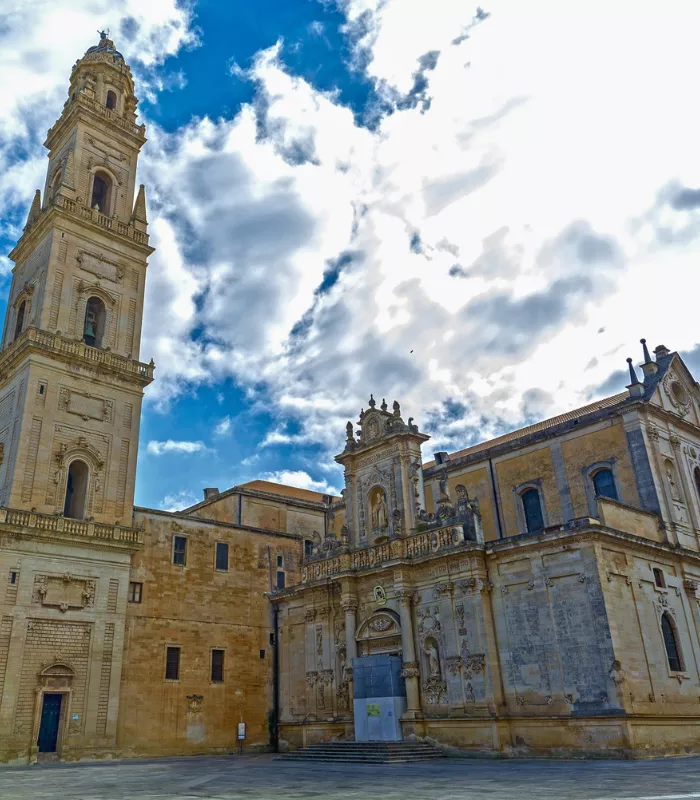
Lecce sits at the tip of Puglia’s heel, and it earned its nickname honestly. The city is built almost entirely from a local golden limestone called pietra leccese, which is soft enough to carve in extraordinary detail and hardens over time when exposed to air. The result is a Baroque city so ornate, so covered in carved angels and foliage and saints and monsters, that first-time visitors sometimes just stop on the street and look up for several minutes.
The Basilica di Santa Croce, constructed between 1549 and 1695, took 150 years to build and shows it in the best possible way. The Roman Amphitheater in the main piazza, Piazza Sant’Oronzo, dates to the 2nd century BC and was only partially excavated in the 1930s. Most of it is still underground beneath the modern city.
Lecce is an easy drive from the Adriatic beaches on one side and the Ionian coast on the other. In summer, locals use it as a dinner destination after a day at the sea. That is a sensible way to organize a week: beach in the day, Lecce at night, repeat.
Lecce is frequently called the Florence of the South, which is accurate enough but also undersells it — Florence does not have an unexcavated Roman amphitheater sitting under its main square.
20. Tropea
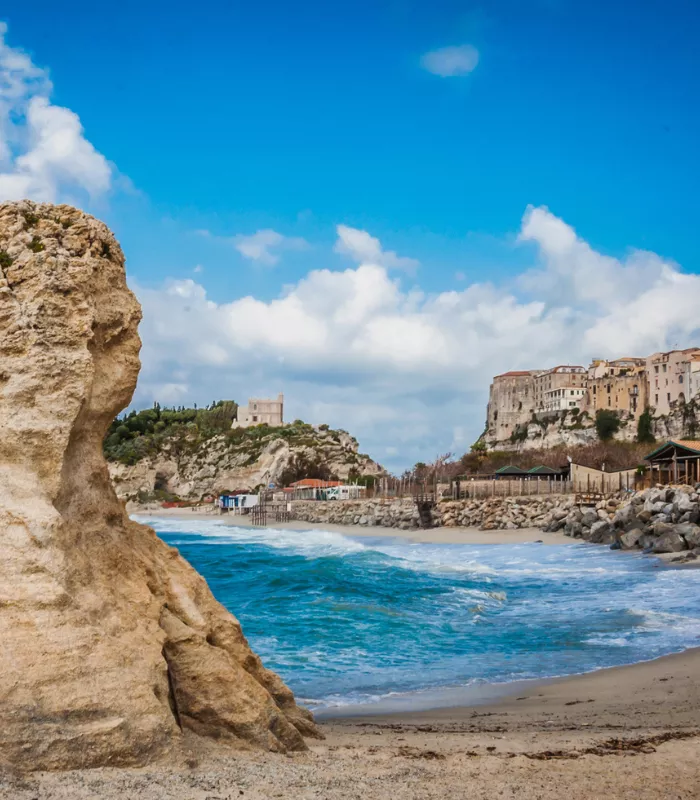
Tropea is a town in Calabria, on the southwestern toe of the Italian boot, perched on a cliff above a stretch of coastline called La Costa degli Dei, the Coast of the Gods. That name is not modesty. The water here is a color somewhere between turquoise and emerald, and the old town sits on a sandstone promontory directly above the beach, which creates a view that photographs constantly and experiences even better in person.
The region of Calabria remains one of the least internationally visited parts of Italy, which in peak summer is a genuine advantage. The beaches around Tropea are sandy and well-maintained, with the Tyrrhenian Sea running considerably warmer than the northern Italian lakes. Tropea is also the home of the Cipolla Rossa di Tropea, a sweet red onion with Protected Geographical Indication status, celebrated locally the way Parma celebrates prosciutto.
There is a Santa Maria dell’Isola church, built on a rocky sea stack just off the coast, that has appeared in so many photographs it functions almost as the logo for the entire region. The church dates to the medieval period. The views from its terrace are free.
Calabria is the part of Italy where Italians vacation when they want to be left alone by other tourists. That endorsement should be enough.