

Americans over 50 have earned their vacations. Decades of hard work, early mornings, and long meetings all point toward one reward: a beautiful trip to France. Not every French city feels the same way about that arrangement.
Some cities will greet you with charm, good food, and zero drama.
Others will greet you with a pickpocket on a moped and a hotel clerk who pretends not to speak English.
Geography in France is not just a matter of taste. It is a matter of survival.
1. Marseille
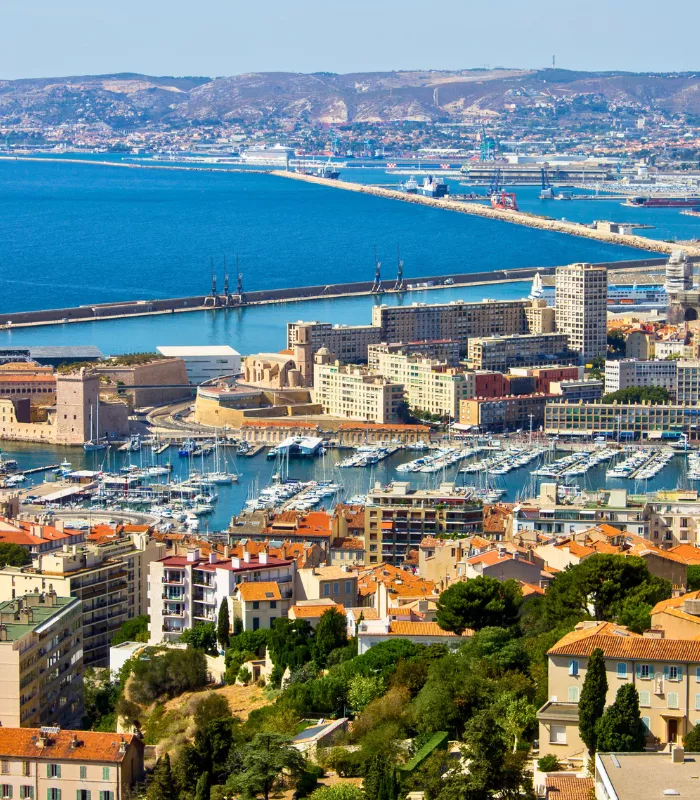
Marseille is France’s second-largest city. It sits on the southern coast and looks beautiful in photos.
But here’s the catch. It regularly ranks as one of the most dangerous cities in France for tourists. Its crime index hovers around 58 to 60, well above the national average.
Pickpocketing and bag snatching are common near the Old Port. Theft reports spike hard during summer when crowds are at their peak.
Travel + Leisure readers once ranked it the fourth least welcoming city in the world, calling it “quite unkempt and gritty.”
For travelers over 50 who want a relaxed, stress-free experience, Marseille demands a level of street awareness that most vacationers simply do not want to deal with.
The language barrier adds another layer of frustration. English is not widely spoken outside of the main hotel strips.
Local attitudes toward American tourists can feel dismissive at best and hostile at worst.
Getting around safely after dark is a genuine concern, even in areas that appear touristy during the day.
Many travelers who visit once say they would not return. That pattern says a lot about what the experience actually feels like on the ground.
Why It’s On This List: High crime, low English proficiency, and a reputation for being unfriendly to foreign visitors make Marseille a tough destination for American tourists over 50.
2. Paris
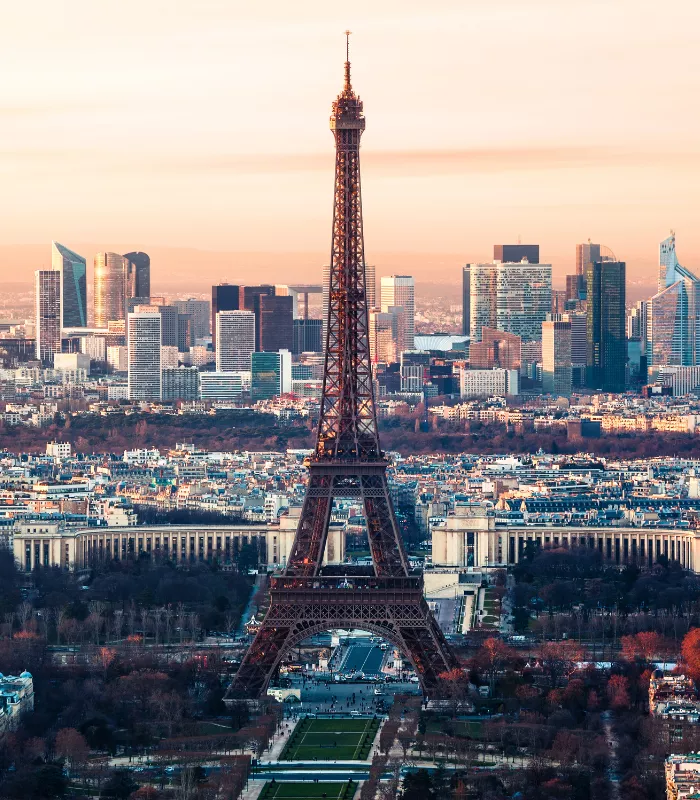
Paris welcomes over 30 million visitors every year. That popularity comes with a price.
The U.S. Embassy reports that around 2,000 Americans have their passports stolen in Paris every single year. Most are pickpocket victims near landmarks, train stations, and crowded subways.
Scams around the Eiffel Tower are very common. So is card skimming at ATMs and tourist cafes.
The U.S. State Department currently lists France at Level 2, meaning “exercise increased caution.”
Organized theft rings specifically target older tourists who appear unfamiliar with their surroundings.
Crowded Metro lines like Line 1 and Line 4 are hotspots for distraction-based theft. One moment of confusion is all it takes.
Restaurant overcharging is another common complaint. Some establishments near major attractions add fees that are never clearly listed on the menu.
Even experienced travelers report feeling on edge in certain Paris neighborhoods. The beauty of the city does not cancel out the very real need to stay alert at all times.
That constant vigilance is exhausting, especially for travelers who just want to enjoy their hard-earned vacation in peace.
Why It’s On This List: Paris is stunning, but its popularity makes American tourists easy targets. Older travelers carrying cameras and guidebooks are especially vulnerable to organized theft.
3. Nice
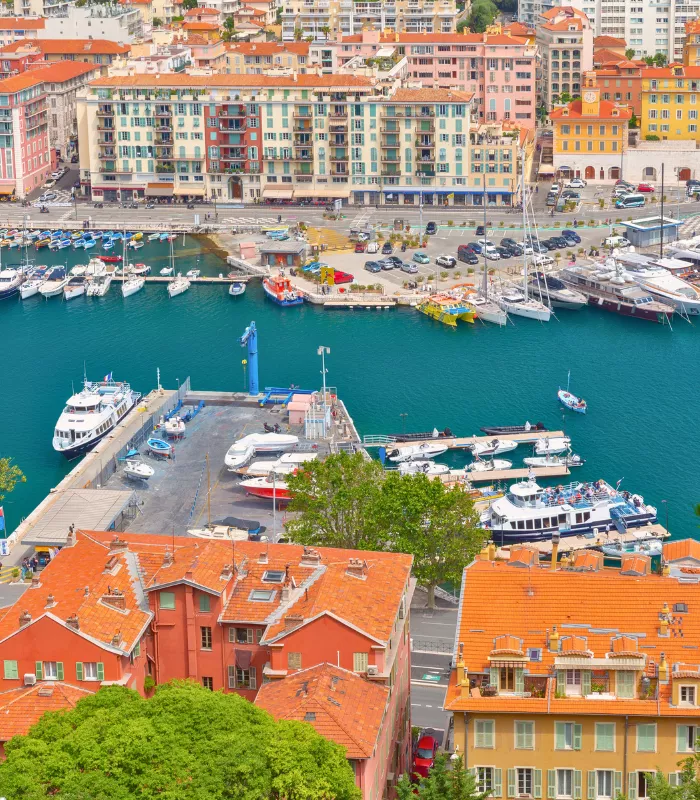
Nice sits along the French Riviera and looks like a dream. Warm weather, blue water, beautiful promenades.
But Travel + Leisure readers ranked Nice among the least welcoming cities in the world. One traveler put it simply: “The people were not friendly at all.”
English proficiency in Nice is rated only moderate. Outside the main tourist strip, getting help in English can be frustrating.
Petty theft on the beach is also a known problem, especially for tourists who leave bags unattended while swimming.
The cost of dining and accommodation along the Riviera is significantly higher than in other parts of France.
Many shops and restaurants near the waterfront cater almost exclusively to wealthy European visitors. Americans on a normal vacation budget can feel out of place.
Traffic and parking in Nice are notoriously stressful. Renting a car and navigating the city independently is not recommended for first-time visitors.
Customer service in many establishments is inconsistent. Some visitors report being ignored entirely when they could not communicate in French.
The glamour of the Riviera is real, but so is the attitude that comes with it. Not every traveler finds the trade-off worthwhile.
Why It’s On This List: A cold attitude toward tourists, combined with moderate English skills and beach theft risks, makes Nice less relaxing than its postcard image suggests.
4. Lyon
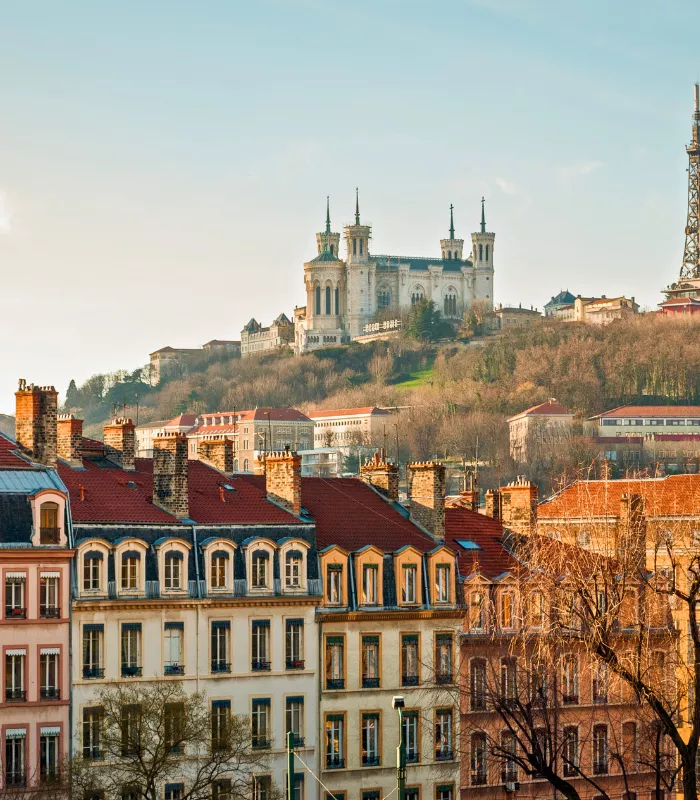
Lyon is a food lover’s paradise. Chefs around the world admire it deeply.
That said, Travel + Leisure once ranked Lyon 26th on their list of least welcoming cities globally. Locals here tend to keep to themselves and are not known for warmly greeting outsiders.
The city is also very much designed for French speakers. Navigating menus, transit signs, and local markets without French can feel isolating.
That’s why many American tourists over 50 leave Lyon feeling more confused than charmed.
Lyon’s famous food scene is genuinely world-class, but enjoying it fully requires a comfort level with French dining culture that most first-time visitors simply do not have.
The bouchons, Lyon’s traditional restaurants, often have no English menus at all. Pointing and guessing is sometimes the only option.
Public transportation is efficient but confusing for newcomers. Signage is almost entirely in French with very little visual guidance for non-speakers.
Hotel staff outside the city center are often less fluent in English than in other major French tourist cities.
Lyon rewards patience and preparation. For travelers who want ease and warmth right out of the gate, it can be a deeply frustrating experience.
Why It’s On This List: Lyon rewards people who speak French. For Americans without the language, the cold local culture and limited English assistance make it a frustrating stop.
5. Grenoble
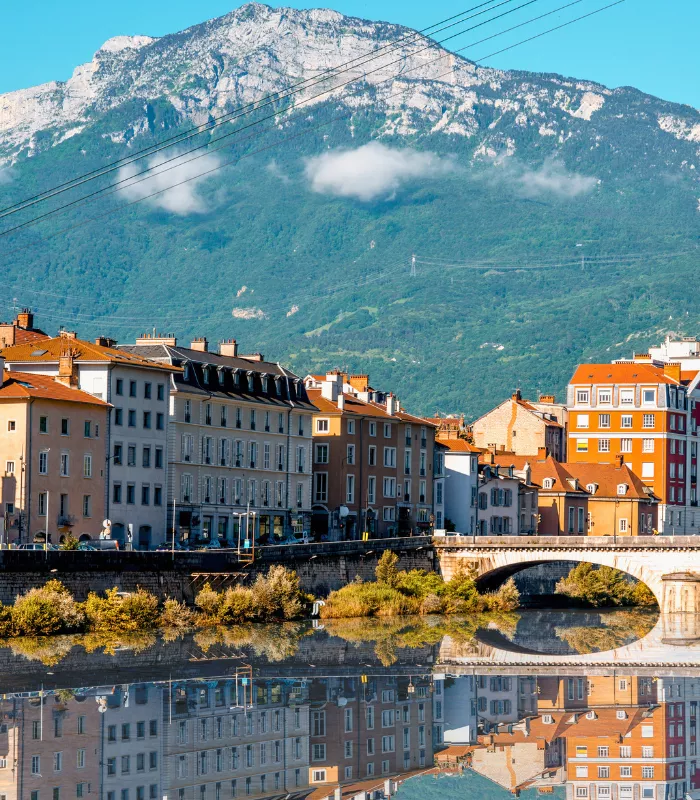
Grenoble sits in the French Alps and is famous for its university and mountain views. It sounds like a perfect getaway.
But Grenoble has one of the highest crime rates in all of France. It consistently ranks among the top three most dangerous French cities.
Drug-related crime and street incidents are reported regularly in several neighborhoods. It is not a city built for leisure tourism.
Most visitors passing through are there for skiing or hiking, not cultural sightseeing. Americans expecting a charming French town are often surprised.
The city center has pockets of real urban grittiness that catch many visitors off guard. The contrast with the stunning mountain backdrop is jarring.
Tourist infrastructure in Grenoble is limited compared to other French cities of similar size. Good luck finding English-language museum guides or visitor support.
Public spaces in certain districts feel unsafe after dark. Locals themselves advise caution in several well-known areas.
Transportation links to the surrounding ski resorts are decent, but the city itself offers little warmth or hospitality for the average American traveler.
If you are not there to ski or hike, Grenoble has very little to offer and quite a bit to worry about.
Why It’s On This List: Grenoble’s high crime index and lack of classic tourist infrastructure make it one of the least suitable French cities for American travelers seeking comfort and safety.
6. Montpellier
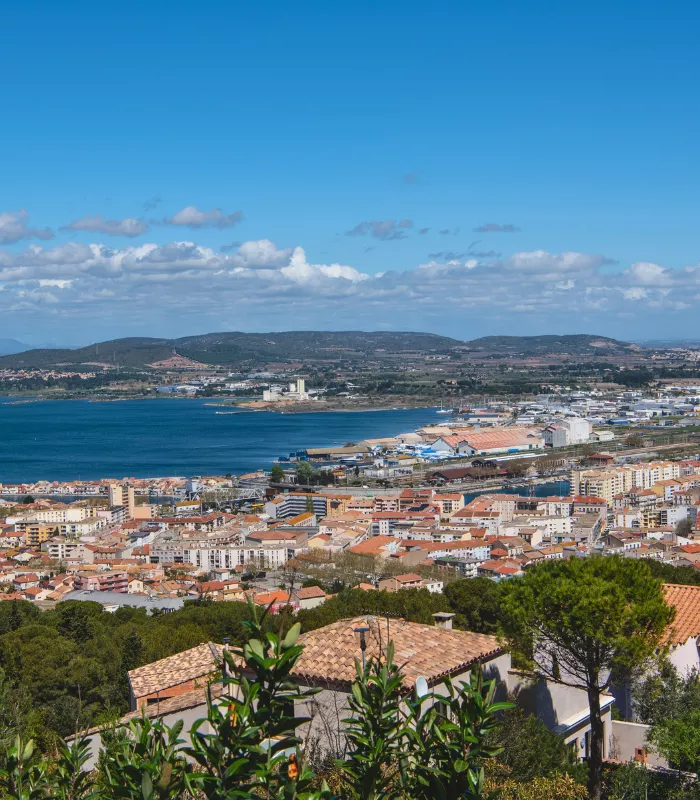
Montpellier is a young, energetic university city in southern France. It has a lively nightlife scene and a modern tram system.
But it also ranks among the most dangerous cities in France according to crime index data. Petty crime is especially common in the city center and near transit hubs.
The city’s party culture can feel overwhelming for older travelers looking for a quieter, more relaxed pace.
English is spoken at a moderate level here. You’re better off choosing a smaller, calmer southern town if you want warmth and ease.
Noise levels in the city center are high, especially on weekends. Restaurants and cafes cater heavily to the student crowd rather than mature travelers.
The historic center, while visually attractive, is riddled with narrow streets where bag snatching is a known issue.
Many of the city’s best cultural attractions are poorly signposted for English-speaking visitors. Getting the most out of Montpellier requires a guide or serious advance research.
Accommodation options that offer a peaceful, comfortable stay for travelers over 50 are limited compared to more established tourist cities.
Montpellier is a great city if you are 22 years old and studying abroad. For everyone else, the experience often falls flat.
Why It’s On This List: High crime rates and a youth-oriented culture make Montpellier a poor fit for American tourists over 50 who want a safe and welcoming experience.
7. Lille
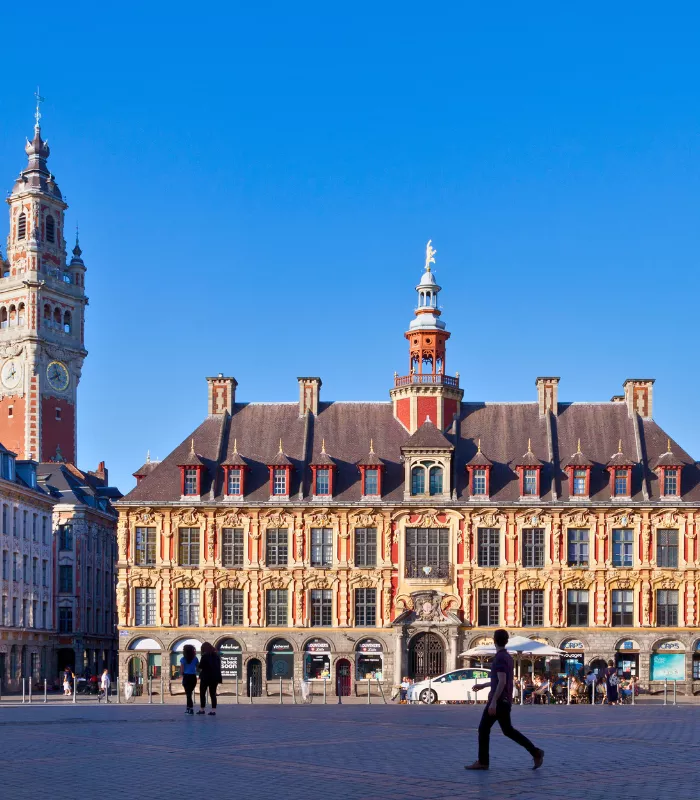
Lille is close to the Belgian border and is often used as a quick stop between Paris and Brussels. Many travelers pass through without staying long.
That short-stop reputation exists for a reason. Lille has one of the lowest English proficiency scores among major French cities, making communication a real challenge.
The weather in Lille is also notably gray and rainy for much of the year. For a relaxing French vacation, the climate alone can be discouraging.
Crime in certain neighborhoods is also above average for France’s northern region.
The city lacks the iconic landmarks and scenic beauty that draw most Americans to France in the first place. It is an industrial and commercial hub more than a tourist destination.
Locals in Lille tend to be reserved and inward-facing. Striking up a friendly conversation as an outsider is not something that comes easily here.
Dining options for non-French speakers are limited. Many restaurants post menus only in French with no pictures or visual aids.
The combination of poor weather and limited English support creates a sense of isolation that can quickly turn a short stay into a long one.
Most travelers who stop in Lille do so by accident or necessity. Very few put it on their bucket list twice.
Why It’s On This List: Poor English skills, gloomy weather, and above-average crime make Lille one of the trickier French cities for Americans who are unfamiliar with the area.
8. Cannes
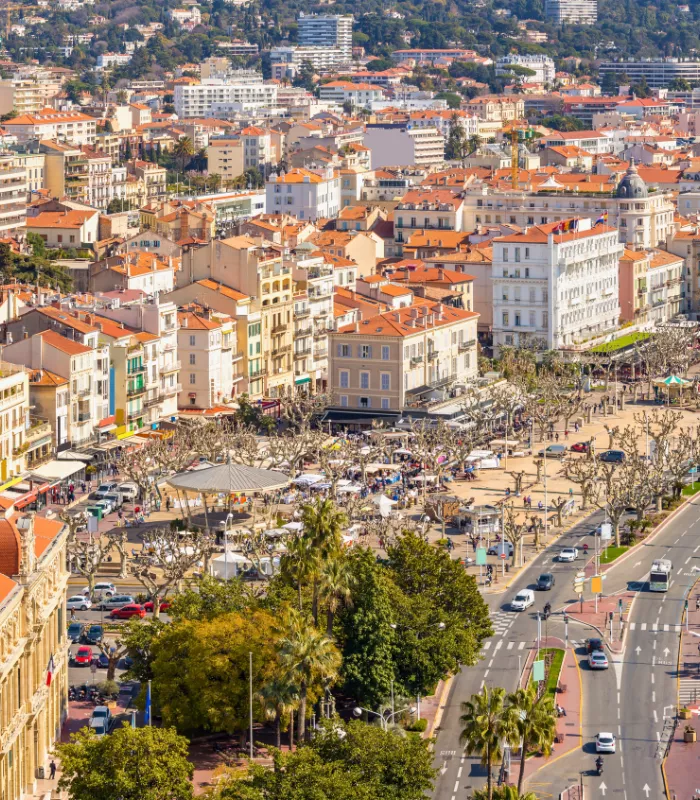
Cannes is world-famous for its film festival. The red carpet, the yachts, the glamour. It all looks incredible.
But Travel + Leisure readers described Cannes as a place “most accommodating to visitors with major cash to spend.” For the average American tourist, Cannes can feel cold, exclusive, and very expensive.
I made a classic mistake of assuming Cannes would feel festive and welcoming year-round. Outside of festival season, much of the city feels quiet and indifferent to regular tourists.
Service in shops and restaurants can feel dismissive, especially if you are not arriving by private yacht.
A simple beach chair rental in Cannes can cost more than a full hotel night in other parts of France. The pricing is aimed squarely at the ultra-wealthy.
Staff at high-end establishments are trained to size up guests quickly. If you do not fit the expected profile, the service drops noticeably.
Outside the famous Croisette boulevard, Cannes loses much of its charm. The back streets are underwhelming and offer very little for the typical tourist.
Festival season brings enormous crowds that make even basic movement through the city stressful. Hotel prices triple or quadruple during those weeks.
Cannes is a city that exists for an elite few. Everyone else is essentially paying a premium to watch from the sidelines.
Why It’s On This List: Cannes caters to the ultra-wealthy. Regular American tourists, especially those on a fixed budget, often feel unwelcome and overcharged at every turn.
9. Strasbourg
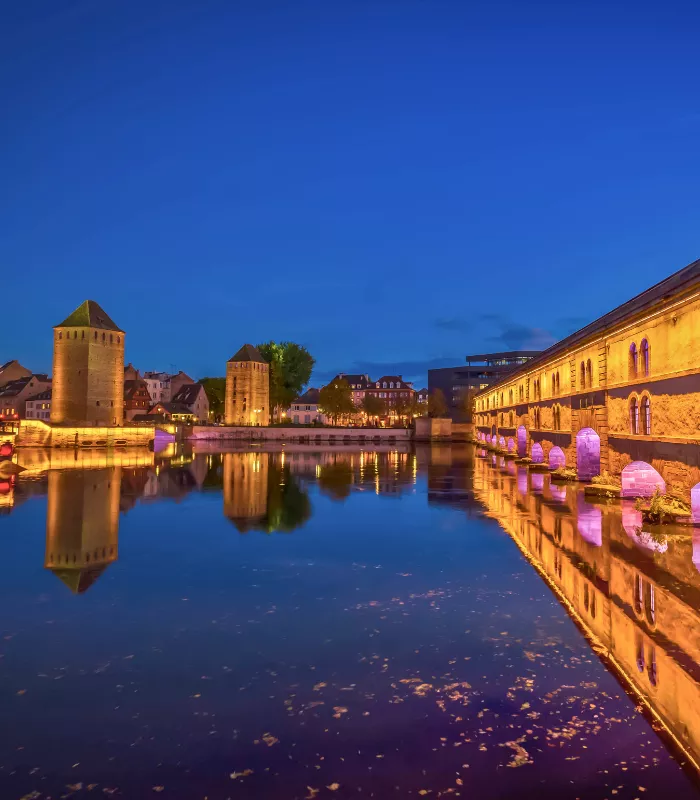
Strasbourg is a beautiful city near the German border. Its Christmas markets are legendary, and its architecture is stunning.
But here’s the deal. Strasbourg has historically prioritized German over English in its schools. English proficiency here is among the lowest of any major French city.
Getting around without French or German can be genuinely difficult. Menus, signs, and locals all lean toward a bilingual French-German culture that leaves English speakers on the outside.
Strasbourg is also a frequent target for security concerns, as it hosts many major European Union institutions and political events.
Security checks, road closures, and heightened police presence are common during EU parliamentary sessions. These disruptions can catch tourists completely off guard.
The Christmas market season, while magical, draws enormous crowds that make the city feel chaotic and overwhelming. Pickpocketing incidents increase sharply during this period.
Outside of the famous Petite France district, the city feels less polished and less tourist-friendly than its reputation suggests.
Accommodation fills up fast during peak periods, and prices rise steeply. Finding good value for money in Strasbourg takes careful advance planning.
The city is undeniably beautiful, but beauty alone does not make for a smooth or comfortable trip when the language barrier is this significant.
Why It’s On This List: Low English proficiency and a culture that blends French and German rather than catering to English speakers makes Strasbourg one of the most linguistically isolating stops for American tourists.