

If a Spanish coastal town has its own airport shuttle, a McDonald’s on the beach road, and a pub called “The British Bulldog,” something has gone wrong.
Spain’s coastline is genuinely one of the most beautiful in Europe.
But popularity has a way of turning paradise into a parking lot.
I made a classic mistake once, booking based on a name I had heard before rather than actually looking into it.
Familiarity is not the same thing as quality.
1. Marbella, Andalusia
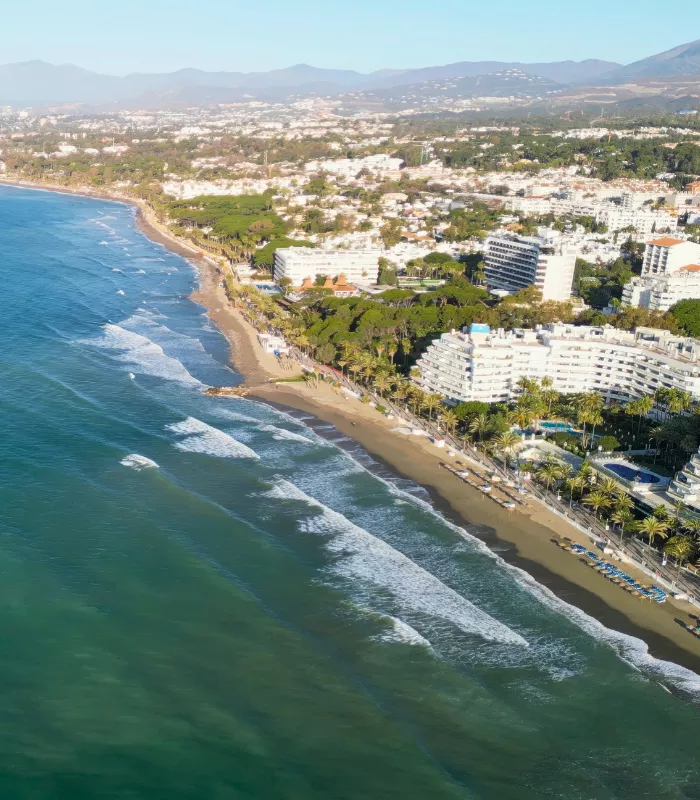
Marbella sounds like a dream. Fancy hotels, golden beaches, and a famous Golden Mile strip. But here’s the catch: it has become one of the most crowded and overpriced spots on the entire Costa del Sol.
In peak summer, the beach is packed shoulder to shoulder. A simple lunch near the port can cost three times what you would pay just 20 minutes inland.
The old town is lovely, but it gets swallowed by tour groups before 10 AM. You are essentially paying luxury prices for a very average experience.
The marina is one of the most photographed spots in southern Spain. It is lined with superyachts and designer boutiques that most visitors can only window-shop.
Hotel prices in Marbella can run two to three times higher than comparable rooms in nearby Estepona or Nerja.
The beaches themselves are maintained well, but finding a free sunbed in July is close to impossible without arriving before 8 AM.
Parking is a constant headache. Many visitors end up spending 20 to 30 minutes just circling the old town looking for a spot.
The restaurant quality varies wildly. Some places near the beach rely entirely on tourist traffic and have no real incentive to improve.
Local Spanish residents increasingly avoid the town center during the summer months. That alone tells you something about the atmosphere.
There are genuinely lovely corners of Marbella, especially the Plaza de los Naranjos in the old quarter. But they require patience and early mornings to enjoy properly.
Several travel writers who covered Marbella in the 1980s have noted how dramatically the character of the town has shifted from charming to commercial.
The nightlife is loud and runs late, which can be exhausting if you are simply looking for a quiet coastal retreat.
A growing number of visitors report feeling that Marbella is more about being seen than actually relaxing.
Why It’s On This List: Marbella draws over 5 million visitors a year. That kind of crowd makes it hard to enjoy the very thing you came for: peace, sun, and good food at a fair price.
2. Benidorm, Valencia
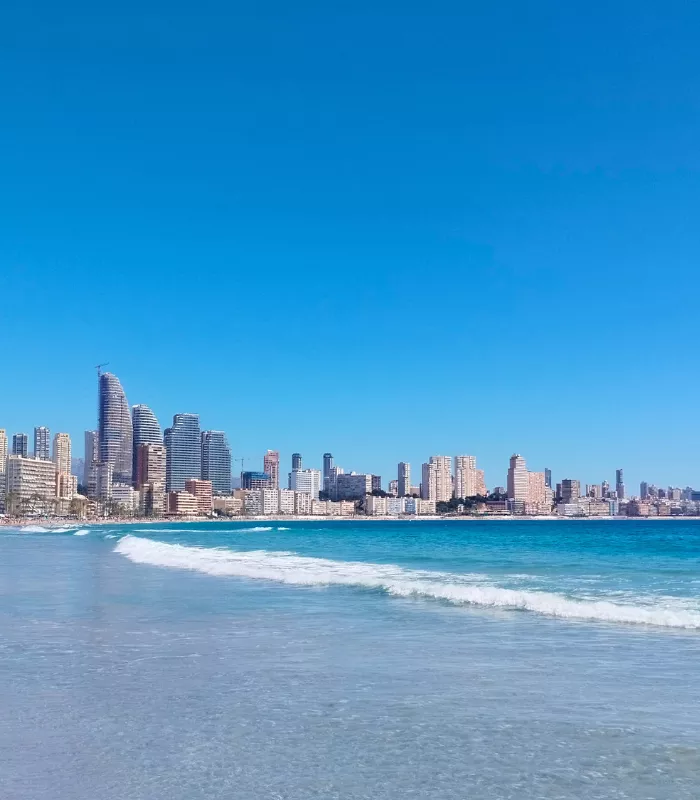
Benidorm has the tallest skyline of any coastal town in Spain. That alone tells you something. It was built fast and built big to absorb mass tourism in the 1960s, and it never really stopped.
The beaches are wide and clean. But the town itself feels more like a theme park than a real Spanish village.
If you are hoping for authentic local culture, you will struggle to find it here. Most restaurants cater to foreign tastes, and English is spoken more than Spanish in many areas.
Benidorm has two main beaches, Levante and Poniente, both of which are consistently rated among the cleanest in Spain. The sand is genuinely good.
But the backdrop is a wall of high-rise hotels that stretches as far as the eye can see. It is hard to feel like you are in Spain at all.
The town has a large and well-established British expat community, which has shaped its restaurants, pubs, and entertainment options heavily.
Full English breakfasts are easier to find than a proper Spanish tortilla in many parts of town.
Benidorm does have a small old town with a pretty church and some narrow streets. Most visitors never make it there.
Prices are relatively affordable compared to Marbella, which is part of the appeal. But affordable and enjoyable are two different things.
The town is extremely loud at night, particularly in the Levante beach area. Light sleepers will struggle without a room far from the main strip.
Nearby Altea, just 11 kilometers away, offers whitewashed streets, local restaurants, and a genuinely relaxed atmosphere at similar prices.
Calpe and Villajoyosa are two other nearby alternatives that feel far more authentically Spanish.
Benidorm works for a certain type of holiday. It just does not work for the holiday most people think they are booking.
Why It’s On This List: Benidorm hosts roughly 10 million visitors annually. You are better off visiting a quieter town nearby, like Altea, which is just 11 kilometers away and worlds apart in character.
3. Lloret de Mar, Catalonia
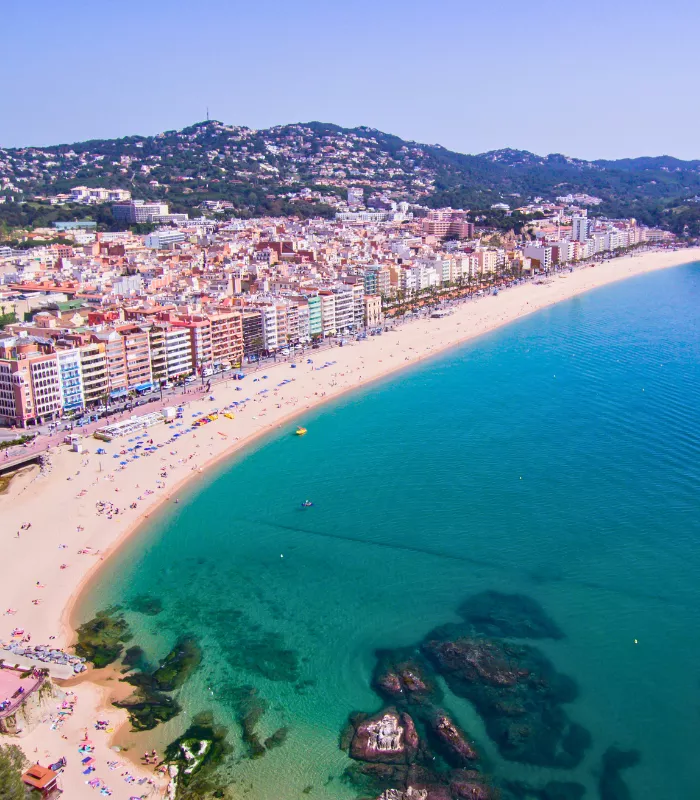
Lloret de Mar sits on the Costa Brava, one of Spain’s most beautiful coastlines. The problem is that Lloret itself has leaned hard into budget party tourism for decades.
The main strip is loud at night and feels worn out during the day. Many of the historic details that once made it charming have been overshadowed by souvenir shops and fast food chains.
The surrounding area is genuinely stunning, but the town center rarely lives up to it.
The Castle of Sant Joan overlooks the town and is worth a visit. It is one of the few reminders that Lloret has real history beneath the tourist layer.
Santa Cristina beach, just outside the main town, is far quieter and more scenic than the main beach. Many visitors never discover it.
The nightclub scene in Lloret is well known across Europe, which draws a very specific type of visitor that shapes the entire atmosphere of the town.
Families with younger children often find the noise and energy of Lloret more stressful than relaxing, particularly in July and August.
Hotel standards vary enormously. Some older properties have not been updated in years and rely on rock-bottom pricing to fill rooms.
The botanical garden at Pinya de Rosa, just south of town, is a hidden gem that most package tourists completely miss.
Tossa de Mar, just 20 minutes down the coast, offers a medieval walled old town, clearer water, and a fraction of the crowds.
Begur and Palafrugell are two more Costa Brava alternatives that consistently outperform Lloret on atmosphere, food quality, and overall visitor satisfaction.
The Costa Brava deserves better than what Lloret de Mar typically offers its visitors.
That’s why so many people who visit once rarely choose to come back to Lloret specifically, even if they return to the region.
Why It’s On This List: Lloret receives more tourists per square kilometer than almost any other Costa Brava town, yet consistently ranks lower on visitor satisfaction surveys than quieter neighbors like Calella de Palafrugell.
4. Torremolinos, Andalusia
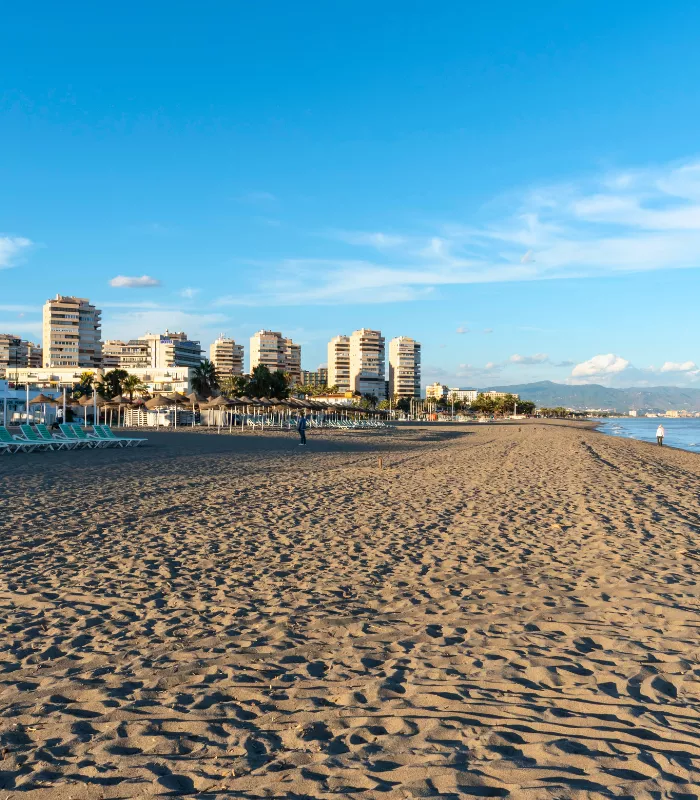
Torremolinos was the original package holiday destination in Spain. In the 1950s and 60s, it was a sleepy fishing village. Then mass tourism arrived, and the village disappeared under concrete.
The beach is long and the weather is excellent. But the town is essentially a wall of hotels and souvenir shops with very little authentic Spanish character left.
Long-time visitors often say it has lost its soul. That is a hard thing to recover from.
The Bajondillo and Playamar beaches are broad and well-maintained. On a clear day, the views toward the sea are genuinely beautiful.
But step back from the beach, and you are immediately in a landscape of dated hotels, souvenir shops, and fast food restaurants.
La Carihuela, the old fishing quarter, still has some authentic character and good seafood restaurants. It is the one part of Torremolinos worth seeking out.
The town has invested in pedestrian zones and public art in recent years. The improvements are real but modest against the scale of what surrounds them.
Malaga, just 15 kilometers away, offers genuine Spanish city life, world-class museums, and excellent food at comparable or lower prices.
The Picasso Museum alone makes Malaga worth choosing over Torremolinos for culturally curious travelers.
Torremolinos does attract a loyal repeat visitor base, many of whom appreciate exactly what it is. There is no shame in that.
But for first-time visitors to the Costa del Sol expecting classic Andalusian charm, it is almost always a disappointment.
The gap between expectation and reality is what earns Torremolinos its place on this list.
Spain has dozens of coastal towns that offer everything Torremolinos promises, with far more of the character it lacks.
Why It’s On This List: Despite heavy investment in renovation projects over the years, Torremolinos still struggles to shake its reputation as a destination built for volume, not quality.
5. Salou, Catalonia
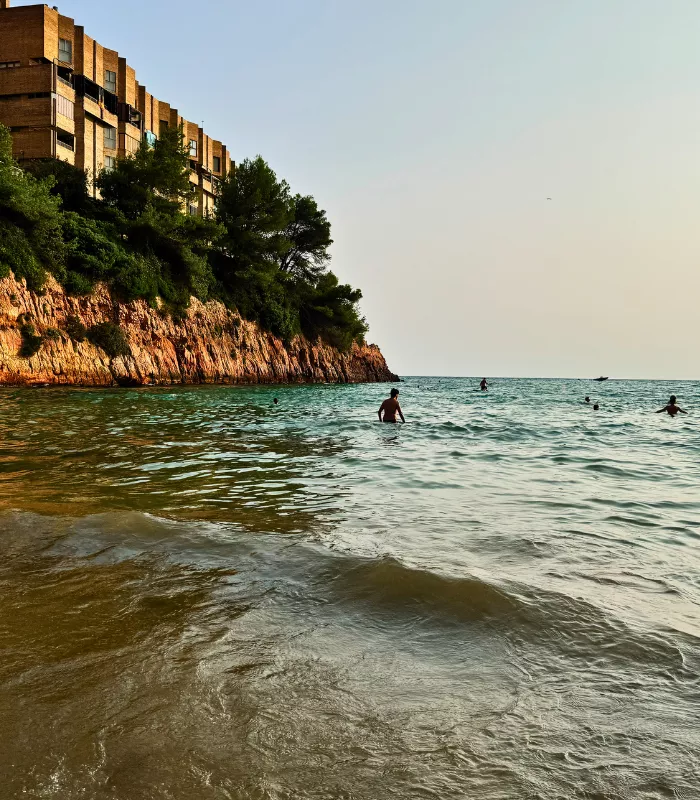
Salou is best known as the home of PortAventura, one of Europe’s largest theme parks. That says a lot about who the town is built for.
Families with young children will find plenty to do. But if you are looking for a relaxed, scenic coastal escape, Salou is not the place.
The beaches are decent, but the town revolves around theme park traffic. Restaurants are often overpriced and geared toward tourists who are just passing through.
The main beach, Platja de Llevant, is wide and clean. It gets extremely crowded from late June through August.
The town center is built almost entirely around tourist services. Finding a local restaurant where Spanish families actually eat takes real effort.
PortAventura draws around 4 million visitors a year on its own. That foot traffic sets the tone for everything in town.
Accommodation prices spike dramatically during school holidays, even for properties that are far from exceptional in quality.
Cambrils, just 7 kilometers south, is a much better option for relaxed coastal dining and a genuine local atmosphere.
Cambrils has a working fishing port and is widely considered one of the best places on the Costa Daurada for fresh seafood.
Tarragona, just 10 kilometers north, offers Roman ruins, a stunning cathedral, and a vibrant local food scene that Salou simply cannot match.
The Roman amphitheater in Tarragona overlooks the sea and is one of the most impressive historical sites in all of coastal Spain.
Salou is a fine base for a theme park trip. As a coastal destination in its own right, it consistently underdelivers.
The infrastructure exists entirely to serve tourism rather than to reflect any genuine local identity.
Why It’s On This List: PortAventura draws around 4 million visitors a year on its own. That foot traffic shapes everything about how Salou operates, from pricing to atmosphere.
6. Fuengirola, Andalusia
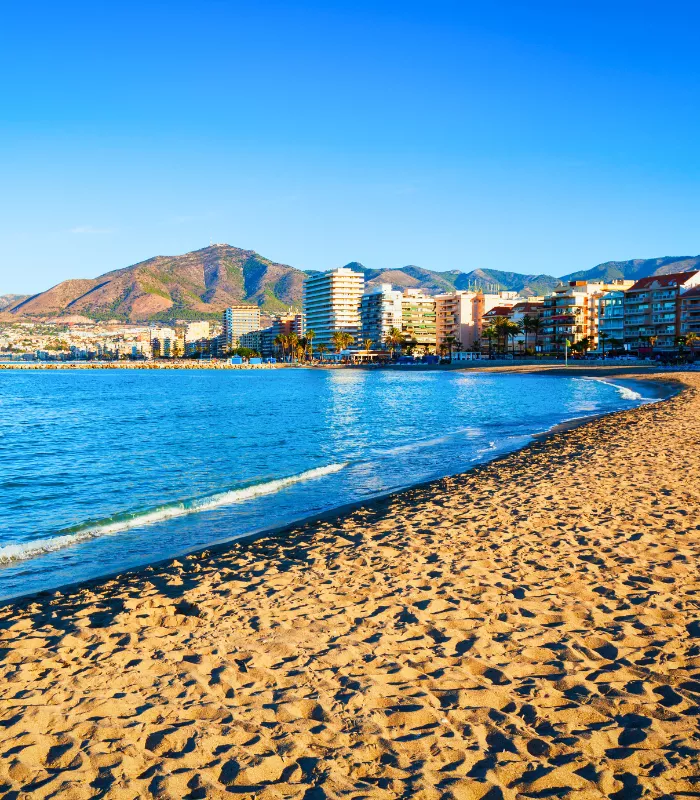
Fuengirola sits between Marbella and Malaga on the Costa del Sol. It markets itself as a more relaxed, family-friendly alternative to its flashier neighbors. And to be fair, it is calmer.
But calmer does not mean better. The beachfront is heavily built up, and the town lacks the charm or history that makes other Andalusian towns so memorable.
You can find cleaner beaches and more character just a short drive away. That makes Fuengirola a hard sell for anyone doing their research first.
The beach promenade stretches for several kilometers and is pleasant enough for an evening walk. But it is flanked almost entirely by hotels and chain restaurants.
The weekly market is popular with both locals and tourists and is one of the more genuinely enjoyable things to do in town.
Fuengirola has a large Scandinavian expat population in addition to its British community. This mix has shaped the town’s services and atmosphere considerably.
The Bioparc Fuengirola is an excellent zoo and genuinely worth a visit, particularly for families. It is one of the town’s real strengths.
Mijas Pueblo, just 8 kilometers inland, is a beautifully preserved whitewashed village that offers everything Fuengirola lacks in terms of authentic Andalusian character.
Many visitors to Fuengirola take day trips to Mijas, Ronda, or Granada and come back wondering why they did not base themselves somewhere more interesting to begin with.
The train connection to Malaga is fast and cheap, which is genuinely useful. But it also highlights how much better Malaga is as a base.
Nerja, further east along the coast, offers dramatic cliffs, better beaches, and a far more charming town center at similar price points.
Fuengirola is not a bad place. It is just a forgettable one, which in a country as rich as Spain is almost worse.
Travelers who have visited the Costa del Sol multiple times consistently rank it near the bottom of their personal list.
Why It’s On This List: Fuengirola has one of the highest concentrations of foreign residents on the Costa del Sol, which has gradually replaced local Spanish culture with an expat-friendly but generic coastal town feel.
7. Roses, Catalonia
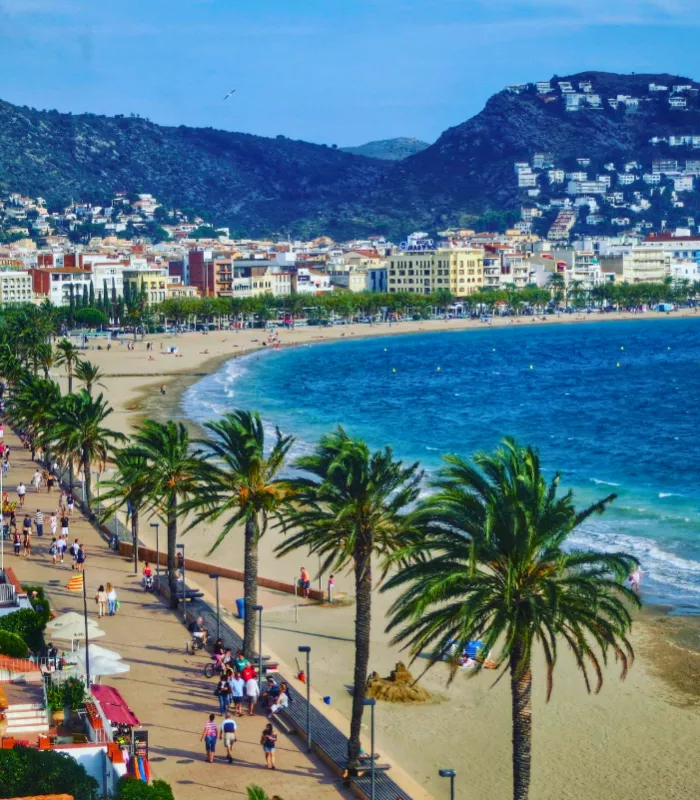
Roses sits at the northern tip of the Costa Brava and has a beautiful natural bay. It was once a quiet fishing town. Today, it is a busy resort that fills to capacity every July and August.
The scenery is still lovely, especially around Cap de Creus nearby. But the town itself has grown in ways that have not always served it well.
Prices have climbed sharply while the quality of the overall experience has not kept pace. That is a frustrating combination for travelers who remember what it used to be like.
The Ciutadella de Roses, a ruined Renaissance citadel right in the town center, is a genuinely impressive historical site that many visitors walk past without stopping.
The bay offers calm, shallow water that is ideal for families with younger children. That is one of Roses’ genuine strengths.
But the town center has developed a strip of bars, souvenir shops, and tourist restaurants that feels out of step with the natural beauty surrounding it.
Accommodation fills up months in advance for peak season, and prices reflect that demand in ways that do not always match the quality on offer.
The nearby Aiguamolls de l’Emporda natural park is one of the best birdwatching sites in Spain and is almost entirely ignored by mainstream tourists visiting Roses.
Cadaques, just 30 kilometers away over a winding mountain road, is everything Roses used to be: whitewashed, unhurried, and genuinely beautiful in a way that feels earned.
Salvador Dali lived near Cadaques for much of his life. His house at Portlligat is one of the most fascinating artist residences open to visitors anywhere in Europe.
L’Escala and Empuriabrava are two other nearby alternatives that offer more character and better value than Roses currently delivers.
The northern Costa Brava is spectacular. Roses just happen to be the part of it that has been most thoroughly overtaken by seasonal tourism.
Visitors who arrive expecting the magic of the Costa Brava often find it, just not in Roses itself.
Why It’s On This List: Roses became internationally famous after the restaurant El Bulli put it on the map. But El Bulli closed in 2011, and many visitors arrive expecting a culinary destination that no longer quite exists in the same way.