

Retiring abroad takes guts. Retiring in the wrong place takes something closer to bad luck.
Central America gets lumped together as one big affordable paradise.
That is a little like saying all neighborhoods in any major city are equally safe because they share the same zip code.
The details matter enormously, especially when you are living on a fixed income and your health is not as forgiving as it once was.
Smart retirees do the homework before the move, not after the boxes are unpacked.
1. Tegucigalpa, Honduras
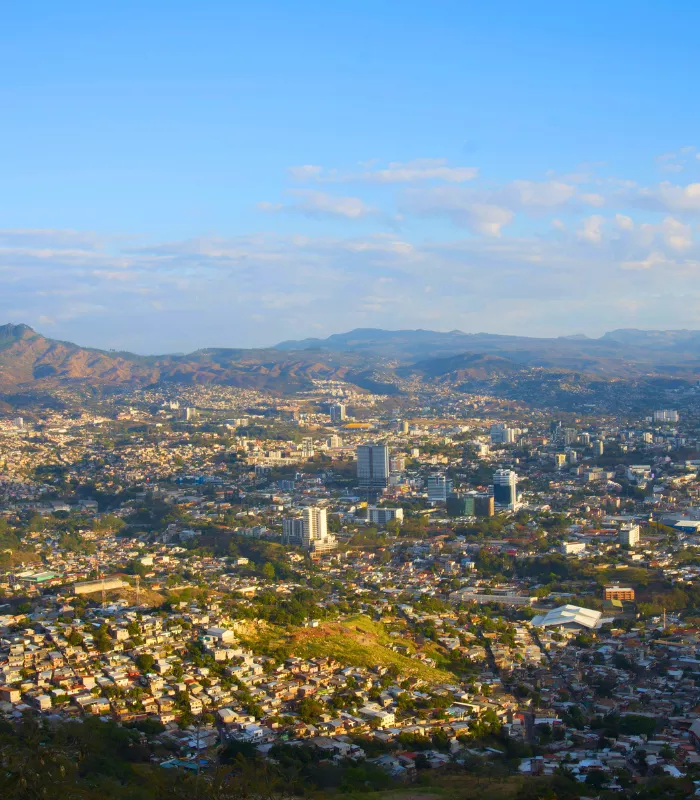
Tegucigalpa is the capital of Honduras. It sits high in the mountains. But the city has serious safety concerns that make it a tough choice for retirees.
Crime rates here are among the highest in Central America. Petty theft, carjackings, and violent crime are real risks. Most travel advisories urge older travelers to avoid this city entirely.
The infrastructure is also outdated. Roads are poorly maintained. Power outages happen often.
Public transportation is unreliable and often unsafe for older adults traveling alone.
Finding English-speaking doctors or specialists is extremely difficult here.
The expat community is very small, which means building a social support network takes much longer.
Why It’s On This List: Honduras consistently ranks among the most dangerous countries in the Western Hemisphere, with a homicide rate that remains alarmingly high compared to popular retirement destinations like Panama or Costa Rica.
2. San Pedro Sula, Honduras
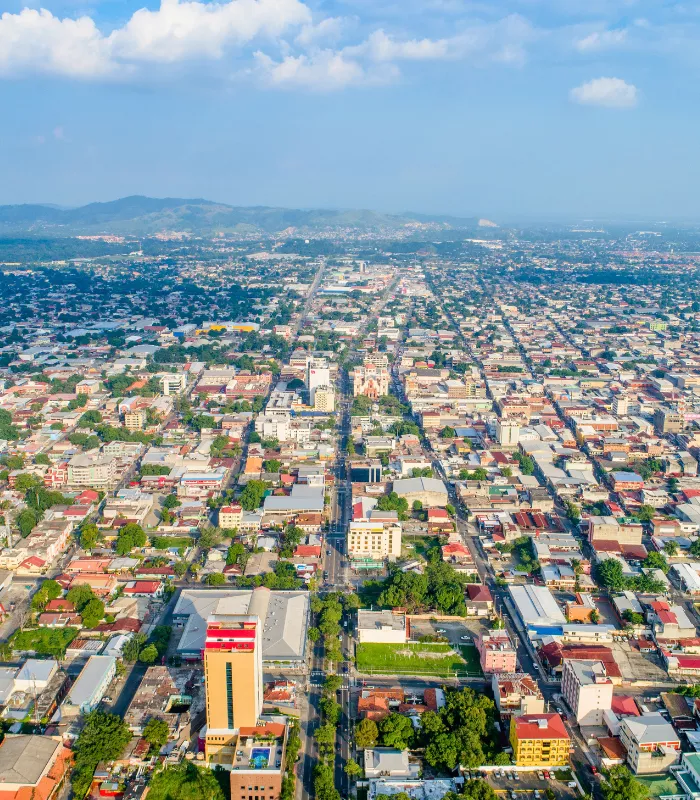
San Pedro Sula was once called the murder capital of the world. That title has improved slightly in recent years. But it still ranks as one of the most violent cities on the planet.
Gang activity is widespread. Kidnappings targeting foreigners have been reported. Retirees on a fixed income are seen as easy targets.
Healthcare options are limited. Quality hospitals are hard to find. You’re better off looking elsewhere in Central America.
The city’s industrial character means heavy traffic, noise, and air pollution are constant problems.
Affordable housing does exist here, but the trade-off in personal safety is simply not worth it.
Most experienced expat advisors do not include San Pedro Sula on any shortlist for retirement.
Why It’s On This List: San Pedro Sula recorded over 1,000 murders per year at its peak, and while numbers have dropped, it remains far too dangerous for a comfortable retirement.
3. Managua, Nicaragua
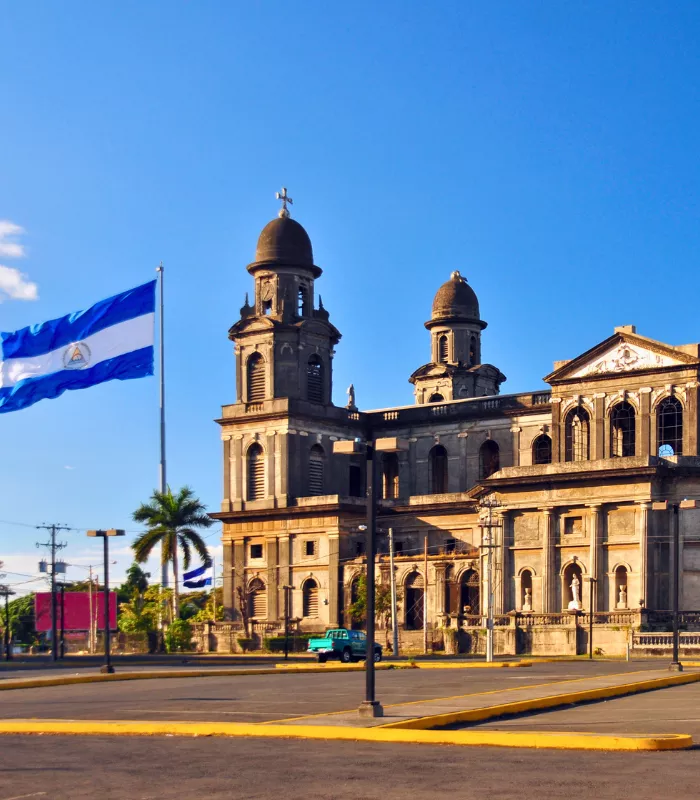
Nicaragua was once a rising star for budget retirees. Things changed after 2018. A government crackdown on protests left hundreds dead and thousands jailed.
Political instability is the biggest problem here. Foreign nationals have been detained without a clear reason. The U.S. government advises citizens to reconsider travel to Nicaragua.
But here’s the catch: even with low prices, the political climate makes long-term living risky. Your pension and savings could be harder to access during a crisis.
Internet freedom and press freedom are heavily restricted, making it difficult to stay informed.
The government has seized several foreign-owned properties in recent years without fair compensation.
Retirees who moved here before 2018 have since left, and many say they wish they had seen the warning signs sooner.
Why It’s On This List: Since 2018, Nicaragua has seen a dramatic decline in civil freedoms, with the government expelling NGOs, shutting down independent media, and detaining foreign residents.
4. Guatemala City, Guatemala
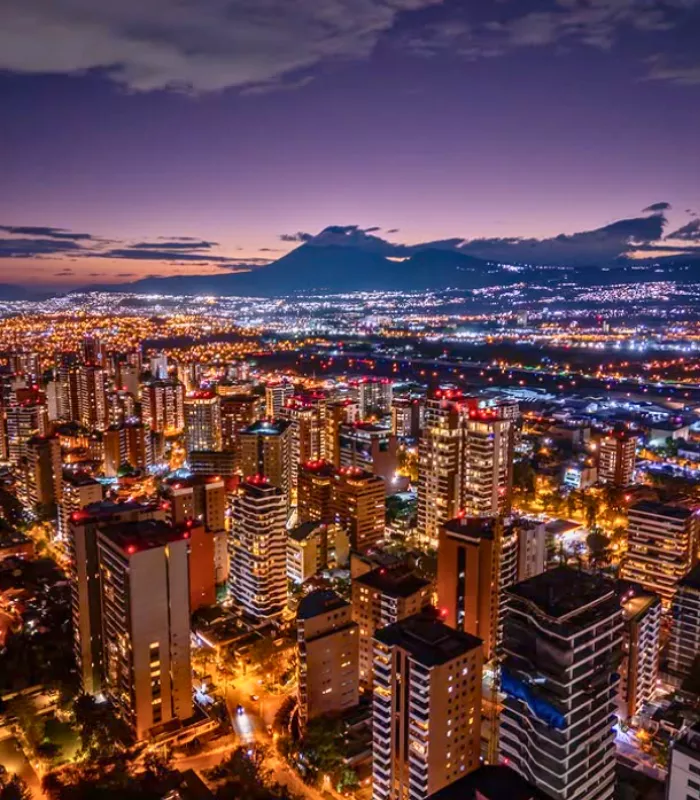
Guatemala City is the largest city in Central America. It has culture, food, and history. But for retirees, the risks outweigh the rewards.
Violent crime is a daily reality in many neighborhoods. Corrupt local officials make resolving legal issues difficult. Expats have reported serious problems getting help from local authorities.
Traffic is chaotic. Air pollution is a concern for those with breathing issues. Older adults with health conditions may struggle here.
Navigating the legal system as a foreign retiree is slow, expensive, and often frustrating.
While private hospitals exist, costs can be high, and quality varies widely depending on the facility.
The city’s sprawling layout also makes it hard to get around safely without a car and a trusted driver.
Why It’s On This List: Guatemala City has one of the highest rates of femicide and violent crime in Latin America, and its weak rule of law creates an unpredictable environment for foreign retirees.
5. Colon, Panama
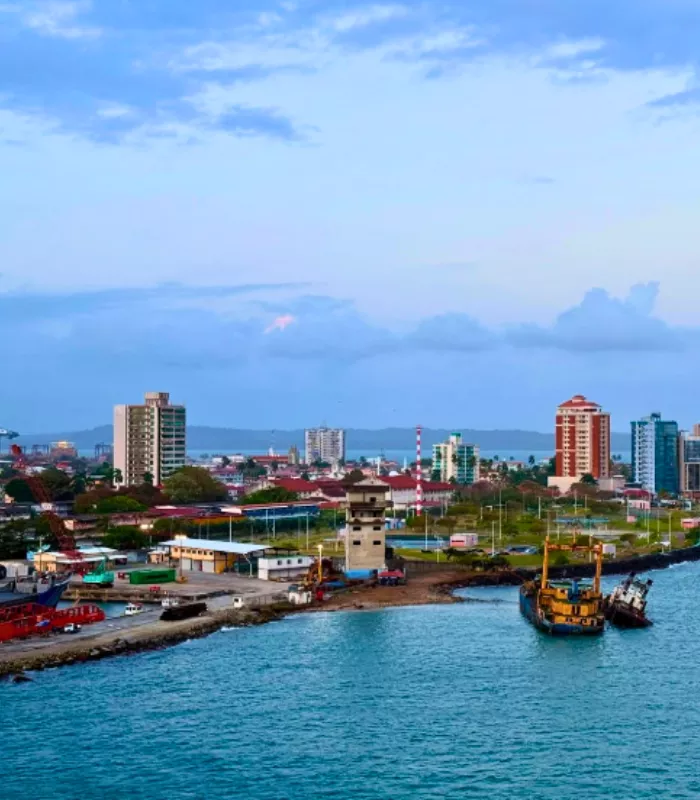
Panama is a top retirement destination overall. But Colon is the exception. This port city on the Caribbean coast struggles with deep poverty and crime.
Many parts of the city are considered no-go zones for tourists and expats. Robbery and assault are common. Even Panamanians from Panama City warn visitors to avoid Colon.
That’s why it lands on this list. The contrast with Panama City is striking. You are better off heading straight to Boquete or Coronado instead.
Basic services like clean running water and consistent electricity can be unreliable in parts of the city.
The local economy offers very little in terms of dining, entertainment, or cultural activities for retirees.
Property values in Colon reflect the risk, but a low price tag should never be mistaken for a good deal in a dangerous area.
Why It’s On This List: Colon has an unemployment rate estimated above 15 percent and widespread infrastructure decay, making it one of the most overlooked danger zones in an otherwise retirement-friendly country.
6. La Ceiba, Honduras
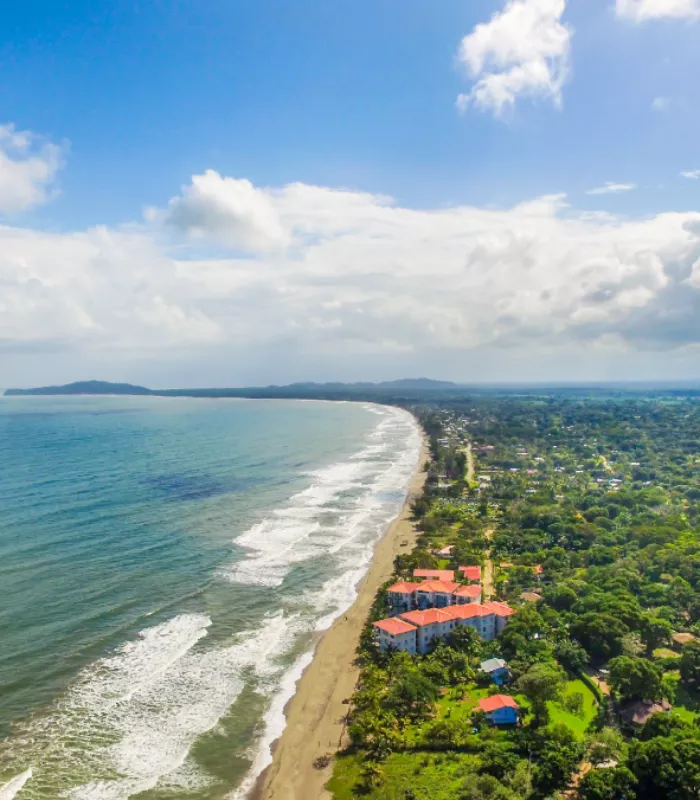
La Ceiba sits on the Caribbean coast of Honduras. It has beautiful beaches nearby. But surface-level beauty hides real dangers.
Drug trafficking routes pass through this region. Local police have limited resources. Foreigners have reported being targeted in robberies near tourist areas.
Medical care is another issue. Hospitals in La Ceiba are basic at best. A serious health emergency could leave you with very few options.
Flooding is a recurring problem during the rainy season, and local drainage systems are poorly maintained.
The expat community here is thin, which limits access to the kind of peer support that helps new retirees settle in.
Getting reliable, fast internet for remote banking or telehealth appointments is also a consistent challenge.
Why It’s On This List: La Ceiba’s position along active drug trafficking corridors has made violent crime a persistent problem, with limited law enforcement capacity to protect residents.
7. Dangriga, Belize
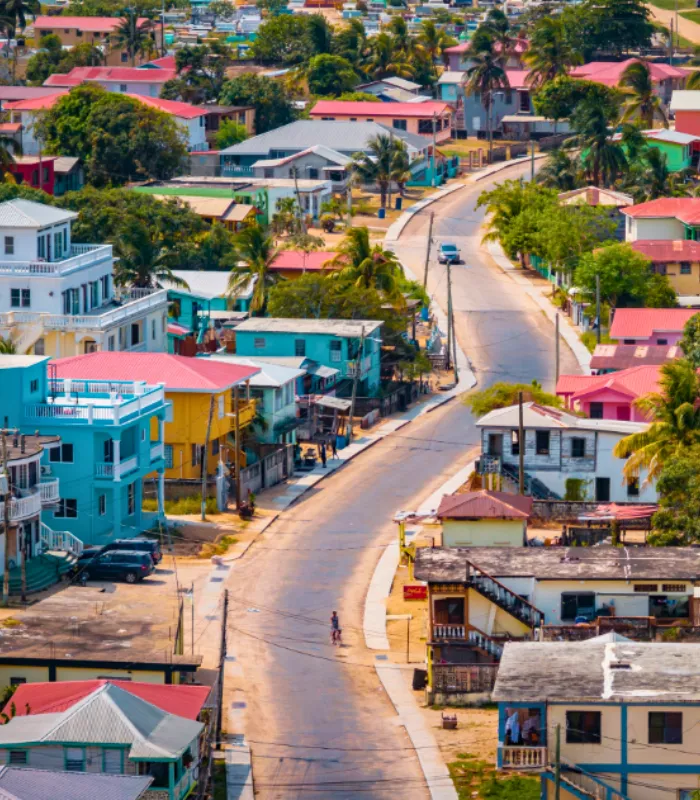
Belize attracts retirees with its English-speaking population and Caribbean charm. But Dangriga tells a different story. It is one of the more troubled towns in the country.
Gang violence flares up regularly here. The town has a high rate of violent crime compared to other Belizean communities. Local disputes can escalate quickly and inadvertently involve outsiders.
Healthcare access is also poor. The nearest quality hospital is hours away. For older adults, that gap in care is a serious concern.
Roads connecting Dangriga to larger cities are in poor condition and can become impassable after heavy rain.
The local job market is limited, which contributes to economic tension and opportunistic crime targeting visitors.
Retirees who need regular prescriptions may struggle to find consistent pharmacy stock in this town.
Why It’s On This List: Dangriga consistently appears in Belize crime reports and is often cited as a town where expats and retirees should avoid settling, even though Belize overall is considered a viable retirement option.
8. Puerto Barrios, Guatemala

Puerto Barrios is a port town on Guatemala’s Caribbean coast. It has a rough reputation that has lasted for decades. Crime and poverty are both high.
The town lacks reliable utilities. Water shortages are common. Expats report that basic services many retirees depend on simply are not available here.
It is also isolated. Getting quality medical care or connecting with other expats is very difficult. This is not a place designed for comfortable retirement living.
The humidity and heat in this coastal region are intense year-round, which can be hard on older adults with heart or respiratory conditions.
There is very little organized expat infrastructure, meaning no English-language resources, social clubs, or relocation support.
The port economy attracts transient workers and cargo traffic, which does little to create a stable or welcoming community atmosphere.
Why It’s On This List: Puerto Barrios has long been flagged by travel safety organizations as a high-risk area due to its role as a transit point for drug smuggling and its persistently high violent crime rates.
9. Bluefields, Nicaragua
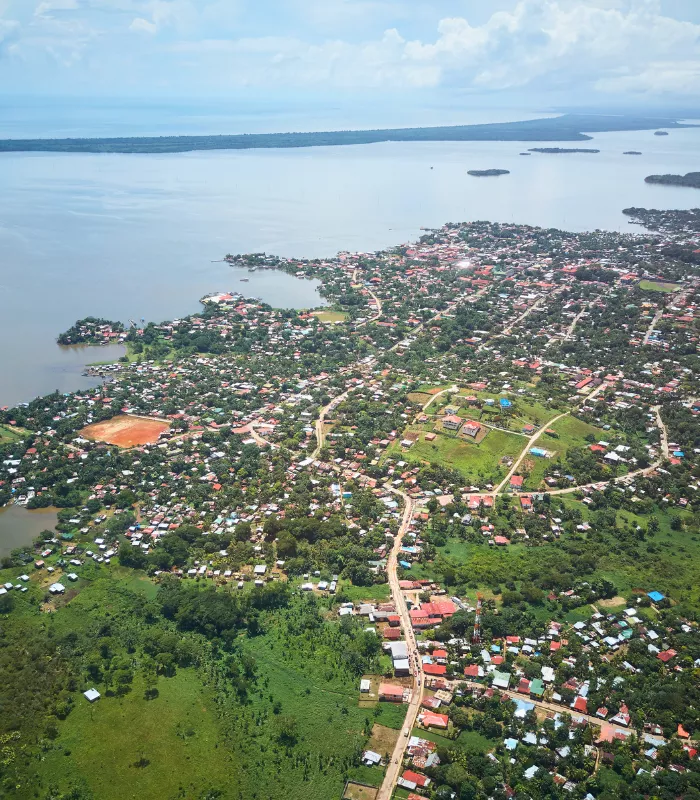
Bluefields is a remote Caribbean coastal city in Nicaragua. It is only reachable by boat or small plane. That isolation might sound adventurous when you’re younger.
For retirees, it creates real problems. Emergency medical evacuation would be extremely difficult. Basic supplies are expensive because everything has to be brought in by boat.
On top of that, Nicaragua’s political climate adds another layer of risk. Living in a remote area during a national crisis is dangerous for anyone, especially older adults.
Consistent electricity and internet access are both unreliable, making it hard to manage finances or stay in touch with family.
The rainy season brings heavy flooding that can cut off already limited transport links for days at a time.
Foreign embassies have a very limited ability to assist citizens in this remote region if a situation becomes serious.
Why It’s On This List: Bluefields combines geographic isolation, limited healthcare, high cost of basic goods, and national political instability into a combination that makes it one of the least practical retirement spots in the region.
10. Livingston, Guatemala
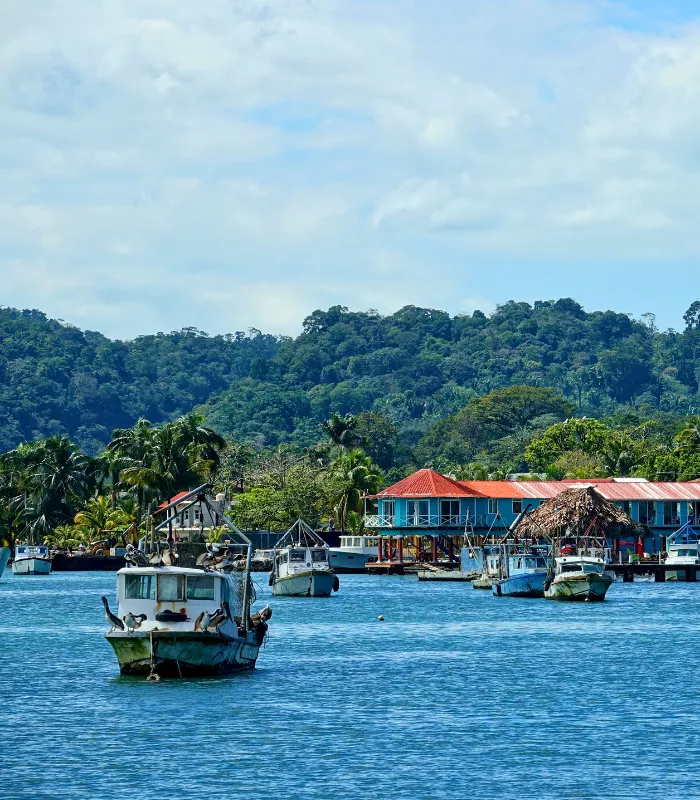
Livingston is a unique Garifuna town accessible only by boat. It has a distinctive culture and colorful history. But charm alone does not make a safe retirement destination.
Drug-related violence has increased in this area in recent years. The town has very limited healthcare. Retirees with chronic health conditions would face serious challenges getting regular treatment.
Access to banking, the internet, and transportation is unreliable. Daily life requires constant workarounds. Most expat advisors steer retirees far away from this location.
There are no ATMs in Livingston, which means managing cash flow as a retiree becomes a logistical headache.
Boat travel is the only way in or out, and rough Caribbean weather can delay trips by several days.
The town has very limited shopping options, so stocking basic medications or household supplies requires planning trips to larger cities.
Why It’s On This List: Livingston’s boat-only access and location near active drug trafficking routes in the Gulf of Honduras make it a high-risk and logistically difficult choice for anyone planning a long-term retirement.
11. Choluteca, Honduras
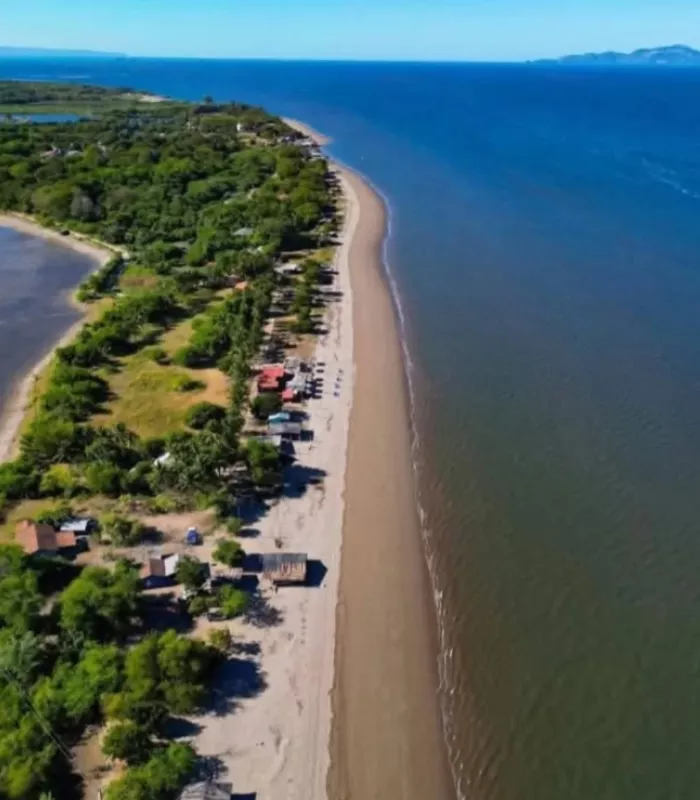
Choluteca is a city in southern Honduras near the border with Nicaragua. It is one of the hottest cities in Central America. Temperatures regularly hit over 100 degrees Fahrenheit.
The extreme heat alone is a health risk for older adults. Add to that high crime, poor road conditions, and very limited expat infrastructure. There is almost no support network for foreign retirees here.
This city rarely appears on any retirement radar, and for good reason. It combines physical discomfort with genuine safety concerns. You are better off in a cooler, safer city like Granada in Nicaragua or Antigua in Guatemala.
Water scarcity is a growing problem in this region, with droughts becoming longer and more severe each year.
The local economy is largely agricultural, which means limited services, dining, and entertainment options for retirees.
Air conditioning is a necessity here, not a luxury, which drives up monthly utility costs significantly for anyone living on a fixed budget.
Why It’s On This List: Choluteca sits in a region with some of Honduras’s worst drought and heat conditions, and as climate patterns shift, extreme temperatures in this area are expected to worsen significantly in the coming decades.