

Tuscany has a reputation problem. Not because it is bad. Because everyone knows it is good.
That kind of fame attracts crowds, souvenir shops, and restaurant menus printed in six languages.
Some towns here have been so thoroughly discovered that the locals barely outnumber the selfie sticks.
The most Instagrammed corners of Tuscany are often the least enjoyable places to actually stand in.
1. San Gimignano, Tuscany
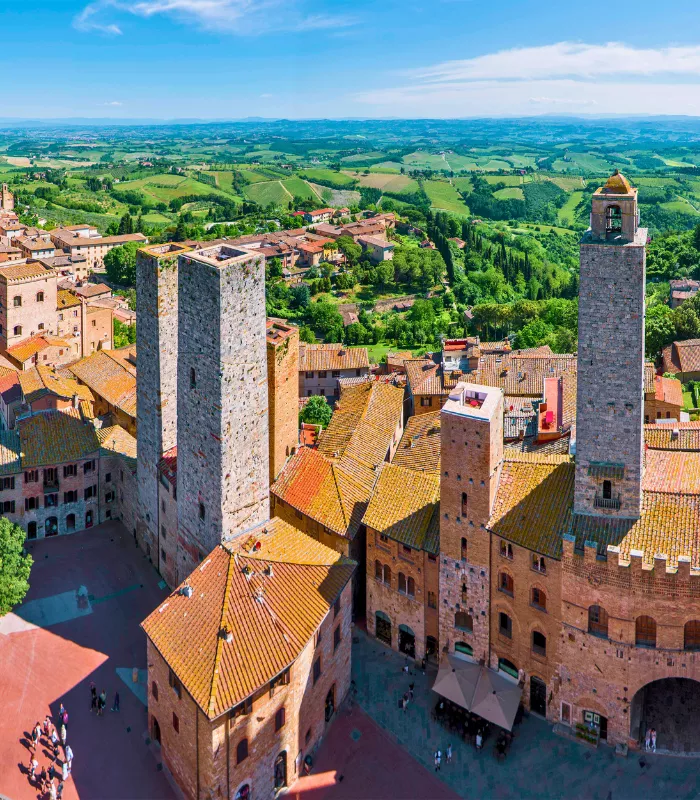
San Gimignano is famous for its medieval towers.
There are 14 towers still standing today.
But here’s the catch. Over 3 million tourists visit every year. That’s a lot of people crowding one small hilltop town.
Most visitors spend only a few hours here. The main street, Via San Giovanni, is packed with gelato shops and souvenir stalls.
The town looks stunning from a distance. Up close, it feels like a theme park.
The town was founded in the 3rd century BC. It has been continuously inhabited for over 2,000 years.
San Gimignano was once an important stop on the Via Francigena pilgrim route. Thousands of pilgrims passed through here every year during the Middle Ages.
At its peak in the 13th century, the town had 72 towers. Wealthy families built them as symbols of power and status.
Today, only 14 remain. Each one tells a story of rivalry between noble families.
The town is a UNESCO World Heritage Site. It earned that status in 1990.
Its white wine, Vernaccia di San Gimignano, was the first Italian wine to receive DOC status back in 1966.
The surrounding countryside is covered in vineyards and olive groves. It is genuinely beautiful outside the town walls.
Street performers and crowds fill the center from April through October. Locals tend to stay home during peak season.
Why It’s On This List: San Gimignano gets so many tourists that locals are now outnumbered. Prices are high, crowds are thick, and the authentic Tuscan feel is hard to find.
2. Pisa, Tuscany
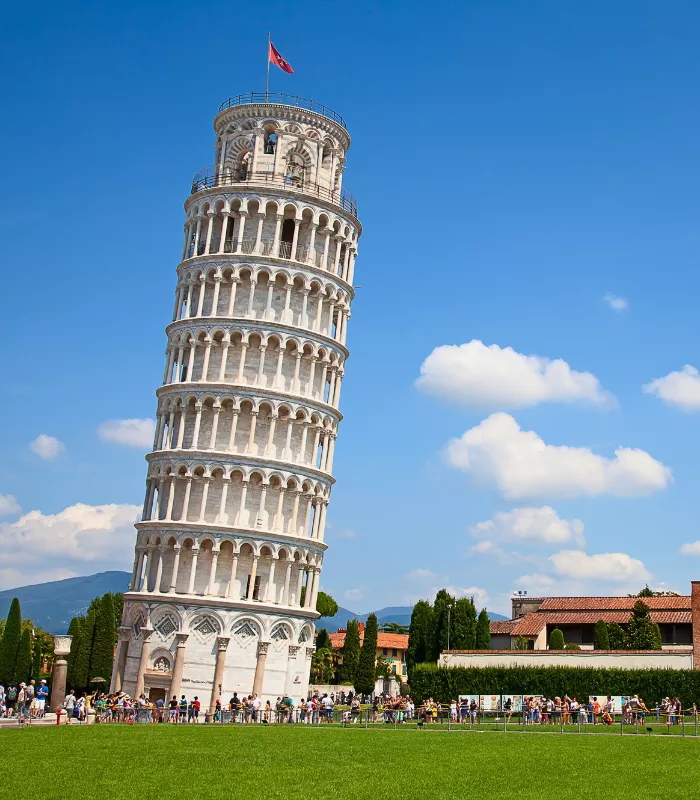
Everyone knows the Leaning Tower of Pisa.
It leans about 4 degrees. That took over 800 years to happen.
But once you take the photo, there is not much else to do. Most tourists leave within two hours.
The area around the tower is full of vendors selling cheap souvenirs. The rest of the city is largely ignored by visitors.
Pisa is a one-photo town. You’re better off spending more time in nearby Florence instead.
Construction on the tower began in 1173. It started leaning almost immediately due to soft ground on one side.
The tower stands about 56 meters tall on the low side. It took nearly 200 years to complete because of wars and financial problems.
Engineers stabilized the lean between 1990 and 2001. They removed soil from the higher side to reduce the tilt slightly.
Pisa is actually a university city with over 50,000 students. That side of town is lively, affordable, and largely tourist-free.
The Piazza dei Miracoli, where the tower stands, also contains a beautiful cathedral and baptistery. Most visitors rush past both.
Galileo Galilei was born in Pisa in 1564. He allegedly dropped cannonballs from the tower to study gravity, though historians debate whether that actually happened.
Pisa’s airport is one of the busiest in Tuscany. Many travelers fly in, see the tower, and fly out the same day.
The city has a river running through it called the Arno. The riverside neighborhood is calm, scenic, and rarely crowded.
Why It’s On This List: Around 5 million people visit Pisa each year just for one tower. The experience rarely matches the hype.
3. Montepulciano, Tuscany
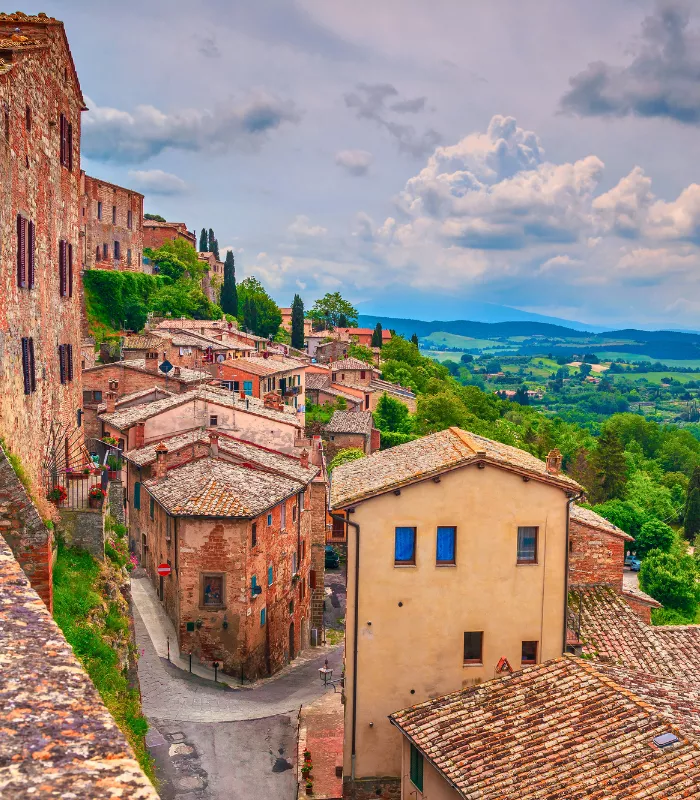
Montepulciano sits on a hill at 600 meters above sea level.
It is known for its red wine called Vino Nobile. Wine lovers travel far just to taste it.
That’s why the town has become very commercialized. Wine shops line every street. Prices have gone up sharply in recent years.
The town itself is beautiful. But the tourist crowds during summer make it hard to enjoy.
If you want great Tuscan wine without the crowds, smaller nearby villages offer just as much for less money.
Vino Nobile di Montepulciano has been produced here since at least the 8th century. It was one of the first Italian wines to receive DOCG status in 1980.
The town’s main square, Piazza Grande, is lined with Renaissance palaces. It is considered one of the finest squares in all of Tuscany.
Montepulciano has a population of only about 14,000 people. That number is shrinking as younger residents move to larger cities.
The town hosts a barrel-rolling festival every August called the Bravio delle Botti. Eight neighborhoods compete by pushing heavy wine barrels uphill.
The surrounding area is called the Val d’Orcia. It was designated a UNESCO World Heritage landscape in 2004.
Many of the wine cellars here are built into the volcanic rock beneath the town. Some date back to the Etruscan period.
Parking outside the walls and walking in is the only practical option. The streets inside are too narrow for most vehicles.
Sunset views from the town walls stretch across miles of rolling Tuscan countryside. That part, at least, never disappoints.
Why It’s On This List: Montepulciano trades heavily on its wine fame. Many visitors feel the experience is overpriced compared to what you actually get.
4. Siena, Tuscany
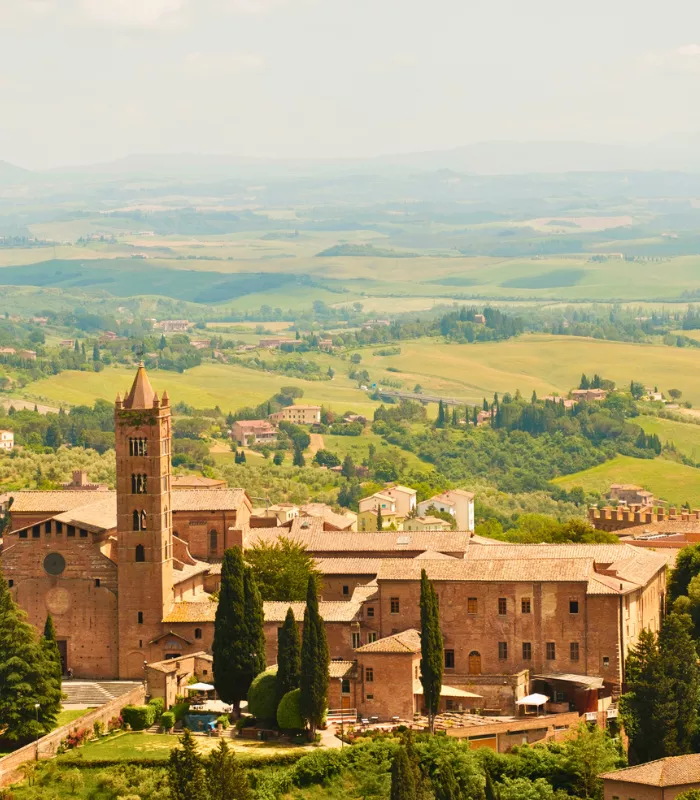
Siena is one of the most visited cities in Tuscany.
Its main square, Piazza del Campo, is one of the most beautiful in all of Italy.
But here’s the deal. Siena gets very crowded, especially during the Palio horse race in July and August. Hotel prices double or even triple during that time.
Day-trippers pour in from Florence by the busload. The historic center can feel overwhelming.
Siena is genuinely beautiful. But visiting during peak season can leave you exhausted rather than inspired.
The Palio di Siena is one of the oldest horse races in the world. It has been run since at least 1656.
Ten of the city’s 17 neighborhoods, called contrade, compete in each race. Rivalries between neighborhoods run centuries deep.
Siena’s cathedral, the Duomo, took over 300 years to build. Its black and white marble striped facade is unlike anything else in Italy.
The city was a major banking and trading center in the 13th century. The Monte dei Paschi di Siena, founded in 1472, is considered the world’s oldest surviving bank.
Siena’s historic center is entirely closed to private vehicles. That makes it peaceful to walk around, but difficult to reach with luggage.
The city sits at about 300 meters above sea level. Summers are hot, and winters can be surprisingly cold.
Siena and Florence were bitter rivals for centuries. That rivalry shaped the politics and art of the entire region.
The city’s distinctive reddish-brown color even gave its name to a famous paint pigment. Artists still call it “burnt sienna” today.
Why It’s On This List: Over 163,000 tourists visit Siena’s Piazza del Campo each month in summer. The crowds take away from what should be a peaceful experience.
5. Lucca, Tuscany
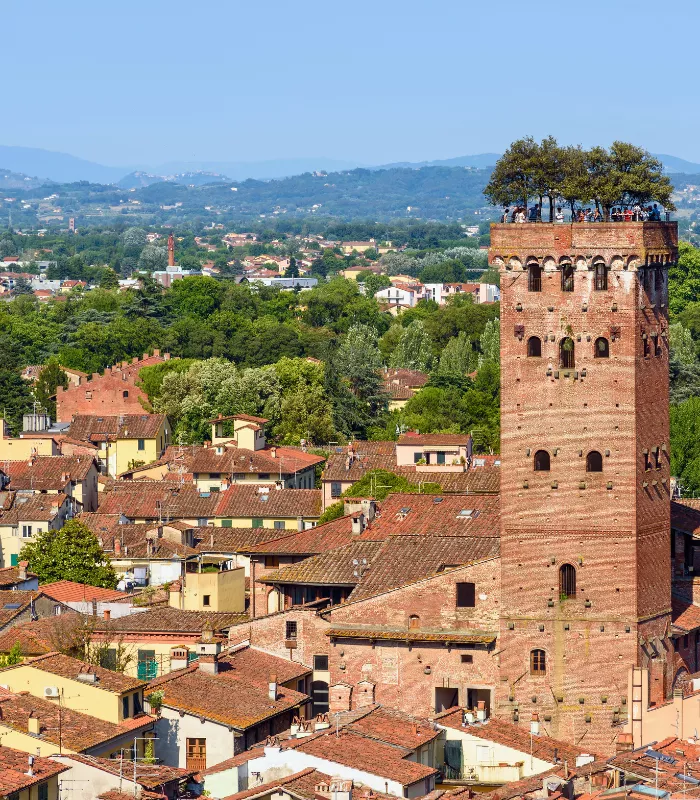
Lucca is a walled city with a long history.
Its walls are wide enough to walk or cycle on top. That is genuinely unique.
But Lucca has been discovered. Tour groups now fill its streets daily. Restaurants near the main piazzas cater more to tourists than locals.
I made a classic mistake of eating near the Cathedral. The food was mediocre, and the bill was steep.
Walk the walls. Explore the side streets. But avoid the main tourist restaurants near the center.
Lucca’s walls were built between 1513 and 1645. They were never actually used in battle, which is why they survived so well.
The walls are about 4 kilometers long and 12 meters wide at the top. Locals use them as a park and running track.
The composer Giacomo Puccini was born in Lucca in 1858. His birthplace is now a museum in the city center.
Lucca hosts a large comics and games festival every October called Lucca Comics and Games. It attracts over 280,000 visitors in just a few days.
The city has an unusual oval-shaped piazza called Piazza dell’Anfiteatro. It was built on top of a Roman amphitheater that once held 10,000 spectators.
Lucca was an independent republic for almost 500 years. It did not become part of unified Italy until 1847.
The city has more than 100 churches within its walls. Many of them are tucked into small streets and are easy to miss.
Olive oil from the Lucca area is considered some of the finest in Italy. Local producers have been pressing oil here for centuries.
Why It’s On This List: Lucca’s charm is real, but its growing popularity has pushed prices up and authentic local spots further off the beaten path.
6. Volterra, Tuscany
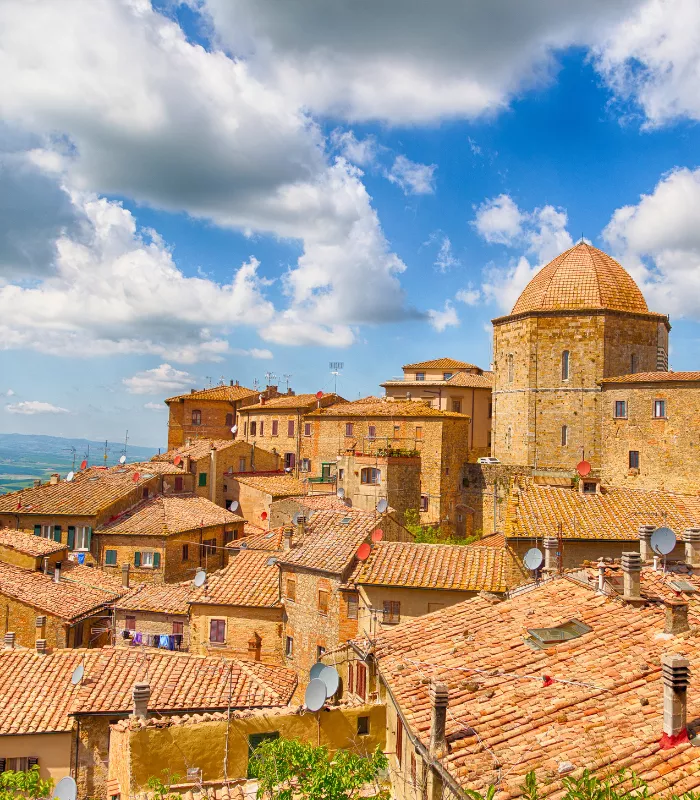
Volterra is a hilltop town with Etruscan roots going back 3,000 years.
It became extra famous after the Twilight movie series. Fans travel here just for that connection.
That has changed the town’s identity. Twilight-themed shops now sit alongside ancient Roman ruins.
The real history of Volterra is fascinating. But it gets lost under the pop culture tourism.
Volterra deserves better than being known as a vampire movie town.
The Etruscans built a major city here around 800 BC. The ancient walls they constructed still partly surround the town today.
Volterra sits at about 550 meters above sea level. On clear days, you can see all the way to the Ligurian coast.
The town is famous for its alabaster craftsmanship. Local artisans have been carving alabaster for over 2,500 years.
Volterra has a Roman theater built in the 1st century BC. It was only excavated and opened to the public in the 1950s.
The town’s Guarnacci Etruscan Museum is one of the oldest public museums in Europe. It opened in 1761 and holds over 600 Etruscan funeral urns.
Volterra’s population has been declining for decades. Fewer than 11,000 people live here today, down from much higher numbers in past centuries.
The surrounding landscape includes dramatic eroded clay formations called the Balze. They have been slowly swallowing parts of the town for centuries.
Several medieval buildings have already been lost to the Balze. An ancient monastery teetered on the edge for years before finally collapsing.
Why It’s On This List: A surge in Twilight tourism has shifted focus away from Volterra’s genuinely rich 3,000-year history. That’s a shame for serious history lovers.
7. Cortona, Tuscany
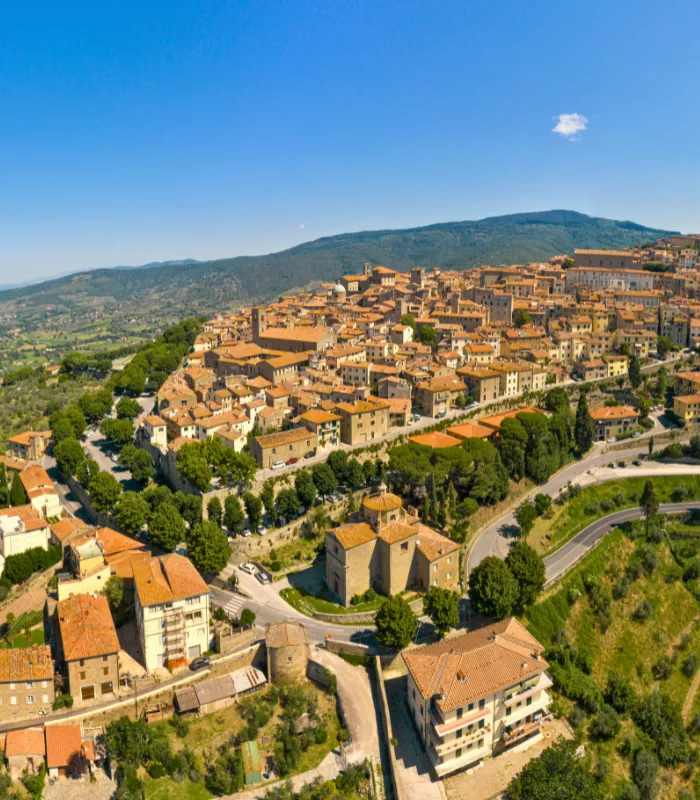
Cortona became famous after the book and movie “Under the Tuscan Sun.”
It sits high on a hillside with views of the Val di Chiana below.
But that book changed everything. Property prices shot up. Tour groups arrived. Local life took a back seat to tourism.
Many visitors expect a romantic fantasy. The real town is much quieter and less polished than the movie suggests.
Cortona is a nice town. But it was sold to the world as something almost magical, and that sets expectations too high.
Cortona is one of the oldest hill towns in Italy. Its origins go back to the Etruscan period, around the 8th century BC.
The town has steep, winding streets that can be challenging to walk. Comfortable shoes are absolutely essential here.
Cortona sits at about 650 meters above sea level. The climb from the lower town to the upper town is genuinely steep.
The painter Luca Signorelli was born in Cortona around 1450. His work influenced Michelangelo and can be seen in the local Diocesan Museum.
Lake Trasimeno, the largest lake in central Italy, is visible from the upper parts of town. It sits just across the regional border in Umbria.
Cortona has a population of about 22,000 people spread across the town and surrounding villages. The historic center is much smaller than most visitors expect.
The town hosts a popular antiques fair called Mostra Mercato dell’Antiquariato every August. It draws collectors from across Europe.
Foreign property buyers drove real estate prices up dramatically after the book’s success. Some local families were priced out of their own neighborhood.
Why It’s On This List: “Under the Tuscan Sun” turned Cortona into a brand. That kind of fame rarely helps a small town stay authentic.
8. Pienza, Tuscany
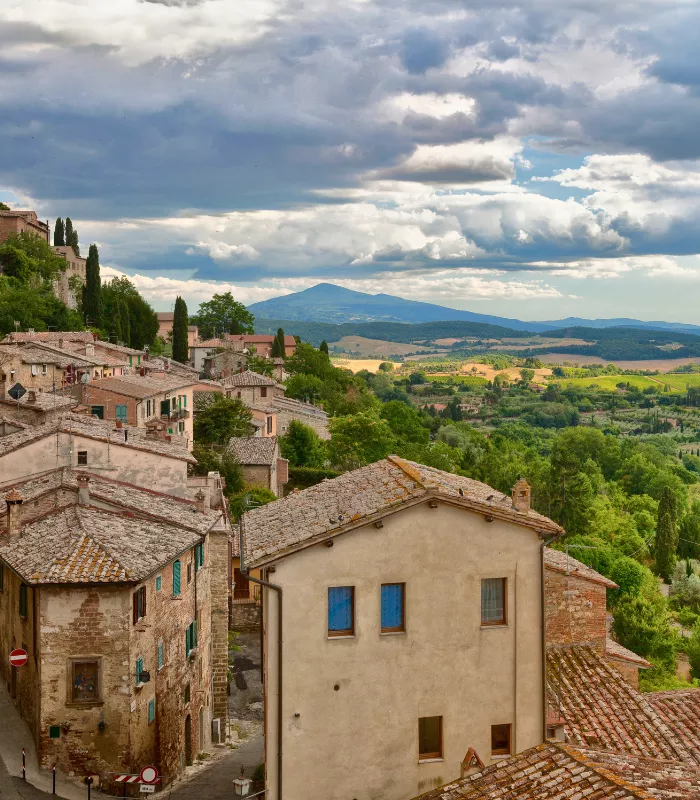
Pienza is called the “ideal city” of the Renaissance.
It was redesigned in the 1400s by Pope Pius II. The whole town center is a UNESCO World Heritage Site.
But Pienza is tiny. Very tiny. Most visitors see everything in under an hour.
The main street sells mostly pecorino cheese and local products. It can feel more like a market than a living town.
Pienza is photogenic and historic. But it may be one of the shortest stops you make in all of Tuscany.
Pope Pius II was actually born in the small village that stood here before. He renamed it Pienza after himself, from the Latin “Pius.”
The redesign of Pienza was completed in just three years, between 1459 and 1462. That was an extraordinary speed for Renaissance construction.
The architect behind the redesign was Bernardo Rossellino. He based the layout on the humanist ideals of the Renaissance scholar Leon Battista Alberti.
Pienza’s cathedral has a serious structural problem. It was built on unstable ground and has been slowly tilting and cracking for centuries.
The town is best known today for its pecorino cheese. Local shepherds have been making it from sheep’s milk in the Val d’Orcia for hundreds of years.
Pienza has a permanent population of only about 2,000 people. On busy summer weekends, day-trippers can outnumber residents many times over.
The views from the town walls stretch across the Val d’Orcia toward Monte Amiata. That view alone is worth the stop.
Pienza appears in several famous films. Franco Zeffirelli used it as a location for his 1968 version of Romeo and Juliet.
Why It’s On This List: Pienza is often listed as a must-see, but with a population of only about 2,000 people, there is not much to see beyond one main street and a beautiful square.
9. Montalcino, Tuscany
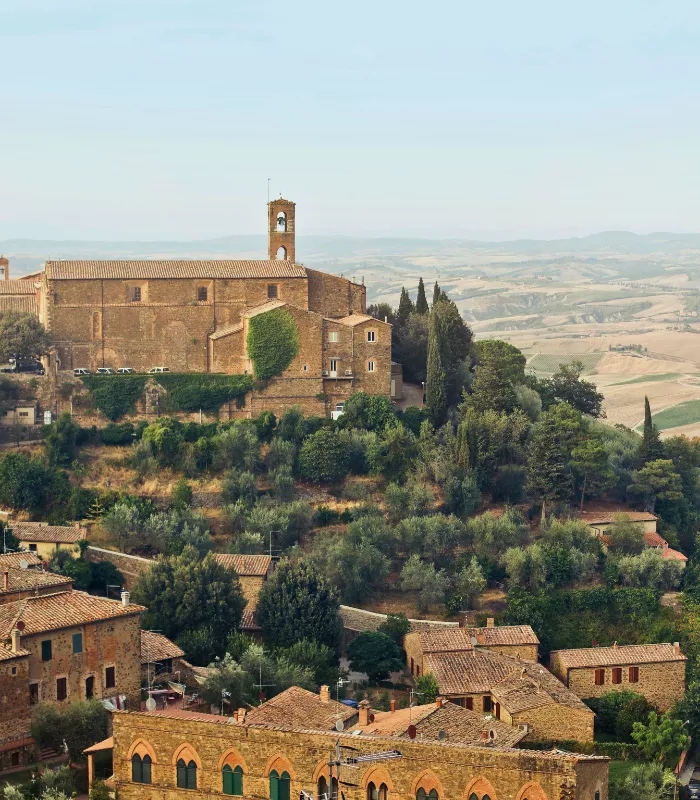
Montalcino is home to Brunello di Montalcino wine. That is one of Italy’s most expensive and respected reds.
A single bottle can cost anywhere from 40 to over 200 euros.
That price tag has shaped the whole town. Everything here caters to high-end wine tourism. Restaurants are pricey. Shops are upscale.
You’re better off visiting a local vineyard outside of town for a more honest and affordable experience.
Montalcino is worth visiting if you love fine wine. But budget travelers will feel out of place very quickly.
Brunello di Montalcino received DOCG status in 1980, the first year that designation was ever awarded in Italy.
The wine must be aged for at least five years before it can be sold. That long aging process is part of what drives the price up.
Montalcino sits at about 567 meters above sea level. The altitude and dry climate are key factors in producing the grapes used for Brunello.
The town’s fortress, the Rocca, was built in 1361. It held out as the last stronghold of the Sienese Republic until 1559.
A less expensive wine called Rosso di Montalcino is also produced here. It uses the same grapes but with shorter aging requirements.
The town has a population of only about 5,000 people. Wine tourism is now the primary economic engine keeping it alive.
Montalcino hosts a wine festival called the Benvenuto Brunello every February. It draws wine journalists and buyers from around the world.
The surrounding landscape is part of the Val d’Orcia UNESCO site. The views of cypress-lined roads and rolling hills here are among the most iconic in all of Tuscany.
Why It’s On This List: Montalcino has built its entire identity around one very expensive wine. That makes it a destination for a narrow audience and overpriced for everyone else.