

There is a special kind of disappointment that only hits when you are standing in a Caribbean port, wondering why you left your comfortable ship.
It smells like exhaust. Someone is trying to sell you a magnet.
A vendor has already said “just looking is free” four times.
This is not the relaxing afternoon you pictured.
The Caribbean has genuinely stunning ports. These nine are not them.
1. Nassau, Bahamas, Where the Straw Market Crowds Never Thin
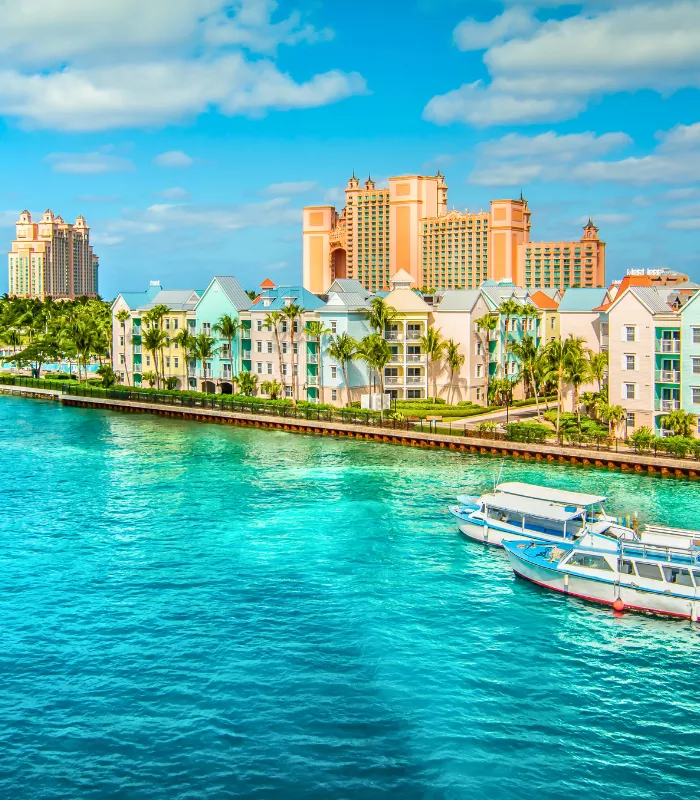
Nassau is one of the most visited cruise ports in the Caribbean.
It is also one of the most overcrowded.
On busy days, up to 20,000 cruise passengers flood a small downtown area. Straw Market vendors can be aggressive. The beaches near port are packed and noisy.
Visitors expecting a relaxing tropical escape instead find long lines, pushy sales pitches, and marked-up trinkets.
The shore excursions can cost $80 to $150 per person for experiences you could find cheaper elsewhere.
The taxi situation is another headache. Drivers charge flat rates that are rarely posted anywhere.
Some visitors end up paying $30 or more just to reach a beach that turns out to be crowded anyway.
Cable Beach and Love Beach are nicer, but they are far from the port and require planning ahead.
Downtown Nassau has some historic charm around Parliament Square. But getting there means walking through blocks of aggressive shop owners.
The uneven sidewalks and heat can make even a short walk tiring.
Nassau sees some of the highest cruise traffic of any Caribbean port, and it shows in every interaction.
2. Cozumel, Mexico, Where the Port Outshops the Reef
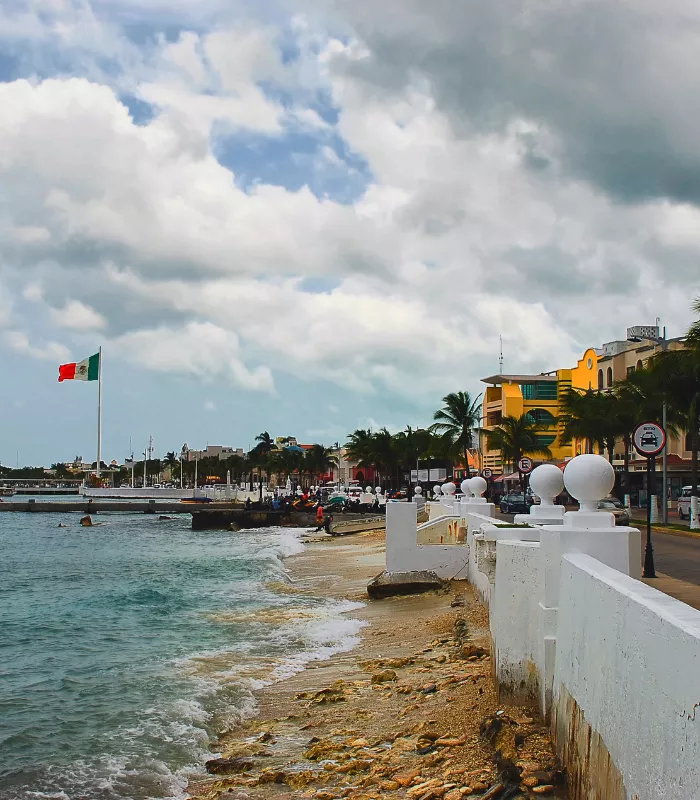
Cozumel sounds dreamy. And the water really is stunning.
But the port area is a wall-to-wall shopping strip. Jewelry stores and souvenir shops line every street.
You’re better off skipping the port town entirely and heading straight to a reef. But that means paying extra for transportation.
Cozumel hosts over 3 million cruise visitors per year. That number shows in every corner of the port.
The cobblestone streets can also be difficult to walk on.
The snorkeling and diving are genuinely world-class. But booking a good reef tour through the ship can cost $100 or more per person.
Independent tours are cheaper but require research before you arrive. Many visitors do not realize this until they are already at the pier.
The shops near the port sell the same items you will find at every other Caribbean port. Prices are marked up significantly for cruise visitors.
Restaurants right outside the pier tend to be pricier and less memorable. Better food exists further into town, but getting there takes time you may not have.
On days when three or four large ships are docked at once, the streets feel more like a theme park than a Mexican island.
Visitors who came for authentic culture and natural beauty often leave feeling like they visited a giant gift shop instead.
3. St. Maarten, Still Rebuilding Its Postcard Look
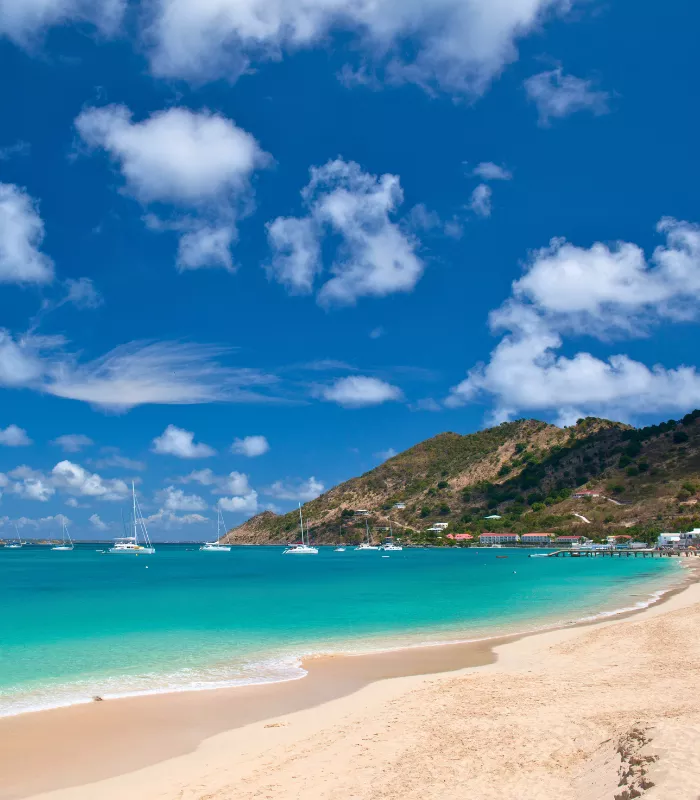
St. Maarten was once a charming dual-nation island. Hurricane Irma in 2017 caused massive damage.
Recovery has been slow. Many areas still look worn down and unfinished.
That’s why so many visitors come back disappointed. They remember photos from years ago and expect the same beauty.
Some beaches near the port have poor water quality advisories during peak cruise season.
The famous Maho Beach airplane spotting is still fun. But getting there and back eats up most of your limited port time.
Taxis to Maho Beach can cost $10 to $15 each way per person. For a couple, that adds up quickly before you have even bought lunch.
The planes landing at Princess Juliana Airport fly so low they rattle your teeth. It is exciting once. After that, the novelty wears off fast.
Orient Beach on the French side is prettier and less crowded. But it requires more travel time from the cruise pier.
Many shops and restaurants that were thriving before Irma never fully reopened. Some blocks still have boarded-up buildings years later.
The combination of hurricane damage and heavy cruise traffic has created a port that feels neither authentic nor resort-quality.
Visitors who saw St. Maarten 10 or 15 years ago are often surprised by how much has changed and not for the better.
4. Ocho Rios, Jamaica, Home to the Crowded Climb
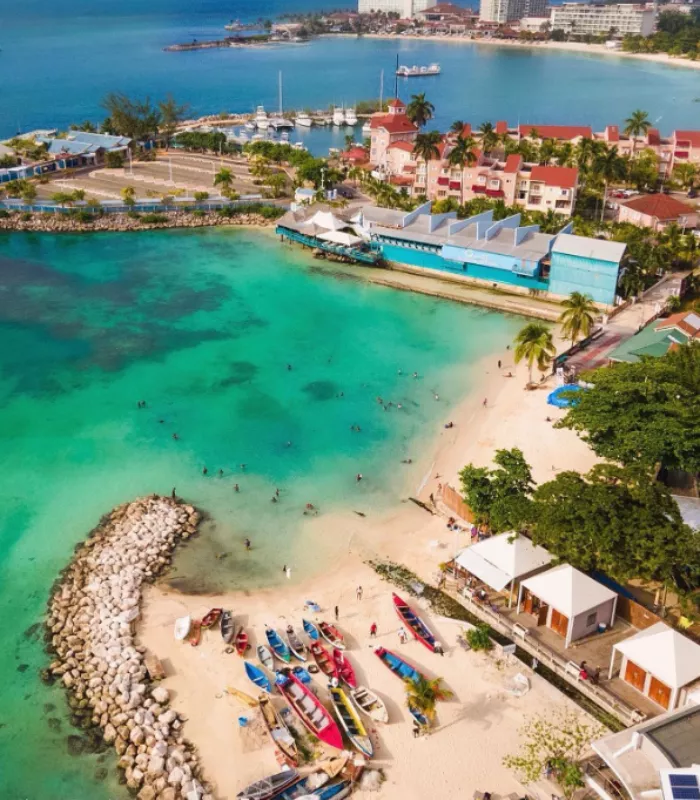
Jamaica has gorgeous scenery. Ocho Rios, however, is one of its weakest ports.
The main attraction is Dunn’s River Falls. It sounds wonderful on paper.
Thousands of tourists climb the same falls on the same day. You are holding hands with strangers the entire way up.
The climb can be slippery and demanding on the legs for anyone not used to scrambling over wet rock.
Outside the port gates, persistent vendors and taxi drivers can make walking around feel tiring.
The falls themselves are beautiful. But the experience of getting there, waiting in line, and climbing with a crowd takes away most of the magic.
Entrance fees, guide tips, and transportation can easily add up to $60 or more per person just to see the falls.
The shopping area near the port is aggressive. Vendors follow visitors and make it hard to simply browse or walk at your own pace.
Mystic Mountain is another popular option with a bobsled ride and zip line. But it is better suited for younger, more active travelers.
There are quieter, more relaxing parts of Jamaica worth visiting. Ocho Rios just does not happen to be one of them for most cruise passengers.
Many cruise passengers report feeling relieved to get back on the ship after a day in Ocho Rios, which is never a good sign.
5. Philipsburg, St. Maarten, The Duty-Free Strip and Not Much Else
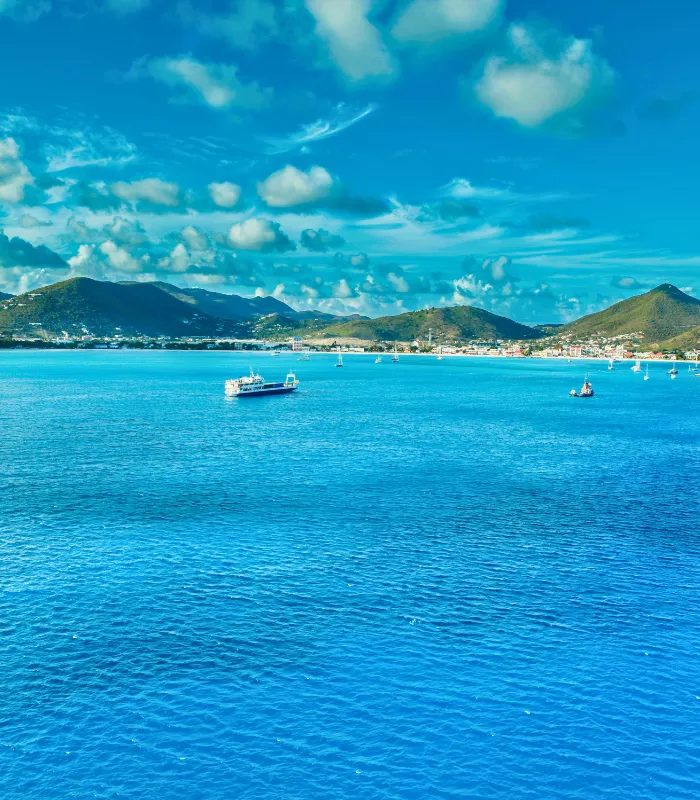
Philipsburg is the main cruise hub on St. Maarten’s Dutch side.
The beach right next to the pier looks inviting. But it sits between the port and the main road. Noise and fumes are constant.
Shopping is the main activity here. If you are not a shopper, there is very little else to do within walking distance.
Hundreds of cruise ships dock here each year, bringing in millions of visitors.
Visitors who want culture, history, or quiet nature may leave feeling like the day did not deliver much.
Front Street, the main shopping strip, is lined with jewelry stores, liquor shops, and electronics outlets. It looks the same from one end to the other.
The boardwalk along the beach is pleasant enough for a short stroll. But it gets crowded fast when multiple ships are in port.
Water sports rentals are available on the beach, but prices are high, and the area is noisy with jet skis and boat traffic.
There are a few decent restaurants along the boardwalk. But expect to wait for a table on busy cruise days.
Getting to nicer parts of the island from Philipsburg requires a taxi and eats into your already limited time ashore.
For shoppers who love duty-free deals on jewelry or alcohol, Philipsburg works. For everyone else, it is a long, loud afternoon.
6. Falmouth, Jamaica, A Port Built to Feel Like Somewhere Else
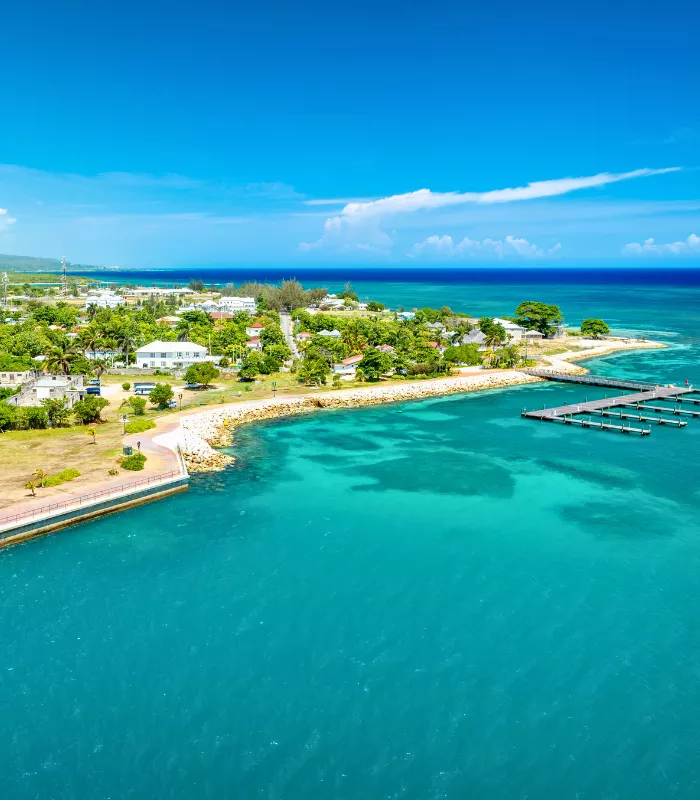
Falmouth is a purpose-built cruise port. It was designed to handle massive ships like the Oasis of the Seas.
The problem is that it feels artificial. The shops and restaurants inside the port compound are not authentic Jamaican.
I made a classic mistake once, assuming the real town was just outside the gates. It is a short walk, but the area outside can feel unfamiliar and worn compared to the polished port compound.
The port was built in 2011 specifically for Royal Caribbean’s largest ships.
Many visitors feel like they never really left the ship.
The Georgia-style colonial architecture inside the port was actually imported and reconstructed. It looks nice but has no real connection to Jamaican history or culture.
Most excursions from Falmouth require long bus rides. Dunns River Falls, for example, is still about 45 minutes away by road.
Dolphin Cove is a popular excursion nearby, but it is expensive and heavily commercialized. Prices can exceed $150 per person for a swim with dolphins.
The town of Falmouth itself has some genuine Georgian architecture that is historically interesting. But walking around independently feels daunting for many visitors.
There is little to do inside the port compound beyond shopping and eating at chain-style restaurants that offer nothing uniquely Jamaican.
Visitors consistently rate Falmouth among their least favorite Caribbean stops precisely because it delivers so little sense of place.
7. Bridgetown, Barbados, Where the Best Beaches Are an Hour Away
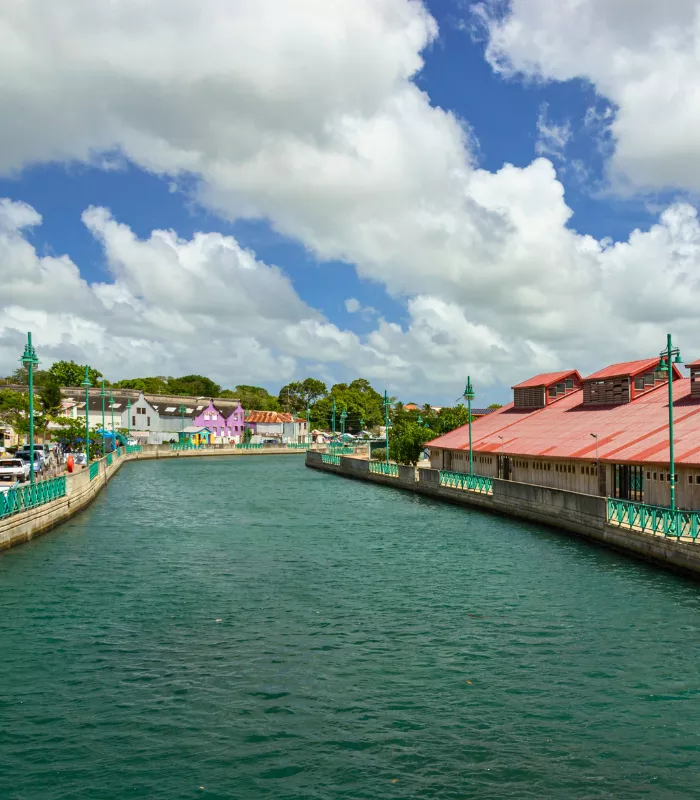
Barbados is a beautiful island. But Bridgetown, as a port stop, gets mixed reviews.
The beaches everyone wants to visit are far from the cruise terminal. You will need a taxi or bus, which costs extra and takes time.
Traffic in Bridgetown can be heavy, especially when multiple ships are in port.
Barbados sees over 500,000 cruise passengers per year. On peak days, taxis are in short supply and prices go up.
Visitors on a tight port schedule often run out of time before they reach the good parts of the island.
Crane Beach and Bottom Bay are among the most beautiful beaches in Barbados. Both are on the opposite side of the island from the cruise terminal.
A round-trip taxi fare to the East Coast beaches can cost $50 to $80 for a couple. That is before you pay for chairs, food, or drinks.
The Bridgetown city center has some history worth exploring, including a UNESCO World Heritage Site designation. But walking in the heat is not appealing to everyone.
The Pelican Craft Centre near the port sells local art and crafts. It is a pleasant stop, but it only occupies about 30 minutes of your day.
Harrison’s Cave is a popular inland attraction. But the drive, the tour, and the return trip can fill your entire port day with very little beach time left over.
Barbados deserves more than a single rushed cruise stop. The island rewards visitors who stay longer, which is exactly why it frustrates those who only have a few hours.
8. Castries, St. Lucia, A Long Drive From the Real Scenery
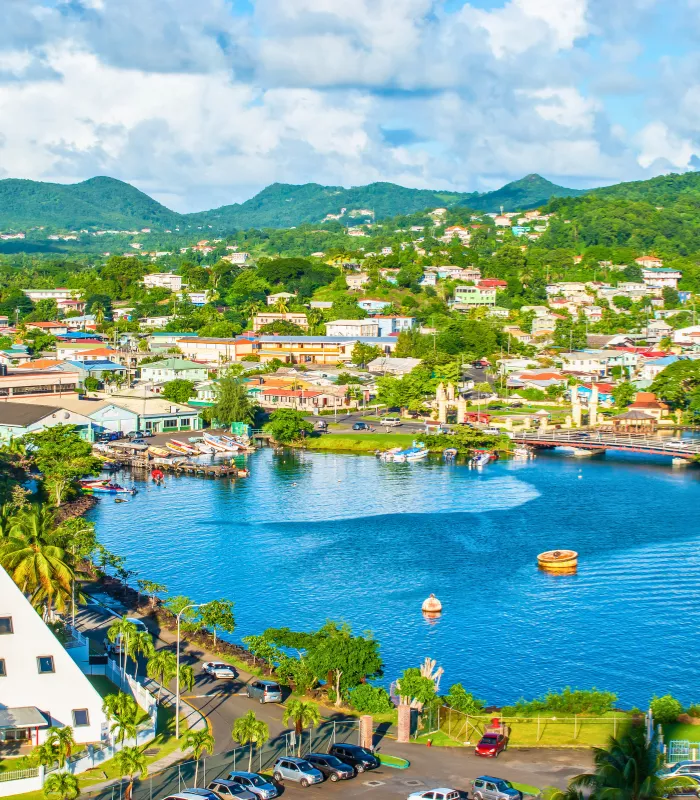
St. Lucia is one of the most beautiful islands in the Caribbean. Castries, its capital port, does not show that beauty.
The port area is busy and commercial. Getting to the famous Pitons requires a long drive south.
That’s why many visitors feel let down. They arrived expecting postcard scenery and got a busy market town instead.
A round trip to the Pitons from Castries can take 3 to 4 hours of travel time alone.
Spending most of the day in a van is not ideal for anyone short on time.
Castries Market is colorful and lively, and worth a short visit. But beyond the market, there is little in the city center that feels distinctly St. Lucian.
The roads to the south of the island are narrow and winding. Even passengers without motion sickness can find the journey uncomfortable.
Sulphur Springs, the drive-in volcano, is a fascinating stop. But it requires the same long, winding drive and leaves little time for anything else.
Reduit Beach near Rodney Bay is far more pleasant than anything near the port. Getting there by taxi from Castries adds both cost and travel time.
St. Lucia is the kind of island that rewards travelers who stay for several days. A single cruise port day simply does not do it justice.
Visitors who book a land-based resort in St. Lucia consistently rave about it. Those who visit only by cruise ship consistently feel shortchanged.
9. Charlotte Amalie, St. Thomas, Built for Buying, Not Browsing
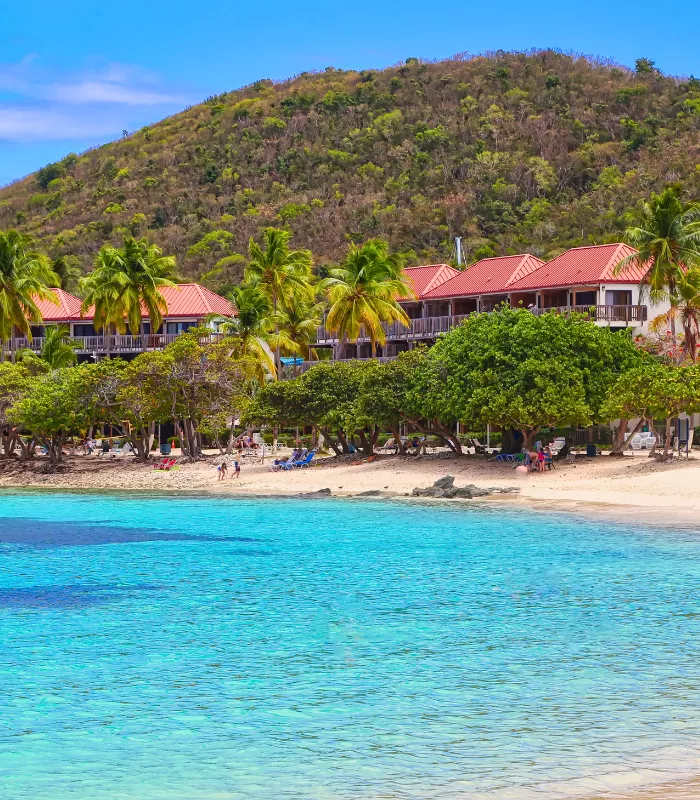
St. Thomas is a popular duty-free shopping port. If shopping is your goal, it delivers.
But for visitors who want beaches, history, or peace and quiet, it often falls short.
The port can feel overwhelming. Multiple large ships dock at the same time. Lines for taxis and ferries stretch long.
St. Thomas is one of the busiest cruise ports in the entire Caribbean, with over 1.5 million cruise visitors each year.
You’re better off skipping this one if you are not planning to buy jewelry or electronics. The crowds simply are not worth it.
Magens Bay is frequently listed among the most beautiful beaches in the world. But getting there from the cruise pier requires a taxi and costs extra per person at the gate.
By midday, Magens Bay is packed with cruise visitors. Finding a quiet spot on the sand is nearly impossible during peak season.
The historic 99 Steps and Fort Christian are interesting stops in Charlotte Amalie. But the heat and hills make them a slower go on foot.
Hassel Island, just across the harbor, offers a quieter and more scenic experience. But most cruise passengers never hear about it because it does not involve shopping.
The jewelry stores in Charlotte Amalie are famous for deals on diamonds and gold. If that is your thing, great. If not, the port has very little else to offer.
St. Thomas is proof that a port can be wildly popular and still be the wrong choice for travelers who are looking for something other than a bargain on a bracelet.