

From Friday night video rentals to the lunch counter at the five and dime, these 17 brands were once part of everyday life.
Some closed after bankruptcy, some were swallowed by bigger rivals, and some simply faded as the world moved on.
What they share is the place they still hold in memory, and the stories people still tell about them.
1. Blockbuster
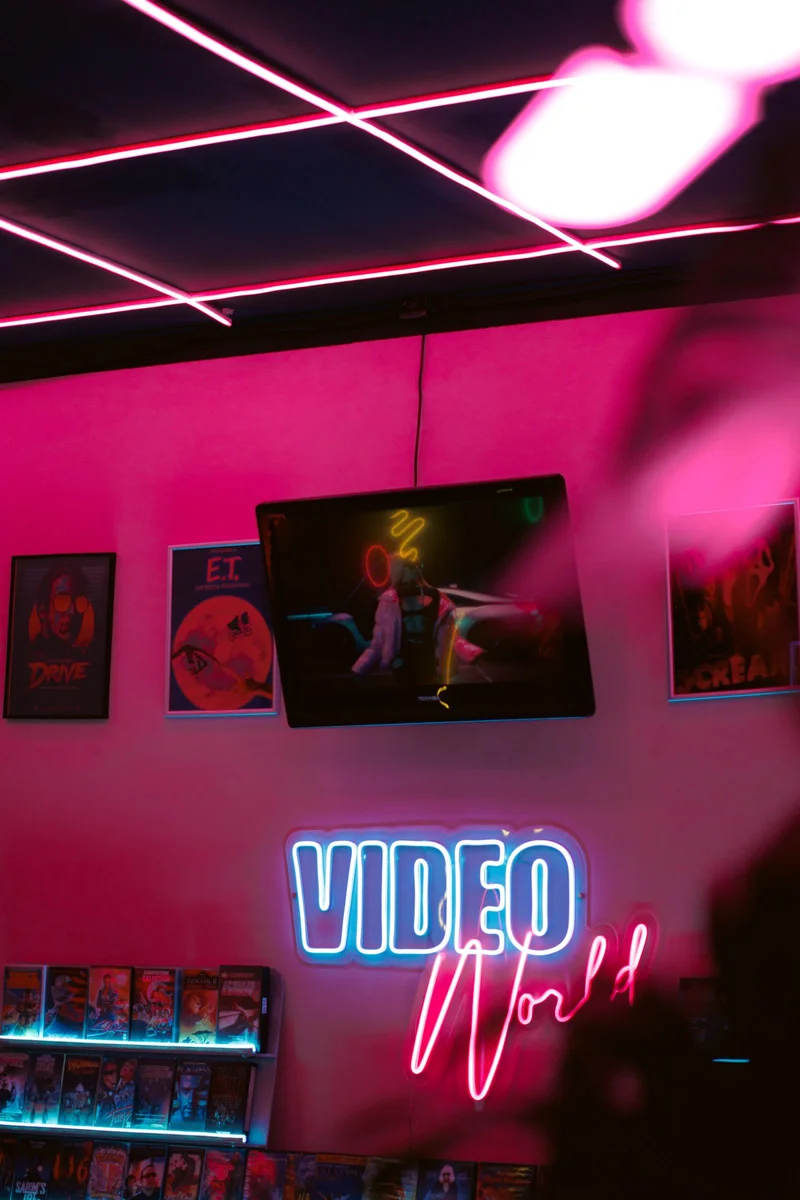
For a whole generation, Friday night started with a trip to Blockbuster.
Browsing the shelves, arguing over which movie to rent, and hoping the copy you wanted was actually in stock was half the fun.
The smell of plastic cases and popcorn, the gumball machine by the door, and the dread of late fees are all part of the memory.
Streaming made the whole ritual obsolete, and the last corporate stores closed in 2013 and 2014.
Only one franchise store remains, in Bend, Oregon, and it now feels more like a museum than a shop.
2. Toys “R” Us
Walking into Toys R Us as a kid felt like stepping into a warehouse built entirely for children.
The wide aisles, the towering shelves, and the holiday displays made even a regular shopping trip feel like an event.
Parents remember the sensory overload of it all, and kids remember the impossible job of choosing just one thing.
The chain closed its American stores in 2018 after bankruptcy, and the big box stores never came back.
The name survives in small shops inside Macy’s, but fans say it is not the same store they grew up with.
3. Woolworth
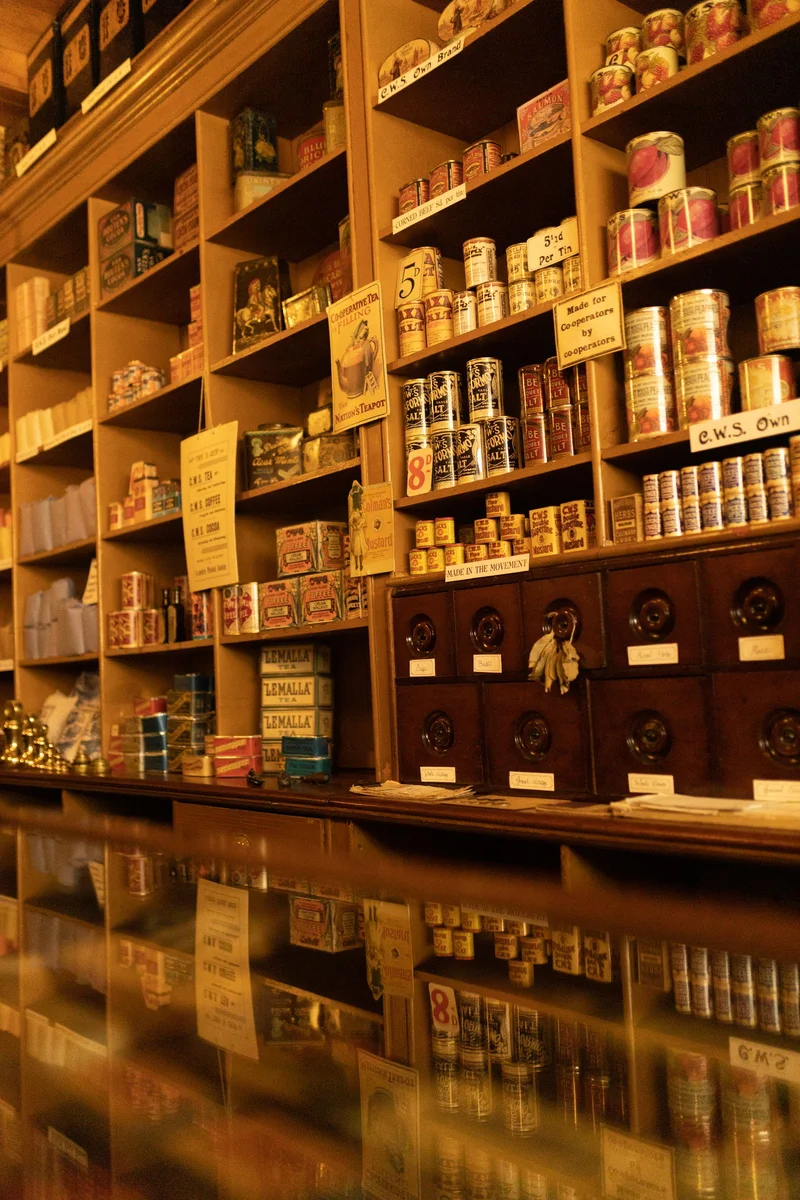
Woolworth was the original five and dime, a downtown anchor where a few coins bought penny candy and a toy.
The lunch counter was the heart of the store, with tomato soup, grilled cheese, milkshakes, and banana splits served on spinning stools.
Shoppers remember it as a place where the whole family could afford a treat, and where many teenagers got their first job.
The American stores closed in 1997, and the company eventually became Foot Locker.
British Woolworths held on longer, closing in 2008 and 2009, but the five and dime itself is gone on both sides of the Atlantic.
4. Pan Am
Pan Am was the airline that made flying feel glamorous, with white gloved service, real meals, and caviar and champagne in the cabin.
For decades it was the face of American aviation abroad, and its blue globe logo was recognized around the world.
Passengers remember spacious seats, formal dress, and a sense that a flight was an occasion, not a chore.
The airline ceased operations in December 1991, a casualty of rising costs and a changing industry.
What remains is the memory of the glory days, and a name that still stands for the golden age of air travel.
5. Kodak film cameras
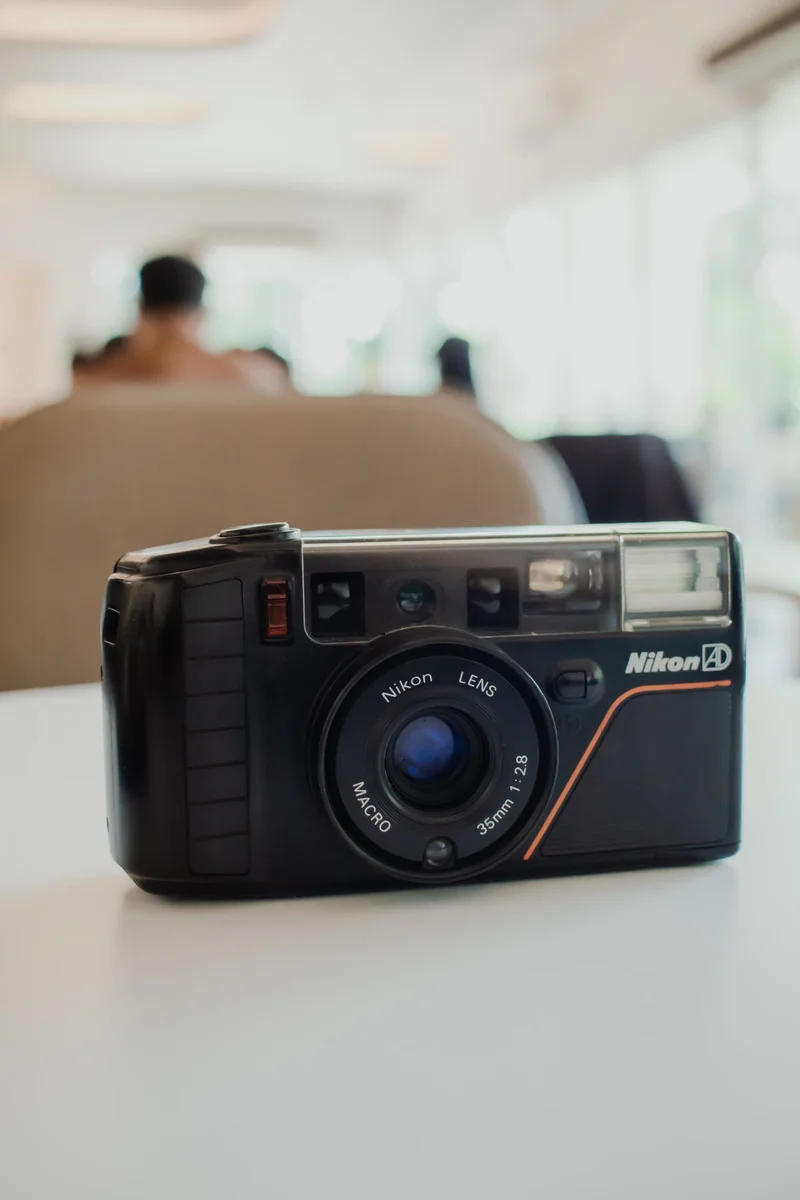
Kodak put a camera in nearly every home, and its film turned birthdays, holidays, and vacations into photographs.
Loading a roll, advancing the film, and waiting days for the prints to come back was part of the experience.
Families remember dropping film at the drugstore, mailing it away in Kodak envelopes, and stopping at Fotomat booths.
The wait had a price, though, since nobody knew until the prints arrived whether the pictures had turned out at all.
Kodak stopped making film cameras in the 2000s and filed for bankruptcy in 2012, and the drugstore developing ritual went with it.
6. Sears
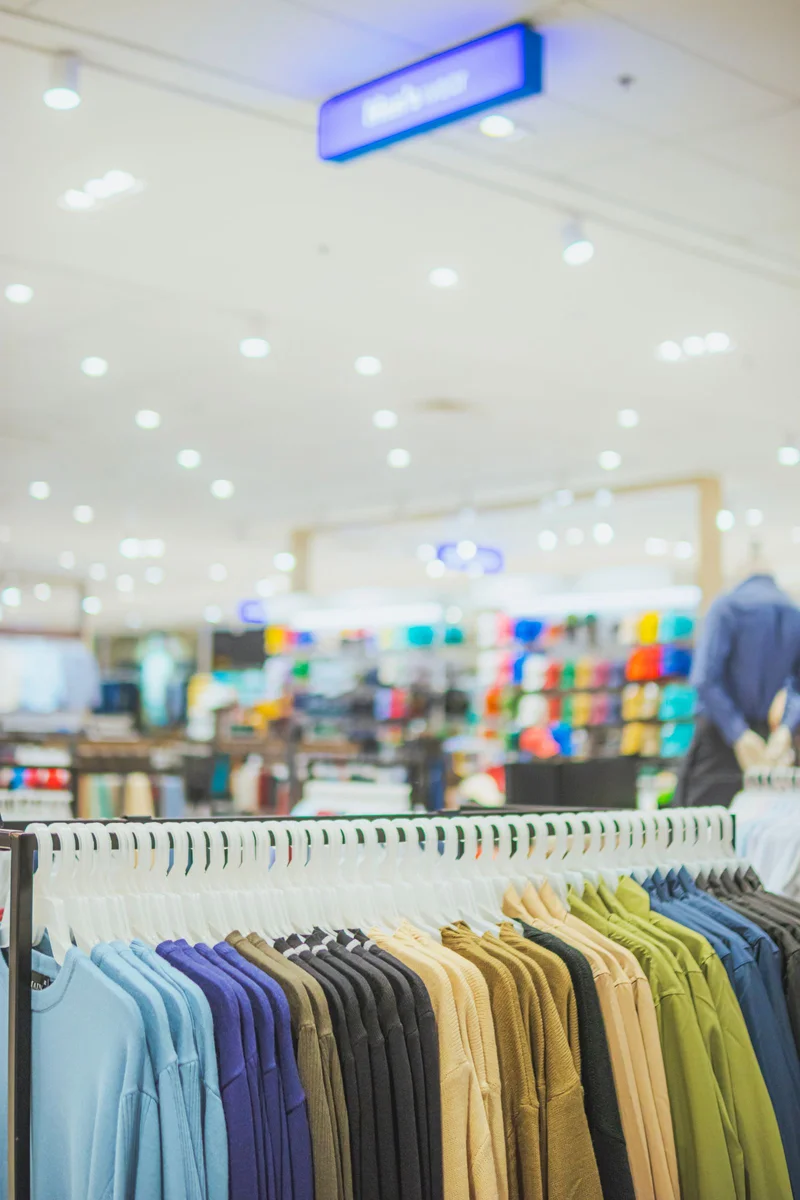
Sears was once the biggest retailer in America, and its catalog reached homes that no store ever could.
The Wish Book was the Christmas bible for generations of kids, who circled toys in pencil and waited weeks for the delivery.
Shoppers remember the smell of roasting peanuts and popcorn at the candy counter, and buying Craftsman tools and Kenmore appliances built to last.
The chain filed for bankruptcy in 2018 and shrank from thousands of stores to a handful.
The catalog is gone, the Wish Book is gone, and the department store that once sold everything from houses to washing machines is nearly gone too.
7. Montgomery Ward
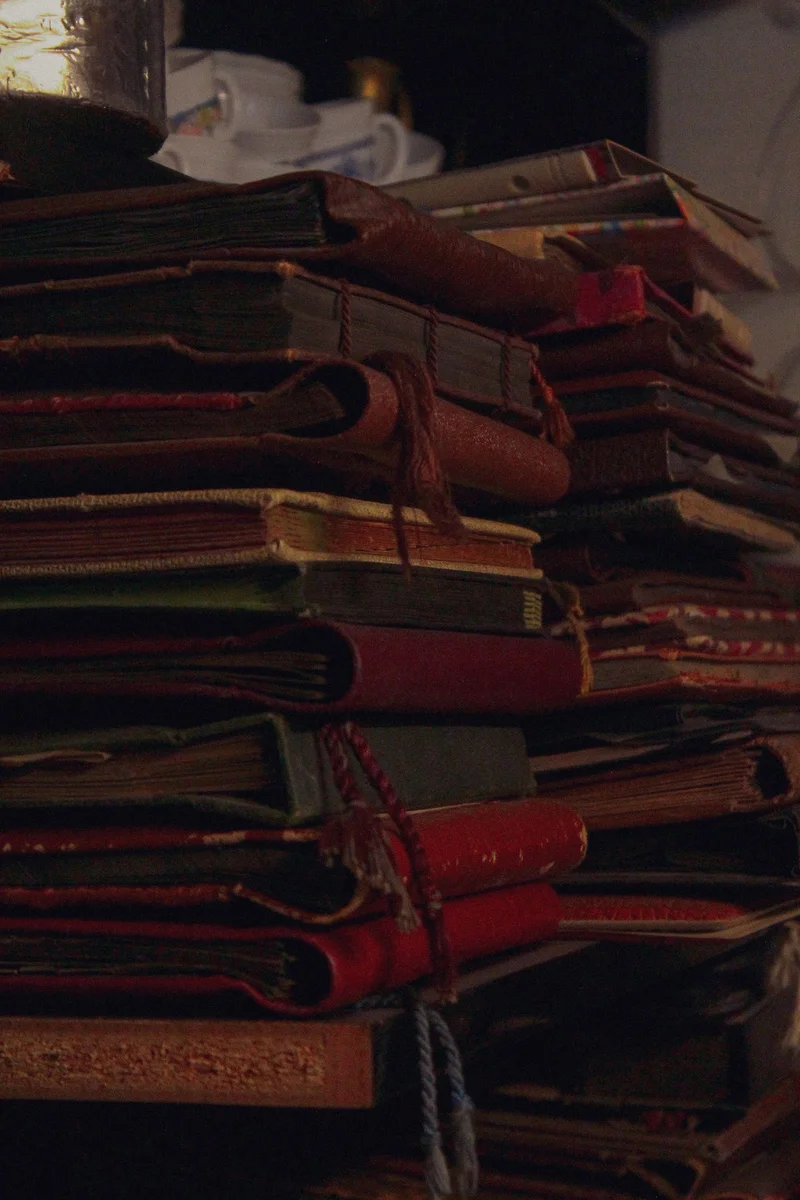
Montgomery Ward was Sears’ great rival, and its thick catalog was a fixture in farmhouses and small towns across America.
The stores were where families bought school clothes, appliances, and furniture, often on credit through the catalog.
Old customers still call it Monkey Wards, a nickname said with real affection.
The stores closed in 2001 after bankruptcy, ending more than a century of trading.
The name lives on as an online only retailer, but the department stores themselves are gone for good.
8. Circuit City
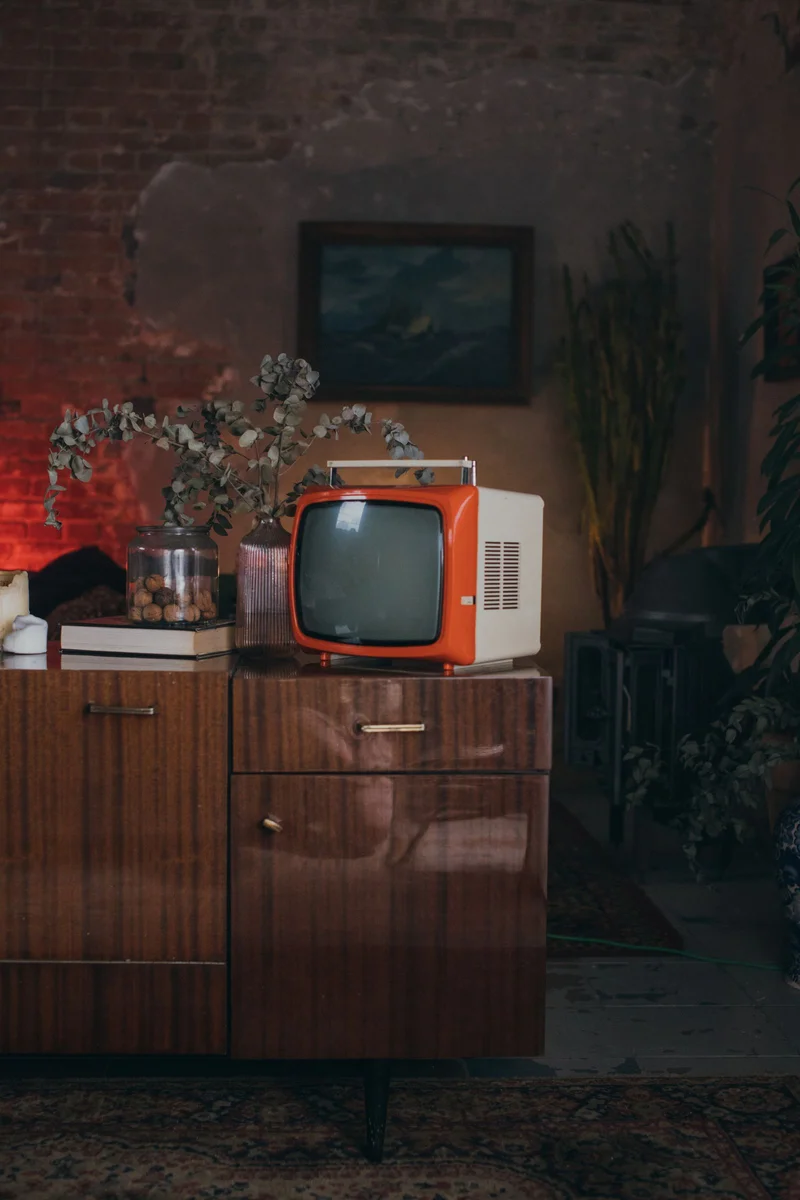
Circuit City was the place to go when a family needed a television, a stereo, or a video game console.
Shoppers remember flipping through the Sunday flyers, circling deals, and spending hours comparing models on the sales floor.
The car audio department was a particular favorite, and many former employees still tell stories about working there.
The American stores closed in 2009 after bankruptcy, and the big box electronics era went with them.
The name was later revived online, but the red and white stores that anchored so many shopping centers never returned.
9. Borders
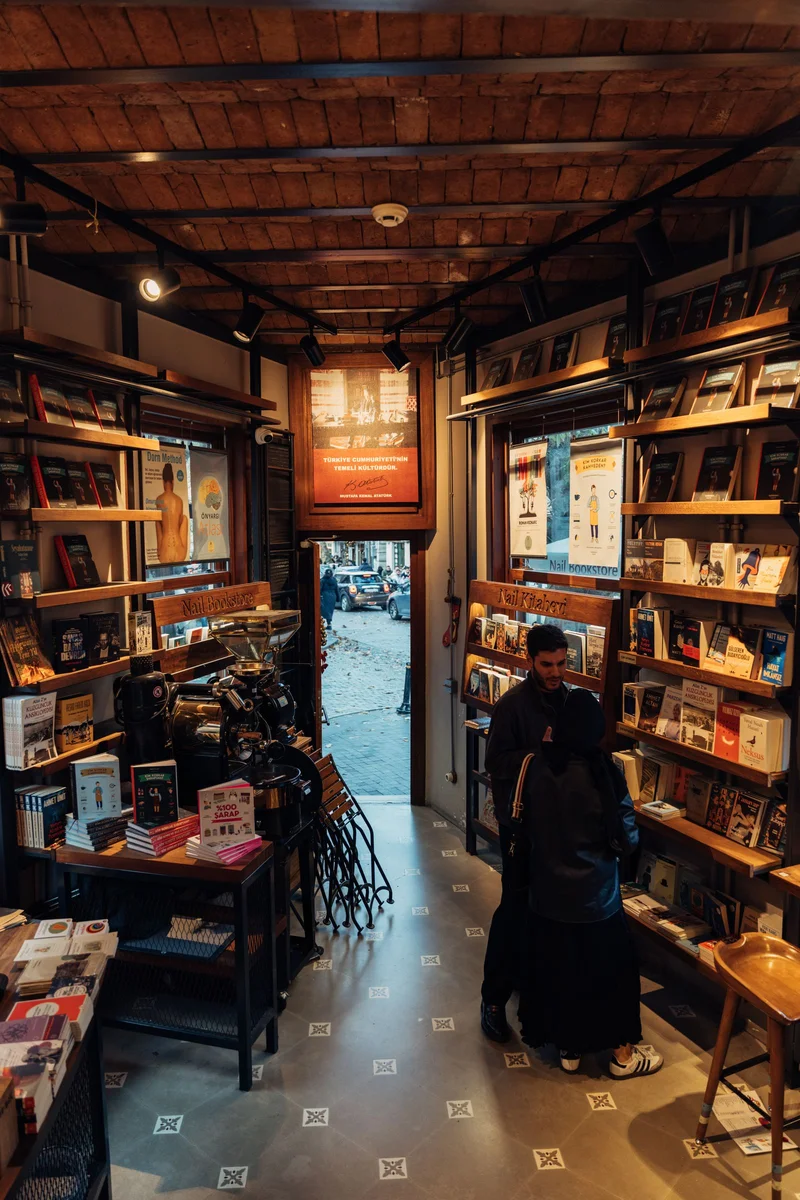
Borders was more than a bookstore, it was a place to spend an evening, with armchairs, a cafe, and shelves that invited browsing.
Regulars remember sampling music on headphones, reading in the cafe, and losing hours in the history or sports sections.
Parents took their children to the kids section, and teenagers saved up for Harry Potter release nights.
The American stores were liquidated and closed in 2011, done in by online retail and the rise of ebooks.
The loss still stings, because Borders was one of the last true third places, a shop that welcomed people to stay.
10. RadioShack
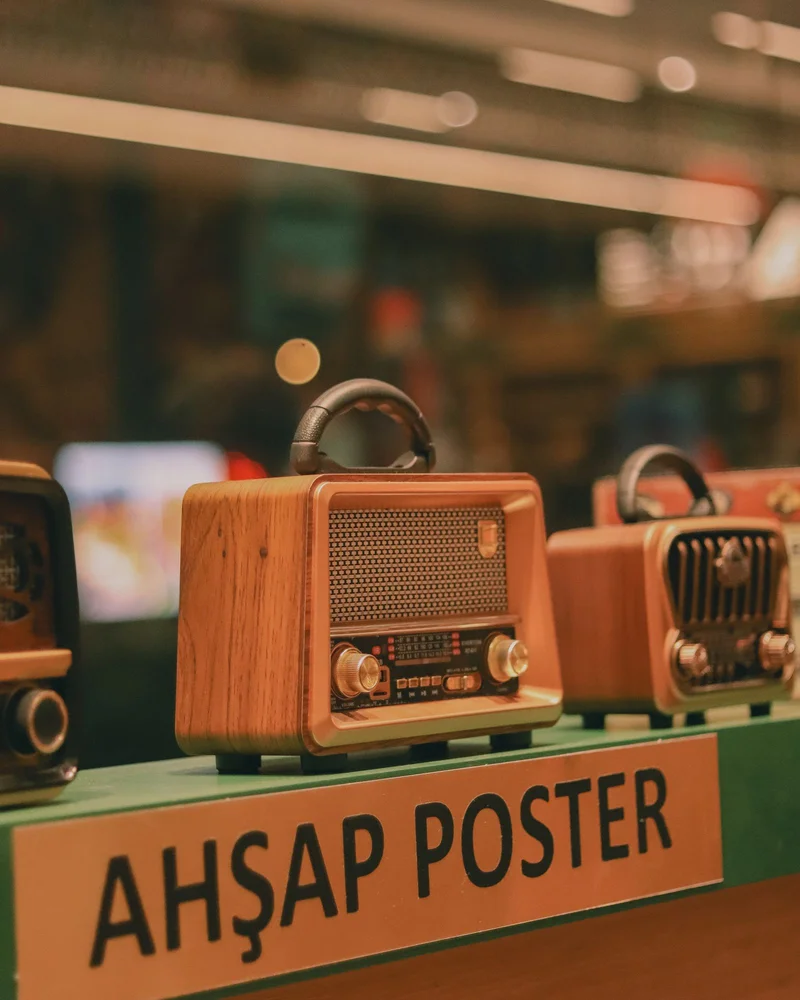
RadioShack was the shop for anyone who liked to build, fix, or tinker with electronics.
The bins of resistors and capacitors, the CB radios, the TRS-80 computers, and the free battery club made it a fixture for hobbyists.
Staff were famously knowledgeable, and many customers remember being helped by someone who actually understood the gear.
The chain filed for bankruptcy in 2015 and again in 2017, and nearly all of its stores closed.
The name survives online and in a few independent dealer stores, but the neighborhood electronics shop is gone.
11. Howard Johnson’s
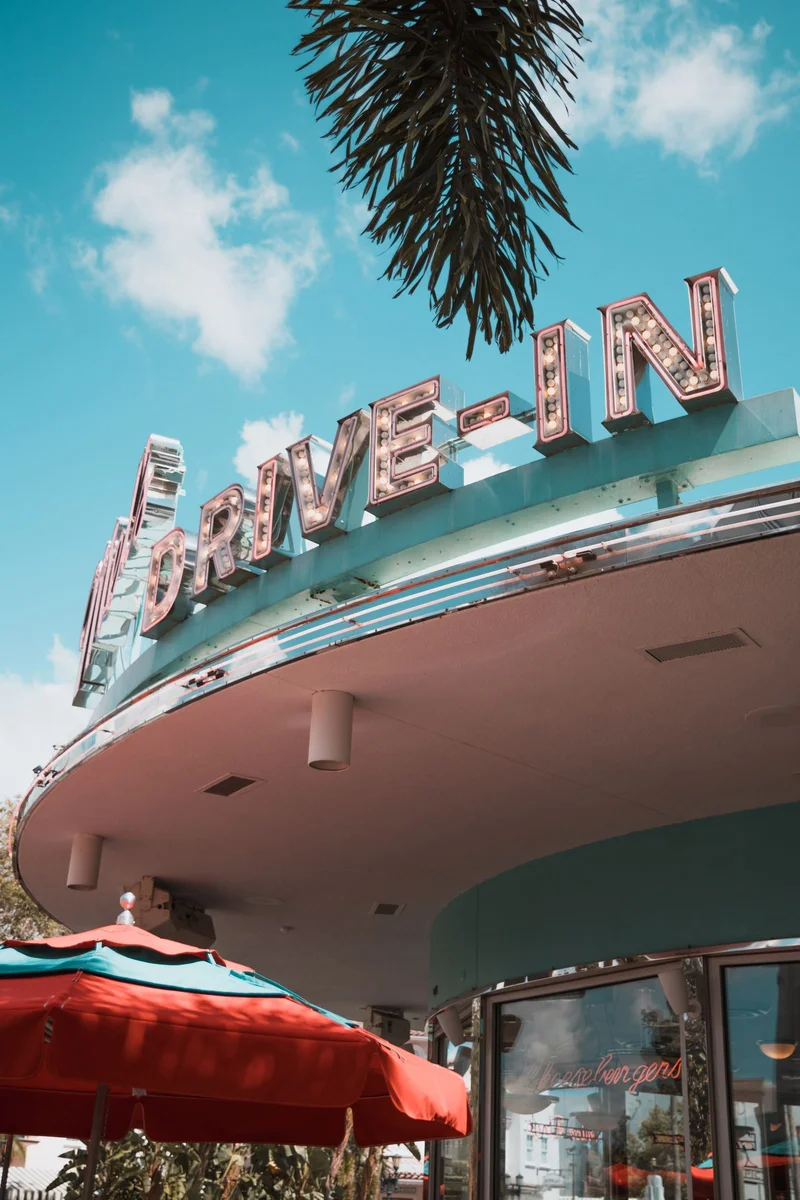
Howard Johnson’s orange roof was a welcome sight on any long road trip, promising a proper meal and a clean bed.
The chain was famous for its 28 flavors of ice cream, and for fried clam strips that regulars still talk about decades later.
Families remember stopping on the New Jersey Turnpike and the Massachusetts Turnpike, and staying in the motor lodges on summer vacations.
At its peak in the 1960s, there were more than 1,000 Howard Johnson’s locations across America.
The last restaurant closed in 2022, and while the hotel brand survives under Wyndham, the orange roofed restaurants are gone.
12. Tower Records
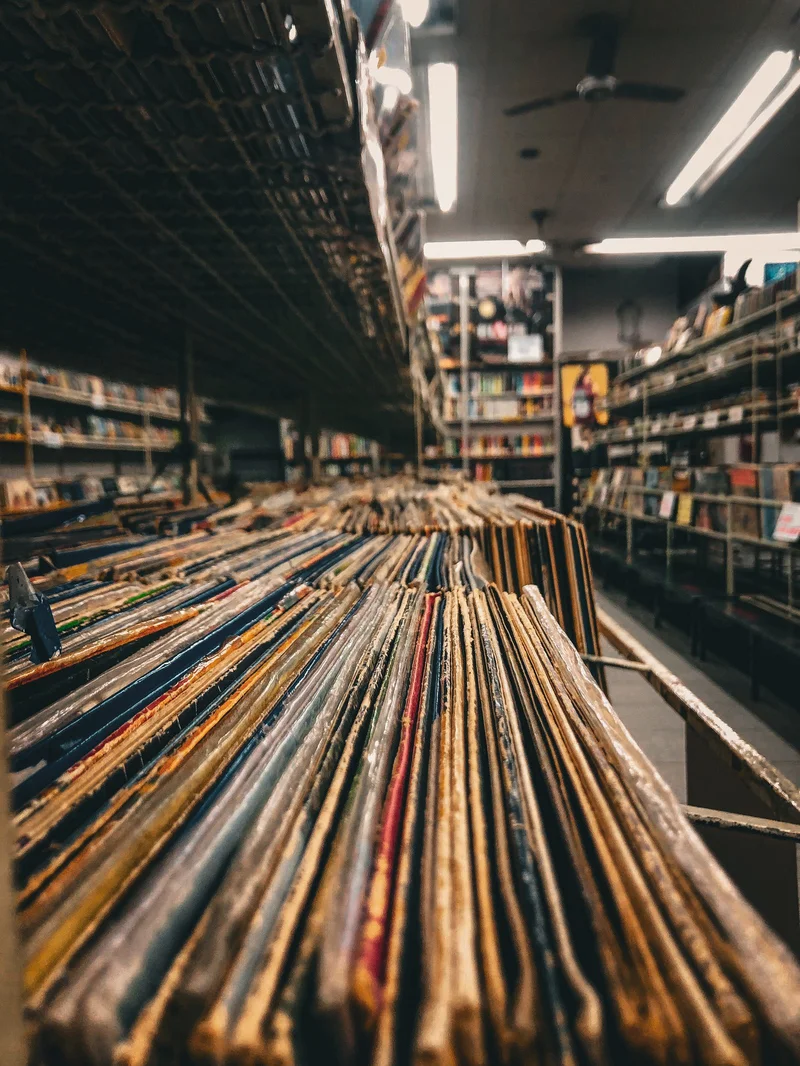
Tower Records was a temple for music lovers, with towering shelves of vinyl, cassettes, and later CDs.
Shoppers remember flipping through albums for hours, studying the artwork, and using the listening stations before they bought.
The stores hosted in store appearances by major artists, and sold concert tickets alongside the records.
The American stores closed in 2006 after bankruptcy, as downloads and streaming took over.
A few stores survive abroad, most famously in Shibuya, Tokyo, but the American chain that defined record shopping is gone.
13. TWA
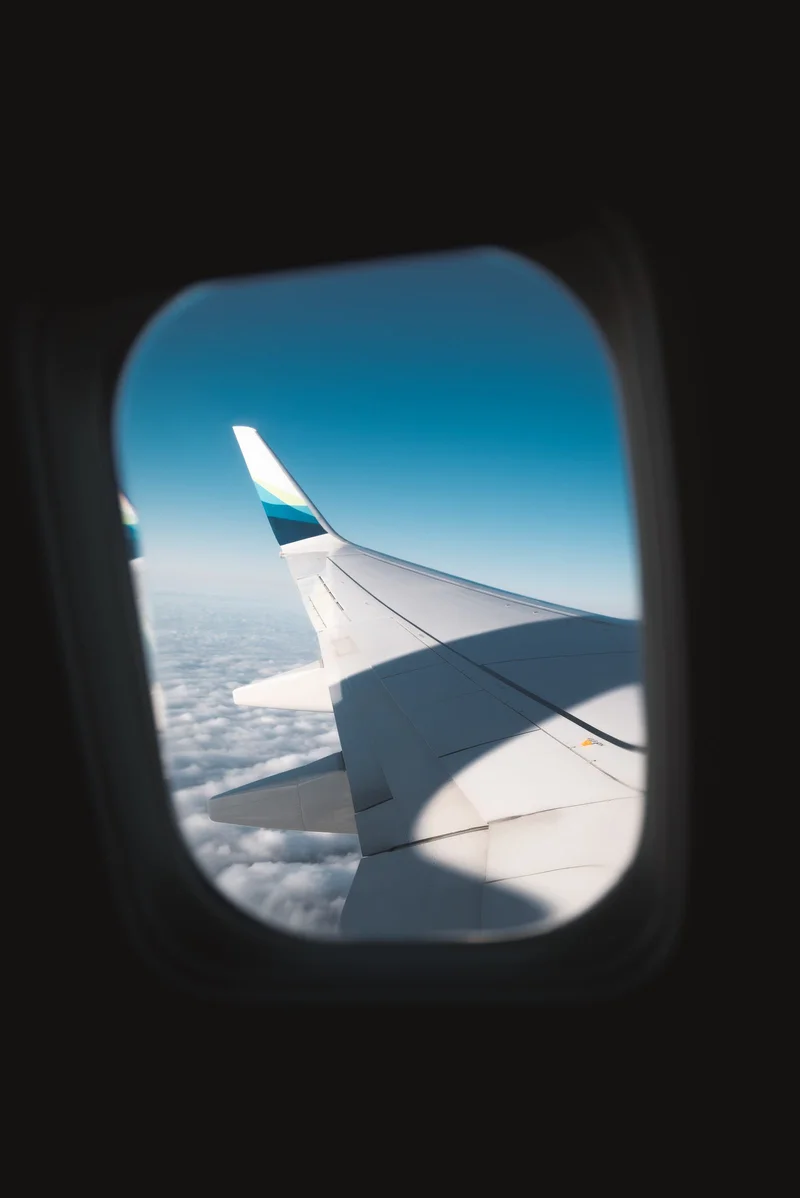
Trans World Airlines was one of the great names of the jet age, flying Americans to Europe and beyond in style.
Its hub at St. Louis Lambert Airport was once one of the busiest in the country, with nonstop service to London, Frankfurt, and Paris.
Passengers and crew remember the Lockheed L-1011 TriStar in particular, praising its smoothness, its spaciousness, and its quiet engines.
American Airlines acquired TWA in 2001 and absorbed it completely, and the TWA brand disappeared.
The red and white livery is gone from the skies, but former employees and frequent flyers still trade stories about the airline.
14. A&P
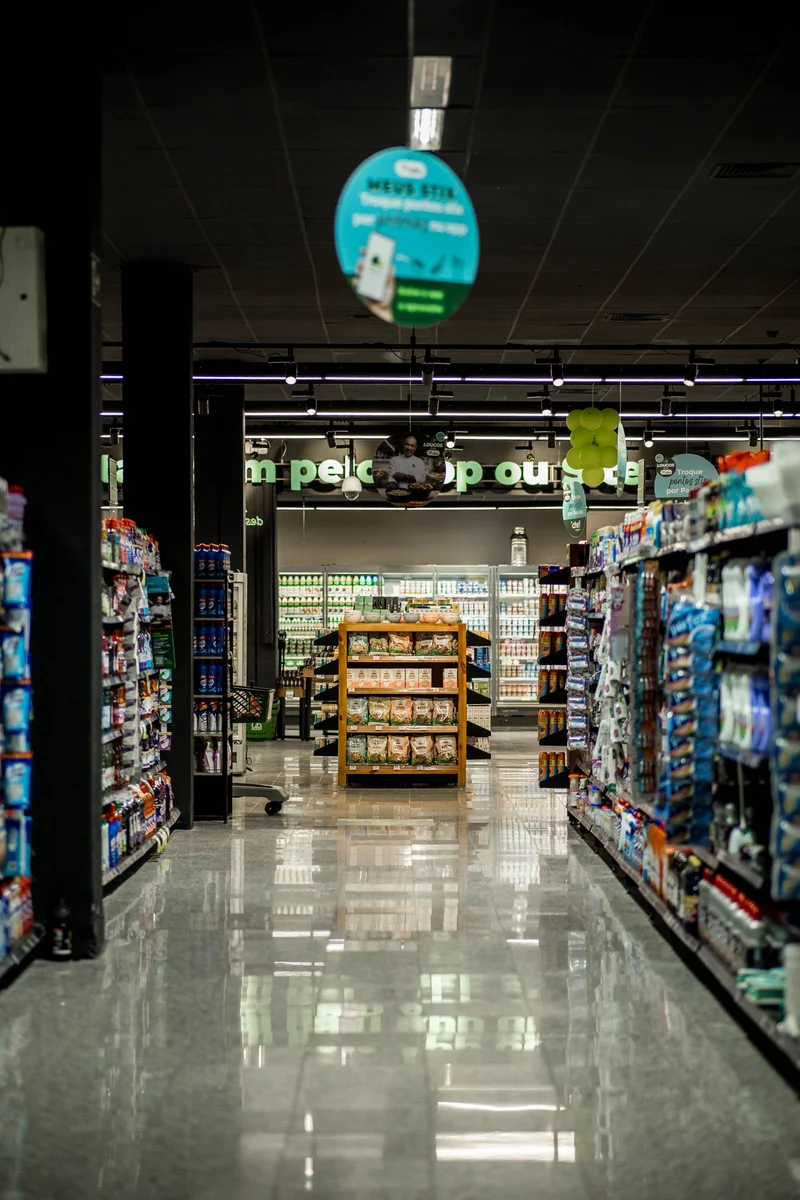
The Great Atlantic and Pacific Tea Company was once the largest grocery chain in America, with stores in nearly every town on the East Coast.
Shoppers remember the aroma of coffee being ground at the checkout, and the Jane Parker cakes and Ann Page pies in the bakery aisle.
The store’s own 8 O’Clock Coffee became a brand in its own right, and many teenagers got their first job there as bag boys or cashiers.
The last A&P stores closed in 2015 after bankruptcy, ending a history that stretched back to 1859.
Modern supermarkets are bigger and brighter, but old customers say none of them smells like an A&P did.
15. CompUSA
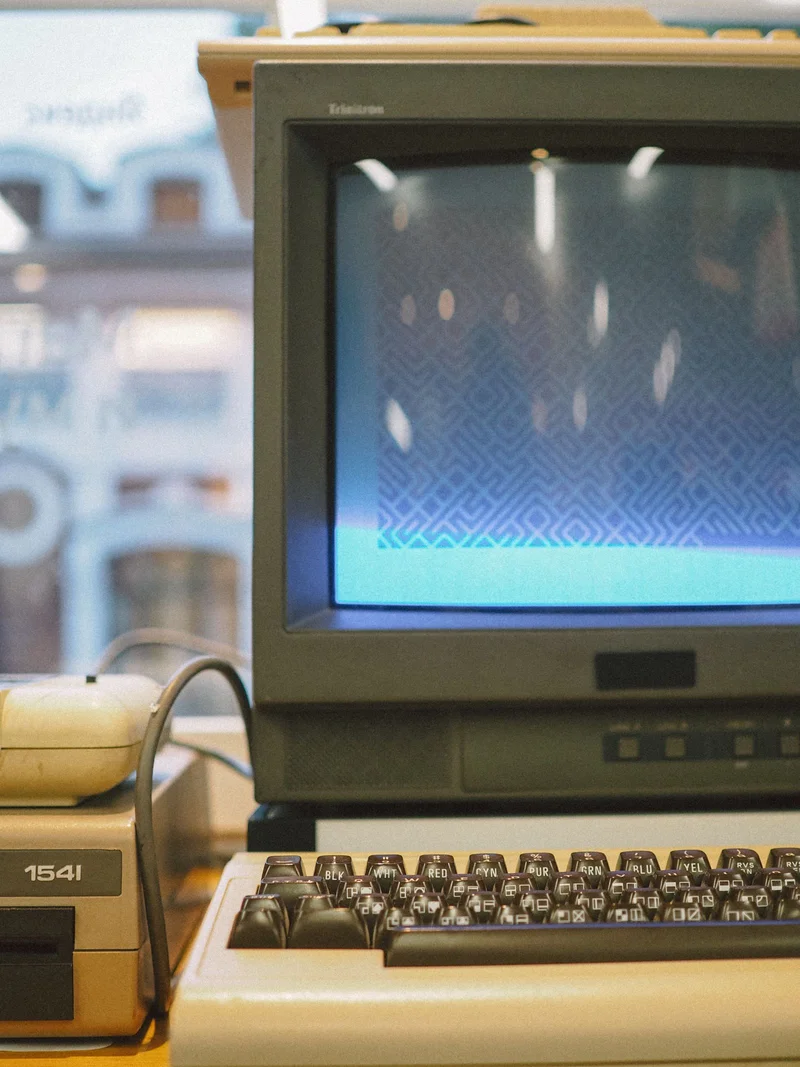
CompUSA was the computer superstore of the 1990s, a warehouse full of boxed software, PC games, and hardware.
Shoppers remember browsing the long aisles of CD-ROM games, comparing graphics cards, and buying their first home computer there.
For many teenagers, the store felt like a playground, and getting a first PC at CompUSA was a rite of passage.
The high prices of 1990s computers did not stop people from dreaming, and the store was always crowded on weekends.
The stores closed in 2007 and 2008 after bankruptcy, and the name later survived only online.
The big box computer store is gone, and with it the era of buying software in a box off a shelf.
16. KB Toys
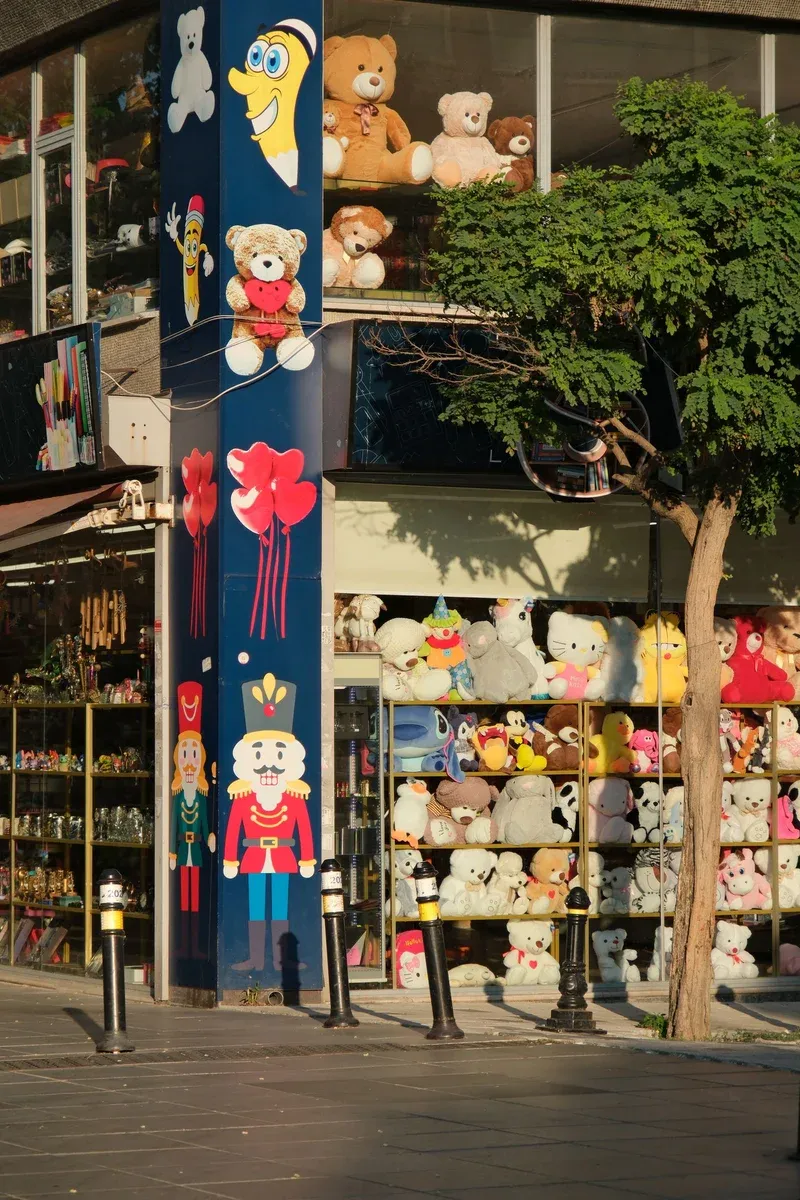
KB Toys, known to everyone as Kay-Bee, was the toy store in nearly every mall in America.
The small, densely packed shops were famous for sale bins, three for ten dollar action figures, and a front display of battery operated toys.
Kids remember buying Transformers, Star Wars figures, GI Joe, and Pokemon cards there, and the distinctive smell of the store.
Many former employees say it was their first job, and they still remember the chaos of the holiday season.
The stores closed in 2009 after bankruptcy, and the mall toy store went with them.
The name was used briefly online, but nothing replaced the experience of wandering a Kay-Bee on a Saturday afternoon.
17. Eastern Air Lines
Eastern Air Lines was the airline of the East Coast, flying families to Florida and the Caribbean for generations.
Its L-1011 TriStar, with the famous hockey stick livery, was beloved by passengers and crew alike for its quiet engines and smooth ride.
Many families have a connection to the airline, as pilots, flight attendants, mechanics, or reservation agents.
The airline ceased operations in 1991 after bankruptcy and a bitter strike, ending more than 60 years of flying.
The brand name was later used by unrelated small carriers, but the original Eastern is gone.
Fans still call it The Wings of Man, and still say, bring back Eastern Airlines.