

These are the antiques parents and grandparents guarded for decades, polished on Sundays, and planned to pass down one day.
The trouble is that the next generation does not want them, and the generation after that wants them even less.
Heavy furniture, fragile sets, and collections that need dusting have lost out to smaller homes, busier lives, and simpler tastes.
Here are 18 antiques your kids will almost certainly never want, and why each one has fallen out of favour.
1. Fine China Sets
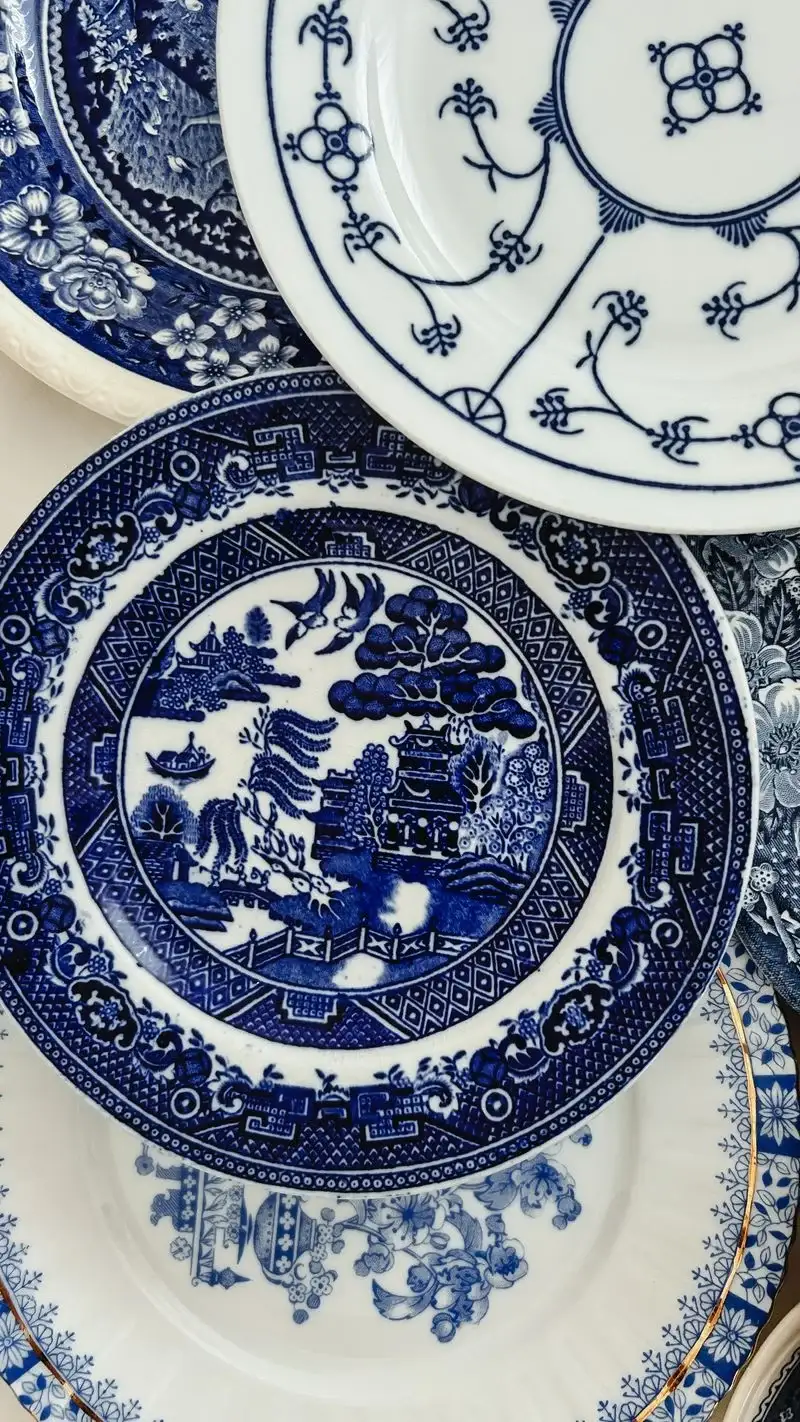
Fine china sets were once the proudest thing in a dining room, saved for holidays and handed down like an heirloom.
Collectors say the sets need hand washing, careful storage, and a full cabinet of their own, which is more work than most younger households are willing to take on.
Many adult children grew up watching the good plates come out twice a year, and they would rather eat off everyday dishes or paper plates than keep a 60 piece set they never use.
Some people worry about old glazes and lead, while others simply have no room for a formal service in a small kitchen.
The sets still turn up at estate sales and thrift stores, and a few creative owners have started turning spare plates into tiered trays rather than keeping the whole service intact.
2. Crystal Stemware
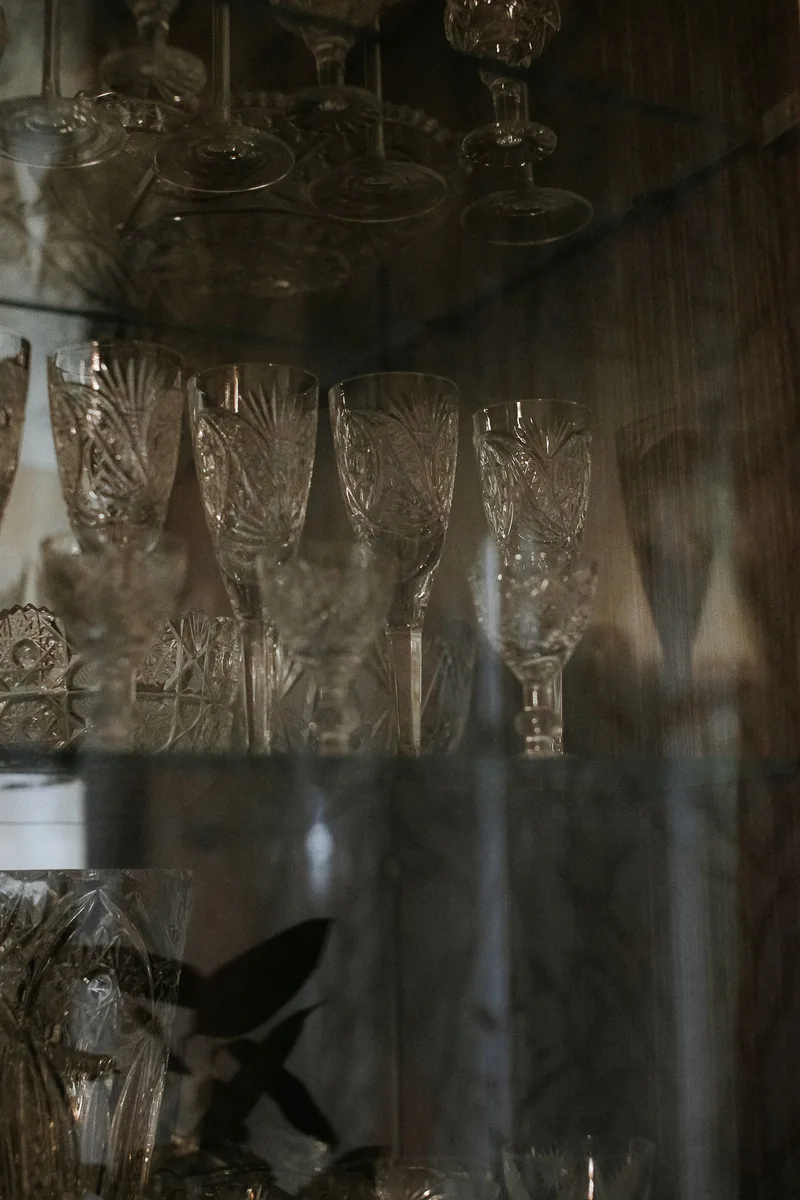
Crystal stemware, especially Waterford, was a wedding gift that signalled a household had arrived.
Fans of the old sets say the glasses are beautiful but fragile, and they chip easily, cloud in the dishwasher, and demand hand washing after every use.
Younger people who inherit a cabinet full of crystal often have no idea what to do with it, and many simply pass it on or leave it behind when a parent downsizes.
Owners note that a full set takes up a whole shelf and only gets used a handful of times a year, if it gets used at all.
Some families keep a few favourite pieces and let the rest go, because nobody wants to be the keeper of a dozen delicate glasses that no one drinks from.
3. Porcelain Dolls
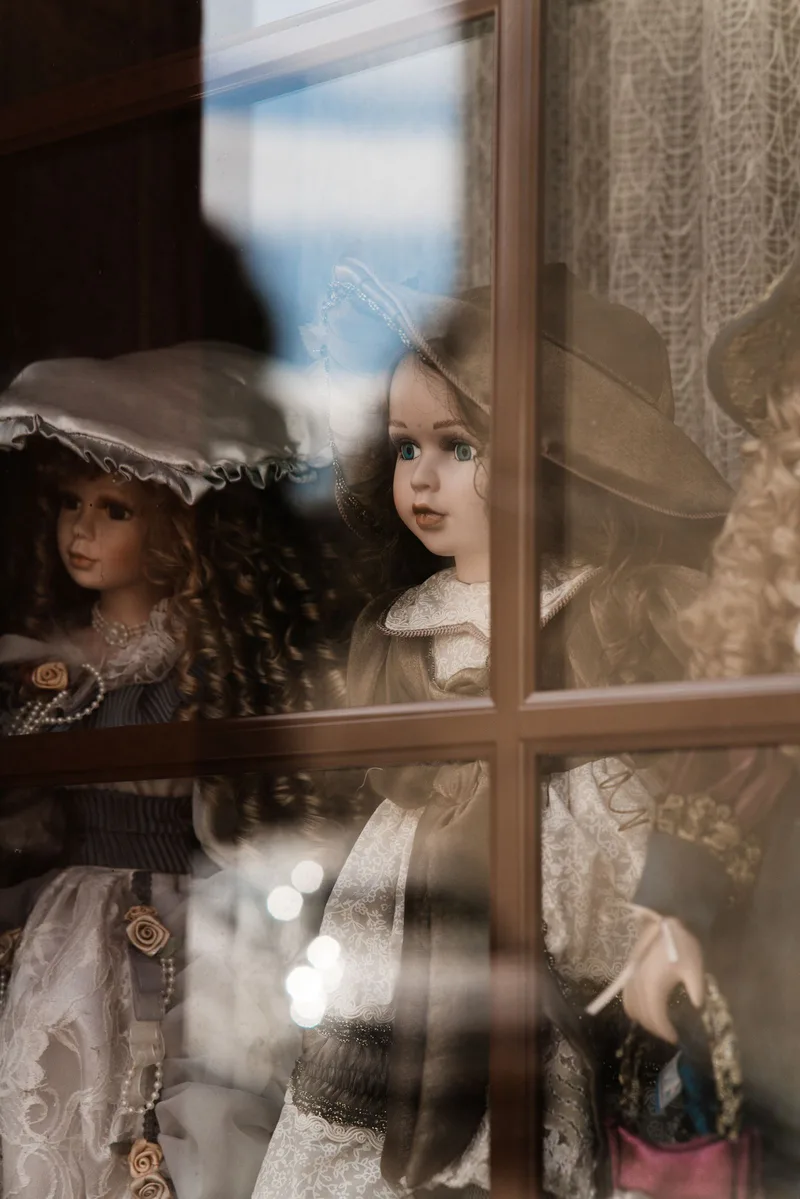
Porcelain dolls were collected by the dozen, and many mothers and grandmothers kept whole shelves of them in their original boxes.
Enthusiasts say the dolls were bought as investments, often through television shopping channels, but a boxed doll that cost 50 dollars in the 1990s now sells for about 20 dollars, if it sells at all.
Children who grew up with the dolls often found them creepy, and plenty of people admit the glassy stares gave them nightmares.
The next generation has no interest in displaying a row of fragile dolls, and the collections usually end up donated, given away, or packed into boxes nobody opens.
Collectors still love them, but the wider market has moved on, and a doll that once seemed precious now reads as clutter to most families.
4. Upright Pianos
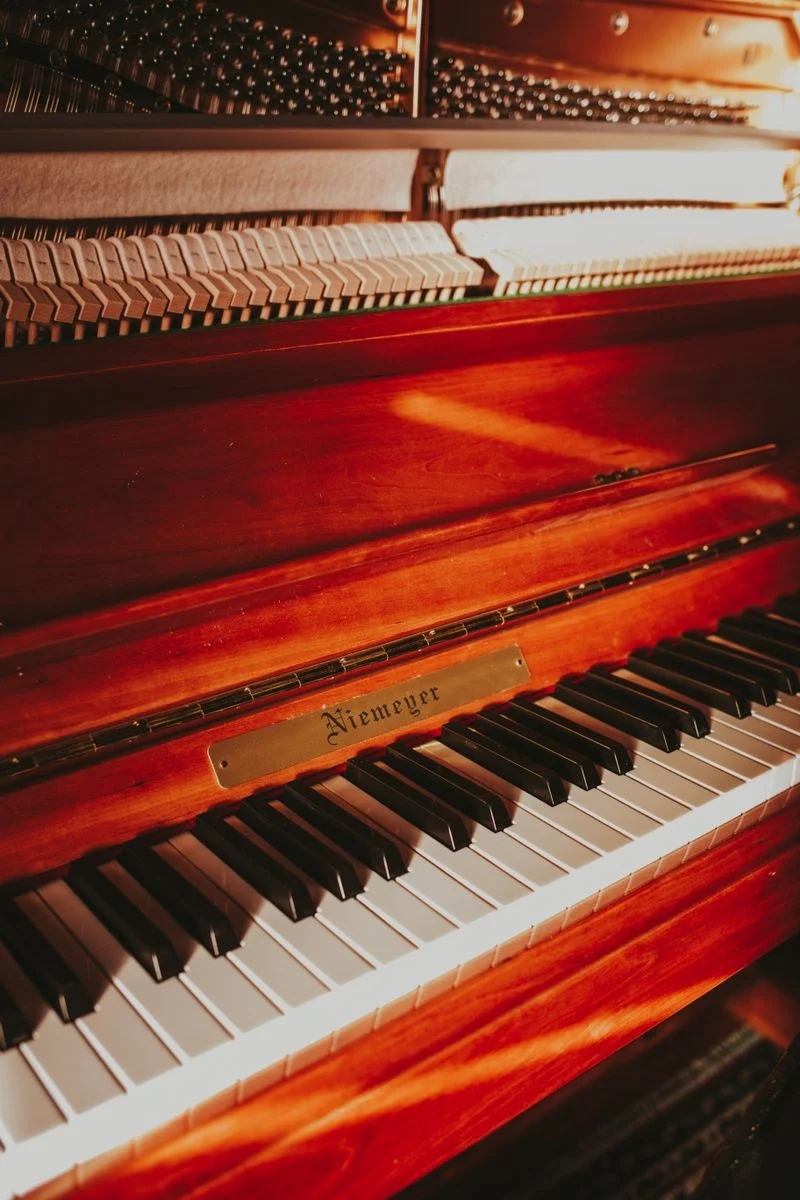
An upright piano was once the centre of a family living room, and learning to play was almost expected.
Owners say the problem now is size and weight, because moving a piano needs specialists, a van, and a strong back, and few people have a spare wall for one.
Old uprights also need regular tuning, and repairs on a neglected instrument can cost more than the piano is worth.
Families trying to give one away often find no takers at all, even for free, and some pianos end up dismantled or left on the curb.
Digital keyboards have taken their place for most beginners, which leaves the big wooden upright as a beautiful object that almost nobody has room for anymore.
5. Encyclopedia Sets
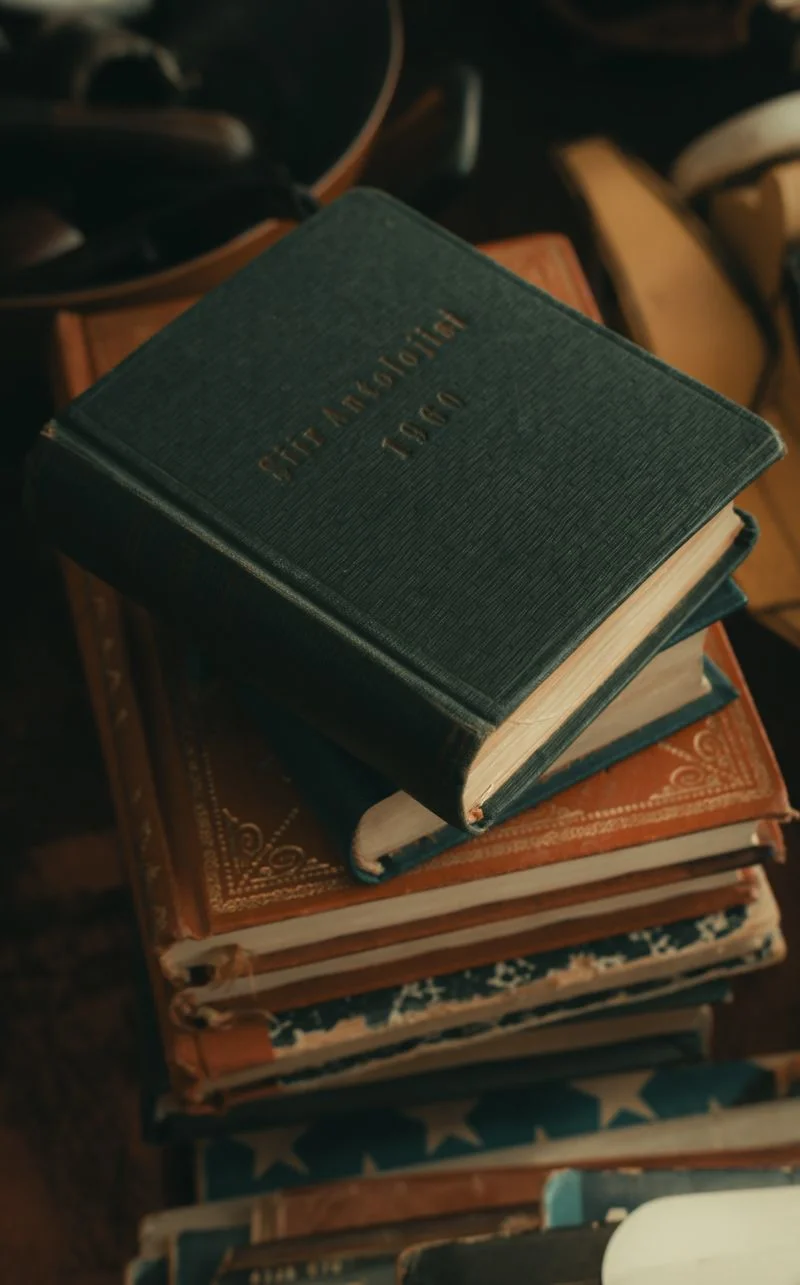
A full encyclopedia set was once the crown jewel of a household, a sign that a family valued learning.
People who have tried to pass one on say the books are now badly out of date, with entries that still mention the USSR and list Pluto as a planet.
Libraries do not want them, and workers have warned donors not to bring in sets that are 75 years old.
The volumes are heavy, take up metres of shelf space, and sit unsold at thrift stores for years.
Most families end up leaving them on the curb or in a charity bin, because a phone now answers in seconds what a shelf of books once took an evening to look up.
6. Silver Tea Services
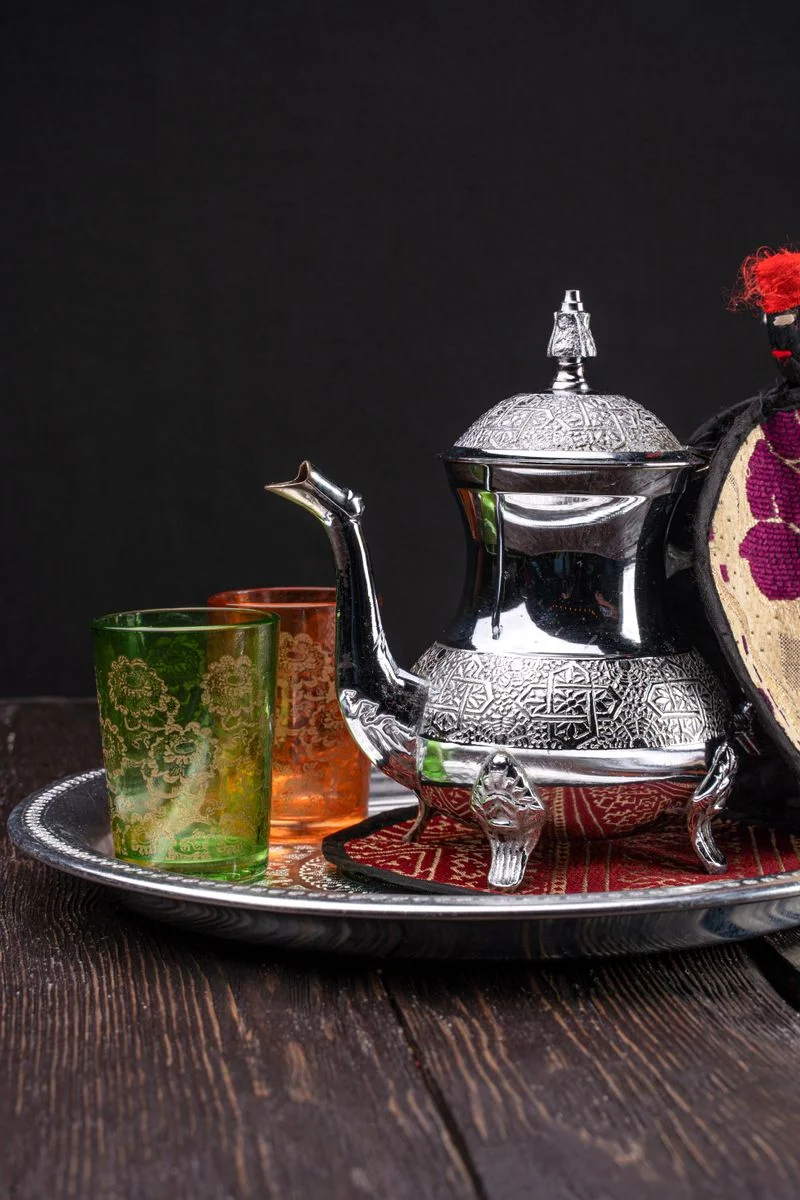
A silver tea service was a symbol of gracious living, brought out for guests and polished until it shone.
Owners say the polishing alone is enough to put younger people off, because silver tarnishes fast and needs constant care.
Formal afternoon tea has faded from everyday life, so the teapot, coffee pot, sugar bowl, and creamer mostly sit in a cabinet gathering dust.
Families who inherit a service often sell it at auction or for melt value, since keeping an eight piece set for occasions that never happen feels pointless.
Collectors still admire the craftsmanship, but for most households the service is a heavy reminder of a way of entertaining that has quietly disappeared.
7. Collector Plates
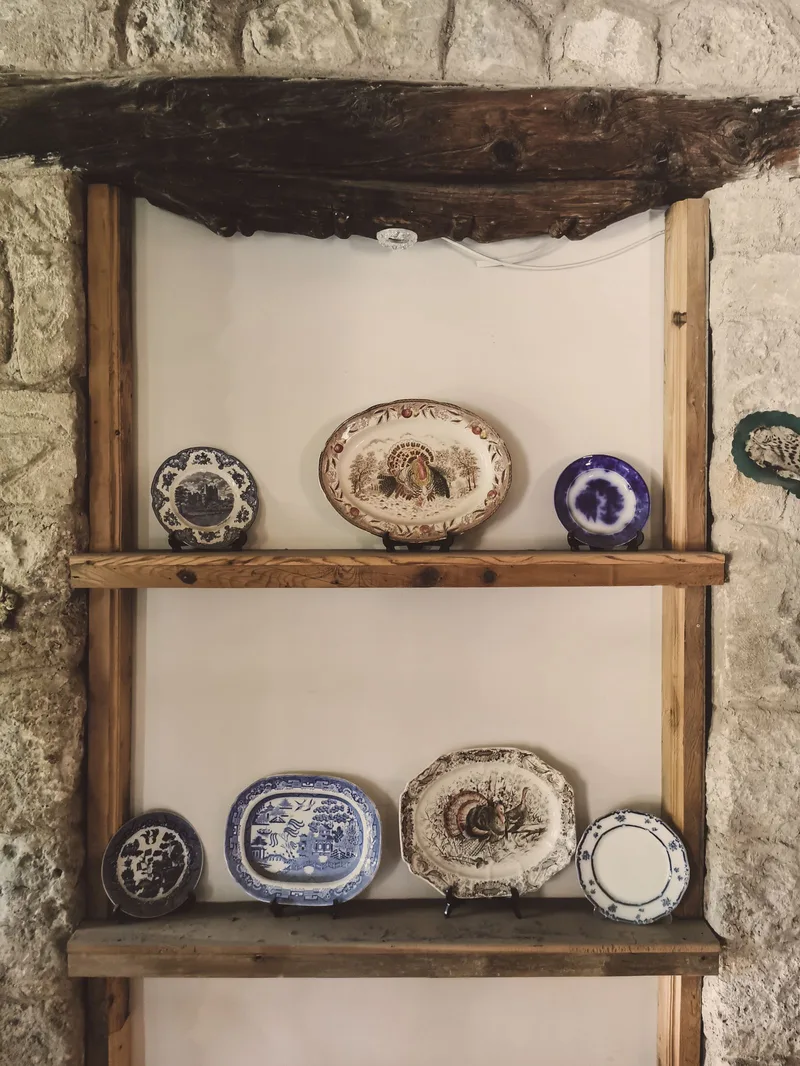
Collector plates were marketed as investments, with limited editions featuring Norman Rockwell scenes, wildlife, film stars, and cartoon characters.
People who have tried to sell them say the market has collapsed, and plates that once cost a small fortune now fetch three to five dollars on resale sites, if they sell at all.
Thrift stores often refuse them, and garage sale shoppers walk straight past boxes of plates that nobody has wall space for.
Buyers under 45 tend to see a wall of decorative plates as clutter rather than a collection, and they have no interest in inheriting a set.
The plates still turn up in attics and spare rooms, gathering dust in their original boxes, waiting for a buyer who may never come.
8. Curio Cabinets
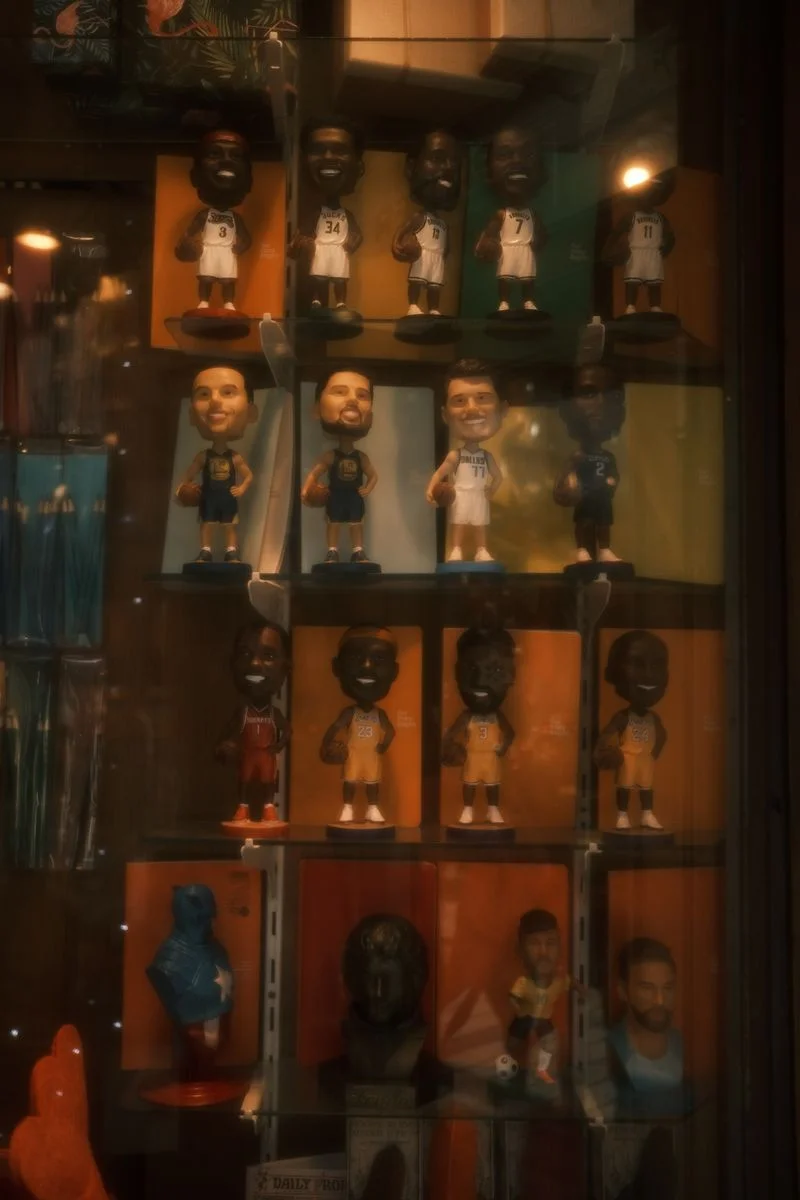
Curio cabinets were the display cases of a generation, glass fronted shelves built to show off china, figurines, and souvenirs.
Fans of the old cabinets say most of the ones left today are 1980s and 1990s reproductions, and they sell for very little, with some turning up at thrift stores for around 25 dollars.
Younger households tend to prefer open, uncluttered rooms, and a tall glass cabinet full of small objects does not fit that look.
The collections inside are often unwanted too, so the cabinet and its contents end up donated together.
Some people still love the nostalgia of a grandparent’s curio, but as a piece of furniture it is bulky, hard to move, and almost impossible to give away.
9. Grandfather Clocks
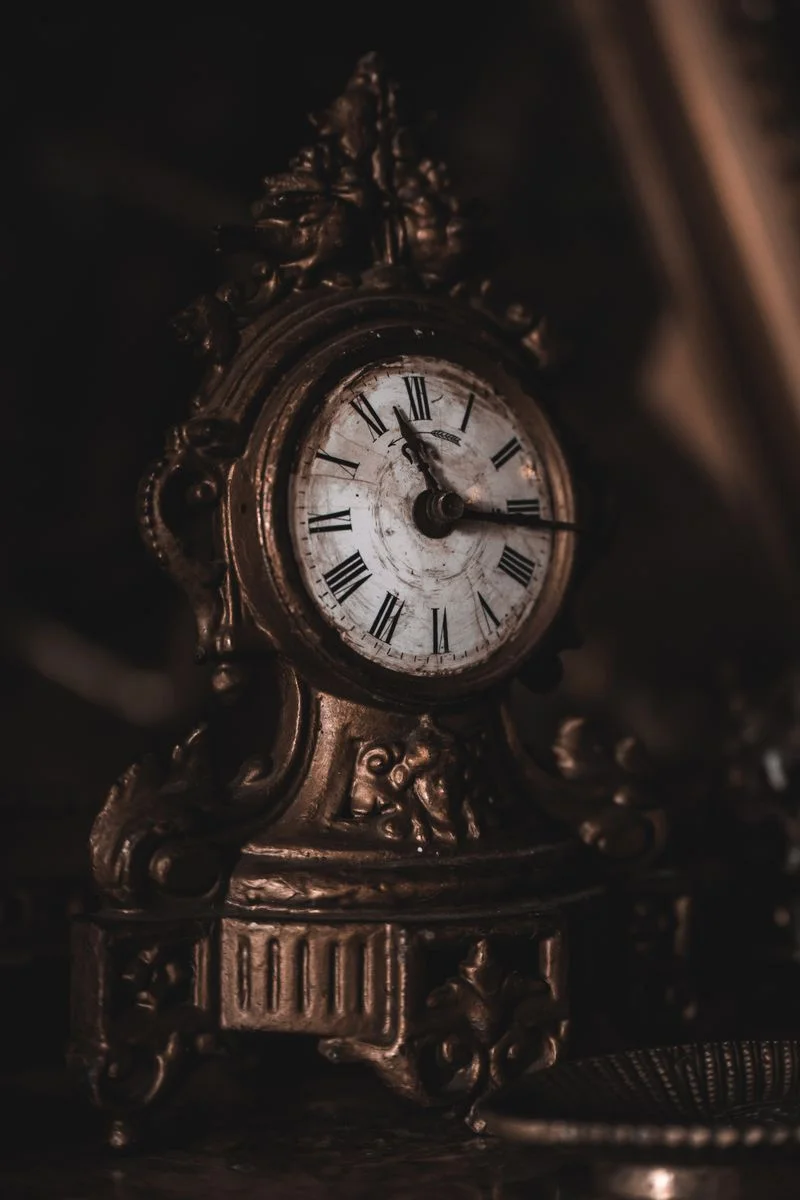
Grandfather clocks once stood in hallways as the most impressive piece a family owned, ticking away for generations.
Owners say the clocks are now a hard sell, because many are 1970s reproductions with little resale value, and a genuine antique needs expensive repairs to keep running.
A non working clock is a tall, heavy piece of furniture that tells no time, and plenty of them end up listed for free pickup on the curb.
Some creative owners have even upcycled old clocks into painted shelving, which delights some people and horrifies others.
Families joke about partners bringing home yet another broken clock, but the truth is that few younger households have the space, the patience, or the money to keep one ticking.
10. Lace Tablecloths and Doilies
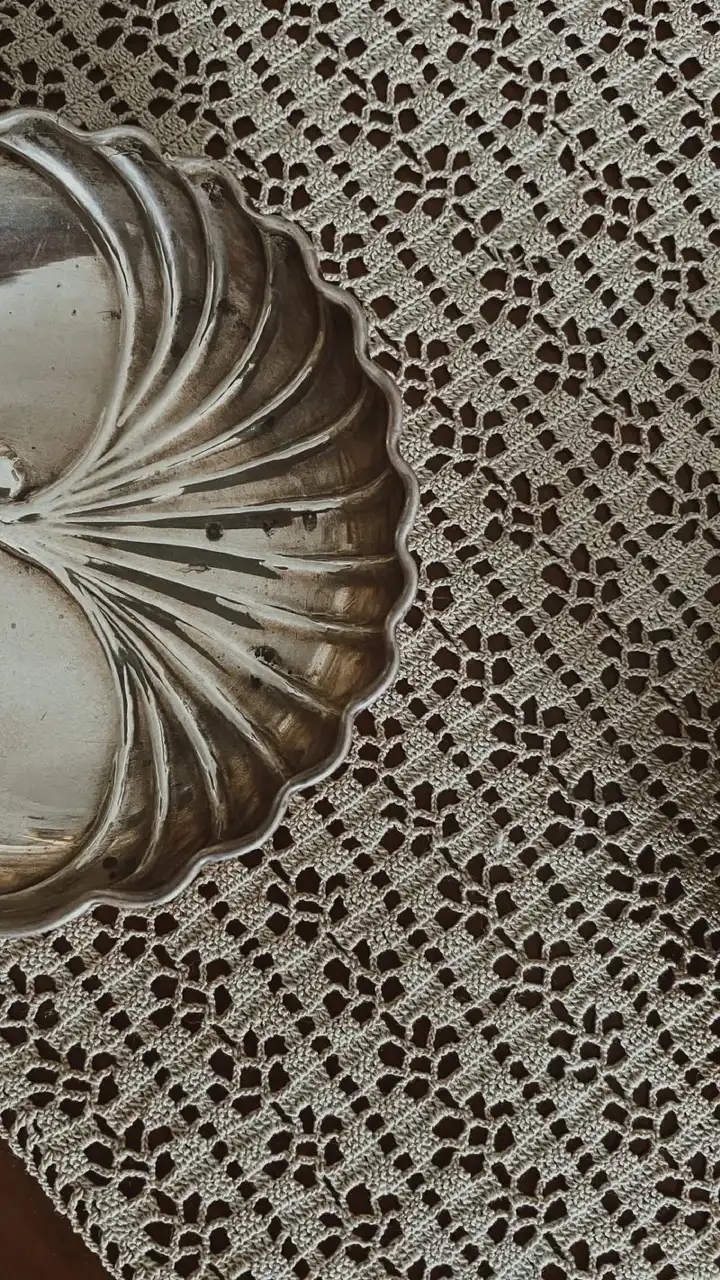
Lace tablecloths and crocheted doilies once covered every flat surface in a home, protecting furniture and showing off hours of handwork.
People who inherited them say the pieces are beautiful but fragile, and many have yellowed with age or spent decades folded away in a cedar chest.
Younger generations rarely use a tablecloth at all, let alone a delicate lace one that needs careful washing and ironing.
Owners admit the sadness of it, because each doily represents weeks of work by a grandmother or aunt, yet the next generation does not value them the way the maker did.
Some pieces get a second life as porch shades or craft material, but most sit in drawers, too precious to throw away and too old fashioned to use.
11. Sterling Silver Flatware
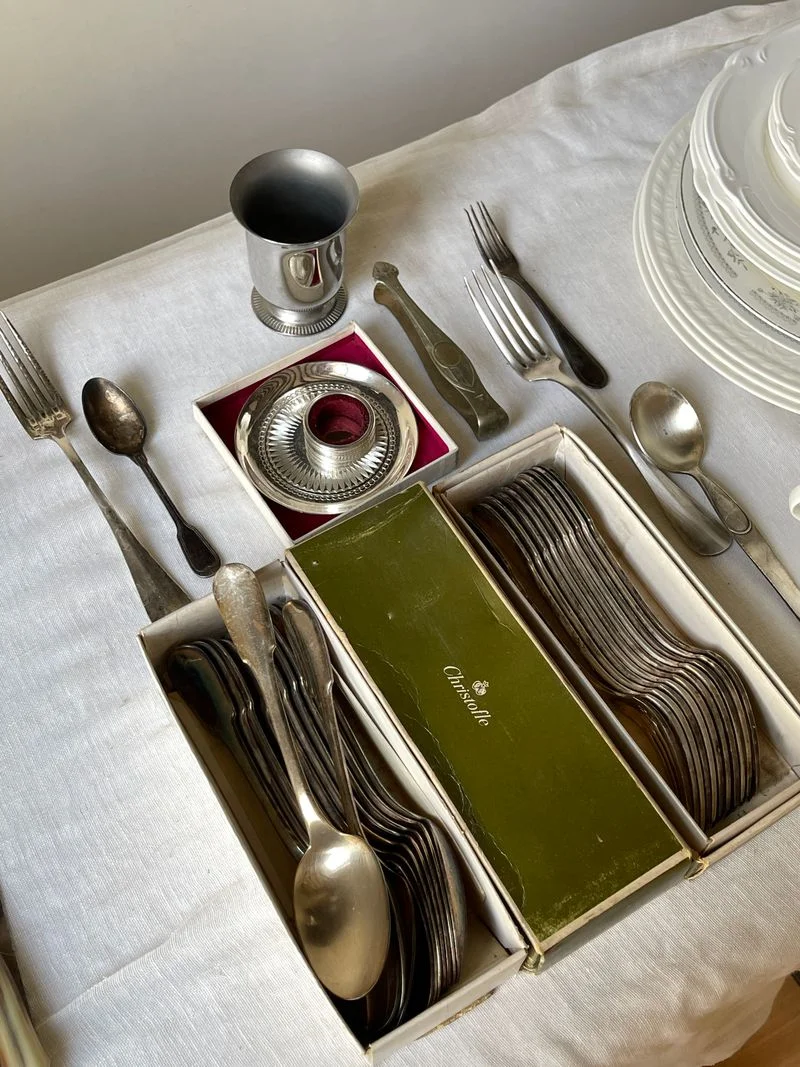
Sterling silver flatware was a wedding gift meant to last a lifetime, kept in a lined chest and brought out for special dinners.
Collectors say the sets still hold melt value, but pawn shops and dealers often pay only 40 to 60 percent of the spot price, which disappoints families expecting a fortune.
Younger owners prefer stainless steel, because it goes straight in the dishwasher and never needs polishing.
Many people who inherited a full service grew up using it at family dinners, yet now find they have no interest in maintaining it.
Some keep a few pieces for daily use and sell the rest, while others offer the whole set to anyone who will take it, because a chest of silver nobody uses is just weight in a drawer.
12. Antique Sewing Machines
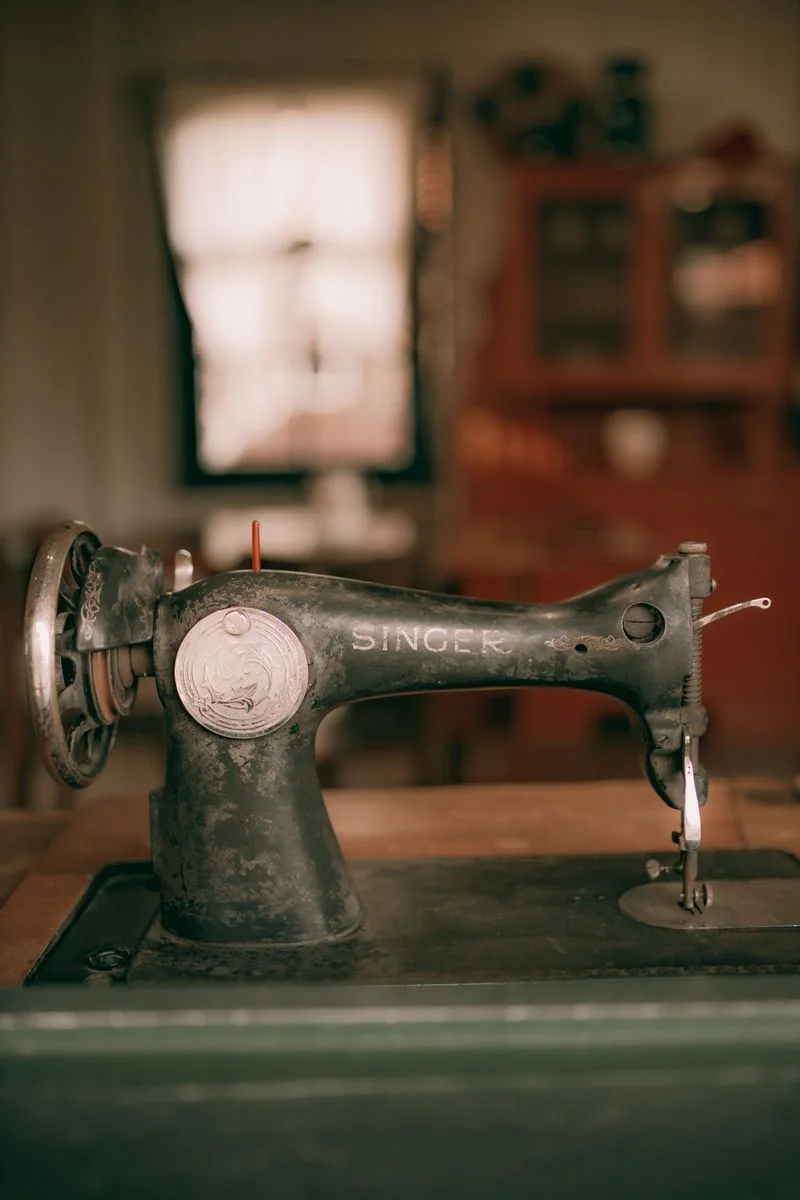
Antique sewing machines, especially old Singer treadles in wooden cabinets, were once the hardest working machines in a home.
Enthusiasts still defend them, praising the all metal build and the way a well kept machine can outlast a modern one.
The trouble is that most younger people do not sew, and a treadle cabinet is a heavy piece of furniture that takes up a corner of a room.
Families trying to give one away often find only logistical interest, with people asking how to move it rather than whether they can have it.
Collectors and restorers still buy the best examples, but the average old machine ends up donated, listed for a small sum, or left behind when a house is cleared.
13. Antique Typewriters
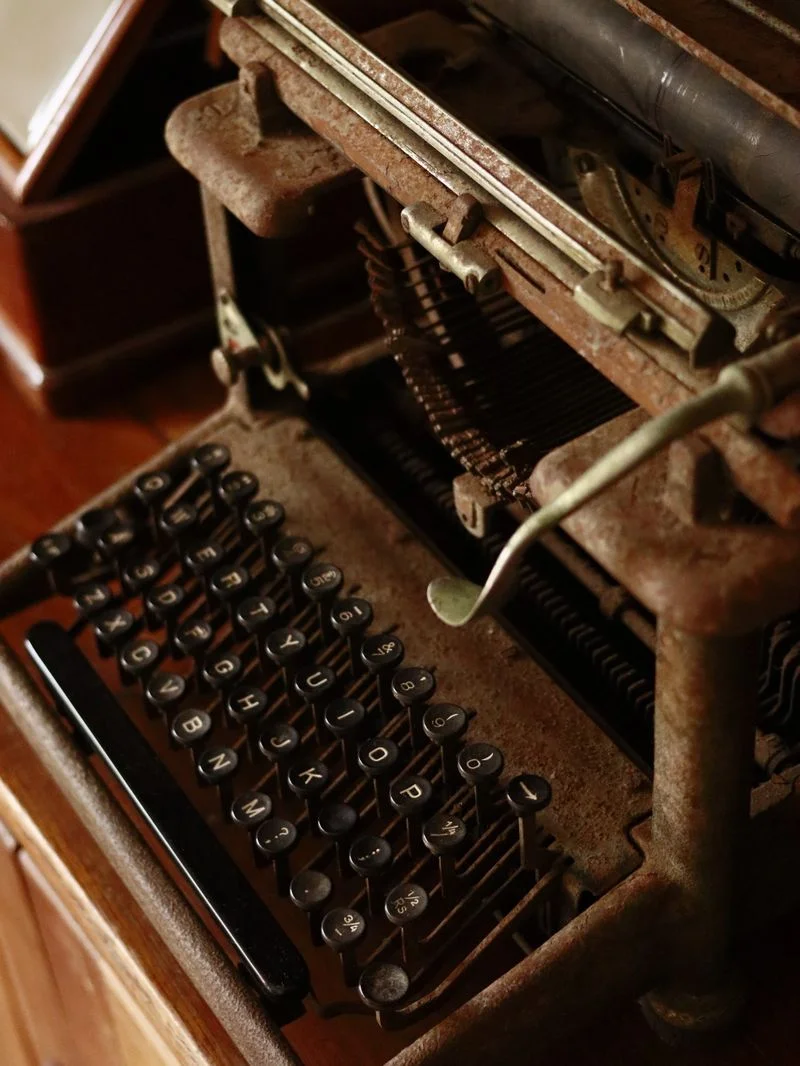
Antique typewriters look wonderful on a shelf, and collectors love the clack of the keys and the solid metal build.
People who have tried to sell one say the market is thin, with failed online listings and plans to leave the machine outside for free or donate it to a charity shop.
Many of the typewriters left in houses are dusty, non working models that were abandoned by a previous owner years ago.
Collectors complain that some sellers price broken machines far too high, with non working models listed for hundreds of dollars because of an online trend.
Younger buyers may admire a typewriter as decoration, but almost nobody wants to type on one, which leaves most of them as ornaments that nobody quite knows what to do with.
14. Vintage Quilts
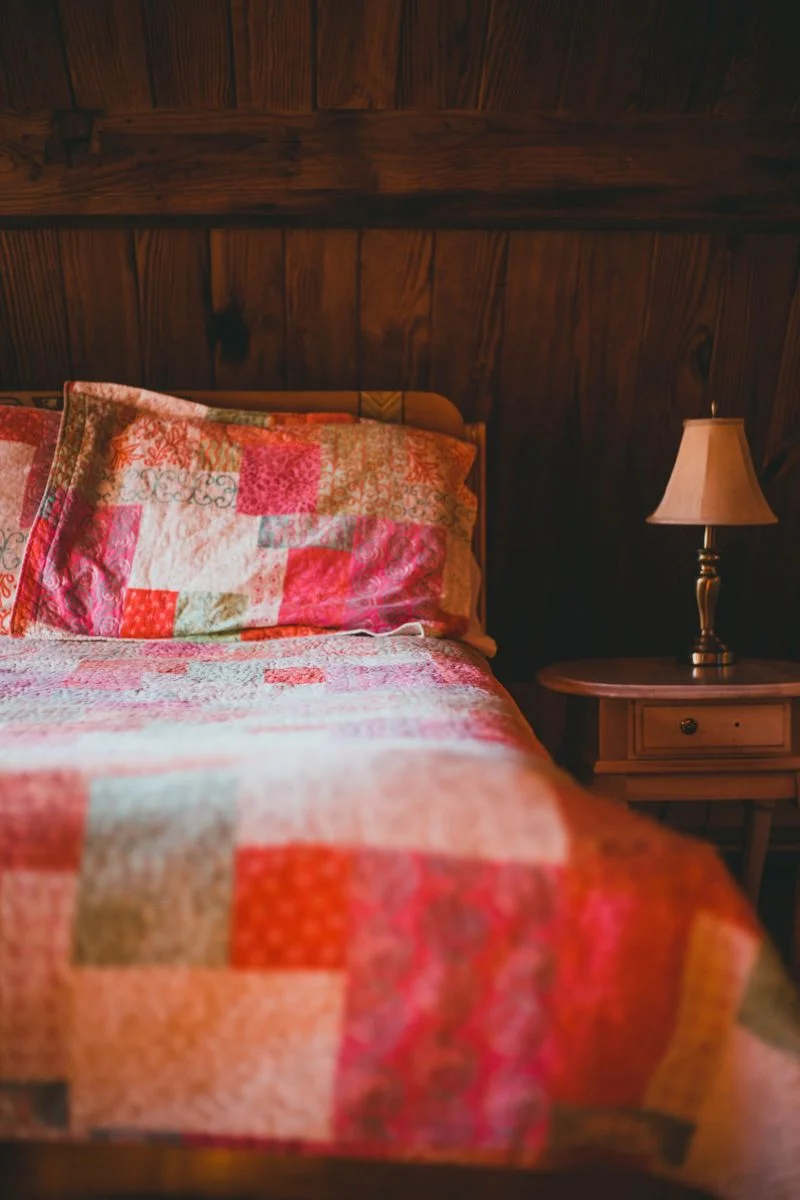
Vintage quilts carry more handwork than almost any other antique, with hundreds of hours of stitching in a single bed covering.
Owners say the sad part is that families often do not want them, and mothers who made quilts for their children have watched them go unclaimed.
Some quilts get repurposed into jackets and tote bags, which upsets quilters who think an intact antique should never be cut up.
Others are donated to charities, sold cheaply at antique stores, or left behind when an elder’s home is cleared.
The labour behind a handmade quilt is badly undervalued today, and a quilt that took a year to make can sell for less than the cost of its fabric.
15. Brass Candlesticks
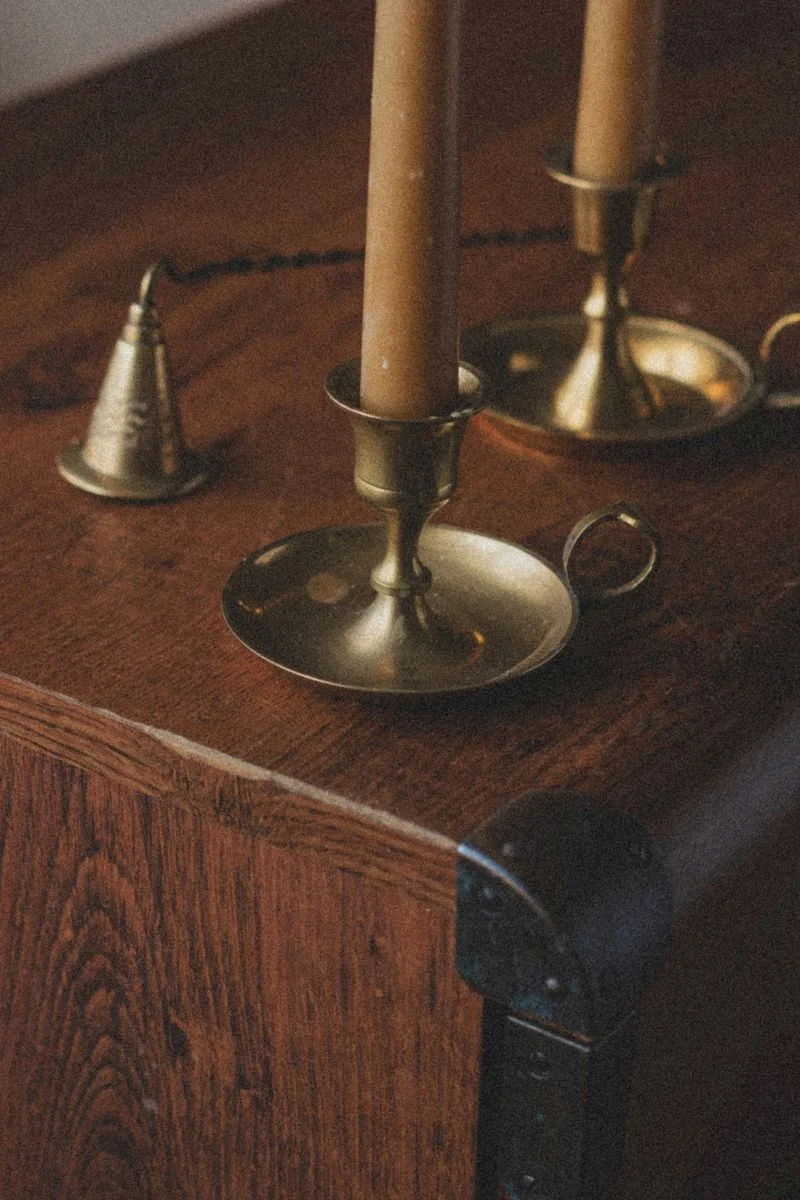
Brass candlesticks were once a staple of a well dressed table, and almost every older home had a pair or two.
People who have cleared out estates say the candlesticks turn up by the binful, often with stickers showing they were made in India or China.
They tarnish quickly, and keeping them bright means regular polishing with a brass cleaner.
Resale is poor, with many sellers finding that scrap value of around three dollars a pound is the best they can get.
Younger households rarely light candles at dinner, so the candlesticks end up donated, sold for a few dollars at a thrift store, or melted down with the rest of the brass.
16. Old Cameras
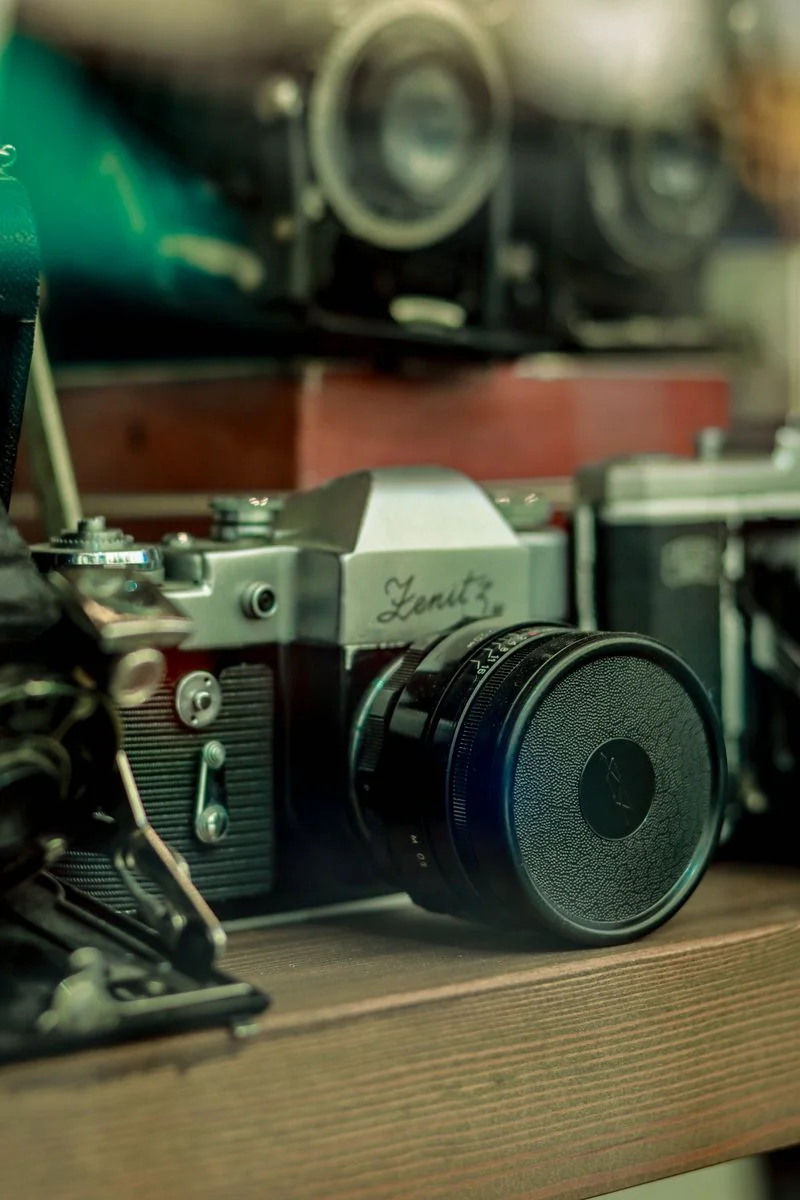
Old film cameras were once prized possessions, and many families have a shelf of them that has not been touched in decades.
Owners say the cameras make handsome ornaments, but most common models are worth very little, and the film they need is expensive and hard to find.
Film photography has a small revival among collectors, yet the average box of old cameras from a garage sale excites only a handful of enthusiasts.
Families clearing out a parent’s home often find twenty or more cameras, including ones inherited from relatives who won them or bought them long ago.
Many end up donated to schools, listed cheaply online, or kept on a shelf as decoration, because nobody in the family wants to shoot film anymore.
17. Antique Vases
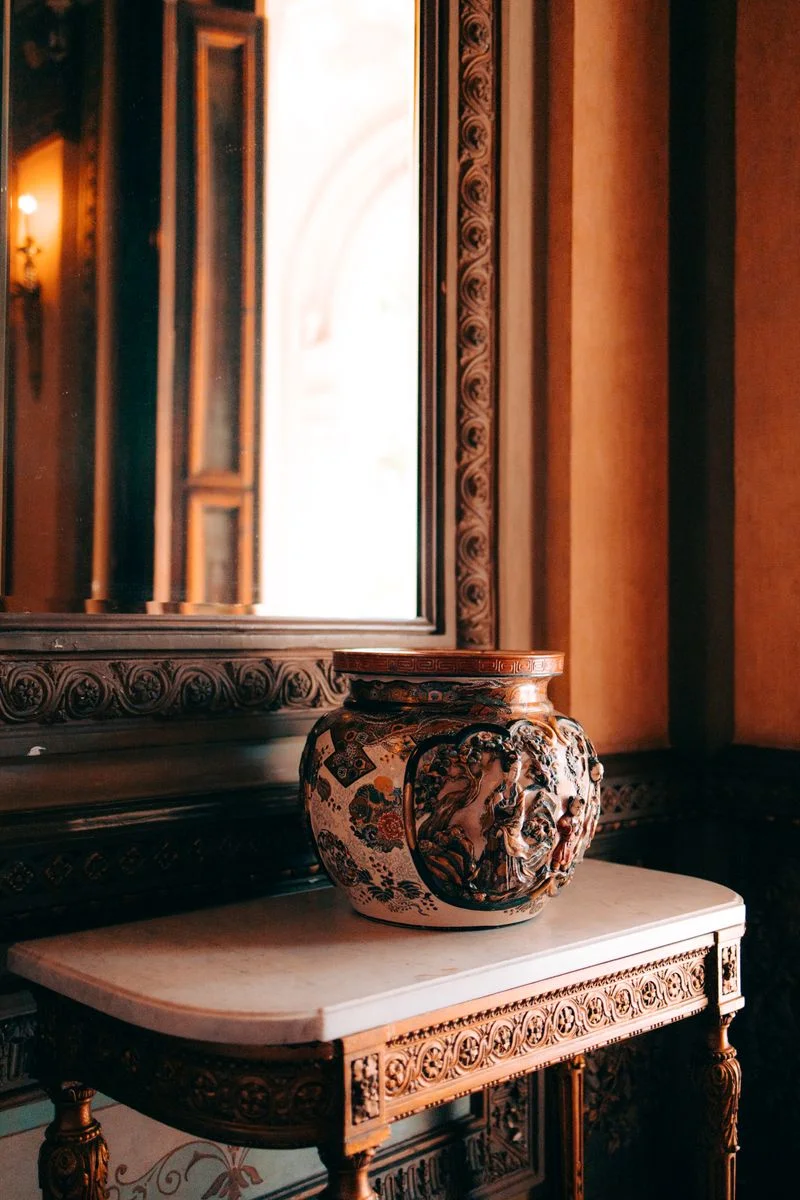
Antique vases filled the display cabinets of a generation, with ornate Capodimonte style pieces and tall coloured glass among the most common.
Collectors say many of these vases were mass produced for television shopping channels in the 1980s and 1990s, and they have almost no monetary value today.
Families downsizing a parent’s collection find the same vases at garage sales and thrift stores for under 20 dollars.
Younger people have little use for a large decorative vase, and they are too fragile and too bulky to keep for the sake of it.
Most end up donated, passed to a buy nothing group, or sold for a few dollars, because a vase that once looked expensive now reads as just another dusty ornament.
18. Hope Chests
Hope chests, usually Lane or Cavalier cedar chests, were given to young women to fill with linens and keepsakes before marriage.
People who grew up with one say the chest itself was a rite of passage, and its contents of wedding dresses, quilts, and photo albums carried real emotional value.
The trouble is that the next generation does not want a large wooden chest, and some have been found discarded by the roadside or left at the dump.
Owners also warn about the old Lane locks, which were recalled after safety concerns, and many chests need the lock removed before they are safe to keep.
Families clearing out a parent’s home often find the chest is the hardest piece to place, because it is heavy, takes up floor space, and holds memories that the children do not know what to do with.