

Parents and grandparents were told these porcelain angels, children, and ballerinas would only go up in value.
Today the thrift stores tell a different story.
Here are seven figurine collections that collectors now say are worth next to nothing on the resale market.
1. Hummel Figurines
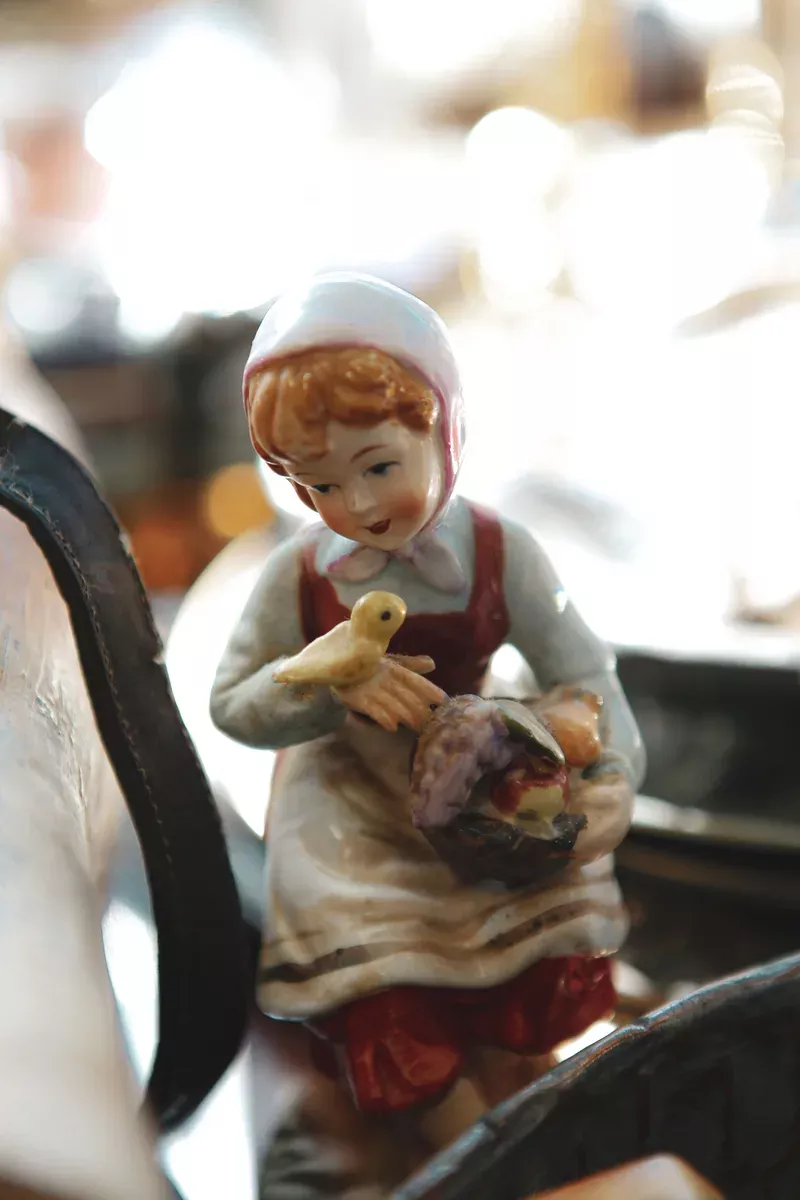
Hummels were once the centerpiece of many a china cabinet, bought as gifts for weddings, births, and graduations.
These days collectors say the market has dried up, and thrift store shelves are full of them.
Resellers report that Hummels stopped selling for them, even at a few dollars apiece.
The problem is simple supply and demand, since millions were made and almost every family seems to have one.
Younger buyers do not want them, and the people who loved them most already own more than they need.
They still carry a lot of sentimental value, but sentimental value does not pay at the resale table.
2. Precious Moments Figurines
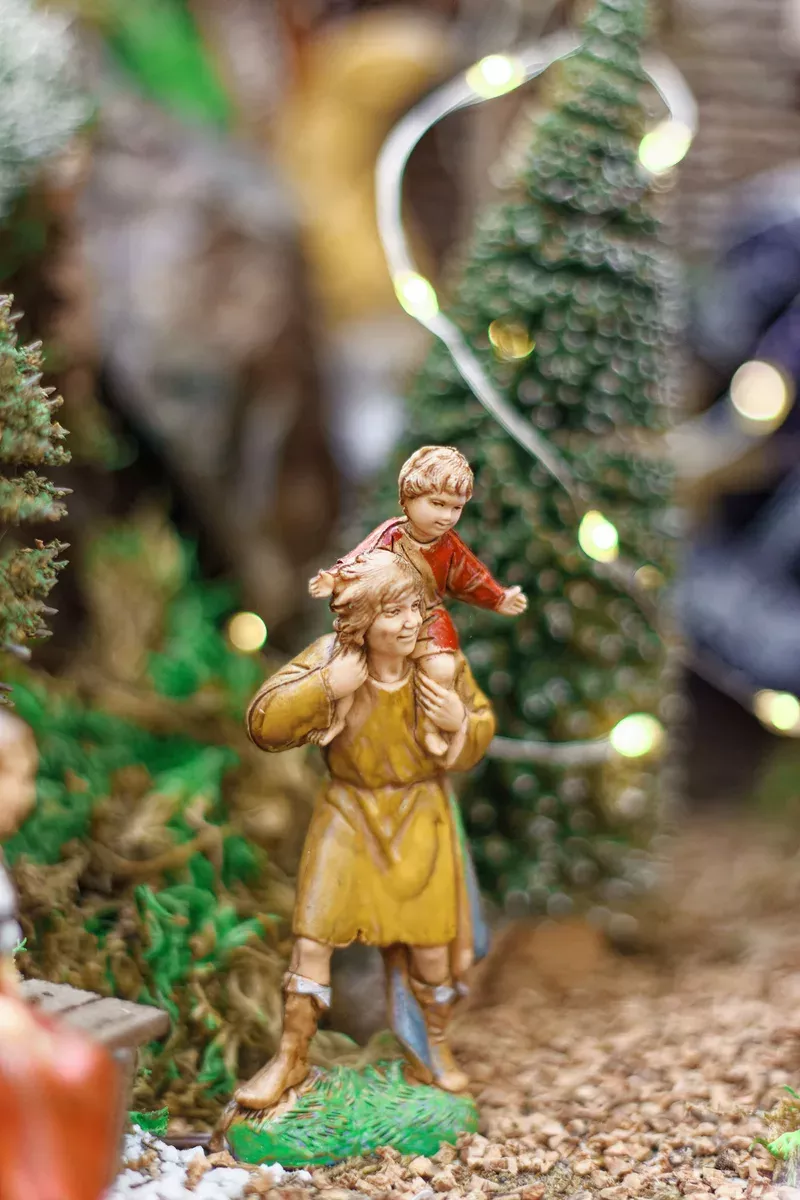
Precious Moments figurines were marketed as heartfelt keepsakes, and for years they sold by the millions.
Fans collected the wide eyed children and angels to mark every life event, from baptisms to anniversaries.
Today resellers warn that the pieces are mass produced and unwanted, and boxes of them sit unsold at thrift stores.
A figurine that once cost ten dollars new can now sit on a shelf for months at a dollar or two.
Collectors love them for the memories they hold, but the resale market has moved on.
The figures still look sweet in a display case, yet almost nobody is buying them to resell.
3. Lladro Figurines
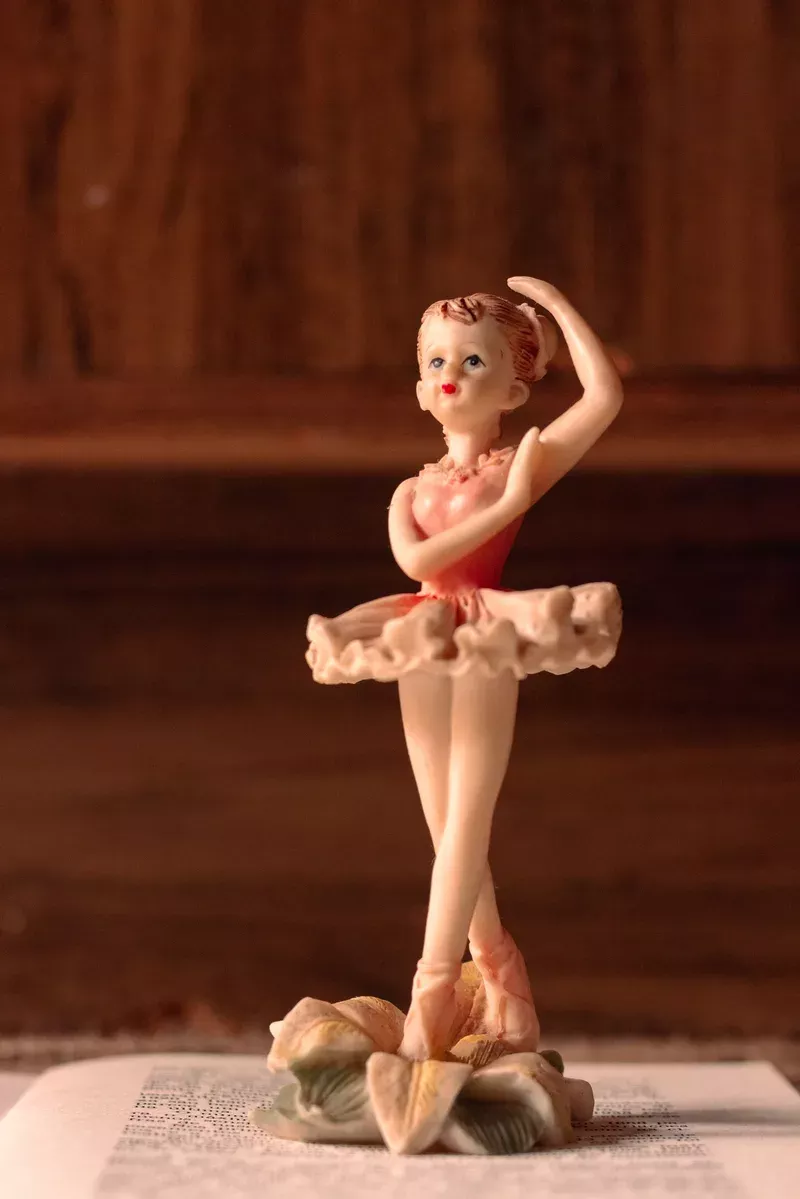
Lladro figurines were once the height of elegance, with their soft matte porcelain and delicate ballerinas and ladies.
Many moms in the 90s proudly displayed them in glass cabinets, and they were popular gifts for big occasions.
Today owners say the pieces feel dated, and the younger generation has no interest in dusting a porcelain clown or doll.
The brand still makes beautiful pieces, but the secondhand market is flooded with them.
Collectors who try to sell inherited Lladro often find offers that are a fraction of the original price.
They remain lovely objects, but lovely does not mean valuable anymore.
4. Royal Doulton Figurines
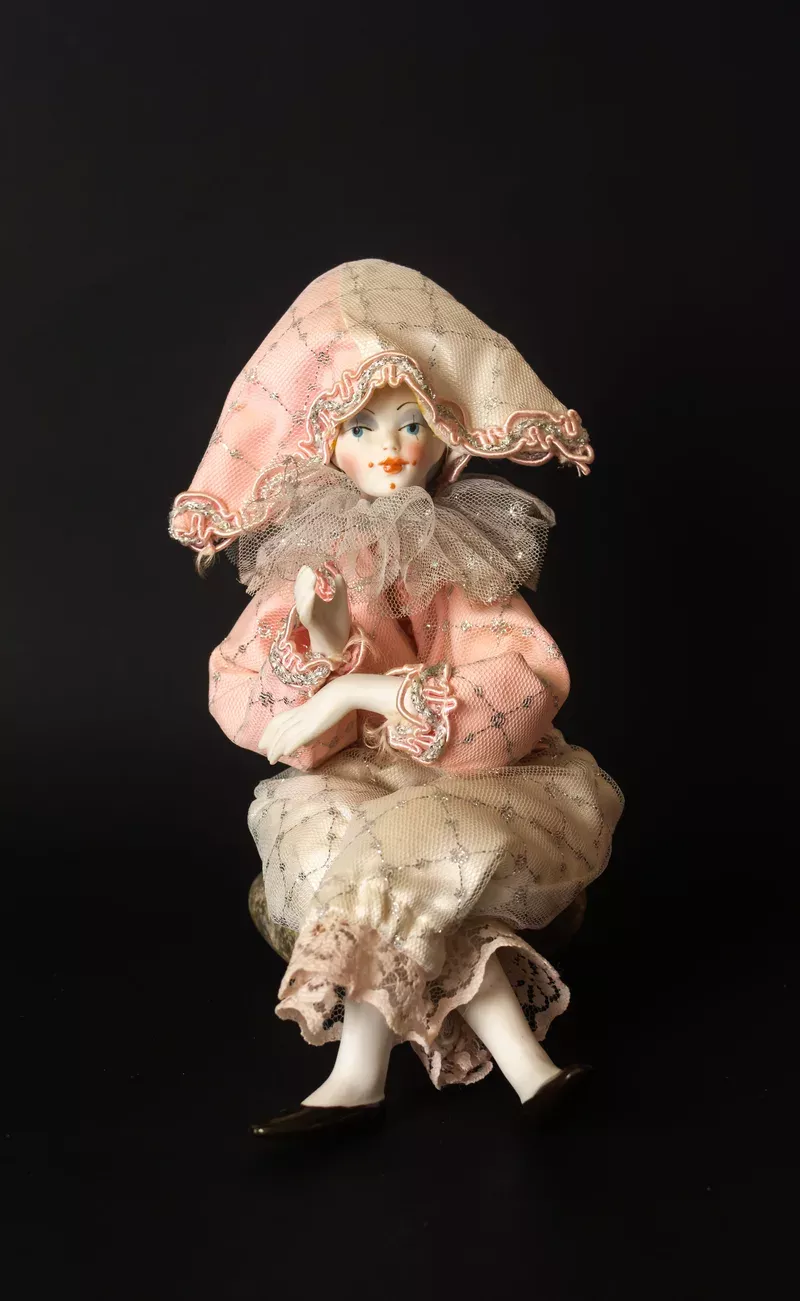
Royal Doulton figurines were expensive when they were new, made by skilled workers who shaped and painted each one by hand.
Owners collected them for decades, sometimes owning dozens or even hundreds, and displayed them with real pride.
Now the pieces are out of fashion, and charity shops are full of them for a few dollars each.
People who worked at the factory say it breaks their heart to see so much craft end up unwanted.
Collectors struggle with dusting and storage, and their children do not want to take the collections on.
The figurines are still beautifully made, but beauty alone cannot hold their old value.
5. Willow Tree Figurines
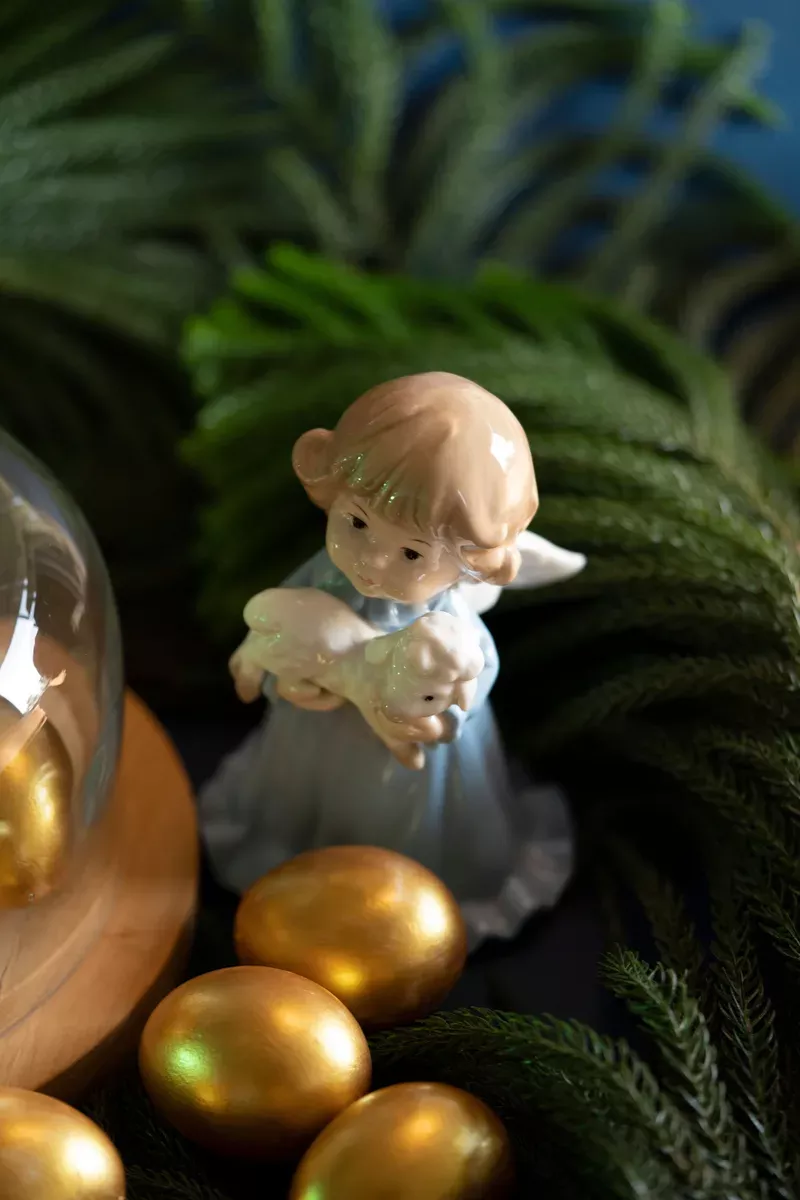
Willow Tree angels and family figurines became a modern classic, gifted for every occasion from weddings to new babies.
Their simple, faceless design was meant to feel timeless, and millions of people bought them as keepsakes.
Now thrift store shelves are crowded with donated Willow Tree collections, often priced at a few dollars each.
Owners say the pieces feel everywhere at once, and the resale market has no room for more.
Fans still love the quiet, gentle look of the angels, but that affection does not translate into demand.
The figurines are sweet and well made, yet the market treats them as common rather than collectible.
6. Department 56 Christmas Village
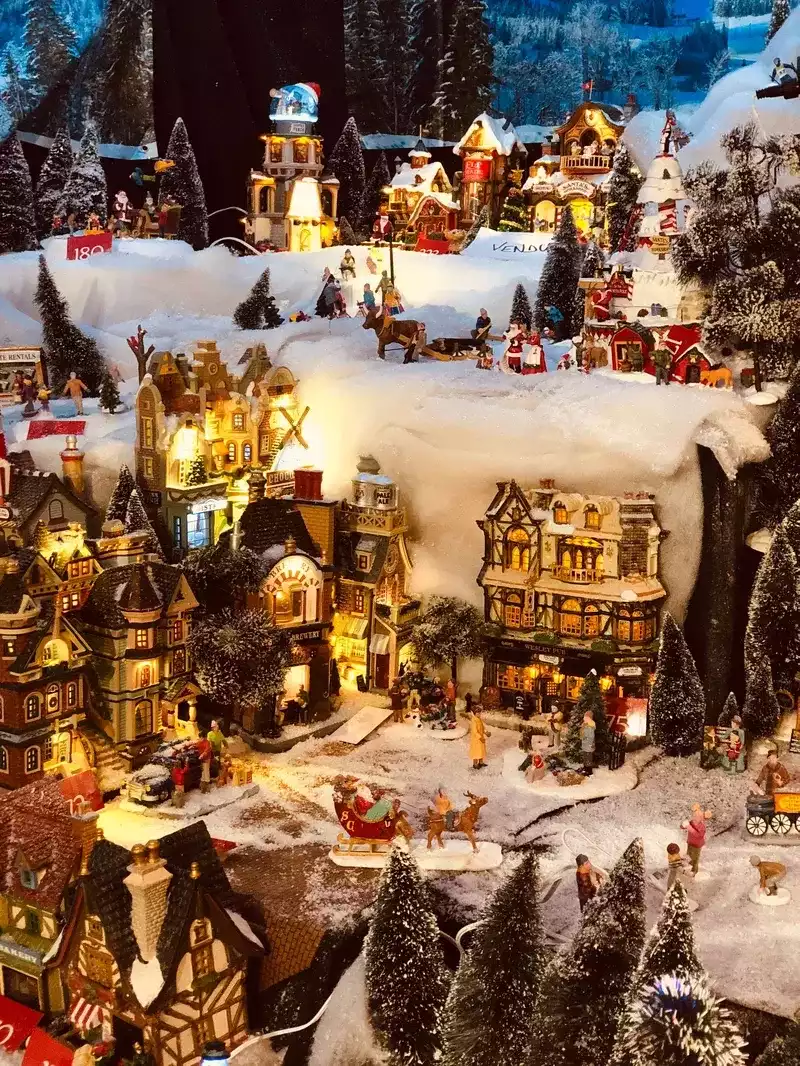
Department 56 Christmas villages were a beloved holiday tradition, with collectors adding a house or two every year.
The lighted cottages and shops turned living rooms into tiny snowy towns, and some collections grew to fill whole tables.
Today owners say the villages have lost their value, and the common houses guide at only forty to ninety dollars.
Headlines claim some rare pieces are worth thousands, but retired alone does not make a piece worth money.
Children are not interested in inheriting the villages, and owners worry about what will happen to them after they are gone.
Some plan to donate them to hospitals, libraries, or churches, so someone can still enjoy the glow.
7. Lenox Figurines
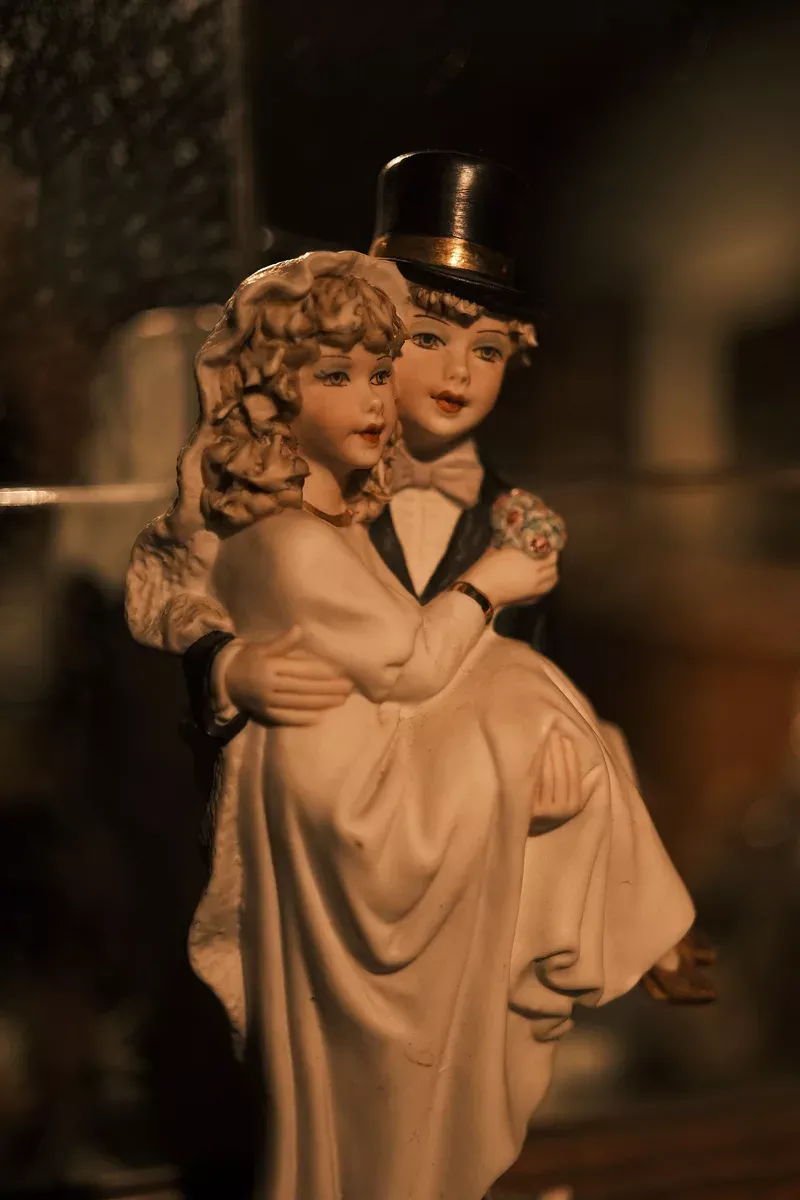
Lenox was a name people trusted for fine china and holiday figurines, and the pieces were often given as wedding and Christmas gifts.
Collectors kept the cream colored trains, angels, and ornaments carefully boxed, sure they would hold their value.
Now thrift store shelves hold Lenox pieces priced at a few dollars, and buyers walk right past them.
Owners say Lenox has lost market value along with Hummel, Lladro, fine china, and crystal.
The younger generation has no use for formal figurines, and the pieces feel tied to a different era.
They are still pretty and well made, but pretty and well made is no longer enough to make them worth money.