

Before one-click shopping and two-day delivery, buying a toy was an event.
You had to go somewhere.
You had to see it, touch it, beg for it in person.
Entire Saturdays were sacrificed at the altar of brightly lit aisles and shrink-wrapped boxes.
The internet did not just change how we shop. It erased the places where childhood memories were made.
1. Toys “R” Us, United States
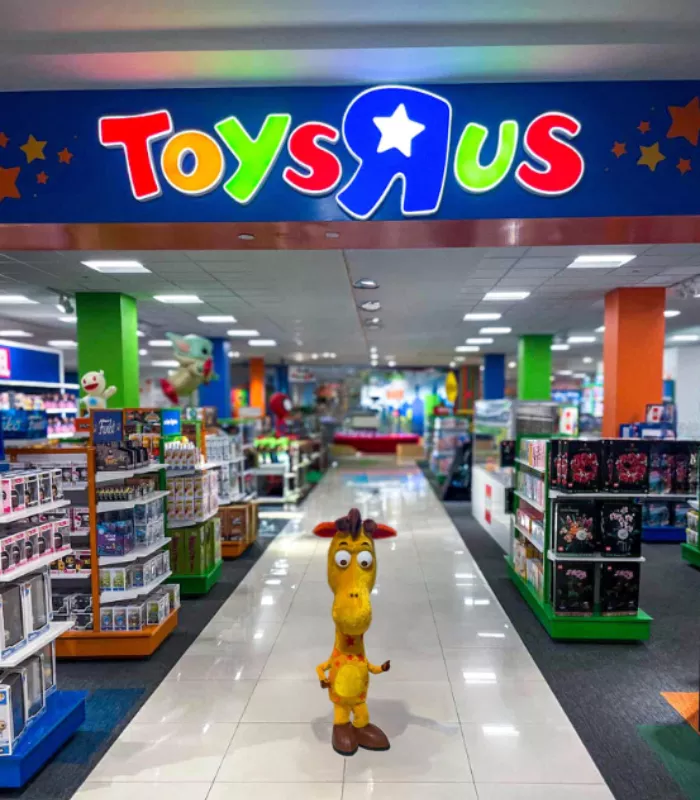
Walking into Toys “R” Us felt like entering a different world.
The shelves stretched up to the ceiling. The noise, the colors, the smell of new plastic — it was pure magic for any kid.
At its peak, Toys “R” Us had over 1,500 stores worldwide. But when Amazon made it easy to order toys from a couch, the magic faded fast.
Geoffrey the Giraffe was the friendly face of the brand for decades.
Kids would tear out pages from the Toys “R” Us holiday catalog and circle everything they wanted.
The store aisles were so long that parents would lose their kids in them — and somehow that was part of the fun.
No website has ever come close to recreating that feeling of turning a corner and seeing an entire wall of action figures staring back at you.
Why It’s On This List: Once the king of toy retail, Toys “R” Us filed for bankruptcy in 2017 and closed nearly all its U.S. stores by 2018 — a direct casualty of online shopping.
2. Kay-Bee Toys, United States
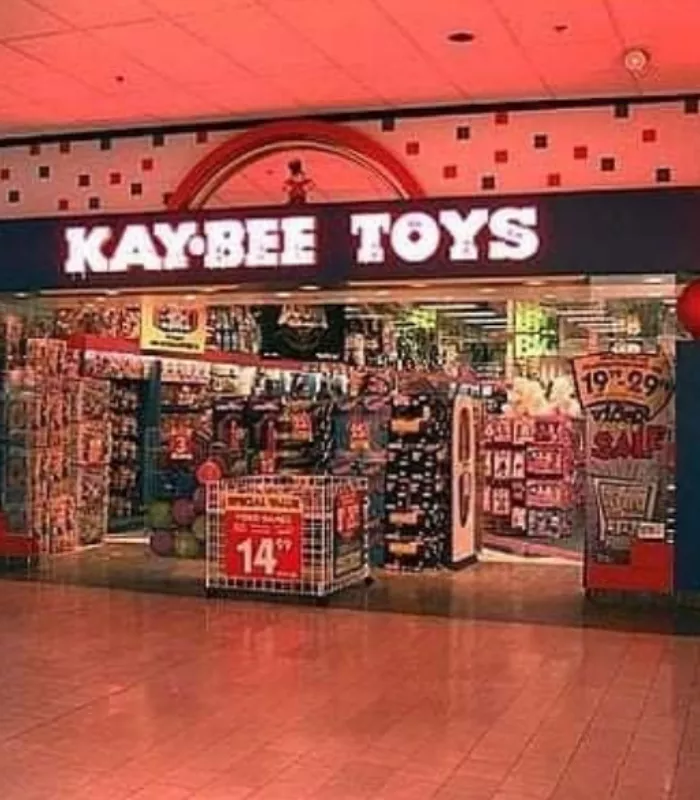
Kay-Bee Toys was the toy store you found in the mall.
It was smaller than Toys “R” Us, but packed tight with action figures, board games, and clearance bins kids loved to dig through.
Kay-Bee operated over 1,300 mall locations at its height. But as malls emptied out and online stores grew, Kay-Bee could not keep up.
The store was a lifesaver for parents who needed a last-minute birthday gift while already at the mall.
Kay-Bee was especially known for its deep discounts on older toy inventory that bigger stores had stopped carrying.
That clearance bin was legendary. Kids would dig through it for 20 minutes, hoping to find something amazing for two dollars.
When foot traffic in malls started dropping in the 2000s, Kay-Bee had nowhere else to go.
Why It’s On This List: Kay-Bee Toys closed for good in 2009 after filing for bankruptcy twice — first in 2000, then again in 2008.
3. Zany Brainy, United States
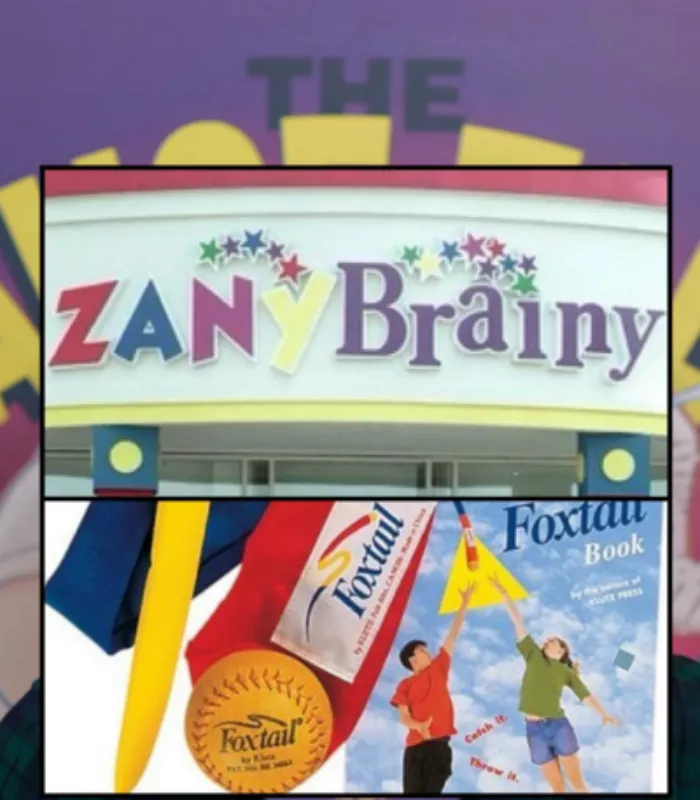
Zany Brainy was the toy store for the curious kid.
It focused on books, science kits, art supplies, and educational toys. Parents loved it. Kids did too.
But here’s the catch — as educational content moved online and Amazon started selling the same items cheaper, Zany Brainy lost its edge. It shut down in 2003.
Zany Brainy also carried a solid selection of music CDs and videos for children, making it a one-stop shop for creative families.
The store had a loyal customer base of parents who believed in screen-free, hands-on play.
Unfortunately, loyalty does not pay the rent when a competitor is selling the same chemistry set for 30 percent less online.
Zany Brainy tried to adapt but could never quite find a way to compete on price without losing what made it special.
Why It’s On This List: Zany Brainy tried to stand out with smart, creative toys. But smart shoppers quickly found better deals online before the internet era was even in full swing.
4. Noodle Kidoodle, United States
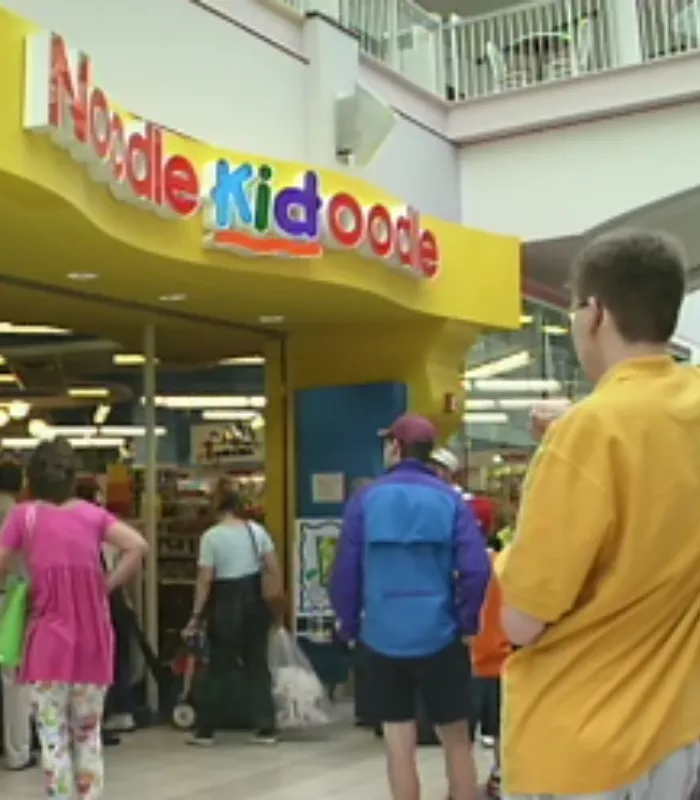
Noodle Kidoodle was a sister brand to Zany Brainy.
It carried educational toys and children’s books in a warm, friendly store setting.
The chain had about 76 locations before it was absorbed into the Zany Brainy brand in 1999. That’s why most people barely remember it — it disappeared before the internet boom even hit its stride.
Noodle Kidoodle leaned heavily into imaginative play, stocking toys that encouraged storytelling and creativity over flashy electronics.
Its stores had a cozy, neighborhood-bookshop feel that was rare in the toy retail world at the time.
Parents who shopped there often said it felt less overwhelming than the big-box stores and more thoughtfully curated.
That charm, unfortunately, was not enough to keep the brand alive once the parent company decided to consolidate.
Why It’s On This List: Noodle Kidoodle never got a chance to fight the internet. It was already gone before the battle began.
5. Imaginarium, United States and Canada
Imaginarium sold wooden toys, puzzles, and hands-on learning games.
It was a go-to gift shop for grandparents who wanted something thoughtful.
The chain had over 180 stores across North America. Toys R Us actually bought Imaginarium in 1999, but the brand quietly faded as digital entertainment replaced physical play.
Many of the toys sold at Imaginarium were the kind you would not find at a typical big-box store — unique, tactile, and built to last.
Grandparents in particular loved the store because it offered gifts that felt meaningful rather than disposable.
The wooden toy section alone could keep a child entertained for an entire afternoon of browsing.
After the Toys “R” Us acquisition, the Imaginarium identity slowly blurred until it was barely recognizable as a separate brand.
Why It’s On This List: Imaginarium stood for imagination and creativity. Sadly, the brand could not imagine a future beyond the mall.
6. Child World, United States
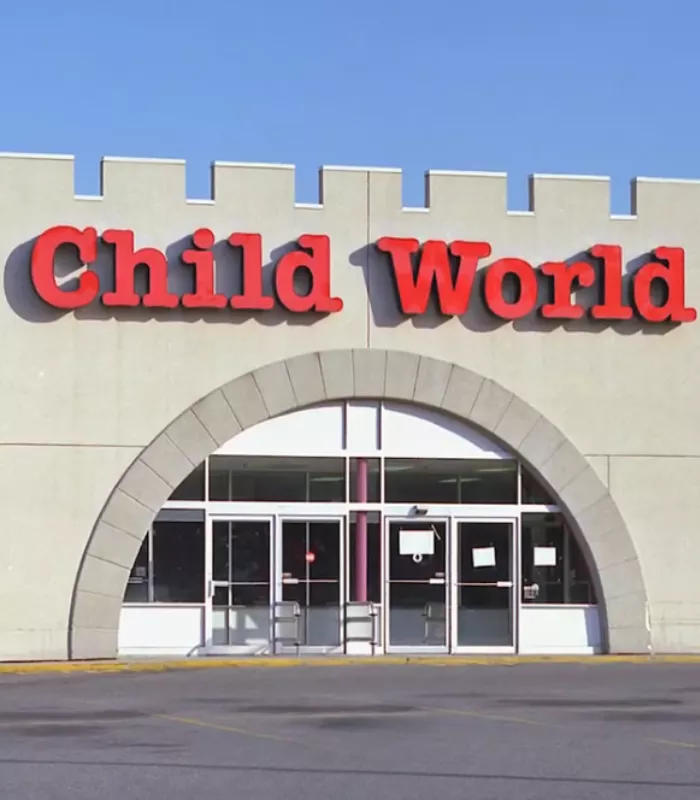
Child World was one of the earliest big-box toy stores in America.
Founded in the 1960s, it was a massive store that gave kids room to roam. At its peak, Child World had over 180 locations.
It closed in 1992 — even before the internet arrived. But rising competition from Toys “R” Us showed that even toy giants can fall when a bigger player shows up.
Child World was ahead of its time in offering a warehouse-style shopping experience for families.
For kids growing up in the 1970s, it was one of the only places where you could see hundreds of toys all under one roof.
The store ran big holiday promotions that made it a seasonal destination for families across the Northeast and Midwest.
Its decline was a preview of what would eventually happen to every major toy chain — just a few decades earlier.
Why It’s On This List: Child World was the original toy superstore. If you are 50 or older, there is a good chance you begged your parents to take you there.
7. Lionel Kiddie City, United States
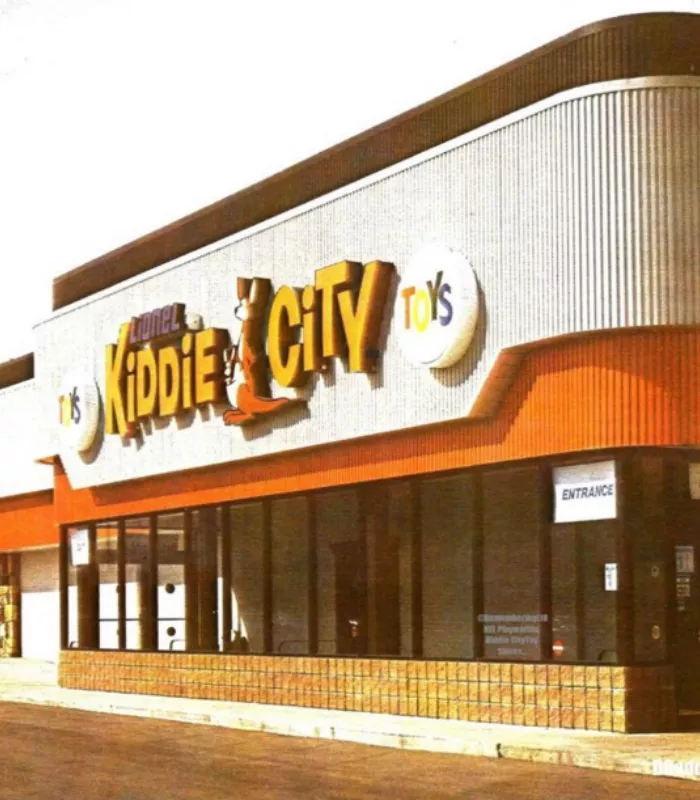
Lionel Kiddie City grew out of the famous Lionel train brand.
It expanded into a full toy retail chain in the 1970s and 1980s. Kids loved it for its wide selection and fun atmosphere.
The chain once had over 100 stores on the East Coast. But poor management and growing competition led to its closure in 1990, well before online shopping existed.
The Lionel name carried enormous nostalgia, especially for fathers who had grown up with the train sets themselves.
Shopping at Lionel Kiddie City often turned into a multi-generational bonding experience, with dads getting just as excited as their kids.
The stores stocked everything from model trains to the hottest action figures of the decade.
It was the kind of store where a dad would walk in for a birthday gift and come out clutching something for himself too.
Why It’s On This List: Lionel Kiddie City is proof that toy stores were already a tough business — the internet just made it tougher for those that survived longer.
8. Circus World Toys, Canada
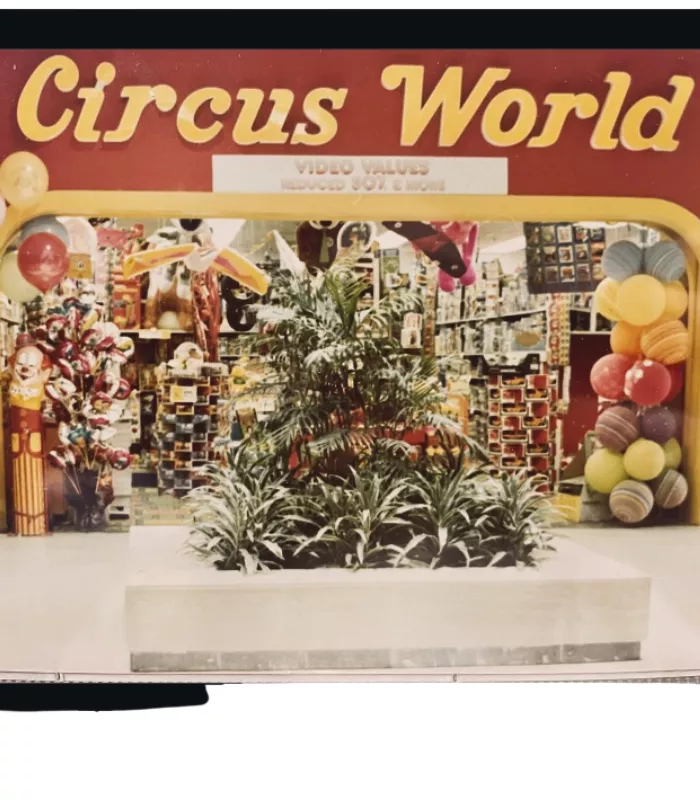
Circus World Toys was a beloved Canadian toy chain that brought joy to kids coast to coast.
It was bright, colorful, and always felt like a celebration inside.
Circus World was eventually bought by Toys “R” Us Canada in 1984. The brand disappeared, but the memories for Canadian kids who grew up in the 1970s and early 1980s never did.
The store’s circus theme made it feel like more than just a place to buy toys — it felt like an attraction in itself.
Canadian families made special trips to Circus World the way American families made trips to Toys “R” Us.
The loss of the brand hit Canadian shoppers particularly hard because it was one of the few homegrown national toy chains the country had.
When Toys “R” Us absorbed it, a uniquely Canadian piece of retail history quietly vanished from the map.
Why It’s On This List: Circus World Toys did not survive long enough to face the internet — it was swallowed by a bigger rival instead.
9. Children’s Palace, United States
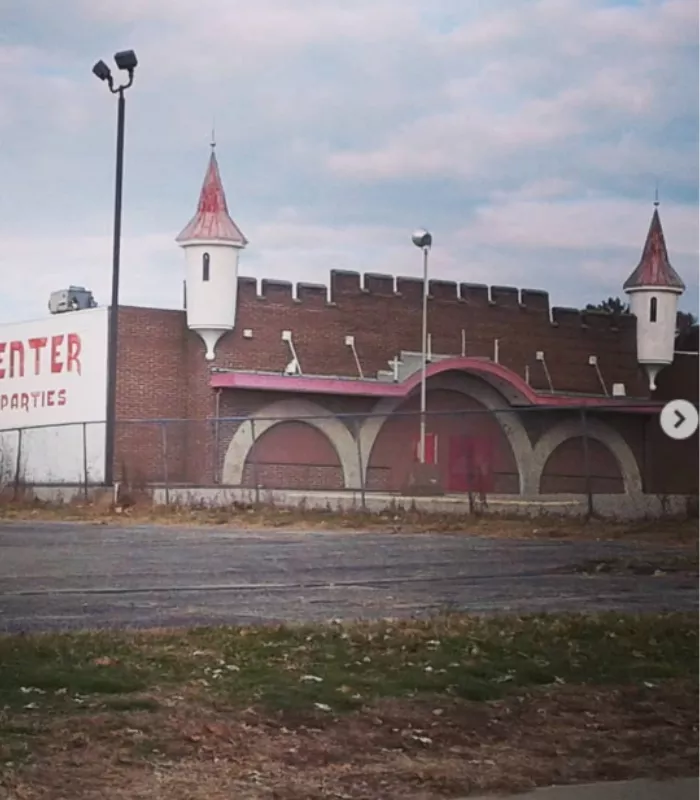
Children’s Palace was hard to miss.
Its stores were shaped like giant castles. That castle design made it one of the most recognizable toy chains of the 1970s and 1980s.
At its peak, it operated around 200 stores. But it could not compete with Toys “R” Us and closed in 1992. If you drove past one as a kid, you never forgot it.
The castle-shaped exterior was so distinctive that former shoppers still remember exactly where their local Children’s Palace stood, even decades later.
Inside, the stores were designed to feel like an adventure, with wide aisles and larger-than-life toy displays.
Children’s Palace ran heavily in TV advertising during Saturday morning cartoons, which made it a household name for an entire generation.
The buildings were so uniquely shaped that many of them were converted into churches, restaurants, and other businesses after the chain closed — still standing as odd landmarks today.
Why It’s On This List: Children’s Palace lost the retail war before the internet ever arrived — but its castle-shaped buildings made it legendary for an entire generation.
10. The Learning Tree, United States
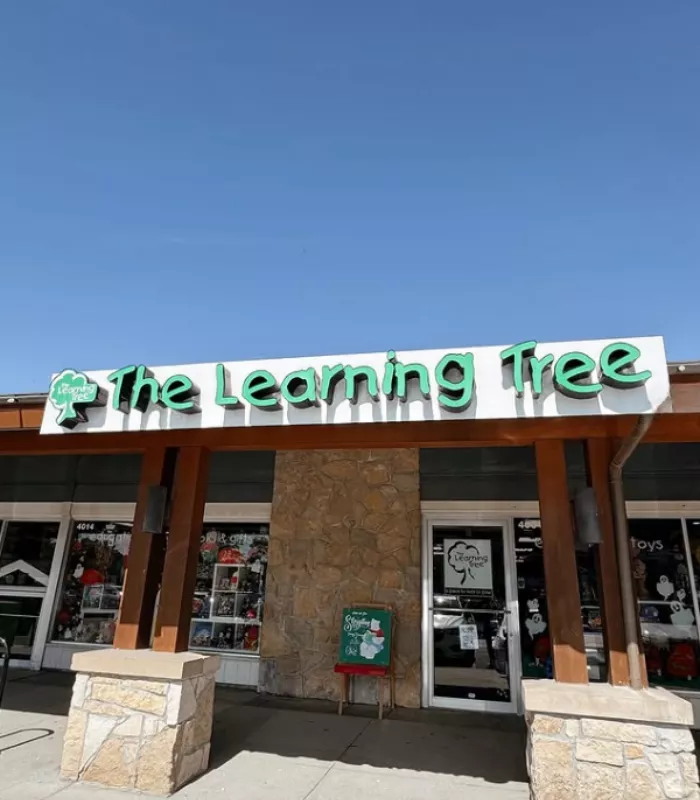
The Learning Tree was a specialty toy store focused on books, games, and creative learning tools for children.
It had a loyal following among parents who wanted more than just action figures and video games.
But here’s the deal — when parents discovered they could find the same educational toys online for less money, specialty stores like The Learning Tree had no way to compete on price.
The store thrived in an era when finding high-quality educational toys required knowing exactly where to look.
Teachers and homeschooling parents were among its most devoted regulars, often returning season after season for classroom supplies and learning games.
The staff at stores like The Learning Tree tended to be knowledgeable and passionate — the kind of help you simply cannot get from a product listing page.
That personal expertise was the store’s greatest strength, and it was also the one thing the internet could never fully replace.
Why It’s On This List: The Learning Tree represents dozens of small educational toy chains that the internet quietly wiped out in the early 2000s.
11. FAO Schwarz, United States
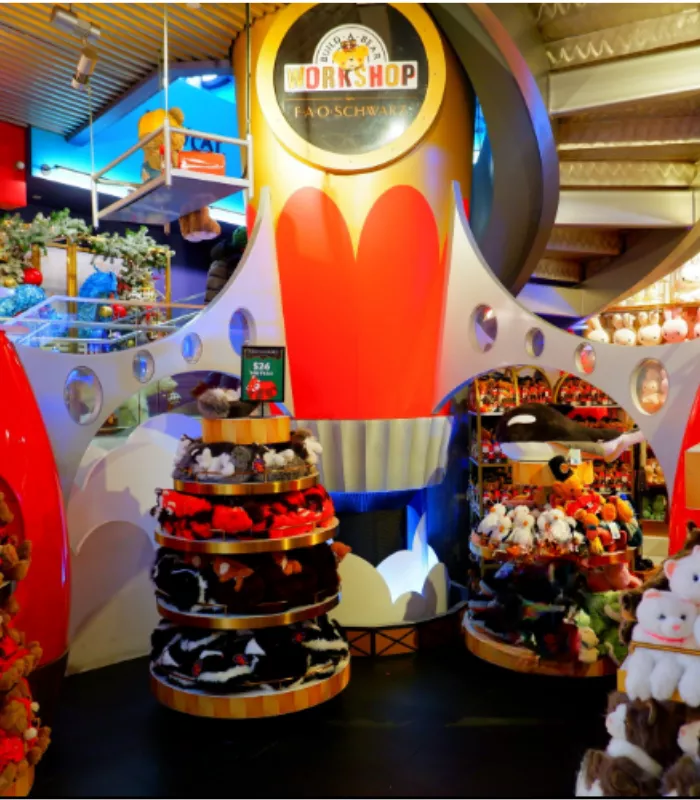
FAO Schwarz was not just a toy store. It was a landmark.
Founded in 1862, it was one of the oldest toy retailers in America. The giant floor piano in the New York City flagship store became one of the most famous retail moments in movie history, thanks to the film “Big.”
But even a legendary name could not survive rising rents and online competition. The original NYC store closed in 2015.
FAO Schwarz was the kind of store that made adults feel like children again the moment they walked through the door.
It stocked rare, high-end toys that you simply could not find anywhere else — custom dolls, elaborate train sets, and one-of-a-kind collectibles.
Tourists from around the world put it on their New York City itinerary right alongside the Statue of Liberty and Central Park.
When it closed its famous Fifth Avenue location, the reaction was not just disappointment — it felt like the end of something truly irreplaceable.
Why It’s On This List: FAO Schwarz survived two world wars and the Great Depression. But it could not survive Amazon.
12. Lionel Playworld, United States
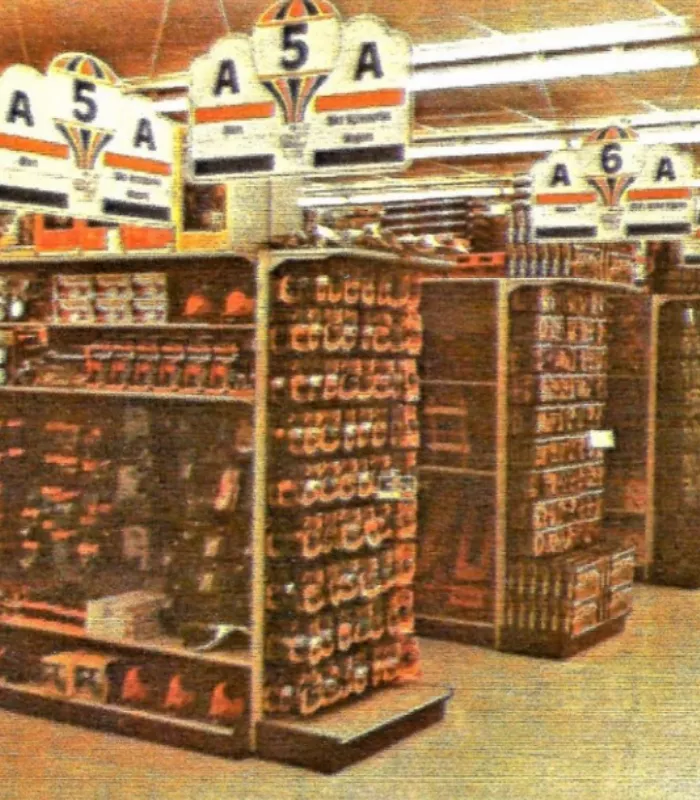
Lionel Playworld was a large-format toy store owned by the same company behind the iconic Lionel train sets.
It offered a huge selection of toys across massive floor spaces. The Lionel Corporation operated several toy store chains, including Lionel Playworld, Lionel Kiddie City, and Lionel Toy City.
The entire Lionel retail operation was liquidated in 1993. The toy train brand lived on, but the stores did not.
Lionel Playworld stores were among the largest toy retail spaces of their era, giving families room to browse for hours.
The connection to the Lionel train legacy gave the stores a sense of heritage and craftsmanship that most competitors could not match.
Fathers who had grown up with Lionel trains in the 1950s and 1960s loved taking their own kids to Lionel Playworld decades later.
It was one of those rare stores that managed to bridge generations — until the business side of things finally ran out of track.
Why It’s On This List: Lionel built its name on imagination and adventure. But the retail side of the business ran out of track before the internet era even began.