

If you grew up in the 1970s, you remember what it felt like to be sold to.
Not marketed to. Not influenced. Sold to.
There was a handshake involved. Eye contact that lasted slightly too long.
And a man who had “just one more thing” to show you approximately seven times in a row.
Sales culture back then was its own ecosystem — part theater, part psychology, and part endurance test.
The funny part is, most of it actually worked.
1. The Family Doctor
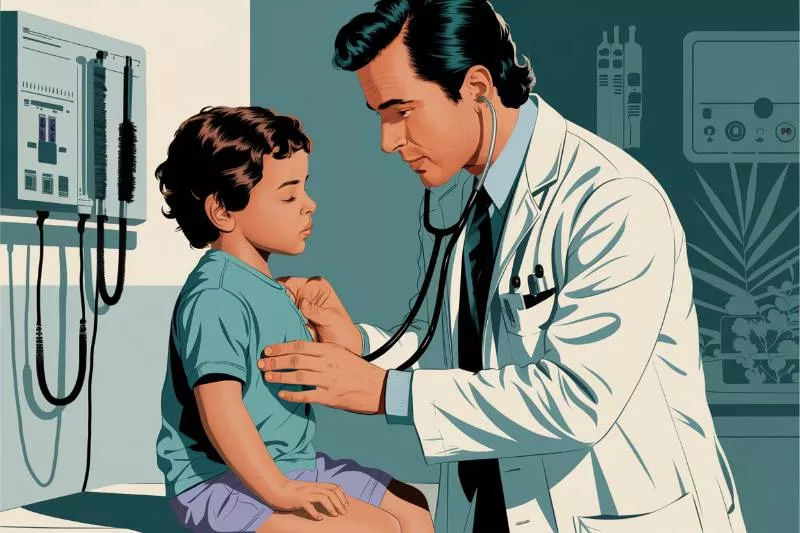
Back in the 1970s, your family doctor was like a trusted neighbor.
He knew your name, your parents’ names, and probably your grandmother’s blood pressure.
House calls were still happening. You did not need to book online three weeks ahead.
Today, that personal bond has largely disappeared.
Most people see a different doctor every visit.
In the 70s, two-thirds of Americans ranked doctors among the most prestigious people in their community.
Why It Made the List: The family doctor was more than a medical professional. He was a community pillar. That relationship-first approach to healthcare feels almost unthinkable today.
2. The Schoolteacher

Teaching in the 1970s carried real social weight.
A Harris Poll from 1977 found that two-thirds of Americans saw teaching as a profession with considerable prestige.
By 1981, that number had already dropped to just 54%.
Teachers were respected in their neighborhoods.
Parents backed them up, not argued with them at school board meetings.
That’s why the slow erosion of teacher respect over the decades feels so jarring to anyone who lived through the 70s.
Why It Made the List: Teaching was once a career that young, talented people actively chose. Today, many of those same talented people choose other paths because the prestige simply is not there anymore.
3. The Factory Worker
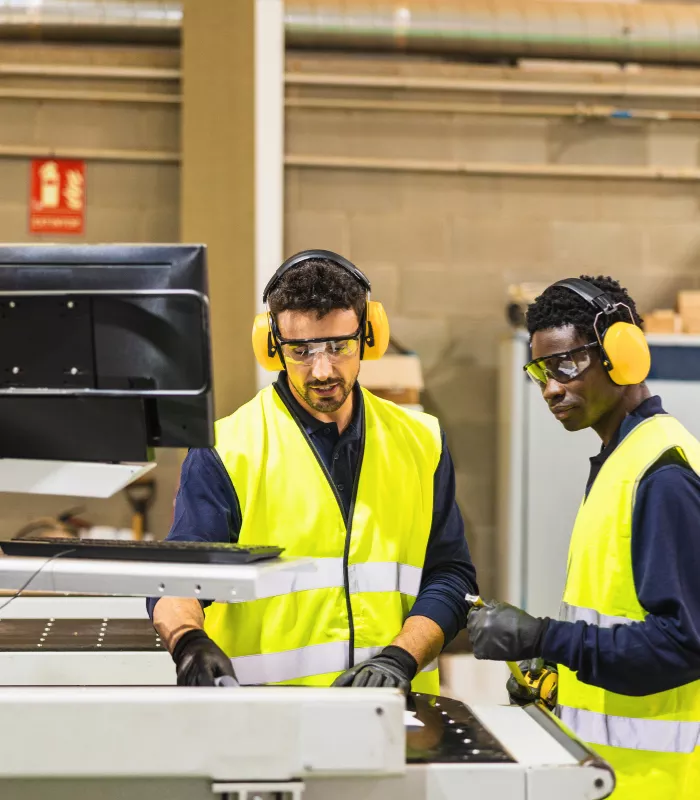
Working in a factory in the 70s was not seen as a last resort. It was a solid, respectable life choice.
You got a union card, a pension, and a mortgage. You built something real with your hands.
Between 1972 and 1980, over 15 million new jobs were added to the U.S. economy.
Many of those were in manufacturing.
Factory workers supported families, bought homes, and sent kids to college. All on one income.
But here is the deal. That world started crumbling in the late 70s as jobs began moving overseas and wages stopped keeping up with inflation.
Why It Made the List: A factory job in the 70s meant dignity and a real future. That image shifted dramatically over the following decades as those jobs disappeared and the status went with them.
4. The Milkman
From the 1920s all the way into the 1970s, the milkman was a familiar face on every street.
He arrived before sunrise, left glass bottles on your step, and picked up the empty ones.
He was not just delivering milk. He was part of the neighborhood’s daily rhythm.
People knew his name. Kids waved from the windows. He was a trusted presence, not a stranger.
Wide grocery aisles and refrigerators with bigger doors eventually made him unnecessary. But for a long time, he was essential.
Why It Made the List: The milkman represented a kind of community service that has mostly vanished. His job was built on trust, routine, and personal connection, things that carried genuine social value.
5. The Bank Teller

Walking into a bank in the 1970s meant talking to a real person.
No ATMs at every corner. No apps. No chatbots. Just a human being who helped you with your finances.
Bank tellers were seen as knowledgeable professionals in their communities.
One Reddit user who started at a bank in 1980 recalled a workplace with no computers at all. Everything was done by hand, and it still worked beautifully.
That personal accountability made the job feel important because it was.
Why It Made the List: The bank teller was the face of financial trust in everyday life. As ATMs and apps replaced the human touch, that sense of personalized financial care quietly faded away.
6. The Lawyer

In the 70s, becoming a lawyer meant something big. It meant you were educated, respected, and had made it.
Lawyers were community leaders. They advised families, handled estates, and settled disputes over a handshake.
The job carried a sense of honor that felt different from today’s perception.
That’s why so many families pushed their children toward law school. It was a near-guaranteed path to prestige and a comfortable life.
Today the profession is often viewed with more cynicism. Back then, most people genuinely looked up to their lawyer.
Why It Made the List: The lawyer’s fall from grace is one of the most dramatic in professional history. From trusted community advisor to punchline of jokes, the image shift is striking.
7. The Full-Service Gas Station Attendant

Pull into a gas station in 1975 and someone would run out to greet you.
They pumped your gas, checked your oil, cleaned your windshield, and sent you off with a smile. All included.
This was not a low-status job. It was skilled, physical, customer-facing work that people relied on daily.
Self-service gas stations started appearing in the early 70s. By the end of the decade, the full-service attendant was nearly gone.
You are better off asking someone over 60 about this one. Their eyes will light up.
Why It Made the List: The gas station attendant was a small but meaningful symbol of the service economy at its most personal. That cheerful, hands-on care for customers was once the norm, not the exception.
8. The Newspaper Journalist

In the 70s, journalism was one of the most admired careers you could choose.
Watergate happened in 1972. Two journalists from the Washington Post helped bring down a president. That was career-defining stuff.
Young people flooded journalism schools after that.
Reporters were seen as fearless truth-tellers and public servants.
The newsroom had a romance to it. Deadlines, typewriters, cigarettes, and a deep sense of purpose.
Today, trust in the media has fallen sharply, and many local newspapers have closed entirely. The image has changed completely.
Why It Made the List: Post-Watergate, journalists were cultural heroes. That era gave the profession a glow that lasted for years. The contrast with how journalism is viewed today is impossible to ignore.
9. The Homemaker

Running a household in the 1970s was seen as a full and meaningful career.
Managing the budget, cooking from scratch, raising children, and keeping the home were respected work. Seriously.
The median age of marriage was rising in the 70s as women gained more choices.
But those who chose to stay home were not looked down on. Not yet.
That shift came gradually as more women entered the workforce and the cultural conversation changed.
For many families of that era, the homemaker was the glue that held everything together, and everyone knew it.
Why It Made the List: The homemaker was once considered a cornerstone of community life. The work was visible, valued, and deeply respected. That cultural recognition has largely disappeared over the past 50 years.
10. The Union Steward
In the 1970s, about one in four American workers belonged to a union. That number has fallen to around one in ten today.
The union steward was a big deal. He fought for your wages, your hours, and your safety at work.
These were ordinary people who stood up for other ordinary people.
That took courage, and communities respected it.
Jobs began deteriorating in the late 70s as pensions disappeared and wages stopped matching inflation. The union steward saw it coming.
Today the role exists in fewer workplaces, and its cultural power is a fraction of what it once was.
Why It Made the List: The union steward was the working class’s most visible champion. As union membership declined, so did the idea that workers had a powerful, respected voice looking out for them.
11. The Travel Agent

Walking into a travel agency in 1975, you were walking into a place of real expertise.
The agent behind that desk knew airline schedules, hotel rates, and cruise routes by heart.
A good travel agent in the 70s earned the equivalent of $70,000 to $80,000 in today’s money.
Sometimes, more on corporate accounts.
They charged 10 to 15 percent commissions and earned every penny. There was no internet to check. They were on the internet.
Today, the average travel agent earns around $38,000, competing with algorithms that book an entire vacation in four minutes.
Why It Made the List: The travel agent held specialized knowledge that no one else had. That gave the job real power and real prestige. Expedia and Google Flights quietly took both of those things away.
12. The Secretary

In the 1970s, being a secretary was a career path, not a stepping stone.
Top secretaries earned the equivalent of $54,000 today, with benefits, a clear career path, and genuine respect from the people they supported.
They managed their executives’ entire professional lives.
Scheduling, correspondence, and shorthand at 100 words per minute. It was skilled work.
Many secretaries held more real power in an office than anyone wanted to admit out loud.
Word processors and then computers gradually made parts of the job obsolete, and the cultural respect faded along with the role.
Why It Made the List: The secretary was the backbone of the 70s office. Their skills were genuinely difficult to master and widely admired. The title itself has largely vanished, replaced by “administrative assistant” or nothing at all.
13. The Telephone Operator
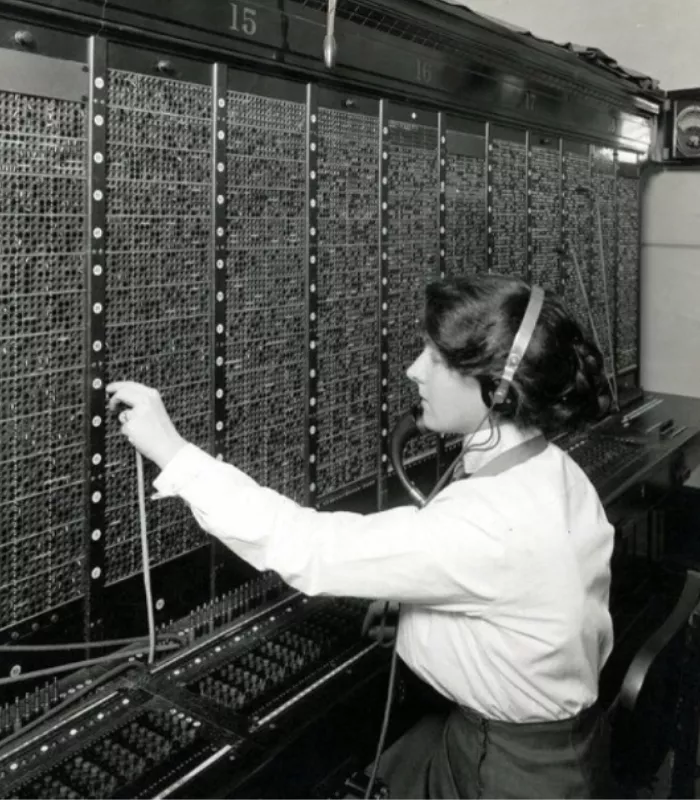
Before direct dialing became standard, a telephone operator connected your calls by hand.
They worked switchboards, answered questions, assisted in emergencies, and were often the calm voice that helped people in their worst moments.
The Bell System invested in its workers with paid training, automatic raises, and a pension after 30 years.
Job security was nearly unheard of elsewhere.
It was a union-protected role with real benefits and a sense of community purpose that felt meaningful.
Automation arrived steadily through the 70s and 80s, and by the 90s, the job was nearly gone entirely.
Why It Made the List: The telephone operator was a human lifeline in an era before personal devices. The Bell System treated its workers well, and communities knew and appreciated the people behind those voices.
14. The Mailman

In the 1970s, the mail carrier was a daily constant in every neighborhood in America.
He knew which families were expecting packages, which seniors lived alone, and which kids collected stamps.
The job came with a pension, healthcare that cost almost nothing, and enough vacation to actually take the family somewhere.
Today’s postal carrier earns around $51,000, roughly 12 percent less in real terms than carriers earned back then when adjusted for inflation.
But it is not just the pay. The quiet dignity of that daily route has never quite been replaced.
Why It Made the List: The mailman was woven into the fabric of daily neighborhood life. He was trusted, familiar, and appreciated. That personal connection to community service made the job feel like more than just delivering envelopes.
15. The Electrician
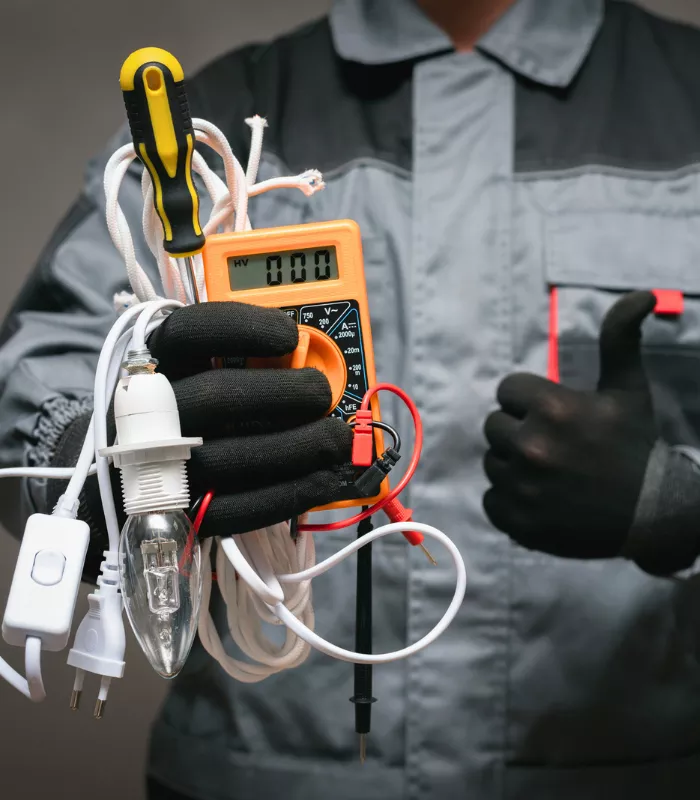
A union electrician in the 1970s earned what would be $76,000 today, with full benefits, an annuity fund, and guaranteed raises built right into the contract.
They wired hospitals where backup generators had to work perfectly in emergencies. They kept factories running.
This was a career that commanded deep respect, not just a trade job.
But here is the catch. Union membership has fallen sharply since the 70s, and with it the wages, benefits, and social standing that made the career so attractive.
Today’s non-union electrician earns around $52,000 on average, a significant step down from the security that generation had.
Why It Made the List: The union electrician in the 70s had it figured out. Solid pay, job security, and real community respect. The decline of union protections changed all three of those things at once.
16. The Librarian

Before Google, the librarian was the person who knew where all the answers lived.
They were educators without classrooms, researchers without labs, and community anchors without fanfare.
In the 70s, a librarian held a master’s degree and was treated accordingly.
Parents brought their kids to the library the way they brought them to church. With reverence.
The internet did not just change how we find information. It quietly reassigned the librarian’s most visible role to a search bar.
Many public libraries now fight for basic funding, a stark contrast to the community pride that surrounded them in the 70s.
Why It Made the List: The librarian was a trusted guide through the world of knowledge. That role carried deep social respect. Today the profession survives, but the cultural weight it once carried has been mostly forgotten.
17. The Pharmacist

In the 1970s, your neighborhood pharmacist knew your name and your medical history without looking anything up.
He counted pills by hand, typed labels on a typewriter, and often gave you more useful advice than a rushed doctor could.
The pharmacist was a genuine healthcare partner in the community.
People trusted him as much as they trusted any professional in town.
Today’s pharmacist is more likely to be a corporate employee behind a counter in a chain store, working under pressure to fill hundreds of prescriptions a shift.
The knowledge is still there. But the personal relationship that made it so meaningful mostly is not.
Why It Made the List: The neighborhood pharmacist of the 70s was one of the most trusted figures in any community. That hands-on, know-your-customer approach to health made the job feel essential. And it was.
18. The Typist
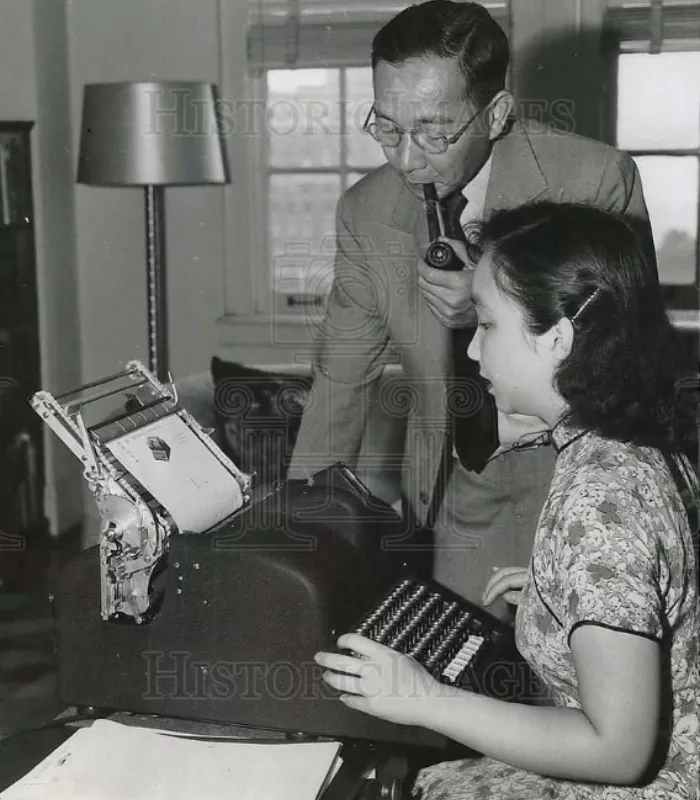
Before word processors and computers, the typist was the engine of every office.
They clattered away on manual typewriters at incredible speed, producing clean documents that made businesses function.
A fast, accurate typist was genuinely hard to find and well compensated for it.
Typing pools in large offices were respected departments, not afterthoughts.
I made a classic mistake assuming this was a simple job. Try typing 80 words per minute on a manual machine with no backspace key and no autocorrect.
The personal computer arrived and turned everyone into their own typist. Almost overnight, the profession disappeared.
Why It Made the List: The professional typist was an invisible but essential force in the 70s workplace. Their speed and accuracy were skills that took years to develop. The PC made those skills invisible by giving them to everyone at once.
19. The Newspaper Carrier
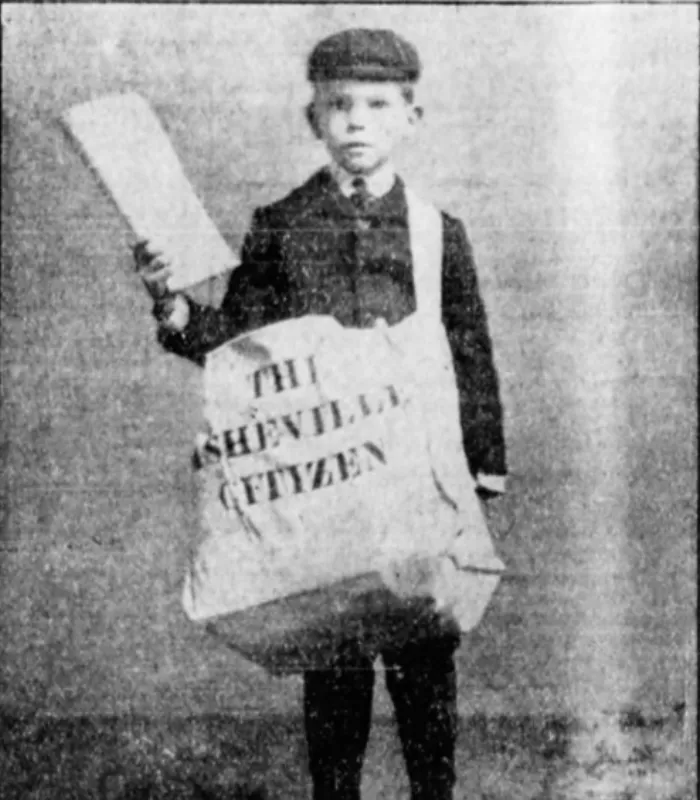
Delivering newspapers in the 1970s was one of the most respected first jobs a young person could have.
It was not seen as trivial. It was a real lesson in responsibility, punctuality, and earning your own money.
Parents actively encouraged it. Communities valued it. Kids felt proud doing it.
The route taught you your neighborhood, built your legs, and put cash in your pocket before you were old enough for most other work.
With print newspapers in steep decline, that daily ritual of folded papers on doorsteps has quietly become a thing of the past.
Why It Made the List: The newspaper carrier was a rite of passage that built character and community connection at the same time. Its disappearance says as much about what we have lost in local journalism as it does about changing jobs.
20. The TV Repairman
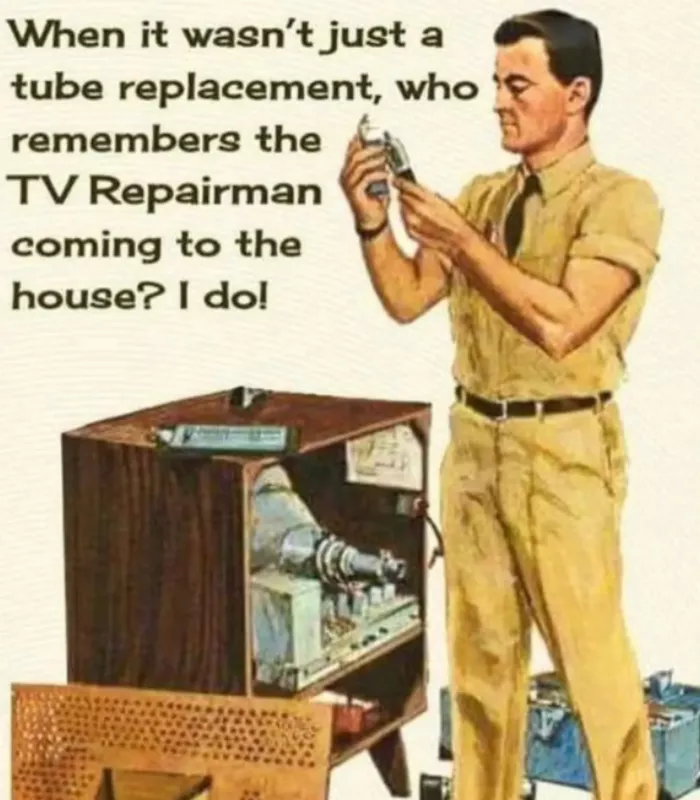
In the 1970s, when your television broke, you called a repairman. You did not throw it away and buy a new one.
The TV repairman came to your home, opened up the back of the set, and fixed the problem on the spot.
It was skilled technical work that required real knowledge of electronics and earned genuine respect.
That’s why families kept the same television for ten or fifteen years. Repair was the norm, not replacement.
Cheap manufacturing and throwaway culture arrived together in the 80s and 90s, and the TV repairman became one of the first victims of planned obsolescence.
Why It Made the List: The TV repairman represented an entire philosophy of work that said: fix what is broken, take care of what you have, and value skill. That mindset, and that career, belong almost entirely to the past now.