

Costa Rica sells the dream hard. Zip lines, howler monkeys, and a pura vida lifestyle that sounds perfect on a brochure.
Nobody warns you about the beach town that smells like last night’s bad decisions.
Or the one where your rental car becomes a sacrifice to the road gods.
Some of these towns are beautiful from a distance. The keyword is distance.
1. Jaco Beach, Puntarenas
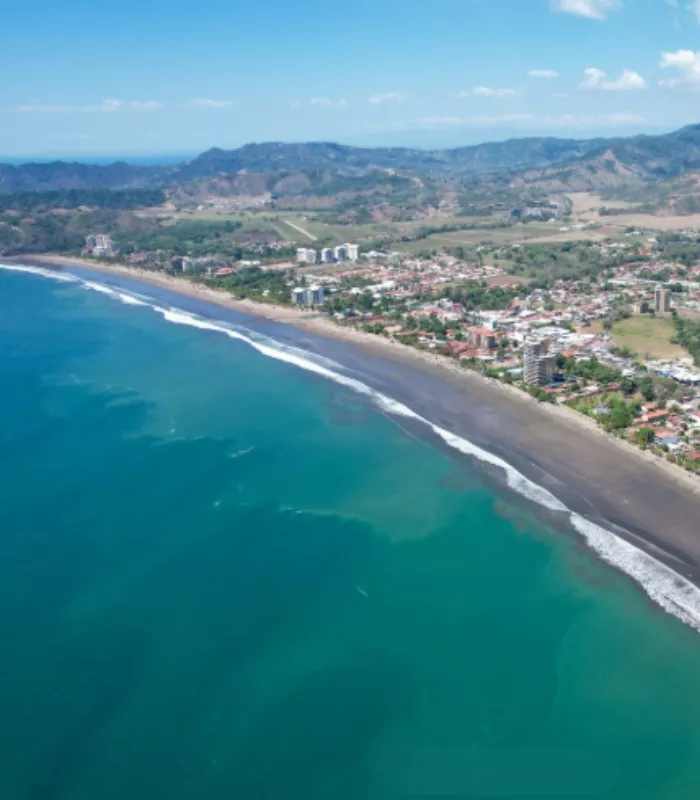
Jaco is one of the most visited beach towns in Costa Rica.
But here’s the catch: it comes with a reputation that makes many Americans over 50 uncomfortable.
The town is known for loud nightlife, crowded bars, and a party scene that runs until sunrise.
It can feel more like a college spring break destination than a relaxing retirement getaway.
Street crime and petty theft are also more common here than in quieter beach towns.
Bag snatching near the beach has been reported by tourists regularly.
The main strip is lined with souvenir shops and bars that blast music at all hours.
Parking is chaotic, and the roads near the beach get gridlocked on weekends.
Many long-term expats describe Jaco as a place you visit once and never return to.
The beach itself is not particularly clean compared to other Pacific coast options.
Stray dogs and heavy foot traffic are a constant presence along the shoreline.
If you are looking for rest and quiet, Jaco will work against you every single day.
That’s why seasoned travelers consistently rank it among the most overhyped stops in the country.
There are far better options just an hour up or down the coast.
Why It’s On This List: Jaco’s party culture and higher crime rate make it a poor fit for Americans looking for peace, safety, and a slower pace of life.
2. Quepos, Puntarenas
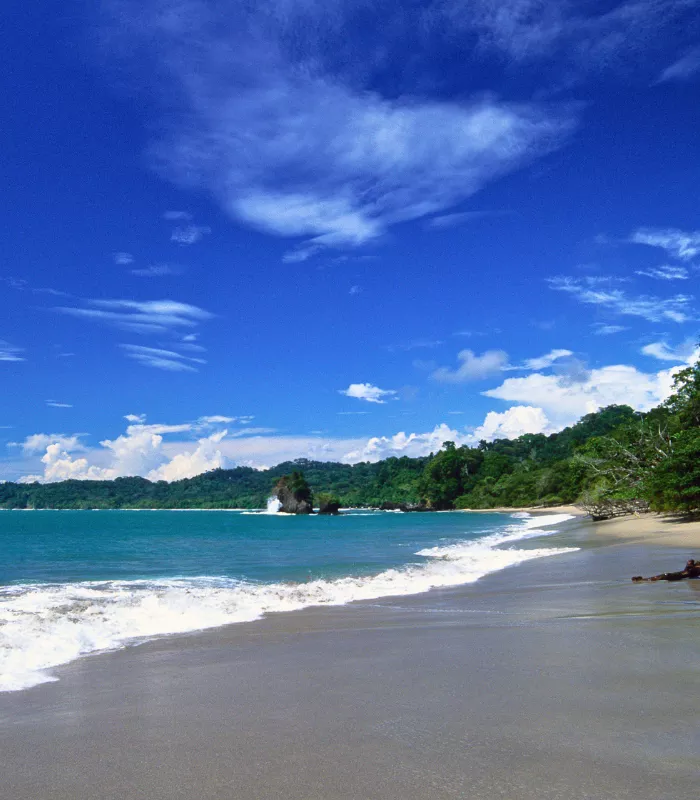
Quepos sits near the famous Manuel Antonio National Park.
That sounds great on paper. In practice, the town itself can be a letdown.
The main drag is noisy, congested, and packed with tourist traps.
Prices in Quepos have jumped sharply in recent years because of its proximity to the park.
You will often pay more and get less compared to other beach towns in Costa Rica.
Traffic near the park entrance can back up for over an hour on peak days.
Restaurants near the waterfront charge resort-level prices for very average food.
The town center has a worn, run-down feel that does not match its inflated reputation.
Accommodation quality varies wildly, and budget options are becoming harder to find.
Noise from bars and passing trucks can make sleeping difficult in cheaper rentals.
The park itself has a daily visitor cap, so you may not even get in after the long trip there.
Monkeys and wildlife near the park are impressive, but they do not make up for the town’s shortcomings.
Most visitors spend one night, see the park, and move on quickly.
That alone says something about how livable Quepos really is for longer stays.
Why It’s On This List: Overcrowding and inflated prices make Quepos one of the least relaxing spots for older American visitors who want value and calm.
3. Playa del Coco, Guanacaste
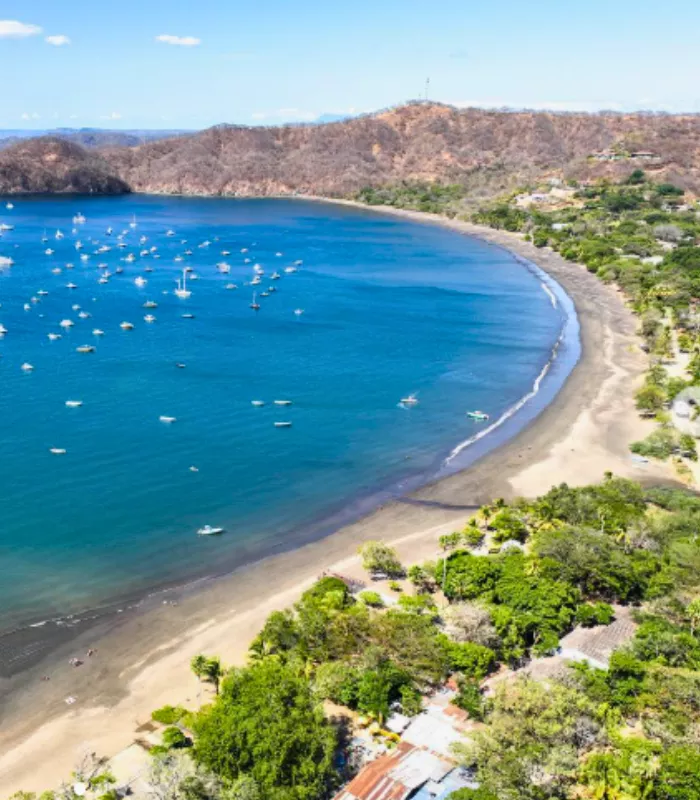
Playa del Coco is one of the most accessible beach towns in Guanacaste.
But the beach itself is not very impressive. The water tends to be murky, and the sand is dark and coarse.
The town has grown fast, and not always in the right direction.
Reports of drug activity near the waterfront have increased over the past few years.
Many long-term expats have quietly moved away to calmer areas nearby.
The bar scene dominates the town center and makes evenings feel unsafe for solo walkers.
Budget accommodations here are often poorly maintained and overpriced for what you get.
The marina area brings in a transient crowd that adds to the unsettled atmosphere.
Grocery options are limited, and quality restaurants are few and far between.
Internet and utility reliability can be inconsistent, which frustrates remote workers and retirees alike.
The surrounding area has little to offer beyond the beach, which is not even its strongest selling point.
Nearby towns like Ocotal and Hermosa offer a noticeably calmer and cleaner experience.
Most Americans who try Playa del Coco do not come back for a second visit.
The town has potential but has consistently failed to live up to it.
Why It’s On This List: A less attractive beach combined with safety concerns makes Playa del Coco a town you are better off skipping.
4. Tamarindo, Guanacaste
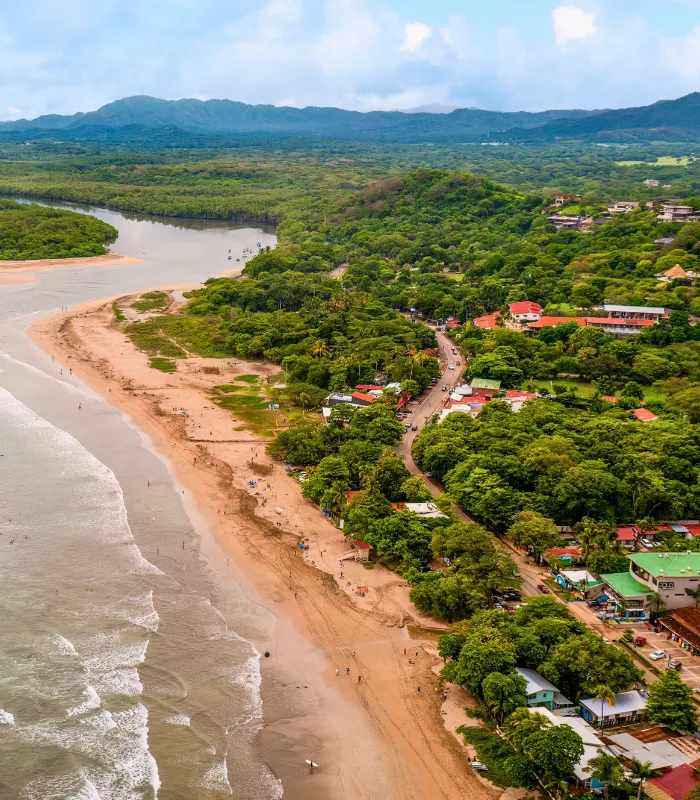
Tamarindo is one of the most well-known beach towns in all of Costa Rica.
It is also one of the most overdeveloped.
The roads are dusty and poorly maintained. Construction seems to never stop.
Rental prices in Tamarindo rival those in Miami Beach, which shocks many first-time visitors.
The beach can get extremely crowded, especially from December through April.
That’s why so many experienced travelers now skip it entirely and head to less commercialized towns.
Chain restaurants and souvenir shops have replaced much of the local character that once made it charming.
Traffic through the single main road can come to a complete standstill during peak season.
Theft from vehicles parked near the beach is a well-known and ongoing problem.
The surf scene draws a young, rowdy crowd that dominates the public beach space.
Many Americans who move there end up relocating within two years due to the noise and cost.
Water quality near the town center has raised concerns during the rainy season runoff.
Despite the hype, the sunsets are not significantly better than those in a dozen quieter towns nearby.
Tamarindo is the cautionary tale of what happens when a beautiful place gets too famous too fast.
Why It’s On This List: Tamarindo has traded its charm for commercialism, making it expensive, noisy, and frustrating for Americans seeking an authentic Costa Rica experience.
5. Puntarenas City, Puntarenas
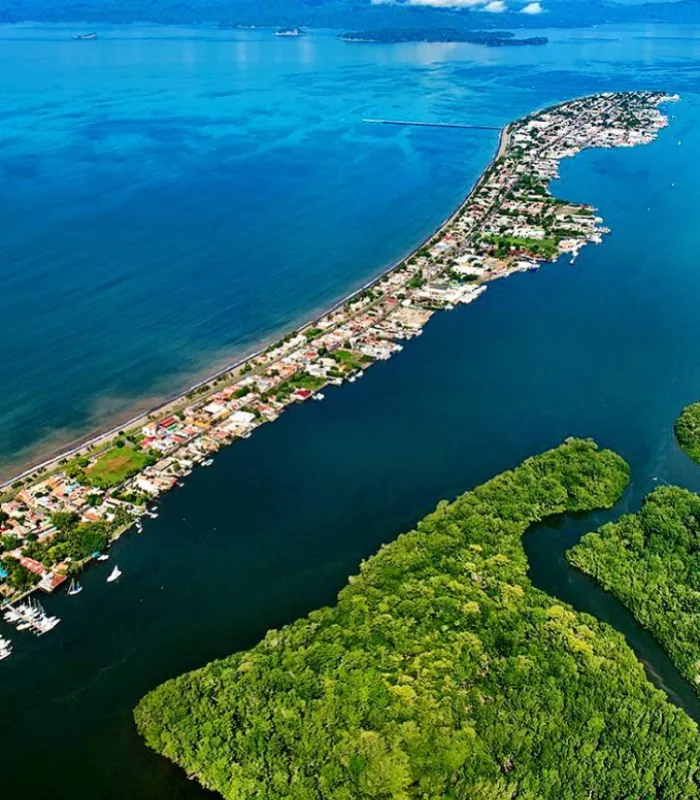
Puntarenas City is the main port town on Costa Rica’s Pacific coast.
Many travelers pass through here on the way to other destinations.
Most travel advisors recommend not staying overnight in Puntarenas City itself.
Parts of the town have high poverty and elevated crime rates compared to resort areas.
The beach in the city center is not clean enough for swimming by most standards.
The heat in Puntarenas is intense, and the lack of shade along the waterfront makes walking unpleasant.
The local economy relies heavily on fishing and transit, not tourism infrastructure.
Quality hotels are scarce, and the ones that exist are rarely up to American standards.
The ferry terminal area can feel chaotic and overwhelming for first-time visitors.
Harassment from vendors and panhandlers near the docks is a common complaint.
Medical care and English-speaking services are harder to access here than in tourist-focused towns.
Flooding during the rainy season affects parts of the city regularly and disrupts daily life.
The waterfront promenade has charm during the day but becomes unsafe after dark in some stretches.
It is a working city, and it shows in ways that make it poorly suited for a relaxing stay.
Why It’s On This List: Puntarenas City is better as a ferry stop than a vacation spot. It lacks the safety and amenities that most American retirees need.
6. Montezuma, Puntarenas
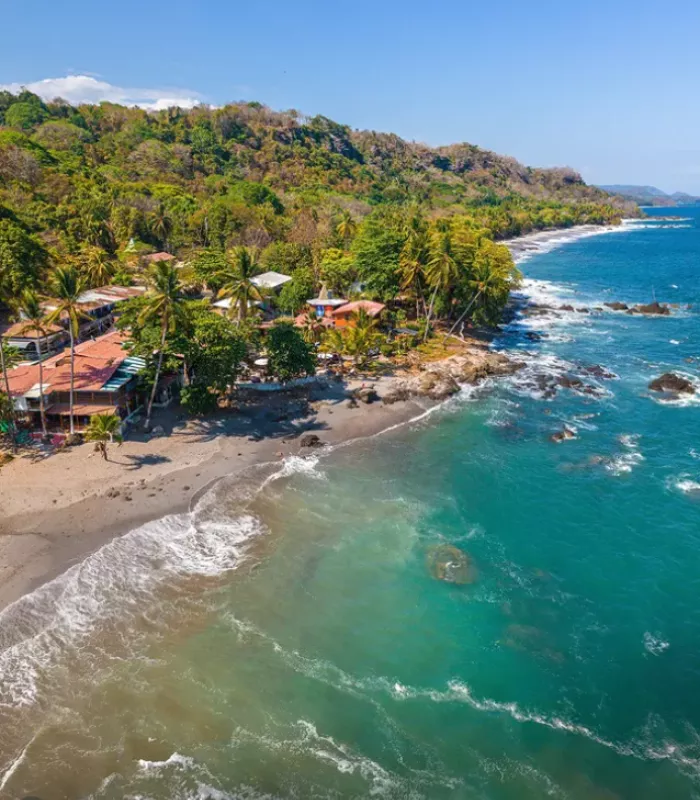
Montezuma has a quirky, bohemian personality that some people love.
But for Americans over 50, it presents some real challenges.
The roads to get there are rough and long. The trip from San Jose can take 4 to 5 hours, including the ferry.
Medical facilities near Montezuma are very limited, which is a serious concern for older travelers.
The town itself is small, with few upscale dining or accommodation options.
The hippie-backpacker atmosphere is fun at 25 and exhausting at 55.
Electricity outages happen more frequently here than in more developed beach towns.
Insects and wildlife encounters are more intense in this jungle-adjacent location.
The narrow streets flood easily during heavy rains and become difficult to navigate on foot.
ATMs are limited, and cash is essential, which adds a layer of logistical stress.
Cell service is weak in many parts of town, making communication unreliable.
The waterfall nearby is beautiful but requires a physical hike that is not suitable for everyone.
Getting emergency help quickly from Montezuma is genuinely difficult given its remote location.
The isolation that makes it feel adventurous at a young age becomes a liability as you get older.
Why It’s On This List: Poor road access and a lack of quality healthcare nearby make Montezuma a risky choice for anyone with health considerations or mobility concerns.
7. Nosara, Guanacaste
Nosara has become a hot spot for yoga retreats and digital nomads.
That has driven prices through the roof.
A basic rental in Nosara can easily cost $3,000 or more per month.
The unpaved roads are brutal, especially during the rainy season from May to November.
Many visitors report damaging rental cars just getting in and out of town.
I made a classic mistake of renting a small sedan there once. It was not a good idea.
A 4-wheel-drive vehicle is essentially mandatory, which adds high cost to any trip.
The wellness crowd has shaped the town into something that feels exclusive and unwelcoming to outsiders.
Grocery stores are small and expensive, and many basic goods require a long drive to find.
The trendy restaurant scene caters to a young, health-focused demographic that does not match most retiree preferences.
Construction of luxury villas has picked up dramatically, bringing noise and dust to once-quiet streets.
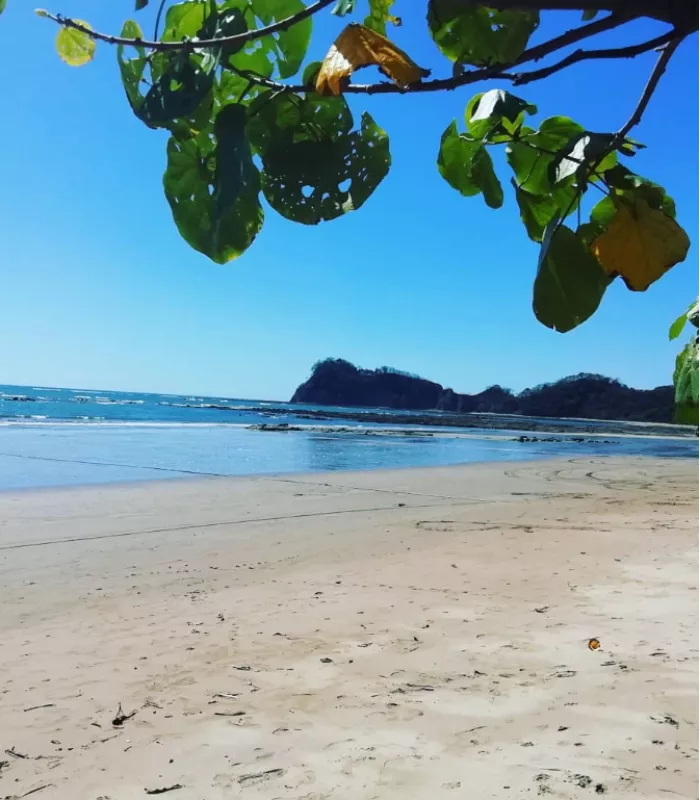
The beach is stunning, but getting to it safely during the wet season requires real effort.
Many Americans who visit leave feeling like the town was not built for them.
That feeling is accurate. Nosara has a target audience, and it is not the over-50 crowd.
Why It’s On This List: Nosara’s trendy reputation has made it too expensive and too hard to navigate for most Americans looking for a comfortable, affordable beach lifestyle.
8. Puerto Viejo de Talamanca, Limon
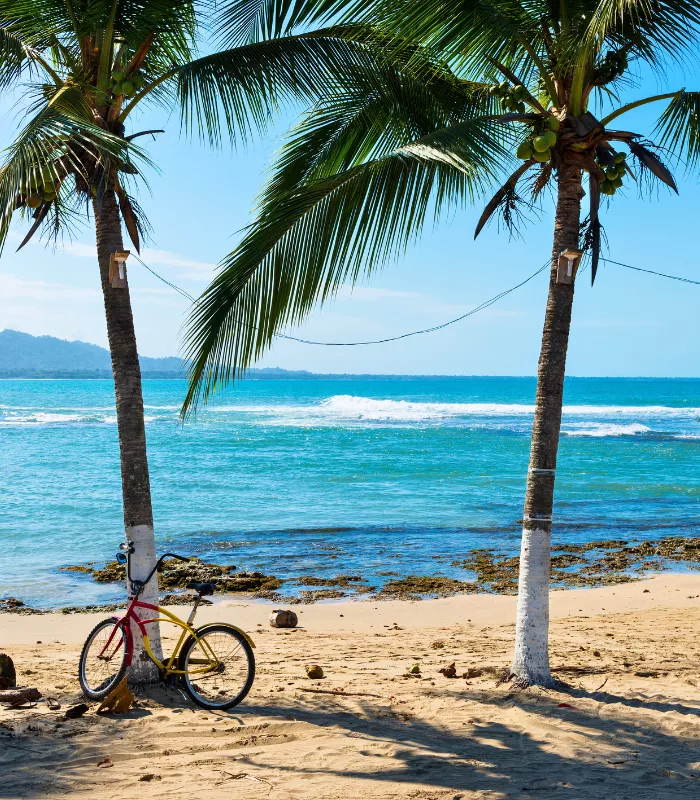
Puerto Viejo is on the Caribbean side of Costa Rica.
It has a lively reggae vibe and beautiful coral reef beaches nearby.
But the town has a well-documented history of theft and robberies targeting tourists.
The U.S. Embassy has specifically flagged Puerto Viejo for increased criminal activity in past travel alerts.
The roads in the area are poorly lit and narrow, making nighttime travel risky.
Infrastructure such as reliable electricity and internet can also be inconsistent.
Bicycle theft is so common here that locals joke about it being the town’s second industry.
The humid Caribbean climate means mold, insects, and heat that many Americans find difficult to manage long-term.
Healthcare access is significantly worse on the Caribbean side than in Guanacaste or the Central Valley.
The nearest major hospital requires a long drive on roads that are not always passable after heavy rain.
The party atmosphere peaks on weekends and makes sleep nearly impossible near the town center.
Drug use is visible and open in parts of town, which makes many older visitors uncomfortable.
The natural beauty of nearby Cahuita and Manzanillo parks is genuinely world-class.
Unfortunately, the town surrounding that beauty has not kept pace with the standards most Americans expect.
Why It’s On This List: Despite its natural beauty, Puerto Viejo’s safety record and lack of reliable infrastructure make it a difficult choice for American retirees and older travelers.