

Picking a bad beach in Canada is surprisingly easy when you do not know what to look for.
The country has the longest coastline on Earth. That is a lot of sand, a lot of water, and a lot of opportunities for a vacation to go sideways.
Bacteria spikes. 40-foot tides. Surprise construction zones. Nudist beaches with no warning signs.
Canada keeps its beach fine print very, very small.
1. Parlee Beach, New Brunswick
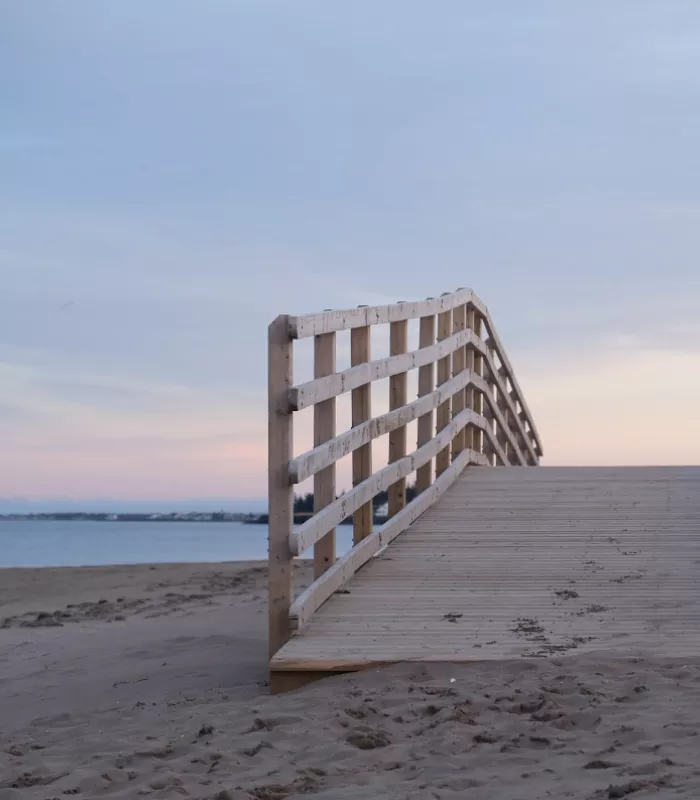
Parlee Beach sits on the Northumberland Strait near Shediac, New Brunswick. It bills itself as the warmest saltwater beach north of Virginia. Sounds dreamy, right?
But here’s the catch. This beach has a long history of water quality problems.
In 2025, one water sample tested at 7,270 units of enterococcus bacteria per 100 millilitres. The safe limit before a no-swim advisory is just 70 units. That is more than 100 times over the limit.
No-swim advisories have been posted here repeatedly over the years. One environment group said they had never seen bacteria counts that high in all their years of monitoring.
The beach is still heavily promoted as a top Maritime destination. Thousands of visitors show up each summer without knowing the water may be closed.
There is no reliable way to know before you arrive whether swimming will be allowed. Same-day testing is in place, but results are not always posted quickly enough.
For Americans planning a beach day around Shediac, this unpredictability can derail an entire trip itinerary.
Why It’s On This List: You could be looking at beautiful warm water one day, then hit with a no-swim advisory the next. For American visitors who have traveled far, that is a huge gamble.
2. Long Beach, Tofino, British Columbia
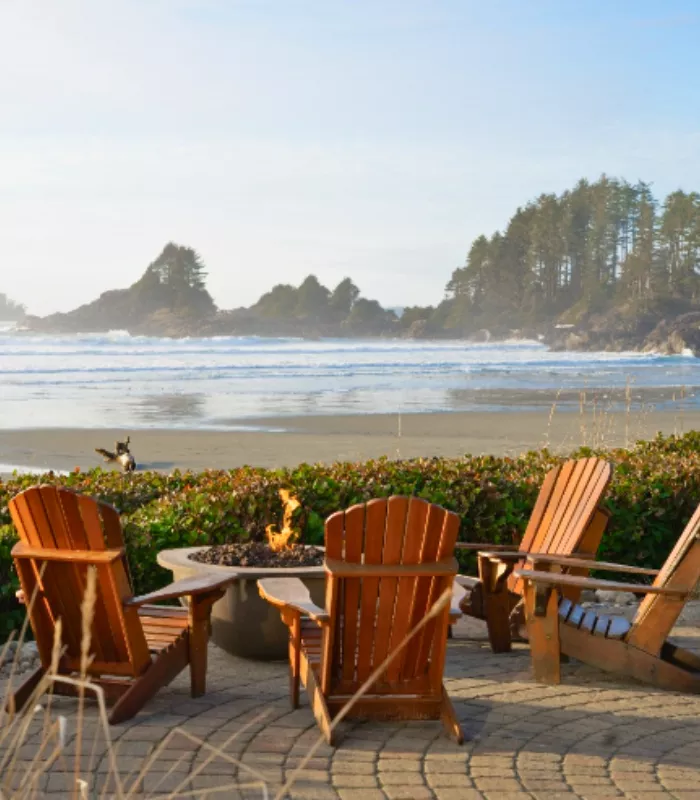
Long Beach on Vancouver Island is one of the most photographed beaches in Canada. The Pacific mist, the dramatic surf, the ancient rainforest behind you. It looks like a postcard.
But here is the deal. About 80% of all surf rescue calls near Tofino are linked to rip currents. These currents can move faster than an Olympic swimmer.
There are no lifeguards patrolling Long Beach. It sits inside Pacific Rim National Park. If something goes wrong, emergency response times can be very long.
For swimmers over 50, this is a serious risk. The beach is stunning to walk. But getting into the water here is not worth it for most visitors.
The waves look manageable from shore. That is the illusion. Rip currents form beneath the surface and pull swimmers offshore before they realize what is happening.
The nearest hospital to Tofino is hours away by road. Helicopter evacuation is not uncommon after beach emergencies in this area.
Many visitors drive four or more hours from Vancouver to reach Long Beach. Finding out you cannot safely swim when you arrive is a frustrating discovery.
Why It’s On This List: No lifeguards, plus powerful rip currents plus a remote location equals a beach that looks better from the shore than from the water.
3. Wasaga Beach, Ontario
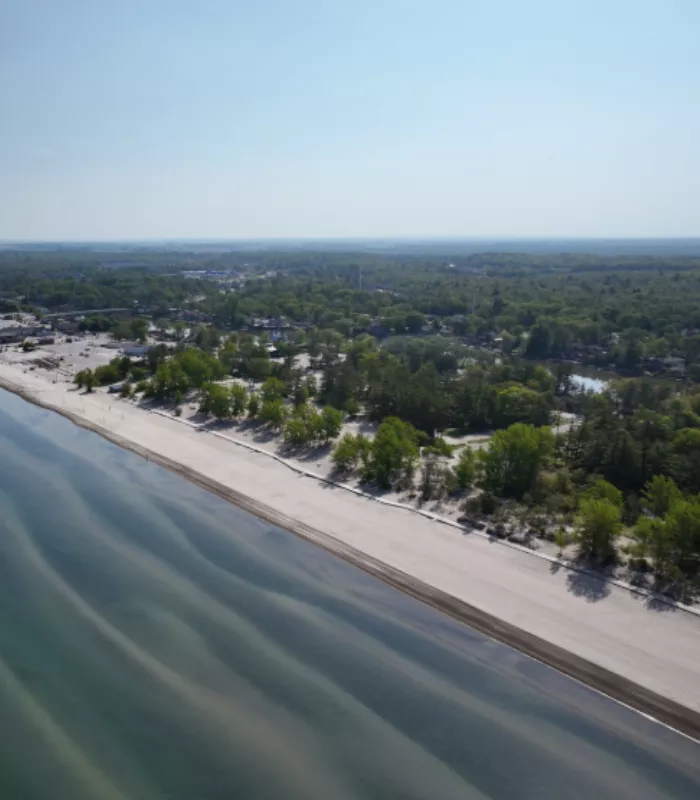
Wasaga Beach is the longest freshwater beach in the world at 14 kilometres. It draws over one million visitors a year. That sounds impressive until you actually show up.
As of 2025, large sections of the main beach area are fenced off. Construction barriers, bulldozers, and closed boardwalks greet visitors at Beach Area 1, the most popular stretch.
The town and province have been in a long dispute over who manages the park. The result? Outdated facilities, limited services, and a beach that feels more like a construction zone than a vacation spot.
Parking is limited. Food options are sparse. If you are expecting a lively beachfront scene, you may be disappointed.
The construction has dragged on for years with no clear end date communicated to visitors. Many Americans arrive expecting a bustling resort strip and find barriers and dusty lots instead.
Beach Areas 2 through 6 are quieter and less affected, but they also have fewer amenities and are harder to find without local knowledge.
Online photos of Wasaga Beach are often years or even decades old. The current reality on the ground looks very different from what most travel sites show.
Why It’s On This List: The record-breaking beach title is real. The current visitor experience, not so much. Americans driving hours to reach it often leave scratching their heads.
4. Wreck Beach, Vancouver, British Columbia
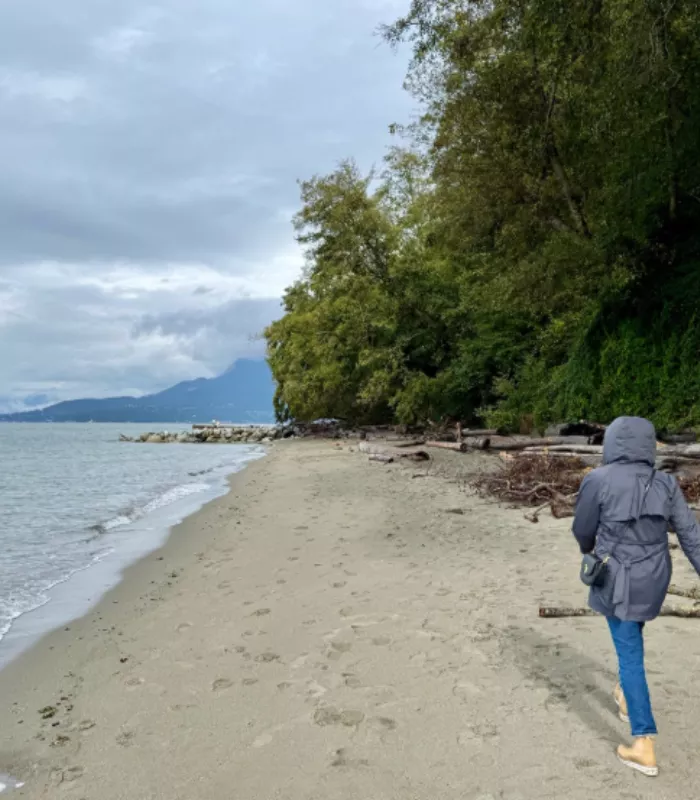
Wreck Beach is one of North America’s largest clothing-optional beaches. It is tucked below the University of British Columbia campus in Vancouver.
Getting there means walking down about 500 steep wooden steps. Getting back up is a whole other story, especially in the summer heat.
This is a nudist beach. Visitors who arrive expecting a standard beach experience are often caught off guard. Recent reviews mention gawkers, lack of privacy, and cleanliness concerns.
That’s why this beach lands on the list for most American visitors over 50. It is not for everyone, and almost no signage warns you before you make the climb down.
The steps themselves are uneven and steep. For anyone with knee or hip concerns, the descent alone can cause real pain. The return climb is significantly harder.
There are no change rooms, no concession stands, and no lifeguards. If you need help, you are a long way from it.
Most visitors who stumble upon Wreck Beach by accident describe the experience as one of the most surprising moments of their entire Canada trip. Surprising is not always a compliment.
Why It’s On This List: The 500-step descent, the clothing-optional culture, and the uphill hike back to the car make this a tough sell for most travelers who just want a relaxing beach day.
5. Six Mile Beach, Kootenay Lake, British Columbia
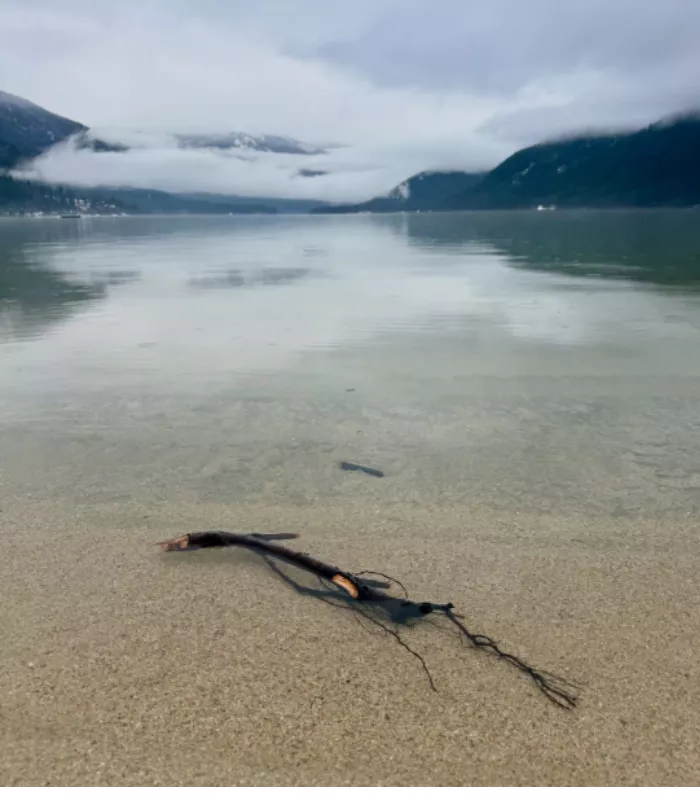
Six Mile Beach is near Nelson, British Columbia. It looks calm, shallow, and perfect for wading. That is exactly what makes it so dangerous.
The water can drop from 5 feet deep to over 50 feet with almost no warning. A sandbar near the shore breaks off suddenly, pulling swimmers down. Local residents have described people getting sucked under and never being found.
There are no lifeguards and no supervising authority here. Two warning signs were finally installed in 2021 after a fatal drowning the previous year. That is two signs for one of the most dangerous swim spots in Canada.
The lake water is cold even in peak summer. Cold water shock can incapacitate a strong swimmer within seconds of an unexpected plunge.
The beach sits in a remote area without cell coverage in some spots. Calling for help is not always possible when you need it most.
Families with children visit regularly because the setting looks so gentle and safe. That mismatch between appearance and reality is exactly what makes it dangerous.
Why It’s On This List: It looks like the safest beach imaginable. That is exactly the problem. Sudden depth drops and pulling currents have claimed lives here.
6. Grand Beach, Manitoba
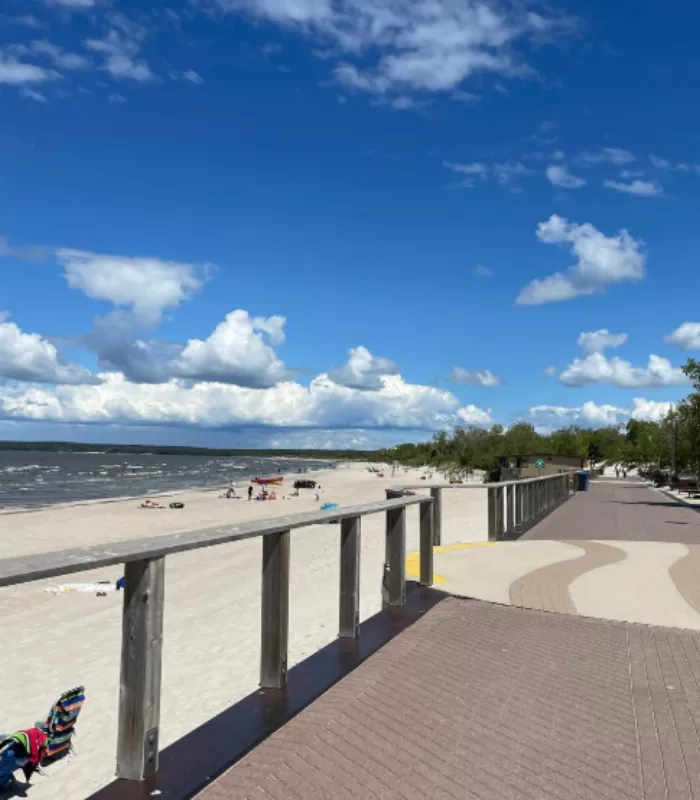
Grand Beach sits on the eastern shore of Lake Winnipeg in Manitoba. The sand is fine and white. On a clear day, it looks like something out of the Caribbean.
But here is the deal. Lake Winnipeg is one of the most nutrient-polluted large lakes in the world. Blue-green algae blooms are common in summer. The water can turn green or brown.
Visitors have reported murky, bug-filled water and poor facilities. The beach has not seen major upgrades in decades. A once-vibrant resort community fell into decline after its famous dance hall burned down in 1950 and was never rebuilt.
Today it is mostly bare sand with a few snack kiosks. For American visitors expecting a resort-style beach, the reality can feel like a letdown.
Blue-green algae is not just an eyesore. It can be toxic to people and pets. Swimming during a bloom can cause skin rashes, stomach illness, and in severe cases, more serious health problems.
The drive from the U.S. border to Grand Beach is long. Most Americans passing through Winnipeg make it a day trip, only to find the beach underwhelming and the water questionable.
There is no shortage of beautiful beaches in Canada. Grand Beach just requires a lot of effort to reach for a payoff that rarely matches the journey.
Why It’s On This List: The sand is genuinely beautiful, but the water quality issues and lack of amenities make it a hard sell for tourists flying or driving in from the U.S.
7. Hopewell Rocks Beach, New Brunswick
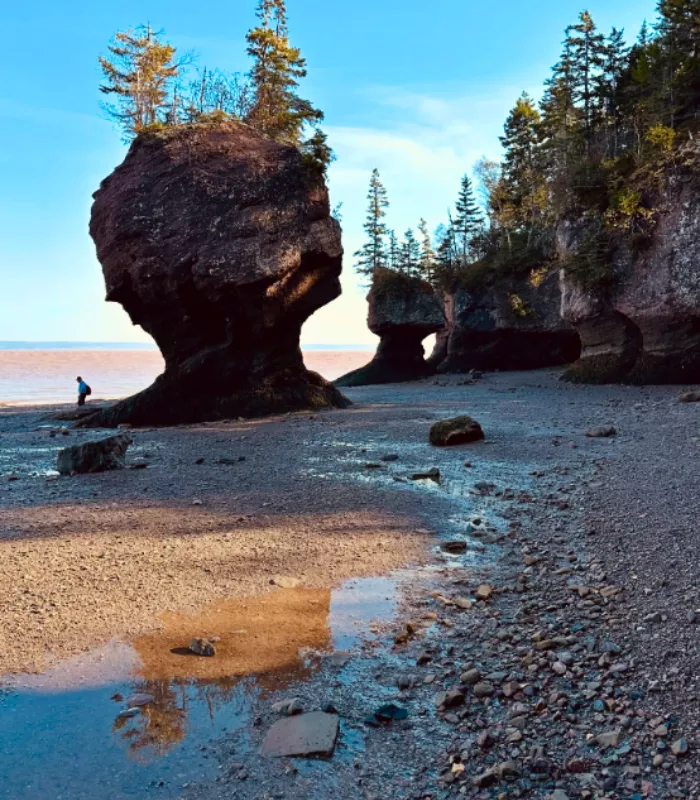
Hopewell Rocks is one of the most famous natural attractions in Canada. The giant flowerpot rock formations are genuinely breathtaking. Millions of people have seen photos of them.
But here is the catch. The Bay of Fundy has the highest tides in the world, rising and falling up to 40 feet in a single cycle. At low tide, you can walk on the ocean floor. At high tide, the same spot is under 40 feet of water.
The tides come in fast. Some coves fill up before others, giving visitors a false sense of safety. People have been stranded. The park enforces strict cutoff times, and missing them is not a small mistake.
For visitors with mobility concerns, the uneven ocean floor and time pressure can make the experience stressful rather than relaxing.
The ocean floor is covered in slippery rocks and seaweed. One wrong step can send you down hard. Sturdy footwear is essential, but most visitors show up in sandals.
The park charges admission just to access the beach area. You pay to walk down, watch the clock anxiously, and then climb back up before the tide cuts off your exit.
For Americans expecting a leisurely Canadian beach day, Hopewell Rocks delivers something closer to a timed obstacle course with spectacular scenery.
Why It’s On This List: It is more geology tour than a beach day. The 40-foot tidal swings are not forgiving of miscalculations, and the rocky, uneven terrain is tough on the knees.
8. Cavendish Beach, Prince Edward Island
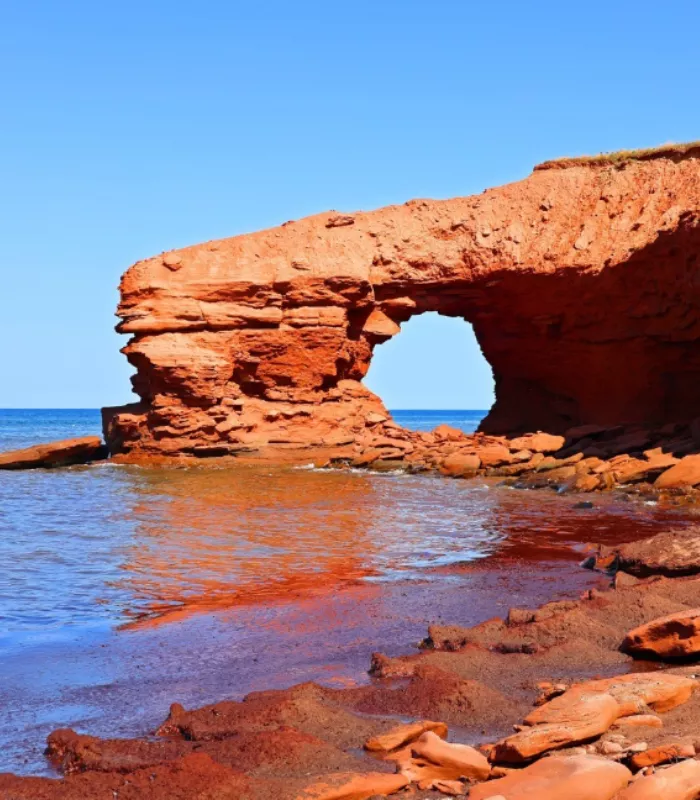
Cavendish Beach is PEI’s most famous stretch of sand. It is the No. 1 tourist beach on the island and part of PEI National Park. Red sand, warm water, and Anne of Green Gables nostalgia draw huge summer crowds.
But Parks Canada has issued dangerous surf warnings here multiple times, citing strong rip currents. In August 2024, advisories were posted for Cavendish along with two neighboring beaches, warning visitors not to enter the water at all.
The beach gets extremely crowded in July and August. Parking fills early. The roads through Cavendish Village can gridlock. If you are expecting a peaceful, uncrowded Maritime beach experience, the peak season reality can be jarring.
Getting to PEI already requires a bridge toll or a ferry crossing. After that investment of time and money, arriving at a beach with a no-swim advisory feels especially deflating.
The village around Cavendish is heavily commercialized with go-kart tracks, mini-golf, and souvenir shops. It feels more like a theme park suburb than a serene coastal retreat.
Shoulder season visits in June or September offer a better experience, but the water is colder and some facilities are closed. There is no perfect window that solves all of Cavendish’s issues at once.
For American visitors who have traveled to PEI specifically for the beach, Cavendish can feel like a lot of buildup for an unpredictable payoff.
Why It’s On This List: Summer crowds plus surprise rip current closures can turn a long-awaited PEI vacation into a frustrating beach day with no swimming allowed.
9. Crystal Beach, Ontario
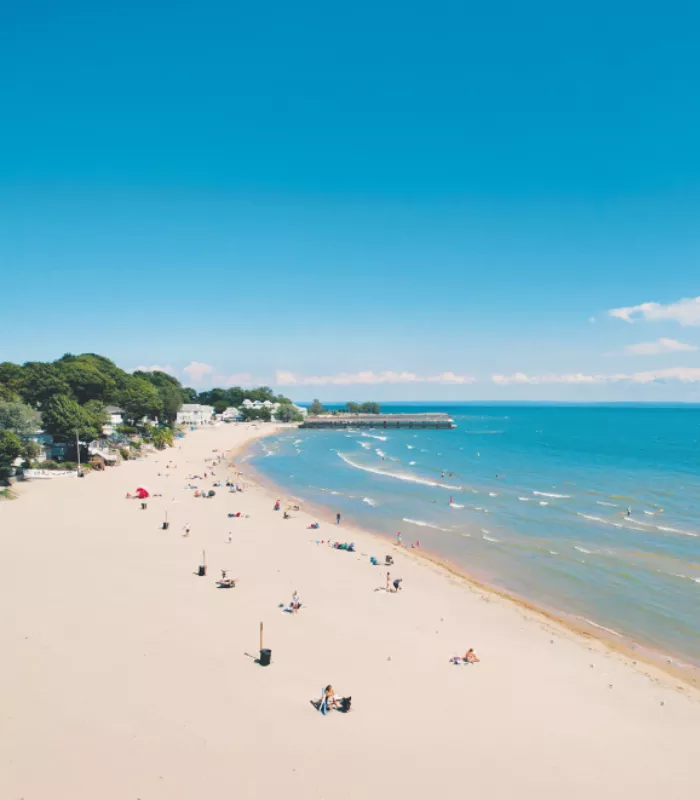
Crystal Beach sits along Lake Erie near Fort Erie, Ontario, just across the border from Buffalo, New York. It is a short, easy drive for many Americans in the Northeast. The water is warm for a Great Lake.
But recent visitors have left with very different impressions. Reviews from 2024 describe hornet infestations at the beach that made it impossible to relax or eat. One visitor called the experience completely ruined.
Access has also become an issue. Tickets for non-residents reportedly sell out early in the morning. Visitors who drive over from the U.S. have reported being turned away at the gate, even when the beach appeared to have space.
Parking costs $20, admission is $10 per person, and there are no lifeguards on duty. That is a lot to ask when entry is not guaranteed.
Lake Erie is the shallowest of the Great Lakes, which makes it the warmest but also the most prone to algae blooms and water quality issues in late summer.
The historic Crystal Beach Amusement Park, which once made this town famous, closed in 1989. What remains today is a quiet residential beach town that struggles to match its former reputation.
For Americans just over the border looking for a quick Canadian beach fix, Crystal Beach promises convenience but often delivers frustration at the gate before you even reach the sand.
Why It’s On This List: It is one of the closest Canadian beaches to the U.S. border, which makes its access headaches, hornet problems, and no-lifeguard policy especially frustrating for American day-trippers.