

Picking the wrong Greek island is a lot like picking the wrong seat on an airplane. It looks fine from the outside. You only realize the mistake once you are fully committed and there is nowhere else to go.
Thousands of American travelers make this exact error every summer.
They choose an island based on a viral photo or a friend-of-a-friend recommendation.
They arrive to find noise, crowds, and a menu designed for people who do not know any better.
Smart travelers do their homework first.
1. Mykonos
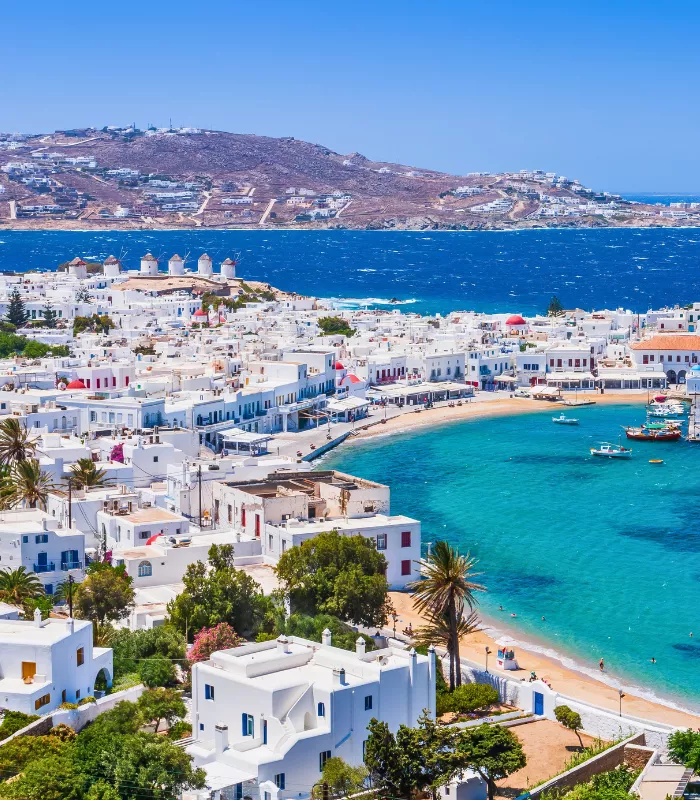
Mykonos is one of the most famous islands in Greece.
But here’s the catch: famous does not mean enjoyable for most Americans over 50.
The island is built around loud nightlife, packed beaches, and sky-high prices.
A simple dinner for two can cost over $150. A taxi from the port can run $40 or more.
Hotels fill up fast, and rates can hit $600 a night on the water during peak summer.
The streets in Mykonos Town are narrow, confusing, and packed shoulder to shoulder in July and August.
Many visitors over 50 report feeling invisible in restaurants that clearly prioritize younger, louder tables.
The beaches are beautiful but rarely peaceful. Music plays at most of them from mid-morning onward.
Renting a car or ATV is one of the only reliable ways to get around, and the roads are not beginner-friendly.
That’s why so many experienced travelers cross Mykonos off their list after just one visit.
The island has world-class scenery but very little of the slow, relaxed Greek culture that most Americans come looking for.
Service at many restaurants and shops can feel rushed and transactional rather than warm and welcoming.
You’re better off saving your budget for an island that actually wants you to sit down and stay awhile.
Why It’s On This List: Mykonos consistently ranks as the most overpriced and overcrowded Greek island. It was rated the worst Greek island in a survey of 1,000 travelers by Which? Travel. Unless you love loud music and long lines, you’re better off skipping it entirely.
2. Santorini
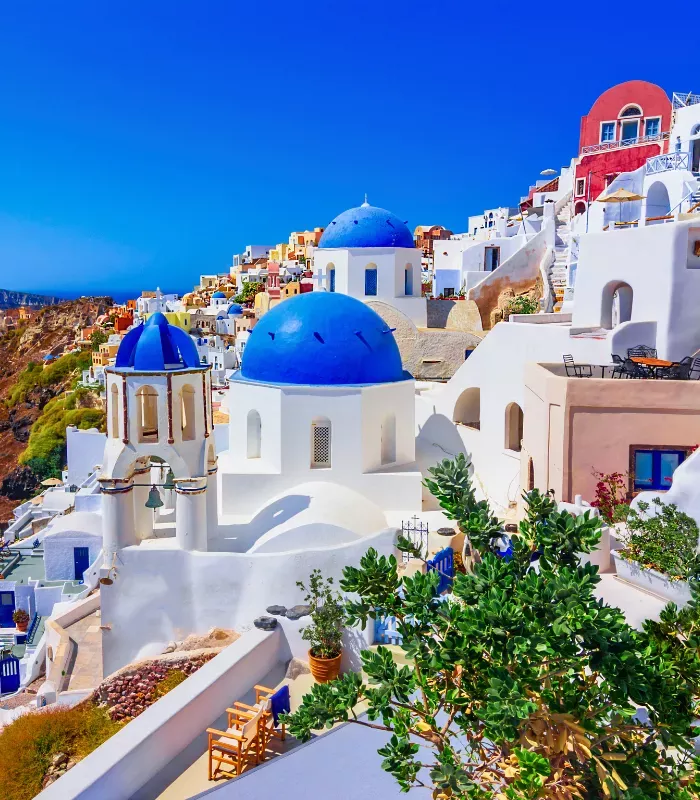
Santorini looks stunning in photos. The white walls. The blue domes. The sunsets.
In real life, it is extremely crowded, especially in July and August.
The narrow paths in Oia are so packed that walking becomes a slow shuffle.
Donkey rides up steep cliffs are a known animal welfare concern that many travelers find uncomfortable to witness.
Taxis are scarce and expensive. Public buses are limited. Getting around the island is a daily hassle.
Most of the best viewpoints in Oia are surrounded by selfie sticks and tour groups by 9 in the morning.
Restaurants on the caldera charge a premium simply for the view, and the food does not always justify the price.
The famous sunset at Oia draws such massive crowds that it can feel more like a stadium event than a peaceful moment.
Many visitors report that the island feels more like a photo set than a place where real Greek life actually happens.
Wine tasting tours are popular, but they fill up weeks in advance and require careful planning just to get a spot.
The caldera-facing hotels are breathtaking but often require climbing hundreds of steps with your luggage.
Accessibility for travelers with knee or hip concerns is a serious issue that most booking sites do not warn you about.
Santorini rewards the well-prepared and punishes everyone else with long waits, steep climbs, and steep bills.
Why It’s On This List: Santorini has been criticized for prioritizing tourist money over tourist comfort. Some visitors report rude service, confusing transport options, and prices that feel unfair for what you get.
3. Rhodes
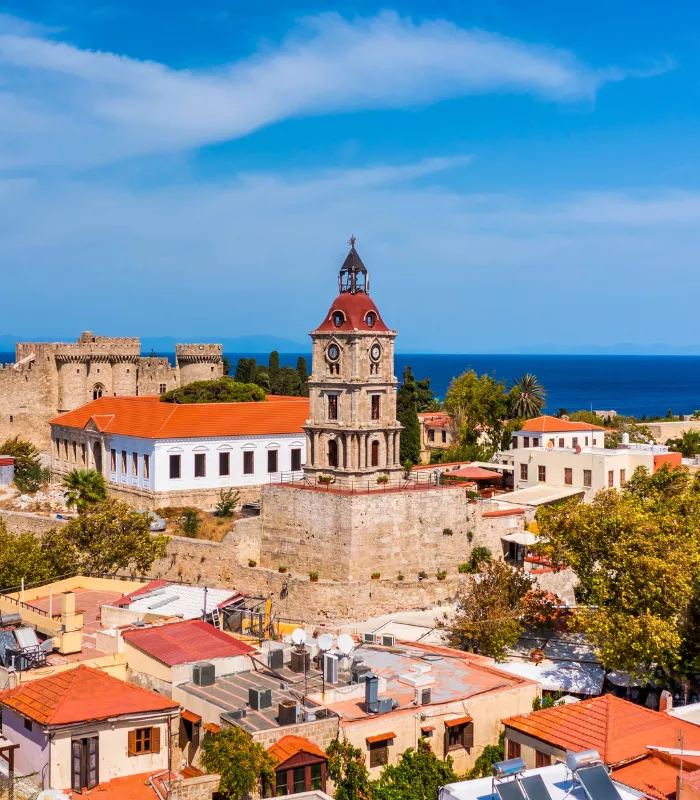
Rhodes is a large island with a long history. The Old Town is a UNESCO World Heritage Site.
So why is it on this list? That’s why so many tourists show up at once.
The island draws massive cruise ship crowds. Some days, tens of thousands of day-trippers flood the streets.
Restaurants near the Old Town are known for rushed service and inflated menus aimed at tourists who will never return.
Many Americans over 50 report feeling rushed, overcharged, and underwhelmed after expecting a more relaxed cultural experience.
The cruise ship schedule essentially controls the rhythm of the Old Town, turning it on and off like a switch.
When three ships dock at once, the cobblestone streets become nearly impossible to navigate at a comfortable pace.
Shop owners in the tourist zone can be aggressive, calling out to passersby and following up with persistent sales pitches.
The resort strip along the northern coast is lined with all-inclusive hotels that feel more like Florida than Greece.
Many travelers stay inside their resort the entire trip, which raises the question of why they flew to Rhodes at all.
The further you get from the tourist zones, the more authentic the island becomes, but that requires a rental car and planning.
Most short-trip visitors never make it far enough to see the real Rhodes, and leave feeling like they missed something.
For a UNESCO site with this much history, it deserves visitors who have the time and space to actually appreciate it.
Why It’s On This List: Rhodes is heavily commercialized in its tourist zones. If you are hoping for an authentic Greek experience, the cruise-ship crowds and souvenir-heavy streets make that very hard to find.
4. Zakynthos (Zante)
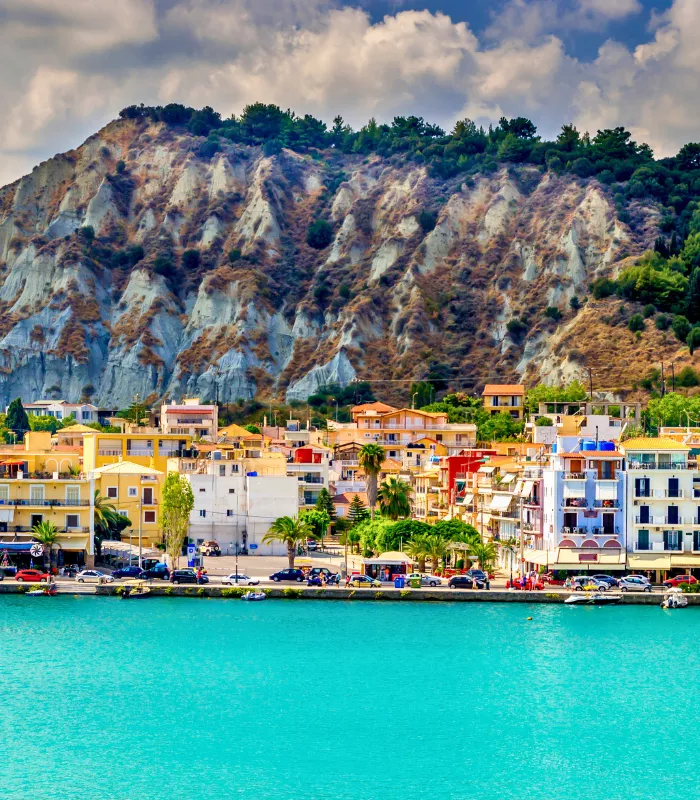
Zakynthos is known for its famous Shipwreck Beach photo. You have probably seen it online.
But the beach is only reachable by boat, and tour operators charge heavily for the trip.
The main resort area, Laganas, is known as one of the loudest party strips in all of Greece.
Noise continues until 4 or 5 in the morning in peak season.
For travelers who want peace, good food, and a good night’s sleep, Zakynthos in summer is a tough sell.
The beaches near Laganas are also nesting grounds for loggerhead sea turtles, and the party scene creates real conflicts with conservation efforts.
Boats and jet skis operate in restricted zones, and violations are common during peak tourist months.
Many Americans arrive expecting the postcard version of Zakynthos and spend the first night wondering what went wrong.
The northern part of the island is quieter and more scenic, but it is rarely what package deals include.
Taxis on the island have a reputation for inconsistent pricing, especially for rides from the airport late at night.
English is widely spoken, but the overall service culture in the tourist-heavy south leans heavily toward speed over quality.
Food options in Laganas range from average to poor, with very few restaurants that would stand out anywhere else in Greece.
The island has genuine natural beauty, but it has been built over in all the wrong places for all the wrong reasons.
Why It’s On This List: Zakynthos attracts a very young party crowd, mostly from the UK and Ireland. The infrastructure around Laganas caters almost entirely to that crowd, leaving older American travelers with few good options in the main tourist areas.
5. Corfu (Main Town Area)
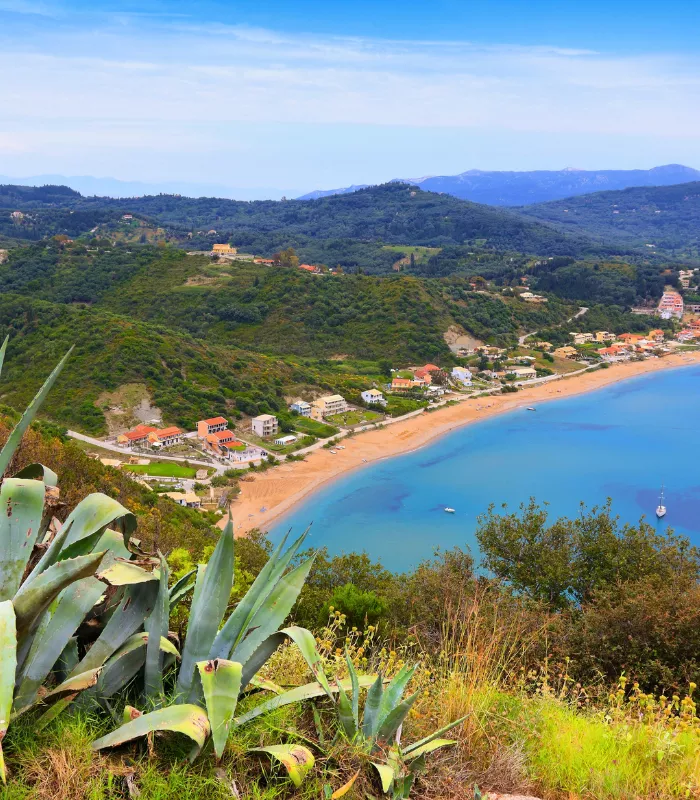
Corfu has real beauty. The interior of the island is green and peaceful.
But the main tourist drag near Corfu Town and Kavos tells a different story.
Kavos, at the southern tip of the island, is widely known as a party destination for young Europeans.
Bar crawls, all-inclusive alcohol deals, and late-night noise are the main attractions there.
Americans who book a package deal without researching specific locations sometimes end up in the wrong part of the island entirely.
The distance between a peaceful olive grove village and a nightclub strip on Corfu can be surprisingly small.
Traffic around Corfu Town is notoriously bad in summer, making simple trips take far longer than expected.
The old town of Corfu is genuinely lovely, but it too gets flooded with cruise passengers on busy days.
Rental car availability drops fast in peak season, and without one, you are largely stuck in whatever area you booked.
Many hotels near the beach in the southern part of the island are aging and do not always match their online photos.
Customer service complaints on Corfu tend to center around hotel quality and the gap between what was advertised and what was delivered.
The island has been a popular destination for so long that parts of it have simply stopped trying to impress anyone.
Corfu rewards independent travelers who do their research. It disappoints those who trust a last-minute deal to sort it out for them.
Why It’s On This List: Corfu is a mixed bag. The wrong neighborhood can ruin the whole trip. Many American tourists over 50 report booking what looked like a quiet resort, only to discover a nightclub next door.
6. Kos
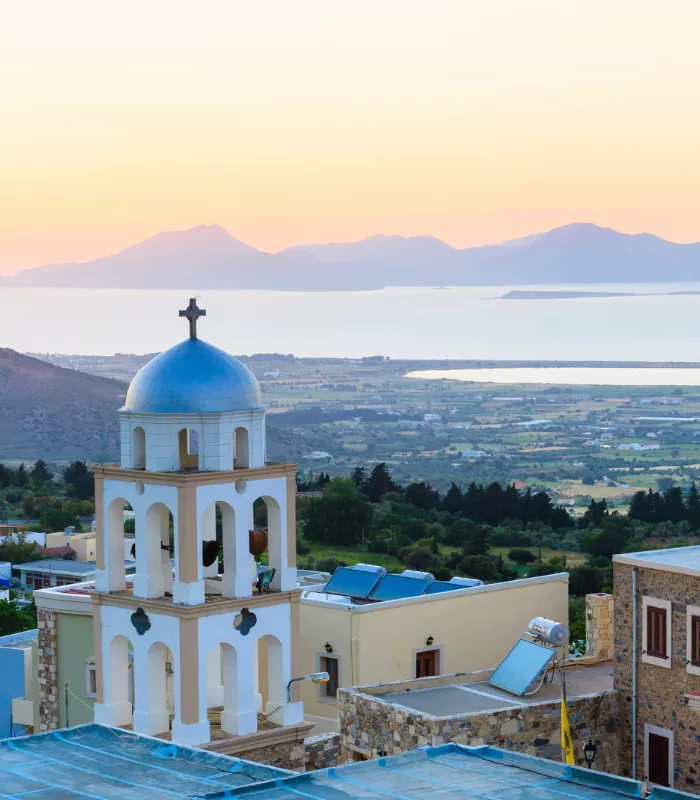
Kos is a popular island close to the Turkish coast. It has good beaches and ancient ruins.
But the main Kos Town resort strip is heavily geared toward budget package tourists from Northern Europe.
English is spoken, but the service culture in many restaurants and hotels feels rushed and impersonal.
Some restaurants openly display photos of food with inflated prices, a common sign of a tourist trap zone.
I made a classic mistake once, assuming a waterfront table meant quality food. In Kos Town, location does not always mean good cooking.
The ancient ruins near the town center are genuinely impressive, but they sit awkwardly next to fast food signs and souvenir racks.
Beach clubs dominate the coastline and charge entry fees or minimum spend requirements that add up quickly over a week.
The island’s flat terrain makes it popular with cyclists, but the main roads are not always safe for casual riders.
Nightlife in Kos Town centers on a single street known as Bar Street, which lives up to its name in the worst possible way.
Families and older travelers often find themselves booking dinner reservations around the noise schedule rather than their own appetite.
Hotel quality on Kos varies enormously, and budget options near the beach can mean thin walls and very little sleep.
Many visitors report that a week on Kos feels longer than it should, not because there is too much to do but too little.
The island has real potential tucked away in its quieter villages, but most tourists never get past the resort bubble to find it.
Why It’s On This List: Kos has been repeatedly flagged for poor food quality in tourist areas and a service culture that can feel dismissive to American visitors who are not familiar with package-resort norms.
7. Ios
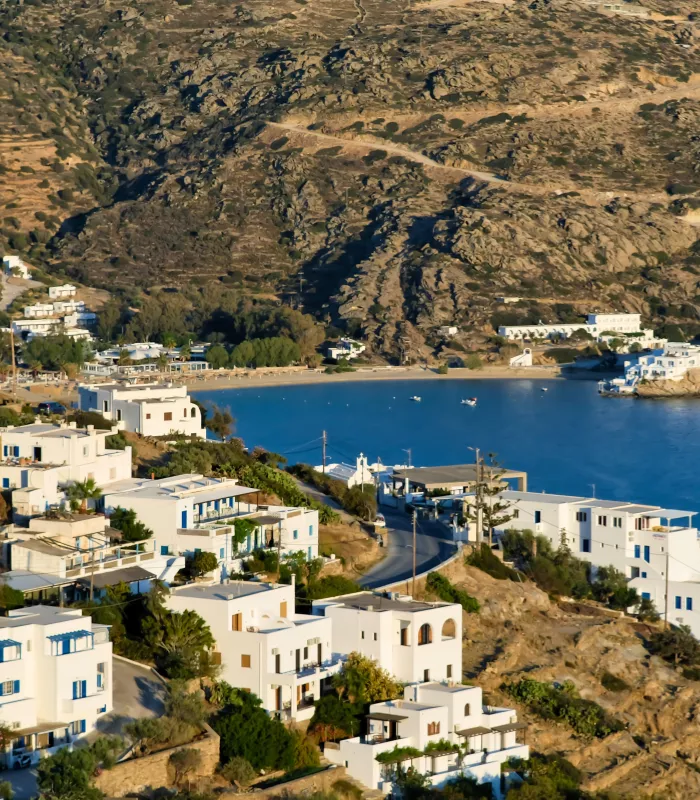
Ios is a small island in the Cyclades. It is beautiful, hilly, and surrounded by clear blue water.
But it has one of the strongest party reputations of any Greek island.
In peak summer, the main village fills with young travelers from Ireland and the UK looking for cheap drinks and all-night bars.
Wait times at restaurants can stretch over an hour, and some American visitors report feeling ignored in favor of European guests.
Outside of summer, the island nearly shuts down, with very few restaurants or services open at all.
The main village, Chora, is charming in the early morning before the crowds wake up. Afternoon, it belongs to someone else entirely.
There are very few cultural attractions on Ios beyond the beach and the bar scene, which limits its appeal significantly.
The port area has some decent tavernas, but supply and demand in summer mean prices are higher than on neighboring islands.
Ferry connections to and from Ios can be unreliable in rough weather, and delays of half a day are not unheard of.
The island has just one main beach that most tourists use, and it gets uncomfortably packed by late morning in August.
ATMs on the island have been known to run out of cash during peak season, which creates real stress for cash-dependent travelers.
Accommodation options are limited and book up fast, often leaving late planners with overpriced rooms in inconvenient locations.
Ios is proof that a beautiful setting and a bad crowd mix can completely cancel each other out.
Why It’s On This List: Ios is not built for the traveler who wants a relaxed meal, early bedtime, and a cultural experience. The entire tourism economy on the island runs around a nightlife crowd that most Americans over 50 will find exhausting rather than fun.