

Mexico has over 2,000 towns worth visiting. Somehow, millions of Americans keep ending up in the same 12.
It happens every year like clockwork.
Someone books a flight, sees the same Instagram photos everyone else saw, and ends up standing in a 45-minute line for a margarita next to 800 strangers in matching resort bracelets.
Hype is a powerful thing. So is a refund policy.
Some of Mexico’s most famous destinations have perfected the art of charging five-star prices for a two-star experience.
1. Cancun, Quintana Roo

Cancun is the most visited place in all of Mexico.
That sounds impressive. But here’s the catch: it also ranks as one of the most congested tourist hotspots in all of Latin America, with 31 tourists for every one local resident year-round.
The Hotel Zone is full of chain restaurants, souvenir shops, and packed resorts. It is essentially the Disney World of Mexico, minus the Disney charm.
The beaches? Beautiful. The experience? Often exhausting.
Scams are common. Taxis overcharge. And if you are hoping to see real Mexican culture, you will not find much of it here.
Most visitors fly home sunburned, overspent, and quietly wondering if they should have gone somewhere else.
Why It’s On This List: Cancun has become so commercialized that many 50+ travelers leave feeling overcharged, overstimulated, and underwhelmed. The “authentic Mexico” they came for simply does not exist here.
2. Tulum, Quintana Roo
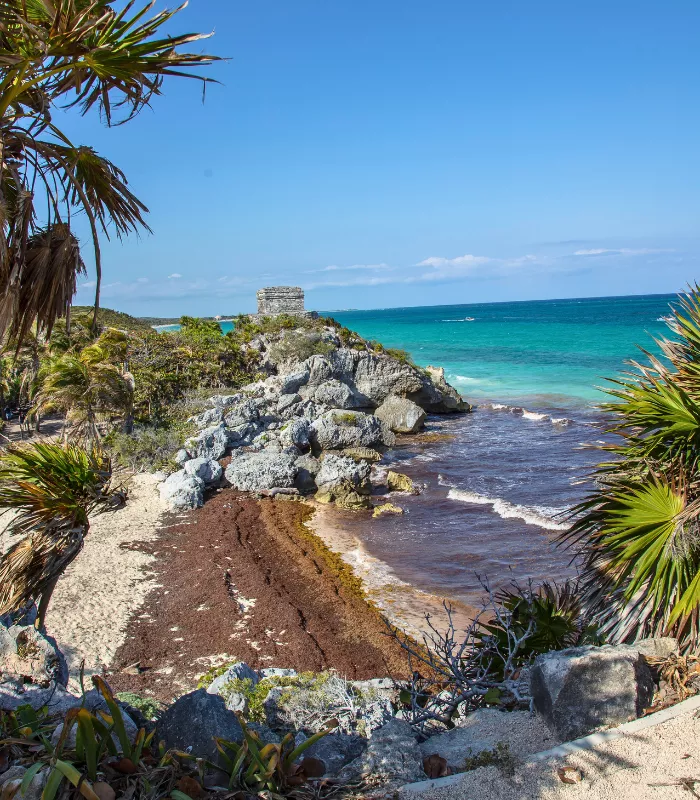
Tulum used to be a sleepy fishing village with white-sand beaches and ancient Mayan ruins.
That was then. Today, it ranks as the second most congested tourist destination in all of Latin America, with 39 tourists for every one local resident.
Prices have skyrocketed. Sewage sometimes flows into the underground rivers. And the beaches are often covered in thick, foul-smelling sargassum seaweed.
You are better off visiting Bacalar or Isla Holbox for a quieter Caribbean experience.
Tulum has become a magnet for influencers and wellness retreats that charge $30 for a smoothie and call it a cultural experience.
Why It’s On This List: Tulum charges luxury prices but delivers overcrowded beaches, environmental problems, and infrastructure that simply cannot keep up with the crowds.
3. Cabo San Lucas, Baja California Sur
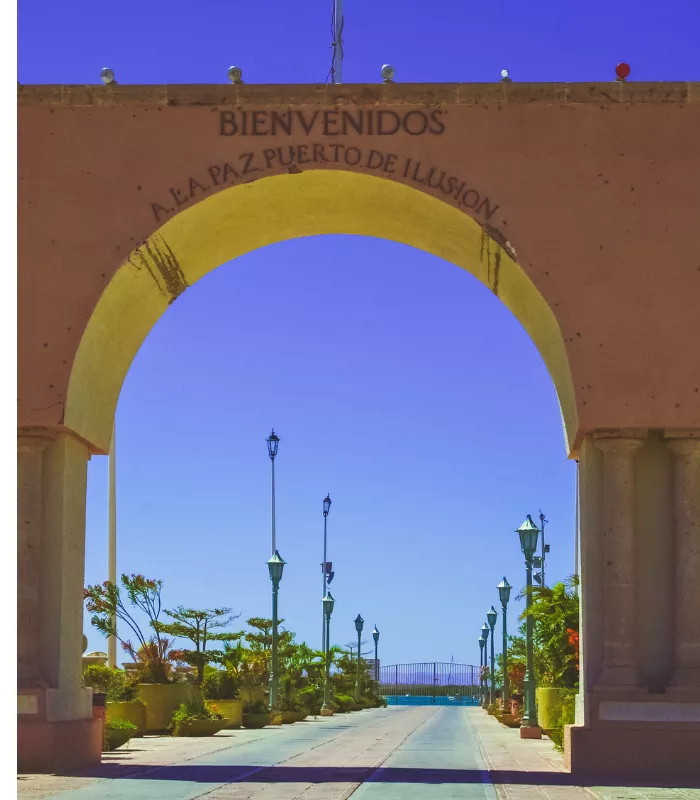
Cabo has the dramatic desert cliffs, the deep blue ocean, and the celebrity sightings.
It also has prices that will make your jaw drop. Most restaurants and resorts are priced for affluent Americans, and the marina area feels like a strip mall wrapped in a sunset.
Here is another problem most travel guides skip: many of Cabo’s beaches are not safe for swimming. Strong rip currents and rough Pacific surf make popular spots like Lover’s Beach genuinely dangerous.
That’s why so many visitors feel let down after the photos are taken.
You can spend a small fortune in Cabo and still leave feeling like you never quite arrived anywhere meaningful.
Why It’s On This List: Cabo sells a glamorous image that comes with a very unglamorous price tag, and the “real Baja” culture has largely been swallowed by luxury condos and souvenir shops.
4. Playa del Carmen, Quintana Roo
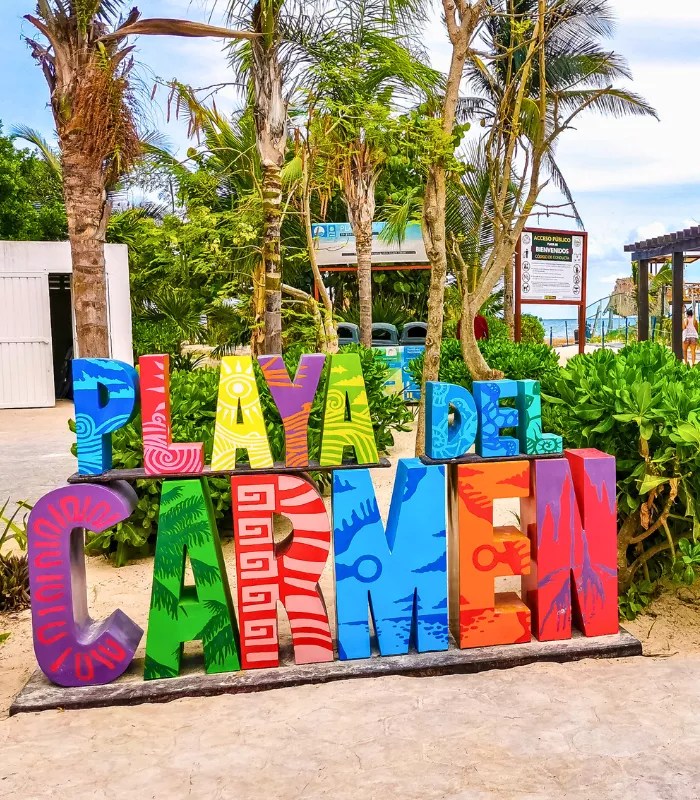
Playa del Carmen’s famous 5th Avenue used to be a charming pedestrian street.
Now it is lined with Starbucks locations, vape shops, and tour sellers who will not leave you alone. The beaches face serious sargassum seaweed problems every summer, and coastal erosion has been shrinking the shoreline for years.
Prices here have caught up with Cancun, but the experience has not.
Many older travelers who visited 15 or 20 years ago barely recognize the place. It is louder, more crowded, and far less charming than it used to be.
What was once a genuine beach town now feels like a theme park that forgot to add the rides.
Why It’s On This List: Rapid overdevelopment has turned a once-beautiful beach town into a noisy, overpriced tourist conveyor belt that delivers more stress than relaxation.
5. San Miguel de Allende, Guanajuato
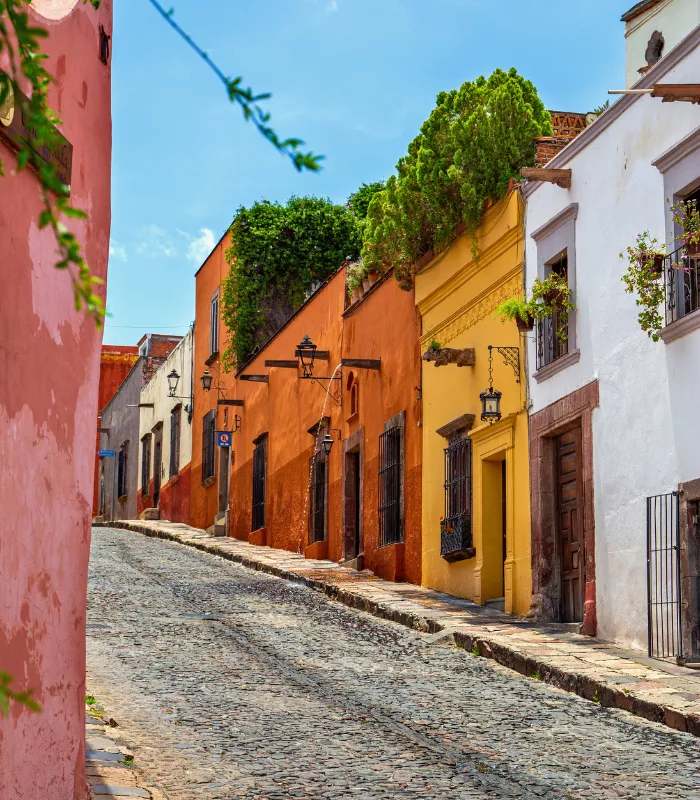
San Miguel de Allende is one of the most photographed towns in all of Mexico.
The pink cathedral. The cobblestone streets. The art galleries. It looks stunning in pictures. But here’s the deal: it has become so popular with American expats and retirees that it barely feels like Mexico anymore.
You will hear more English than Spanish in many restaurants. Prices rival those of upscale U.S. cities. And some of the handmade craft shops have been replaced by expensive boutiques catering to wealthy foreigners.
It is beautiful, yes. But authentic? That is a stretch.
When a Mexican town starts feeling more like Santa Fe than Guanajuato, something important has been lost along the way.
Why It’s On This List: San Miguel has been so heavily shaped by American tastes and money that many visitors expecting a genuine Mexican colonial town find a polished but somewhat hollow tourist bubble instead.
6. Puerto Vallarta, Jalisco
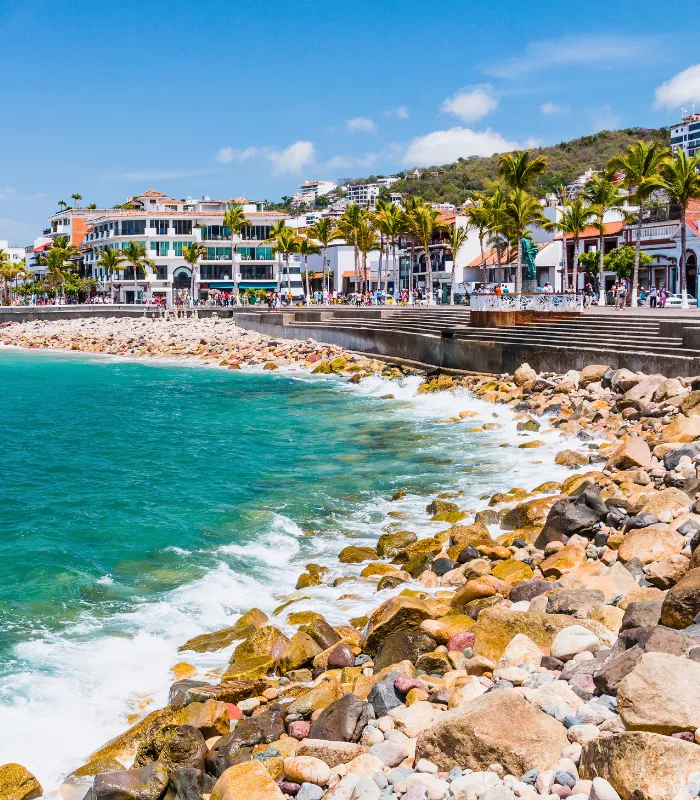
Puerto Vallarta has the old-town charm, the cobblestone streets, and some truly gorgeous sunsets over Banderas Bay.
But the crowds can be relentless. Beaches get packed. Vendors and tour sellers are persistent. And prices have risen sharply in recent years as more Americans and Canadians have discovered it.
The Malecon boardwalk, while scenic, is lined with tourist shops that feel familiar no matter where in the world you are.
The nearby town of Sayulita offers a slower, more laid-back alternative without the tourist pressure.
Puerto Vallarta rewards patience and good planning, but many visitors arrive without either and leave without much to show for it.
Why It’s On This List: Puerto Vallarta has not lost its beauty, but the heavy commercialization and constant hustle make it a tiring destination for travelers who just want to slow down and enjoy Mexico.
7. Cozumel, Quintana Roo
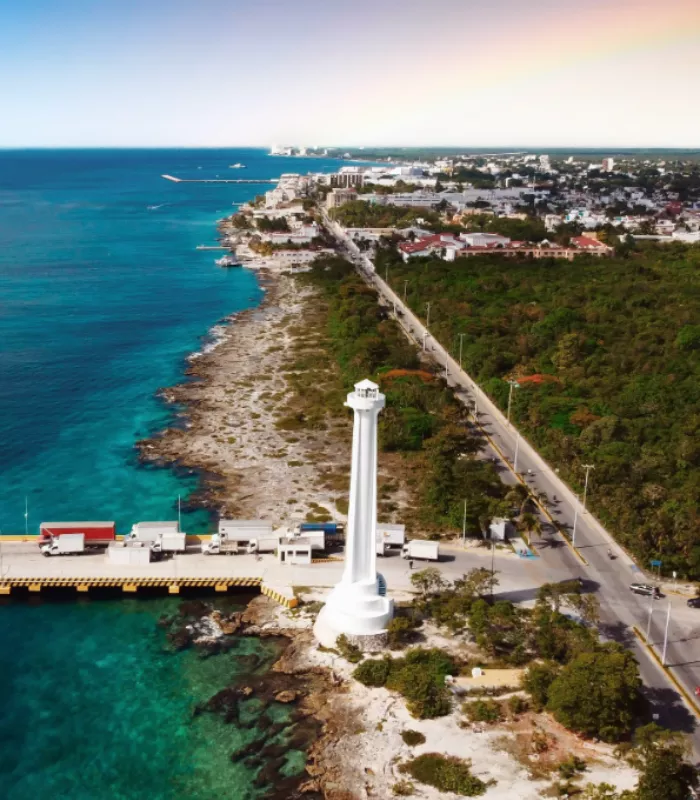
Cozumel is actually ranked the single most congested tourist destination in all of Latin America.
That is not a typo. The island sees 43 tourists for every one local resident throughout the year. On busy days, multiple cruise ships unload thousands of passengers at once, and the waterfront shops and restaurants get flooded instantly.
The underwater world around Cozumel is genuinely spectacular. But the above-water experience? Often chaotic, loud, and rushed.
If you are a serious diver, Cozumel has few rivals. If you are not, there is little reason to fight the crowds.
Stepping off a cruise ship here on a busy Tuesday feels less like a tropical island and more like a very warm shopping mall.
Why It’s On This List: Cozumel’s natural beauty is real, but the crushing volume of cruise ship tourists turns the island into a hectic shopping corridor that drowns out everything that once made it special.
8. Acapulco, Guerrero
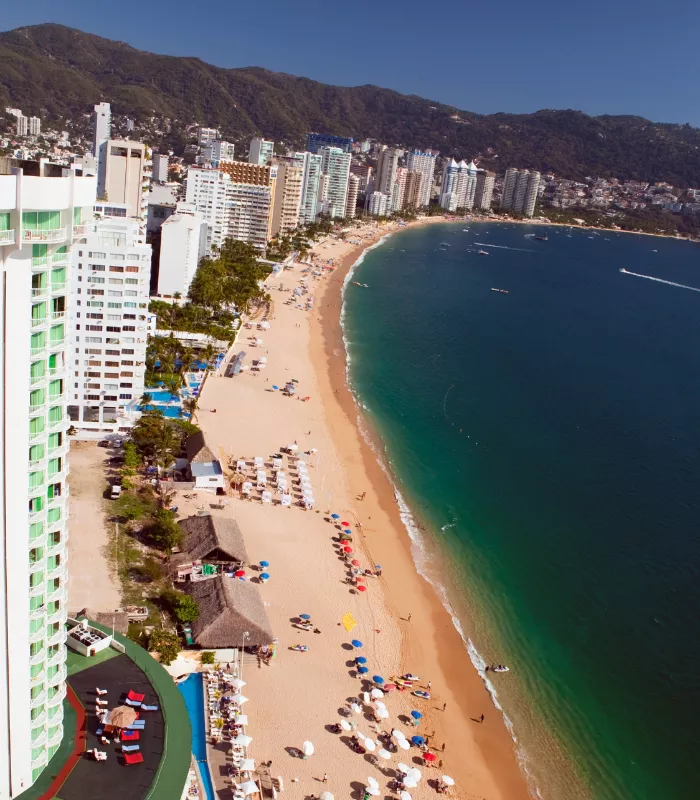
Acapulco was once the crown jewel of Mexican beach destinations. Hollywood stars arrived by yacht. The cliff divers were world famous. The bay was breathtaking.
That era is long gone. Today, the U.S. State Department places Guerrero state, where Acapulco is located, on its “Do Not Travel” list due to widespread crime and gang activity.
Hurricane Otis in 2023 and Hurricane John in 2024 caused massive damage to the city’s infrastructure, and recovery has been slow.
Some beaches remain contaminated. Some roads are still dangerous. The nostalgia is real, but so is the risk.
Acapulco of the 1960s exists now only in old movies and fond memories, and no amount of wishful thinking changes what it has become.
Why It’s On This List: Acapulco’s golden age is a memory. What remains is a destination that carries serious safety concerns and storm damage that has not yet been fully repaired.
9. Tijuana, Baja California
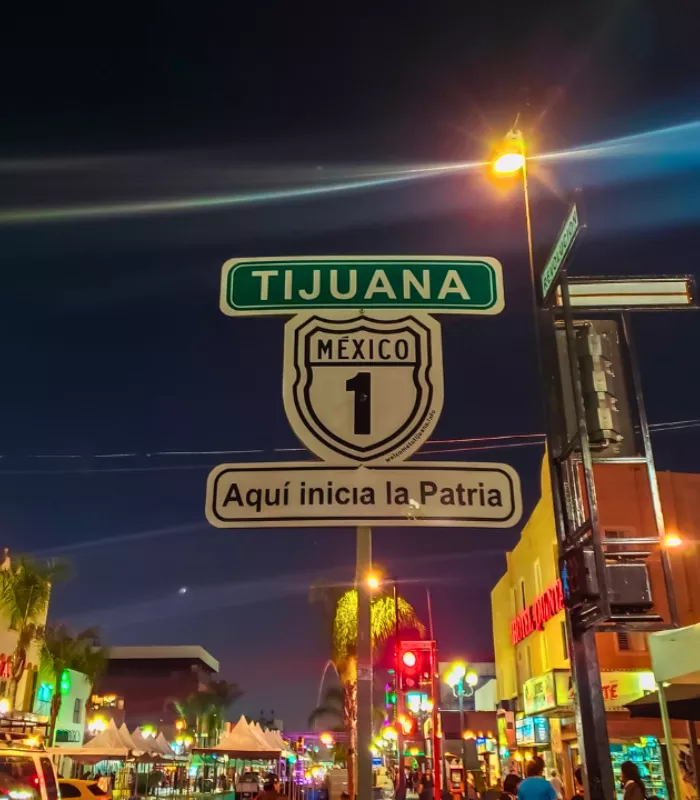
Tijuana draws millions of American visitors every year, mostly because it is just 30 minutes from San Diego.
It has real draws: a growing food scene, dental tourism, and a gritty energy unlike anywhere else in Mexico. But it also carries one of the highest violent crime rates in the country, and the U.S. State Department advises Americans to reconsider travel to Baja California state as a whole.
For a quick day trip with careful planning, some find it interesting. As a leisure destination for 50+ travelers? You are better off elsewhere.
Convenience is not the same thing as a good reason to go somewhere.
Why It’s On This List: Tijuana’s proximity to the U.S. makes it a convenient choice, but its safety challenges and limited leisure appeal make it a poor fit for travelers looking for a relaxing and enriching Mexico experience.
10. Mazatlan, Sinaloa
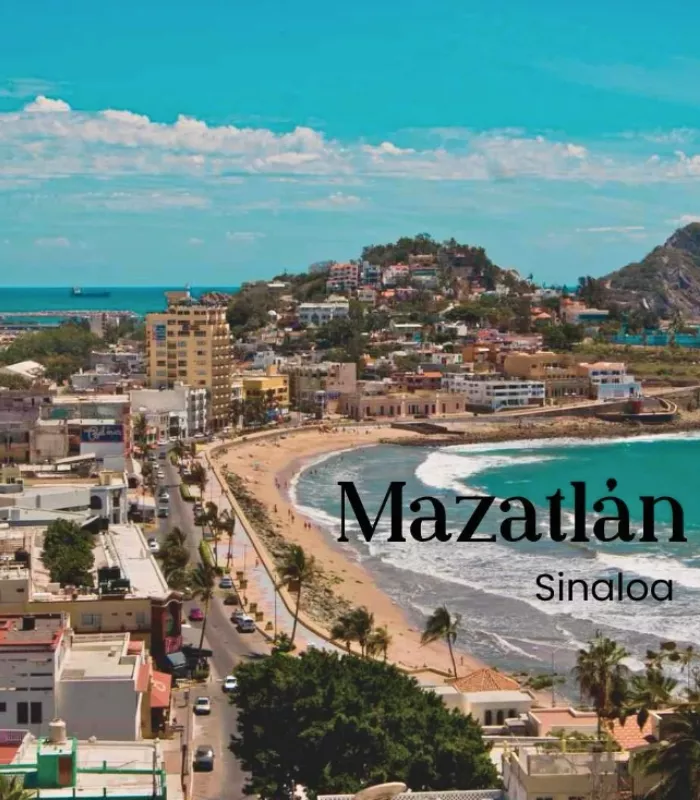
Mazatlan has a beautiful historic old town, a long beachfront boulevard, and fresh seafood that is hard to beat.
But here is what travel brochures often leave out: Sinaloa state, where Mazatlan is located, is on the U.S. State Department’s “Do Not Travel” list due to cartel activity and crime. Many travelers arrive without knowing that and are caught off guard by the tension in certain areas.
The tourist zone is generally calm, but the broader security situation gives many pause.
I made a classic mistake of not checking the State Department advisory before booking a trip here. Do not do the same.
No seafood platter, however fresh, is quite worth the stress of traveling somewhere you were never fully informed about.
Why It’s On This List: Mazatlan has genuine charm, but the serious State Department travel warning for Sinaloa state is something every American traveler deserves to know before making plans.
11. Los Cabos, Baja California Sur
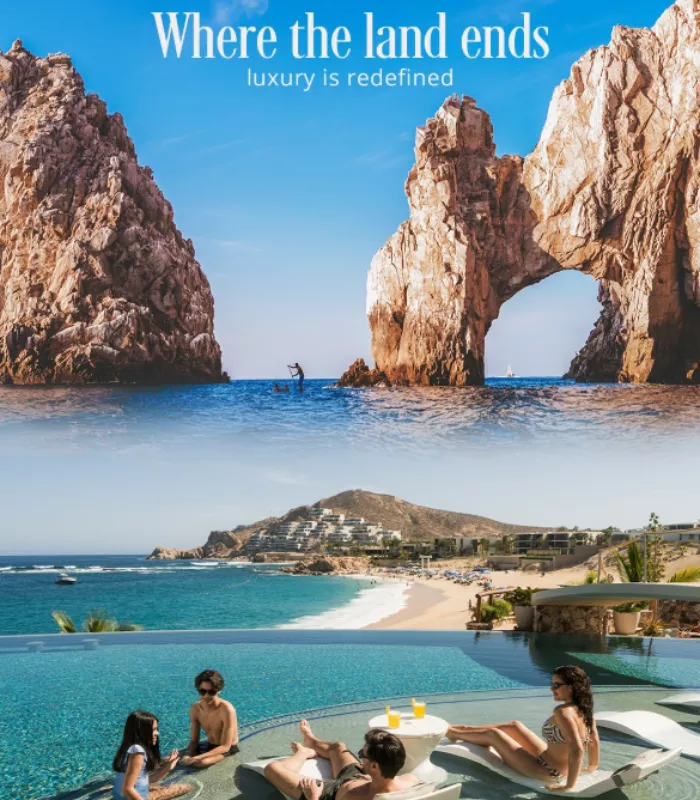
Los Cabos is Cabo San Lucas and San Jose del Cabo rolled into one luxury resort corridor.
It attracts A-list celebrities, destination weddings, and travelers with very deep pockets. Everything here is priced to match. Budget-minded travelers will feel squeezed at every turn, from airport transfers to beachfront dinners.
The scenery is striking. The price tag is staggering.
That’s why so many visitors go home feeling like they spent a fortune without ever experiencing what makes Mexico genuinely special.
There is a version of Los Cabos that is genuinely wonderful, but it is mostly only accessible to people who do not have to check their bank balance at dinner.
Why It’s On This List: Los Cabos delivers luxury on a grand scale, but at prices that leave most travelers wondering whether the experience was really worth it compared to equally stunning destinations that cost far less.
12. Xcaret, Quintana Roo
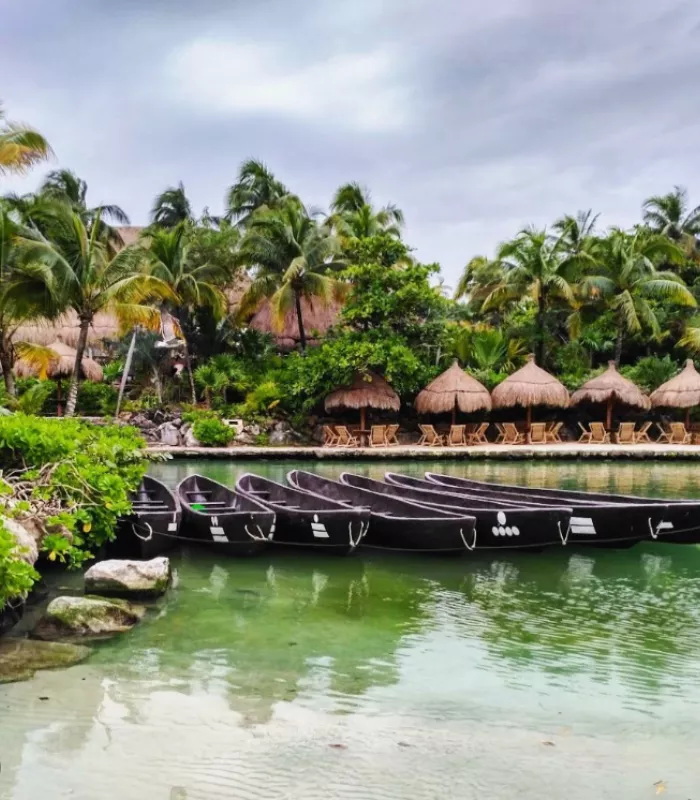
Xcaret Park is billed as an eco-archaeological theme park along the Riviera Maya.
It has over 50 attractions, including underground rivers, cultural shows, and marine exhibits. It sounds magical. But here’s the catch: entrance tickets routinely run over $100 per person, and many travelers describe it as a sanitized, manufactured version of Mexico built purely for tourists.
The cenotes, ruins, and wildlife you can see inside Xcaret all exist in their natural state just a short drive away, often for free or very little cost.
Xcaret gives you a glimpse of Mexico. Real Mexico gives you the whole picture.
Paying premium prices to experience a curated version of something that exists for free just down the road is the very definition of a tourist trap.
Why It’s On This List: Xcaret charges premium prices to show you a theme-park version of natural and cultural experiences that are available in their authentic, unfiltered form all across the Yucatan Peninsula.