

The Caribbean has 7,000 islands. Roughly 7,000 of them look amazing on Instagram.
But Instagram does not show you the fine print.
It does not show you the resort staff quietly suggesting guests stick close to the property after dark.
It definitely does not show you what happens when your card does not work and the nearest decent medical facility is a two-hour boat ride away.
Beautiful water does not cancel out a poorly planned trip.
Check the list below or vote here.
1. Haiti

Haiti is the only Caribbean island with a Level 4: Do Not Travel advisory from the U.S. State Department.
Travelers who have attempted to visit in recent years have reported extremely limited infrastructure, unpredictable access to basic services, and very few options if something goes wrong.
The U.S. Embassy has strongly urged American citizens in Haiti to make arrangements to leave.
Flight disruptions and airport closures have left some travelers with no clear way out.
There is no established tourist zone, no resort bubble, and no part of the country the State Department currently considers suitable for leisure travel.
Most travel operators have suspended services to the island entirely.
Getting assistance from U.S. authorities while in-country is extremely limited given the current diplomatic situation.
Why It’s On This List: The U.S. government advises Americans not to travel to Haiti for any reason. If something goes wrong here, your options for getting help are extremely limited.
2. Jamaica
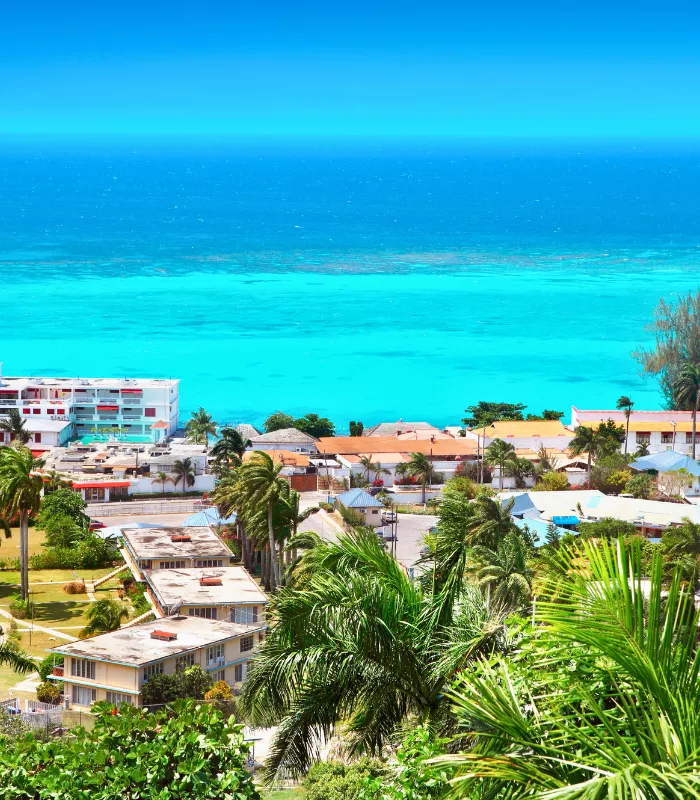
Jamaica gets millions of visitors every year. The beaches are stunning and the food is unforgettable.
But here’s the catch: the U.S. State Department recently moved Jamaica to a Level 2 advisory, and it notes that certain areas — particularly Kingston and Spanish Town — see significantly higher rates of incidents involving visitors.
Tourists have encountered problems in rental cars, on public beaches, and even near popular restaurant strips in some parishes.
Local taxi situations and persistent soliciting near resort exits are well-documented and frequently mentioned by returning visitors.
Response times outside of resort corridors can be frustratingly slow when you need help fast.
Many resort guests are advised by hotel staff to stay within the property, particularly after dark.
Why It’s On This List: The all-inclusive bubble is genuinely lovely. But stepping outside it without a solid plan is something most experienced travelers would think carefully about first.
3. Trinidad and Tobago
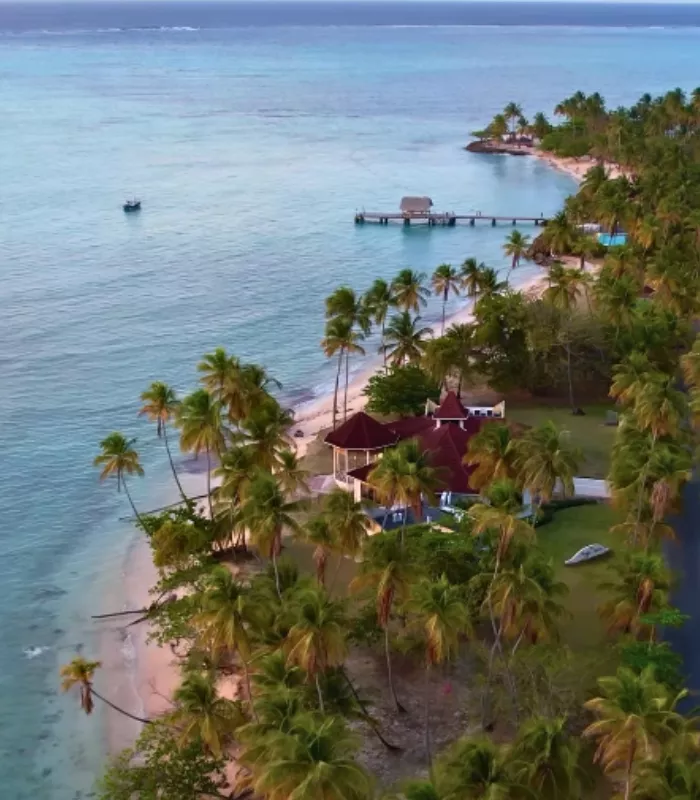
Trinidad and Tobago is a beautiful twin-island nation known for its world-famous Carnival festival.
But it currently sits at a Level 3: Reconsider Travel advisory from the U.S. State Department.
Visitors are advised to exercise significant caution, particularly after dark in certain Port of Spain neighborhoods.
Even Tobago, the quieter sister island, has seen a rise in incidents involving tourists in recent years.
Public transportation options are limited outside of hotel-arranged transfers, and many travelers find getting around independently more complicated than expected.
Travelers who need access to specialist medical care should know that facilities are limited and serious situations often require evacuation to another country.
Why It’s On This List: The island has plenty to offer the right traveler. But the Level 3 advisory means most experienced globetrotters will want to do their homework carefully before booking.
4. Dominican Republic
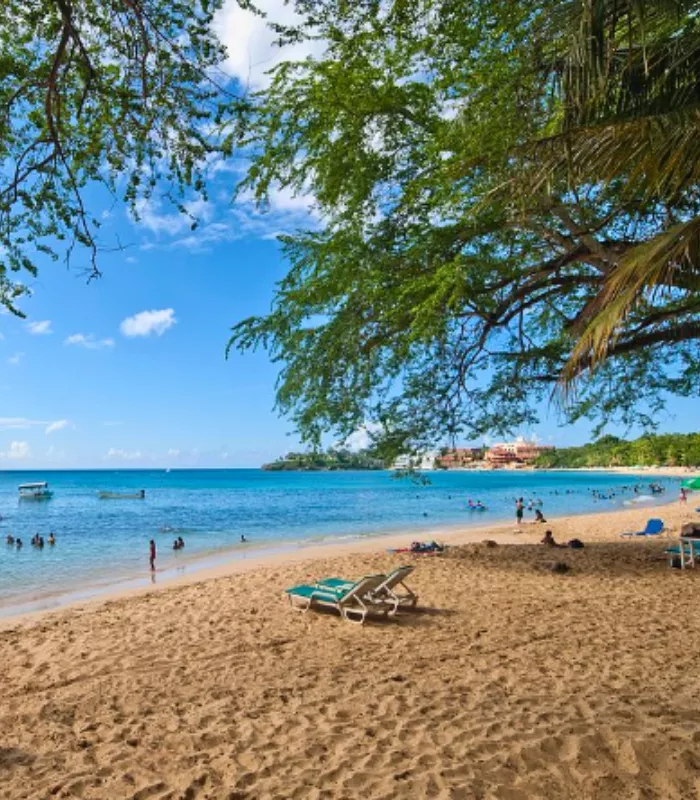
The Dominican Republic is one of the most visited islands in the entire Caribbean.
Punta Cana alone welcomes millions of tourists each year. The all-inclusive resorts can feel very safe.
But here’s the deal: step outside the resort gates and the experience changes noticeably. It sits at a Level 2: Exercise Increased Caution advisory, and visitors frequently report petty theft near markets and ATMs as a common nuisance.
Road conditions outside of resort zones are poor, and driving after dark is something local authorities strongly discourage.
Tap water is not safe to drink, food preparation standards vary widely, and stomach trouble is one of the most common complaints among returning visitors.
Tourist support resources exist in major resort areas but thin out quickly once you venture away from the main strips.
Why It’s On This List: Several American tourists have reported unexpected illnesses at Dominican resorts in recent years, putting a spotlight on food and drink choices at even upscale properties.
5. Cuba
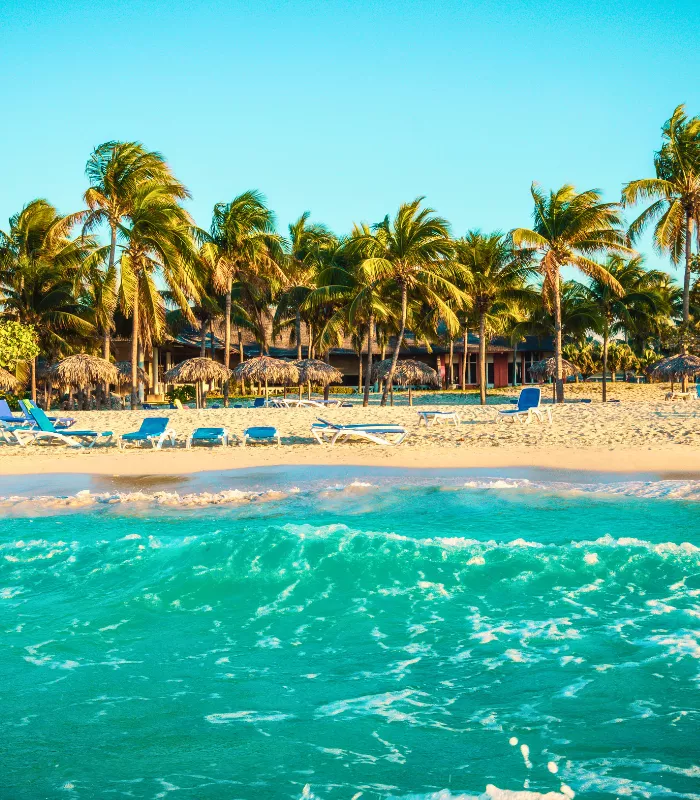
Cuba is a fascinating country with a rich history, classic cars, and vibrant music.
However, U.S. travelers face a unique set of practical challenges that most other tourists do not.
In early 2026, reports emerged of American citizens being turned away at the airport and asked to leave immediately. Entry and spending restrictions for Americans have also tightened, making trip planning considerably more complex.
Internet access is heavily restricted, making it difficult to stay in contact with family back home.
Medical facilities operate on a two-tier system. Better-equipped options exist for international visitors who can pay, but even those fall well below what most Americans are accustomed to.
Power outages lasting many hours have become routine across the island, affecting hotels, restaurants, and other services.
In a genuine emergency, U.S. consular assistance inside Cuba is limited due to the current diplomatic situation.
Why It’s On This List: American cards largely do not work in Cuba. You must bring all your cash in advance. If something goes wrong, your options for getting help are considerably more limited than in most other destinations.
6. The Bahamas
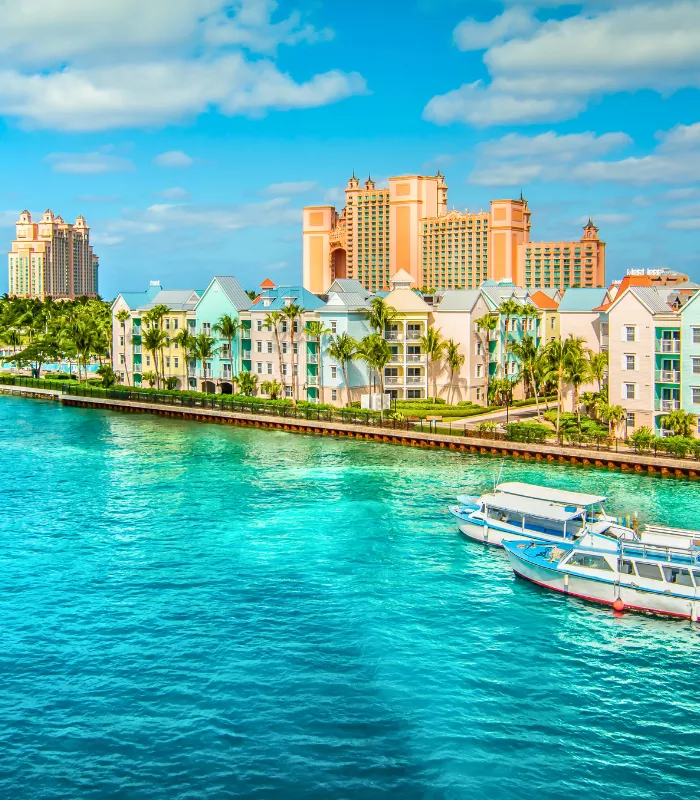
The Bahamas looks like the perfect getaway, and many of its outer islands truly are peaceful.
But Nassau and Freeport, where most flights land, carry a Level 2: Exercise Increased Caution advisory and have seen a noticeable uptick in incidents affecting tourists in recent years, including near the cruise port.
Rental car break-ins and thefts from parked vehicles near beaches are among the most commonly reported frustrations from visiting Americans.
Some downtown Nassau areas that once felt very tourist-friendly now warrant a bit more awareness, particularly after sunset.
Medical response outside of Nassau can be slow, and serious situations often require evacuation at significant personal expense.
Why It’s On This List: You’re better off flying directly to a smaller Bahamian island like Harbour Island or the Exumas if you want a relaxed, lower-key experience instead of routing through Nassau.
7. Turks and Caicos
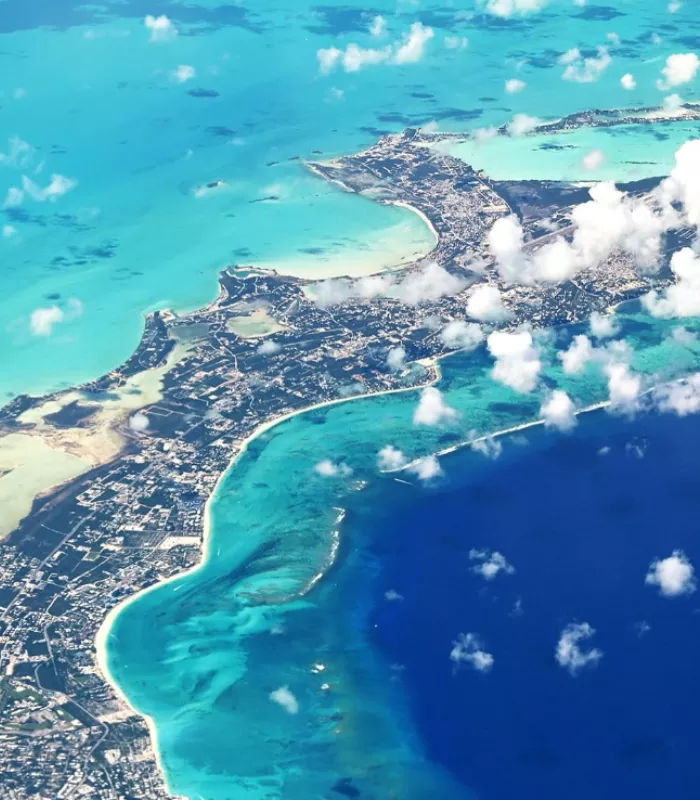
Turks and Caicos has some of the most beautiful beaches in the world. Grace Bay Beach consistently ranks among the best on the planet.
That said, the island carries a Level 2 travel advisory, and there are a few practical considerations every visitor needs to know before landing.
The island has strict rules around items in luggage — including a law where even a single forgotten bullet can result in 12 or more years in a local prison. Several American tourists have already been detained at the airport for exactly this reason.
The local legal process moves slowly, and resolving these situations has taken months for some travelers.
Visitors have also reported feeling less settled in recent years, and local medical facilities are limited. Serious situations typically require evacuation to the U.S. or another country at the traveler’s expense.
A travel protection plan that includes medical evacuation coverage is something most experienced visitors to this island consider essential.
Why It’s On This List: Check every pocket, bag, and corner of your luggage before you leave home. This is not a rule you want to learn about after landing.
8. Guyana
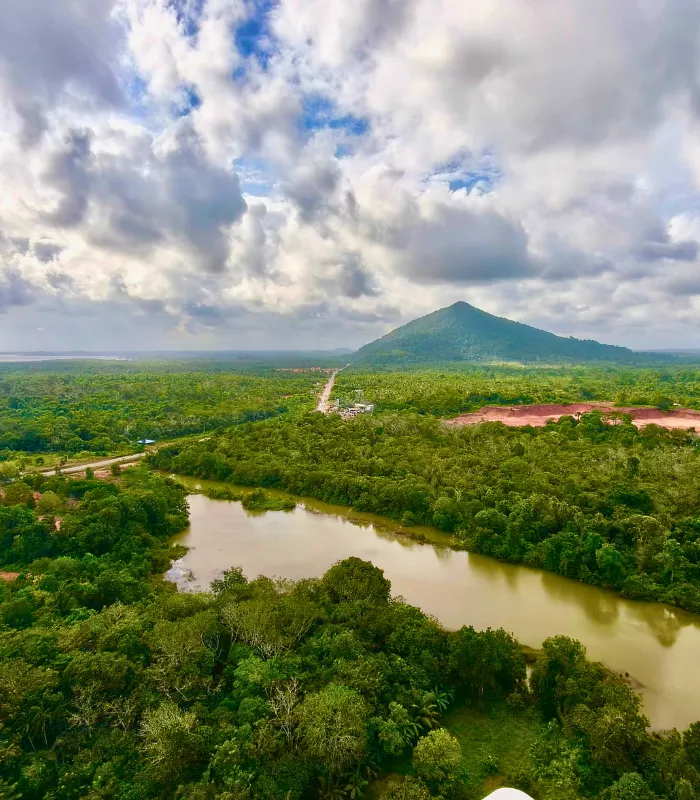
Guyana sits on the northeastern coast of South America and is sometimes grouped with Caribbean destinations.
It earned a Level 3: Reconsider Travel advisory from the U.S. State Department as of May 2025.
U.S. authorities have flagged specific areas of the capital Georgetown as ones to avoid, and visitor incidents have been rising as the country attracts more attention from its recent oil boom.
Roads outside the capital are often unpaved, poorly lit, and without reliable cell coverage — making any kind of unexpected situation considerably harder to manage.
Seasonal flooding can cut off access to entire regions without much notice.
The combination of limited support infrastructure and remote terrain makes this a destination that rewards very careful planning, particularly for travelers who prefer to have a reliable safety net in place.
Why It’s On This List: Medical facilities in Guyana are limited and do not meet U.S. standards. For travelers who want quick access to quality care if something goes wrong, this destination requires serious advance planning.
9. Grenada
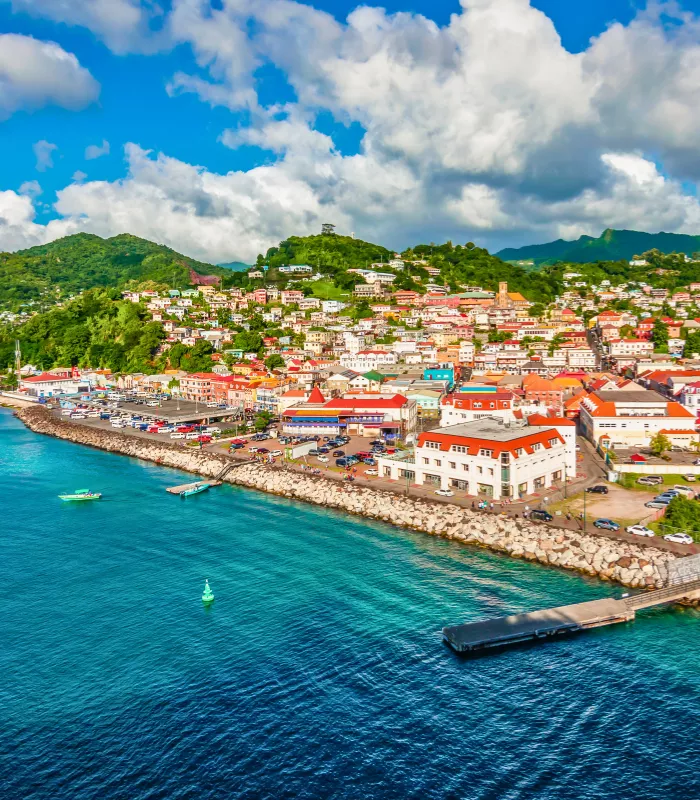
Grenada, known as the “Spice Isle,” was long considered one of the calmer Caribbean destinations.
But in January 2026, the U.S. State Department upgraded it to a Level 2: Exercise Increased Caution advisory following a rise in incidents affecting tourists, including a high-profile 2024 incident involving an American couple on their catamaran that drew international attention.
Theft from anchored boats and yachts has become a growing concern along Grenada’s southern coastline.
Some popular hiking trails near waterfalls and nature reserves have also seen visitor incidents in recent years.
Local emergency response times outside of the capital St. George’s can be slow, and the island’s small size creates a sense of security that does not always reflect the full picture.
Limited local options for serious medical situations mean that evacuation is often the only route for anything beyond basic care.
Why It’s On This List: U.S. authorities specifically advise tourists not to physically resist any confrontation and to avoid walking alone after dark. Worth knowing before you go.
10. Puerto Rico

Puerto Rico is a U.S. territory, so no passport is needed and the dollar is the currency. That makes it feel straightforward to many American travelers.
But certain neighborhoods in San Juan see regular activity that the average tourist would want to steer clear of, and power reliability has remained an ongoing challenge years after major storm damage.
Medical facilities outside of San Juan can be limited, which is worth factoring in for travelers who want reliable access to care if something comes up.
Vehicle break-ins and theft from rental cars are among the most frequently reported frustrations from American visitors, and some rental companies now add island-specific restrictions as a result.
Internet and cell service can be patchy outside of the main tourist corridors, which becomes a real inconvenience if you need to sort something out quickly in a less-visited area.
Ongoing infrastructure challenges across some municipalities have affected road conditions and the speed of local services in ways that can catch first-time visitors off guard.
Why It’s On This List: The convenience of no passport and familiar currency can create a false sense of familiarity. Do your homework on which neighborhoods and regions to plan around before you book.