

The outdoors is not a gentle place for furniture.
UV rays, humidity, freezing temps, and surprise thunderstorms show up uninvited every year.
But here’s the deal. Most people only find out their furniture cannot handle it after they have already paid for it.
Some materials look tough on the showroom floor and fall apart by Labor Day.
Others rust quietly until the whole frame gives way.
The wrong material does not just look bad. It costs you money twice.
1. Untreated Wood
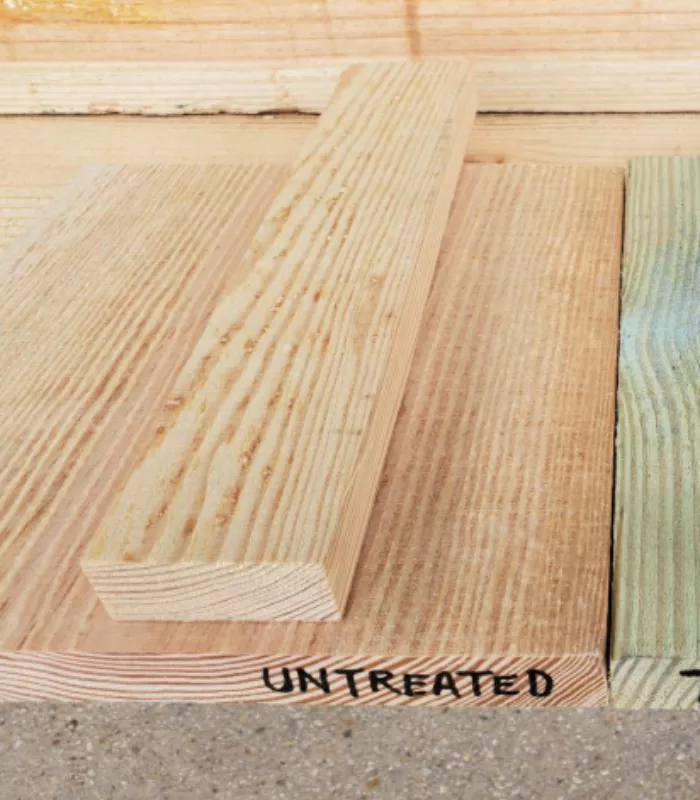
Untreated wood looks beautiful on day one.
But it does not stay that way for long.
Rain soaks into the grain. The sun dries it out. That cycle causes cracking, warping, and rot within just a few seasons.
Termites and mold love damp wood, too. That means more repairs and more money out of pocket.
Wood is one of the oldest building materials in the world.
Humans have used it for thousands of years for shelter, tools, and furniture.
But untreated wood was never designed to sit in the rain year after year.
When moisture gets into the grain, it starts a slow process of breakdown.
First, you see small cracks. Then the surface starts to splinter.
Eventually, the whole piece warps out of shape.
A warped chair leg is not just ugly. It is a safety hazard.
Mold and mildew can also build up on damp wood surfaces.
That creates an unpleasant smell and a slippery surface.
Neither of those things belongs on your patio.
Insects like termites and carpenter ants are also attracted to soft, damp wood.
Once they move in, they are very hard to get rid of.
Sealing and staining wood every one to two years can help slow the damage.
But that takes time, money, and effort that many people would rather spend elsewhere.
Why It’s On This List: Untreated wood can start rotting in as little as one to three years when left outdoors without sealant or protective coating.
2. Cheap Plastic (Low-Density)
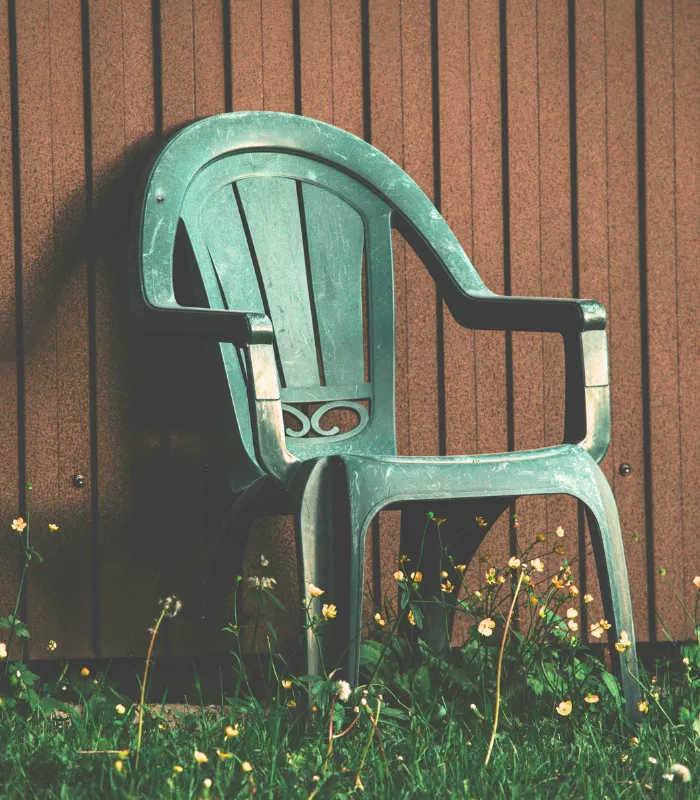
Plastic furniture is light and easy to move around.
But here’s the catch. Not all plastic is made the same.
Low-density plastic becomes brittle in cold weather. It cracks under pressure. UV rays from the sun turn it yellow and chalky fast.
Many cheap plastic chairs crack within one or two summers. That is not a great return on your money.
You have probably seen those white plastic stacking chairs at yard sales.
They are everywhere because they are cheap to buy.
But cheap to buy often means expensive to replace.
Low-density plastic has very little UV protection built into it.
The sun breaks down the chemical bonds in the plastic over time.
That is what causes that faded, chalky look after just one summer.
Cold weather makes things even worse.
Low temperatures cause plastic to become stiff and brittle.
A chair that feels fine in July can crack straight through in October.
The legs are usually the first thing to go.
Once a leg cracks, the chair becomes unsafe to sit on.
Throwing it away means more plastic in the landfill.
That is not good for your wallet or for the environment.
High-density polyethylene plastic is a much better option if you prefer plastic furniture.
Why It’s On This List: Low-grade plastic has a very short outdoor lifespan. High-density polyethylene (HDPE) is a much better choice if you want plastic that lasts.
3. Standard Steel (Non-Galvanized)
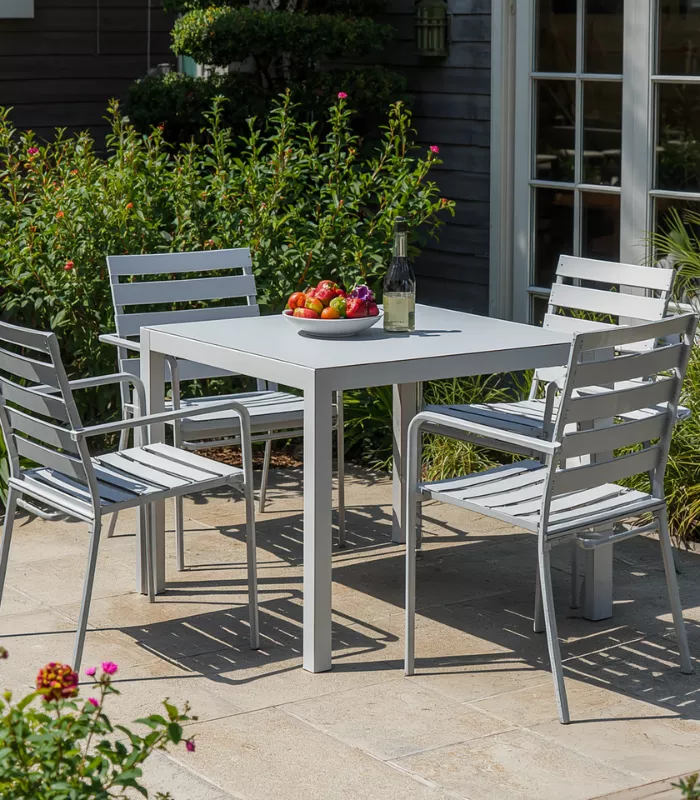
Steel is strong. There is no question about that.
But standard steel and moisture do not get along.
Without a protective coating, steel starts rusting quickly. One scratch through the paint is all it takes for rust to spread underneath.
Rust weakens the frame and makes the furniture unsafe over time. That is a real concern, especially for heavier adults or grandchildren who love to climb.
Steel is one of the strongest metals available for furniture construction.
That strength is also part of why it is so popular for outdoor use.
But strength alone does not protect against the elements.
Iron in steel reacts with oxygen and water to form iron oxide.
That is the scientific name for rust.
Once rust starts, it spreads under the paint without you even seeing it.
By the time orange spots appear on the surface, the damage is already deep.
Rust does not just look bad. It eats through the metal itself.
A rusted joint can snap under body weight with no warning.
That is a serious fall risk, especially for older adults.
Coastal areas are especially hard on standard steel.
Salt air speeds up rust dramatically compared to inland climates.
Even one season near the ocean can leave standard steel furniture looking years older.
Galvanized or powder-coated steel is a far safer and longer-lasting option.
Why It’s On This List: Untreated steel can show rust spots in as little as a few weeks in humid or rainy climates.
4. Wrought Iron Without Proper Coating
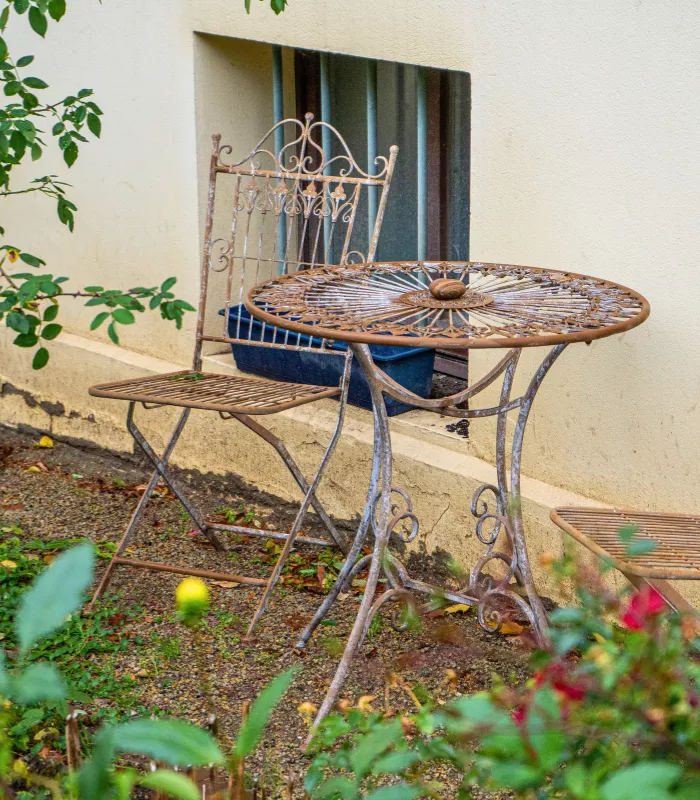
Wrought iron furniture looks classic and elegant.
It is also very heavy and very prone to rust.
Even a small chip in the finish lets moisture in. That’s why so many people end up with orange rust streaks on their patio within just one season.
Repainting wrought iron every year is a big job. It takes time, effort, and supplies that add up fast.
Wrought iron has been used in furniture and gates for centuries.
Its heavy, ornate look never really goes out of style.
But that classic beauty comes with a serious maintenance price tag.
Wrought iron is dense and holds heat in the summer sun.
Sitting on a wrought iron chair on a hot afternoon is not a pleasant experience.
The weight also makes it hard to move around your patio.
Repositioning a wrought iron table by yourself is a real workout.
And if you drop a piece, it can crack concrete or tile.
The coating on wrought iron chips far more easily than most people expect.
A single dropped tool or bumped corner can expose bare metal.
From that point, rust takes hold within days in wet weather.
Stopping it means sanding, priming, and repainting the entire piece.
Skipping that step means the rust spreads further every season.
For most people over 50, that level of annual upkeep simply is not worth it.
Why It’s On This List: Wrought iron is one of the highest-maintenance outdoor furniture materials available. It needs regular sanding, priming, and repainting to stay safe and good-looking.
5. Particleboard or MDF
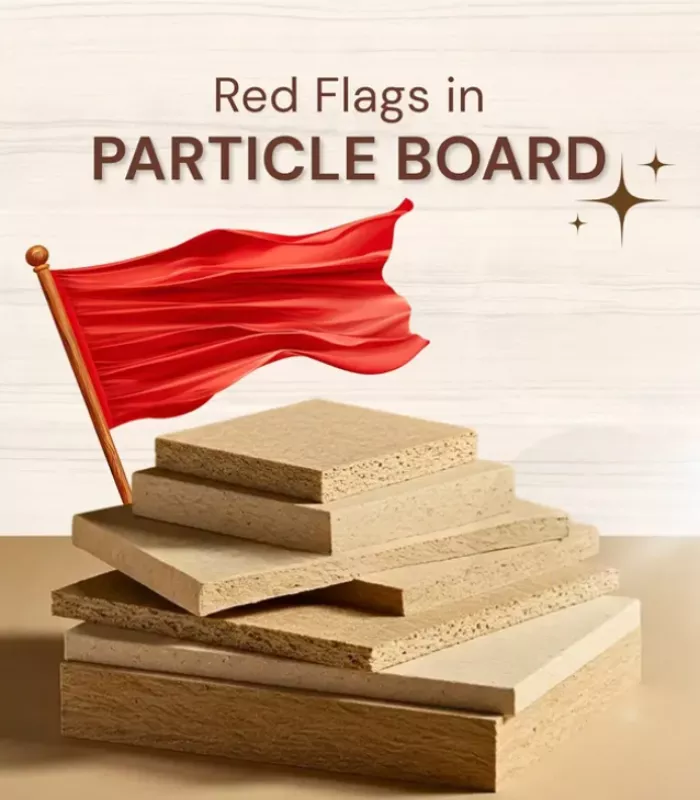
Particleboard is made from wood chips pressed together with glue.
It is common indoors. Outdoors, it is a disaster.
Water causes it to swell, bubble, and fall apart very quickly. Even one rainstorm can cause serious damage.
MDF and particleboard have almost zero weather resistance. If you see patio furniture made from these materials, walk away.
Particleboard became popular in the mid-20th century as a cheaper alternative to solid wood.
It works well inside a dry home where moisture is not an issue.
The moment it gets wet, the glue that holds the wood chips together starts to fail.
The board swells unevenly, which causes bubbling and warping on the surface.
Once that process starts, it cannot be reversed.
MDF is similar but even more sensitive to moisture than particleboard.
It absorbs water like a sponge and falls apart from the inside out.
You might not even notice the damage until you try to move the piece.
Then the leg snaps off, or the tabletop collapses entirely.
Some budget outdoor furniture is sold with a laminate coating over particleboard.
That coating provides almost no real moisture protection.
It peels away in heat and lets water straight through in rain.
Buying particleboard outdoor furniture is essentially paying to throw something away.
Your money is better spent on solid wood, metal, or quality synthetic materials.
Why It’s On This List: Particleboard and MDF are designed for dry indoor environments only. Using them outside almost always leads to full replacement within one season.
6. Thin Aluminum Tubing
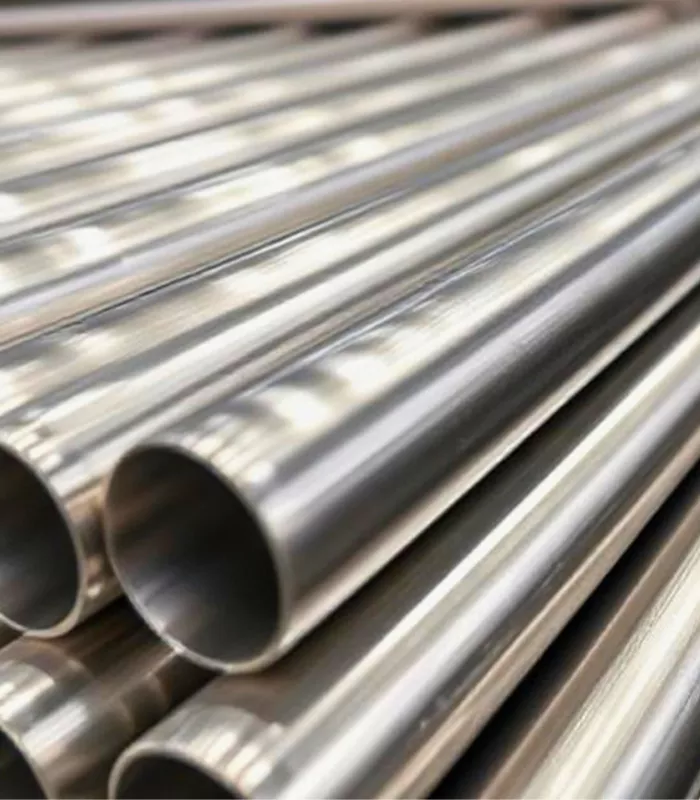
Aluminum does not rust. That part is true.
But thin aluminum tubing bends and dents very easily.
Strong winds can knock chairs over and bend the legs. Heavier use causes the joints to loosen and wobble over time.
You are better off choosing thick-gauge aluminum or cast aluminum if you want furniture that stays sturdy for years.
Aluminum became a popular outdoor furniture material because it is lightweight and rust-proof.
Those are genuinely great qualities for patio furniture.
But thin aluminum tubing takes those benefits too far in the wrong direction.
The walls of thin tubing are simply not thick enough to handle real stress.
A strong gust of wind can send a thin aluminum chair flying across the yard.
When it lands, the legs bend and the joints crack.
Even regular daily use puts stress on thin tubing over time.
The joints where tubes connect are the weakest point.
They loosen and wobble after just a season or two of regular sitting.
A wobbly chair is uncomfortable and potentially unsafe.
Thin aluminum also dents easily if something falls on it or bumps into it.
Those dents are permanent and cannot be hammered back out cleanly.
Cast aluminum is heavier but dramatically stronger and longer-lasting.
Thick-gauge extruded aluminum is another solid choice that balances weight and durability well.
Why It’s On This List: Thin aluminum tubing may feel lightweight and convenient, but it lacks the structural strength needed for long-term outdoor use.
7. Standard Wicker (Natural Rattan)
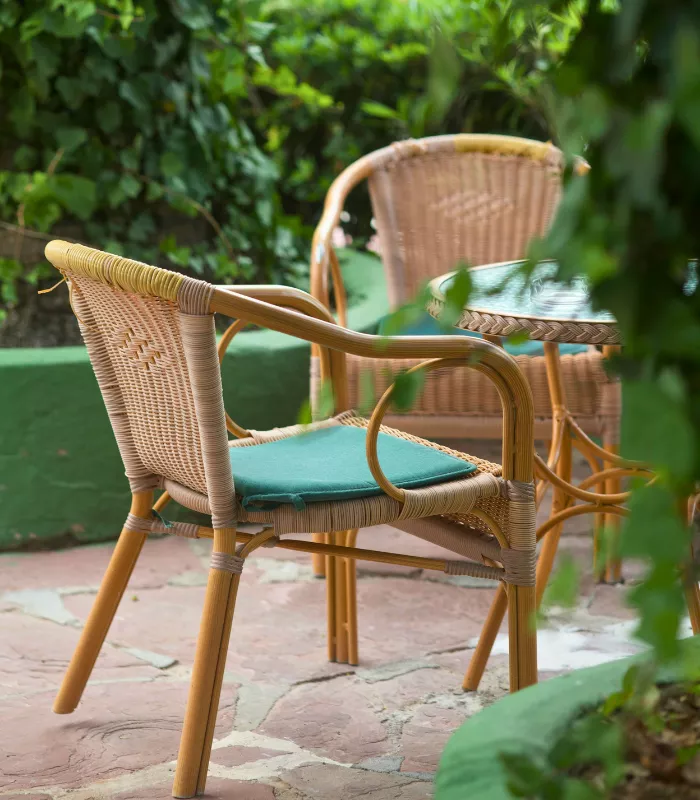
Natural wicker furniture has a warm, cozy look.
But it was never meant to live outside full-time.
Rain causes natural rattan to swell and weaken. The sun dries it out and makes it brittle. The strands start to snap and unravel within a season or two.
Synthetic resin wicker is the smarter choice for outdoor spaces. It holds up to rain, sun, and heat without breaking down.
Natural rattan wicker has been used in furniture for hundreds of years.
It is lightweight, flexible, and has a classic look that many people love.
But rattan is a plant material, and plant materials do not love the weather.
Moisture causes the fibers to swell and soften.
When they dry out again, they contract and become brittle.
That repeated swelling and shrinking weakens the strands very quickly.
One broken strand leads to another as the tension in the weave shifts.
Before long, the whole seat or back starts to unravel.
Sun damage is just as bad as water damage for natural rattan.
UV rays bleach the color and dry out the natural oils in the fiber.
That makes it crack and splinter, which can scratch or snag clothing.
Natural wicker kept on a fully covered porch can last longer than exposed pieces.
But even then, humidity alone is enough to cause problems over time.
Synthetic resin wicker looks nearly identical but stands up to all types of weather with very little maintenance needed.
Why It’s On This List: Natural wicker can lose its shape and structure after just one wet season outdoors. Most manufacturers do not recommend it for uncovered outdoor use.