

Grass has opinions. Strong ones. And it will express them loudly by turning brown in your front yard.
Hot climates are ruthless editors.
They cut out every grass variety that does not belong.
Some grasses simply were not built for heat, drought, or relentless sunshine.
Planting the wrong one is not a gardening choice. It is an expensive science experiment with a predictable ending.
1. Kentucky Bluegrass
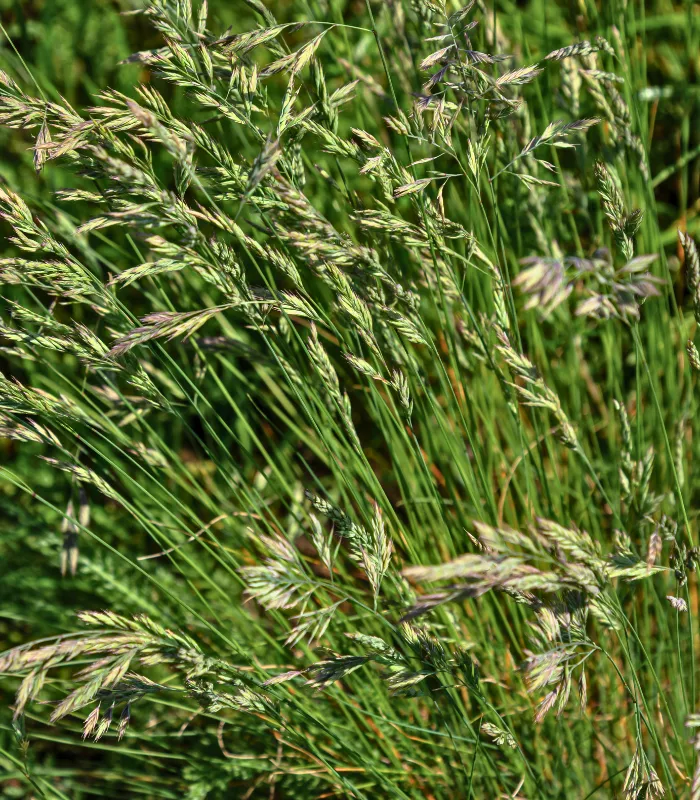
Kentucky Bluegrass looks beautiful in cool, northern states.
But in hot climates, it struggles badly.
It needs temperatures below 85 degrees F to thrive. Once summer heat kicks in, it goes dormant fast. Many homeowners waste hundreds of dollars trying to keep it green.
This grass was born for places like Minnesota and Wisconsin.
It loves cool nights and mild summers.
In hot climates, those conditions simply do not exist for long.
Watering it more does not solve the problem.
Heat stress goes much deeper than the soil surface.
The roots of Kentucky Bluegrass are shallow and sensitive.
Once the ground heats up, the roots suffer first.
You will notice the color fading before you realize what is happening.
By the time the lawn looks bad, the damage is already done.
Fertilizing in summer makes things worse, not better.
It pushes the plant’s growth beyond what it can sustain in the heat.
Many homeowners try to revive it with extra care.
Most of the time, that effort is wasted money.
Lawn care professionals in hot states see this mistake constantly.
They all say the same thing: wrong grass for the wrong place.
Some seed companies still sell it in warm climate regions without clear warnings.
Why It’s On This List: Kentucky Bluegrass requires up to 2 inches of water per week in summer heat. That’s a costly water bill every single month.
2. Perennial Ryegrass
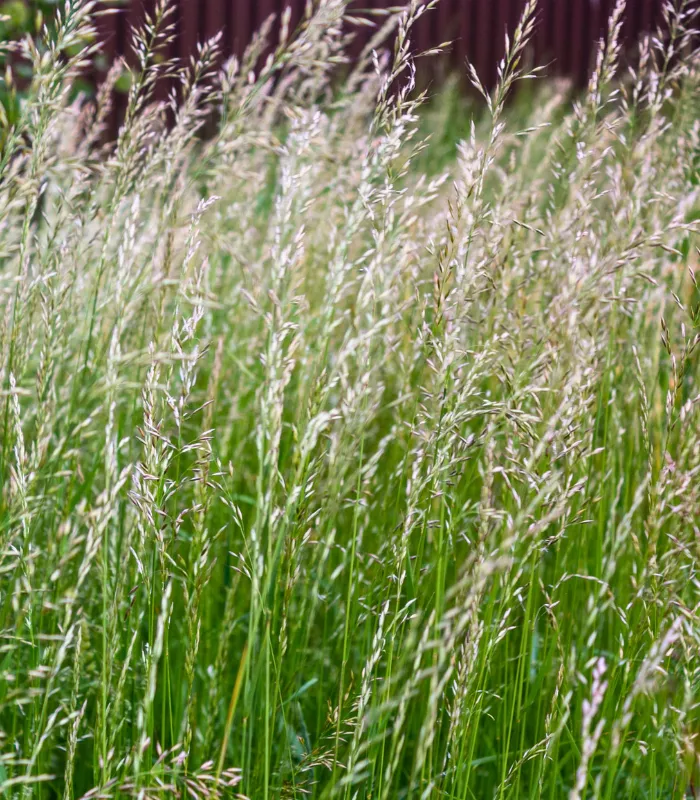
Perennial Ryegrass is popular in sports fields up north.
But here’s the catch: it cannot handle long stretches of heat above 90 degrees F.
It thins out quickly in hot summers. You will see dead patches by July. Once it dies back, it rarely recovers on its own.
This grass germinates fast, which makes it feel like a winner early on.
Spring lawns seeded with Ryegrass look thick and lush.
Then June arrives and the story changes completely.
The blades start to look tired and pale.
Foot traffic makes the damage worse.
The grass cannot repair itself fast enough in the heat.
It also struggles with humidity, which many hot climates deliver in abundance.
Fungal diseases love warm, moist conditions.
Perennial Ryegrass is especially vulnerable to those diseases.
Brown patch fungus can wipe out large sections overnight.
Treating it requires expensive fungicides applied repeatedly.
Even then, recovery is slow and uneven.
Many homeowners reseed every fall just to repeat the same cycle.
That cycle costs both time and money year after year.
Breaking it starts with choosing a heat-tolerant grass from the beginning.
The sooner you make that switch, the sooner your lawn stops fighting the climate.
Why It’s On This List: Perennial Ryegrass has very low heat and drought tolerance. In hot climates, it often needs replacing every single year.
3. Creeping Bent Grass
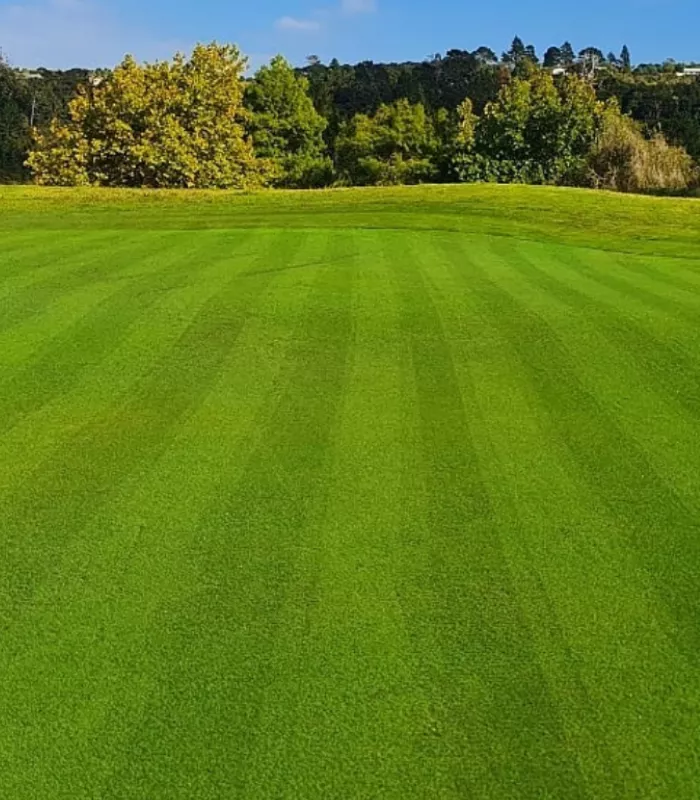
Creeping Bent Grass is the grass you see on golf course greens.
It looks stunning. But it is extremely high maintenance in the heat.
It needs daily watering in summer. It is also prone to fungal disease when temperatures rise. Most lawn experts say it is simply not worth the effort in warm regions.
Golf courses that use this grass employ full-time turf managers.
They have sophisticated irrigation systems running constantly.
They monitor soil temperature, moisture levels, and disease pressure daily.
The average homeowner does not have that kind of setup.
Without it, Creeping Bent Grass declines fast in summer heat.
It also requires mowing at very low heights, sometimes under half an inch.
Most home lawn mowers cannot cut that low cleanly.
Cutting it too high causes a buildup called thatch.
Thatch traps heat and moisture at the soil level.
That creates the perfect environment for fungal disease.
Dollar spot and brown patch are especially destructive in this grass.
Chemical treatments help but do not fully solve the problem in heat.
The grass simply was not designed for residential use in warm climates.
It was designed for highly controlled, professionally managed environments.
Planting it at home in a hot climate is setting yourself up for frustration.
Most homeowners who try it end up replacing it within two seasons.
Why It’s On This List: Creeping Bent Grass can require mowing every single day during the growing season. That is a serious commitment for any homeowner.
4. Fine Fescue
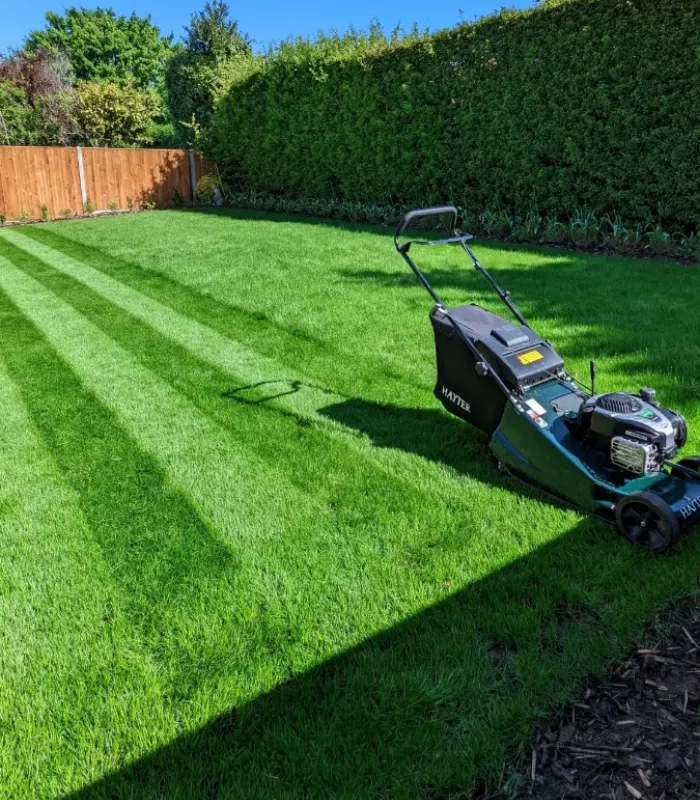
Fine Fescue is a shade-loving, cool-season grass.
It does great in the Pacific Northwest and New England states.
But in hot, humid climates, it burns out fast. Fine Fescue turns brown and thin when summer temperatures climb above 85 degrees F. You are better off choosing a warm-season grass from the start.
Fine Fescue comes in several varieties, including Creeping Red and Chewings.
All of them share the same weakness: they hate sustained heat.
They also perform poorly in full sun during warm months.
Many homeowners plant it because it looks elegant and soft.
The texture is genuinely beautiful in the right climate.
But beauty does not survive a southern summer.
The grass thins dramatically between June and August.
Bare soil patches appear, and weeds move in quickly.
Crabgrass especially loves the gaps that Fine Fescue leaves behind.
Fighting weeds on top of a failing lawn doubles the workload.
Overseeding in the fall can temporarily restore coverage.
But the same decline happens again the following summer.
It becomes a yearly battle with no long-term payoff.
Lawn professionals in warm states rarely recommend it for residential use.
The climate simply works against it from the start.
Choosing it in a hot region often means paying twice to fix the problem later.
Why It’s On This List: Fine Fescue has almost no tolerance for heat and humidity together. That combination is exactly what most southern and southwestern states deliver every summer.
5. Tall Fescue (Low-Quality Varieties)
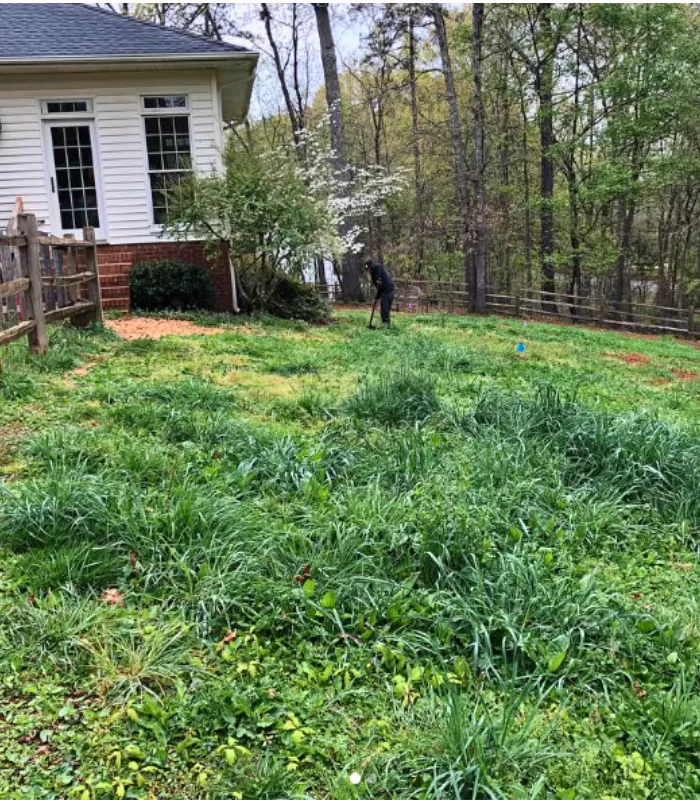
Not all Tall Fescue is created equal.
Older, low-quality Tall Fescue varieties are a poor choice for hot climates.
They clump, they brown, and they look rough by midsummer. Only newer, improved Tall Fescue blends have better heat tolerance. If you are planting an older variety, you may be setting yourself up for disappointment.
Low-quality Tall Fescue grows in coarse, unattractive clumps.
Those clumps stand out against the surrounding lawn.
The texture feels rough underfoot and looks uneven from a distance.
In heat, the older varieties go off-color fast.
They shift from green to a dull, grayish tone by July.
That color change signals the plant is under serious stress.
Watering more does not improve the appearance much.
The variety itself is the limiting factor, not the care routine.
Some homeowners buy cheap seed mixes without checking the variety names.
Those mixes often contain older, low-grade Tall Fescue.
The price seems like a good deal at the store.
The regret comes three months later when the lawn looks patchy and rough.
Reading the seed tag before buying is one of the smartest things you can do.
Look for named improved varieties with verified heat and drought ratings.
The extra cost upfront saves a lot of frustration later.
Your lawn is a long-term investment worth getting right from day one.
Spending a little more on quality seed now protects that investment for years to come.
Why It’s On This List: Low-quality Tall Fescue has a coarse texture and poor drought resistance. Homeowners often confuse it with better modern blends and end up with a patchy lawn.
6. Annual Bluegrass (Poa Annua)
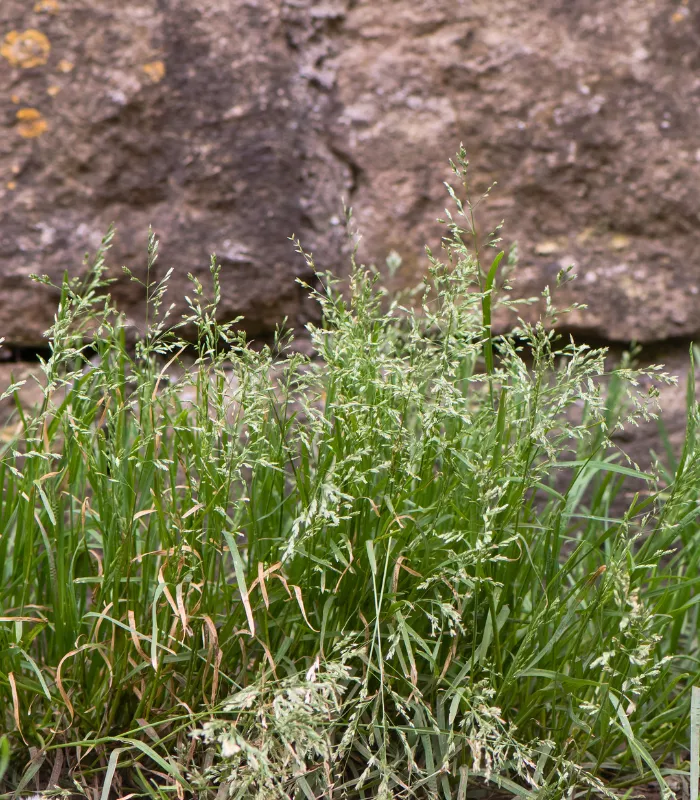
Annual Bluegrass sneaks into lawns as a weed in many warm states.
Some people try to grow it on purpose. That is a big mistake.
It dies completely when summer heat arrives. By June, your entire lawn can look like a dried-out field. That’s why most turf professionals in hot climates work hard to eliminate it, not encourage it.
Annual Bluegrass produces a lot of seed heads in spring.
Those seed heads give the lawn a whitish, unkempt appearance.
It spreads aggressively and crowds out better grasses.
Once it is established, it is very hard to remove selectively.
Most herbicides that kill it also damage the surrounding lawn.
Timing treatments is tricky and requires careful planning.
In cool months, it looks deceptively healthy and green.
That fools homeowners into thinking the lawn is thriving.
Then the heat hits, and the entire plant collapses at once.
What looked like a full, green lawn becomes bare ground very quickly.
Bare ground in summer invites crabgrass and other weeds immediately.
Fixing the damage takes most of the summer and into the fall.
Prevention is far easier than recovery in this situation.
Pre-emergent herbicides applied in late winter are the most effective defense.
Stopping Annual Bluegrass before it germinates saves enormous effort later.
Once you break the cycle, your lawn has a real chance to stay healthy year-round.
Why It’s On This List: Annual Bluegrass completes its full life cycle in one year and dies in summer heat. It leaves large bare patches right when you want your lawn to look its best.
7. Rough Bluegrass (Poa Trivialis)
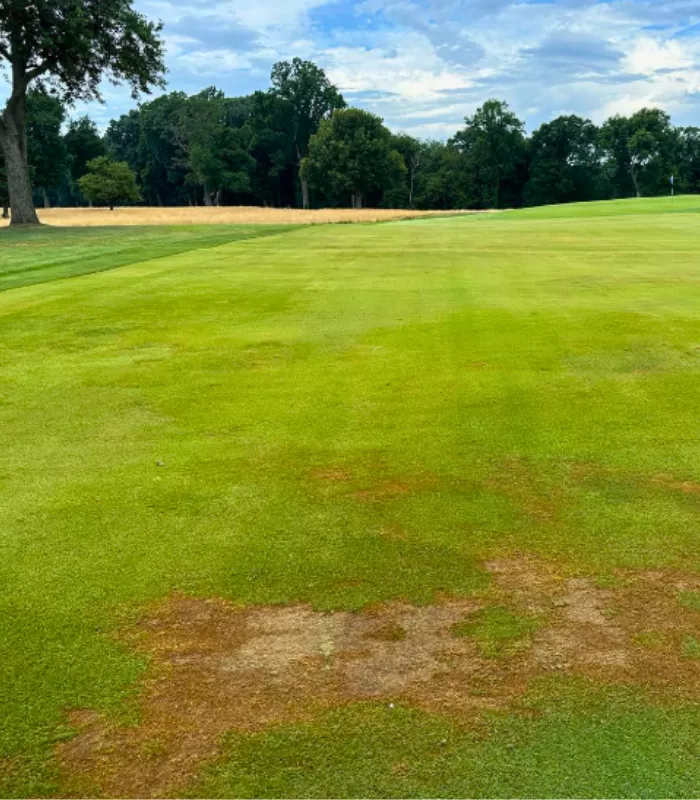
Rough Bluegrass is sometimes sold as a shady lawn mix ingredient.
It has a bright green color that looks appealing in the bag.
But here’s the deal: it melts away in summer heat like ice in a hot car. It is one of the least heat-tolerant grasses available. If you live in a region with hot summers, this grass is almost guaranteed to fail you.
Rough Bluegrass spreads by stolons along the soil surface.
In cool, moist conditions, it forms a dense and attractive mat.
That performance convinces homeowners it is a reliable choice.
But cool and moist is the opposite of what hot climates offer in summer.
As temperatures rise, the stolons dry out and the plant collapses.
It does not go dormant the way some cool-season grasses do.
It dies outright, leaving behind straw-colored patches across the lawn.
Those dead patches are often large and impossible to miss.
Neighbors will notice before you do.
Reseeding in the fall is an option, but the same thing happens the next summer.
It is one of those grasses that looks like a solution and acts like a problem.
Seed mixes that contain it are sometimes marketed as shade blends.
Shade blends are tempting for yards with trees and partial coverage.
But shade does not protect against ground-level heat in summer.
Choosing a truly heat-tolerant shade grass makes far more sense long term.
There are far better options available that will not let you down when July arrives.
Why It’s On This List: Rough Bluegrass goes dormant and dies at temperatures above 80 degrees F. In hot climates, that means it is basically unusable for most of the year.