

There is a fine line between upgrading your backyard and accidentally adopting a second job that pays you nothing.
Contractors love homeowners who get excited about big projects.
Magazines love showing you the after photo, never the maintenance schedule.
And somehow, the upgrades that look the most impressive tend to be the ones that hurt the most later.
Spending less on the wrong things is one of the smartest moves you can make.
1. Outdoor Kitchen, Full Build
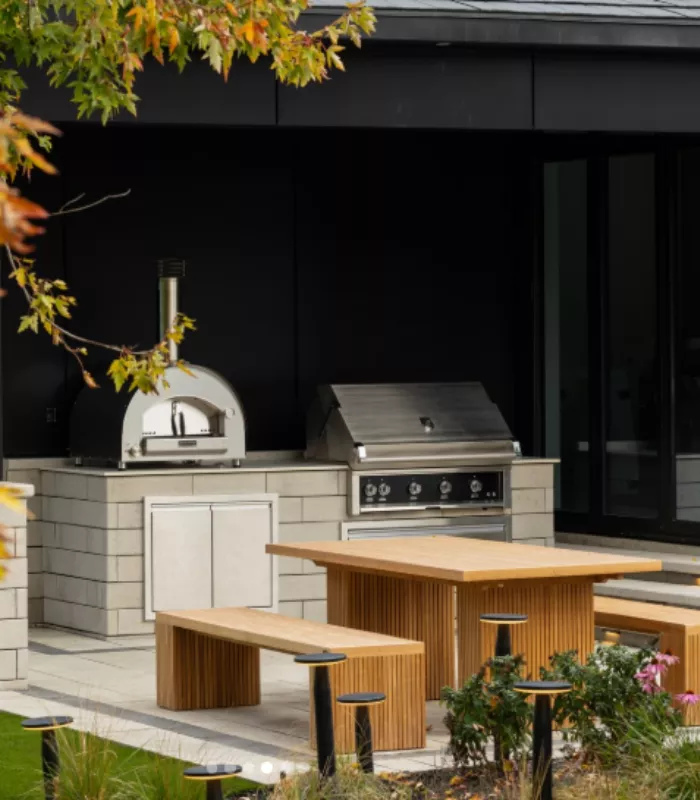
Outdoor kitchens look amazing in magazines.
But here’s the catch: most homeowners use them only a handful of times each year.
A full outdoor kitchen can cost $15,000 to $50,000 or more. That includes plumbing, gas lines, countertops, and appliances.
Weather damages stainless steel faster than you think. Grease buildup attracts bugs and rodents.
Cleaning it is a real chore, especially as we get older.
Gas lines require professional installation and regular safety inspections.
One small leak can become a serious hazard.
Most outdoor kitchens are built with the best intentions.
But the reality of cooking outside every week fades quickly.
Rain, wind, and extreme heat make outdoor cooking less appealing than it looks in the brochure.
Refrigerators and ice makers installed outside wear out much faster than indoor models.
Replacing outdoor appliances can cost thousands of dollars each time.
Countertops crack in freezing temperatures if not properly sealed every single year.
Bugs, ants, and even mice are drawn to food residue left in outdoor cooking areas.
Many homeowners end up covering the entire kitchen with a tarp just to protect it.
That tarp becomes a permanent fixture nobody planned for.
Resale value added by an outdoor kitchen is often far less than the cost to build it.
Buyers may actually see it as a maintenance burden rather than a selling point.
A quality portable grill and a folding prep table give you 90% of the experience for under $600.
Why It’s On This List: Studies show most outdoor kitchens are used fewer than 20 times a year. A quality portable grill does the same job for under $500.
2. In-Ground Swimming Pool
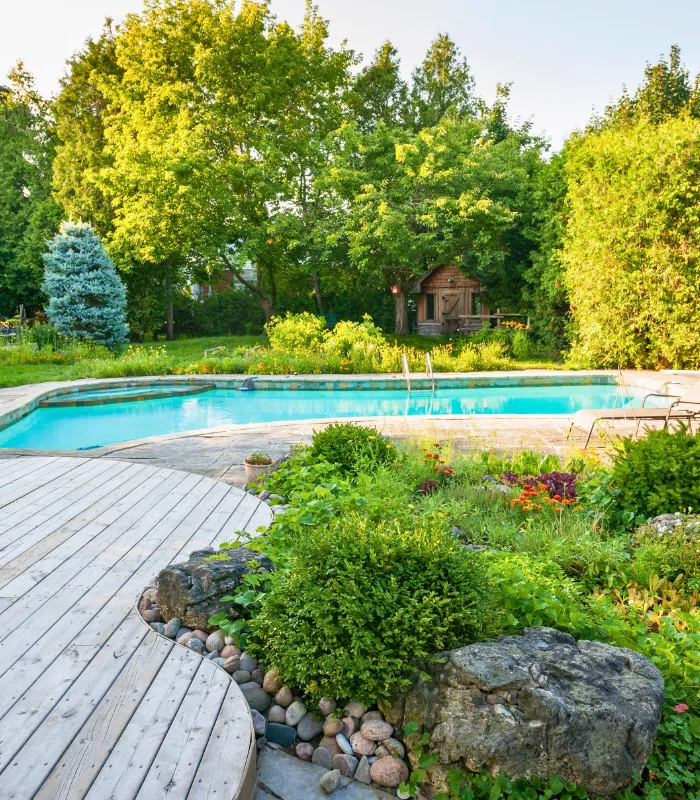
A backyard pool sounds like a dream come true.
But the average in-ground pool costs $35,000 to $65,000 to install. Then add another $3,000 to $5,000 every single year for upkeep, chemicals, and repairs.
For homeowners over 50, the physical maintenance gets harder each year.
You’re better off joining a local community pool or gym with pool access for a fraction of the cost.
Pools can also raise your home insurance and attract liability risks if a neighbor’s grandchild has an accident.
Pool chemicals are expensive and need to be balanced constantly, or algae takes over.
A green pool is not just ugly. It is a health hazard.
Pool pumps, filters, and heaters all break down eventually and cost hundreds to thousands to replace.
Resurfacing a pool every 10 to 15 years adds another $10,000 to $20,000 to your total investment.
Fencing requirements vary by location, but most municipalities require a safety fence around any in-ground pool.
That fence adds cost and changes the look of your entire backyard.
Heating a pool to a comfortable temperature during cooler months drives up your energy bill significantly.
Many homeowners over 60 find themselves swimming less and cleaning more.
The novelty of having a pool at home often fades within two or three summers.
Real estate agents often warn sellers that pools can actually limit their buyer pool in certain markets.
Families with young children may love it. Empty nesters looking for a low-maintenance home may walk away.
Closing a pool for winter is a multi-step process that takes a full day and costs money every year.
Opening it again each spring is just as involved and just as expensive.
When you add it all up over 20 years, an in-ground pool can easily cost $150,000 or more in total.
The Hidden Cost: A pool can add less than 7% to your home’s resale value, but costs far more than that to build and maintain over time.
3. Large Wood Deck
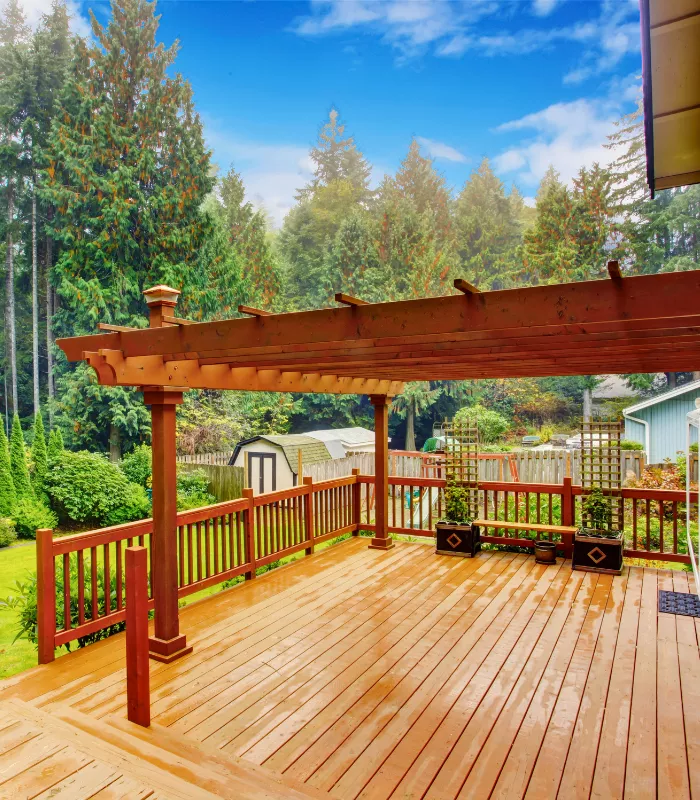
A big wooden deck feels like a great investment.
But wood decks need sanding, sealing, and staining every 2 to 3 years. That work adds up fast, both in cost and in effort.
Boards warp. Nails pop up. Splinters become a real hazard as you age.
The average wood deck costs $15,000 to $25,000 to build. Repairs and upkeep can add thousands more over the years.
A smaller composite deck costs more upfront but saves you money and effort over time.
Wood is vulnerable to moisture, which leads to rot if even one season of maintenance is skipped.
Termites and carpenter ants are attracted to untreated or aging wood.
An infestation can destroy a deck from the inside out before you even notice the damage.
Large decks require regular inspection of the structural posts and beams underneath.
A deck that looks fine on top can be dangerously unstable underneath.
Hiring a professional to inspect and repair a large deck can cost $500 to $2,000 each visit.
Pressure washing alone does not protect wood. It still needs to be sealed after every wash.
In climates with harsh winters, wood expands and contracts with temperature changes, causing boards to buckle.
Snow and ice sitting on a wooden deck for months accelerates decay dramatically.
Deck furniture can leave permanent stains on untreated wood if left in place during rain.
A large deck also means more square footage of wood to maintain, inspect, and eventually replace.
Many homeowners underestimate just how much time weekend deck maintenance actually takes.
What starts as a Saturday project often turns into a week-long ordeal every couple of years.
By the time you factor in all the maintenance costs, a cheaper composite deck almost always wins financially.
Maintenance Warning: Pressure washing, staining, and sealing a large wood deck can cost $1,000 to $3,000 each time. That adds up to tens of thousands over 20 years.
4. Elaborate Water Features
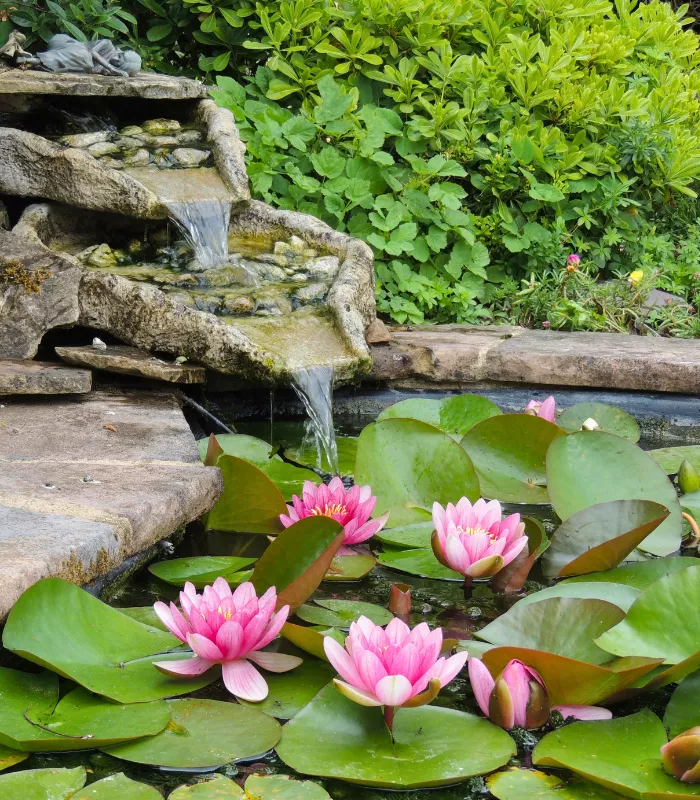
Ponds, waterfalls, and fancy fountains look beautiful at first.
But here’s the deal: they become a breeding ground for mosquitoes if not maintained properly.
Pumps break down. Algae builds up. Leaves clog everything in the fall.
A large backyard pond can cost $5,000 to $20,000 to install. Ongoing pump repairs and cleaning add hundreds each year.
Many homeowners over 60 end up filling them in completely.
Fish ponds add another layer of responsibility that many homeowners are not prepared for.
Fish require proper water temperature, oxygen levels, and feeding schedules all year long.
A single pump failure in summer heat can kill an entire pond of fish overnight.
Herons and other birds see your fish pond as a free buffet and visit regularly.
Netting the pond to protect fish adds cost and makes the feature look far less attractive.
Leaf debris in autumn clogs filters and causes toxic buildup in the water.
In freezing climates, pond equipment must be winterized carefully or it will crack and fail.
Algae treatments are an ongoing chemical expense that never fully goes away.
Even a simple decorative fountain needs its pump cleaned every few weeks to function properly.
Hard water deposits build up on fountain surfaces and require acidic cleaners to remove.
Children and grandchildren visiting your home can be at risk around open water features.
Homeowner insurance policies may require additional coverage for ponds above a certain depth.
The relaxing sound of running water is lovely until the pump hums loudly at 2 in the morning.
A simple birdbath and a few potted plants create a peaceful atmosphere for a fraction of the cost and effort.
Why It’s On This List: Water features are one of the top backyard additions that homeowners later regret. A simple birdbath gives you similar joy for under $50.
5. Full Outdoor Sound System
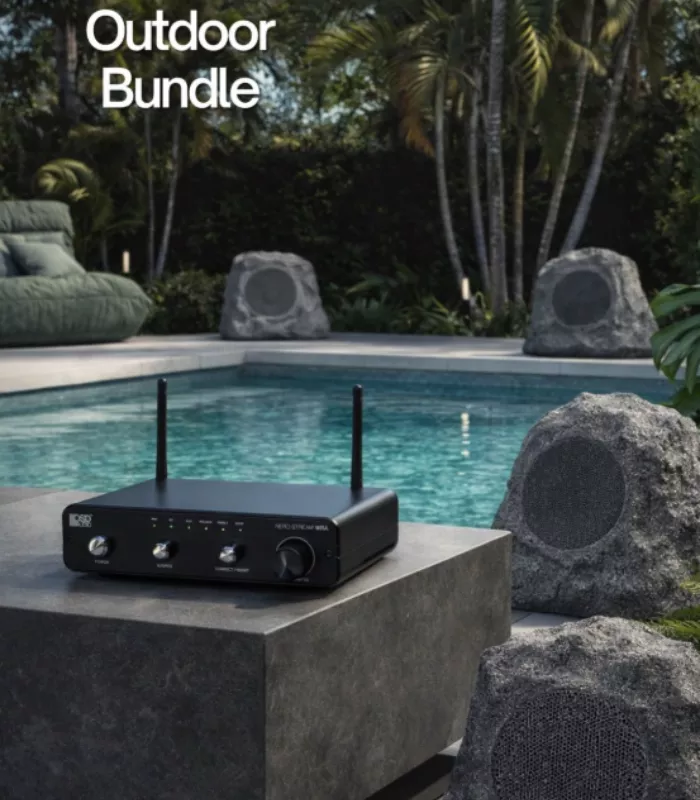
Built-in outdoor speakers seem like a fun upgrade.
A full-wired outdoor audio system can cost $2,000 to $10,000 installed.
But wiring corrodes. Speakers get damaged by heat, rain, and cold. Technology changes fast, and your system can become outdated in just a few years.
You’re better off with a high-quality portable Bluetooth speaker that costs under $200 and sounds just as good.
You can take it inside, charge it easily, and replace it without calling a contractor.
Built-in systems require professional installation, which adds significantly to the upfront cost.
Running wiring through walls and underground is invasive and can damage your existing landscaping.
Outdoor speaker wiring buried underground is vulnerable to moisture and root damage over time.
When a wired system fails, diagnosing the problem requires a professional and often means digging up your yard.
Speaker grills and enclosures crack and fade in UV sunlight within just a few years.
Wasps and spiders love to nest inside outdoor speaker enclosures during warmer months.
Streaming technology changes so rapidly that a system installed today may be incompatible with devices in five years.
Updating a hardwired system to work with newer technology can cost as much as starting over completely.
Volume disputes with neighbors are far more common when sound is spread across an entire yard.
Portable speakers let you direct sound exactly where you want it without disturbing the whole neighborhood.
Most people who install outdoor sound systems use them far less than they expected to.
Weather, bugs, and heat limit the number of truly enjoyable evenings spent outside each year.
A portable speaker can be upgraded every few years for a couple of hundred dollars as technology improves.
That flexibility alone makes it a far smarter choice than locking into an expensive permanent system.
Smart Spending Tip: Portable outdoor speakers have improved dramatically in recent years. Many are waterproof and last all day on a single charge for a tiny fraction of the cost.
6. Putting Green
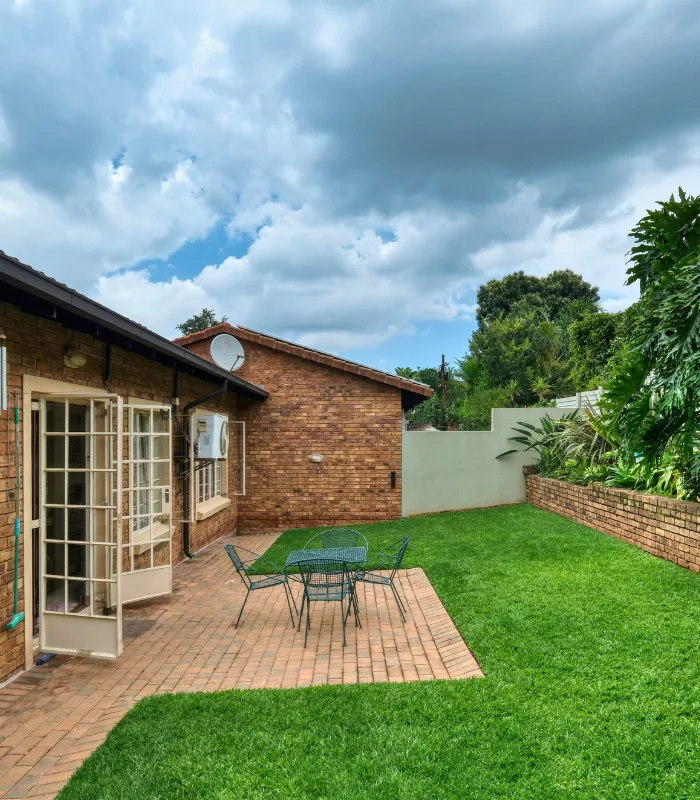
Backyard putting greens are popular with golf fans.
A professional artificial putting green can cost $5,000 to $15,000, depending on size.
The turf fades and wears down over time. It gets extremely hot in the summer sun. And the novelty wears off faster than most people expect.
That’s why most people stop using them within the first two years.
If you love golf, a trip to a local putting course or driving range gives you more variety for far less money.
Artificial turf requires infill material that needs to be topped up regularly to maintain proper ball roll.
Without proper infill, the green plays nothing like a real course and becomes frustrating to practice on.
The base preparation for a putting green requires excavation, drainage installation, and compacted gravel layers.
That groundwork alone can cost several thousand dollars before a single piece of turf is laid.
Leaves, pine needles, and debris must be blown or brushed off the surface regularly, or they damage the turf.
Pets can tear up artificial turf far faster than you would expect, especially dogs that like to dig.
Repairs to torn or bubbled turf sections are difficult to match and often look patchy when done.
Full replacement of an artificial putting green typically becomes necessary within 10 to 15 years.
That replacement cost rivals the original installation price all over again.
Most backyard putting greens are too small to simulate real on-course conditions meaningfully.
Serious golfers find they plateau quickly practicing on a surface that does not replicate actual greens.
A local golf club membership often costs less per year than a putting green installation.
Club membership also gives you access to full courses, practice facilities, and social opportunities.
The joy of a backyard putting green is real at first, but it rarely justifies the long-term investment.
Why It’s On This List: Artificial turf can reach temperatures of 150 degrees Fahrenheit in direct sunlight, making it uncomfortable and even unsafe to use during warm months.
7. High-End Pergola With All the Extras
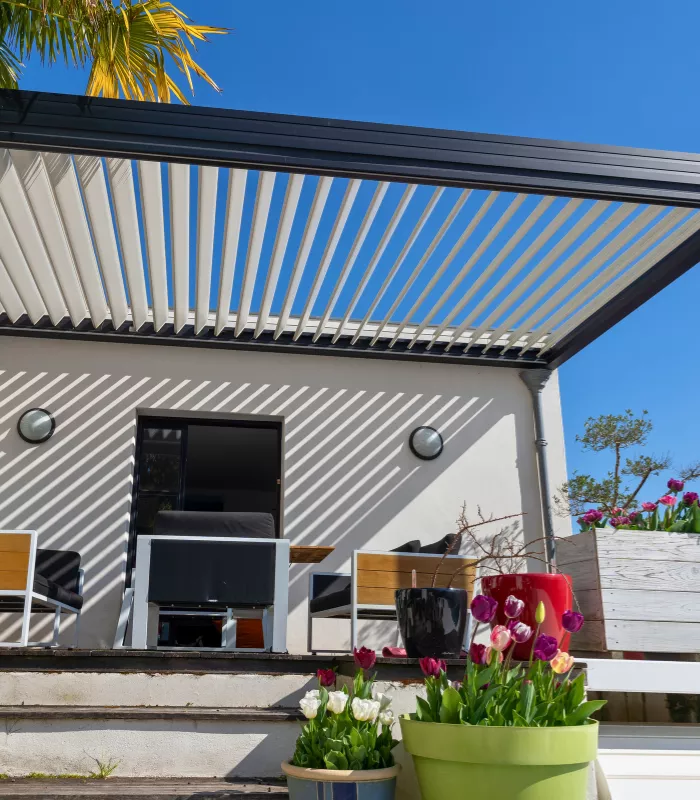
A simple pergola is a smart backyard addition.
But many homeowners go overboard. They add built-in lighting, motorized shade screens, heating systems, and custom wood finishes.
A fully loaded pergola can cost $20,000 to $50,000 or more.
Motorized parts break down. Wood rots without constant care. And insurance companies may require you to list it as a structure on your policy.
I made a classic mistake, thinking more features meant more enjoyment. Often, simpler is better and easier to maintain as the years go by.
Motorized louvered roofs are impressive but contain complex mechanical systems that fail without warning.
Repair costs for motorized pergola systems can run $500 to $2,000 per service call.
Custom cedar or redwood pergolas look stunning but require sealing and staining just like any other wood structure.
Skipping even one year of wood maintenance can lead to cracking, graying, and early deterioration.
Built-in lighting systems require electrical wiring that must be installed by a licensed electrician.
Outdoor electrical components corrode over time and may need full replacement within 10 years.
Heating elements added to a pergola run up your electricity bill every time you use them.
They also create a false sense of comfort that keeps you outside longer than is wise in cold weather.
Shade screens trap moisture against wood framing when closed for extended periods, accelerating rot.
Permit requirements for large pergolas vary by city, and unpermitted structures can create problems when you sell.
Some HOA communities require approval before any pergola is installed, and not all designs are accepted.
A fully featured pergola that gets listed as a permanent structure can raise your property taxes.
Most of the extras added to high-end pergolas are used far less than homeowners anticipate.
A clean, simple structure with a shade sail and string lights delivers nearly the same experience for a fraction of the price.
Smarter Option: A basic aluminum or vinyl pergola with a simple shade sail costs under $3,000 and requires almost no maintenance. You get 80% of the enjoyment for 10% of the price.