

If your office chair has more cracks than your retirement plan, we need to talk about materials.
The average person over 50 spends thousands of dollars furnishing a home office or workspace.
A surprising chunk of that money goes straight into furniture that was never designed to last.
It was designed to look good in a box, survive a three-star review, and fall apart quietly afterward.
Cheap materials are not a budget decision. They are a very slow and expensive one.
1. Particleboard

Particleboard is one of the most common materials used in cheap office furniture.
It is made from wood chips, sawdust, and glue pressed together.
But here’s the catch – it absorbs moisture fast and swells up easily.
Once it swells, it never goes back to its original shape.
Many desks made from particleboard start falling apart in just 2 to 3 years.
That is not a good return on your investment.
Particleboard is used in millions of office desks sold every single year.
It is cheap to produce, which is exactly why manufacturers love it so much.
The surface may look smooth and clean when you first unbox it.
But that smoothness fades quickly once daily use begins.
Coffee spills, humidity, and even air conditioning can speed up the damage.
The edges are usually the first place where deterioration becomes visible.
You will notice chipping and crumbling along the corners within the first year.
Repairs are nearly impossible because the material does not hold adhesives well.
Screws also lose their grip over time as the board compresses and loosens.
A desk that wobbles is not just annoying – it is a safety concern.
For adults who spend long hours at a desk, stability really does matter.
Replacing a particleboard desk every few years adds up to a significant hidden cost.
You are essentially renting furniture you thought you owned.
Solid wood or plywood alternatives cost more upfront but last decades longer.
That’s why so many interior designers and ergonomic experts recommend avoiding particleboard entirely.
The savings you think you are getting on day one disappear very quickly.
Smart buyers look past the price tag and ask what the furniture is actually made of.
A little research before you buy can save you a lot of frustration later.
Why It’s On This List: Particleboard has very little structural strength. Screws and bolts pull out easily over time, making furniture wobbly and unsafe.
2. Hollow-Core Wood Panels
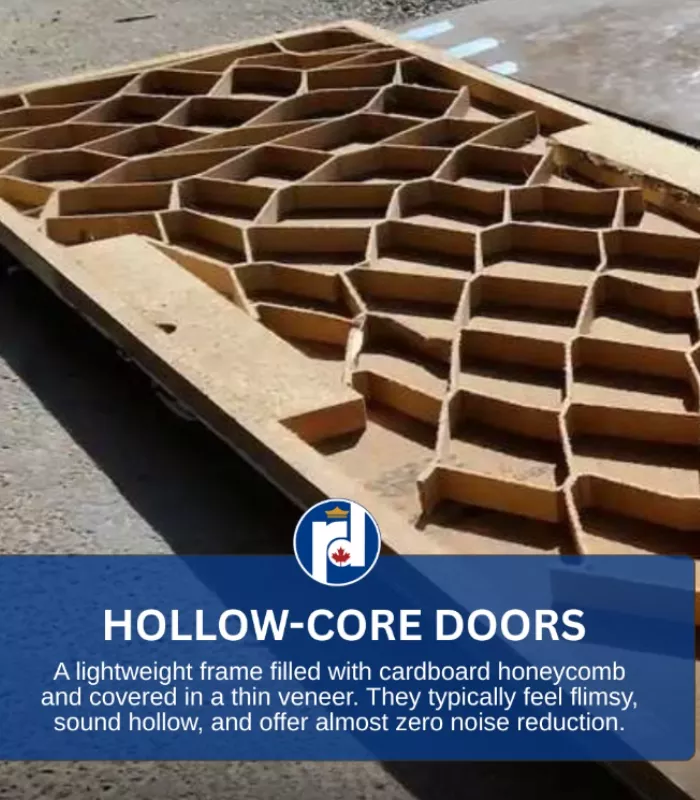
Hollow-core panels look solid from the outside.
But the inside is mostly empty space with a thin cardboard honeycomb structure.
They cannot hold much weight at all.
A stack of heavy binders or a monitor can cause the surface to cave in.
That’s why so many office desks end up dented and warped after just one year of use.
You’re better off spending a little more on a solid-core alternative.
Hollow-core panels were originally designed for interior doors, not work surfaces.
Somewhere along the way, furniture makers decided to use them in desks and shelves too.
The result has not been great for consumers.
The honeycomb interior provides almost no resistance to downward pressure.
Placing a heavy printer on a hollow-core desk is a recipe for disappointment.
Even leaning on the surface with your elbows repeatedly can leave permanent impressions.
The outer veneer cracks and separates once the inner structure gives way.
At that point, the furniture is essentially unusable and unrepairable.
Many people do not realize the damage is happening until it is too late.
The furniture looks fine from across the room but feels wrong the moment you press on it.
Weight ratings on hollow-core furniture are often misleadingly generous.
Always test the surface in person before committing to a purchase.
Press down firmly on the center of the desk and feel for any give or flex.
A solid desk should feel completely firm with no movement at all.
If it flexes even slightly, that is a warning sign worth taking seriously.
Hollow-core furniture may be fine for very light use like a bedside table.
But for a working desk that holds equipment and absorbs daily activity, it falls short fast.
Investing in solid-core construction is one of the best furniture decisions you can make.
Why It’s On This List: Hollow-core furniture may feel sturdy in the store, but it breaks down quickly under everyday office use.
3. Low-Grade Plastic
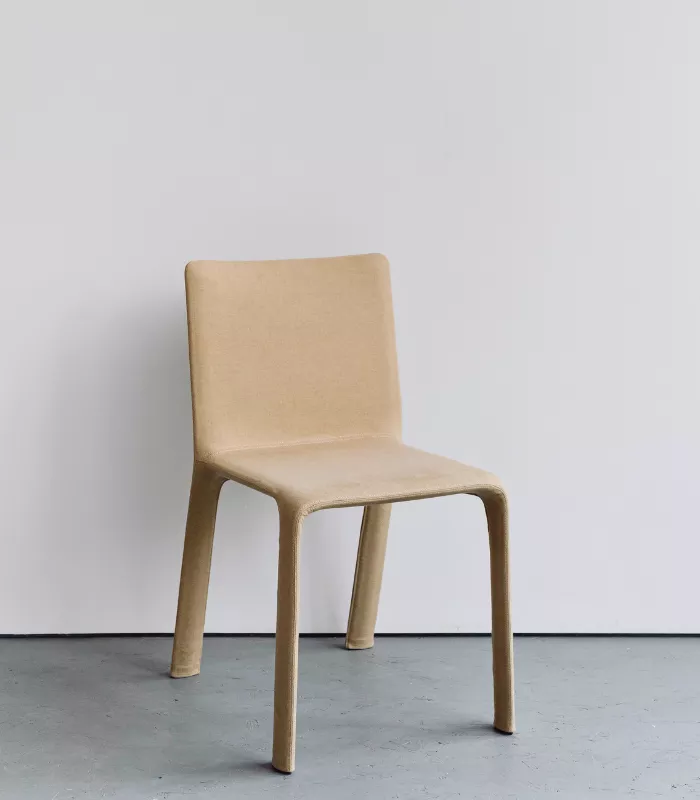
Low-grade plastic chairs and desks are everywhere in budget office stores.
They crack, fade, and become brittle after months of use.
Sun exposure speeds up the damage even more.
Many low-grade plastics are not built to support adult body weight for long hours.
Studies show that poor seating can lead to back and hip pain over time.
For adults over 50, that is a serious health concern worth paying attention to.
Low-grade plastic is usually made from recycled or low-density polymer blends.
These materials save manufacturers money but sacrifice durability significantly.
The plastic may feel reasonably firm when new but becomes brittle within a year.
Cold temperatures make the problem worse by causing the material to contract and crack.
Even in tropical climates, the constant heat and humidity weaken plastic over time.
Armrests on plastic chairs are usually the first component to snap off.
Chair legs made from thin plastic can buckle suddenly under body weight.
That kind of sudden failure is not just inconvenient – it can cause a real injury.
Plastic surfaces also scratch very easily, making furniture look old within months.
Once scratched, plastic traps dirt and becomes nearly impossible to clean properly.
The fading caused by UV exposure cannot be reversed or repainted effectively.
What looked bright and clean in the store turns dull and yellowed surprisingly fast.
Higher-grade polycarbonate or reinforced nylon plastics exist and perform much better.
The difference in price between low-grade and high-grade plastic is often quite small.
But the difference in lifespan can be measured in years rather than months.
Always check the weight rating and material grade listed in the product specifications.
If the specifications are vague or missing, that is usually not a good sign.
Your body deserves to sit on something that was actually built to support it.
Why It’s On This List: Low-grade plastic loses its shape and strength quickly, making it one of the least durable office furniture materials available.
4. Thin Veneer Over MDF
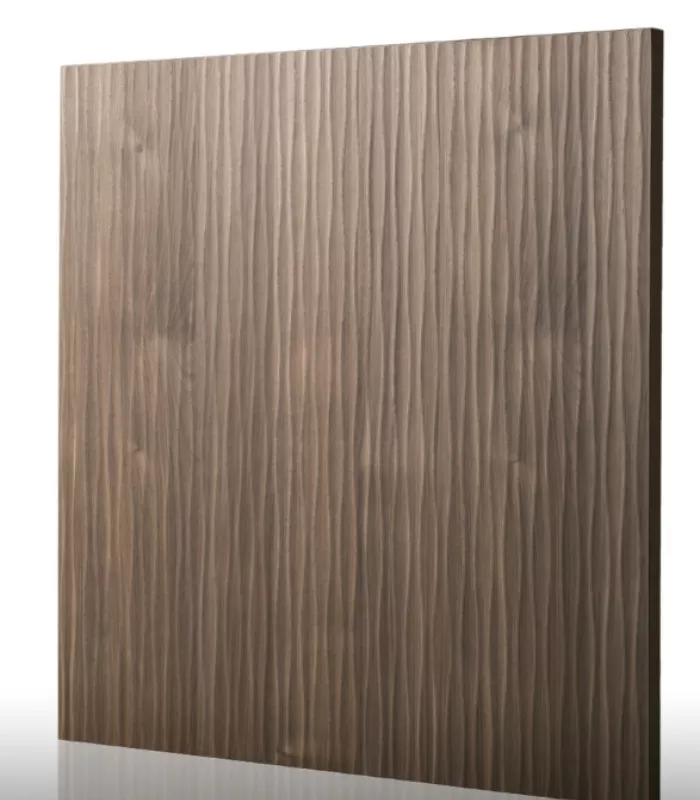
MDF stands for medium-density fiberboard.
It is often covered with a very thin wood veneer to look more expensive.
The problem is that the veneer peels and chips easily.
Even a small scratch can make the whole surface look worn out fast.
MDF also does not handle humidity well, which is a big issue in warmer climates.
MDF is made by breaking down wood fibers and bonding them with resin under heat and pressure.
The result is a dense, flat board that machines well and paints smoothly.
It sounds better than it actually performs in a real office environment.
The core of MDF absorbs water like a sponge when the surface is compromised.
Once water gets in, the board swells and the veneer lifts away permanently.
Even high humidity in a room without air conditioning can trigger this reaction over time.
The thin veneer applied on top is usually less than one millimeter thick.
That is not enough material to withstand regular contact and daily friction.
Edges and corners are especially vulnerable because the veneer wraps thinly around them.
A single knock from a chair or bag can chip the veneer off a corner completely.
Once the core is exposed, the damage spreads quickly and looks very unappealing.
Unlike solid wood, MDF cannot be sanded down and refinished to restore its appearance.
You are essentially stuck with the damage once it starts.
Some manufacturers use a thicker veneer or a high-pressure laminate instead, which performs better.
Always ask about veneer thickness or look for furniture rated with high-pressure laminate surfaces.
The difference in durability between a 0.6mm veneer and a 1.5mm veneer is enormous.
Solid wood furniture costs more but can be repaired, refinished, and passed down for generations.
That kind of longevity is worth every extra dollar when you do the math over time.
Knowing the difference between a real wood surface and a paper-thin veneer can save you years of frustration.
Why It’s On This List: The veneer finish gives the illusion of quality, but the material underneath breaks down quickly and is nearly impossible to repair.
5. Flimsy Aluminum Alloy Frames
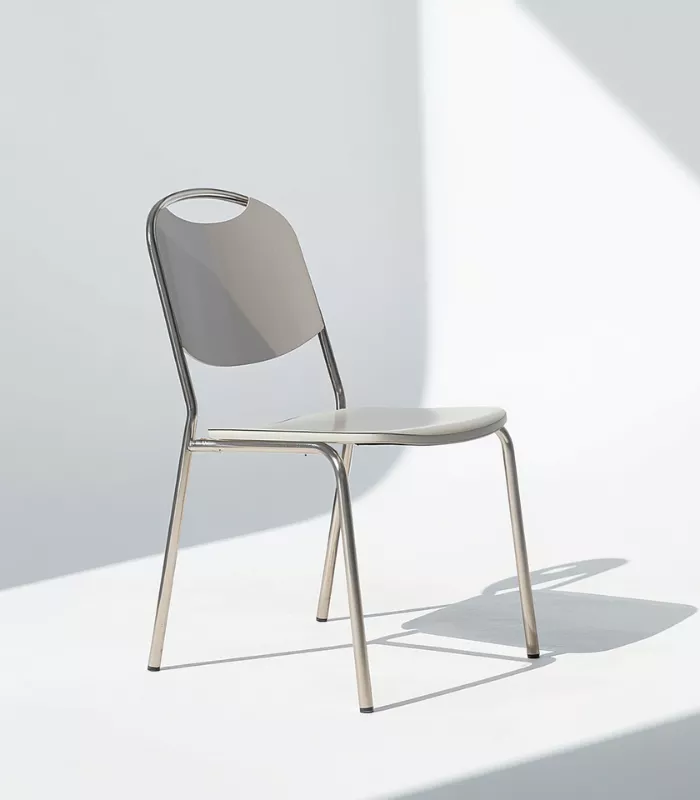
Not all metal frames are created equal.
Some budget chairs and desks use very thin aluminum alloy that bends under pressure.
The welds on these frames are often weak and can separate after heavy daily use.
I made a classic mistake buying a cheap aluminum chair that wobbled within six months.
A good quality steel frame lasts far longer and stays stable.
Aluminum itself is not a bad material when used correctly and at the right thickness.
The problem is that budget manufacturers use the thinnest gauge possible to cut costs.
A frame that looks solid in photos can flex noticeably when you sit in it.
That flex puts repeated stress on the weld points every single time you move.
Over weeks and months, those weld points develop micro-cracks that grow into real failures.
A chair frame that snaps unexpectedly is one of the most dangerous furniture failures possible.
For adults over 50, a sudden fall from a chair can have serious consequences.
It is not worth risking your safety to save fifty dollars on a frame.
Thin alloy desk frames show similar problems under the weight of monitors and equipment.
The legs bow outward gradually and the surface tilts in ways that are hard to correct.
Quality steel frames weigh more but distribute load far more effectively across all four legs.
Powder-coated steel resists rust and scratching while maintaining structural integrity for years.
When shopping for metal-framed furniture, always check the gauge or thickness in the specifications.
A thicker gauge number actually means thinner metal, so look for lower gauge numbers for better strength.
Picking up the furniture or feeling its weight is one of the simplest quality tests you can do.
Heavier usually means more material, and more material usually means better durability.
Do not be fooled by a shiny finish or a modern design on a frame that cannot hold up.
The structure underneath the finish is what you are actually buying.
Choose frames that are built to last, not just built to sell.
Why It’s On This List: Thin aluminum alloy frames may look modern and sleek, but they lack the durability needed for long-term daily office use.
6. Mesh Fabric With Weak Backing
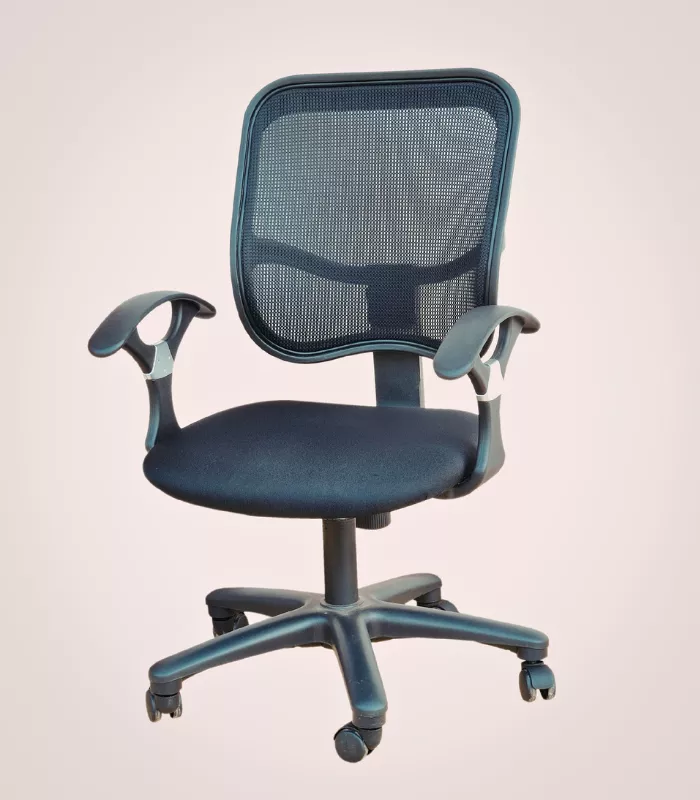
Mesh chairs became very popular because they feel cool and breathable.
But low-quality mesh tears and sags after just a few months of use.
When the mesh loses its tension, it no longer supports your lower back properly.
For people over 50, good lumbar support is not optional – it is essential.
Always check the mesh density and frame quality before buying any mesh chair.
High-quality mesh chairs use tightly woven polymer fibers that hold their shape under constant pressure.
Budget mesh chairs use a much looser weave that stretches out of shape within months.
Once the mesh sags, it creates a hammock effect that curves your spine the wrong way.
That kind of sustained poor posture leads to real pain over time.
The backing frame that holds the mesh in place is equally important.
A weak plastic backing frame flexes and distorts, pulling the mesh unevenly in different directions.
This creates pressure points that make sitting uncomfortable even within the first year.
Premium mesh chairs from reputable brands are engineered to maintain consistent tension for years.
The mesh material in those chairs is tested under repeated load cycles before going to market.
Budget chairs skip that testing entirely and hope the consumer does not notice quickly.
You will notice. It usually happens around the four to six-month mark.
The chair starts to feel different. Less supportive. A little lower than it used to be.
By that point, returning it is usually not an option anymore.
Sitting in a sagging mesh chair for eight hours a day is worse than sitting in no chair at all.
At least a firm surface keeps your spine in a neutral position.
A sagging mesh chair actively pulls your posture into a harmful curve hour after hour.
Back pain caused by poor seating can take weeks or months to recover from fully.
Prevention is always easier and cheaper than recovery.
Spend the extra money on a chair that was genuinely designed to support a human body properly.
Why It’s On This List: Cheap mesh backing breaks down fast, turning a comfortable chair into a posture problem within a very short time.
7. Laminate With Paper Core
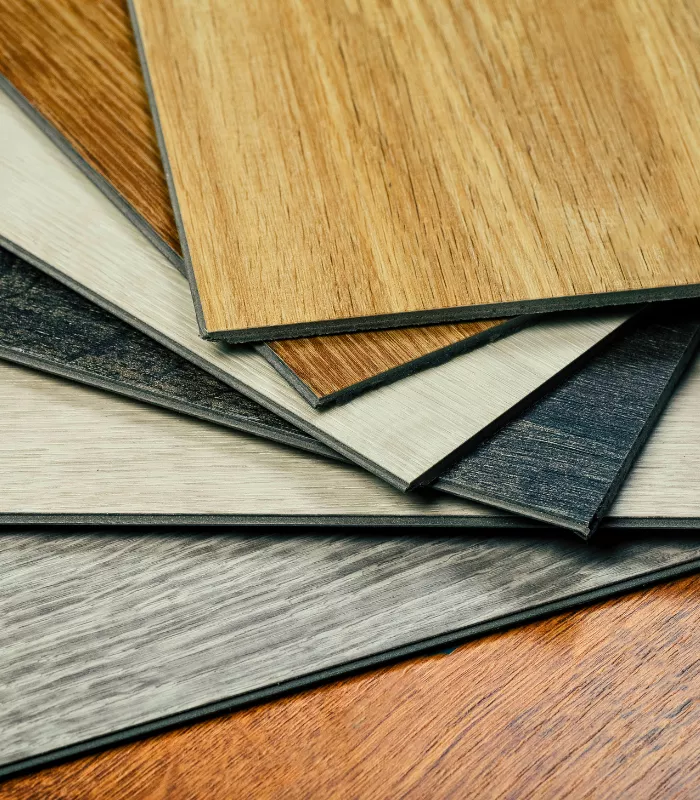
Some laminate surfaces look great on day one.
But when the core underneath is made of pressed paper, the problems start quickly.
Water from a spilled cup can destroy the entire surface in minutes.
The laminate bubbles, peels, and lifts away from the base.
That’s why you should always ask what is inside the furniture, not just what it looks like on the outside.
A good rule of thumb is to knock on the surface. If it sounds hollow or papery, walk away.
Paper-core laminate furniture is produced at very low cost and sold at prices that seem reasonable.
But the value disappears the moment any liquid comes into contact with the surface.
Even placing a cold glass on the surface can cause condensation damage over time.
The laminate top layer is bonded to the paper core with an adhesive that weakens when wet.
Once the bond fails, the surface lifts and bubbles in ways that cannot be repaired.
Paper cores also compress under heavy loads, causing the surface to bow downward gradually.
A monitor or printer sitting in the same spot for months will leave a permanent impression.
The edges of paper-core furniture are particularly fragile and chip with very little force.
Moving the furniture even once can cause edge damage that makes it look years older instantly.
High-pressure laminate over a solid wood or plywood core performs dramatically better in every way.
It resists moisture, holds its shape, and survives the kind of daily contact that paper-core cannot.
The price difference between the two is often smaller than most people expect.
Asking specifically about the core material before you buy is always worth doing.
A salesperson who cannot answer that question clearly is telling you something important.
Core material is the single most important factor in how long laminate furniture actually lasts.
Do not let a glossy surface distract you from what is holding it up underneath.
The best-looking desk in the store is worthless if the core turns to mush after one spill.
Choose furniture that is built for the reality of daily office life, not just for the showroom floor.
Why It’s On This List: Paper-core laminate furniture looks decent in catalogs but falls apart quickly in a real working environment where spills and daily wear are unavoidable.