

A bad home office floor is like a bad coworker. You do not notice how much damage it is doing until it is too late.
It trips you up. It wears you down. It makes every single workday just a little bit worse.
The flooring industry is not exactly rushing to tell you this.
They want you to buy the pretty stuff, not the practical stuff.
Your joints, your focus, and your patience deserve better than a pretty mistake.
1. Thick Carpet
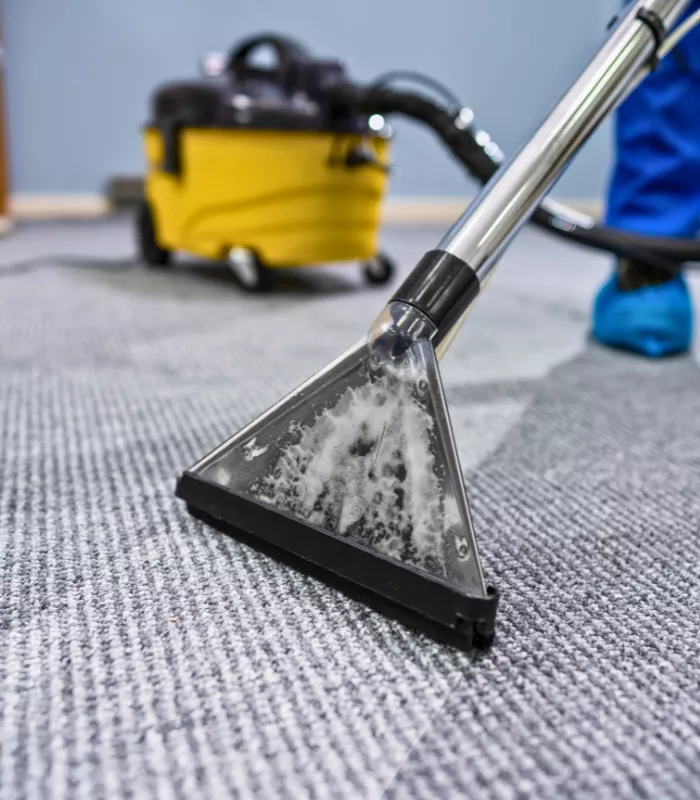
Carpet feels soft underfoot. But it can cause real problems in a home office.
It traps dust, pet dander, and allergens deep in its fibers.
For anyone over 50, this can trigger sneezing, itchy eyes, or worse, breathing problems.
Office chairs with wheels sink into thick carpet.
Rolling from your desk to your filing cabinet becomes a workout.
Over time, that resistance puts strain on your knees and hips.
Thick carpet also holds onto moisture in humid climates.
That hidden dampness creates the perfect environment for mold and mildew to grow.
You may not see it. But you will eventually smell it.
Cleaning carpet in a home office is also a headache.
Ink spills, coffee drops, and chair marks are nearly impossible to fully remove.
Most carpet cleaners leave behind a residue that attracts even more dirt.
That means your floor looks dingy faster than you expect.
The carpet also wears unevenly under a rolling chair.
Within a year or two, you will notice a flattened, matted trail right where you work most.
Static electricity is another hidden problem with thick carpet.
That static can damage sensitive electronics like external hard drives and keyboards over time.
Carpet also absorbs sound in a way that makes your home office feel oddly muffled.
Why It’s On This List: Studies show carpet can hold up to four times its weight in dirt and debris. That’s a lot of hidden gunk right where you spend hours each day.
2. Glossy Ceramic Tile
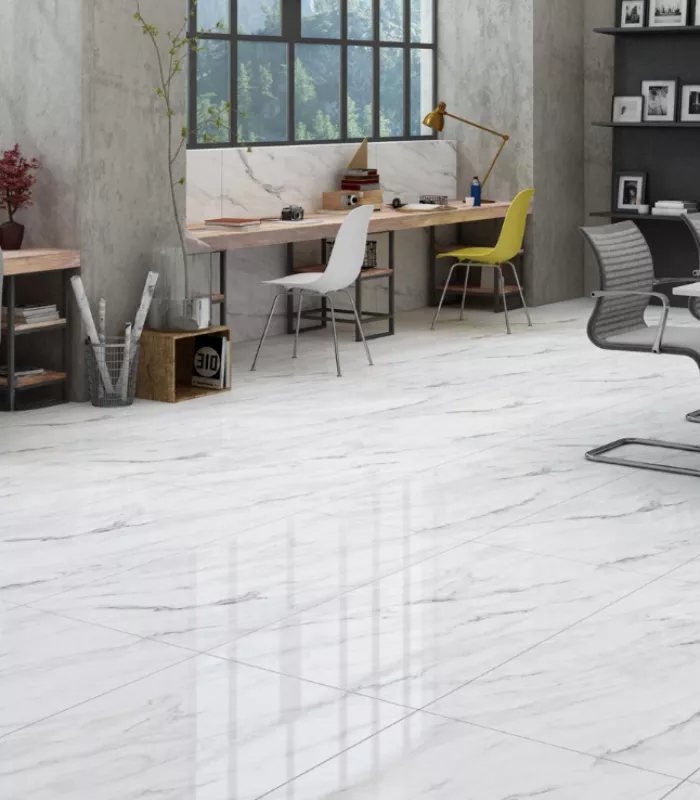
Ceramic tile looks sleek and clean.
But here’s the catch: that shiny finish becomes dangerously slippery, especially in socks.
Falls are the leading cause of injury for adults over 50.
A slick tile floor in your home office is not worth the risk.
Ceramic tile is also extremely hard.
Standing or walking on it for even short periods can cause foot pain, knee aches, and back soreness.
Tile is also one of the coldest flooring options available.
In the morning, stepping onto a freezing tile floor is enough to ruin your mood before the workday even starts.
Grout lines between tiles collect dirt and bacteria over time.
Keeping grout clean requires scrubbing, which is not something most people want to add to their weekend chores.
Glossy tile also reflects sound, making your home office feel echoey and loud.
That echo gets picked up clearly on phone and video calls.
Dropping anything on ceramic tile usually means it shatters immediately.
A ceramic tile floor also amplifies every footstep from anyone else in the house.
If you work early mornings or late nights, that noise travels and disturbs everyone around you.
Ceramic tile also offers zero give or cushioning beneath your feet.
That rigidity puts continuous pressure on your heel bones and arches throughout the day.
Replacing a cracked tile is harder than it sounds because matching the exact color years later is nearly impossible.
Why It’s On This List: Glossy tiles can have a slip resistance rating as low as 0.42, well below the recommended 0.60 for safe indoor walking surfaces.
3. Peel-and-Stick Vinyl Tiles
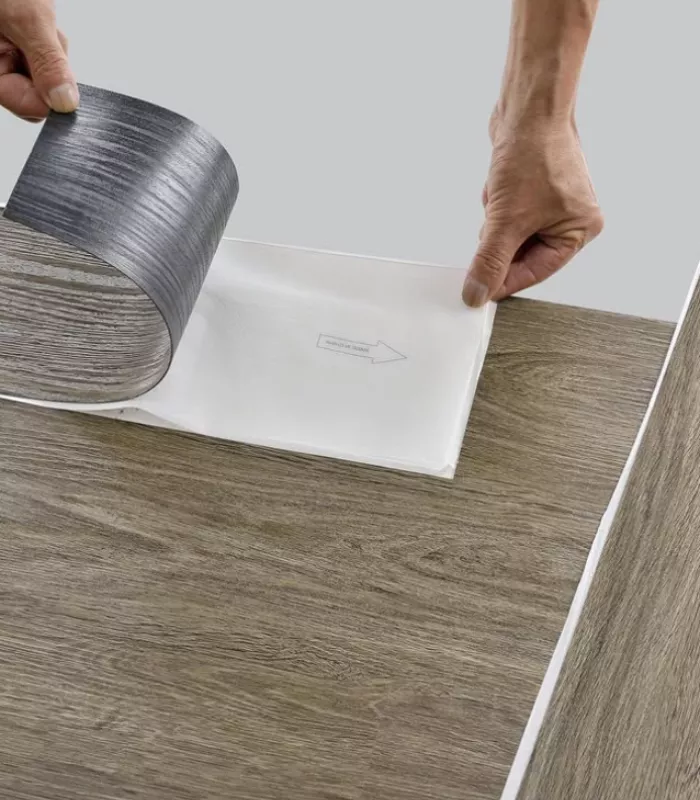
These tiles are cheap and easy to install.
They seem like a smart budget choice for a home office.
But the adhesive weakens over time.
Edges start lifting. Corners curl up.
You end up with little trip hazards all over the floor.
That’s why so many homeowners regret this choice within just a few years.
You spend more money replacing them than you saved in the beginning.
Peel-and-stick tiles are also very thin.
They offer almost no cushioning or insulation from cold subfloors.
In winter, your feet will feel every bit of that chill coming up through the floor.
These tiles also scratch and scuff easily under rolling chair wheels.
Within months, the surface starts looking worn and cheap.
The pattern fades unevenly, and no amount of cleaning restores the original look.
Some low-cost versions also emit a strong chemical smell when first installed.
That smell can linger for weeks in a small, enclosed home office space.
The tiles also tend to yellow slightly over time, especially near windows with direct sunlight.
That discoloration looks particularly obvious if you ever move your furniture around.
Peel-and-stick tiles also do a poor job of hiding uneven subfloors, making every bump and ridge visible underfoot.
Why It’s On This List: Peel-and-stick tiles often last only 5 to 10 years under normal use, compared to 20 or more years for quality flooring options.
4. Polished Hardwood Without a Matte Finish
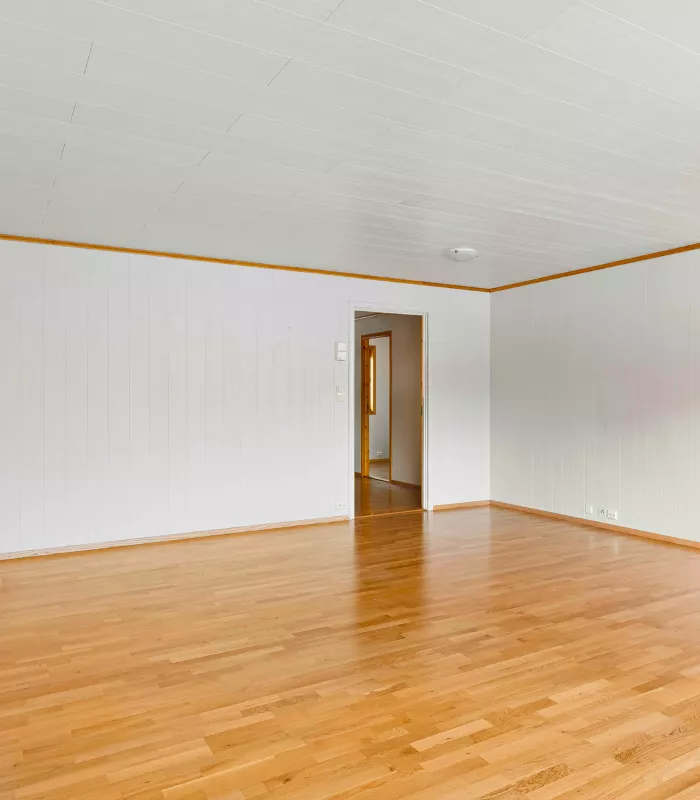
Hardwood floors are beautiful.
But a high-gloss polish creates a mirror-like surface that reflects light straight into your eyes.
If your desk faces a window, that glare can cause eye strain and headaches.
For people who already wear reading glasses, this makes focused work much harder.
You are better off choosing hardwood with a satin or matte finish.
It gives you the warmth of real wood without the blinding shine.
High-gloss hardwood also shows every single scuff, scratch, and dust particle.
Keeping it looking presentable requires constant cleaning and buffing.
That is a lot of extra maintenance for a room you already spend too much time in.
Polished hardwood is also slippery when you stand up quickly from your chair.
That split second of lost footing is more dangerous than most people admit.
The finish on high-gloss wood also wears down faster in high-traffic areas.
Refinishing it is expensive and disruptive, often requiring you to vacate the room for days.
Glossy hardwood also tends to amplify sound in the same way ceramic tile does.
Every chair movement and footstep rings out clearly across the room.
High-gloss finishes also tend to show water damage more visibly than matte alternatives.
A single glass of water left on the floor overnight can leave a permanent white haze in the finish.
Touch-up products rarely match the original sheen perfectly, leaving obvious patches across the surface.
Why It’s On This List: Eye strain is one of the top complaints among home office workers. Your floor finish plays a bigger role than most people realize.
5. Bamboo Flooring (Low-Quality Versions)
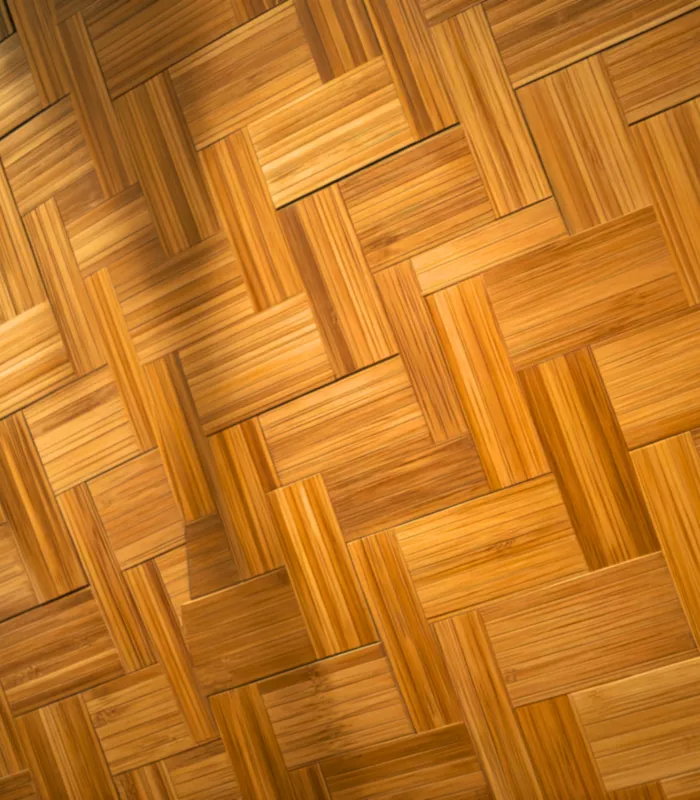
Bamboo sounds like a smart, eco-friendly choice.
And high-quality bamboo actually is a great floor.
But here is the deal: cheap bamboo flooring is a different story.
It scratches easily, warps in humidity, and can release formaldehyde from low-grade adhesives used in manufacturing.
Indoor air quality matters more as we age.
The last thing you want is your home office floor quietly polluting the air you breathe all day.
Low-quality bamboo also has a very inconsistent surface hardness.
Some planks hold up fine while others dent and scratch within weeks of installation.
That uneven wear makes the floor look patchy and poorly maintained very quickly.
Cheap bamboo is also notoriously sensitive to changes in humidity.
In rainy seasons, the planks can swell and buckle noticeably.
In dry winters, they shrink and leave visible gaps between boards.
Those gaps collect dust and debris that is nearly impossible to clean out fully.
Budget bamboo products are also difficult to repair if a plank gets damaged.
Matching the color and texture of a replacement plank to the existing floor is often impossible.
Low-grade bamboo also tends to fade unevenly when exposed to natural light over time.
Sections near windows end up noticeably lighter than the rest of the floor within just a few years.
That patchy fading makes the entire room look older and more worn than it actually is.
Why It’s On This List: Some low-cost bamboo products have been found to emit volatile organic compounds (VOCs) at levels that exceed recommended indoor air quality guidelines.
6. Laminate Flooring with a Loud Click
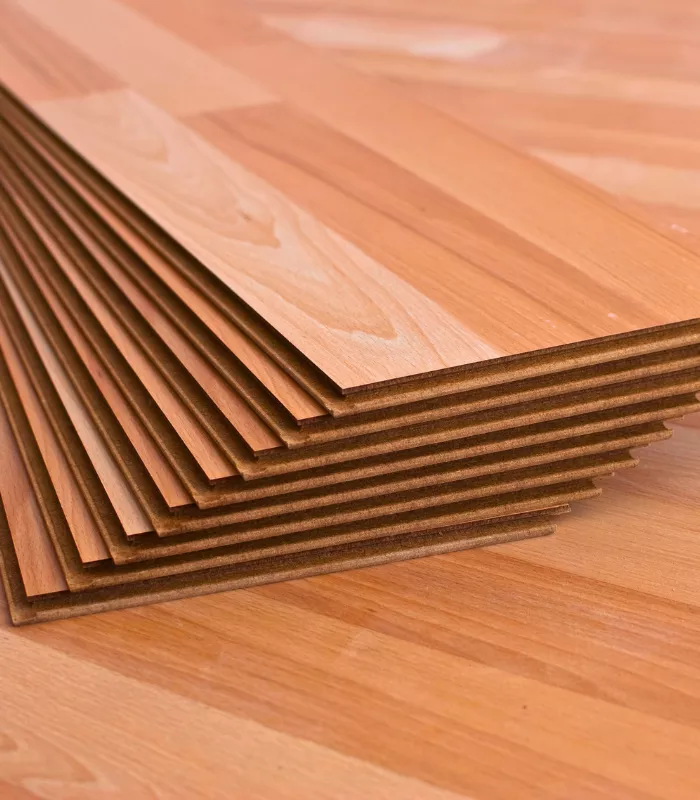
Laminate is popular because it looks like real wood at a fraction of the price.
Many people love it.
But cheap laminate echoes every single footstep.
Every chair roll. Every dropped pen.
In a home office, that noise adds up fast and makes it hard to focus.
If you take calls or video meetings from home, the noise will embarrass you.
Others on the call will hear every movement you make.
Budget laminate also feels hollow and plasticky underfoot.
That slight flex with every step becomes noticeable and annoying after hours of use.
Laminate is also very sensitive to moisture.
A spilled cup of coffee that is not wiped up immediately can cause permanent swelling and warping.
Once a laminate warps, it cannot be fixed. The entire section needs replacing.
The printed surface layer on cheap laminate also fades with direct sunlight exposure.
If your home office gets afternoon sun, expect the color to shift unevenly within a couple of years.
Laminate also cannot be sanded or refinished like real wood when it starts looking worn.
The locking joints on budget laminate also loosen over time, creating small gaps between planks.
Those gaps catch dirt and crumbs that are nearly impossible to clean out with a regular vacuum.
Once the locking mechanism fails on even one plank, nearby planks tend to follow quickly after.
Why It’s On This List: Sound transmission is a common complaint with budget laminate floors. Adding a thick underlayment helps, but it does not fully solve the problem.
7. Concrete (Unsealed or Unpadded)
Some homeowners convert a basement or garage into a home office.
Raw concrete seems like a practical floor for that space.
But unsealed concrete is cold, hard, and unforgiving.
Standing on it for just 20 minutes can cause serious foot and back pain.
Concrete also gets damp in humid climates.
That moisture leads to mold growth, which is a serious health concern, especially for older adults with respiratory conditions.
Unsealed concrete is also extremely porous.
It absorbs spills, stains, and odors deeply into the surface.
Once a stain sets into raw concrete, it is there permanently.
Concrete also generates a fine dust over time as the surface slowly breaks down.
That dust circulates in the air and can irritate your lungs with prolonged daily exposure.
The hardness of concrete also transfers vibration directly to your joints.
Even sitting in a chair on a concrete floor can cause fatigue in your legs and lower back over a long workday.
Concrete floors in basements also tend to stay 10 to 15 degrees colder than the rest of the house.
That persistent chill makes it uncomfortable to work for long stretches, no matter how good your heating system is.
Unsealed concrete also has a rough texture that slowly wears down chair casters and furniture legs.
You will find yourself replacing chair wheels far more often than you ever expected.
Raw concrete also reflects sound harshly, making your home office feel more like an echo chamber than a productive workspace.
Why It’s On This List: Research shows that hard flooring surfaces with no cushioning can increase lower back pain risk by up to 50 percent compared to surfaces with even minimal shock absorption.