

Europe gets about 700 million tourists a year.
A good chunk of them leave with a story they did not plan for.
Some cities on this list are world-famous for the right reasons.
They also happen to be world-class at making your trip harder than it needs to be.
A little homework now saves a lot of frustration later.
1. Barcelona, Spain, Stunning City With a Well-Earned Reputation for Theft
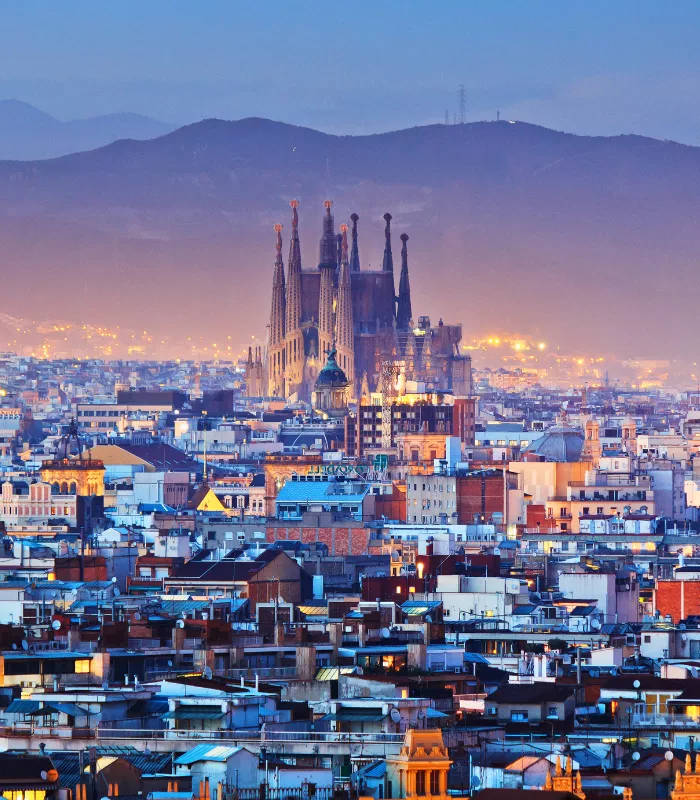
Barcelona is one of Europe’s most visited cities.
It also has one of the highest rates of tourist theft in the world.
Las Ramblas, the famous walking street, is a known hotspot. Crowded markets like La Boqueria draw opportunistic thieves along with the tourists.
Barcelona sits on the northeastern coast of Spain, right along the Mediterranean Sea.
The city has a population of about 1.6 million people.
It hosted the 1992 Summer Olympics, which transformed much of its waterfront.
The architecture of Antoni Gaudí is one of the biggest draws for tourists worldwide.
The Sagrada Familia basilica has been under construction since 1882 and is still not fully complete.
Barcelona has two official languages: Spanish and Catalan.
The city sees over 12 million tourists every year.
Summers are hot and humid, with temperatures often reaching the upper 80s Fahrenheit.
The beach areas, while beautiful, are among the most theft-prone zones in the city.
Many tourists do not realize how organized and fast professional thieves operate in crowded spaces.
| Detail | What to Know |
|---|---|
| Population | ~1.6 million |
| Annual tourists | 12+ million |
| Languages | Spanish and Catalan |
| Biggest risk area | Las Ramblas, La Boqueria market |
2. Rome, Italy, Ancient Wonders Surrounded by Modern Tourist Traps
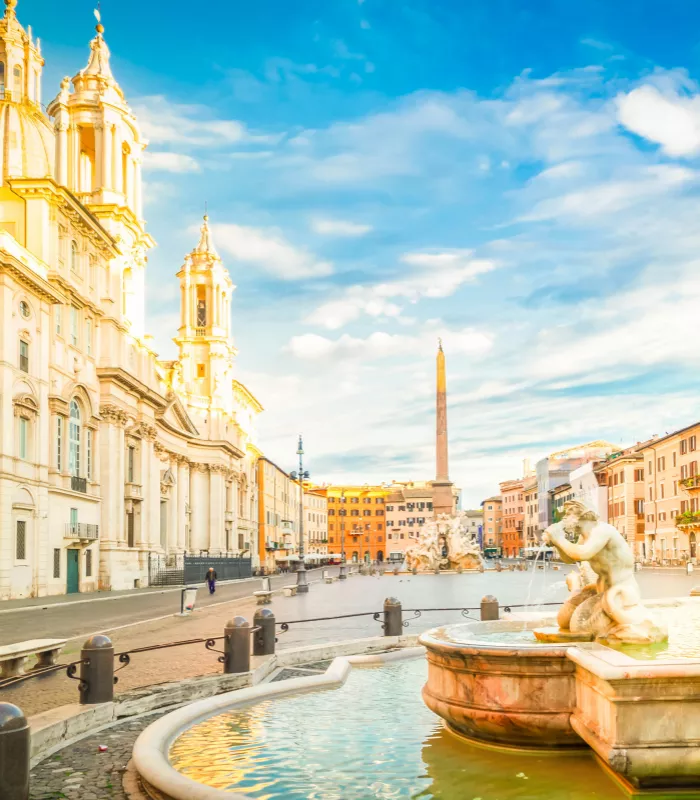
Rome is full of history and beauty.
It is also full of tourist traps.
Restaurants near the Colosseum and Trevi Fountain often charge double or triple the normal price. Some add hidden fees to your bill without warning.
Rome is one of the oldest continuously occupied cities in the world.
It has a population of about 2.8 million people in the city proper.
The Vatican City, the world’s smallest country, sits entirely within Rome’s borders.
The Colosseum was completed around 80 AD and could hold up to 80,000 spectators.
Rome’s public transportation system, while extensive, can be confusing for first-time visitors.
The city has over 900 churches within its boundaries.
Summer temperatures in Rome regularly climb above 90 degrees Fahrenheit.
Tourists visiting in July and August often deal with extreme heat and massive crowds simultaneously.
Scooter traffic in Rome is a real challenge for pedestrians who are not used to it.
Always cross at marked crosswalks and wait for a local to cross with you if you are unsure.
| Detail | What to Know |
|---|---|
| Population | ~2.8 million |
| The Vatican | Sits entirely within Rome’s borders |
| Summer temps | Regularly above 90°F |
| Common extra charge | Bread or cover charge added without asking |
3. Paris, France, The Most Visited City on Earth and Everything That Comes With It
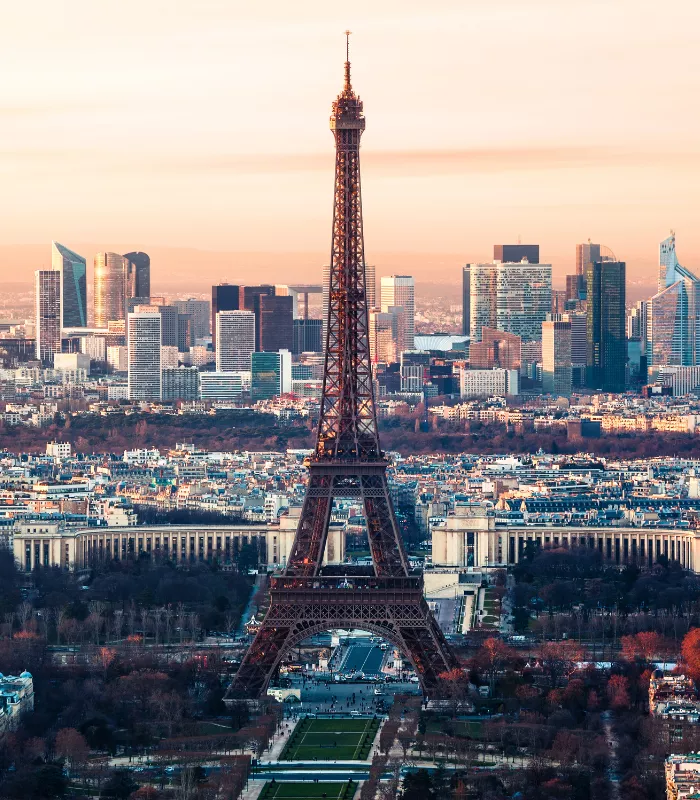
Paris is the most visited city in the world.
That means crowds. Lots of them.
The metro can be overwhelming, especially during the summer. Long lines at the Eiffel Tower and the Louvre can eat up your whole day.
Paris has 20 administrative districts called arrondissements, each with its own character.
The city sits along the Seine River, which runs through its historic center.
Paris receives roughly 40 million international visitors each year.
The Louvre is the most visited art museum in the world, drawing over 9 million visitors annually.
The Paris Metro has 16 lines and over 300 stations, making it one of the densest subway systems in Europe.
Many Metro stations do not have elevators, which creates real challenges for travelers carrying heavy luggage.
Paris is also known for strikes, which can disrupt transportation without much warning.
Air conditioning in restaurants and hotels is far less common in Paris than in American cities.
Hot summers can make some visits genuinely uncomfortable, particularly in older buildings with no ventilation.
Street scams near major landmarks, including fake petitions and friendship bracelet tricks, are common and well-organized.
| Detail | What to Know |
|---|---|
| Annual visitors | ~40 million international |
| Metro stations | 300+, many without elevators |
| Common street scam | Fake petitions, friendship bracelets near landmarks |
| Peak wait times | 3+ hours at top attractions in summer |
4. Venice, Italy, Undeniably Beautiful and Genuinely Difficult to Navigate
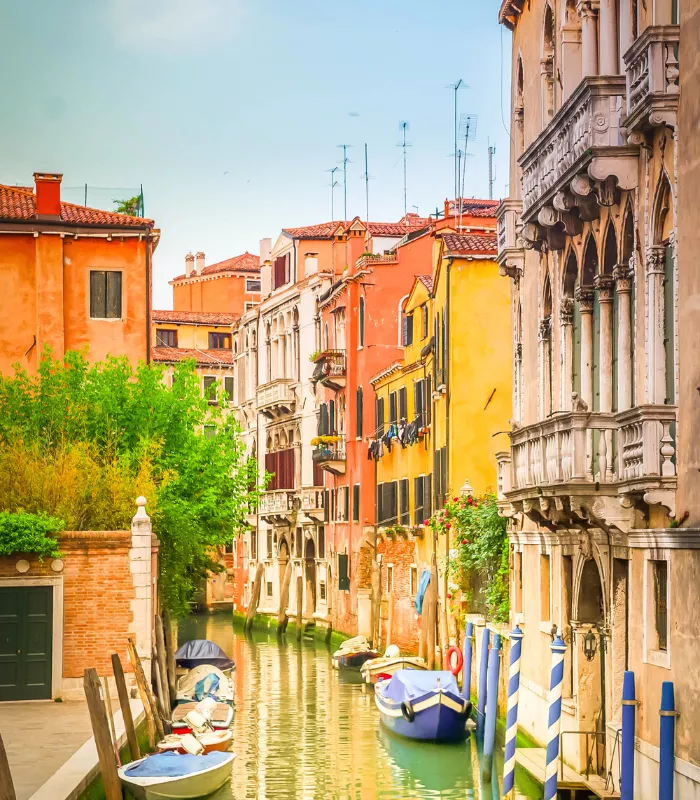
Venice is unlike any city on earth.
But it is also sinking, overcrowded, and very expensive.
In 2024, Venice began charging a day-entry fee for tourists. The narrow streets and constant foot traffic make it hard to move around, especially with luggage or heavy bags.
Venice is built on 118 small islands connected by about 400 bridges.
There are no cars or motor vehicles allowed within the historic city center.
The city has been slowly sinking at a rate of about 1 to 2 millimeters per year.
Flooding events, known locally as acqua alta, are a recurring feature of life in the city.
The permanent population of Venice has dropped dramatically, from about 175,000 in the 1950s to under 50,000 today.
Many locals have moved to the mainland due to rising costs and tourist pressure.
A water taxi from the airport to the city center can cost over 100 euros.
Most hotels in Venice do not have elevators due to the age and structure of the buildings.
Getting lost in Venice is almost guaranteed, even with GPS, because the alleyways are extremely narrow and confusing.
Pulling wheeled luggage over bridge steps is exhausting and common in Venice, so pack as light as possible.
| Detail | What to Know |
|---|---|
| Islands | 118, connected by ~400 bridges |
| Current population | Under 50,000 (down from 175,000 in the 1950s) |
| Airport water taxi | 100+ euros |
| Day-entry fee | Introduced in 2024 on busy days |
5. Amsterdam, Netherlands, Canals and Culture With a Steep Learning Curve

Amsterdam has canals, museums, and a rich history.
It also has a very active nightlife scene that can feel jarring for visitors expecting a quieter pace.
The city has tried to clean up its image, but certain areas near the red-light district are still crowded, noisy, and uncomfortable for many travelers.
Amsterdam has about 165 canals stretching over 100 kilometers throughout the city.
There are more bicycles than people in Amsterdam, with roughly 900,000 bikes in the city.
Cyclists in Amsterdam move fast and do not always yield to pedestrians, even at crossings.
The Anne Frank House is one of the most visited museums in the country and requires advance booking.
Amsterdam’s Rijksmuseum houses masterworks by Rembrandt and Vermeer and is well worth the visit.
The city sits slightly below sea level, protected by an extensive system of dikes and water management.
Hotel prices in the city center are among the highest in Northern Europe.
Many Amsterdam streets have no clear separation between bike lanes, tram tracks, and pedestrian paths.
Trams are fast and quiet, and tourists are frequently startled by them because they come up with little noise.
Always look both ways, then look again, before stepping off any curb in Amsterdam.
| Detail | What to Know |
|---|---|
| Canals | 165, stretching over 100km |
| Bicycles | ~900,000 — more than the population |
| Must-book in advance | Anne Frank House |
| Navigation tip | Bike lanes, tram tracks, and footpaths often share the same space |
6. Prague, Czech Republic, Fairy-Tale Architecture Wrapped Around a Tourist-Trap Core
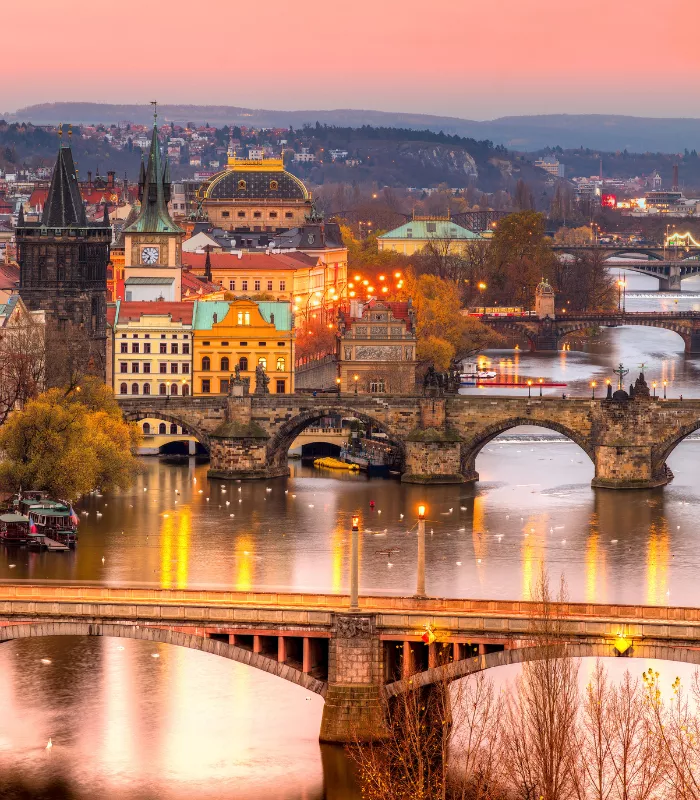
Prague is one of the most beautiful cities in Central Europe.
It is also one of the most aggressively tourist-marketed cities you will visit.
Currency exchange booths often offer terrible rates. Some taxi drivers target tourists with inflated fares.
Prague sits along the Vltava River in the heart of the Czech Republic.
The city’s historic center was largely undamaged during World War II, leaving its medieval architecture intact.
Prague Castle is one of the largest ancient castle complexes in the world.
The famous Charles Bridge, built in 1357, connects the old town with the castle district.
Prague receives about 8 million tourists per year, a large number for a city of 1.3 million residents.
The Czech currency is the koruna, not the euro, which confuses many visitors.
Some restaurants in tourist zones post menus without prices, which is worth noting before you sit down.
The city center becomes extremely crowded between May and September.
Prague’s Old Town Square, while beautiful, is ringed with overpriced restaurants and souvenir shops.
Walking just two or three blocks away from the main tourist areas almost always gives you better food at lower prices.
| Detail | What to Know |
|---|---|
| Currency | Czech koruna (not euros) |
| Annual tourists | ~8 million (city pop. 1.3 million) |
| Charles Bridge | Built 1357, connects old town to castle district |
| Exchange tip | Use a bank ATM — street booths charge 10–20% fees |
7. Athens, Greece, 3,400 Years of History Baking Under Relentless Summer Heat
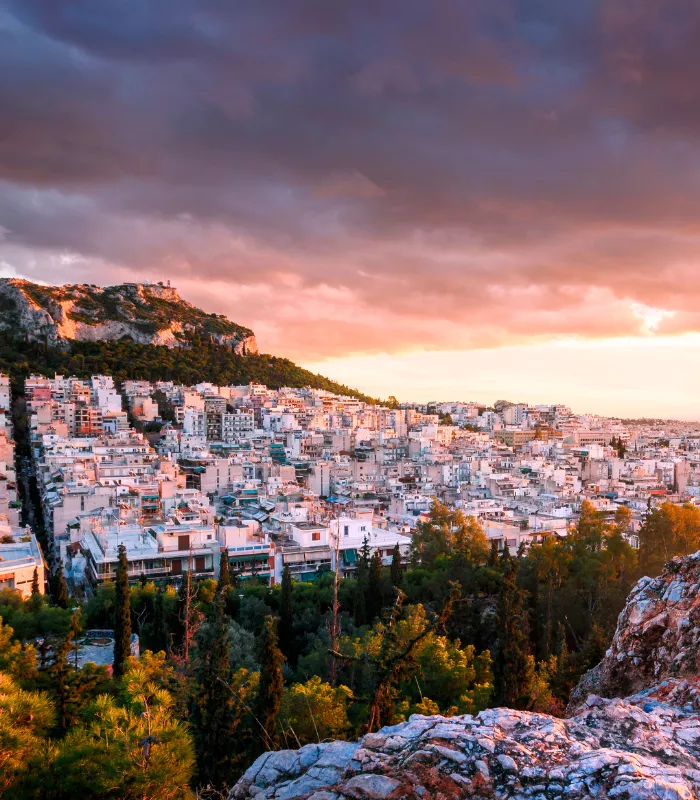
Athens is home to the Acropolis and thousands of years of history.
That’s why so many tourists visit. And that’s why it gets so crowded.
Summer heat in Athens regularly tops 95 degrees Fahrenheit. The Acropolis has very little shade and requires a steep uphill walk on uneven stone paths.
Athens is one of the oldest cities in the world, with recorded history spanning over 3,400 years.
The city has a population of about 3.7 million in its greater metropolitan area.
The Parthenon, sitting atop the Acropolis, was built between 447 and 438 BC.
Athens hosted the first modern Olympic Games in 1896.
The city’s public transportation includes a metro, buses, and trams, but coverage can be inconsistent.
Traffic and noise in central Athens can be significant, especially in summer.
Many tourists underestimate how physically demanding a visit to the Acropolis actually is.
The ancient marble surfaces on the Acropolis hill are extremely smooth and slippery, especially in any trace of moisture.
There is almost no seating or rest area along the main path up to the Parthenon.
Visiting early in the morning, before 9 AM, is strongly recommended to beat the heat and the crowds.
| Detail | What to Know |
|---|---|
| Recorded history | 3,400+ years |
| Summer temps | Regularly above 95°F |
| Parthenon built | 447–438 BC |
| Best visiting time | Before 9 AM to beat heat and crowds |
8. Dubrovnik, Croatia, Game of Thrones Fame Brought More Visitors Than the City Can Handle
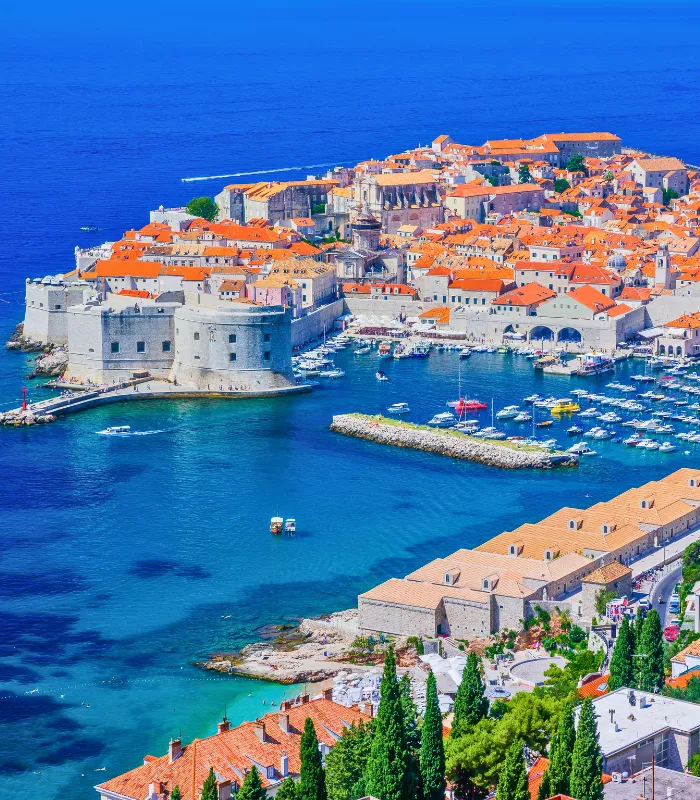
Dubrovnik became a global tourist magnet after appearing in Game of Thrones.
Now it is overwhelmed by visitors, especially cruise ship passengers.
The old city walls are stunning but require significant walking up steep staircases in intense heat. Prices have risen sharply in recent years.
Dubrovnik sits on the Adriatic coast in southern Croatia.
The old city is a UNESCO World Heritage Site, recognized for its remarkably preserved medieval walls.
Before the show’s popularity, Dubrovnik received about 1 million visitors a year. That number has more than doubled since.
The city has had to introduce visitor caps and timed entry systems to manage the overflow.
Cruise ships can bring thousands of day-trippers into the old city all at once, making it nearly impassable.
Restaurant and accommodation prices in Dubrovnik have risen dramatically over the past decade.
A basic meal for two in the old city can easily cost 60 to 80 euros.
The summer heat, combined with the stone streets and walls, creates a heat-trap effect inside the old city.
Many visitors describe walking the city walls in July as one of the most exhausting experiences of their trip.
Staying overnight in Dubrovnik rather than visiting as a day-tripper gives you the city early in the morning before the crowds arrive.
| Detail | What to Know |
|---|---|
| UNESCO status | World Heritage Site |
| Annual visitors | 2M+ (up from ~1M pre-Game of Thrones) |
| Meal for two (old city) | 60–80 euros |
| Best strategy | Stay overnight — visit before day-trippers arrive |
9. Santorini, Greece, Iconic Views That Come With Serious Logistical Challenges
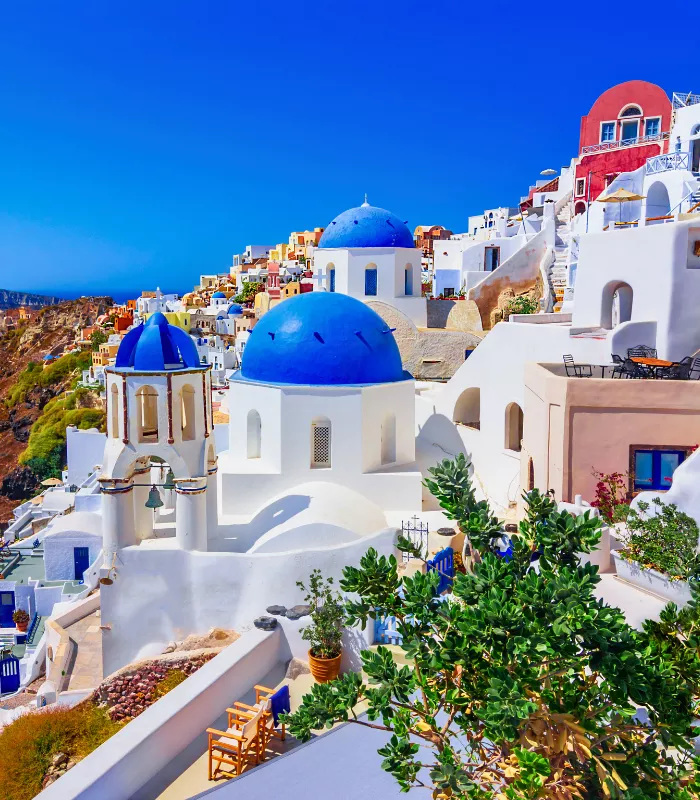
The white buildings and blue domes of Santorini are iconic.
But getting around the island is harder than it looks in photos.
Oia and Fira involve hundreds of steps carved into cliffs. The donkey path, while charming-sounding, is steep and slippery.
Santorini is a volcanic island in the Aegean Sea, formed by one of the largest eruptions in recorded history.
The island has a permanent population of about 15,000 people, but receives over 2 million tourists a year.
Santorini is one of the most Instagrammed locations in the entire world.
The famous sunset viewpoint in Oia draws massive crowds every evening, sometimes making it unpleasant rather than romantic.
Rental car availability on the island is limited, and roads are narrow and winding.
Water on Santorini is scarce and expensive since it must be imported or desalinated.
Most of the best-known hotels and restaurants are perched high on the caldera cliffs.
Getting to and from these cliff-top locations requires either climbing many stairs or paying for cable car access.
The cable car connecting the port to the town of Fira often has long waits during peak hours.
Luggage handling is a serious logistical challenge in Santorini that many travelers do not anticipate until they are already struggling.
| Detail | What to Know |
|---|---|
| Permanent population | ~15,000 |
| Annual tourists | 2M+ |
| Port to Fira | Cable car available but long waits at peak times |
| Key planning note | Confirm stair access before booking cliff-top hotels |
10. Lisbon, Portugal, One of Europe’s Most Charming Cities and Most Treacherous Pavements
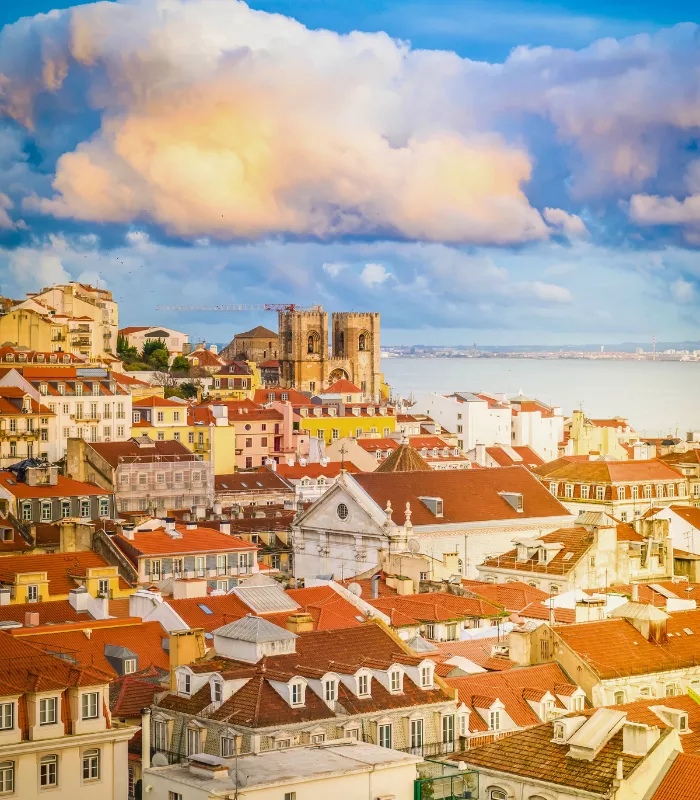
Lisbon is charming, affordable, and full of culture.
I made a classic mistake the first time I heard about it: I assumed flat city. It is not.
Lisbon is built on seven hills. The cobblestone streets are steep and can be slippery, especially after rain. It is one of the most ankle-twist-prone cities in Europe.
Lisbon is the westernmost capital city in continental Europe.
It has a population of about 550,000 in the city center, with roughly 3 million in the greater metro area.
The city sits along the Tagus River, just 12 miles from the Atlantic Ocean.
Lisbon was largely destroyed by a massive earthquake and tsunami in 1755, then rebuilt in a distinctive style.
The city’s famous yellow trams, particularly Tram 28, are iconic but extremely crowded with tourists.
Pickpocketing on Tram 28 is so common that local guides routinely warn visitors before they board.
Lisbon has become significantly more expensive over the past decade due to tourism and rising property values.
The older neighborhoods like Alfama and Mouraria are beautiful but involve steep, uneven, and often wet cobblestone climbs.
Many of Lisbon’s viewpoints, called miradouros, require a solid uphill walk to reach.
Comfortable, grippy footwear is not optional in Lisbon. It is genuinely necessary for an enjoyable visit.
| Detail | What to Know |
|---|---|
| Hills | Built on seven |
| Population (city center) | ~550,000 |
| Tram 28 | Iconic but heavily targeted by thieves — keep bags close |
| Footwear tip | Flat rubber soles are essential — cobblestones get very slippery |
11. Florence, Italy, Renaissance Capital With Summer Crowds to Match Its World-Class Museums
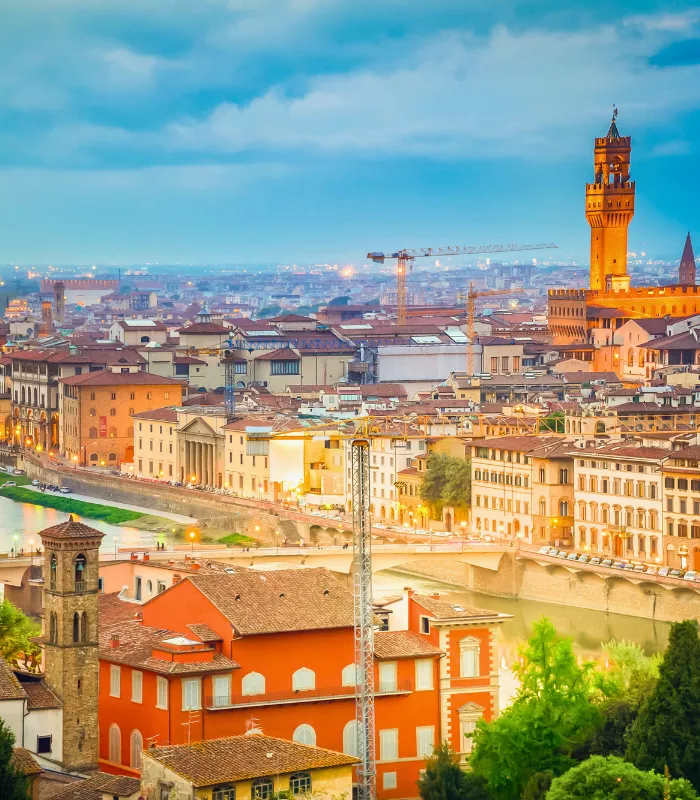
Florence is the birthplace of the Renaissance.
It is also one of the most crowded small cities in Europe during summer.
The Uffizi Gallery has some of the longest lines in Italy. Hotel prices in the historic center are sky-high, and the streets are packed with tour groups moving slowly in every direction.
Florence has a population of about 370,000 people, making it a relatively small city by European standards.
It sits in the Tuscany region of central Italy, surrounded by rolling hills and vineyards.
The Uffizi Gallery holds one of the greatest collections of Renaissance art in the world.
Michelangelo’s David, housed in the Galleria dell’Accademia, is another must-see that requires advance booking.
The Ponte Vecchio, a medieval bridge lined with jewelry shops, is one of the most photographed spots in Italy.
Florence’s Duomo, the Cathedral of Santa Maria del Fiore, has a dome that was an engineering marvel when it was built in the 1400s.
Climbing to the top of the Duomo involves 463 steps with no elevator and very narrow passageways.
Summer temperatures in Florence regularly exceed 95 degrees Fahrenheit, and the city has very little green space to escape the heat.
Many of the city’s cobblestone streets and historic buildings present real challenges for anyone using a wheelchair or walker.
Booking all tickets and museum entries at least 60 days in advance is strongly recommended for summer visits.
| Detail | What to Know |
|---|---|
| Population | ~370,000 |
| Annual tourists | 13M+ |
| Duomo climb | 463 steps, no elevator |
| Booking advice | Reserve museum tickets 60+ days ahead for summer |