

Nobody sets out to waste money on their home. And yet, somehow, it keeps happening.
You save up. You plan. You hire the contractor.
And then you find out at closing that your dream upgrade barely moved the needle on your home’s value.
Real estate agents see it every single week.
Homeowners pour tens of thousands of dollars into improvements that feel luxurious but appraise like furniture.
Good intentions do not guarantee good returns.
1. Master Bathroom Remodels, The Spa You Won’t Get Paid For
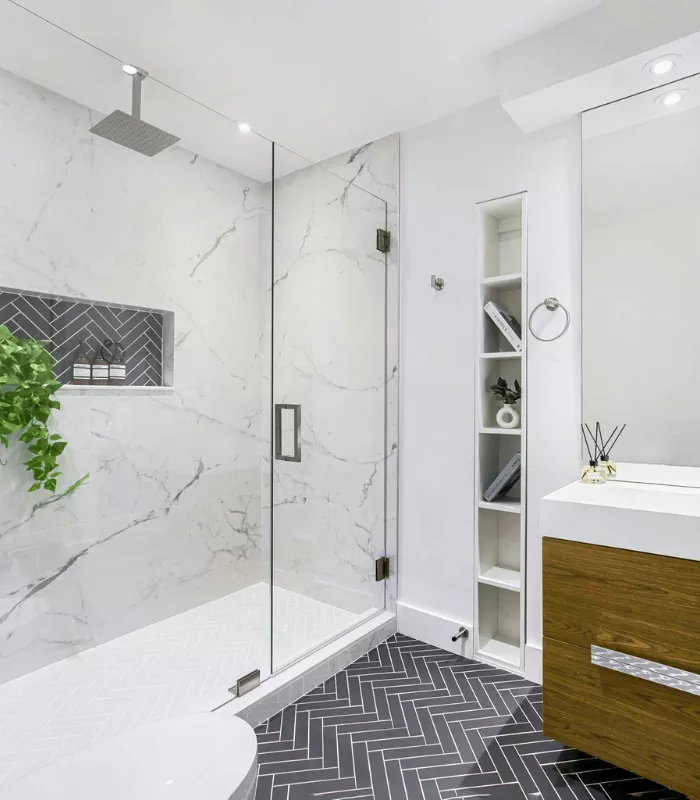
A fancy bathroom sounds like a dream.
Heated floors. Rainfall showers. Double vanities with marble countertops.
But most buyers won’t pay extra for it.
In fact, bathroom remodels typically return only about 60 to 70 cents for every dollar spent.
That means a $20,000 bathroom upgrade might only add $12,000 to $14,000 to your home’s value.
You’re better off keeping your bathroom clean, updated with fresh fixtures, and well-lit. That alone goes a long way.
Many homeowners assume that what they love, buyers will love too.
But buyers have their own taste, their own budget, and their own priorities.
A spa-style bathroom in a modest neighborhood can actually make buyers nervous about the asking price.
They start wondering what else was over-improved and marked above its worth.
Simple updates like a new mirror, fresh caulk, and modern faucets can refresh a bathroom for under $500.
That is a much smarter use of your renovation budget.
Rainfall showerheads and heated floors feel indulgent every morning, but an appraiser walks through with a checklist, not a bathrobe.
Save the luxury splurge for yourself, not for resale.
Resale value is ultimately decided by what comparable homes in your area are selling for, not by what you spent.
| The Bathroom Reality |
|---|
| High-end bathroom upgrades cost a lot but rarely earn back what you spend, especially in mid-range neighborhoods where luxury features can actually price your home out of the market. |
2. In-Ground Pools, A Splash That Rarely Pays Off

A pool sounds perfect for warm summers or retirement relaxation.
But pools are expensive to install and even more expensive to maintain.
They can cost $30,000 to $70,000 or more to put in.
And many buyers actually see a pool as a burden, not a bonus.
Think about ongoing chemical treatments, liability concerns, and repair bills.
That’s why most real estate experts say a pool rarely adds its full cost back to a home sale.
Your homeowner’s premiums often go up when you add a pool to your property.
And in cooler climates, a pool sits unused for months at a time.
A pool also demands almost daily attention during peak season, from skimming leaves to balancing the water chemistry.
Families with young children may actually avoid a home with a pool altogether.
Many buyers often prefer a clean, flat yard they can garden or simply enjoy without worry.
Pool repairs alone can run into thousands of dollars when pumps, liners, or tiles fail.
The joy of a pool is real, but it comes with a long list of responsibilities.
Before you dig, ask yourself honestly whether the lifestyle benefit is worth the financial trade-off.
Many homeowners who install pools end up using them far less than they originally expected.
| The Pool Factor |
|---|
| A pool can actually shrink your buyer pool (pun intended), since many buyers prefer low-maintenance yards instead. |
3. Sunroom Additions, Pretty Glass, Poor Return
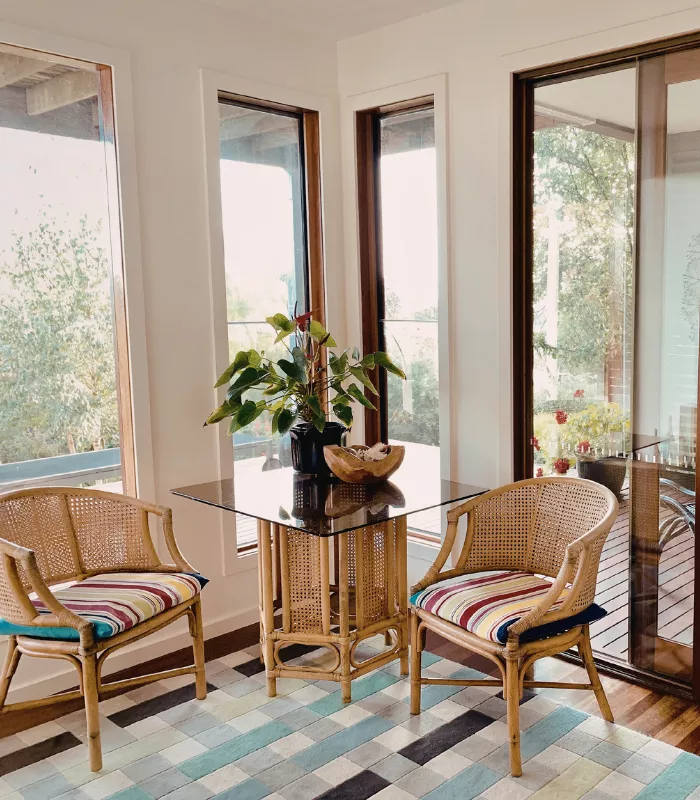
Sunrooms feel wonderful.
Natural light, a cozy reading nook, a place to enjoy your morning coffee.
But when it comes to resale value, sunrooms are one of the worst returns on investment in home improvement.
Homeowners typically recover less than 50 percent of what they spend on a sunroom addition.
The problem is that many buyers do not count a sunroom as a true living space, especially if it is not properly heated or cooled.
A sunroom that gets freezing cold in winter or unbearably hot in summer is not a selling point.
Buyers often mentally subtract it from the usable square footage of the home.
The glass panels require regular cleaning and can crack or fog over time.
Heating and cooling a sunroom properly adds to your energy bills every single month.
Building permits and structural requirements can also drive up the original cost unexpectedly.
Many sunrooms are added without proper insulation, which makes them uncomfortable for most of the year.
A buyer walking through your home may see a sunroom as just another maintenance hassle waiting to happen.
Even a beautifully built sunroom rarely appraises for what it cost to construct.
Appraisers treat it differently from interior square footage, and that gap can be surprisingly large.
| The Sunroom Snag |
|---|
| You might love your sunroom, but a buyer may see it as an expensive glass room that drives up energy bills and needs constant upkeep. |
4. High-End Kitchen Appliances, Showroom Shine, Modest Payoff
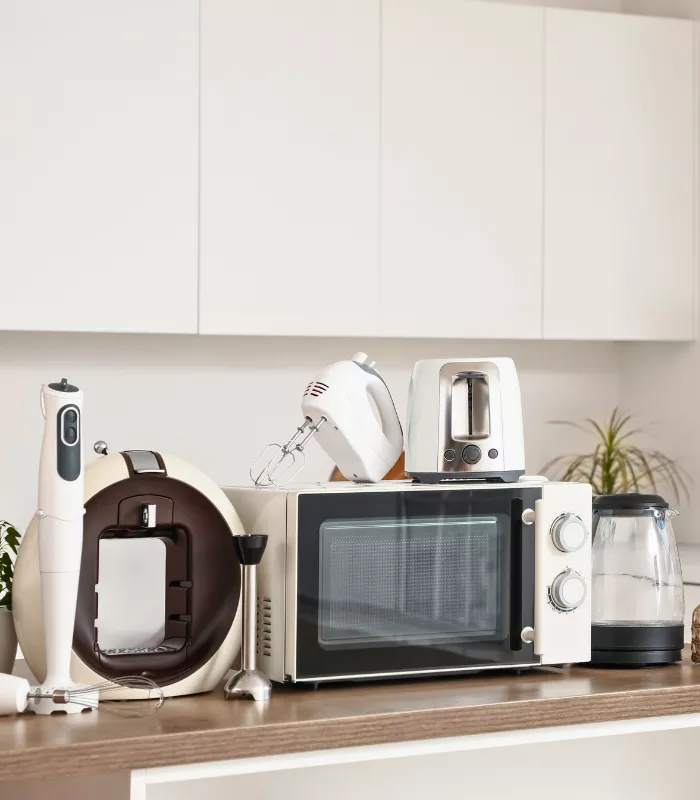
Stainless steel. Professional-grade ranges. Built-in espresso machines.
They look stunning in a kitchen showroom.
But buyers rarely pay a premium just because you installed a $5,000 refrigerator.
Most buyers expect functional, clean appliances. They do not expect restaurant-grade equipment.
Spending $15,000 on appliances in a $250,000 home almost never makes financial sense.
High-end appliances also come with high-end repair costs when something goes wrong.
Specialty parts can take weeks to arrive and cost far more than standard appliance repairs.
A professional-style range often weighs enough that some installers recommend checking the floor can support it.
Many buyers actually prefer to choose their own appliances after moving in.
They may have brand loyalties, size preferences, or smart home systems they want to match.
A buyer who does not want your $5,000 refrigerator is not going to pay extra for it.
They will simply factor it into their offer as a neutral feature, not a valuable one.
Clean, working, and relatively modern is almost all that buyers are really looking for in a kitchen.
Upgrading cabinet hardware, repainting walls, and deep cleaning can transform a kitchen for a fraction of the cost.
That kind of refresh impresses buyers without locking tens of thousands of dollars into appliances they may replace anyway.
| The Appliance Angle |
|---|
| Appliances wear out and go out of style. What feels cutting-edge today may feel outdated in five years, and buyers may just replace them anyway. |
5. Full Roof Replacements, Early Isn’t Always Smart
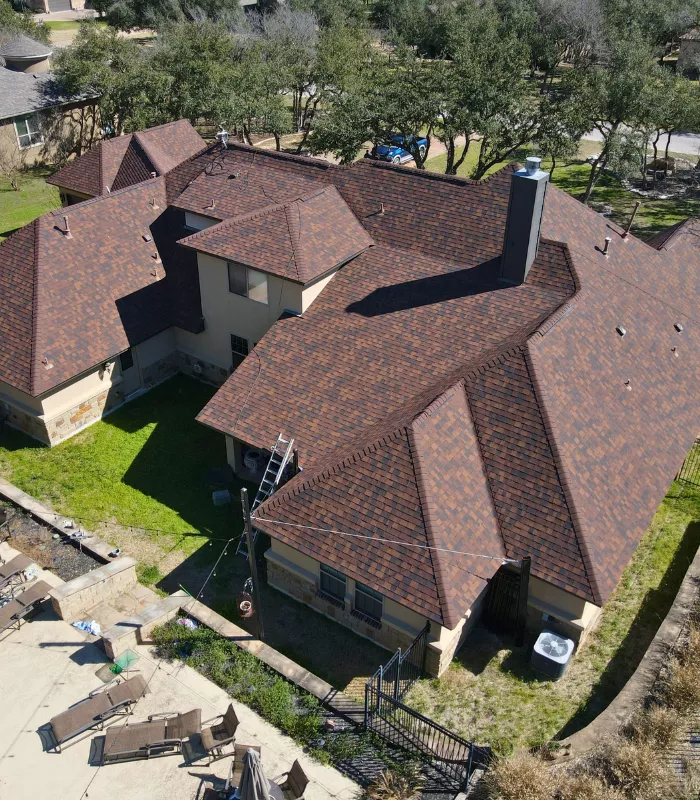
A solid roof is important. No question about it.
But completely replacing a roof that still has years of life left in it is often a waste of money.
Homeowners spend an average of $10,000 to $20,000 on a full roof replacement.
Yet studies show that a new roof typically returns only about 60 percent of its cost at resale.
If your roof is not leaking and has plenty of life left, you are better off leaving it alone.
A buyer will have the roof inspected regardless of how new it looks from the street.
If the inspector says it has ten good years left, most buyers will be perfectly satisfied.
Replacing it early essentially gifts the buyer a brand-new roof without getting paid for it.
Targeted repairs and maintenance almost always make more financial sense than full replacement.
Patching problem areas, clearing gutters, and fixing flashing can extend a roof’s life significantly.
Spend money on your roof only when you genuinely have to, not to impress a future buyer.
That money is almost always better spent on upgrades that are actually visible inside the home.
Buyers notice fresh paint, clean floors, and updated light fixtures far more than a new roof they will never see.
Put your budget where buyers can actually appreciate it during the walkthrough.
| The Roof Rationale |
|---|
| Buyers expect a functional roof, not a brand-new one. Replacing a roof early mostly benefits the buyer, not your wallet. |
6. Home Office Conversions, A Bedroom Buyers Will Miss

Converting a bedroom into a dedicated home office became very popular in recent years.
And it makes sense if you work from home every day.
But here is the problem: when you sell, buyers count bedrooms.
Losing a bedroom to a home office can actually lower your asking price.
A three-bedroom home is worth noticeably more than a two-bedroom home with an office in most markets.
Built-in shelving, custom desks, and cable management systems rarely impress buyers the way an extra bedroom does.
Many buyers will simply plan to rip out your office setup and restore the bedroom anyway.
That means your investment gets torn out, and the buyer gets a bedroom at no extra cost to them.
If you need a home office, consider furniture-based solutions that do not require permanent changes.
A well-placed desk and some smart storage can create a great workspace without sacrificing a bedroom.
A finished bedroom with a closet counts toward square footage and bedroom count in most listings, while an open office nook typically does not.
Keeping all bedrooms intact protects your home’s official bedroom count, which directly affects its appraised value.
Never permanently reduce your bedroom count for a temporary lifestyle need.
Real estate listings are filtered by bedroom count, which means fewer buyers will even find your home in a search.
That reduced visibility alone can cost you more than the office conversion ever saved you in productivity.
| The Office Tradeoff |
|---|
| A dedicated home office is a personal preference upgrade. Removing a bedroom for it is one of the most common mistakes that quietly reduces home value. |
7. Over-the-Top Landscaping, Charm That Costs You Twice
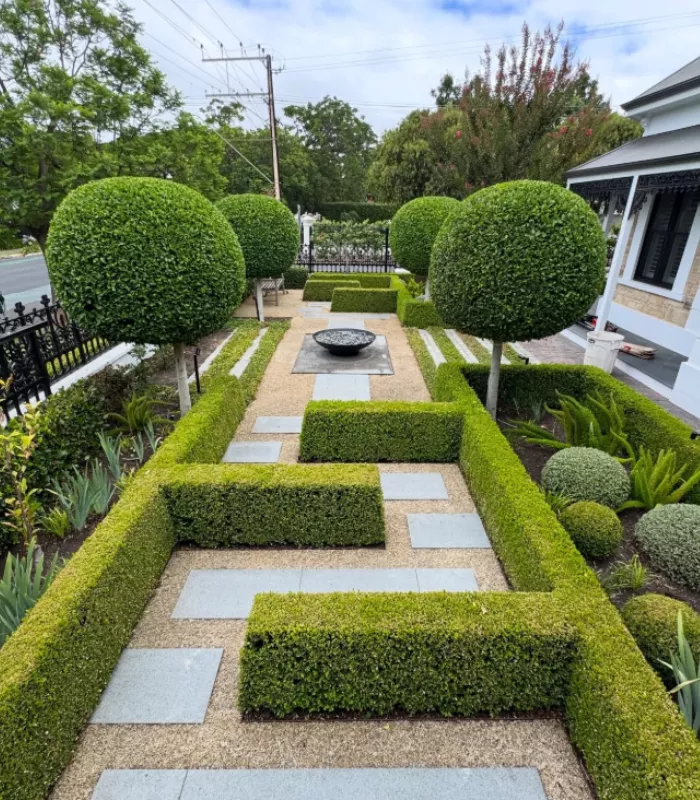
Beautiful landscaping makes a great first impression.
But there is a big difference between tidy curb appeal and expensive, elaborate landscaping.
Koi ponds, custom stone pathways, exotic plants, and elaborate lighting systems cost a fortune.
Most of that cost does not come back at resale because buyers see high-maintenance landscaping as extra work, not extra value.
Simple, neat, and green is almost always enough.
Exotic plants may require specific soil treatments, watering schedules, and seasonal care that buyers find overwhelming.
A koi pond sounds charming until a buyer realizes it needs pumps, filters, and regular cleaning.
Custom stone pathways and retaining walls can crack, shift, and become costly to repair over time.
Elaborate outdoor lighting systems require electrical maintenance and bulb replacements year after year.
What took you years to build and love, a buyer might demolish in a single weekend.
Curb appeal matters, but it does not need to cost $20,000 to make a strong impression.
A freshly mowed lawn, trimmed hedges, and a clean front entrance can do more than you think.
Buyers want a yard that feels manageable, not one that comes with its own instruction manual.
The simpler and cleaner your outdoor space looks, the more buyers will feel comfortable making an offer.
| The Landscaping Lesson |
|---|
| Elaborate landscaping appeals to a very specific taste. What you love, a future buyer might tear out entirely, making your investment disappear overnight. |
8. Garage Conversions, The Space Buyers Actually Want
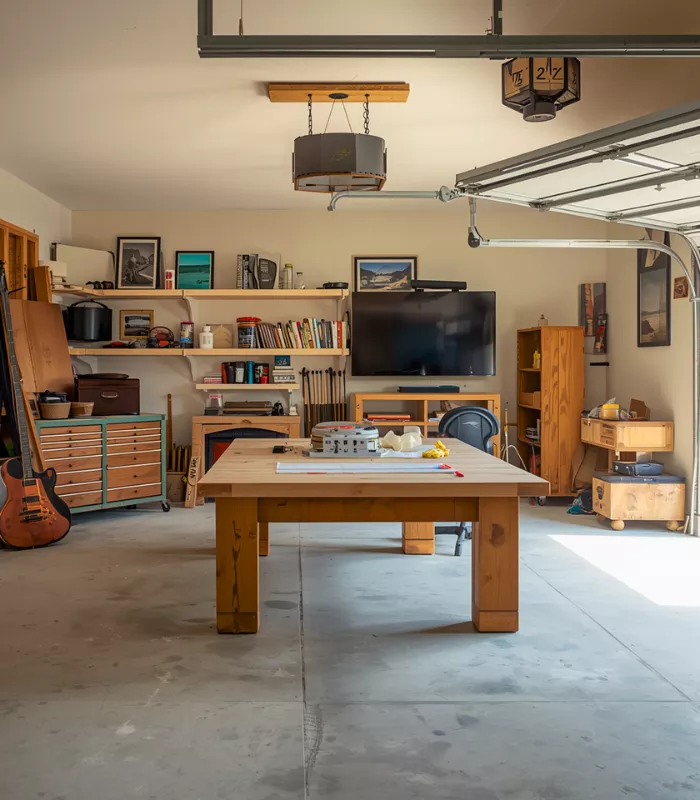
Turning your garage into a game room, gym, or guest suite sounds like a smart use of space.
And it can be wonderful for your own enjoyment.
But many buyers specifically want a garage.
They want storage. They want vehicle protection. They want the utility that a garage provides.
Removing a garage can reduce your home’s value and shrink the number of buyers who are interested.
In many neighborhoods, a home without a garage sits on the market longer and sells for less.
Reversing a garage conversion is expensive and complicated, often requiring new doors, flooring, and electrical work.
Even a well-finished conversion still needs to make way for two vehicles again if a buyer insists on restoring garage function.
Buyers who see a converted garage often mentally add the cost of restoration to their offer price.
That means you could end up with a lower offer and a longer time on the market.
HOA rules in some communities also prohibit permanent garage conversions, creating legal headaches at closing.
If you need extra living space, an addition or a finished basement is almost always a smarter choice.
Those options add square footage without taking away something buyers specifically look for when house hunting.
A garage also provides value that goes beyond parking, including workshop space, seasonal storage, and security for valuables.
Buyers think about all of that when they walk through your home, even if they never say it out loud.
| The Garage Factor |
|---|
| A garage conversion is one of the hardest upgrades to reverse, and it often turns away practical buyers who simply need a place to park and store their belongings. |