

There is a cruel irony in spending 40 years working hard so you can retire somewhere affordable, only to find out everyone else had the same idea.
Millions of retirees chased the dream of cheap living abroad.
And they found it. Then they told their friends. Then their friends told the internet.
Now those bargain destinations have the prices to prove it.
1. Portugal

Portugal used to be one of the best deals in Europe for American retirees.
Lisbon and Porto were full of charm, great weather, and low costs.
But things have changed fast. Home prices in Lisbon have jumped over 60% in the last decade. Monthly costs for a couple can now top $3,000 easily.
The influx of remote workers and wealthy Europeans has driven up demand for housing across the country.
Neighborhoods that were once affordable have been completely transformed by gentrification.
Even grocery bills and restaurant prices have climbed steadily over the past few years.
Public transportation is still reasonable, but private healthcare costs have gone up too.
Many retirees who moved to Portugal five years ago now say they could not afford to make the same move today.
The Algarve coast, once a budget favorite, now rivals southern France in price.
Smaller towns inland are still cheaper, but they come with trade-offs in convenience and amenities.
Portugal is still a beautiful country. But beautiful no longer means cheap.
That’s why so many retirees are now looking elsewhere in southern Europe for better value.
Why It’s On This List: The Non-Habitual Resident (NHR) tax program that attracted thousands of retirees has ended. Without that tax break, Portugal is far less affordable than it once was.
2. Mexico

Mexico has long been the go-to spot for American retirees on a budget.
Cities like San Miguel de Allende and Puerto Vallarta were known for low rents and cheap food.
But here’s the catch: demand from remote workers and retirees has pushed up rents by 30% to 50% in popular expat towns since 2020.
The so-called “Zoom towns” of Mexico filled up fast when Americans realized they could work or retire remotely.
Landlords quickly noticed the demand and adjusted their prices to match American expectations.
High-end coffee shops, yoga studios, and English-language services followed the expat crowds.
With them came higher prices for everyone, including long-time residents who can no longer afford their own neighborhoods.
Groceries at expat-friendly supermarkets can cost nearly as much as back home in the United States.
Dining out is still cheaper than most American cities, but the gap is narrowing every year.
Safety concerns in certain regions also push retirees toward pricier, more secure neighborhoods.
Mexico still has affordable pockets, but they take more research to find than they used to.
The days of landing in any popular Mexican city and finding a great deal are largely behind us.
Why It’s On This List: A one-bedroom apartment in San Miguel de Allende can now cost $1,200 to $1,800 per month. That is no longer the bargain it used to be.
3. Thailand
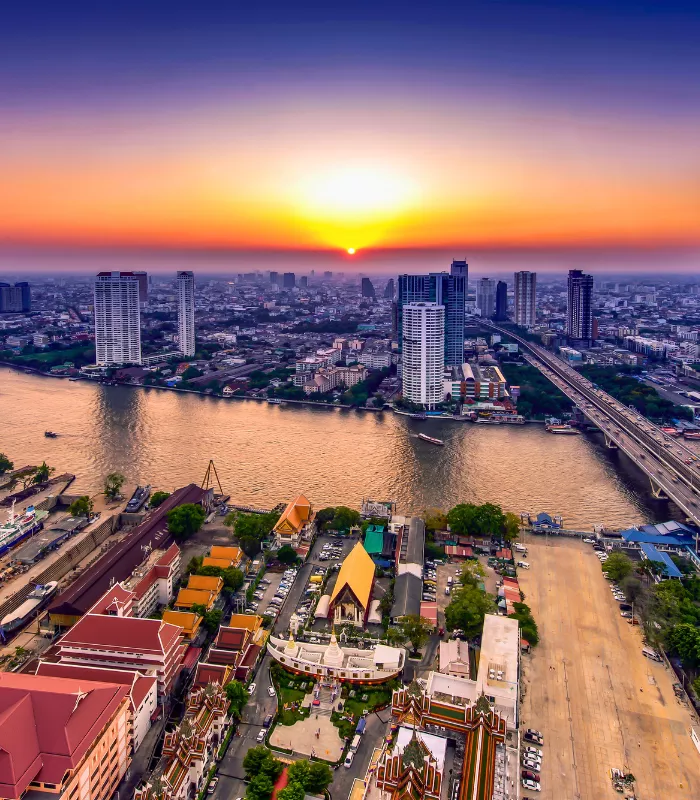
Thailand was a dream for retirees who wanted tropical living on a small budget.
Chiang Mai and Phuket offered great food, warm weather, and low prices.
Now, tourist-heavy areas have seen rental costs double in some neighborhoods. The Thai baht has also stayed strong, which means your dollar does not go as far.
Post-pandemic tourism came roaring back to Thailand, and it brought higher prices with it.
Short-term rental platforms have taken thousands of units off the long-term market, shrinking supply for retirees.
Popular beach towns like Koh Samui now have rental prices that would surprise anyone who visited a decade ago.
Food at local markets is still very affordable, but Western-style groceries and imported goods cost significantly more.
Private hospital care, while still cheaper than in the US, has been rising in cost each year.
Air conditioning costs are real in Thailand’s heat, and monthly electricity bills can be higher than expected.
Language barriers and cultural differences also push many retirees toward expat-heavy areas, which are always pricier.
Thailand remains a great destination for many, but budget expectations need a serious update before you book a flight.
Going in with old pricing assumptions is a classic mistake that catches many new arrivals off guard.
Why It’s On This List: Thailand also tightened its retirement visa rules. You now need to show at least $25,000 in a Thai bank account or prove a monthly income of around $2,000.
4. Spain

Spain offers sunshine, culture, and great food. That is why retirees have loved it for years.
But Barcelona and Madrid are no longer budget-friendly cities.
Spain’s housing crisis has pushed average rents up by over 40% since 2015. Even smaller cities like Valencia and Malaga have seen big price jumps in recent years.
Spain’s popularity with tourists and foreign residents has put enormous pressure on its housing supply.
Local governments have struggled to keep up with demand, and renters are paying the price.
The cost of eating out has also risen, especially in coastal cities that cater heavily to tourists.
Private health insurance, which most retirees need for visa purposes, adds a few hundred dollars to monthly expenses.
Utility costs in Spain are among the highest in Europe, particularly electricity bills.
Some inland towns still offer good value, but they require a car and come with fewer English-speaking neighbors.
Spain’s bureaucracy is notoriously slow, and hiring a lawyer or gestor to help with paperwork is almost unavoidable.
Those administrative costs add up quickly on top of already rising living expenses.
Spain is still a wonderful place to retire, but it now requires a much bigger budget than most people expect.
Why It’s On This List: Spain introduced a new digital nomad visa, but did not create easier paths for retirees. Health insurance requirements and bureaucracy add extra costs on top of rising rents.
5. Costa Rica
Costa Rica was famous for its Pensionado program, which gave retirees great discounts on everything from medicine to movies.
That program still exists, but the overall cost of living has gone up sharply.
Groceries, utilities, and imported goods in Costa Rica can cost nearly as much as in the United States.
Costa Rica imports a large percentage of its consumer goods, and import taxes make many items surprisingly expensive.
A box of cereal or a bottle of wine can cost more in San Jose than in an American grocery store.
Vehicle costs are extremely high due to steep import duties on cars.
Road quality outside major cities can be rough, making a reliable vehicle a necessity rather than a luxury.
Internet and cell service have improved dramatically, but that convenience comes with higher monthly bills than in the past.
The expat community is large and welcoming, but expat-friendly services are always priced at a premium.
Healthcare is still a strong point for Costa Rica, with quality private hospitals at a fraction of US prices.
But healthcare savings alone are not enough to offset rising costs in other areas of daily life.
Costa Rica still has a lot going for it, but your retirement dollars will work harder in several other countries.
Why It’s On This List: The Central Valley, where most expats live, now has monthly costs that can easily reach $2,500 to $3,500 for a couple. That is a far cry from the budget retirement it once offered.
6. Italy
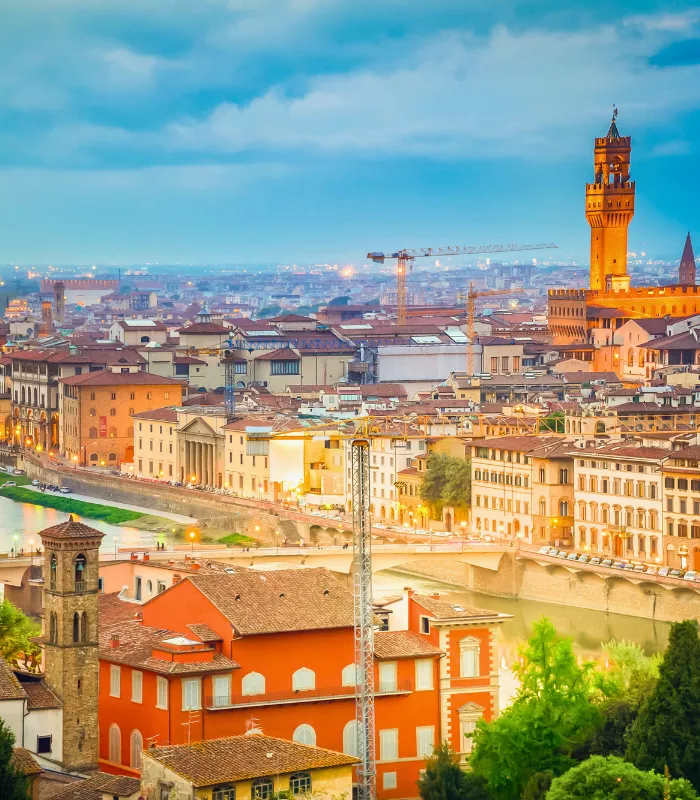
Italy launched a flat-tax program for foreign retirees that seemed too good to be true.
Pay a flat 7% tax on foreign income and live in a small Italian town. Many Americans took the offer.
But here’s the deal: that program is now limited to certain southern regions, and day-to-day costs in popular areas like Tuscany and the Amalfi Coast have soared.
Northern Italy has always been expensive, but even the south is catching up faster than most retirees anticipated.
The famous one-euro home deals came with renovation requirements that often cost tens of thousands of dollars.
Many buyers underestimated the complexity and expense of restoring an old Italian property to livable condition.
Heating costs in stone homes can be shockingly high during Italian winters, especially in mountain regions.
Food and wine remain affordable at local markets, and that is genuinely one of Italy’s biggest advantages.
But dining out in tourist-heavy areas has become very expensive, rivaling prices in major American cities.
Italy’s healthcare system is accessible but can be difficult to navigate without strong Italian language skills.
Private health top-ups are often necessary, adding another monthly cost to your budget.
Italy rewards those who go in fully prepared, but it punishes those who romanticize the budget side of la dolce vita.
Why It’s On This List: Italy’s bureaucracy is also notoriously slow and complex. Legal fees, translation costs, and permit hurdles add up fast for newcomers trying to settle in.
7. Greece
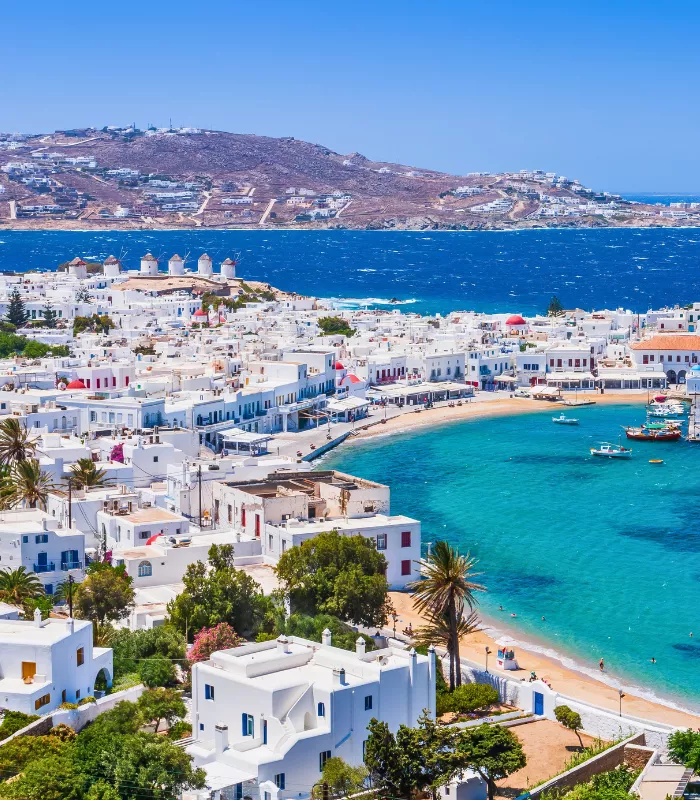
Greece bounced back strongly after its financial crisis, and tourism brought a lot of money back in.
That recovery has been great for the economy, but tough on retirees looking for low costs.
Short-term rental platforms like Airbnb have driven up long-term rental prices across Athens and the islands. Some areas have seen rents rise 50% or more since 2019.
The Greek islands, once a well-kept secret for budget travelers, are now firmly on the luxury tourism map.
Santorini and Mykonos have always been pricey, but even quieter islands are feeling the pressure now.
Athens has seen a wave of renovation and gentrification in its most desirable central neighborhoods.
Utility costs, particularly electricity and heating oil, have risen sharply across Europe and Greece is no exception.
The Greek retirement visa, known as the financially independent person visa, requires a minimum monthly income of around $3,500.
That income threshold alone rules out many retirees who were counting on Greece as a budget option.
Food at local tavernas and markets remains one of Greece’s genuine affordability bright spots.
But housing costs can quickly eat through any savings you hoped to gain by moving there.
You’re better off researching the lesser-known mainland towns if Greece is still on your list and budget matters.
Why It’s On This List: Greece also requires private health insurance for its retirement visa, which can cost $150 to $400 per month, depending on your age and coverage level.
8. Bali, Indonesia

Bali became a global hotspot for digital nomads and retirees seeking a low-cost paradise.
Warm weather, stunning scenery, and cheap food made it wildly popular.
That popularity has a price. Villa rentals in Canggu and Seminyak now rival costs in mid-tier American cities. Annual villa leases can run $20,000 or more in trendy areas.
The digital nomad boom permanently changed the economics of Bali’s most popular neighborhoods.
Canggu in particular transformed from a quiet surf town into a trendy, expensive hub almost overnight.
Western restaurants, co-working spaces, and boutique gyms have replaced the affordable warungs that once defined expat life there.
Traffic in southern Bali has become a serious quality-of-life issue, with gridlock that rivals major Asian cities.
Air quality and overcrowding have pushed many long-term residents to quieter parts of the island.
Those quieter areas are still more affordable, but they require a scooter or car and strong local language skills.
Indonesia’s rules around foreign property ownership are complex, meaning most retirees rent rather than buy.
Long-term rental contracts can be tricky to navigate without a trusted local lawyer on your side.
Bali still has magic, but finding it at a budget price now takes a lot more effort than it did just five years ago.
Why It’s On This List: Indonesia does not have a straightforward retirement visa. Most retirees use workaround visas that require renewals, legal fees, and regular border runs. That adds stress and cost.
9. Panama
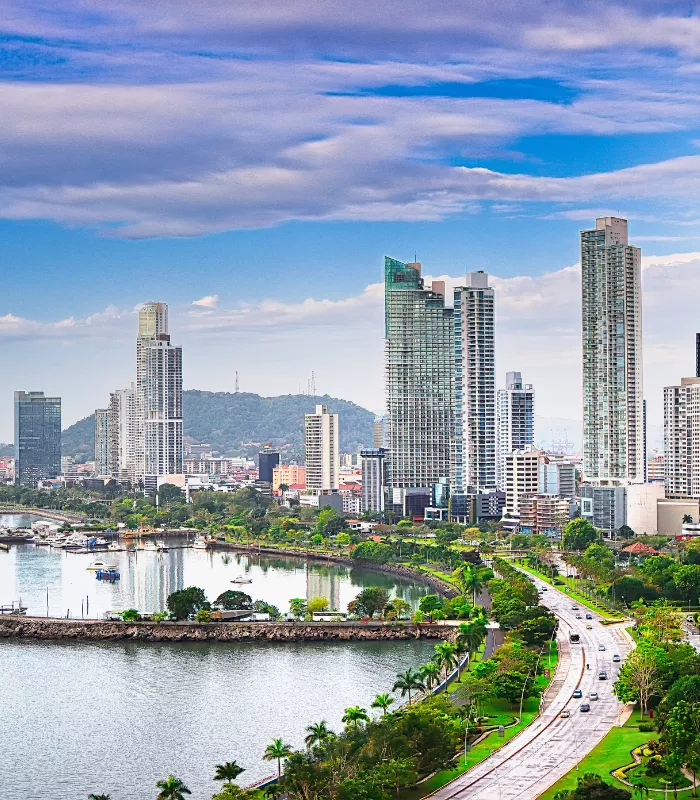
Panama’s Pensionado visa is still one of the best retirement programs in the world.
Discounts on healthcare, restaurants, hotels, and more make it very attractive on paper.
But Panama City’s cost of living has crept up steadily, and some areas now rival Miami in price. Imported food, traffic, and a growing expat population have all pushed costs higher.
Panama uses the US dollar as its currency, which eliminates exchange rate risk but also removes a key cost advantage.
When local prices rise, there is no favorable currency conversion to soften the blow for American retirees.
Upscale neighborhoods like Punta Pacifica and Costa del Este have rents that would feel at home in a major US city.
Private school costs, if you have grandchildren visiting or family relocating with you, are extremely high.
Dining out at mid-range restaurants in Panama City costs noticeably more than it did even five years ago.
The rainy season brings heavy flooding in parts of the city, which can affect both lifestyle and property values.
Heat and humidity are intense year-round, making air conditioning a necessity that adds to monthly utility bills.
The Pensionado discounts help, but they do not fully compensate for how much the baseline costs have risen.
You’re better off looking at smaller Panamanian towns like Boquete or Las Tablas if budget is your top priority. Panama City alone no longer fits the bill for most retirees watching their savings.
Why It’s On This List: Panama City’s cost of living has crept steadily upward for years. Despite the Pensionado perks, retirees on a fixed income are finding it harder to make the numbers work in the capital.