

Costa Rica consistently tops retirement lists, and honestly, it deserves most of the praise.
Stable democracy. Universal healthcare. No standing army since 1948.
The country made a decision decades ago to invest in people instead of weapons. Hard to argue with that.
But here’s the deal: loving a country as a tourist and building a life there are two completely different relationships.
One of them involves a lot more bureaucracy and a surprisingly aggressive dry season.
1. The Healthcare System Is Good, But Has Gaps

Costa Rica has a public healthcare system called the Caja. Many retirees love it.
But here’s the catch: wait times can stretch for months.
Specialist visits through the public system can take 6 to 12 months. Most expats end up paying for private care on top of their Caja contributions.
The Caja system covers everything from routine checkups to surgeries. That sounds great on paper.
The problem is that the system is stretched thin. There are not enough doctors for the growing population.
Private hospitals like Clinica Biblica and Hospital CIMA in San Jose are world-class. But they are not cheap.
A single specialist visit at a private clinic can run $100 to $200 out of pocket.
Dental care is actually one of the bright spots. Many expats travel to Costa Rica specifically for affordable dental work.
But for ongoing chronic conditions, the gaps in the public system become very real, very fast.
Retirees with pre-existing conditions need to plan their healthcare strategy before they land, not after.
Having a local doctor you trust, a good private insurance plan, and a clear emergency plan is not optional. It is essential.
The bottom line is that healthcare in Costa Rica is better than most of Central America, but requires more planning than most retirees expect.
Why It’s On This List: Private health insurance for a 65-year-old expat can cost $300 to $600 per month. That’s a big chunk of a fixed retirement income.
2. The Roads Will Test Your Patience
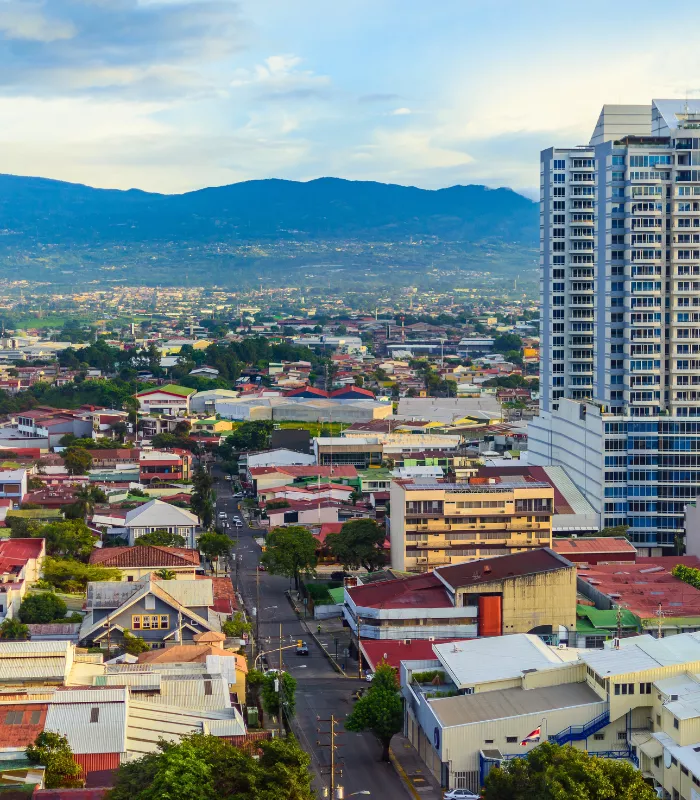
Costa Rica’s roads are famous for being rough.
Potholes, unpaved stretches, and steep mountain roads are common outside of the city.
A simple 20-mile trip can take over an hour. You will need a 4-wheel-drive vehicle if you live outside a major urban area. Budget for it.
During the rainy season, some rural roads become completely impassable. Landslides are not uncommon.
The Pan-American Highway is the main artery of the country. It gets congested and poorly maintained in stretches.
Driving culture in Costa Rica is also an adjustment. Passing on blind corners happens more than you would expect.
Road signage is inconsistent. GPS helps, but even Google Maps gets confused on back roads.
If you plan to live in a beach town or mountain community, test the road conditions in both the dry and rainy seasons before committing.
Many expats underestimate how much time they will spend in a car just running basic errands.
Fuel costs are also higher in the United States. Costa Rica imports all of its gasoline, and prices reflect that.
Vehicle maintenance costs are higher, too, because parts often have to be imported, and mechanics with experience on foreign car brands are not always easy to find.
Your car will take a beating. Budget accordingly and do not bring a vehicle you are emotionally attached to.
Why It’s On This List: Road conditions directly affect your quality of life, especially if you have mobility concerns or medical appointments to keep.
3. The Cost of Living Is Rising Fast
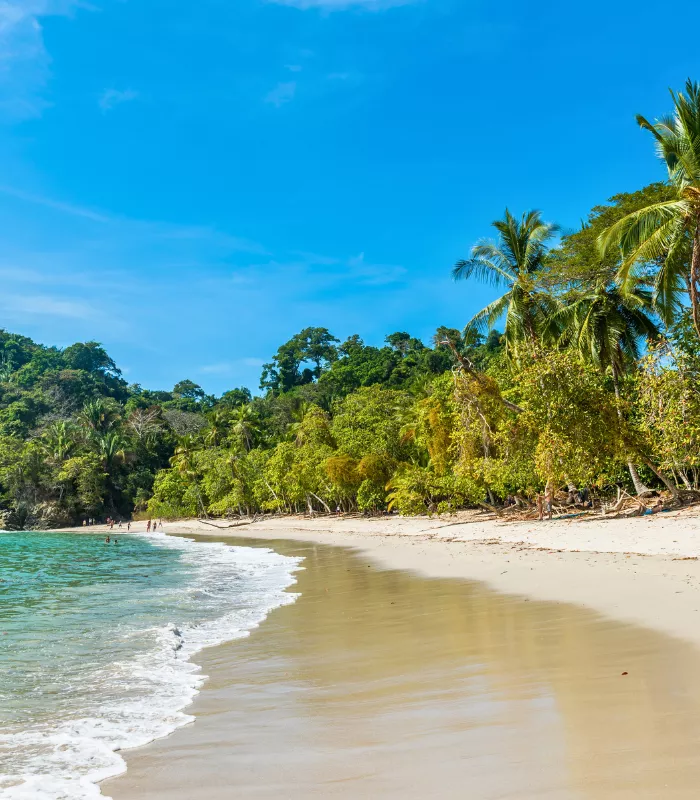
Costa Rica used to be a budget paradise. That era is fading.
Popular expat towns like Tamarindo, Escazu, and Manuel Antonio now have prices that rival parts of the United States.
Groceries, rent, and dining out have all gone up sharply over the past decade. That’s why many retirees on a fixed budget are moving to lesser-known towns instead.
A one-bedroom apartment in Escazu can easily rent for $1,200 to $1,800 per month. That is not budget living.
Even supermarket prices have climbed. Imported goods like cereal, cheese, and wine cost significantly more than back home.
Local produce, rice, and beans are still affordable. But most retirees do not want to live on rice and beans alone.
Utilities can surprise you, too. Air conditioning in a humid coastal home can push electricity bills to $200 or more per month.
Internet and cell phone plans are reasonable. But cable TV, streaming subscriptions, and other comfort expenses add up.
Eating out at local sodas is still cheap. But expat-friendly restaurants have pricing that matches what you would pay back home.
Property prices in desirable areas have also surged. Buying a home in a popular beach town now requires a serious budget.
The sweet spot is finding towns that are growing but not yet fully discovered. Those places still offer real value.
Retirees who do their research and live more like locals than tourists tend to stretch their dollars much further.
Why It’s On This List: Retirees who planned their budget 5 years ago are finding that their money does not go as far as they expected today.
4. You Will Deal With Bureaucracy
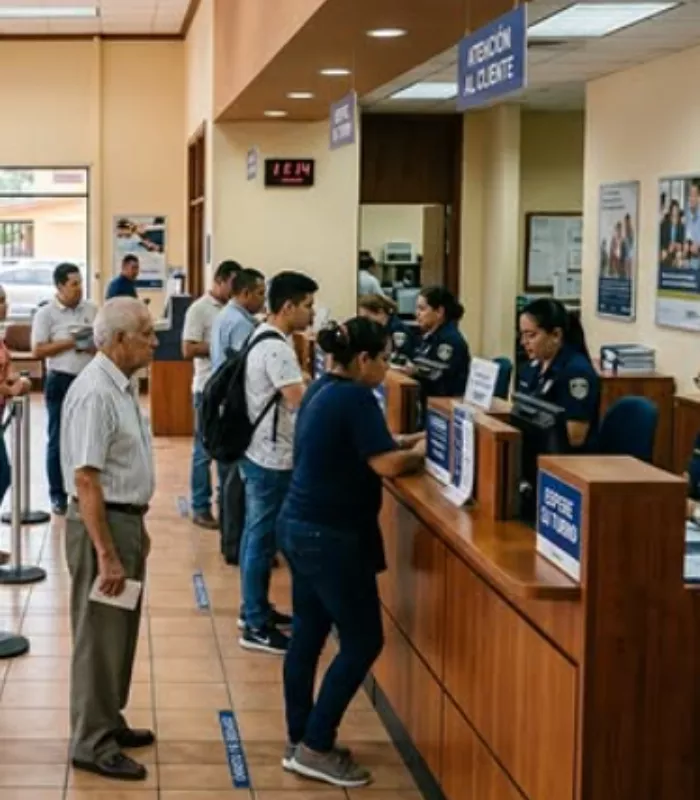
Getting your residency in Costa Rica is not a quick process.
The Pensionado visa requires proof of at least $1,000 per month in pension income. That sounds simple. But the paperwork, apostilles, and wait times can drag on for 1 to 2 years.
Most expats hire an immigration lawyer to avoid costly mistakes. Budget $1,500 to $3,000 for legal fees alone.
Documents from the United States must be officially certified before Costa Rica will accept them. That process alone takes weeks.
Once submitted, your application enters a government queue that moves at its own pace. Patience is not optional here.
During the wait, most people stay on a tourist visa and do visa runs every 90 days. That means leaving the country and re-entering.
Buying property, opening a bank account, and signing certain contracts is more complicated without legal residency.
Costa Rican banks are notoriously strict with expats. Even with residency, getting a local bank account can require months of documentation.
Taxes are another layer. The United States requires citizens to report foreign income and assets no matter where they live. That means filing in two countries.
Hiring a local accountant who understands both Costa Rican and United States tax law is a smart investment.
Municipal permits, business licenses, and building approvals all come with their own timelines and paperwork trails.
The bureaucracy is not designed to be difficult. It is just slow. And slow has a cost when you are trying to build a life.
Why It’s On This List: Living in limbo on a tourist visa while waiting for residency limits what you can legally do and own in the country.
5. Language Barrier Is a Real Daily Challenge
Spanish is the official language of Costa Rica. In tourist areas, many locals speak English.
But step outside those zones and English gets rare fast.
Dealing with doctors, lawyers, contractors, and government offices in Spanish can be stressful without solid language skills. You’re better off taking Spanish lessons before you move, not after.
Costa Rican Spanish, called Tico Spanish, has its own slang and rhythm. Even people with solid textbook Spanish need an adjustment period.
Medical appointments are where the language gap becomes most serious. Miscommunication with a doctor is not something you want to risk.
Hiring a contractor without speaking Spanish fluently opens the door to misunderstandings about scope, cost, and timeline.
Most legal documents are in Spanish only. You need a trusted translator or bilingual lawyer for anything you sign.
Phone calls to government agencies are almost entirely in Spanish. There is rarely an English option.
The good news is that Ticos are generally patient and kind with people who are trying to learn. Effort goes a long way socially.
Language schools are widely available and affordable in Costa Rica. Many offer immersive programs designed for older adult learners.
Apps like Duolingo help, but are not enough on their own. Conversation practice with real people is what actually builds confidence.
The retirees who invest in language skills early report far higher satisfaction with their daily life in Costa Rica.
Why It’s On This List: Misunderstandings with contractors or medical providers due to the language gap can cost you time, money, and your peace of mind.
6. Humidity and Heat Are No Joke

The tropics sound beautiful on a travel blog.
Living in them full-time is a different story.
Coastal areas in Costa Rica regularly hit 90 degrees Fahrenheit with humidity above 80%. Mold grows on walls, shoes, and furniture. Many retirees over 60 find the heat physically exhausting after a few months.
The Central Valley, where San Jose sits, has a much more comfortable climate. Temperatures stay in the 70s year-round.
That is why many long-term expats choose the mountains or the Central Valley over the coast despite the beach appeal.
The rainy season runs from May through November. During peak months, it can rain hard every single afternoon for hours.
Flooding is common in low-lying coastal areas. Some neighborhoods become temporarily inaccessible during heavy storms.
Mold is one of the most complained-about issues among coastal retirees. It gets into clothing, books, walls, and electronics.
Dehumidifiers help, but they run constantly and drive up electricity bills significantly.
The heat can also limit outdoor activity during the middle of the day. If you plan to be active outdoors, adjust your schedule to early mornings.
People with certain heart conditions or respiratory issues should consult their doctor before choosing a hot, humid coastal location.
The climate is one of the most personal factors in choosing where to settle. Visit in both the dry and rainy seasons before you decide.
Why It’s On This List: The humidity also speeds up wear and tear on electronics, appliances, and your home. Replacement and repair costs add up quickly.
7. Petty Crime Targeting Expats Is Common
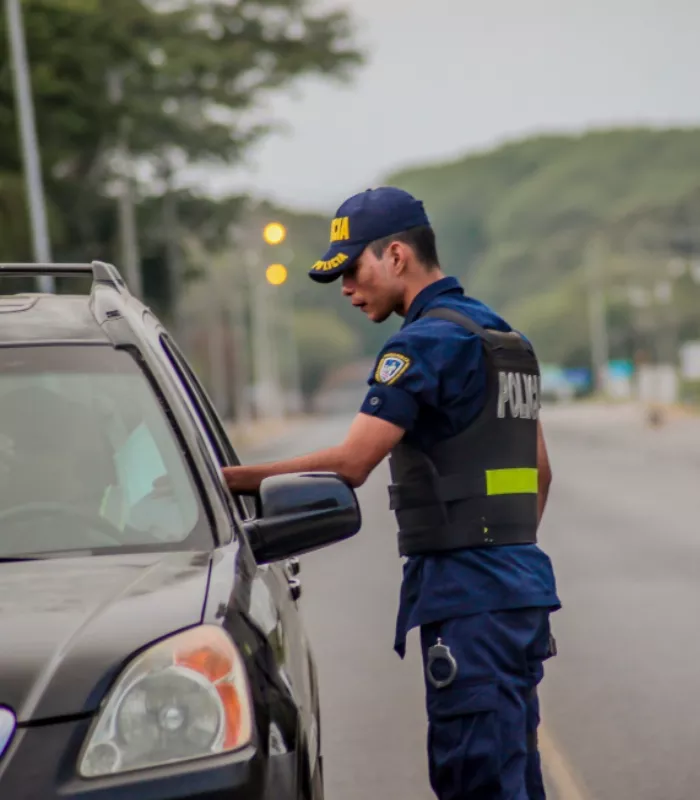
Costa Rica is one of the safer countries in Central America. That does not mean crime-free.
Expats are often seen as wealthy targets. Theft of phones, bags, and vehicles happens regularly in tourist and expat-heavy areas.
Home break-ins are also a known issue, which is why most expat homes have security bars and alarm systems. Factor that into your housing budget.
Leaving anything visible in a parked car is an invitation for a smashed window. Even a gym bag can trigger a break-in.
ATM skimming and card fraud are reported regularly. Use ATMs inside banks during business hours only.
Rental scams targeting expats have increased as the market has grown. Always use a reputable local real estate agent.
Certain neighborhoods in San Jose have higher crime rates and are best avoided, especially at night.
Gated communities with 24-hour security have become popular among expat retirees for this reason.
Building relationships with your neighbors is one of the best security investments you can make. Community awareness matters.
Most expats who have lived in Costa Rica for years say crime is manageable if you adopt local habits and avoid flashy displays of wealth.
Wearing expensive jewelry, carrying large amounts of cash, or looking lost in an unfamiliar area increases your risk significantly.
Being street smart in Costa Rica is not paranoia. It is just part of living well in any developing country.
Why It’s On This List: Feeling unsafe in your own home or neighborhood can quickly turn your retirement dream into a stressful experience.
8. Importing Goods and Cars Is Very Expensive

Costa Rica charges high import taxes on almost everything brought in from outside the country.
A car that costs $25,000 in the United States can cost $40,000 or more in Costa Rica after import duties.
Electronics, appliances, and furniture are also significantly more expensive than back home. Many retirees are shocked by how much it costs to set up a household from scratch.
Import duties on vehicles can reach 50% or more, depending on the engine size and age of the car.
Buying a used car locally is often the smarter move. The market for reliable used vehicles is active in Costa Rica.
Shipping personal belongings from the United States is possible, but it comes with customs paperwork and potential duties on high-value items.
Laptops, tablets, and televisions cost noticeably more in Costa Rica than in the United States. Many expats stock up before they move.
Appliances like washers, dryers, and refrigerators carry higher price tags due to import costs. Factor this into your setup budget.
Some expat retirees use freight forwarding services to bring goods through Miami. It saves money but adds logistics complexity.
Pensionado visa holders do get a one-time duty exemption on household goods when they first establish residency. Take full advantage of it.
The exemption has limits and conditions, so working with a customs broker who knows the rules is worth the extra cost.
Understanding the import system before you arrive will save you thousands of dollars and a great deal of frustration.
Why It’s On This List: These hidden setup costs can blow your retirement budget before you even settle in. Planning ahead saves a lot of stress.
9. Loneliness and Culture Shock Hit Harder Than Expected
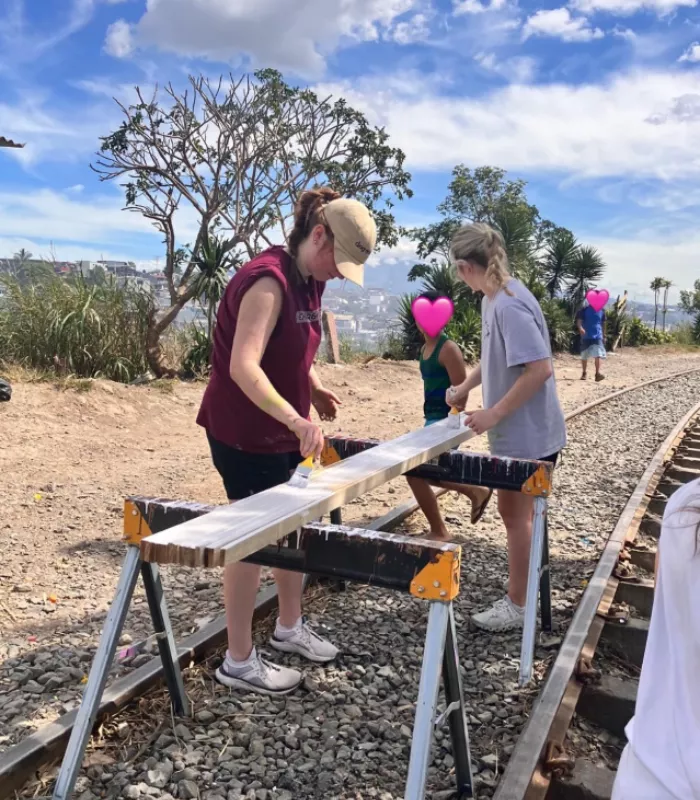
Moving to a new country after 50 is exciting. It can also be deeply isolating.
Building a new social circle takes time and effort. Not every retiree finds their community quickly.
Missing family events, grandchildren growing up, and familiar comforts are something many expats say they underestimated. That’s why staying connected to family back home and building local relationships early on matters more than people realize.
Culture shock does not always arrive immediately. For many retirees, it hits around month three or four, after the honeymoon phase ends.
Simple things like not finding your favorite brand at the grocery store can trigger unexpected waves of homesickness.
Holiday seasons are particularly hard for expats who are far from family. Christmas and Thanksgiving can feel very lonely.
Expat Facebook groups and local clubs are a good starting point for building community. But online connection only goes so far.
Learning Spanish accelerates your ability to connect with local Ticos who become some of the warmest and most loyal friends you can find.
Volunteering in the local community is another powerful way to find purpose and connection in a new place.
Many retirees say the loneliness surprised them because they had been surrounded by people their whole working lives and did not realize how much that structure mattered.
Planning regular visits home, especially in the first year, helps ease the transition without abandoning the adventure.
The retirees who build a genuine local life, not just an expat bubble, tend to be the ones who stay and thrive long-term.
Why It’s On This List: Mental and emotional well-being is just as important as physical health in retirement. Loneliness is one of the top reasons expats return home within the first two years.