

Cruise ships are floating cities. Some carry over 6,000 passengers at once, all pulling into the same harbors, all taking photos of the same landmarks.
It is organized tourism on an industrial scale.
And most people love it. Until they visit a port nobody told them about.
That’s when the trip stops feeling like a package and starts feeling like a memory.
The world rewards the mildly curious in ways it never bothers to advertise.
1. Kotor, Montenegro
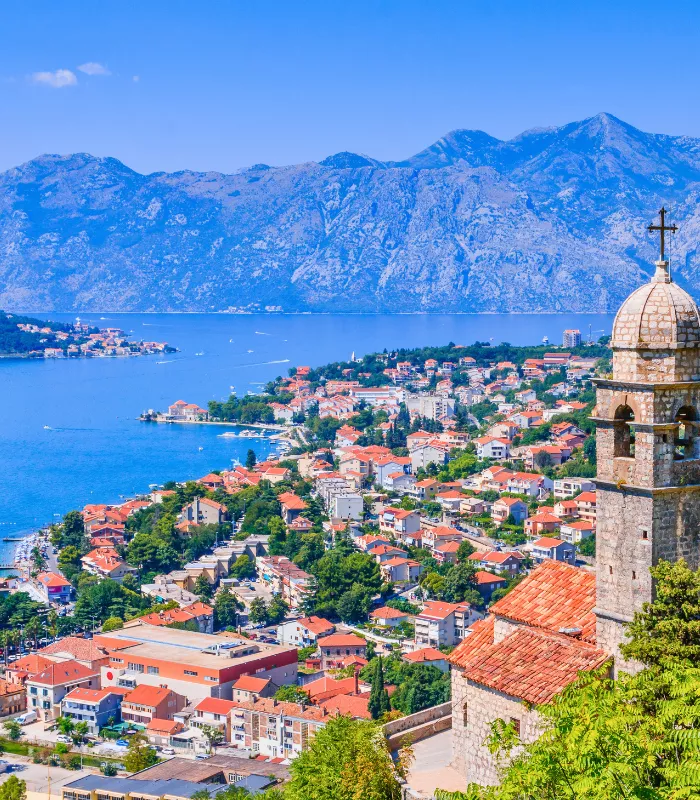
Most Americans have never heard of Kotor.
But this tiny walled city on the Adriatic coast is one of Europe’s best-kept secrets.
It sits inside a bay so stunning that locals call it the “South of the Fjords.”
The old town dates back over 2,000 years. You can walk the ancient city walls and see the whole bay from above.
Less than 1% of American tourists visit Montenegro each year. That means no crowds, no long lines, and no chaos.
The city walls stretch over 4.5 kilometers. That includes a climb up to the fortress of St. John, sitting 1,350 feet above sea level.
Cats are famously beloved in Kotor. There is even a small cat museum dedicated to them inside the old town.
The streets are narrow, paved with stone, and completely car-free. Walking them feels like stepping into another century.
Local restaurants serve fresh Adriatic seafood at prices that would make most Western European tourists do a double-take.
Montenegro only declared independence in 2006. It is one of the youngest countries in the world.
Kotor Bay is surrounded by dramatic limestone mountains that drop straight into the water.
The sunsets here are the kind that make people put their phones down and just look.
St. Tryphon Cathedral inside the old town has stood since 1166. It survived earthquakes, wars, and centuries of change.
Why It’s On This List: Kotor gives you Old World Europe charm without the tourist overload of places like Dubrovnik. It’s peaceful, affordable, and absolutely breathtaking for travelers who want something real.
2. Ålesund, Norway
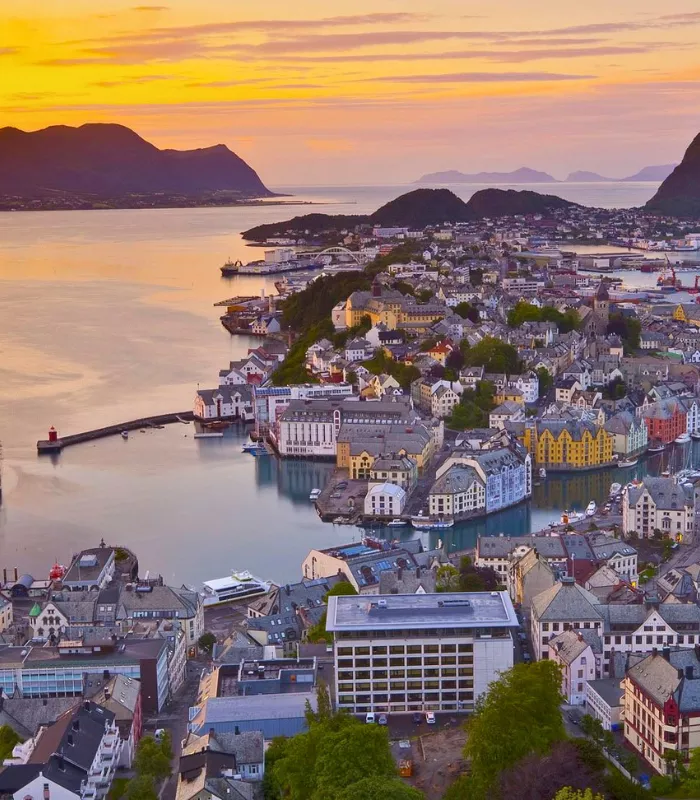
Norway is famous for its fjords. But most cruise ships skip Ålesund entirely.
That’s a big mistake.
This waterfront town was rebuilt after a fire in 1904. Almost every building went up in the Art Nouveau style at the same time.
The result is one of the most beautiful small cities in all of Europe.
Climb the 418 steps to the Aksla viewpoint, and you’ll see a view most people only see in magazines.
The fire that destroyed Ålesund in 1904 left 10,000 people homeless overnight. The rebuilding effort was massive and swift.
Kaiser Wilhelm II of Germany sent relief ships after the fire. He had a personal fondness for the town from his summer visits.
The Art Nouveau Center in Ålesund tells the full story of the town’s dramatic rebuilding. It is one of the most unique museums in Norway.
The surrounding Sunnmore Alps create a backdrop that makes even a cloudy day look like a painting.
Fresh seafood is a staple here. The town sits on a cluster of islands connected by bridges and tunnels.
You can take a boat trip through the nearby Geirangerfjord, one of the most photographed fjords in the world, just a short distance away.
The town has a population of only about 47,000 people. It feels quiet, local, and completely genuine.
Street-level Art Nouveau details are everywhere. Look up at the doorways, towers, and rooflines as you walk.
Why It’s On This List: Ålesund is proof that the best stops on a Norway cruise are not always the most popular ones. The architecture alone is worth the visit.
3. Belem, Brazil
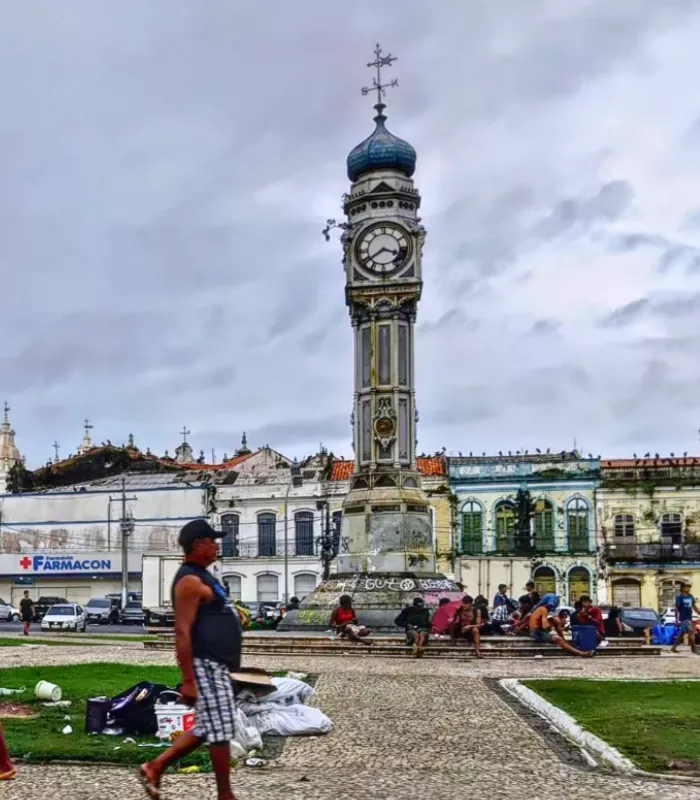
Most Amazon cruises start or end in Manaus. But Belem sits at the mouth of the Amazon River.
And it is extraordinary.
The city has a famous market called Ver-o-Peso. It has been open since 1625. That makes it one of the oldest open-air markets in all of the Americas.
You can taste exotic Amazon fruits, fresh fish, and local spices all in one place.
Belem is home to over 1.3 million people and a food culture unlike anything else in South America.
The cupuacu fruit is a local favorite. It tastes like a cross between chocolate and pineapple and is nearly impossible to find outside the Amazon region.
Belem receives over 2,500 millimeters of rain per year, making it one of the wettest cities in Brazil. The lush vegetation everywhere reflects that.
The Theatro da Paz opera house opened in 1878. It was built during the rubber boom when Belem was one of the wealthiest cities in South America.
The Mangal das Garcas park sits along the riverbank and is home to birds, butterflies, and plants native to the Amazon.
Local cuisine includes dishes like tacacá, a shrimp soup served in a gourd that has been eaten here for centuries.
The Portuguese built a fort here in 1616. That fort, the Forte do Presepio, still stands and is open to visitors.
Belem hosts the Cirio de Nazare festival every October. It draws over two million people and is considered one of the largest religious processions in the world.
The city sits just 1 degree south of the equator. The air is warm, humid, and filled with the sounds and smells of the river.
Why It’s On This List: If you love food, history, and real local life, Belem delivers all three. But here’s the deal: you have to be open to stepping off the beaten path to enjoy it fully.
4. Lifou, New Caledonia
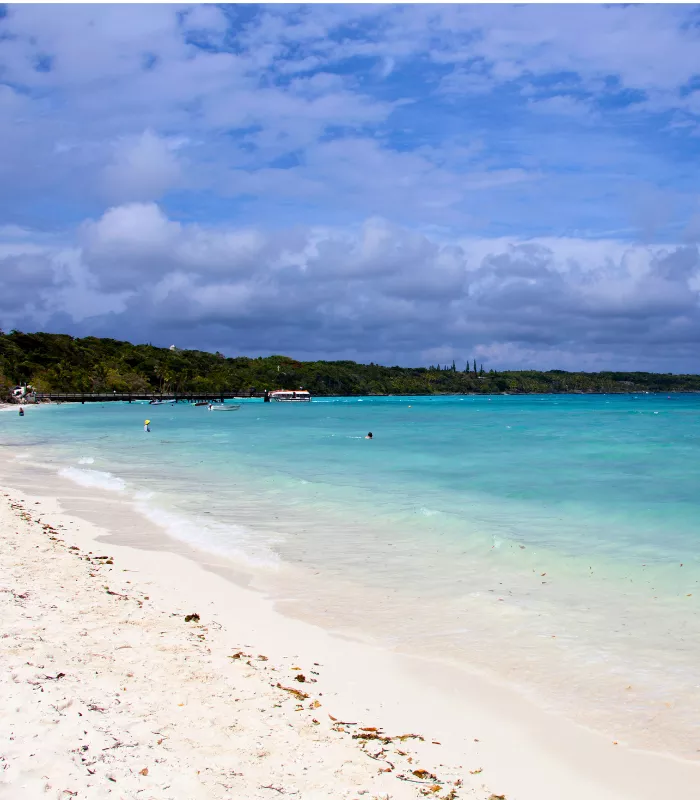
Lifou is a coral island in the South Pacific. Most Americans could not find it on a map.
But cruise passengers who stop here often call it the highlight of their entire trip.
The water is crystal clear. The beaches are nearly empty. The coral reefs are among the healthiest in the world.
Lifou has no large hotels and no resort chains. That’s what makes it so special.
The island is part of the Loyalty Islands group and is administered by France. Signs are in both French and the local Drehu language.
Lifou is the largest of the Loyalty Islands, covering about 1,207 square kilometers. Despite its size, it feels wonderfully uncrowded.
The Jokin cliffs on the northern tip of the island drop straight into bright blue water. The view is dramatic and completely unspoiled.
Local Kanak culture is very much alive here. Traditional customs, weaving, and dance are still practiced and celebrated.
The Chapel of Notre Dame de Lourdes sits on a cliff overlooking the sea. It was built in 1898 and remains one of the most photographed spots on the island.
Snorkeling directly off the beach reveals coral gardens teeming with tropical fish. No boat required.
Coconut crabs, the largest land invertebrates on Earth, live on Lifou. They can weigh up to 9 pounds.
The island has no traffic lights, no fast food chains, and no high-rise buildings. That is not an accident.
Locals sell fresh coconuts, woven baskets, and handmade crafts near the cruise tender dock. Prices are very reasonable.
Why It’s On This List: You’re better off spending a day on Lifou than at a packed beach resort. The calm, the beauty, and the quiet are exactly what travelers over 50 are looking for.
5. Akureyri, Iceland
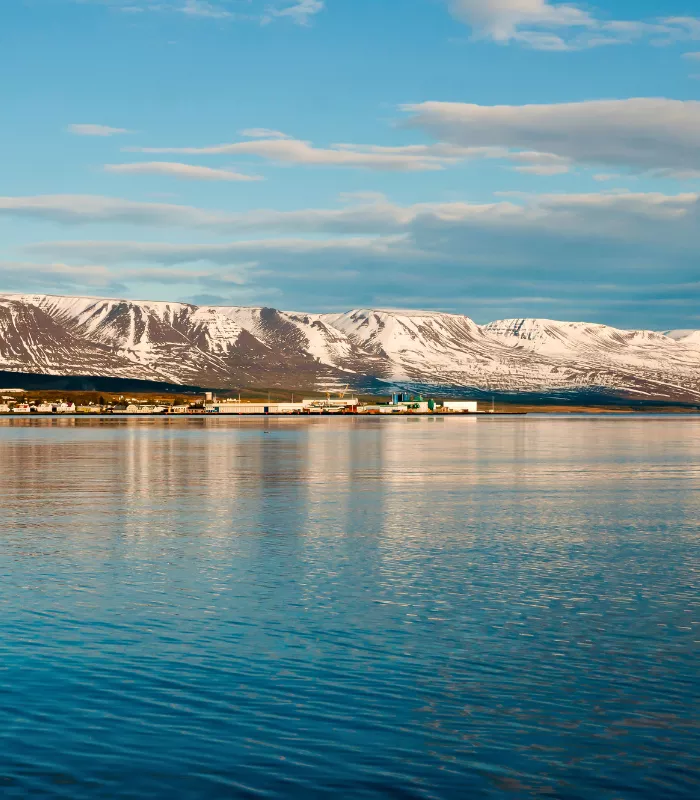
Reykjavik gets all the attention in Iceland. But Akureyri is a gem that most cruise passengers skip.
It sits in a long, narrow fjord in northern Iceland. In summer, the sun barely sets at all.
The town is small and walkable. You can visit a botanical garden that blooms at the edge of the Arctic Circle.
Akureyri sits just 60 miles from the Arctic Circle and is the second largest urban area in Iceland.
That’s why it feels like the real Iceland. Not the tourist Iceland.
The population of Akureyri is only about 20,000 people. Yet it has its own airport, university, and thriving arts scene.
The Akureyri Botanical Garden is one of the northernmost botanical gardens in the world. It has been open since 1912.
The traffic lights in Akureyri are heart-shaped. The city introduced them after an economic crisis as a symbol of warmth and community spirit.
Whale watching tours depart regularly from the harbor. Humpback and minke whales are commonly spotted in the nearby waters.
The Godafoss waterfall is less than an hour’s drive from town. Its name means “waterfall of the gods” and it lives up to that completely.
In winter, the northern lights are frequently visible above the fjord. The dark skies here are remarkably clear.
Lake Myvatn, known for its volcanic landscape and birdlife, is also within easy reach of Akureyri for day trips.
Local lamb dishes and fresh Arctic char are menu staples in town. Both are exceptional.
Why It’s On This List: Akureyri gives you Iceland without the selfie crowds. The landscapes are raw, dramatic, and genuinely awe-inspiring.
6. Semarang, Indonesia
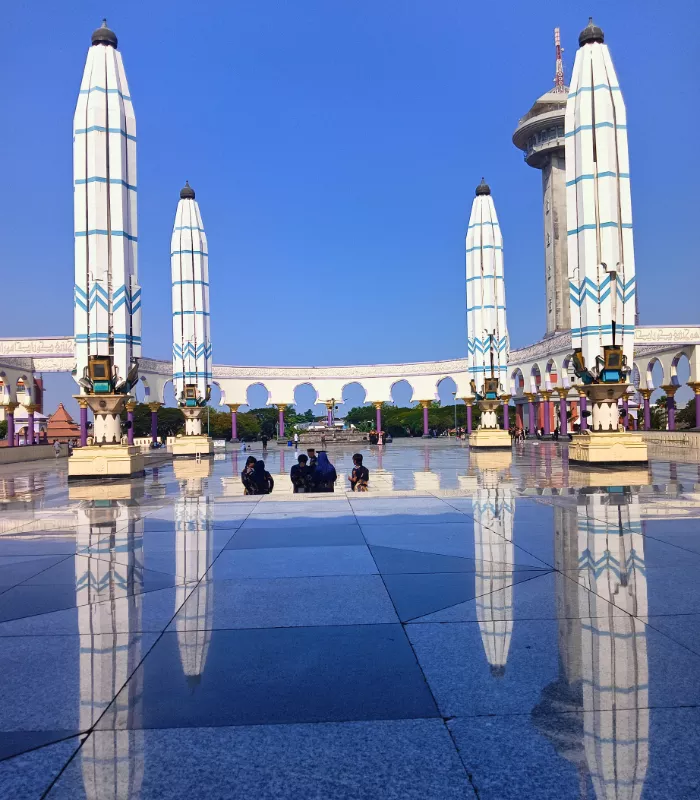
Bali gets all the love. But Semarang on the island of Java tells a far older story.
This port city has Dutch colonial buildings, Chinese temples, and a cave shrine all within a short drive.
The Sam Poo Kong temple is over 600 years old. It honors a Chinese Muslim explorer named Zheng He.
Indonesia has over 17,000 islands. Most cruise passengers only see a handful. Semarang opens a door most never find.
Semarang is the capital of Central Java province and home to over 1.7 million people. It is a real, working city with genuine local character.
The Old Town district, known as Kota Lama, contains over 50 Dutch colonial buildings dating back to the 17th and 18th centuries.
The Blenduk Church in the Old Town was built in 1753. It is one of the oldest Christian churches in Java and still holds services today.
Lumpia Semarang is a local spring roll that originated in the city. Food historians trace it back to Chinese immigrants who arrived centuries ago.
The Lawang Sewu building, built by the Dutch in 1904, translates to “Thousand Doors.” Its architecture is stunning, and its history is layered.
Borobudur, one of the greatest Buddhist temples ever built, is less than two hours from Semarang by road. It was constructed in the 9th century.
The local market scene in Semarang is vibrant and very affordable. Batik fabric, local snacks, and handmade goods are easy to find.
Semarang sits on the northern coast of Java, facing the Java Sea. The harbor has been a trading hub for hundreds of years.
Temperatures stay warm year-round. The city sits close to the equator and rarely sees dramatic weather swings.
Why It’s On This List: Semarang is a layered city full of history from three different cultures. It rewards curious travelers who want more than a beach day.
7. Agadir, Morocco
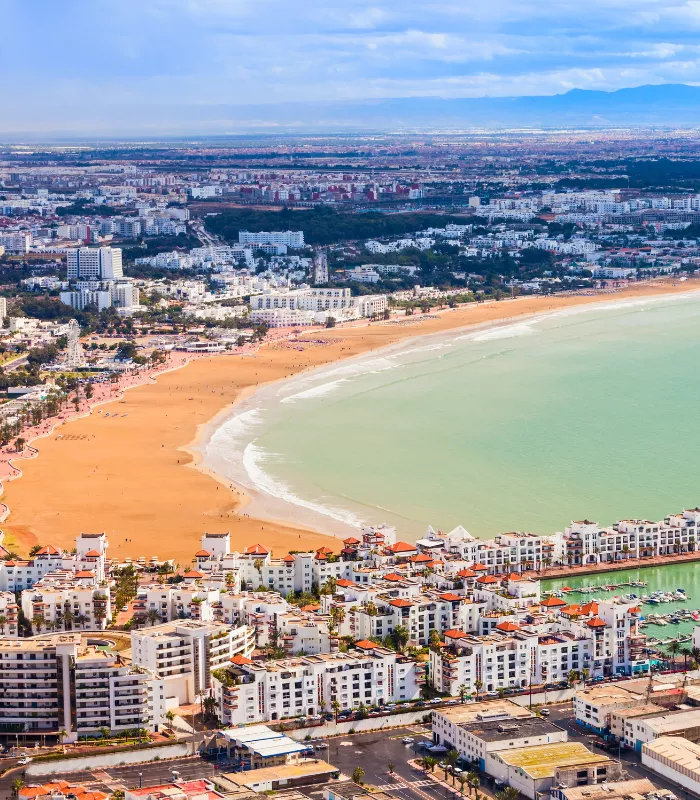
Many cruises to Morocco stop only in Casablanca or Tangier. Agadir sits further south on the Atlantic coast.
It was rebuilt after a major earthquake in 1960. So the city is modern, clean, and very easy to walk around.
The beach stretches for over 6 miles. The weather is warm and sunny almost every day of the year.
Agadir averages over 300 sunny days per year. That’s more sunshine than most of Southern Europe.
The 1960 earthquake measured 5.8 on the Richter scale but caused catastrophic damage due to the time it struck, just before midnight when most residents were asleep.
Over 15,000 people lost their lives in that earthquake. The city that rose from the rubble was rebuilt with wide boulevards and modern infrastructure.
Agadir sits at the northern edge of the Sahara’s influence. The landscape south of the city shifts quickly into arid, open terrain.
The Souk El Had is one of the largest markets in Morocco. It covers over 6,000 square meters and sells everything from spices to leather goods.
Argan oil, produced only in this region of Morocco, is sold throughout the city. It is used in cooking, cosmetics, and skincare.
The Kasbah of Agadir Oufella sits on a hilltop above the city. It was built in 1540 and offers panoramic views of the bay below.
Fresh-caught Atlantic fish is grilled at outdoor stalls along the port area every afternoon. It is some of the best street food in North Africa.
Agadir is a popular destination for European retirees seeking warm weather and a relaxed pace. The city is well set up for comfortable, easy travel.
The Amazigh, or Berber, culture is strong in this region. Local crafts, music, and cuisine reflect a heritage that predates Arab influence in Morocco.
Why It’s On This List: Agadir is one of the most comfortable and relaxed ports in North Africa. It’s a perfect introduction to Moroccan culture without feeling overwhelming.
8. Komodo Island, Indonesia
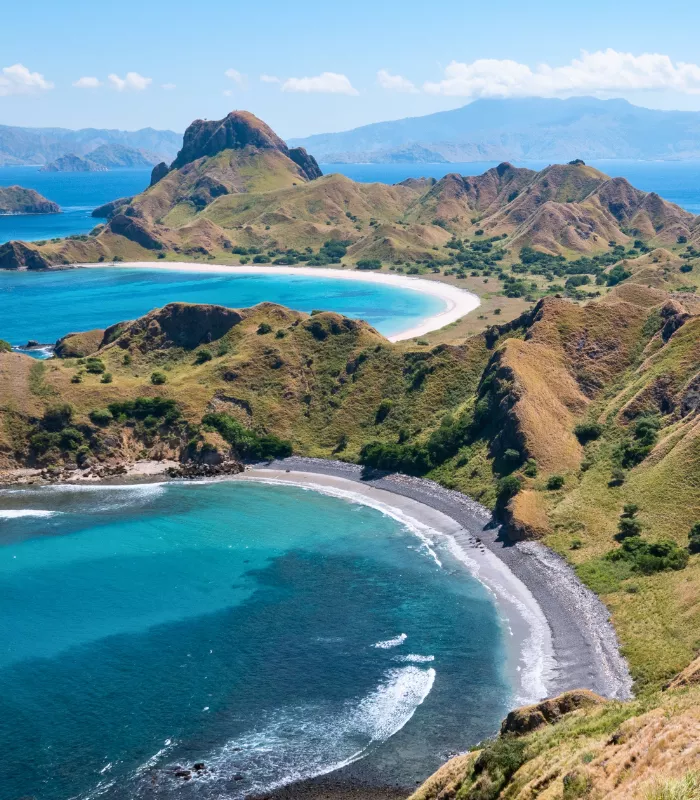
Yes, this is the island with the dragons.
Komodo dragons are the largest lizards on Earth. They can grow up to 10 feet long and weigh over 150 pounds.
A small number of cruise ships stop here as part of longer Indonesia itineraries.
The island is also a UNESCO World Heritage Site. The surrounding waters are some of the richest marine ecosystems on the planet.
There are only about 3,000 Komodo dragons left in the wild. Seeing them in their natural habitat is a once-in-a-lifetime experience.
Komodo dragons have been around for millions of years. They are considered a living link to the age of dinosaurs.
Their saliva contains over 50 strains of bacteria, and recent research also confirmed they have venom glands. They are not to be approached without a guide.
The Komodo National Park was established in 1980. It covers three major islands and dozens of smaller ones.
Pink Beach on Komodo Island is one of only seven pink sand beaches in the world. The color comes from red coral fragments mixed into the white sand.
The diving around Komodo is world-class. Manta rays gather here in large numbers, and the underwater visibility is exceptional.
The park is also home to over 1,000 species of fish, 260 species of coral, and 70 species of sponge.
Local rangers accompany all visitors on the island. They carry forked sticks for protection and know the dragons’ behavior extremely well.
The best time to visit is during the dry season between April and December. Water conditions and wildlife sightings are at their peak.
Why It’s On This List: Komodo Island is the kind of stop that makes people say, “I can’t believe I actually did that.” For travelers looking for something unforgettable, it does not get more unique than this.