

Nobody brochures the bad parts.
The Caribbean looks stunning in every photo.
Turquoise water. White sand. A smiling couple with matching hats.
What they leave out is the 45-minute buffet line, the cabin the size of a bathroom, and the “free” cruise that somehow cost $3,000 by the time the ship docked.
Budget cruises are a masterclass in fine print.
1. Hidden Fees That Show Up at Checkout

The price you see in the ad is rarely the price you pay.
Budget cruises are famous for tacking on extra charges at the end of your trip.
Gratuities, port taxes, and resort fees can add $200 to $500 per person to your final bill.
Many travelers book months in advance and forget to budget for these extras.
By the time the final invoice arrives, the sticker shock is real.
Gratuities alone can run $18 to $25 per person per day on most cruise lines.
On a 7-night cruise for two, that is already $250 to $350 before you spend a single dollar on anything fun.
Port taxes vary by destination and are rarely included in the advertised fare.
Some travelers have reported final bills that were nearly double the original booking price.
It pays to call the cruise line directly and ask for a full breakdown of all mandatory fees before you book.
A little homework up front saves a lot of frustration at the end of your trip.
Always compare the total cost, not just the headline price.
The best budget cruise is the one where you know exactly what you are paying from day one.
Why It’s On This List: Many first-time cruisers are shocked when their “budget” trip ends up costing just as much as a premium cruise after all the extras are added up.
2. Overcrowded Ships With Too Few Staff
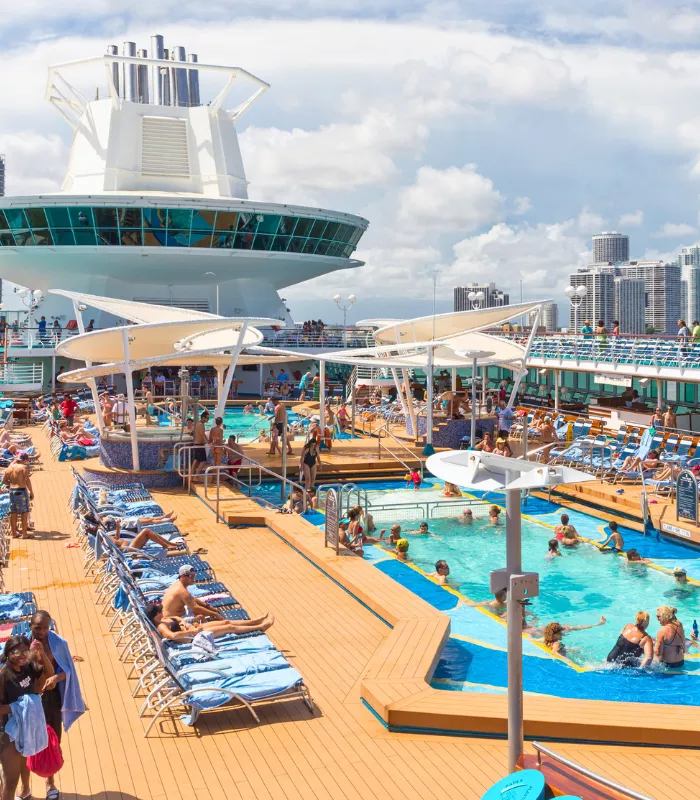
Budget cruise lines pack in as many passengers as possible.
Some ships carry 4,000 to 6,000 passengers at once.
Fewer staff means slower service, longer lines, and less attention to detail.
For travelers 50 and older, this can be physically exhausting.
Standing in line for 30 minutes just to get a cup of coffee is not anyone’s idea of a vacation.
Guest-to-staff ratios on budget lines can be as high as 4 to 1, compared to 1.5 to 1 on premium lines.
That difference shows up everywhere, from how quickly your cabin gets cleaned to how long you wait at the front desk.
Dining rooms during peak hours can feel more like a crowded airport terminal than a relaxing restaurant.
Pool decks fill up by 8 a.m. on sea days, with chairs claimed by towels long before most people wake up.
Elevator wait times on large ships can stretch to 10 or 15 minutes during busy periods.
For anyone with knee or hip issues, that is a real problem on a ship with 15 decks.
Crowding also affects safety drills, disembarkation, and shore excursion meetups.
More passengers almost always means a less personal, more stressful experience.
Why It’s On This List: Long waits at the buffet, the pool, and guest services can turn a relaxing vacation into a frustrating one fast.
3. Tiny Cabins That Feel Like Closets
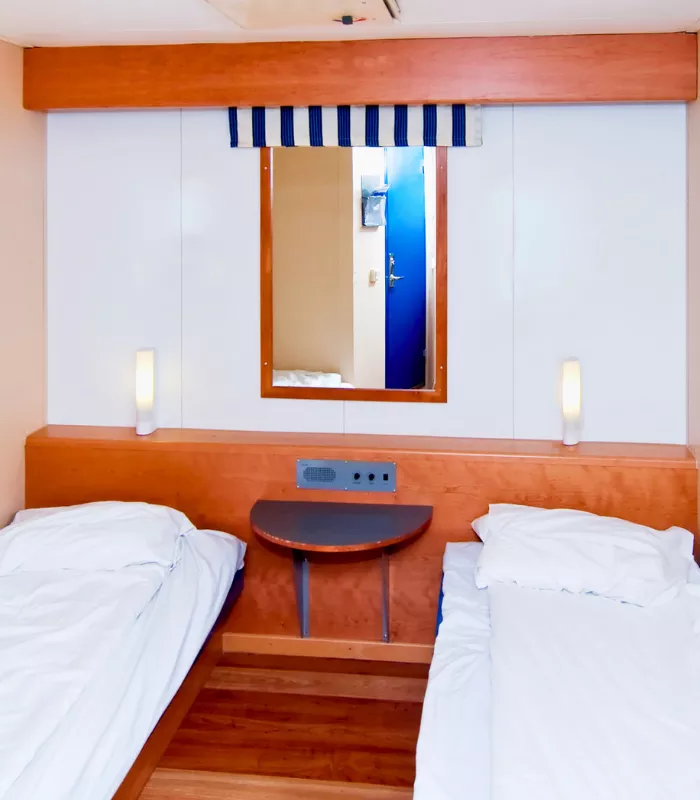
Budget cruise cabins are small. Very small.
Interior cabins on budget lines can be as tiny as 150 square feet.
That is roughly the size of a large walk-in closet.
If you or your travel partner has mobility issues, a cramped cabin makes things much harder.
There is often no room to comfortably open two suitcases at the same time.
Bathrooms in budget cabins are famously tight, with showers that feel designed for someone half your size.
Storage is minimal, which means clothes end up on the floor or crammed into corners.
Interior cabins have no windows, which means no natural light and no way to tell what the weather is doing outside.
For a 7-night cruise, that lack of light starts to wear on you more than you expect.
Noise from neighboring cabins, hallways, and ship engines travels easily through thin budget cabin walls.
Light sleepers often report being woken up multiple times per night.
Upgrading to even a small ocean-view cabin can make a significant difference in how rested and comfortable you feel.
Your cabin is your home for a week. It is worth spending a little more to make it livable.
Why It’s On This List: You will spend more time in your cabin than you think, especially on sea days or if the weather turns bad.
4. Watered-Down Drink Packages
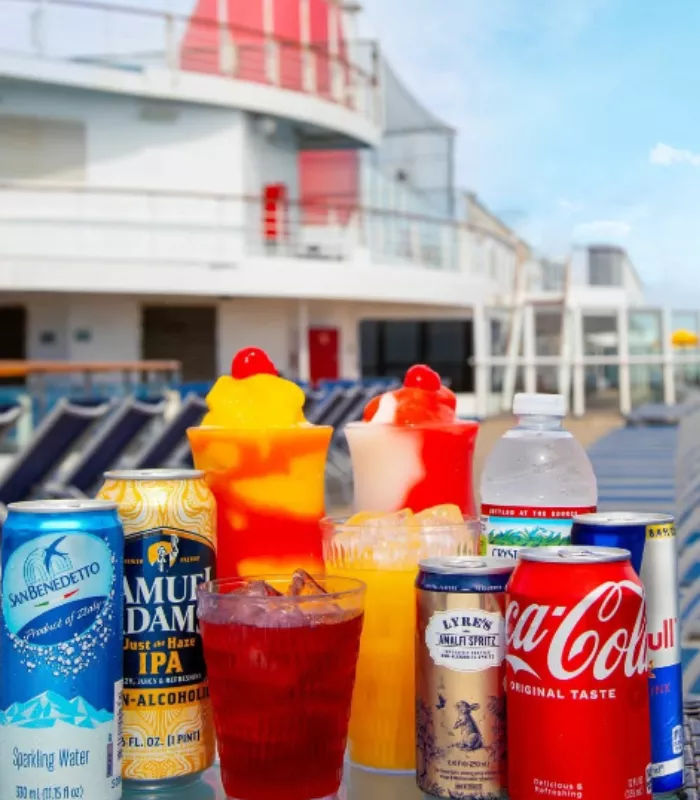
Drink packages sound like a great deal.
But here’s the catch: many budget cruise drink packages exclude premium brands, specialty coffees, and bottled water.
You might pay $60 a day per person and still end up buying drinks out of pocket.
Some packages cap the number of drinks you can order per day without telling you upfront.
Others require both people in a cabin to purchase the package, even if one person rarely drinks.
Fresh-squeezed juices, smoothies, and milkshakes are almost always excluded from the basic packages.
Specialty coffees like lattes and cappuccinos typically cost extra, even on an all-inclusive package.
Minibar items in your cabin are rarely covered and are priced at a significant markup.
Bottled water is one of the most commonly excluded items, and staying hydrated in Caribbean heat is not optional.
Some travelers find it cheaper to skip the package entirely and pay as they go.
Tracking your daily drink spending for a day or two before committing to a package is a smart approach.
Always read the full terms of any drink package before adding it to your booking.
A drink package that does not cover what you actually drink is just a prepaid disappointment.
Why It’s On This List: Reading the fine print on drink packages before you book can save you serious money and serious disappointment.
5. Shore Excursions That Eat Up Your Budget
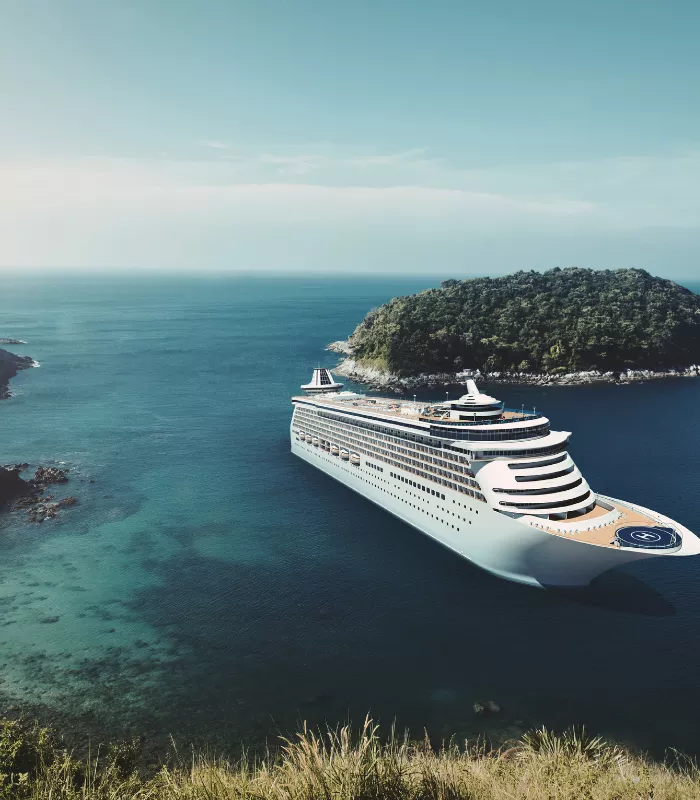
Getting on the ship is just the beginning.
Shore excursions booked through the cruise line can cost $80 to $200 per person per port.
A couple visiting three ports could spend $500 to $1,200 just on excursions alone.
That’s why so many travelers feel like they are underprepared for the total cost of the trip.
Cruise-line excursions are convenient but heavily marked up compared to booking directly with local operators.
The same snorkeling tour available through the ship for $120 per person can often be found dockside for $50 to $60.
Independent tours also tend to have smaller groups, which means a more personal and enjoyable experience.
The main advantage of booking through the ship is that it will wait for you if the excursion runs late.
With independent tours, if something goes wrong, you are responsible for getting back to the ship on time.
Missing the ship’s departure is a real risk and one that comes with high costs.
Researching excursion options at each port before you sail gives you time to compare prices and read reviews.
Websites and travel forums dedicated to cruise ports are full of recommendations from experienced travelers.
The best excursions are the ones that fit your budget and your pace, not just the cruise line’s schedule.
Why It’s On This List: Independent tours booked directly with local operators are often half the price and just as good, sometimes better.
6. Mediocre Food That Gets Old Fast
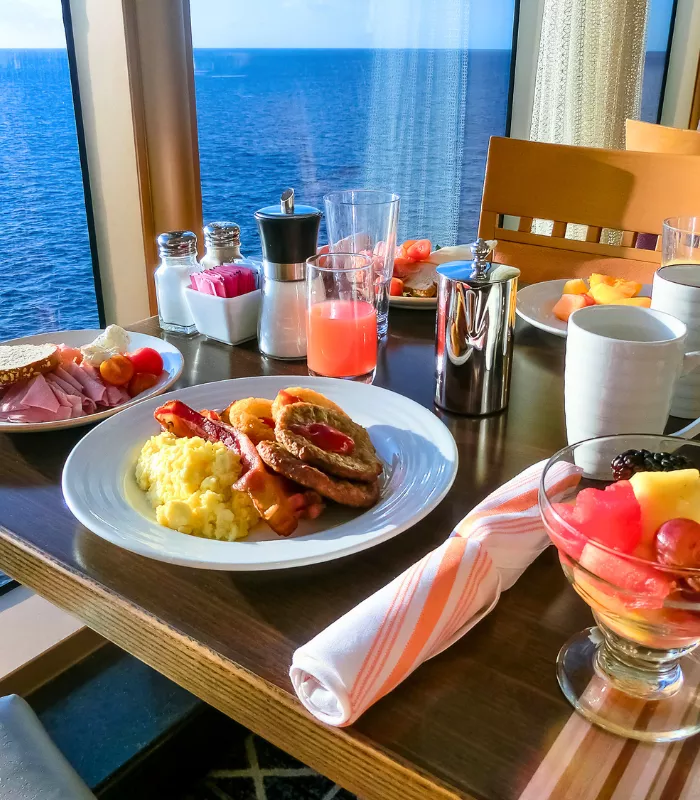
Budget cruise buffets look impressive on day one.
By day three, you realize the menu barely changes.
Specialty restaurants on board cost extra, usually $25 to $50 per person per meal.
If you love good food, this will bother you more than you expect.
Main dining room menus on budget lines rotate slowly and lean heavily on simple, mass-produced dishes.
Fresh seafood, which you might expect on a Caribbean cruise, is often limited or available only at extra cost.
Vegetarian and dietary-restriction options are frequently an afterthought rather than a priority.
Coffee from the main buffet is typically basic drip coffee, with espresso drinks costing extra.
Room service menus are limited and often come with a delivery fee, even on ships that advertise it as a perk.
Late-night food options are usually just leftover buffet items or pizza, which gets old quickly.
Bring snacks from home for your cabin. It sounds simple, but it makes a real difference on long sea days.
Checking menus and dining reviews on cruise forums before you sail helps set realistic expectations.
Food is a big part of how you feel on vacation. Do not assume it will take care of itself.
Why It’s On This List: Food is a huge part of the vacation experience, and budget cruises often treat it as an afterthought rather than a highlight.
7. Noisy Ships That Never Quiet Down
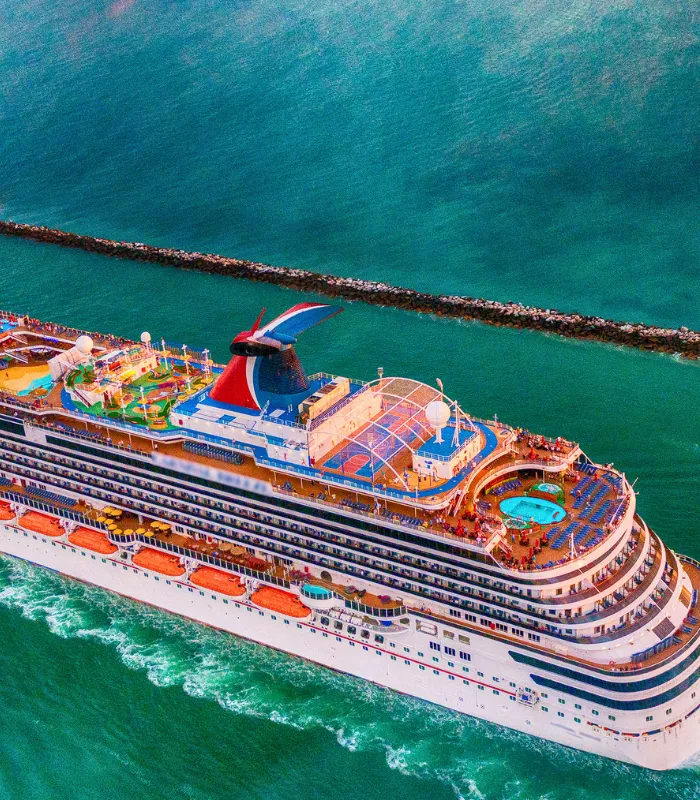
Budget cruise lines target younger crowds and families.
That means loud music, late-night parties, and kids running the halls at all hours.
If you were hoping for a peaceful, relaxing getaway, this can be a rude surprise.
I made a classic mistake once, assuming all cruises had a calm atmosphere at night. They do not.
Pool deck speakers blast music from morning to late evening on most budget ships.
Onboard entertainment like game shows, karaoke, and comedy nights can be heard well beyond the main venues.
Cabin walls on budget ships are thin, and sound carries easily from neighboring rooms and corridors.
Hallway noise peaks late at night and again early in the morning when ports are being approached.
Ship engine noise and vibration are also more noticeable in budget cabins, especially on lower decks.
Bringing good earplugs or a white noise app on your phone can genuinely improve your sleep quality.
Requesting a cabin on a higher deck away from entertainment areas helps reduce noise significantly.
Cruises marketed specifically to adults 18 and older offer a noticeably quieter and calmer atmosphere.
A rested traveler enjoys the trip far more than one who spent the whole week running on poor sleep.
Why It’s On This List: Light sleepers and travelers who value quiet evenings are better off booking cruise lines that cater specifically to adults.
8. Limited Medical Facilities On Board
Most people do not think about the ship’s medical center until they need it.
Budget cruise ships often have only basic medical staff and equipment.
A serious medical issue at sea could mean a costly medical evacuation, sometimes costing $50,000 or more.
Travel insurance with medical coverage is not optional. It is essential.
Budget ships may carry only one or two doctors and a small nursing staff for thousands of passengers.
Advanced diagnostic equipment, like MRI machines, is not available at sea on most cruise lines.
Prescription medications run out quickly if a ship’s pharmacy does not stock your specific brand or dosage.
Bringing more than enough of your own medications, properly labeled, is one of the smartest things you can do.
Travelers with heart conditions, diabetes, or recent surgeries should speak with their doctor before booking any cruise.
Medical care received on the ship is billed directly to you and is not covered by most domestic health insurance plans.
Comprehensive travel insurance that includes emergency medical evacuation coverage typically costs 5 to 10 percent of your total trip cost.
That small investment can prevent a medical situation from also becoming a financial disaster.
Your health is the one thing no deal is worth gambling with.
Why It’s On This List: Travelers over 50 with existing health conditions need to know what medical resources are available before they ever step on board.
9. Ports That Are Rushed and Underwhelming
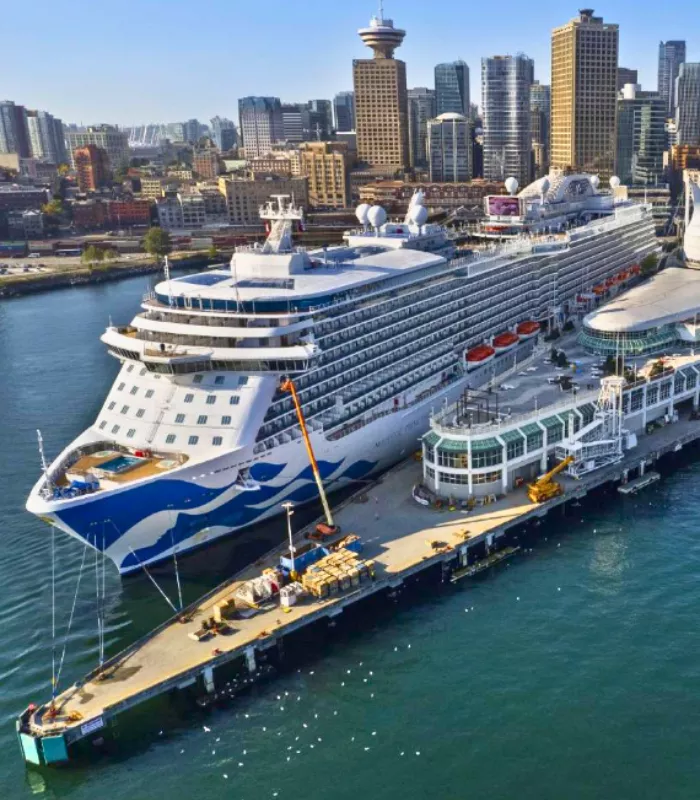
Budget itineraries often include ports that are heavily commercialized.
You get off the ship, walk through a shopping district, and get back on.
Some ports give you only four to five hours ashore, barely enough time to see anything meaningful.
You’re better off choosing a cruise with fewer ports and more time at each one.
Many budget cruise ports are designed primarily to funnel passengers toward souvenir shops and chain restaurants.
The real culture, food, and beauty of Caribbean islands are often a taxi ride away from the tourist zone.
With only four hours ashore, there is rarely enough time to get beyond the dock area and back safely.
Private island stops, which appear on many budget itineraries, are owned and operated by the cruise line itself.
They are pleasant but offer little authentic cultural experience beyond a beach and a branded bar.
Checking how many hours each port stop allows before booking helps you identify itineraries worth your time.
Longer port stays of seven hours or more give you the freedom to explore independently and at your own pace.
That extra time can turn a forgettable port stop into the highlight of your entire trip.
The Caribbean is one of the most beautiful regions on earth. Give yourself enough time to actually see it.
Why It’s On This List: A port stop that feels rushed is worse than no port stop at all. Quality of time on shore matters far more than the number of ports on your itinerary.