

The Pensionado visa is one of the most generous retirement packages any country has ever offered foreigners.
Discounts on hotels, flights, medical bills, and restaurant tabs.
Panama essentially rolls out a red carpet for retirees.
What they do not tell you is what is waiting at the other end of that carpet.
Generous perks and daily quality of life are two entirely different conversations.
1. The Language Barrier Is Bigger Than You Think
Panama’s official language is Spanish.
Most locals outside of Panama City and expat communities do not speak English.
Simple tasks like visiting a doctor, dealing with a landlord, or paying a utility bill can become a real struggle if you do not speak the language.
Many retirees underestimate how isolating this can feel after the honeymoon phase wears off.
Spanish is not just useful in Panama. It is necessary for daily survival.
Even in grocery stores, you will encounter staff who speak no English at all.
Pharmacies, especially outside the capital, operate entirely in Spanish.
If you need to explain a medical symptom or a legal issue, the stakes get even higher.
Expats who invest in Spanish lessons before arriving report a dramatically smoother transition.
Those who do not often retreat into expat bubbles and miss out on real local life.
Learning even basic conversational Spanish changes everything about your daily experience.
It also earns you genuine respect from Panamanian locals.
Without it, you are always one misunderstanding away from a frustrating situation.
The language gap is not just an inconvenience. It is a wall that affects your safety, your health, and your happiness.
Why It’s On This List: Even in tourist-heavy areas, government offices, local clinics, and service workers often operate in Spanish only. Budget time and money for language classes before you move.
2. The Heat and Humidity Are Relentless
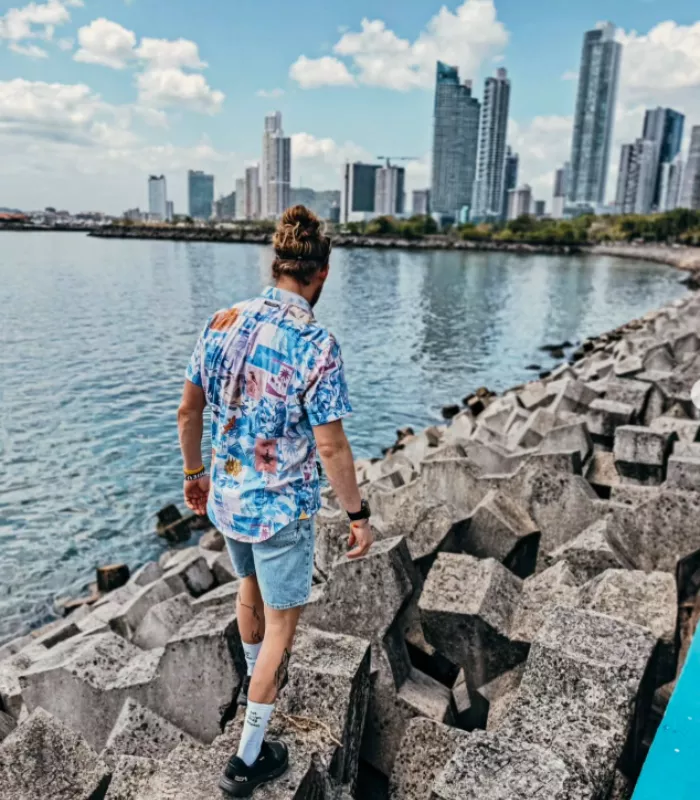
Panama sits just 9 degrees north of the equator.
That means hot, humid weather almost every single day of the year.
Coastal areas like Panama City regularly hit feels-like temperatures above 100 degrees Fahrenheit when you factor in humidity.
For retirees with heart conditions, respiratory issues, or arthritis, the climate can actually make symptoms worse.
The highlands of Boquete are cooler, but even there, the rainy season brings months of heavy downpours.
Air conditioning is not a luxury in Panama. It is a medical necessity for many older adults.
Running AC around the clock drives up electricity bills significantly.
Some retirees are shocked to receive monthly utility bills of $200 or more just for cooling costs.
The humidity also accelerates mold growth inside homes, especially during the rainy season.
Furniture, clothing, and even electronics can deteriorate faster than you expect.
Outdoor activities that you enjoyed back home may need to be moved to early morning hours to avoid the worst heat.
Dehydration is a real and ongoing concern, particularly for retirees on certain medications.
The body takes months to adjust to tropical heat, and some people never fully adapt.
If you are used to four seasons, the sameness of Panama’s climate can also feel surprisingly monotonous over time.
Climate Reality Check: Panama has two seasons: dry and rainy. The rainy season runs roughly from May to December. That is more than half the year with daily afternoon storms.
3. Healthcare Quality Is Uneven

Panama City has some excellent private hospitals.
But here’s the catch: quality drops sharply once you move outside the capital.
Rural areas and smaller towns often have limited medical facilities with long wait times and fewer specialists.
If you have ongoing health needs, where you live in Panama matters enormously.
Private health insurance is also a must. Public healthcare is available, but it is not designed for expat retirees.
Hospitals like Punta Pacifica and Clinica Hospital San Fernando in Panama City are genuinely world-class.
But getting to them from a rural area during a medical emergency is a serious logistical challenge.
Ambulance response times outside the capital can be dangerously slow.
Specialist care for conditions like cancer, neurological issues, or complex cardiac problems may require travel to the capital or even back to the U.S.
Dental care is affordable and widely available, which is one of the genuine bright spots.
However, mental health services in English are very limited outside Panama City.
Prescription medications are sometimes unavailable or sold under different brand names, which can be confusing.
Retirees with complex medication routines should consult with a local pharmacist before finalizing their move.
The overall quality of your healthcare experience in Panama depends almost entirely on your budget and your zip code.
Healthcare Warning: Many retirees are surprised to learn that U.S. Medicare does not cover medical costs in Panama. You will need a separate international health insurance plan, which can cost $200 to $500 or more per month, depending on your age and health history.
4. Bureaucracy Can Drive You Crazy
Getting your residency visa in Panama takes time.
A lot of time.
Even the popular Pensionado visa, which is designed for retirees, requires a stack of documents, notarizations, translations, and multiple government office visits.
Most expats hire a local attorney to navigate the process, which adds another $1,000 to $2,000 or more to your moving costs.
That’s why having a trusted local contact before you arrive is not optional. It is essential.
Government offices in Panama often have limited hours and long lines.
Staff turnover means that the rules can seem to change depending on who is behind the desk that day.
Documents you prepared months ago may suddenly require an update or a new notarization.
Online systems for government services exist but are often unreliable or difficult to navigate in Spanish.
Many retirees report waiting six months or longer for their residency to be fully approved.
During that waiting period, your ability to open a bank account, sign a lease, or access certain services may be limited.
Banking in Panama is also more complicated for foreigners than most people expect.
Anti-money-laundering regulations mean that banks require extensive documentation before opening an account for a foreign retiree.
The bureaucratic friction does ease once you are settled, but the first year tests the patience of even the most laid-back retirees.
Why It’s On This List: Bureaucracy in Panama operates on its own timeline. Delays are common. Patience is required. Retirees who expect the process to move quickly often end up frustrated and stressed.
5. Petty Crime and Safety Concerns
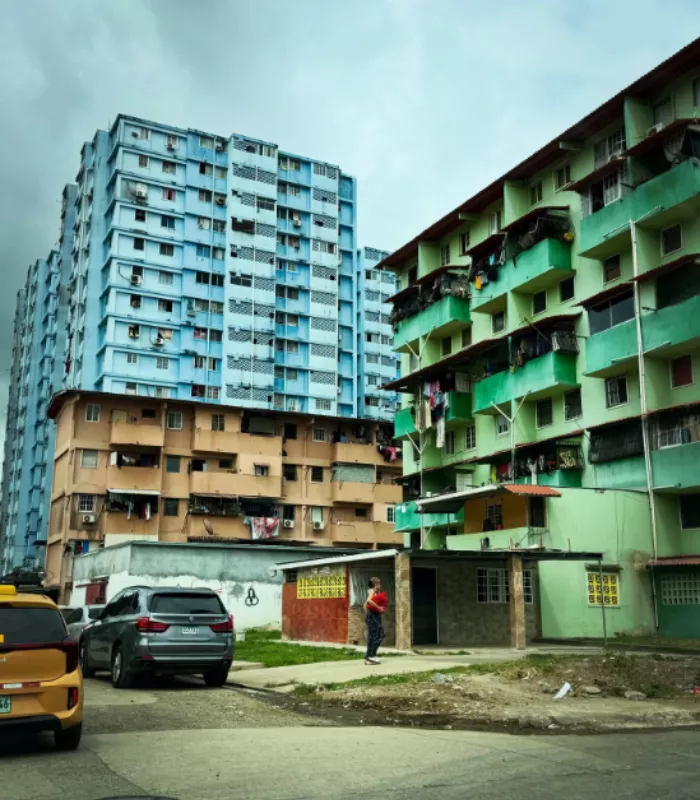
Panama is generally safer than many of its Central American neighbors.
But petty crime like pickpocketing, bag snatching, and home break-ins is common in urban areas.
Certain neighborhoods in Panama City have high crime rates that retirees should avoid entirely.
Expats are often seen as wealthy targets, even if you are living on a modest retirement income.
Gated communities with security are popular among retirees for good reason.
Displaying expensive jewelry, cameras, or phones in public is strongly discouraged.
ATM skimming is a known problem in certain areas of the city.
Using ATMs inside banks or shopping malls is generally considered safer than street-facing machines.
Car break-ins are common even in seemingly safe neighborhoods.
Leaving anything visible inside a parked car is an invitation for trouble.
Scams targeting foreign retirees also exist, including fake rental listings and fraudulent investment opportunities.
The expat community is generally tight-knit and good about warning newcomers, which helps.
But staying informed requires active effort, especially in your first year.
Awareness and common sense go a long way, but the safety calculus in Panama is genuinely different from what most American retirees are used to at home.
Safety Reality: The U.S. State Department currently advises travelers to exercise increased caution in Panama due to crime. Doing your neighborhood research before committing to a location is not optional.
6. The Cost of Living Is Rising Fast
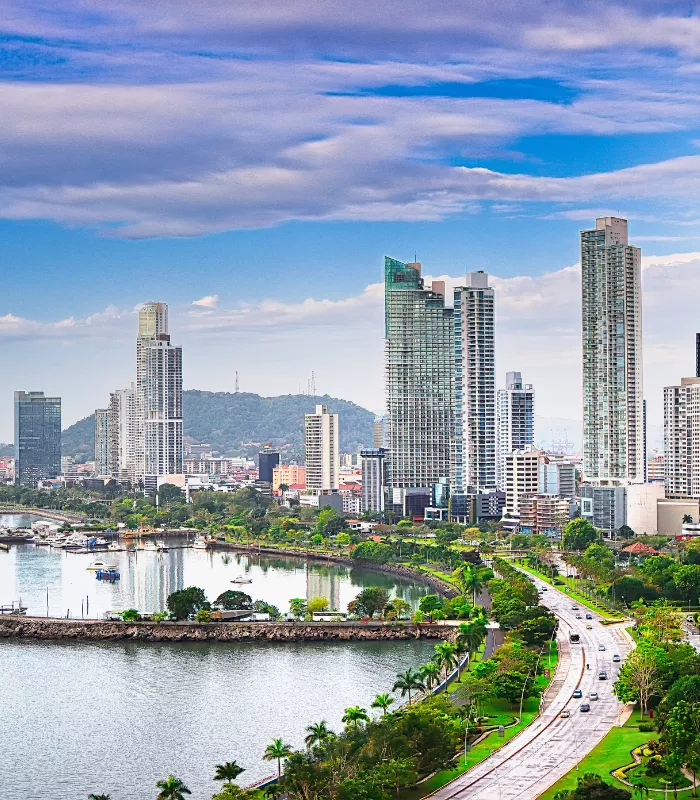
Panama used to be one of the most affordable retirement destinations in the Americas.
That reputation is fading.
Increased expat demand has pushed up rent, grocery prices, and restaurant costs in popular areas like Panama City, Boquete, and Coronado.
A comfortable retirement in Panama today can easily cost $2,500 to $3,500 per month or more, depending on your lifestyle.
You are better off budgeting conservatively and visiting for a month before committing to a long-term move.
Rent for a decent two-bedroom apartment in a safe Panama City neighborhood now regularly exceeds $1,500 per month.
In Boquete, which has become a very popular expat destination, prices have risen sharply over the past decade.
Local produce and fresh food at markets remain affordable.
But imported goods, which many American retirees rely on, carry heavy import taxes that drive prices well above U.S. levels.
A box of familiar American cereal can cost three times what you would pay at home.
Eating out at expat-friendly restaurants is also significantly more expensive than eating locally.
Car ownership adds another layer of cost, since import duties on vehicles are very high in Panama.
Property taxes are low, which is a genuine advantage for retirees who buy.
But the overall cost trajectory in popular expat areas is clearly moving in one direction, and that direction is up.
Cost Creep Warning: Imported goods in Panama are expensive because of high import taxes. If you are used to buying American brands at U.S. prices, expect sticker shock at the grocery store.
7. Feeling Isolated From Family Back Home
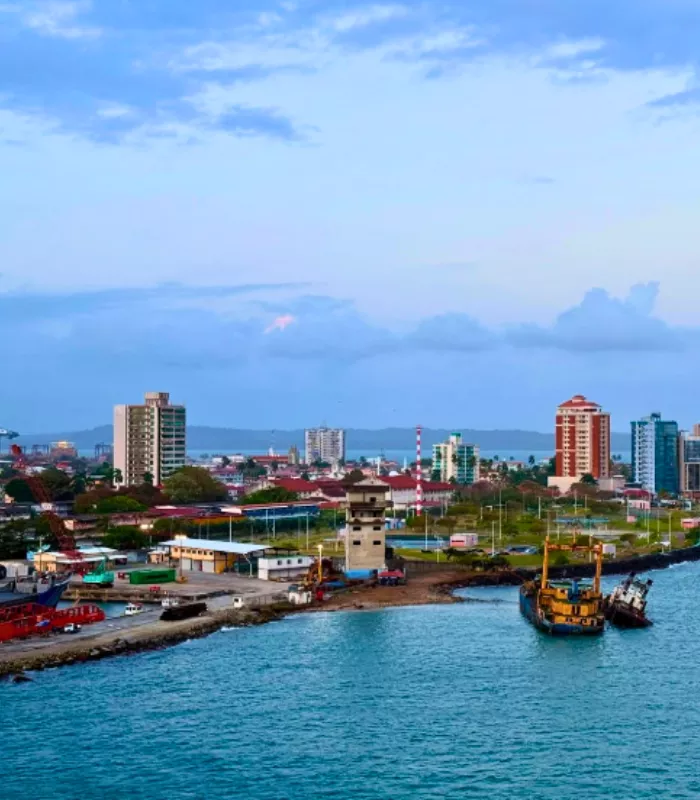
This one does not show up on most lists, but it is one of the hardest parts of retiring abroad.
Panama is a 3 to 6-hour flight from most major U.S. cities, depending on where you live.
Missing birthdays, holidays, grandchildren growing up, and family emergencies hit differently when you are thousands of miles away.
Video calls help, but they do not replace being there in person.
Many retirees who move to Panama end up returning to the U.S. within a few years because of family ties they did not expect to miss so deeply.
The time zone difference, while not extreme, adds friction to staying in regular contact with family.
Flights back to the U.S. for emergencies or holidays add up quickly and can strain a fixed retirement budget.
Making new friends in Panama takes time, and some retirees find the local social scene harder to break into than expected.
Expat communities can be warm and welcoming, but they also have their own social dynamics and cliques.
Loneliness is one of the most underreported challenges among retirees living abroad.
It often does not surface until the novelty of the new location has worn off, typically around the six to twelve-month mark.
Retirees with strong local social networks back home often find the loss of those connections harder to cope with than any logistical challenge.
Building a meaningful life in a new country takes real effort, real time, and real emotional resilience.
Panama can absolutely deliver a wonderful retirement, but it cannot fill the space left by the people you love most.
The Emotional Cost: Studies on expat retirees consistently show that social connection and proximity to loved ones rank among the top factors in retirement happiness. Panama can offer a great lifestyle, but it cannot replace your support network back home.