

Montana has more grizzly bears than traffic jams.
It has more hiking trails than fast food restaurants.
And it has more stars in the night sky than you have ever seen in your life.
Scientists call it the “Big Sky State” for a reason, and that reason becomes very obvious the moment you pitch your first tent here.
1. Glacier National Park Campgrounds, Montana
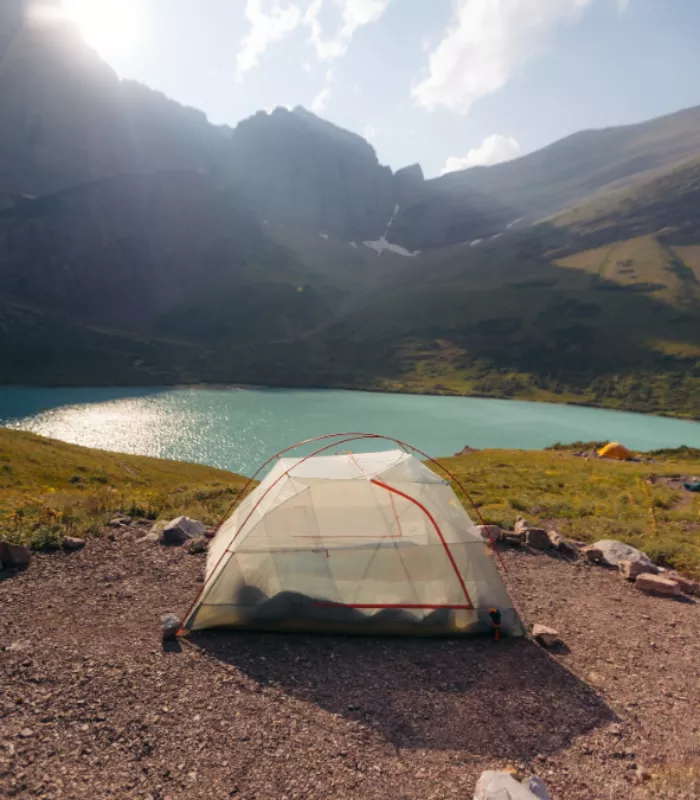
Glacier National Park is one of the most beautiful places in America.
It has over one million acres of wild land.
The park has 13 campgrounds with more than 1,000 sites. Many sites sit right next to rivers and lakes.
The Going-to-the-Sun Road runs right through the park and is one of the most scenic drives in the entire country.
Wildlife sightings here are common. Deer, mountain goats, and even bears are regular visitors around the campgrounds.
Many campgrounds offer first-come, first-served sites, but reservations are strongly recommended in peak summer months.
The park sits on the US-Canada border, giving it a remote and truly wild feel that few other parks can match.
Rangers host evening programs at several campgrounds, covering everything from local geology to stargazing.
Glacier is one of the few places left in the lower 48 states where you can feel genuinely off the grid.
Why It’s On This List: Glacier offers paved roads, accessible restrooms, and ranger-led programs that make it a top pick for 50+ campers who want nature without roughing it too hard.
2. Yellowstone National Park (North Entrance), Montana
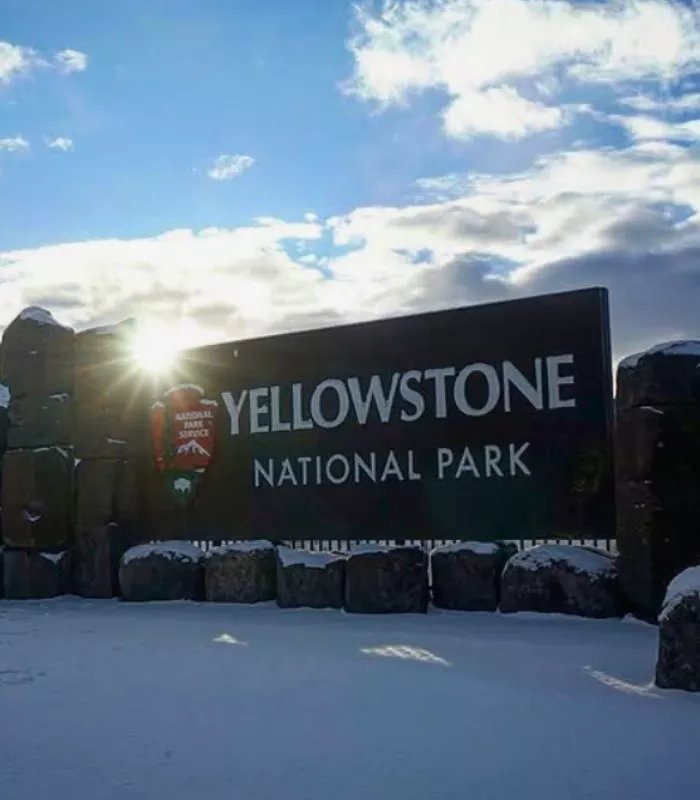
Most people do not know that part of Yellowstone sits in Montana.
The Gardiner area gives you easy access to the park’s north entrance.
You can see bison, elk, and hot springs all within a short drive. It is one of the most rewarding camping spots in the country.
The town of Gardiner sits right at the park gate and has restaurants, grocery stores, and medical services close by.
The Yellowstone River runs through this area and offers some of the best fly fishing in North America.
Mammoth Hot Springs is just a short drive inside the park and features spectacular terraced limestone formations.
The north entrance stays open year-round, making it a rare option for campers who want a shoulder-season adventure.
Bison frequently walk right through the campground area, which is a sight that never gets old no matter how many times you see it.
Camping near Gardiner puts you inside one of the world’s most famous ecosystems with far fewer crowds than the south entrance.
Why It’s On This List: The Montana side of Yellowstone tends to be less crowded than the Wyoming entrances, making it a smarter and more peaceful option for older travelers.
3. Flathead Lake State Park Campgrounds, Montana
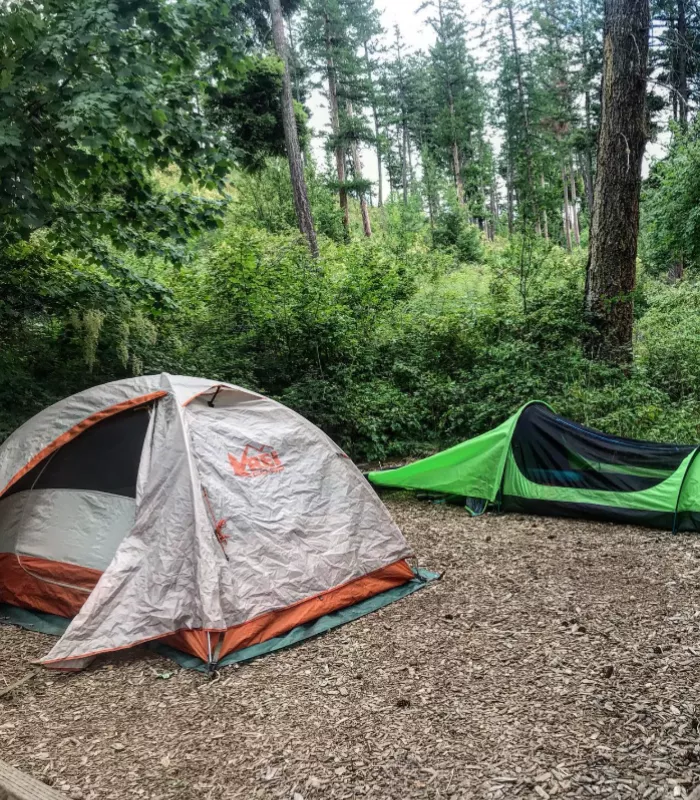
Flathead Lake is the largest natural freshwater lake west of the Mississippi River.
It covers about 197 square miles of stunning blue water.
The state park has six camping units spread around the lake. You’re better off booking early because sites fill up fast in summer.
The water is so clear that you can see the bottom in many shallow areas along the shore.
Wild cherry orchards surround parts of the lake, and they bloom beautifully in late spring.
The lake is home to bull trout, lake trout, and yellow perch, making it a favorite among fishing enthusiasts.
Several of the camping units have kayak and canoe launch points that make getting on the water simple and easy.
Sunsets over Flathead Lake are legendary among Montana campers. The colors reflecting off the water are something you will not forget.
Flathead Lake combines the scale of a great lake with the intimacy of a mountain retreat, and that is a rare combination anywhere in the world.
Why It’s On This List: Flathead Lake offers calm water, gentle shorelines, and easy hiking trails that are ideal for campers who want relaxation over adventure.
4. Lewis and Clark Caverns State Park, Montana
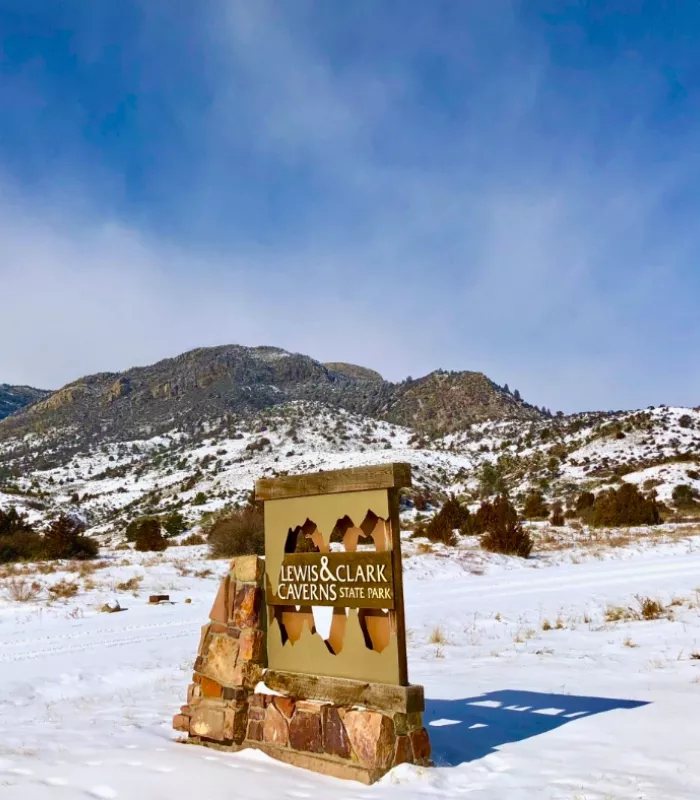
This is Montana’s oldest and most visited state park.
The caverns are among the largest limestone caves in the Northwest.
The campground sits in a quiet valley along the Jefferson River. It is a great base for exploring cave tours and riverside walks.
The cave temperature stays a cool 50 degrees Fahrenheit year-round, which makes it a refreshing stop on hot summer days.
The Jefferson River valley surrounding the park is lush, green, and filled with birds and wildlife.
Interpretive displays throughout the park tell the story of how these massive caverns were formed over millions of years.
The campground has modern facilities including flush toilets, making it a comfortable option for campers who appreciate a few extra conveniences.
Lewis and Clark actually passed within miles of these caves during their 1804 expedition, though they never discovered them.
Few campgrounds in Montana blend geological wonder, outdoor history, and everyday comfort as naturally as this one does.
Why It’s On This List: Guided cave tours are available and make this campground a unique experience that goes beyond just pitching a tent and sitting by a fire.
5. Bighorn Canyon National Recreation Area, Montana
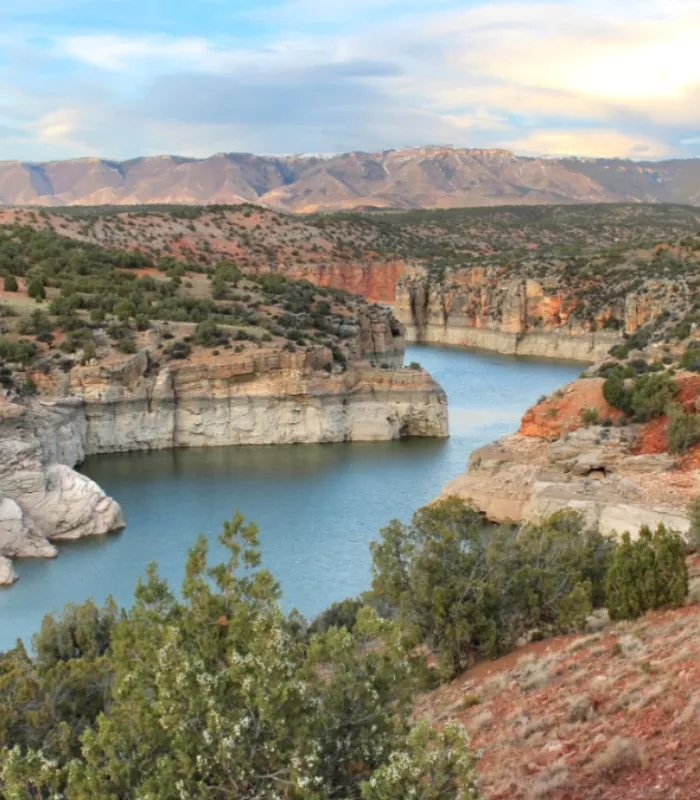
Bighorn Canyon stretches across Montana and Wyoming.
The canyon walls rise over 1,000 feet above the reservoir.
Bighorn Lake offers boating, fishing, and stunning red rock scenery. That’s why it keeps showing up on best campground lists year after year.
The area is home to a herd of wild mustang horses that roam freely through the Pryor Mountains nearby.
Bighorn sheep are also commonly spotted along the canyon walls, especially in the early morning hours.
The reservoir stretches for 71 miles, giving boaters and paddlers enormous space to explore.
Fishing for walleye and bass here is considered some of the best in the entire region.
The desert landscape feels completely different from western Montana, offering a striking contrast that surprises many first-time visitors.
Bighorn Canyon is proof that Montana’s beauty does not begin and end with mountains and forests.
Why It’s On This List: The Ok-A-Beh Marina campground offers full hookups and easy water access, making it one of the most comfortable options in eastern Montana.
6. Makoshika State Park, Montana
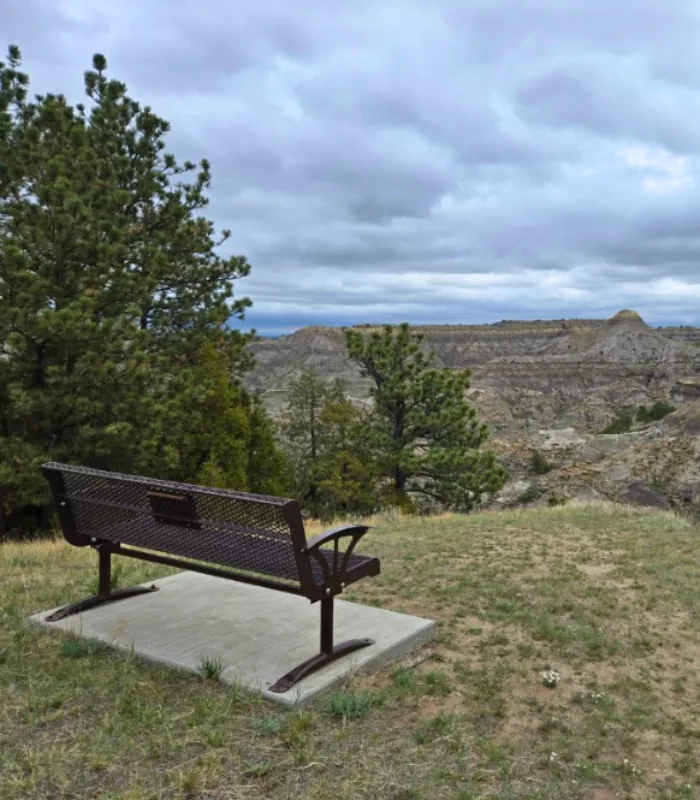
Makoshika is Montana’s largest state park at over 11,500 acres.
The name comes from a Lakota word meaning “bad land” or “badlands.”
Fossils of Triceratops and T. rex have been found right here. It feels like camping on another planet.
The park sits just outside the town of Glendive in eastern Montana, an area most tourists completely overlook.
Erosion has carved the landscape into dramatic ridges, gullies, and spires that glow orange and red at sunset.
The park has a small visitor center with fossil displays that give great context before you head out on the trails.
Mule deer, wild turkey, and prairie rattlesnakes are all common sights throughout the park.
Because it sits far from major tourist routes, Makoshika rarely feels crowded even during peak summer weekends.
If you want a campground that makes you feel like a true explorer rather than a tourist, Makoshika delivers every single time.
Why It’s On This List: Makoshika’s quiet campground and dramatic badlands scenery offer a one-of-a-kind Montana experience that most visitors never get to see.
7. Whitefish Lake State Park, Montana
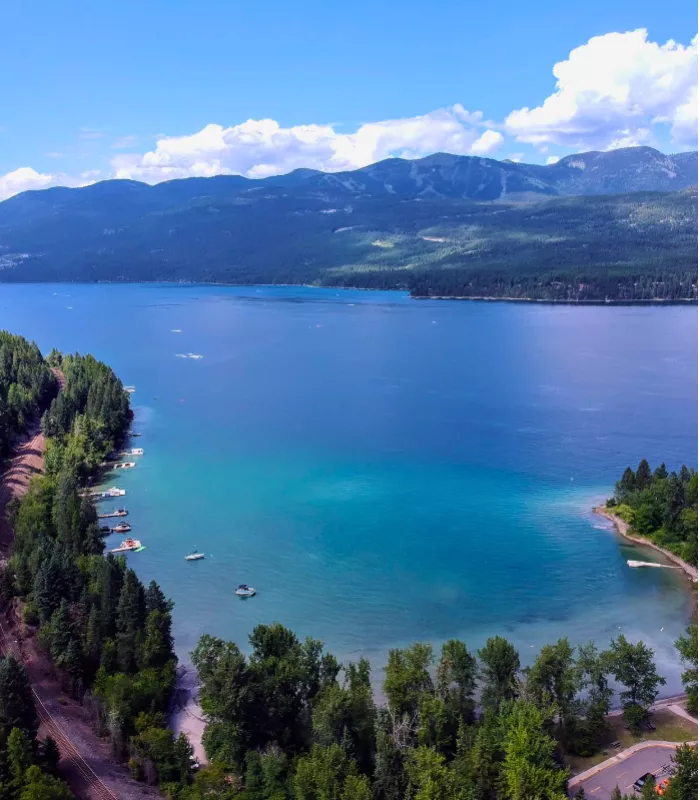
Whitefish Lake sits just one mile from the town of Whitefish.
That means you have restaurants, shops, and hospitals nearby.
But here’s the deal: you still wake up to loons calling across a crystal-clear mountain lake. It is the best of both worlds.
The lake covers about 3,000 acres and is a popular spot for swimming, kayaking, and stand-up paddleboarding.
Whitefish Mountain Resort is just a short drive away and offers gondola rides with breathtaking views even in summer.
The Whitefish Trail system has over 40 miles of paths accessible right from town, perfect for morning walks or longer hikes.
The campground itself is small and intimate, with just 25 sites, which keeps the atmosphere calm and peaceful.
Downtown Whitefish has excellent farm-to-table restaurants, local breweries, and live music venues that make evenings just as enjoyable as the days.
Whitefish Lake is the rare campground where you never have to choose between wilderness and comfort because it gives you both.
Why It’s On This List: The combination of natural beauty and close-by town amenities makes Whitefish Lake an especially smart choice for 50+ campers who like having conveniences nearby.
8. Lost Trail Hot Springs Resort Campground, Montana
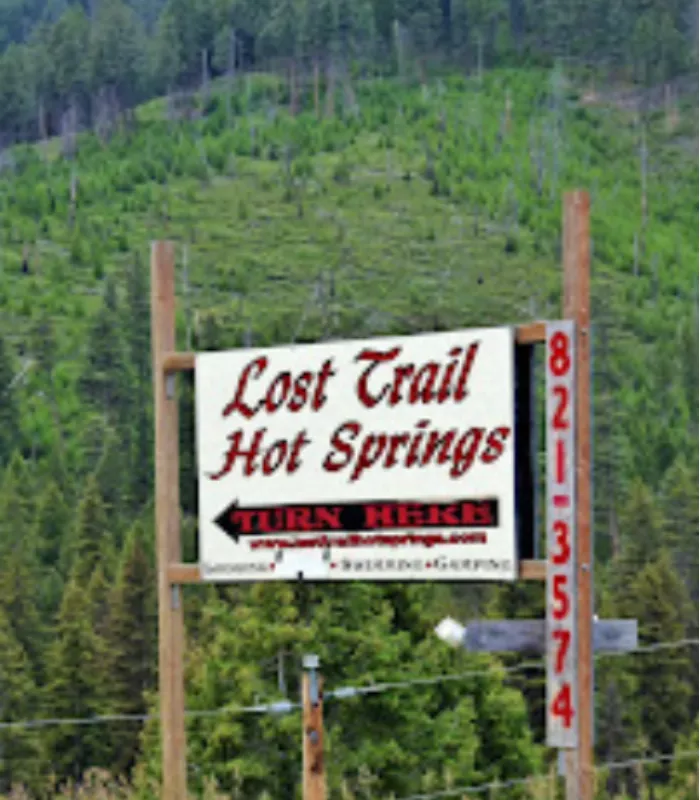
Lost Trail sits near the Idaho border in the Bitterroot Valley.
The resort has natural hot springs pools open to campers.
Soaking in a natural hot spring after a day of hiking is hard to beat. The area also has excellent wildlife viewing and mountain scenery.
The Bitterroot Mountains surround the resort on all sides, creating a sense of total seclusion from the outside world.
The hot springs water stays at a natural temperature that feels therapeutic, especially on cool mountain evenings.
Nearby Lost Trail Pass sits at 7,014 feet and marks the border between Montana and Idaho with stunning panoramic views.
The area was a historic crossroads for Native American tribes and later for Lewis and Clark during their western expedition.
Moose, deer, and osprey are frequently spotted in the meadows and streams surrounding the campground.
Lost Trail Hot Springs is the kind of place that makes your whole body relax before you even unpack your tent.
Why It’s On This List: For campers with sore joints or tired muscles, on-site hot spring pools make this campground a genuine treat and a smart wellness stop.
9. Pictograph Cave State Park, Montana
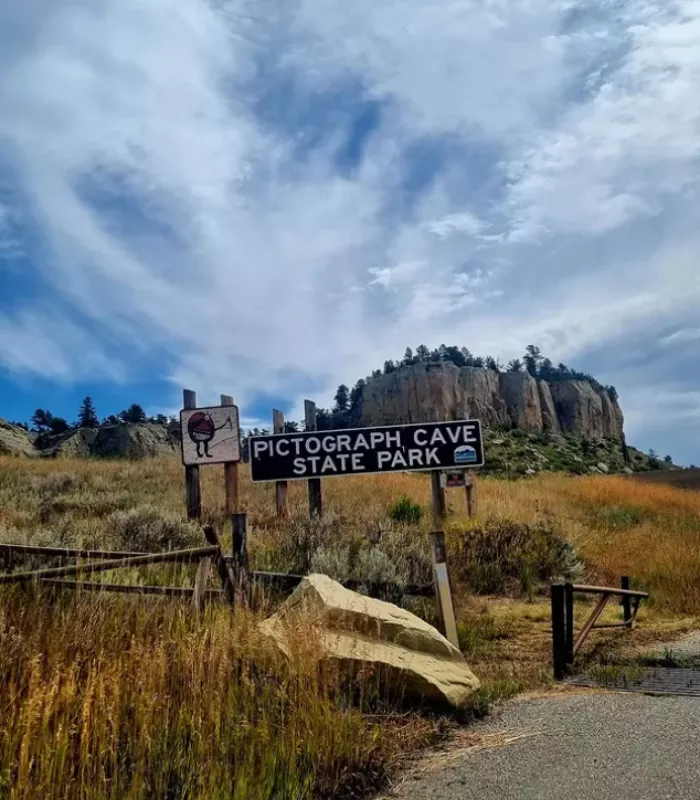
Pictograph Cave is one of Montana’s most important historic sites.
People lived in these caves more than 4,500 years ago.
You can still see over 100 ancient pictographs painted on the cave walls. The campground nearby is small, quiet, and well-maintained.
The site contains three separate caves, each with its own distinct character and level of preservation.
Archaeologists have uncovered over 30,000 artifacts here, making it one of the richest archaeological sites in the northern plains.
The park sits just outside Billings, Montana’s largest city, which means good hospitals, restaurants, and services are never far away.
A paved, accessible trail loops through the main cave area, making it one of the more mobility-friendly historic sites in the state.
The surrounding rimrock landscape is striking on its own, with golden cliffs rising above the quiet valley floor.
There is something deeply humbling about sleeping near a place where humans have lived continuously for thousands and thousands of years.
Why It’s On This List: Camping near a site with thousands of years of human history adds a rich layer of meaning to your outdoor experience that goes well beyond scenery.
10. Missouri Headwaters State Park, Montana
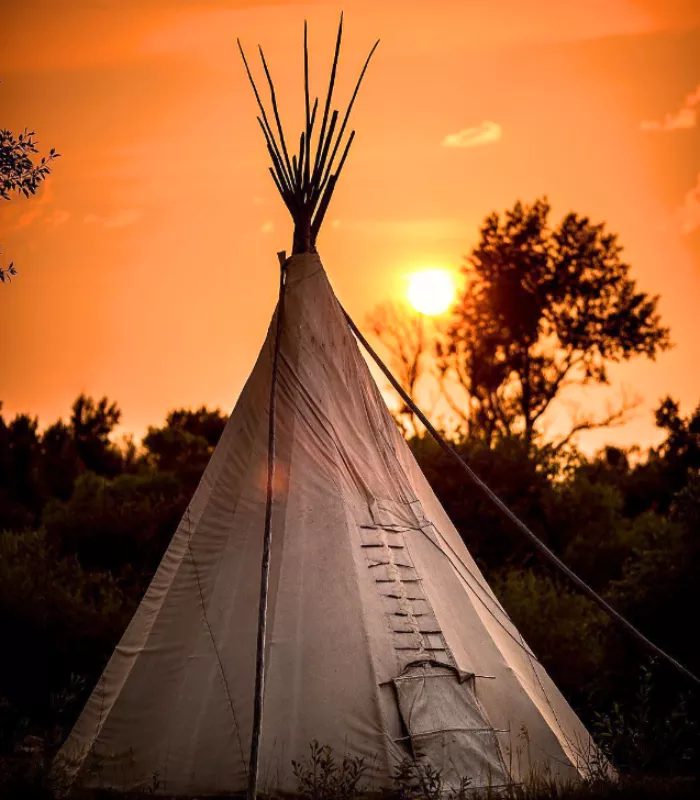
This is where the Missouri River is officially born.
Three rivers meet here to form one of America’s most famous waterways.
The campground is peaceful, well-kept, and steeped in Lewis and Clark history. The explorers passed through this exact spot in 1805.
The park sits near the town of Three Forks, which has all the basic amenities a camper could need within a short drive.
Interpretive signs throughout the park trace the exact footsteps of the Lewis and Clark Expedition in vivid detail.
The confluence of the Gallatin, Madison, and Jefferson Rivers creates a wide, calm stretch of water that is ideal for bird watching.
Great blue herons, osprey, and white pelicans are commonly seen fishing along the riverbanks in the early morning.
The surrounding valley is wide and open, giving you the kind of sweeping Montana sky views that feel almost cinematic.
Camping at the birthplace of the Missouri River is the kind of experience that makes you feel connected to American history in a very real and personal way.
Why It’s On This List: Standing at the headwaters of the Missouri River while camping under Montana’s big sky is a genuinely moving experience for any history lover.
11. Holland Lake Campground, Montana
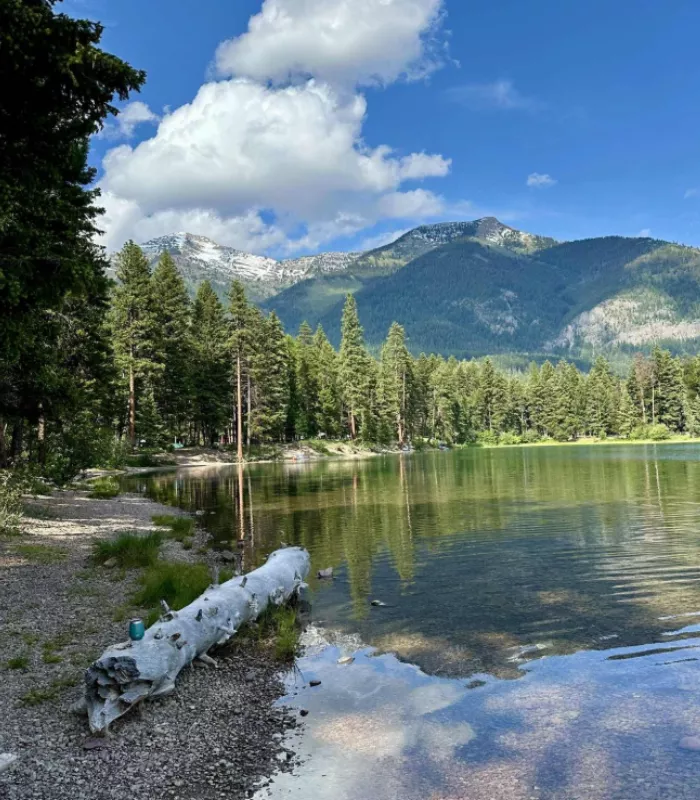
Holland Lake sits in the Swan Valley, surrounded by the Bob Marshall Wilderness.
The lake reflects the jagged Mission Mountains like a mirror on calm mornings.
A short trail leads to a waterfall that most visitors never even find. The campground has a boat ramp and easy shoreline access for fishing and paddling.
The Bob Marshall Wilderness behind the lake is one of the largest roadless areas in the entire United States at over one million acres.
Holland Falls is only a 3-mile round trip hike from the campground, making it accessible for most fitness levels.
The lake is stocked with trout and is a favorite among fly fishers who want a quieter alternative to more famous Montana waters.
Loons, eagles, and osprey are regular visitors to the lake, and watching them hunt at dusk is a highlight of any stay.
The Swan Valley itself is one of Montana’s most scenic and least-visited corridors, flanked by two separate mountain ranges on either side.
Holland Lake has the rare quality of feeling like a secret even though everyone who finds it immediately wants to tell their friends about it.
Why It’s On This List: Holland Lake is one of Montana’s most consistently top-rated campgrounds, beloved for its stunning scenery, peaceful Swan Valley setting, and access to some of the best wilderness trails in the state.