

Retirement was supposed to be the payoff for decades of hard work, not a long list of monthly bills for things that stopped being fun years ago.
The regrets below come up again and again in conversations among retirees, and they share a pattern.
Most of these purchases felt exciting at the time, then turned into upkeep, fees, and clutter that nobody in the family wants to inherit.
1. A Timeshare

The sales pitch promises a lifetime of holidays, but the reality is a contract that is almost impossible to escape.
Maintenance fees climb every single year, and one owner worked out that nineteen years of points and fees added up to more than sixty thousand dollars, about three hundred and sixteen dollars a night.
Many owners find their children have no interest in taking the timeshare over, which leaves seniors paying over a thousand dollars a year for something they can no longer afford or use.
Trying to sell usually brings a flood of spam calls from exit companies, and the timeshare itself is worth next to nothing on the open market.
2. Fine China and Crystal
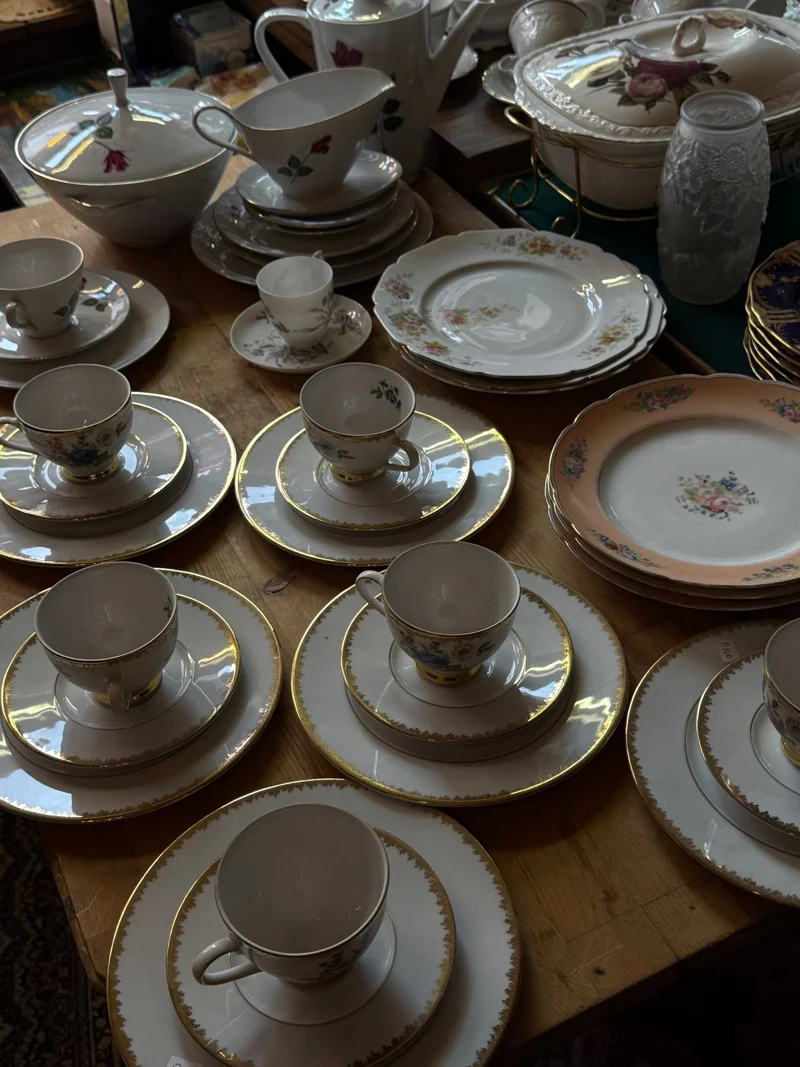
For a generation, a full set of fine china and a cabinet of Waterford crystal were the mark of a proper home.
Collectors now say the pieces sit untouched for decades, brought out so rarely that some sets have not seen the light of day in years.
The resale market has collapsed, and one collector with ninety pieces of Waterford and Baccarat found the collection was worth a fraction of what was originally paid.
Worst of all, the children do not want it, which turns a proud collection into a storage problem that nobody in the family is willing to solve.
3. A Boat

A boat looks like freedom on the water, but owners say the bills start the moment it leaves the showroom.
Slip fees, insurance, winterizing, and repairs pile up whether the boat is used or not, and dividing all of that by the handful of weekends it actually gets used makes each trip shockingly expensive.
One buyer who picked up a houseboat for five thousand dollars called it the worst purchase he had ever made, after problem after problem came to light.
New owners are often still paying marina fees months into ownership before they have even spent a single night aboard.
4. An RV or Motorhome
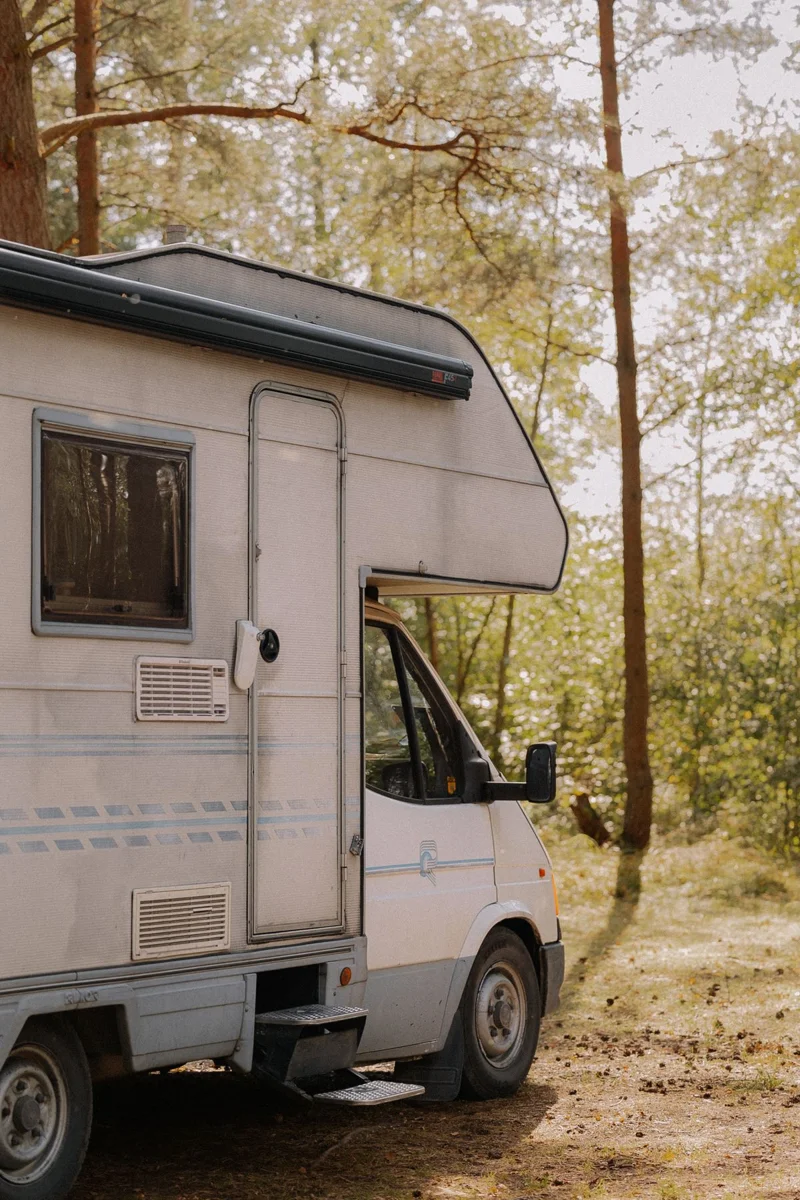
The dream is open roads and spontaneous travel, but many buyers say the reality is a depreciating asset parked in the driveway.
One owner lost about twenty thousand dollars on a brand new RV in just two years, and owners describe the depreciation as brutal.
An RV depreciates like a car while it accumulates wear like a house, which is a painful combination for anyone on a fixed retirement income.
Experienced owners advise renting one for a week first, because most people realise by day four that they are simply not RV people.
5. Collector Plates and Figurines

Franklin Mint plates, Precious Moments figurines, and Longaberger baskets were sold as investments that would only grow in value.
Collectors now say the resale market has all but disappeared, and rooms full of inherited collections are worth very little.
The scarcity was manufactured, with huge numbers produced and marketed as limited editions, so demand never matched the supply.
Families clearing out a parent’s home often find dozens of decorative plates and figurines that nobody wants to buy, keep, or even take for free.
6. A Luxury or Brand-New Car

A brand new luxury car loses a large chunk of its value the moment it is driven off the lot, and retirees say that is a hard pill to swallow on a fixed income.
One buyer called his Mercedes-Benz E500, bought at twenty eight to show off and look successful, the dumbest decision he ever made.
Owners point out that fifty thousand dollars spent on a new car could have bought years of reliable used cars instead.
Wealthy retirees say they refuse to buy brand new luxury cars at all, preferring to let someone else absorb the depreciation.
7. An Extended Warranty
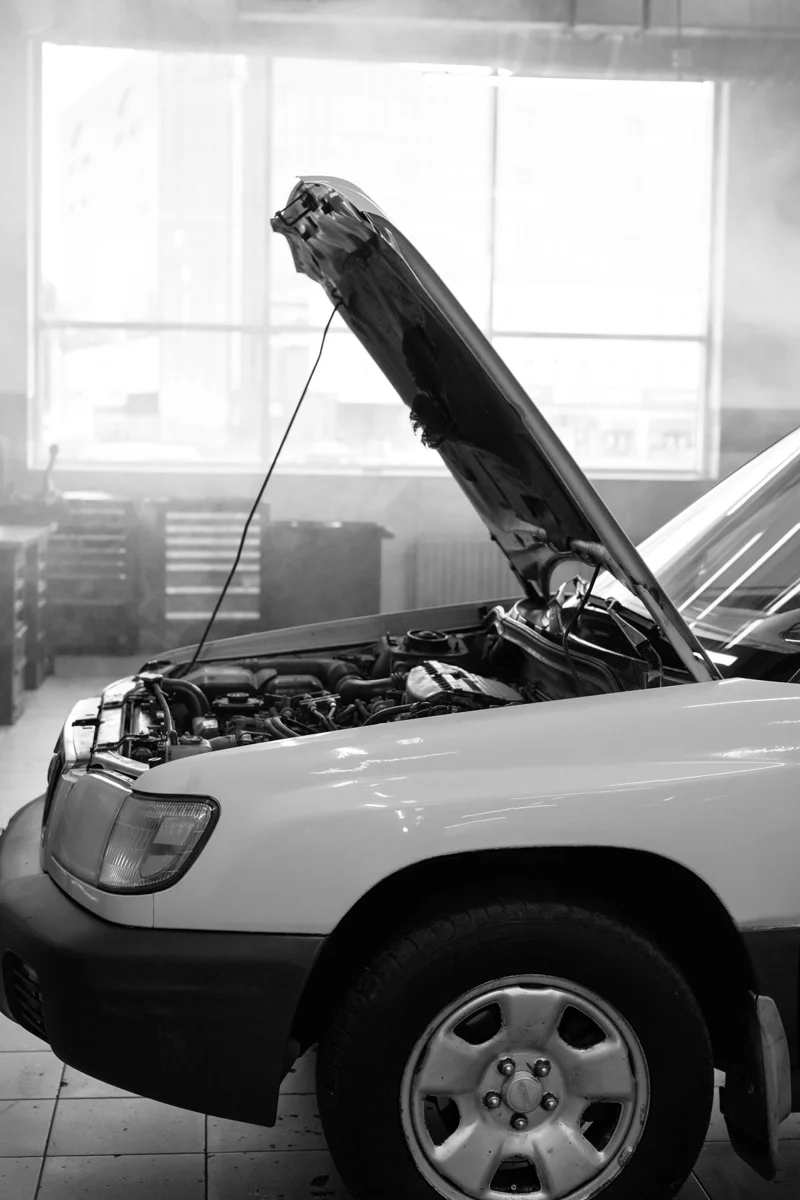
Extended warranties sound like peace of mind, but buyers say the fine print tells a different story.
Salespeople push them hard on everything from washing machines to cars, and the pressure alone makes many buyers suspicious.
When a claim is actually made, it is often denied for a pre-existing condition or for ordinary wear and tear, which is exactly what most older cars and appliances suffer from.
Owners say the money would have been better kept in savings, since the warranty rarely pays out enough to cover what it cost.
8. A Gym Membership They Never Used

Joining a gym in January feels like a fresh start, but many members say the enthusiasm lasts about a week.
One woman bought an annual membership and went exactly once all year, and she is far from alone.
Industry figures suggest up to sixty seven percent of memberships go completely unused, which is no accident, since gyms sell far more memberships than their buildings can hold.
Members joke that they are simply donating to their gym every month, paying for a service they never use while the direct debit keeps rolling.
9. A Storage Unit
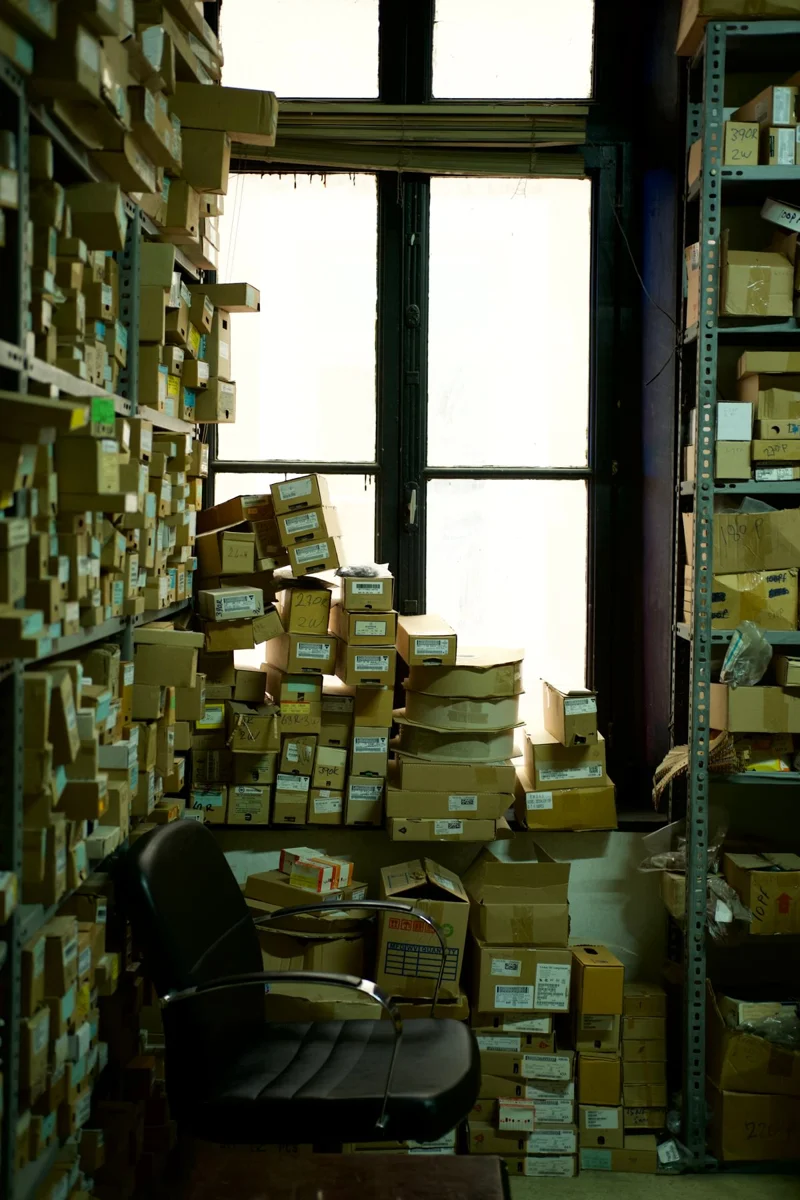
A storage unit starts as a temporary solution and quietly becomes a permanent monthly bill.
One family rented a unit for three years before finally making the trip to clear it out, and the contents were worth far less than the rent they had paid.
Organisers call storage units a waste of money, and clutter experts describe them as emotional postponement, a way of paying to avoid deciding what to keep.
People store items they never use and pay for them year after year, when selling, donating, or letting go would have cost nothing.
10. A House That Is Too Big
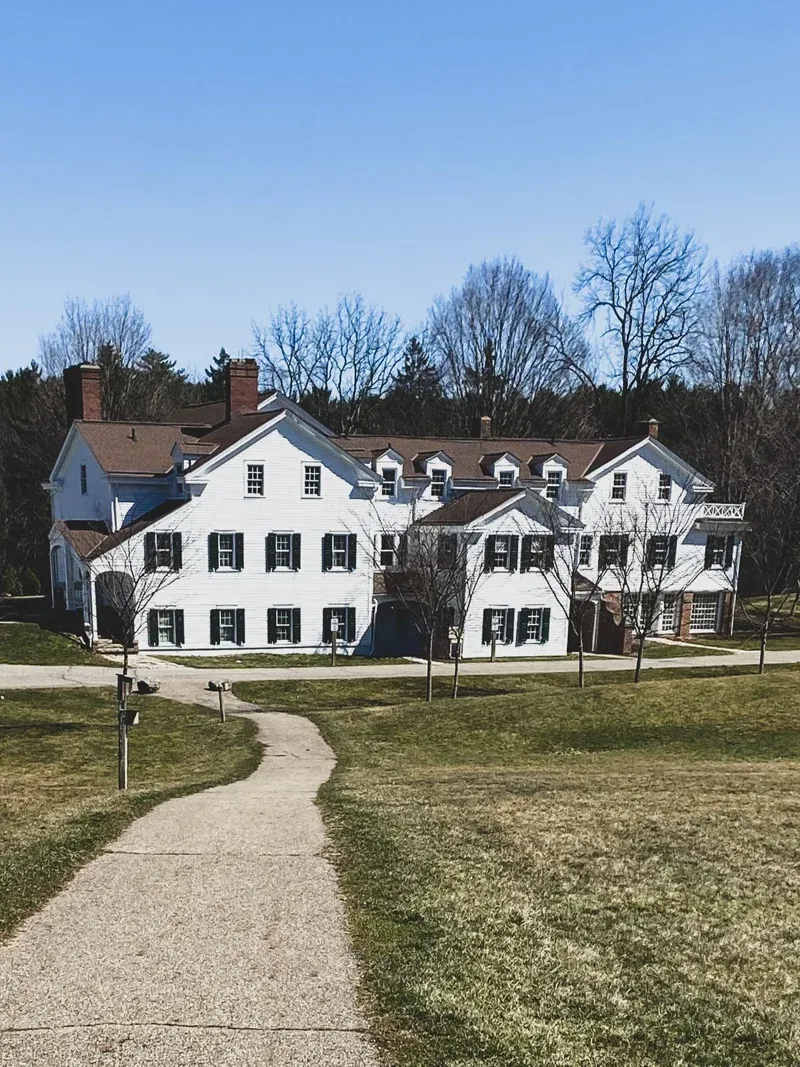
A big house with a big backyard and a pool was the lifelong goal for many homeowners, but the goal changes once the kids leave.
Owners describe walking through empty rooms and realising the house that once felt full now feels like a burden.
Heating, cleaning, repairs, and taxes on a large home eat into retirement savings, and extensive remodelling for aging in place does not always pay back.
Many homeowners say downsizing after twenty years was a relief, and they wish they had done it sooner instead of maintaining rooms nobody uses.
11. Expensive Kitchen Gadgets
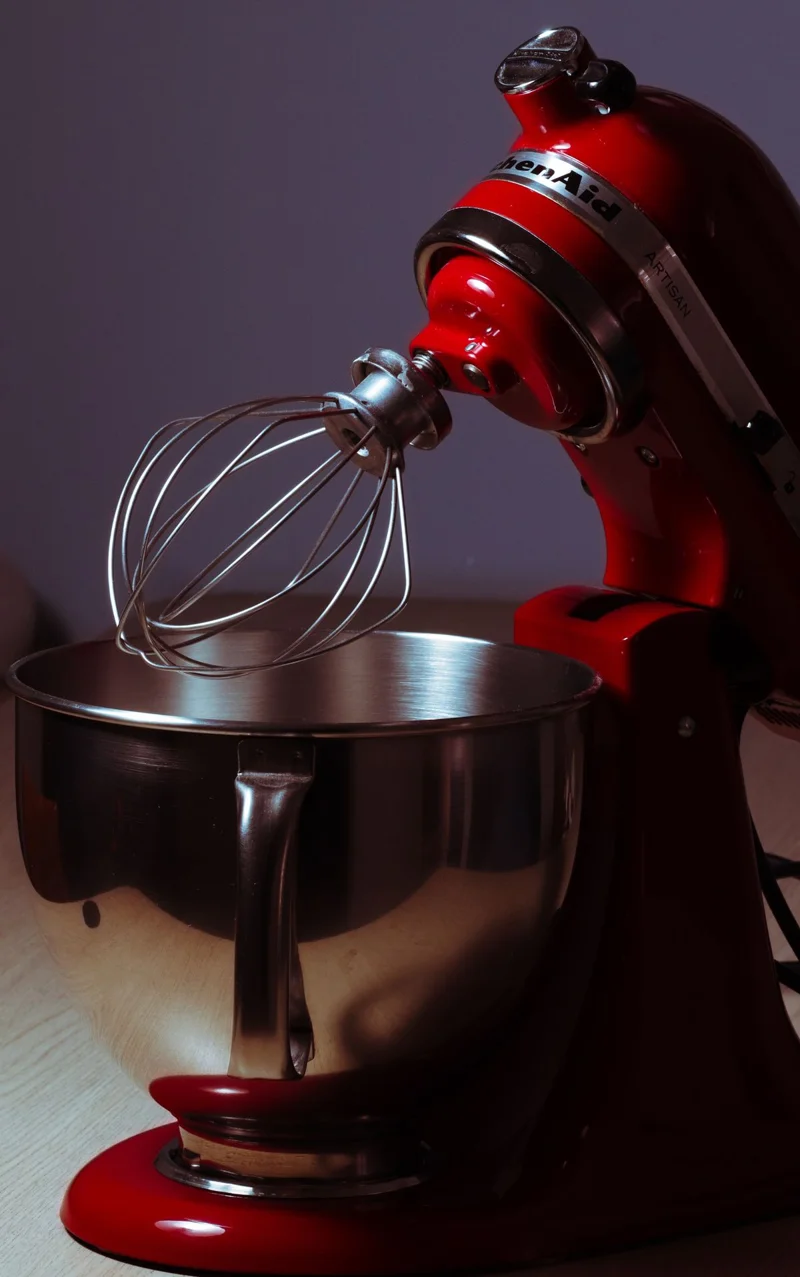
Kitchen gadgets are bought with real excitement, then quietly become permanent decoration on the counter or in a cupboard.
Owners ask each other which kitchen item they bought with so much enthusiasm, only for it to turn into something they never touch.
The list is always the same, single purpose gadgets that promised to save time but were too fiddly to clean or too awkward to store.
People keep them for years, knowing they will never use them again, because throwing away an expensive gadget feels like admitting the money was wasted.
12. A Jet Ski

A jet ski promises fast fun on the water, but buyers say the purchase price is only the beginning of the expense.
One buyer paid sixty two thousand dollars for two jet skis with high hours, financed at nearly forty percent interest with a prepayment penalty, and was described as having been robbed on the deal.
Insurance, storage, maintenance, and fuel add up quickly, and the machines sit unused for most of the year.
Owners who had a bad experience say they will not spend money on jet skiing again, rating the whole thing zero out of ten.
13. Expensive Jewelry and Designer Bags
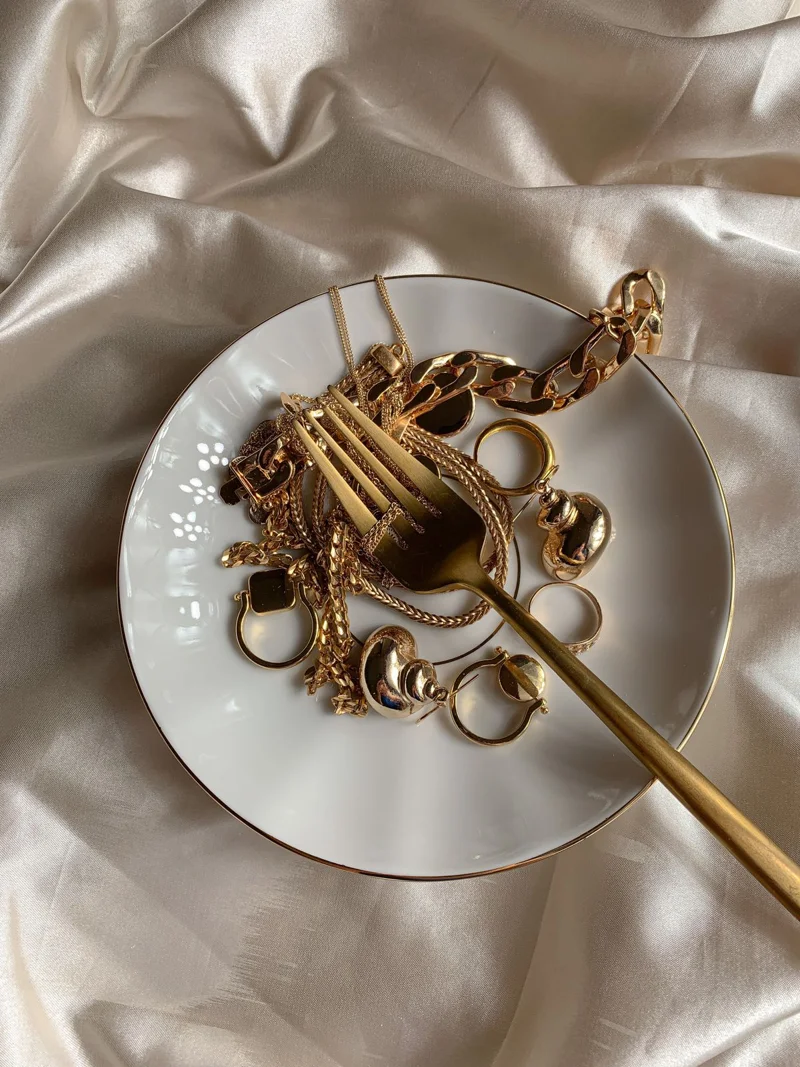
Designer bags and fine jewelry feel like a reward for a lifetime of work, but many buyers say the thrill fades fast.
Owners list the designer purchases they regret, including Louis Vuitton suitcases bought on impulse and rarely used.
The lesson they share is that trend driven purchases, like a blow dryer bought because everyone was talking about it, rarely justify the price.
Resale values disappoint, and the pieces that were meant to be treasured end up sitting in a drawer, reminding their owners of money that could have gone elsewhere.
14. A Country Club Membership

A country club membership promises a social life and a beautiful course, but members say the maths rarely works out.
Golfers ask whether a membership is actually worth it, and whether playing the same course over and over again gets boring.
When the cost is compared with paying fifty to ninety dollars per round as a guest, many members find they would have to play far more often than they do to break even.
Initiation fees, monthly dues, and food minimums keep coming whether members show up or not, which turns a leisure purchase into a fixed obligation.
15. A Hot Tub or Swimming Pool
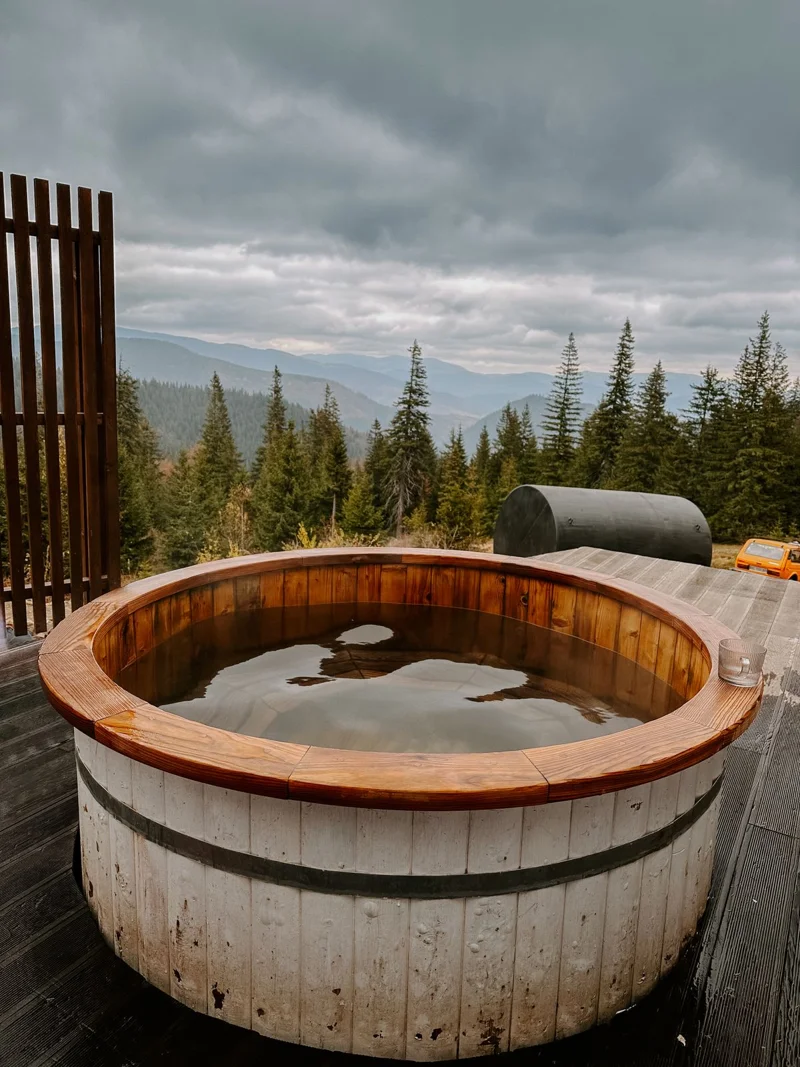
A pool or a hot tub looks like the perfect retirement luxury, until the maintenance schedule takes over.
One first time homeowner said she regretted insisting on buying a house with a pool, after dealing with one problem and one bill after another.
Hot tub owners describe a familiar pattern, heavy use in the first month, weekly use by month three, and near abandonment by year two.
Repairs and breakdowns are a constant complaint, and the tub or pool ends up as an expensive leaf collector that costs money all year round.
16. An Expensive Kitchen Remodel
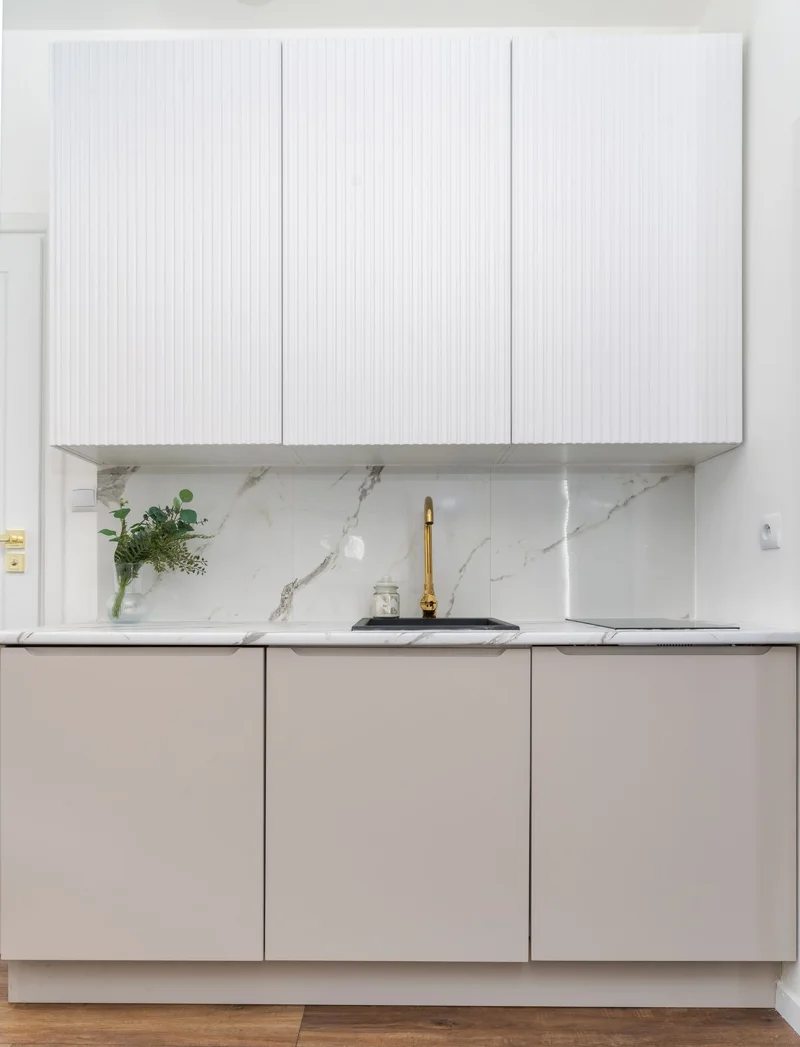
A full kitchen remodel is one of the biggest checks a homeowner will ever write, and it is also one of the most regretted.
Homeowners say the biggest mistake is going all in on trends, with ultra specific colours and finishes that date quickly and cost a fortune to redo.
Renovation experts warn about the same errors again and again, from over customising for one household to spending on features that add no resale value.
Home cooks asked about the kitchen upgrade they regret most often point to the same conclusion, that a simpler, more timeless remodel would have served them better for far less money.