

They arrived as Christmas gifts, wedding presents, and late night television impulse buys.
Most of them got used a handful of times, then retired to the back of a cupboard where they have sat ever since.
These are the fifteen that come up again and again when people talk about the kitchen tools they never touch anymore.
1. Fondue Set
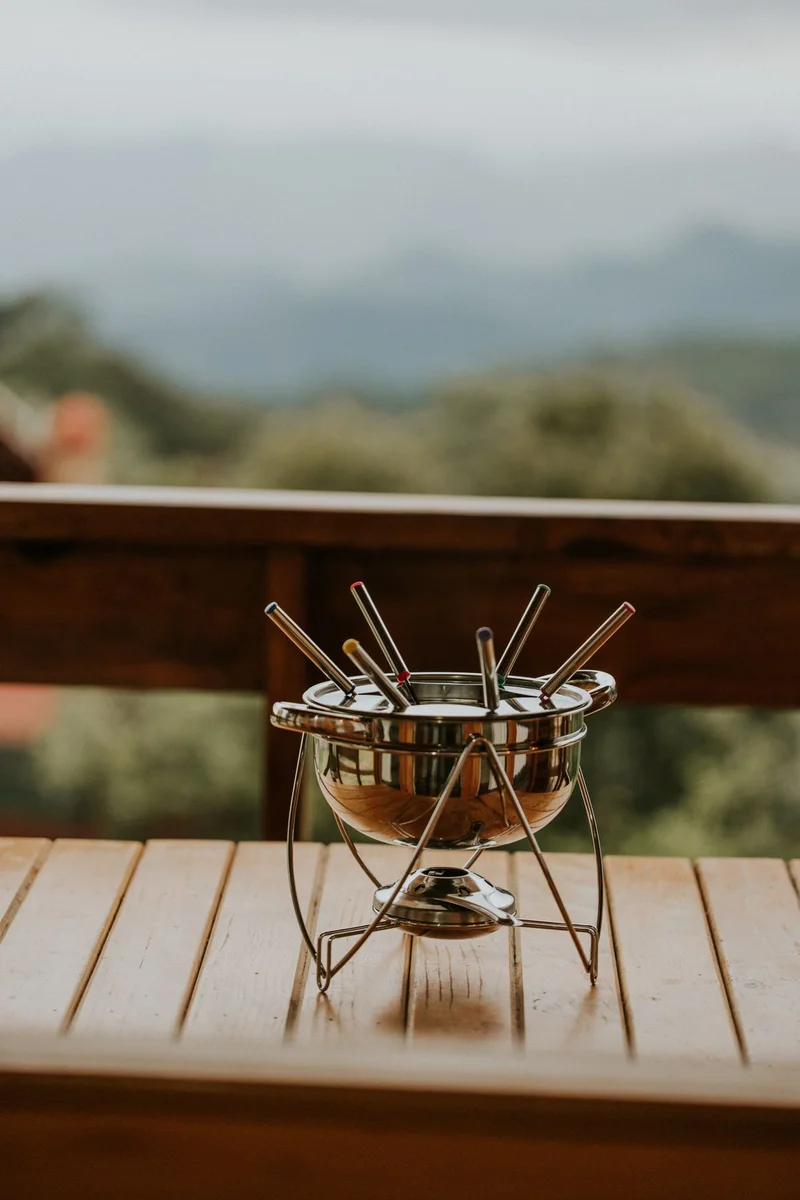
The fondue set was the height of dinner party sophistication in the 1960s and 70s, a pot of bubbling cheese or chocolate at the center of the table and a ring of friends with long forks.
It came out for special occasions, and only special occasions, which meant it spent the other 360 days of the year gathering dust.
Owners still find them at thrift shops for a few dollars, and plenty of people admit they bought one, used it twice, and never found a reason to drag it out again.
The pot itself is sturdy and the idea is fun, but the setup, the cleanup, and the need for a crowd make it a gadget for a life most kitchens no longer live.
2. Bread Machine
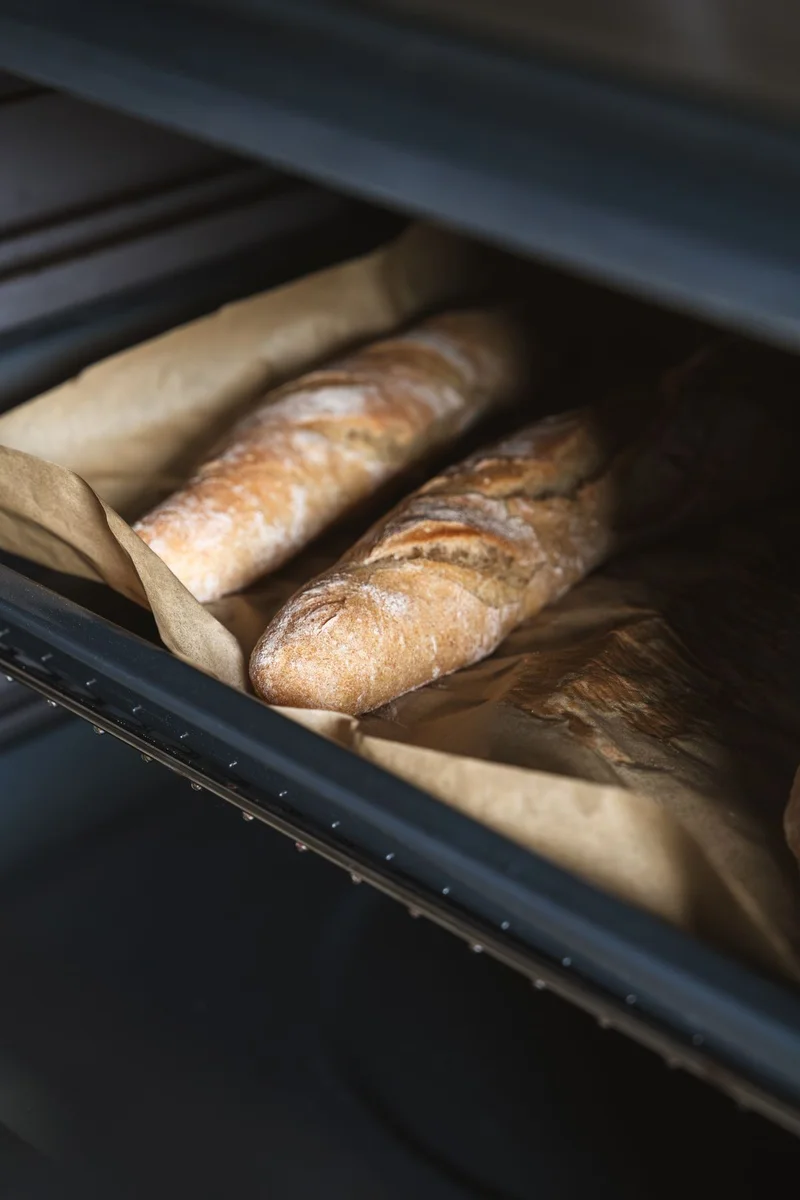
The bread machine promised warm homemade loaves with almost no effort, just add the ingredients and press a button.
For a while in the late 1990s and early 2000s it delivered, and plenty of households still remember the smell of fresh bread on a Saturday morning.
The trouble is the loaf comes out with a hole where the paddle baked in, the machine takes up a whole stretch of counter, and a good loaf from the bakery is easier.
Fans of the gadget say the dough cycle is the one feature worth keeping, since it does the kneading and leaves the baking to the oven.
Everyone else has a machine in the cupboard that has not been switched on in years.
3. Electric Carving Knife
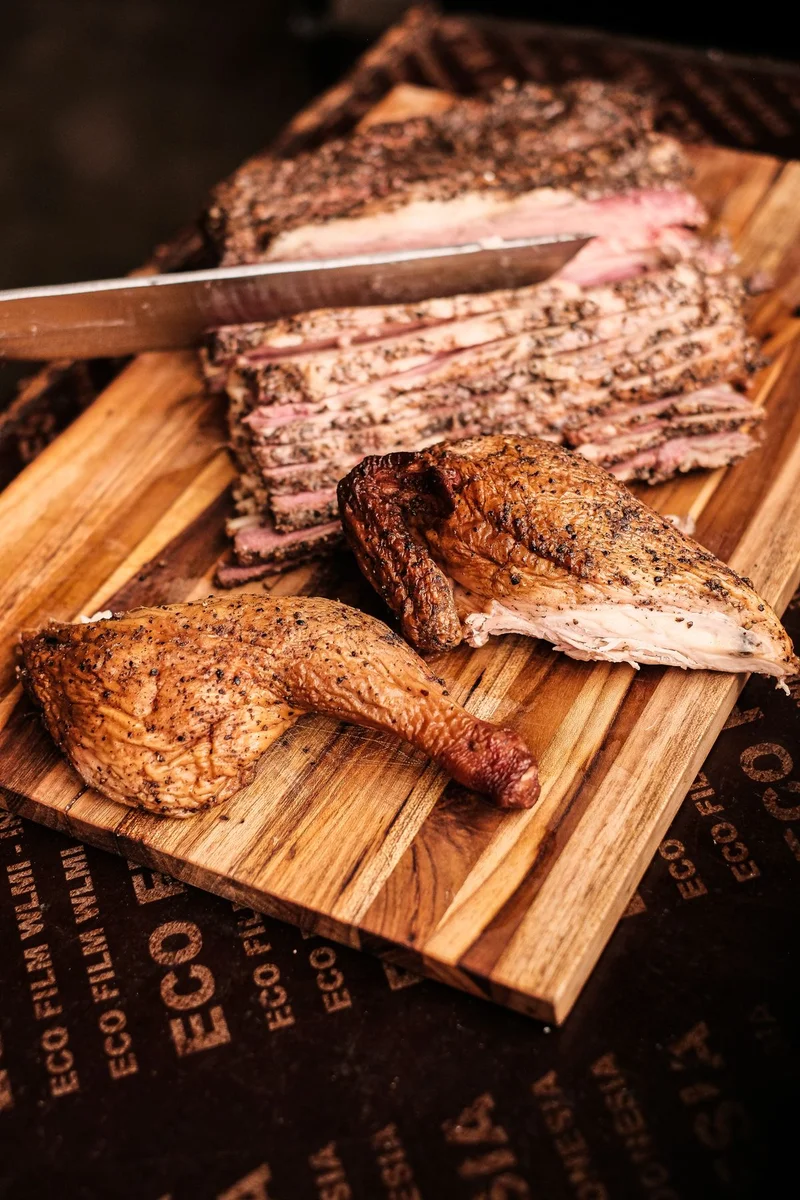
The electric carving knife buzzed its way through holiday roasts in the 1970s and 80s, a Kmart staple that came out once or twice a year.
It sliced a turkey neatly enough, but it was loud, it vibrated, and a sharp chef’s knife did the same job without the noise.
Collectors still own the same knife decades later, and many say it has only ever been used at Thanksgiving, Christmas, and Easter.
Some owners have repurposed it for bread, foam, or filleting fish, which is a polite way of saying it never carved much of anything after the first few holidays.
4. Ice Cream Maker
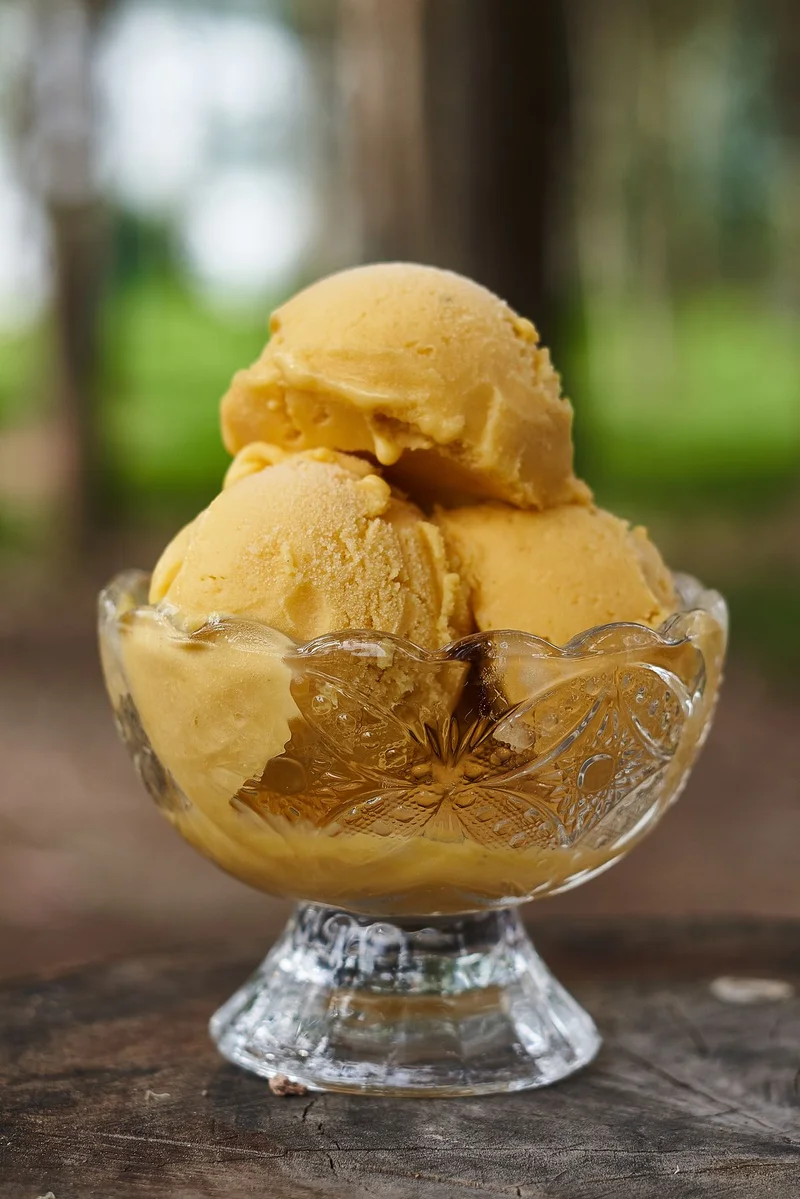
The ice cream maker, especially the old hand crank kind, is tied to summer memories of sitting on the bucket while a parent or grandparent turned the handle.
The electric versions were supposed to make it easy, but they take up freezer space, need hours of freezing time, and still leave a batch to churn.
Home cooks say the shop bought tub in the freezer wins most nights, and the maker only comes out for a birthday or a July 4th party.
Plenty of people still own the same machine they grew up with, thirty years on, and it works fine, which only proves how rarely it gets used.
5. Yogurt Maker
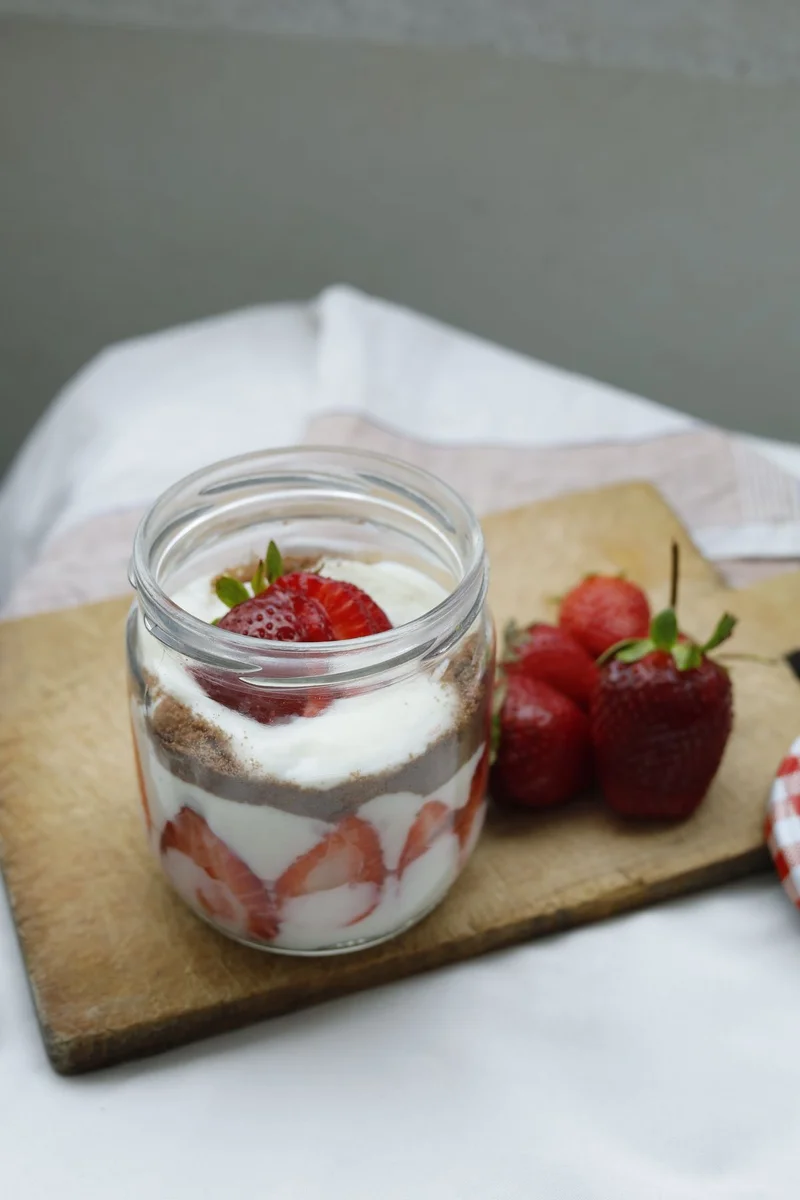
The yogurt maker arrived with the promise of cheap, fresh yogurt at home, a small countertop appliance with little glass jars.
It worked, but the yogurt took hours, the jars needed washing, and a tub from the supermarket cost less than the hassle.
Thrifters find them constantly for a few dollars, still in the box, which tells the whole story of how long most of them lasted in a kitchen.
A few devotees swear by theirs and use store bought yogurt as a starter, but for most households it was a health food fad that quietly faded.
6. Juicer

The juicer, especially the big Jack LaLanne style machines, sold the dream of fresh juice every morning.
It made good juice, and then it demanded to be taken apart and scrubbed, piece by piece, which took longer than drinking the juice.
Owners say the cleaning is the reason it ended up in the cupboard, and the smoothies and store bought cartons took over.
A manual press or a simple citrus squeezer does the job for most people, and the big electric juicer is now a cautionary tale about appliances that punish you for using them.
7. Sandwich Maker
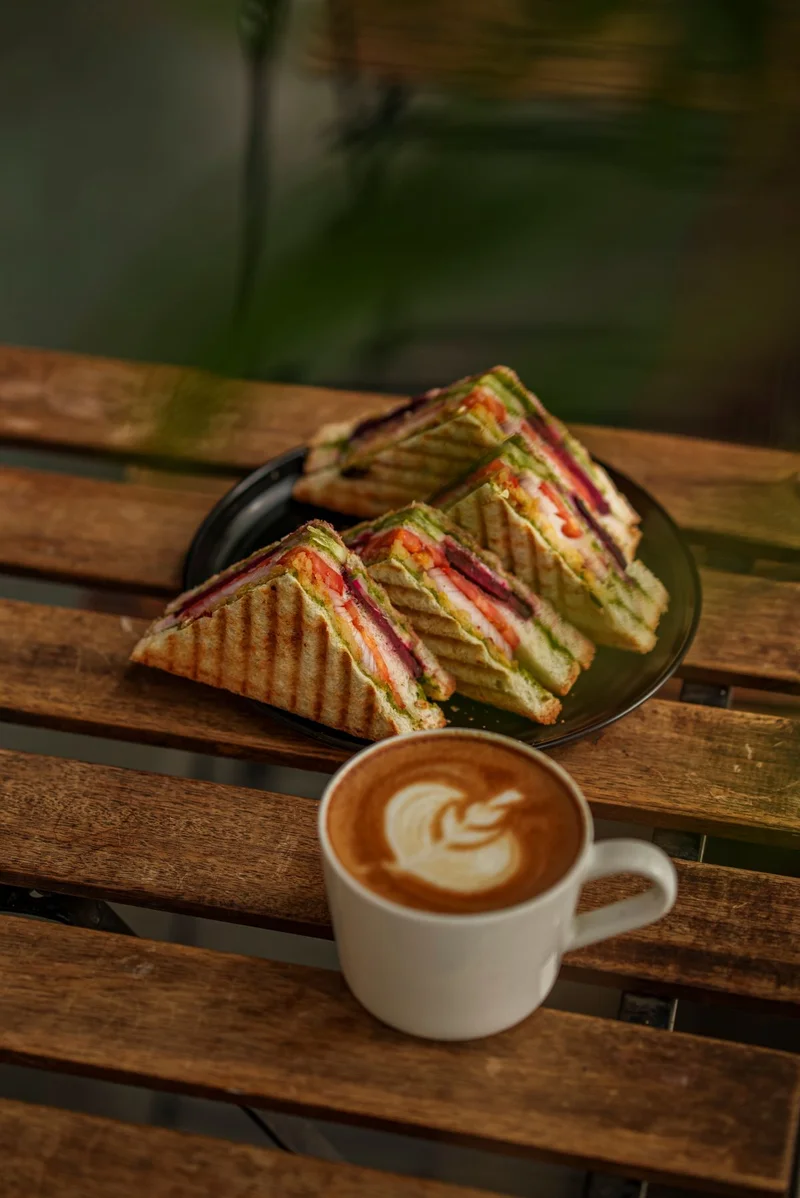
The sandwich maker, or toastie maker, has a strange pattern of use: nothing for months, then twice a day for a fortnight, then back in the cupboard for half a year.
It makes a good toasted sandwich, but the plates are awkward to clean, the crumbs get everywhere, and the novelty wears off fast.
Fans admit they pull it out, go through a phase, and then forget it exists until the next craving hits.
It is the definition of a gadget that works fine and still nobody uses, because a frying pan and a spatula do the same thing with less fuss.
8. Cookie Press
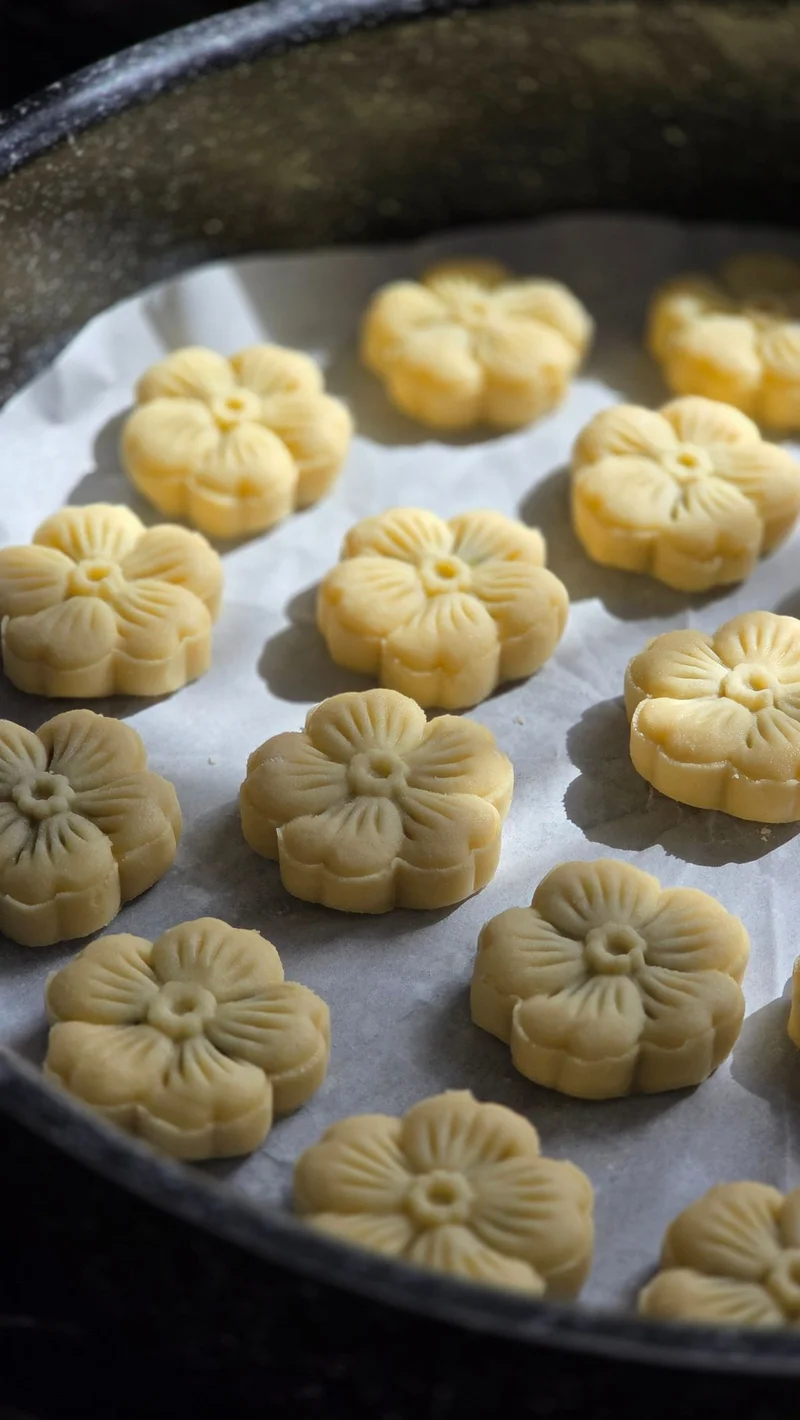
The cookie press, or cookie gun, was a Christmas tradition in many households, turning out spritz cookies in flower and tree shapes.
It belonged to mothers and grandmothers, and the memories are warm, but the gadget itself was fiddly, messy, and hard to clean.
Collectors say the old Mirro and Wear Ever presses still turn up at thrift shops, often with the discs intact, because they were used once a year at most.
A few people still bring theirs out for the holidays, but for most families the cookie press is a decoration in a drawer, kept for nostalgia rather than baking.
9. Pasta Maker
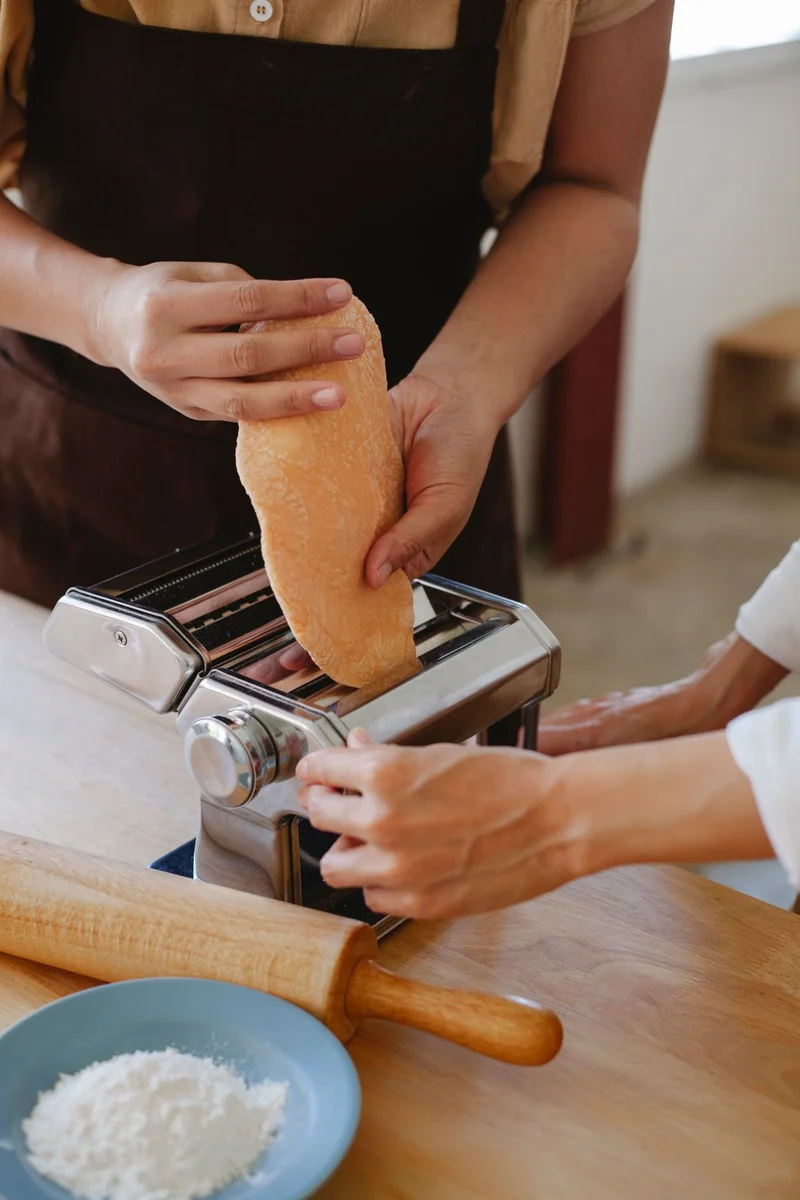
The pasta maker promised fresh noodles at home, and for a brief moment it felt like a real Italian kitchen.
Then the reality set in: flour everywhere, a machine to clamp and crank, drying racks, and cleanup, all for pasta that costs little at the store.
Home cooks say it is a passing fad in most kitchens, the kind of thing you buy second hand because the first owner gave up on it.
The price does not help either, with good machines costing hundreds, and the storage space they demand is a lot for something used twice a year.
A few enthusiasts love theirs, but most owners admit it sits unused while the boxed pasta does the work.
10. Melon Baller
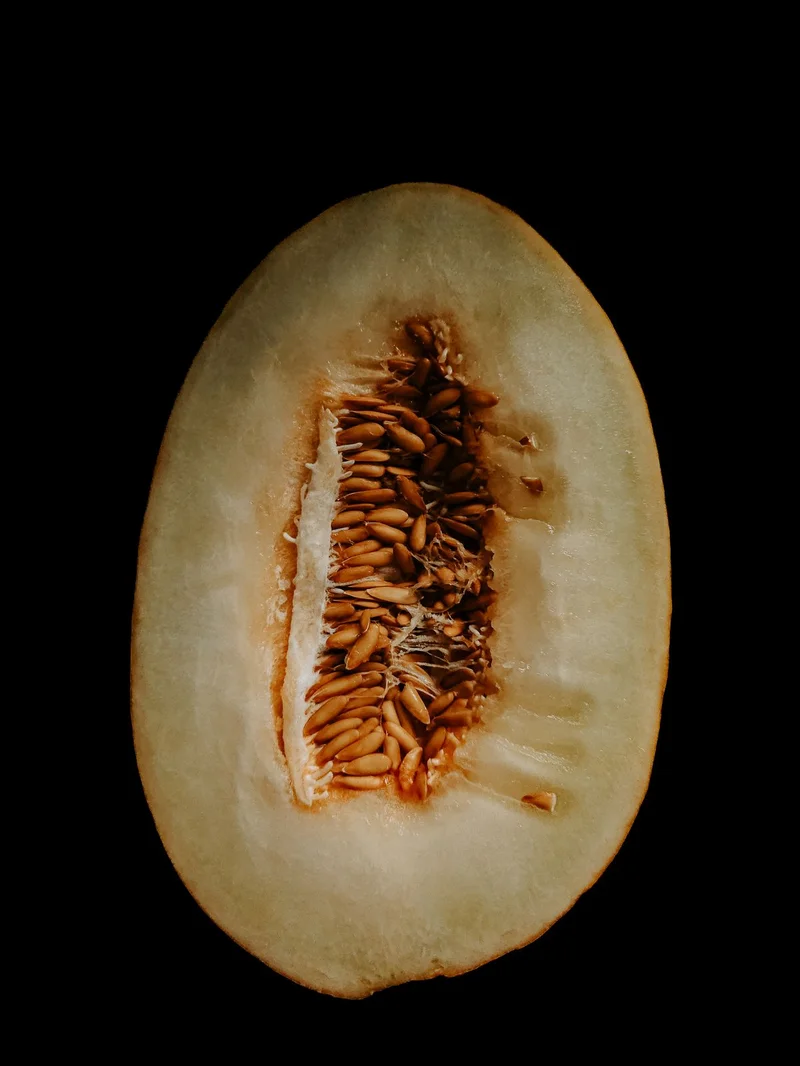
The melon baller is one of the smallest gadgets on this list and one of the least used, a tiny scoop that does exactly one job.
It came free with Tupperware party sets or tucked into a drawer, and it made fruit salad look fancy for about one summer.
Owners say they kept theirs for decades, often without ever using it, because it was too small to throw away and too specific to reach for.
A spoon does the same job, a knife is faster, and the melon baller ends up as a mystery tool that younger cooks cannot even name.
11. Cherry Pitter

The cherry pitter exists to solve a problem most people only have for about two weeks a year, when cherries are in season.
It pits one cherry at a time, sprays juice everywhere, and needs washing, while a knife and a steady hand do the job almost as fast.
Owners say theirs lives in a drawer with the other single use tools, and it only comes out when someone is making a pie or a jam.
Thrifters find vintage pitters in their original boxes, sometimes with a handwritten note from the last owner, which says everything about how often they were used.
12. Covered Butter Dish
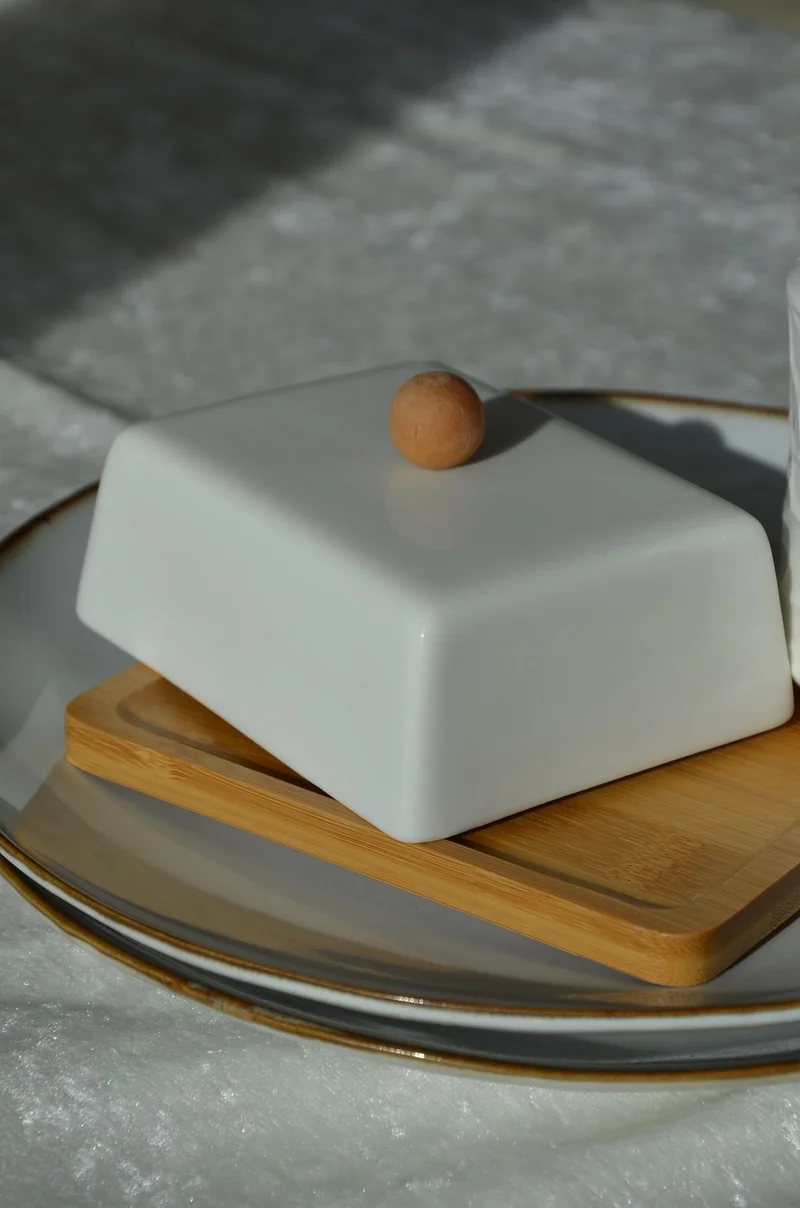
The covered butter dish was a fixture on the kitchen table, keeping the butter soft and spreadable and safe from crumbs.
It worked perfectly well, but the fridge took over, and the dish became one more thing to wash, dry, and find a place for.
The fancier version, the butter bell with its water seal, fared worse, with owners reporting mold, murky water, and butter sliding into the seal.
Plenty of households still have the same dish they have used for decades, but just as many admit theirs now holds something else entirely, or sits in a cabinet as decoration.
13. Electric Egg Cooker
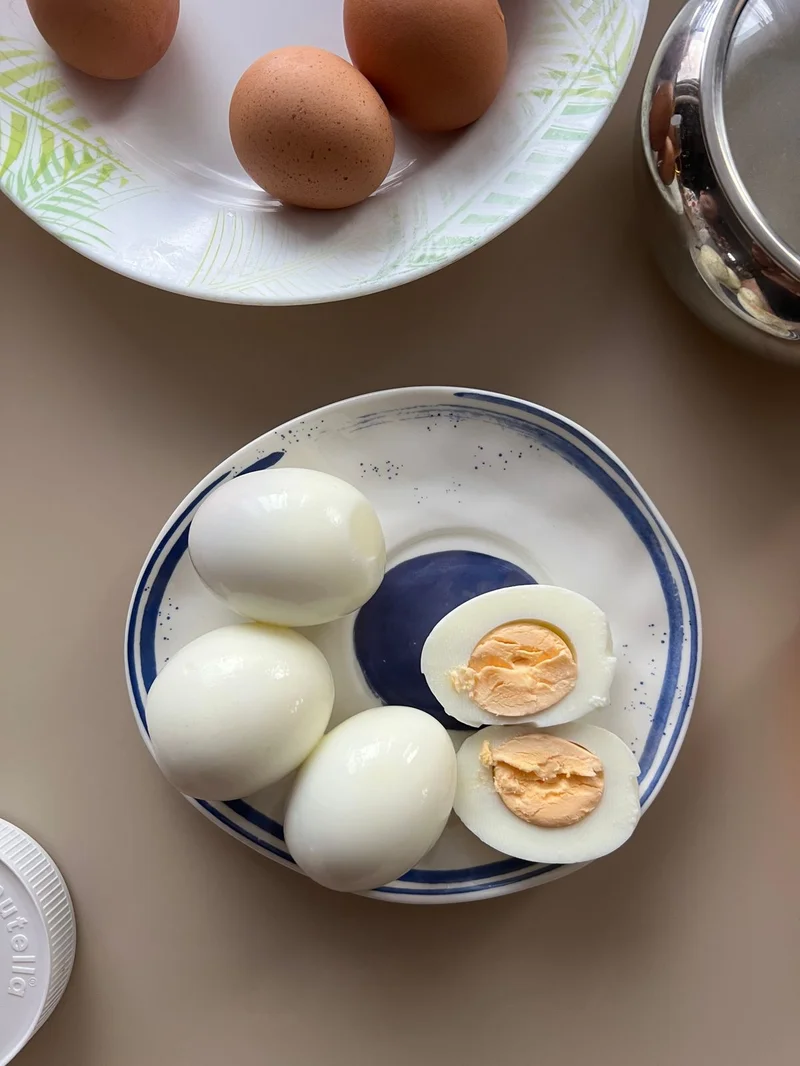
The electric egg cooker does one thing, it boils eggs, and it does it well, with easy peeling and no watching the pot.
The problem is that boiling an egg in a saucepan is already simple, and the cooker is one more appliance to store, plug in, and clean.
Owners say theirs gets used for a while, then forgotten in a cupboard, and the saucepan takes over again.
Newer appliances like the air fryer and the Instant Pot have taken over the job too, which leaves the dedicated egg cooker with no reason to exist in most kitchens.
14. Apple Peeler-Corer-Slicer
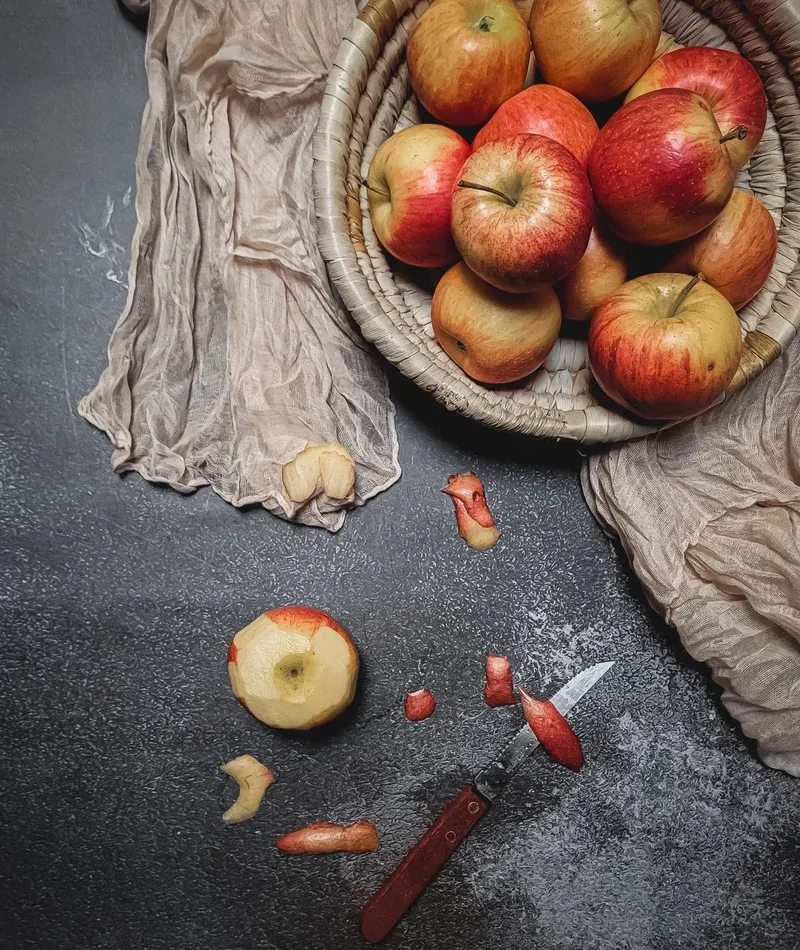
The apple peeler-corer-slicer is a marvel of engineering, a clamp on gadget that peels, cores, and slices an apple in one turn of the handle.
It is also a gadget that only makes sense when you are peeling a whole basket of apples for a pie, which most people do once a year, if that.
Owners say theirs came from a grandmother’s kitchen, or turned up at a thrift shop, and it sits in a drawer waiting for a pie day that rarely comes.
A paring knife and a cutting board are faster for a single apple, so the machine stays put, a clever tool with no everyday job.
15. Electric Knife Sharpener
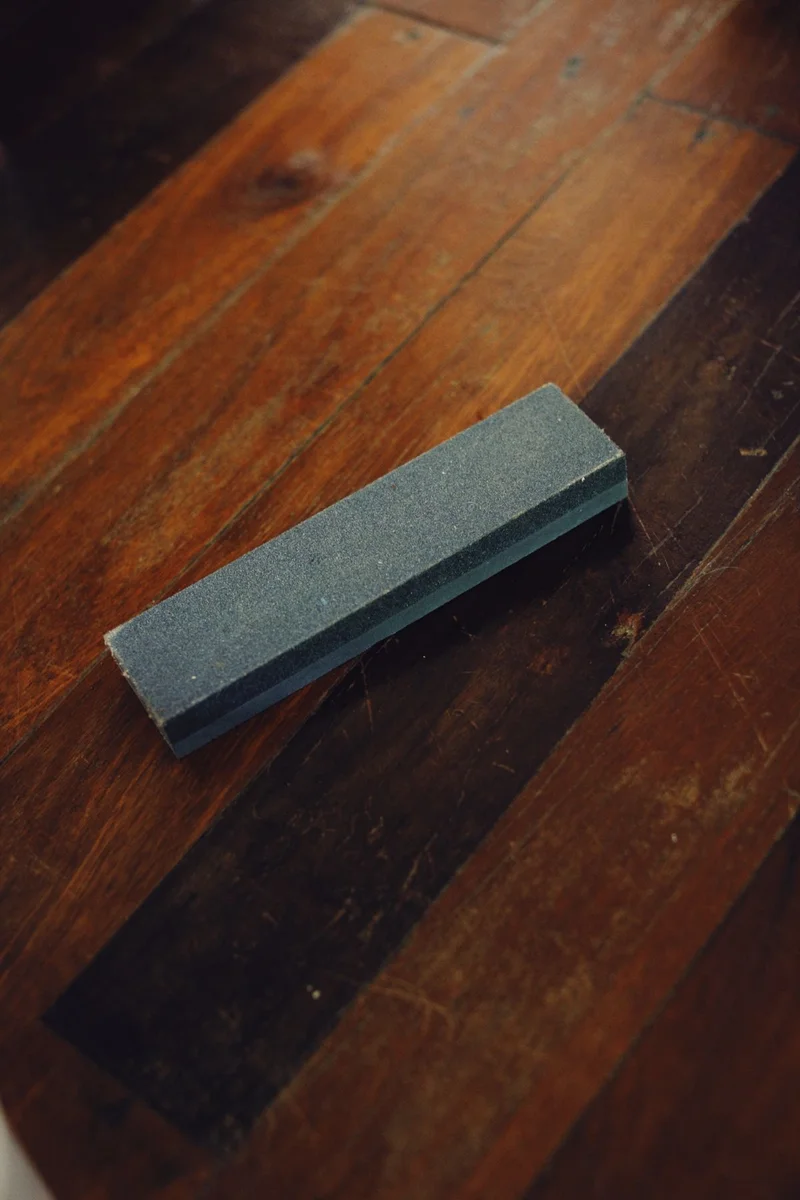
The electric knife sharpener promised a razor edge at the push of a button, no skill required.
The catch is that it grinds away too much steel, reshapes the edge, and shortens the life of a good knife, which is the opposite of what a sharpener should do.
Knife enthusiasts say a whetstone or a honing steel does a better job, and the electric version ends up in a drawer after the first scare.
Plenty of owners admit they bought one, used it once, and went back to the old way, leaving the machine to gather dust next to the other appliances that promised too much.