

The industry moved beyond “here is a product” into something much more sophisticated and much more debated.
Fear. Nostalgia. Sex. Humor. Social causes. Celebrity.
Every tool in the psychological toolkit was being tested on American consumers simultaneously.
Some worked. Some backfired spectacularly.
All of them started conversations that have not finished yet.
1. Jingle Advertising
The 1970s were the golden age of the advertising jingle.
Catchy songs were designed to stick in your head and make you think of a product automatically.
“I’d Like to Buy the World a Coke” debuted in 1971 and became one of the most recognized ads in television history.
Radio made jingles especially powerful because sound was the only tool available.
Families hummed product jingles at the dinner table without realizing they were advertising.
The best jingles from the 70s are still instantly recognizable to anyone who lived through the decade.
Why It’s On This List: Jingle advertising in the 70s reached a level of cultural penetration that no ad format has matched since. If you lived through it, you still know the words.
2. Celebrity Endorsements
Using famous faces to sell products was not new in the 1970s, but it became more sophisticated and widespread.
Athletes, actors, and cultural icons were recruited to lend their credibility to everything from breakfast cereal to shaving cream.
O.J. Simpson’s Hertz commercials, which began in 1975 and ran for years, were among the most talked-about celebrity endorsements of the decade.
People debated whether a celebrity actually used what they advertised.
Cynicism about the practice grew through the decade, but it did not slow the approach down at all.
Celebrity endorsement became more dominant, not less, as the 70s progressed.
Why It’s On This List: Celebrity endorsement ads in the 70s sparked the first real public debate about authenticity in advertising. The questions people asked back then are the same ones social media influencer culture is still asking today.
3. Fear-Based Advertising
Advertising in the 1970s frequently used fear as a motivator.
Insurance companies, home security products, and health brands all leaned into anxiety to drive purchasing decisions.
Studies in the 70s found that fear appeals in advertising were highly effective when paired with a clear solution.
Ads showed families vulnerable to fire, theft, or illness — and then offered the product as protection.
Critics argued this approach was manipulative. Advertisers argued it was simply honest about consequences.
The debate about where persuasion ends and manipulation begins never got a clean answer.
Why It’s On This List: Fear-based advertising in the 70s was effective enough to reshape entire product categories. It also launched a serious conversation about advertising ethics that continues today.
4. Comparison Advertising
Head-to-head comparison advertising became a defining style of the 1970s.
Brands directly named and challenged competitors in a way that had been considered bad form in earlier decades.
The famous Pepsi Challenge, launched in 1975, invited consumers to do blind taste tests comparing Pepsi and Coca-Cola.
It was bold, provocative, and hugely effective.
Coke felt compelled to respond, which only amplified the campaign’s reach.
Comparison advertising changed the rules of engagement for the entire industry.
Why It’s On This List: The Pepsi Challenge and other comparison campaigns of the 70s fundamentally changed how brands competed in public. Direct competitive advertising became an accepted standard partly because of this era.
5. Public Service Announcements
The 1970s saw a major expansion of public service advertising on television and radio.
Anti-drug messages, environmental campaigns, and seatbelt safety ads became part of daily American media life.
The “Keep America Beautiful” campaign and its iconic 1971 “Crying Indian” ad became one of the most discussed advertisements of the decade.
PSAs were treated differently from commercial ads. They carried moral weight.
People debated whether they were genuinely effective or just felt-good messaging that changed nothing.
But their cultural impact was undeniable.
Why It’s On This List: PSA advertising in the 70s reached into American living rooms with a message that went beyond selling. Some of those campaigns are still referenced in media studies today for their cultural power.
6. Lifestyle Advertising
In the 1970s, advertising shifted increasingly from describing a product to selling a lifestyle.
The message was no longer “this product works.” It was “people like you use this product.”
Virginia Slims cigarettes built an entire brand around women’s liberation with the slogan “You’ve Come a Long Way, Baby,” launched in 1968 and dominant through the 70s.
Critics argued lifestyle advertising exploited social movements to sell products.
Advertisers argued they were reflecting real cultural change.
The debate about whether ads shape culture or just mirror it was never more heated.
Why It’s On This List: Lifestyle advertising in the 70s changed the entire philosophy of how brands communicated. Selling an identity rather than a product became the dominant strategy, and it has never gone away.
7. Cigarette Advertising
The 1970s were a turning point for cigarette advertising in America.
Television and radio cigarette ads were banned effective January 1, 1971.
The ban pushed tobacco companies to pour money into print, billboard, and sponsorship advertising instead.
Cigarette sponsorship of sporting events, particularly auto racing and tennis, became widespread.
The public debate about whether any cigarette advertising should be allowed was fierce throughout the decade.
Health advocates argued all tobacco promotion should be banned. Industry argued it was free speech.
Why It’s On This List: The cigarette advertising ban and its aftermath was the most consequential advertising story of the 70s. It forced an entire industry to reinvent its marketing while the ethics debate raged around it.
8. Testimonial Advertising
Getting real customers to talk about a product on camera was a popular advertising style in the 1970s.
Hidden camera formats, where shoppers were surprised by a product’s quality, were especially fashionable.
Folgers Coffee’s “secretly switched” restaurant campaign ran from 1965 well into the 1970s and became a cultural touchstone.
Audiences debated how “real” these testimonials actually were.
The FTC began tightening rules around testimonial and endorsement claims during the decade.
But the format remained popular because viewers trusted a real person’s words more than an announcer’s pitch.
Why It’s On This List: Testimonial advertising in the 70s laid the groundwork for every customer review and influencer recommendation that followed. The belief that real people are more convincing than polished spokespeople started here.
9. Sex in Advertising
The use of sexual imagery in advertising became more explicit and more debated in the 1970s.
Perfume, clothing, and alcohol brands led the way, pushing boundaries that earlier decades would not have permitted.
Calvin Klein’s 1980 jeans ads featuring Brooke Shields were the culmination of a trend that built through the entire decade of the 70s.
Advocacy groups, parents, and religious organizations protested loudly.
Advertisers argued they were simply reflecting changing social norms.
The FTC investigated but found no clear legal grounds to restrict most of the content.
Why It’s On This List: The sexualization of advertising in the 70s provoked some of the loudest public debate about media and values in the decade. It was a preview of arguments that have only intensified since.
10. Cause-Related Advertising
Brands in the 1970s increasingly tied their image to social causes.
Environmental concern, women’s equality, and anti-war sentiment were all woven into advertising campaigns.
The first Earth Day in 1970 triggered a wave of “green” messaging from companies, some genuine and some purely cosmetic.
That’s why the term “greenwashing” was born in this era — the practice of claiming environmental virtue without substance behind it.
Consumers debated whether they should reward or punish brands for taking political and social positions.
That debate has never stopped.
Why It’s On This List: Cause-related advertising in the 70s introduced the idea of the “values-driven brand.” Everything from today’s corporate social responsibility campaigns to greenwashing controversies traces its roots back to this decade.
11. Cartoon and Animated Advertising
The 1970s were a high point for animated characters as advertising spokespeople.
Characters like Tony the Tiger, the Jolly Green Giant, and the Pillsbury Doughboy became household names.
Saturday morning children’s television in the 70s was essentially a non-stop showcase of animated advertising aimed at kids.
Parents complained that the line between programming and advertising was nearly invisible.
Congress held hearings on the ethics of advertising directly to children through cartoons.
But the animated characters kept coming because they worked — and because children had enormous influence over family purchasing decisions.
Why It’s On This List: Animated advertising in the 70s targeting children was one of the most debated media ethics issues of the decade. The concerns raised then eventually led to regulations that still govern children’s advertising today.
12. Infomercial-Style Long-Form Ads
Long-form television advertising began developing in the 1970s, particularly on late-night and local television.
Instead of a 30-second spot, some advertisers ran five to fifteen-minute segments that felt like programs.
Record compilations, kitchen gadgets, and real estate courses were among the first products sold through extended TV pitches in the 70s.
Viewers were divided: some found them genuinely informative, others felt deceived by content that looked like a show but was actually a commercial.
The FCC had rules that limited these formats on broadcast television, which pushed them toward local stations with looser oversight.
The full infomercial explosion came later in the 80s, but its roots were firmly planted in the 70s.
Why It’s On This List: Long-form advertising in the 70s was the early form of a format that eventually became a multi-billion dollar industry. The ethical debate about blurring programming and advertising started right here.
13. Shock Advertising
Some advertisers in the 1970s deliberately used shocking, provocative imagery to cut through the noise.
The goal was simple: if people talked about the ad, they remembered the brand.
Research in the 70s confirmed that emotionally arousing content was remembered far better than neutral content, giving shock tactics a scientific backing.
The approach was especially common in public health campaigns, where the stakes justified stronger imagery.
Anti-drunk-driving and anti-smoking ads showed consequences that earlier decades would have considered too graphic.
The line between effective and irresponsible was debated constantly by advertisers, regulators, and the public.
Why It’s On This List: Shock advertising in the 70s pushed the boundaries of what was acceptable in media. The tactics refined in that era — especially in public health messaging — are still in use today.
14. Humor in Advertising
The 1970s saw a significant rise in genuinely funny advertising.
Brands discovered that making people laugh was one of the most effective ways to make them remember a product.
Alka-Seltzer’s “I Can’t Believe I Ate the Whole Thing” campaign from 1972 became one of the most quoted ad lines of the decade.
Humor worked because it created goodwill — people associated the positive feeling of laughing with the brand itself.
But it also carried risk: if the joke missed, the ad missed.
The debate about whether humor could sell serious products was lively throughout the decade.
Why It’s On This List: Humor became a serious advertising strategy in the 70s. The brands that got it right built lasting connections with consumers. The ones that got it wrong learned an expensive lesson.
15. Nostalgia Advertising
Advertisers in the 1970s discovered the power of looking backward.
As the social upheaval of the 60s gave way to a more uncertain 70s, audiences responded to ads that evoked simpler times.
Brands like Coca-Cola, Levi’s, and various food companies leaned heavily into Americana and nostalgia throughout the decade.
The technique worked by making consumers feel safe and comforted through association with a product.
Critics argued nostalgia advertising was essentially selling a lie about a past that never existed for everyone.
Supporters said it was simply connecting with people at an emotional level.
Why It’s On This List: Nostalgia advertising in the 70s became a template that brands still follow today. Understanding why it worked then helps explain why it keeps working now.
16. Women in Advertising
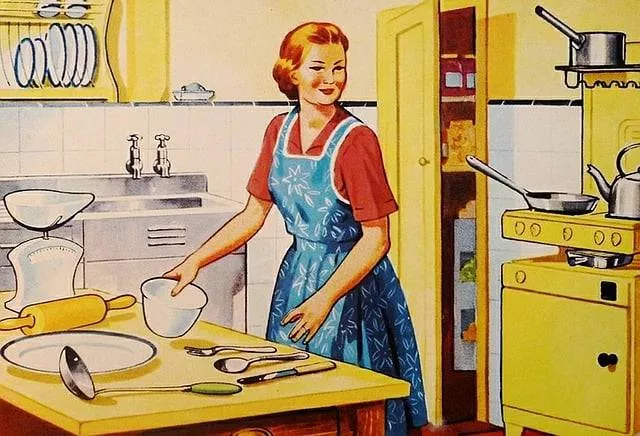
How women were portrayed in 1970s advertising was one of the decade’s hottest media debates.
Traditional ads still showed women primarily as housewives, mothers, and product users in domestic settings.
The National Organization for Women launched campaigns in the early 1970s specifically targeting degrading advertising and demanding change from major networks.
Some advertisers responded by updating their portrayals. Others doubled down on traditional imagery because their research said it sold products.
The tension between advertising that reflected changing gender roles and advertising that reinforced old ones played out on screens across America.
This debate eventually changed the industry, but slowly and unevenly.
Why It’s On This List: The portrayal of women in 70s advertising was both a cultural flashpoint and a genuine business debate. How brands navigated it — or failed to — shaped their relationships with female consumers for decades.
17. Product Demonstration Advertising
Showing a product actually working on camera was a staple of 1970s television advertising.
Detergents removed stains, paper towels soaked up spills, and razors glided smoothly through shaving foam — all in real time.
The FTC cracked down in the 70s on demonstration ads that used tricks to make products look better than they were, including a famous case involving Rapid Shave shaving cream.
That ruling established that advertising demonstrations had to be real and not enhanced.
It changed how product demonstrations were staged and filmed across the industry.
Viewers appreciated the change, but the debate about what counted as “real” continued for years.
Why It’s On This List: Product demonstration advertising in the 70s was both the most trusted and the most regulated format of the era. The rules written then still govern how products can be demonstrated in advertising today.
18. Billboard and Outdoor Advertising
Outdoor advertising went through major changes in the 1970s following the Highway Beautification Act of 1965.
That law restricted billboards along interstate highways, but the industry adapted and continued to grow.
By the mid-1970s, outdoor advertising was a multi-billion dollar industry despite the new restrictions.
Public debate about billboards was vigorous. Some communities fought them as eyesores.
Advertisers argued they were an efficient and legitimate form of commercial speech.
The visual landscape of American roads was shaped by compromises worked out in this decade.
Why It’s On This List: The billboard debate of the 70s was about more than advertising. It was about who owned public visual space and who got to decide what Americans saw while driving. Those questions are still alive in cities dealing with digital signage today.
19. Radio Advertising Styles
Radio advertising in the 1970s was a sophisticated creative art form.
Without visuals, ads had to do everything with sound: music, voice, sound effects, and rhythm.
AM radio dominated the early 70s before FM began pulling listeners away, forcing advertisers to develop different styles for different audiences.
Talk radio and music radio required completely different advertising approaches.
Local radio ads had a reputation for being homemade and unpolished, which people either found charming or annoying.
National radio campaigns from the 70s, on the other hand, were often brilliantly produced pieces of audio storytelling.
Why It’s On This List: Radio advertising in the 70s was an underappreciated creative medium. The shift from AM to FM forced a reinvention of the format that changed how advertisers thought about audio permanently.
20. Political Advertising
Political advertising on television came of age in the 1970s.
The Watergate era changed how Americans felt about politicians, and advertising reflected and exploited that distrust.
The 1972 presidential election saw some of the most sophisticated and discussed political advertising in American history up to that point.
Negative advertising, once rare, became a real part of political campaigns during the decade.
People debated whether political ads should be held to the same truth-in-advertising standards as commercial products.
They were not — and that exception has defined political media ever since.
Why It’s On This List: Political advertising in the 70s set precedents that still govern how candidates communicate today. The debates about truth, fairness, and manipulation in political ads that started then have only grown louder.