

Vancouver sits between the ocean and the mountains. It is, objectively, one of the most beautiful cities in North America.
It is also a city that will cheerfully ruin your trip if you are not paying attention.
Crowds, weather, border chaos, and sky-high prices have a way of showing up together like uninvited guests.
The good news is that all of it is completely avoidable.
The bad news is that most Americans find out the hard way.
1. December and the Holiday Rush
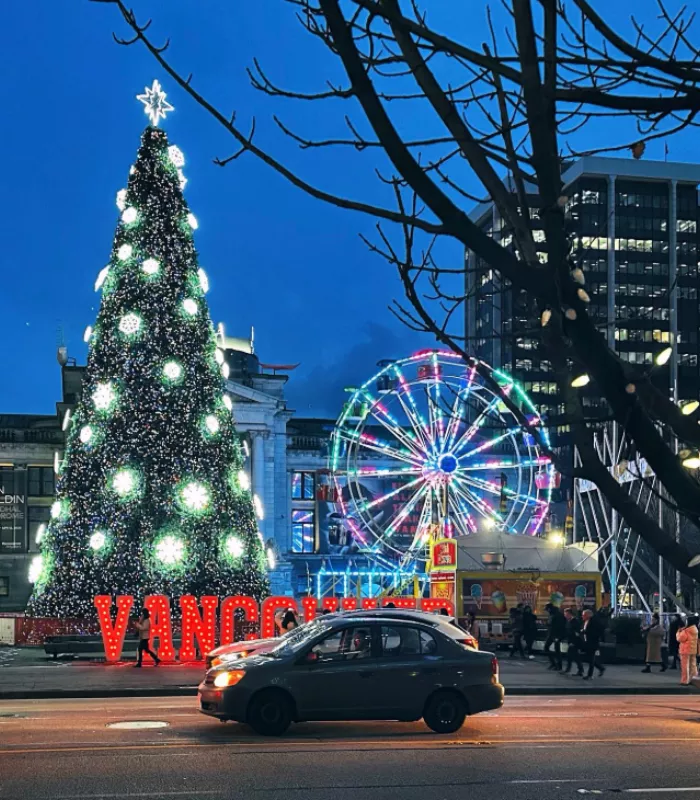
Vancouver gets very busy in December.
Tourists flood the city for the holiday lights and Christmas markets.
Hotels fill up fast. Prices go way up. And the rain? It never seems to stop.
The famous Capilano Suspension Bridge Festival of Lights draws thousands of visitors every weekend.
Granville Island becomes nearly impossible to navigate on foot during peak shopping days.
Flight prices from major U.S. cities like Seattle, Portland, and San Francisco spike significantly in December.
Restaurant wait times can stretch well over an hour, even on weeknights.
Parking downtown becomes a daily frustration that most locals simply avoid.
If you have mobility concerns, the crowded sidewalks and wet conditions make getting around much harder.
Many travelers over 50 find the holiday chaos more exhausting than festive.
The city’s most popular shopping areas, like Robson Street, become nearly impassable on weekends.
Rideshare prices surge during evening hours as demand from holiday events overwhelms drivers.
Even the usually relaxed neighborhood of Gastown turns into a crowded tourist bottleneck throughout December.
Christmas market vendors often sell out of popular items by mid-month, leaving later visitors with slim pickings.
Why It’s On This List: December in Vancouver sees some of the highest hotel rates of the year. You could pay 40% more than you would in the fall. The rain and gray skies make sightseeing uncomfortable, especially for those with mobility concerns.
2. January and February Cold Snaps
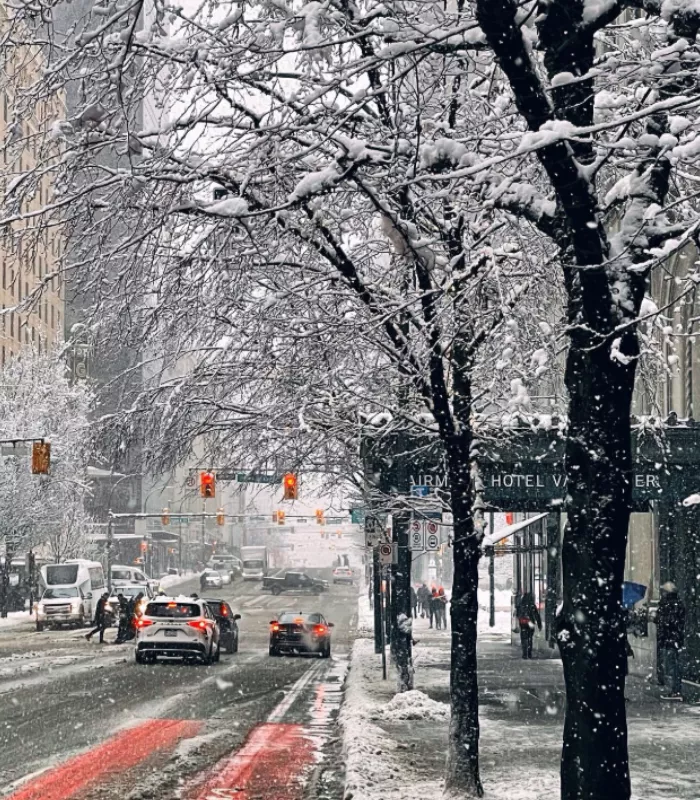
January and February are Vancouver’s coldest months.
The city rarely gets snow downtown. But it does get a lot of freezing rain and icy sidewalks.
Icy walkways are a real hazard. For travelers over 50, this is a serious safety concern.
Many of Vancouver’s best outdoor attractions are simply not enjoyable in this kind of weather.
The Seawall, one of the city’s most beloved walking paths, becomes slippery and uncomfortable.
Daylight hours are short, leaving you with limited time to explore before darkness sets in.
Fog frequently rolls in off the water, reducing visibility and adding to the general gloom.
Indoor attractions like museums get crowded as everyone tries to escape the cold at the same time.
Driving across the border can also be trickier in winter conditions, especially on mountain routes.
Many seasonal restaurants and tour operators reduce their hours or close entirely in January and February.
The wind coming off the Burrard Inlet makes the feels-like temperature drop well below the actual reading.
Hot drinks and warm restaurants offer some comfort, but you will spend more time indoors than you planned.
Whale watching and other outdoor tours are far less reliable in January due to rough water conditions.
The combination of cold, rain, and short days makes it genuinely hard to stay in a good mood during a January visit.
Why It’s On This List: Vancouver averages around 150mm of rain in January alone. Many outdoor attractions, like the Capilano Suspension Bridge park, are far less enjoyable in bitter, wet weather.
3. Mid-July Heat Waves
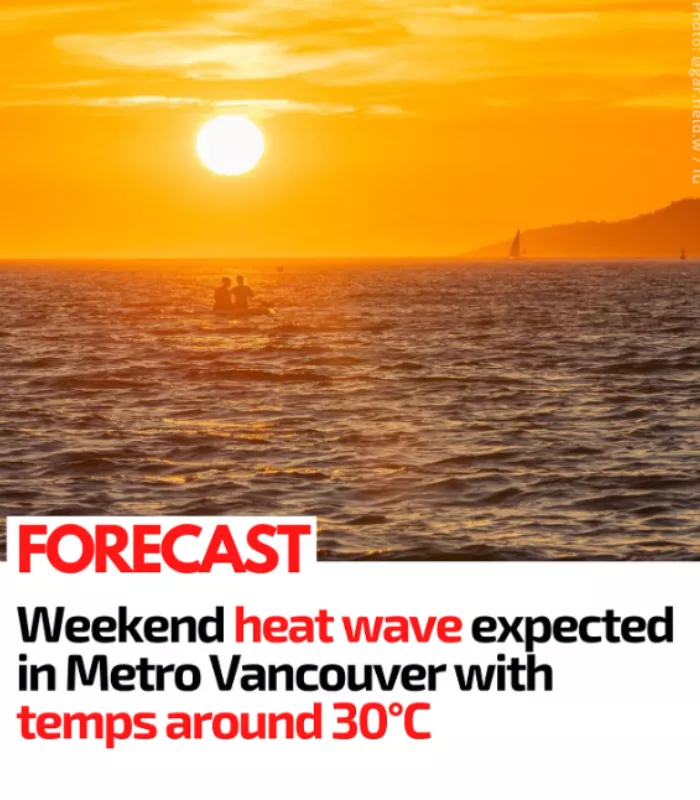
You might think summer is perfect. But here’s the catch.
Vancouver has experienced record-breaking heat waves in recent years. In 2021, nearby areas hit historic highs above 49 degrees Celsius (120F).
The city has very few air-conditioned spaces. Many hotels and restaurants simply do not have AC.
Public transit vehicles, including many SkyTrain cars, are not fully air-conditioned.
Popular outdoor spots like Stanley Park offer little shade relief during peak afternoon heat.
Older buildings throughout the city, including many mid-range hotels, were simply not built for extreme heat.
Heat-related illness is a real risk, and Vancouver’s hospitals see a surge in visits during heat events.
Sleeping comfortably at night becomes difficult without AC, which affects the quality of your entire trip.
Restaurants with outdoor patios become unbearable in the afternoon sun.
Even locals stay indoors during the worst heat days, leaving popular attractions feeling eerily empty and services understaffed.
Sunscreen and hats help, but the combination of heat and humidity near the water can feel oppressive by midday.
Cooling centers set up by the city are helpful, but are not exactly how you want to spend your vacation afternoon.
If you are on any medications that are affected by heat, this is a particularly important risk to discuss with your doctor before traveling.
Dehydration sneaks up faster than most people expect when you are walking several miles a day in high temperatures.
Why It’s On This List: Heat is harder on older adults. If you have heart or breathing conditions, mid-July heat waves in a city with limited cooling options can quickly become dangerous.
4. Spring Break Crowds (Late March)
Late March is spring break season.
Families with kids pour into Vancouver from across North America. Popular spots like Stanley Park and Granville Island become packed.
Lines get long. Parking becomes a nightmare. Restaurants are noisy, and wait times stretch for over an hour.
The Vancouver Aquarium, one of the city’s top attractions, sees some of its highest attendance of the year during spring break.
Hotel prices jump sharply as family travel demand pushes rates up across all categories.
Even quieter neighborhoods like Kitsilano and Commercial Drive feel the ripple effect of the crowds.
Border crossing wait times also increase as American families drive up for the week.
Tour buses clog the narrow roads around popular viewpoints like Prospect Point.
Finding a peaceful waterfront bench or a quiet corner in a cafe becomes surprisingly difficult.
The overall energy of the city shifts toward young families, which can feel overwhelming if you prefer a calmer pace.
Mini-golf courses, trampoline parks, and kid-friendly venues book up days in advance.
Museums that are normally relaxed and walkable become loud and crowded with school groups and young children.
Even the elevators and escalators at major transit hubs feel packed from morning until night during spring break week.
If you were hoping for a quiet brunch at a favorite spot, expect a 45-minute wait and a room full of strollers.
Why It’s On This List: If you prefer a quieter, more relaxed pace of travel, late March is one of the worst times to visit. You’re better off coming in early September when the crowds thin out and the weather is still pleasant.
5. August Long Weekend (BC Day)
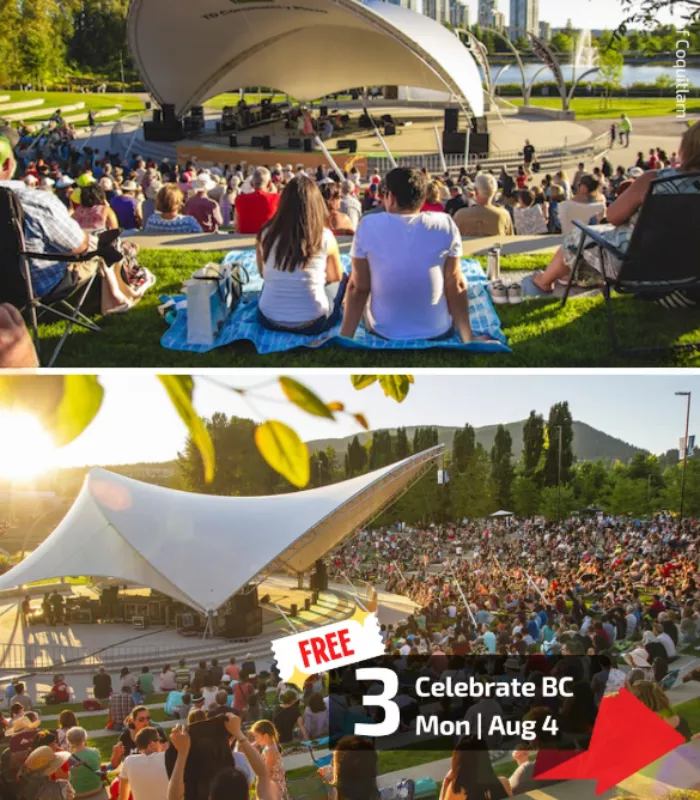
The first Monday of August is BC Day, a provincial holiday.
The long weekend draws massive crowds from both Canada and the U.S.
Flights from Seattle and Portland sell out weeks in advance. Border crossing wait times at Peace Arch can stretch beyond three hours.
Every major campsite and hotel within driving distance of Vancouver fills up fast.
Gas prices along the I-5 corridor tend to climb heading into the long weekend.
Downtown Vancouver becomes gridlocked on Friday afternoon as everyone tries to leave or arrive at the same time.
Popular day trips like Whistler and the Sunshine Coast become overcrowded and logistically stressful.
Ferry lineups to Vancouver Island can mean waits of four hours or more without a reservation.
Restaurants stop taking walk-ins entirely, and even reservations made days in advance are hard to come by.
The festive atmosphere is real, but for travelers who value comfort and ease, it comes at too high a cost.
Street festivals and outdoor events sound appealing, but often mean standing for long periods with limited seating.
Accessible accommodations book up fastest of all, leaving travelers with specific needs very few options at the last minute.
Even the drive back across the border on Monday evening can add two to three hours to your trip home.
Airbnb and short-term rental prices during BC Day weekend often rival or exceed those of the nicest hotels in the city.
Why It’s On This List: The combination of full hotels, peak airfare prices, and long border waits makes this one of the most stressful weekends of the year to visit Vancouver as an American traveler.
6. November Rain Season
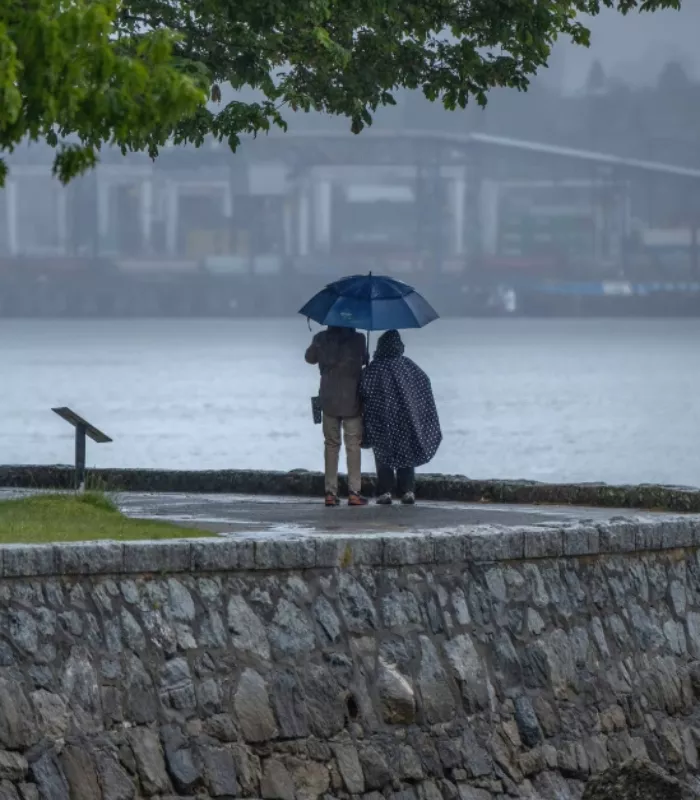
November is arguably Vancouver’s gloomiest month.
The rain is almost constant. Daylight hours are short. Many outdoor activities are limited or unpleasant.
That’s why seasoned travelers often skip November entirely.
The mountains surrounding the city disappear behind thick cloud cover for days at a time.
Outdoor markets and seasonal attractions begin shutting down for the winter in November.
The famous seawall gets slick and uninviting, making even a short walk feel like a chore.
Many visitors are surprised by how dark it gets by 4:30 in the afternoon.
The lack of sunlight can genuinely affect your mood, especially on a trip you have been looking forward to.
Umbrellas help, but the sideways rain that Vancouver gets in November defeats most of them.
Even locals tend to hunker down and stay home during the worst November weeks.
The city’s normally vibrant outdoor dining scene essentially disappears as patios close for the season.
Photography, one of the great joys of visiting Vancouver, is nearly impossible with flat gray skies every single day.
Many visitors who come in November say they spent the majority of their trip looking for things to do indoors.
Seasonal depression is a real phenomenon in the Pacific Northwest, and a November visit to Vancouver gives you a firsthand look at why.
Why It’s On This List: Vancouver gets an average of 185mm of rain in November, making it the wettest month of the year. If you plan to explore the city on foot, this much rain makes the experience exhausting rather than enjoyable.
7. Canada Day Weekend (July 1)
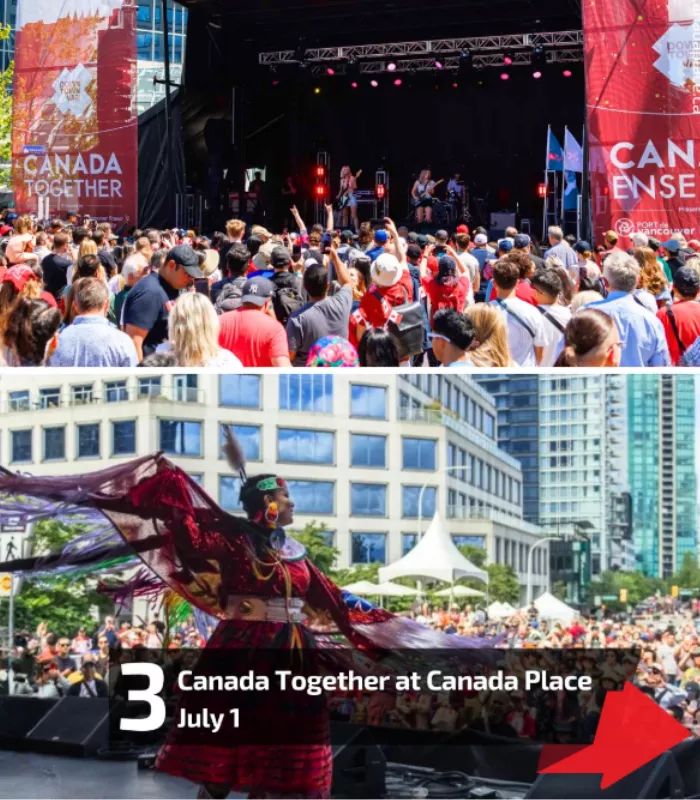
Canada Day is the country’s biggest national holiday.
Vancouver throws a huge celebration with fireworks, festivals, and parades. Sounds fun, right?
But here’s the deal. The entire city gets gridlocked. Public transit is overwhelmed. And accessible seating for events fills up days ahead of time.
The waterfront around Canada Place becomes shoulder-to-shoulder with crowds by mid-afternoon.
Rideshare wait times balloon to 45 minutes or more as demand overwhelms drivers.
Many restaurants switch to limited holiday menus and reduced staff, making dining out a frustrating experience.
Noise levels throughout the city stay high well into the night, which can make sleeping difficult.
Americans driving across the border face some of the longest wait times of the entire year on July 1st.
Accessible parking near event venues disappears hours before festivities begin.
What sounds like a fun cultural experience often turns into an exhausting day of waiting, walking, and navigating massive crowds.
Hotel rates on Canada Day weekend regularly match or exceed those seen during the December holiday rush.
The fireworks, while impressive, require staking out a spot hours in advance to get a comfortable view.
For travelers who did not know about the holiday in advance, arriving in a fully booked city with no plan is an unpleasant surprise.
Many American visitors have no idea Canada Day is even happening until they are already stuck in the middle of it.
Why It’s On This List: For Americans crossing the border for a laid-back Canadian getaway, Canada Day weekend is anything but laid-back. Hotel rates spike, restaurants are overbooked, and navigating downtown Vancouver becomes a real challenge for those who prefer a slower pace.