

Mexico is a massive, wildly diverse country.
Some corners of it are genuinely perfect for retirement.
Others have been discovered, over-marketed, over-priced, and handed over almost entirely to tourists and Instagram influencers.
Your retirement savings deserve better than a destination that peaked five years ago.
1. Cancun, Quintana Roo

Cancun is famous for its white sand beaches and turquoise water.
But here’s the catch: it was built for tourists, not retirees.
Traffic is brutal. Crowds never thin out. And the cost of living has risen sharply in recent years.
Many retirees find it overwhelming after the first few months.
The hotel zone stretches over 14 miles of coastline, and it was designed entirely around vacation spending.
Grocery stores, clinics, and everyday services are often far from the main tourist corridors.
Public transportation is limited outside the main strip.
Noise from nightclubs and beach bars can be a genuine problem even in residential areas nearby.
Hurricane season runs from June through November, and Cancun sits directly in the path of Atlantic storms.
The city has been hit by major hurricanes multiple times in the past two decades.
Home insurance costs reflect that risk and can be significantly higher than in other parts of Mexico.
The expat community here skews younger and more transient than in other retirement destinations.
Finding long-term social connections can be harder than you might expect.
English is widely spoken, which is convenient, but it also means you may never feel the need to integrate into local culture.
Many retirees who moved here report feeling like permanent tourists rather than residents.
That distinction matters more than most people realize before they make the move.
2. Tulum, Quintana Roo
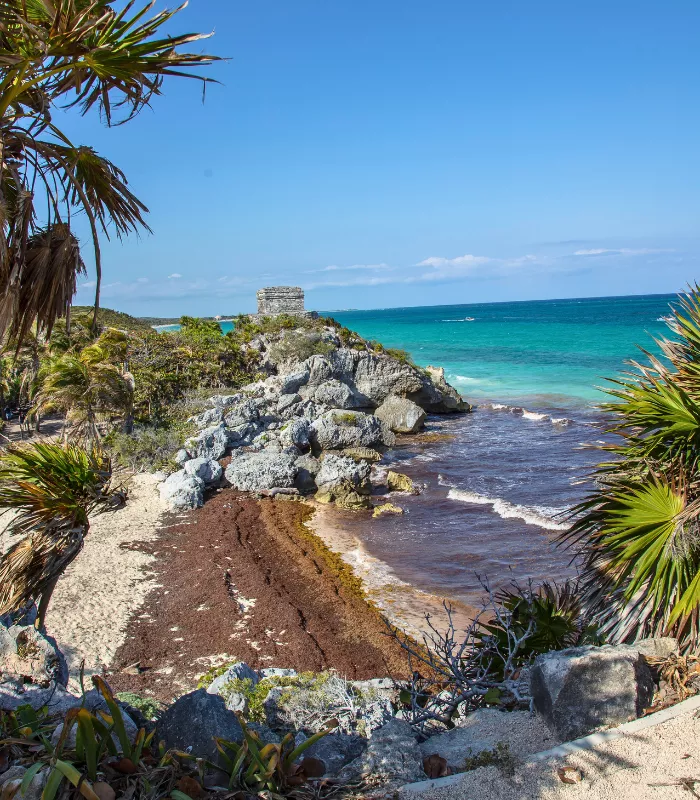
Tulum looks magical in photos.
The jungle, the ruins, the cenotes. It feels like paradise.
But the infrastructure has not kept up with the hype. Power outages are common. Roads flood during the rainy season. And prices have exploded since it became a social media favorite.
The town has grown so fast that basic services are still struggling to catch up.
Sewage infrastructure has been a documented environmental concern for years.
The famous cenotes and coastal ecosystems are under increasing pressure from overdevelopment.
Medical facilities in Tulum itself are limited, and serious health needs require a trip to Playa del Carmen or Cancun.
That drive can take anywhere from 45 minutes to well over an hour, depending on traffic.
For retirees managing ongoing health conditions, that distance is not a small consideration.
The “bohemian” aesthetic that made Tulum famous now comes with five-star price tags.
A simple beachfront dinner can cost more than a full day’s budget in other parts of Mexico.
Short-term rental platforms have taken over much of the housing stock, leaving fewer long-term options for residents.
Landlords often prefer the higher returns of tourist rentals over stable long-term leases.
That makes finding a permanent home both difficult and expensive.
The lifestyle here is beautiful for a two-week vacation, but demanding as a full-time reality.
Why It’s On This List: Tulum is one of the fastest-rising real estate markets in all of Latin America, pricing out the retirees who discovered it years ago.
3. Puerto Vallarta, Jalisco
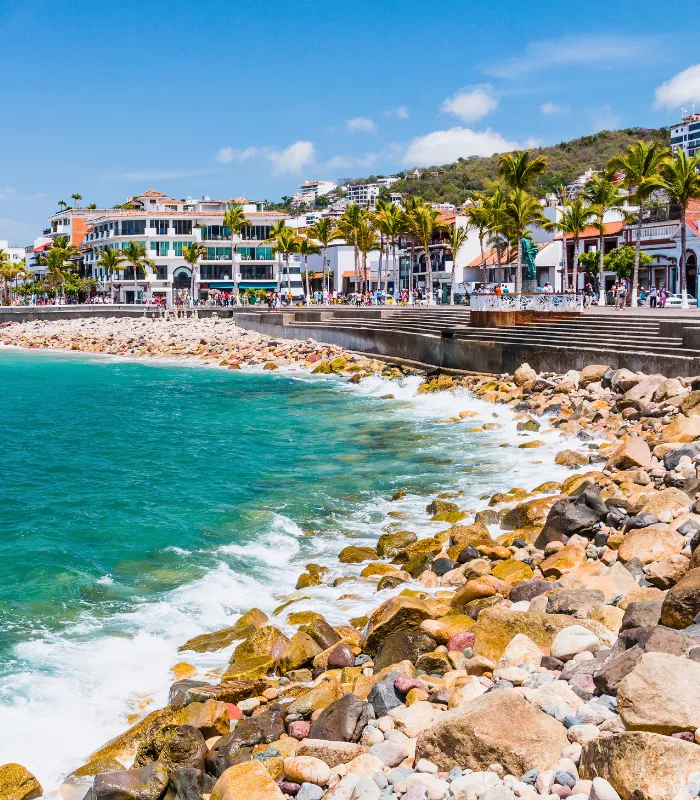
Puerto Vallarta has a well-established expat community. That is part of the problem.
Demand has driven up rental and property prices dramatically.
What used to be an affordable gem is now comparable in cost to some U.S. cities. The charm is still there, but your retirement savings may not stretch as far as you hope.
The Romantic Zone, once a quiet and affordable neighborhood, now draws heavy tourist foot traffic year-round.
Restaurant and bar noise in that area can make peaceful evenings difficult for nearby residents.
The Marina District has seen luxury development push out more modest housing options.
Humidity during the summer months is intense, and the rainy season brings frequent heavy downpours.
Some streets in older neighborhoods flood regularly during peak rains.
Traffic has worsened considerably as the city’s permanent and tourist population has grown.
The main highway into town creates bottlenecks that can turn short trips into long frustrations.
Utility costs, particularly air conditioning during hot months, add up faster than many retirees budget for.
The expat social scene is active, but it can also feel insular and repetitive over time.
Many long-term residents describe a “bubble” effect where expat life feels disconnected from the broader Mexican community.
That’s why some retirees who love the Pacific coast are now looking at smaller towns like Sayulita or Lo de Marcos instead.
Those areas offer similar beauty at a fraction of the cost and without the crowds.
Why It’s On This List: Monthly rental costs for a comfortable two-bedroom apartment in a popular neighborhood can easily run $1,500 to $2,500 USD.
4. San Miguel de Allende, Guanajuato
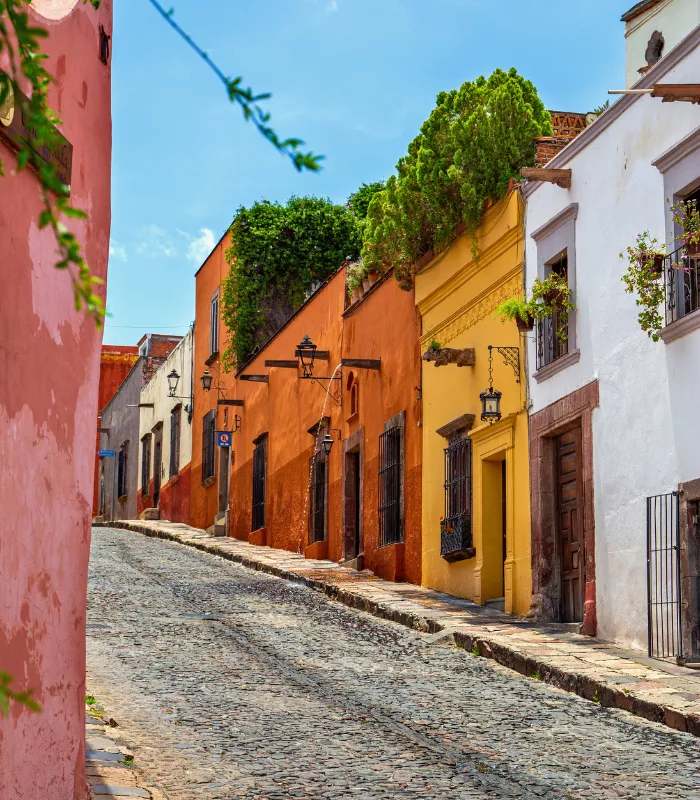
San Miguel de Allende is breathtaking. Cobblestone streets. Colonial architecture. World-class restaurants.
It also lands on nearly every “best places to retire” list every single year.
That popularity has a price. It is now one of the most expensive cities in Mexico for expats. You’re better off exploring smaller colonial towns in the Bajio region that offer the same charm for far less money.
The city sits at an elevation of nearly 6,200 feet, which surprises retirees expecting a warm tropical climate.
Winters can be genuinely cold, with nighttime temperatures occasionally dropping near freezing.
The cobblestone streets are picturesque but hard on knees, hips, and ankles.
Mobility can become a real challenge for retirees dealing with joint issues or using mobility aids.
Parking is scarce, and driving through the historic center is stressful and often restricted.
The arts and culture scene is wonderful, but it caters heavily to wealthy visitors and expats rather than everyday residents.
Dining out regularly at the quality restaurants San Miguel is known for adds up to a significant monthly expense.
Water quality and availability have been ongoing concerns as the city grows faster than its resources.
Many residents rely on filtered or delivered water for drinking, which is an added cost and inconvenience.
The permanent expat population is large enough that some neighborhoods feel more like American communities with a Mexican backdrop.
For retirees seeking genuine cultural immersion, that dynamic can feel disappointing.
The hype around San Miguel is real, but so is the gap between expectation and everyday reality.
Why It’s On This List: San Miguel’s property values have more than doubled in the past decade, driven largely by American and Canadian buyers.
5. Mexico City, Mexico City
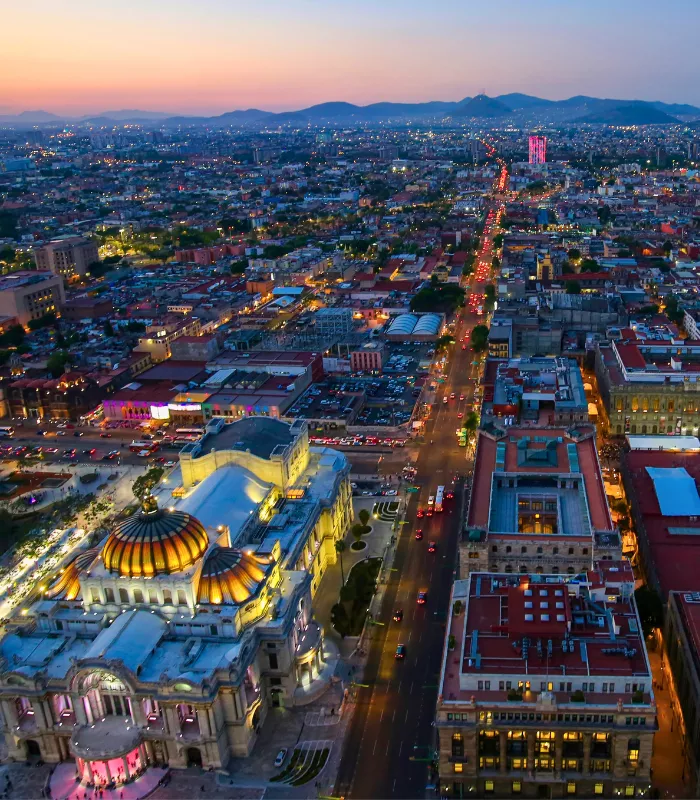
Mexico City is one of the greatest cities in the world. No argument there.
But retiring in a megalopolis of over 21 million people is a different story.
Air quality can be poor. Traffic is relentless. Neighborhoods like Condesa and Roma have seen rents skyrocket due to remote worker demand. For a slower-paced retirement lifestyle, this city may be more exciting than relaxing.
The city sits in a high-altitude basin, which can cause respiratory issues for some older adults.
Altitude sickness is real here, especially in the first weeks after arrival.
Earthquakes are a consistent fact of life in Mexico City, which sits on a former lakebed prone to significant ground movement.
The 2017 earthquake caused widespread damage and is a reminder that seismic risk is not theoretical.
Crime rates vary dramatically by neighborhood, and navigating which areas are safe requires time and local knowledge.
The city’s sheer size makes building a manageable daily routine more complicated than in smaller towns.
Finding a doctor, a grocery store, a pharmacy, and a park you love can take months of trial and error.
The remote worker influx has changed the social fabric of popular neighborhoods in ways that feel transient rather than community-oriented.
Neighbors change constantly, making it harder to build the lasting friendships that are so important in retirement.
The cultural offerings are extraordinary, but enjoying them often means battling traffic or crowded metro cars.
Pollution levels on bad days can force even healthy adults to limit time outdoors.
For retirees prioritizing fresh air and a relaxed pace, Mexico City asks a lot in return for what it gives.
Why It’s On This List: The “gentrification effect” from remote workers has pushed monthly rents in trendy neighborhoods above $2,000 USD in some cases.
6. Playa del Carmen, Quintana Roo
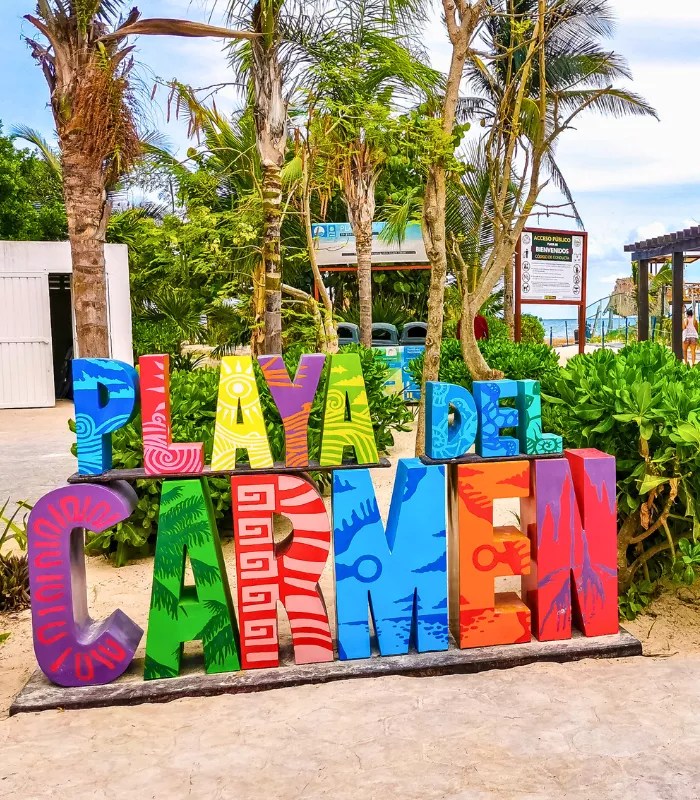
Playa del Carmen sits between Cancun and Tulum. It has absorbed tourists from both directions.
Fifth Avenue is lively and walkable. But the surrounding area is noisy, crowded, and increasingly commercialized.
That’s why many retirees who moved here five or ten years ago have already relocated further south. What was once a quiet beach town now feels like a permanent spring break destination.
The stretch along and near Fifth Avenue is lined almost entirely with souvenir shops, chain restaurants, and nightlife venues.
Street noise from vendors, music, and traffic is a constant backdrop to daily life in central neighborhoods.
Moving further from the tourist core means sacrificing walkability, which matters more as you get older.
Construction is ongoing throughout the city as developers race to meet tourist demand.
Living near a construction site for months at a time is a common experience for residents here.
The beach, while beautiful, is often packed with lounge chairs and vendors, leaving little room for a quiet morning walk.
Seaweed buildup along the Riviera Maya coastline has been a persistent seasonal problem in recent years.
On bad days, the smell and appearance of sargassum seaweed can make beach access unpleasant for extended periods.
Grocery and household costs in tourist zones carry a noticeable markup compared to inland Mexican cities.
Healthcare options have improved, but still require trips to larger facilities for anything beyond routine care.
The expat community is large but highly transient, making deep, long-term friendships harder to form.
Playa del Carmen rewards short visits far more generously than it rewards long-term living.
Why It’s On This List: Playa del Carmen’s tourist foot traffic exceeds 20 million visitors per year, making peaceful daily living a real challenge.
7. Cabo San Lucas, Baja California Sur
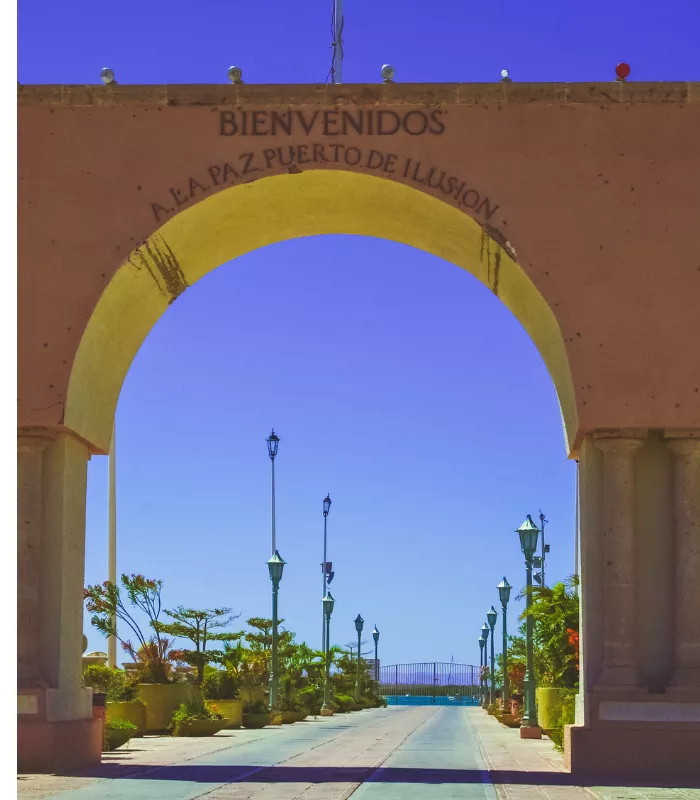
Cabo is glamorous. Celebrity sightings. Luxury resorts. Deep-sea fishing.
But glamour is expensive. Groceries, dining, and housing all carry resort-town markups.
The desert climate also surprises many retirees who expected a lush tropical setting. Summer heat regularly tops 100 degrees Fahrenheit. Water scarcity is a growing concern in the region.
Baja California Sur is one of the driest regions in all of Mexico.
The peninsula relies heavily on desalination plants and water trucking to meet residential demand.
Water shortages and restrictions are not uncommon during dry periods.
The landscape is stunning but stark, and some retirees find the desert scenery emotionally draining over time.
Green spaces and shaded outdoor areas are limited compared to more tropical retirement destinations.
Most daily errands require a car, as the city is spread out and pedestrian infrastructure is limited.
Hurricane season brings genuine risk to the Baja Peninsula, and Cabo has taken direct hits from major storms in recent years.
Recovery after significant storms can be slow, with infrastructure and services disrupted for extended periods.
The social scene in Cabo revolves heavily around resort activities, sport fishing, and nightlife.
Retirees looking for a quieter cultural life may find the entertainment options shallow after the novelty wears off.
San Jose del Cabo, just 20 miles away, offers a calmer atmosphere but still carries the high price tag of the Los Cabos corridor.
The entire region is priced as a luxury destination, and there is very little middle ground available for budget-conscious retirees.
Why It’s On This List: Cabo consistently ranks among the most expensive places to live in all of Mexico, with luxury condo prices rivaling U.S. coastal cities.
8. Guadalajara, Jalisco
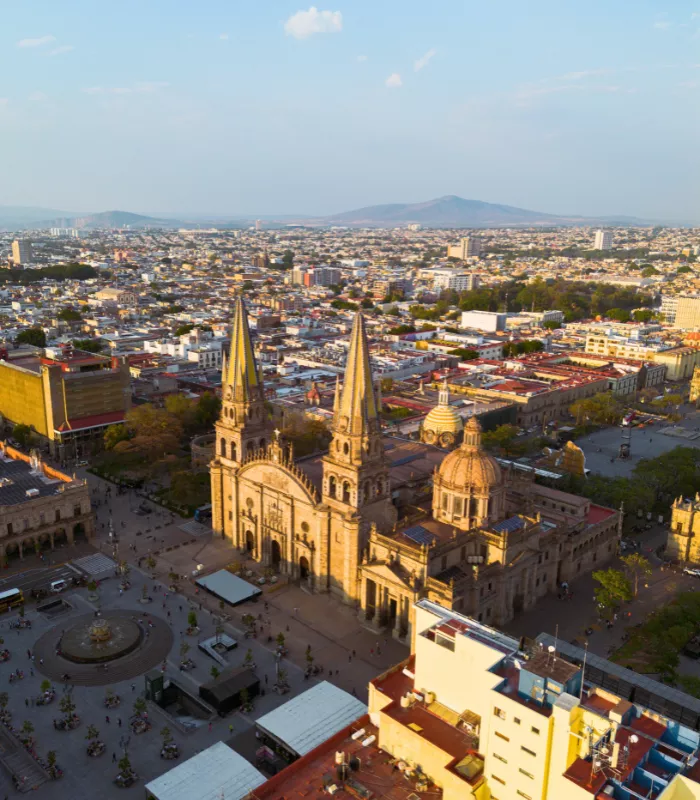
Guadalajara is Mexico’s second-largest city. It has culture, great food, and a mild climate.
But it also has serious traffic congestion and urban sprawl that rivals Mexico City.
The popular expat suburb of Chapala and the Lake Chapala area are often conflated with Guadalajara itself, but they are over an hour away. The city on its own can feel chaotic and not well-suited for a relaxed retirement lifestyle.
The metro area covers a vast stretch of land that can take well over an hour to cross during peak hours.
Air pollution is a growing problem as vehicle traffic and industrial activity have increased over the years.
Some neighborhoods that were quiet a decade ago have become noisy commercial corridors.
Crime rates in certain districts of Guadalajara require careful neighborhood selection before committing to a lease or purchase.
The city’s size means that finding the right pocket to live in takes significant research and time on the ground.
Healthcare is generally good in Guadalajara, but top-tier private hospitals are concentrated in specific areas that may not be near your neighborhood.
The rainy season brings heavy downpours that regularly flood low-lying streets and underpasses.
Public transportation exists but is inconsistent and can feel unsafe for older adults traveling alone.
Expat communities here are smaller and less organized than in places like San Miguel or Puerto Vallarta.
Building a social network takes more effort and initiative than in cities with established expat infrastructure.
The cultural richness of Guadalajara is genuine, but it requires navigating a large and complex urban environment to access it.
For retirees who want city life, smaller and more manageable cities in Mexico often deliver a better daily quality of life.
Why It’s On This List: Guadalajara’s metro population tops 5 million, and navigating daily life without a car is difficult in most neighborhoods outside the historic center.
9. Oaxaca City, Oaxaca
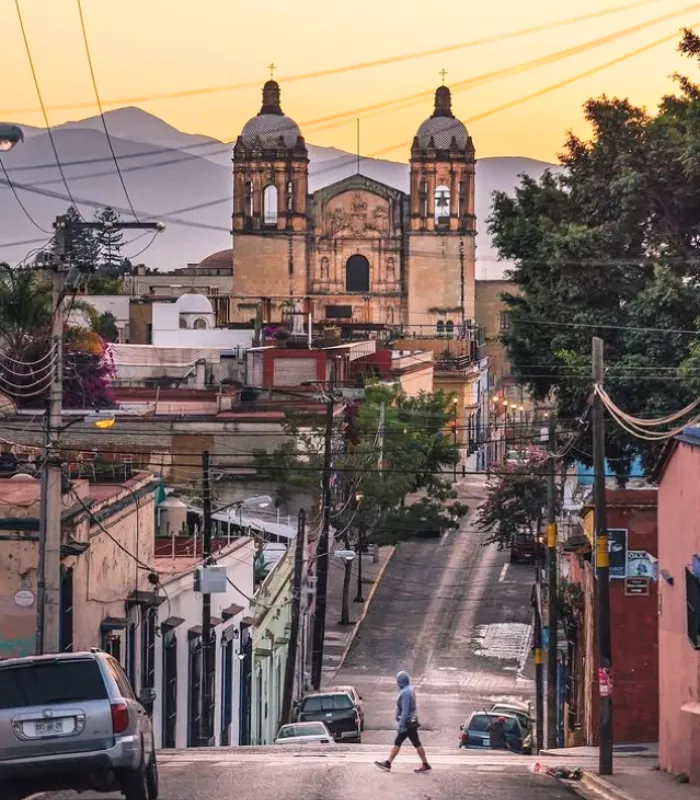
Oaxaca has become a darling of food lovers, artists, and travel writers.
The cuisine is incredible. The culture is rich. The markets are unforgettable.
But the remote worker boom has changed things fast. Rental prices have surged. Locals have been priced out of their own neighborhoods. And the city, while beautiful, sits in a seismically active zone with limited English-speaking medical care nearby. That is a real concern for retirees with health needs.
Oaxaca sits in a valley surrounded by mountains, which limits expansion and puts natural pressure on housing supply.
That geographic constraint makes price increases faster and harder to reverse than in cities with more room to grow.
The state of Oaxaca as a whole has historically had limited healthcare infrastructure outside the capital.
For serious medical needs, patients are often referred to Mexico City, which is a six-hour drive or a short but sometimes expensive flight away.
The city experiences earthquakes with some regularity, and older colonial buildings are not always retrofitted for seismic safety.
Internet connectivity, while improving, can still be inconsistent in some residential neighborhoods.
The cultural calendar is rich with festivals and events, but some of those events bring large crowds and noise that affect daily life for weeks at a time.
Spanish fluency is much more important here than in heavily touristed cities, as English is far less common among locals and service providers.
Retirees without intermediate Spanish skills may find navigating bureaucracy and medical appointments genuinely stressful.
The indigenous cultural richness of Oaxaca is one of its greatest strengths, but appreciating it fully requires time, curiosity, and language ability.
The city has also attracted a younger, artsy crowd of digital nomads who have reshaped the social landscape in ways that do not always align with retirement priorities.
Bars and creative workspaces have multiplied in neighborhoods that were once quiet and residential.
The Oaxaca of five years ago and the Oaxaca of today are genuinely different places.
What made it special is still there, but it is harder to access quietly and affordably than it used to be.
Why It’s On This List: Oaxaca experienced some of the steepest rent increases in Mexico between 2021 and 2024, with some landlords doubling prices in under two years.