

Every year, millions of travelers follow the same well-worn tourist trail.
They wait in the same lines, eat at the same overpriced restaurants, and take the same photos everyone else already has.
The travel industry profits every time you follow the crowd.
A truly great trip to Portugal starts the moment you stop listening to the brochure.
1. Sintra’s Pena Palace
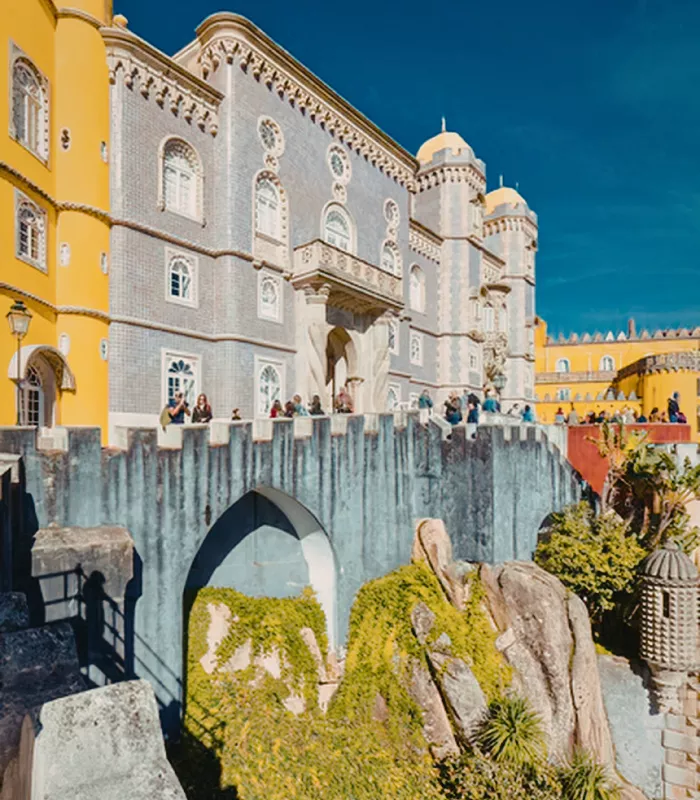
Pena Palace looks like a fairy tale. It sits on a hilltop with bright colors and wild towers.
During peak season, the queues snake around the grounds for hours.
You also pay extra to enter certain sections.
Many visitors leave feeling rushed and underwhelmed.
The surrounding estates offer far more breathing room and just as much beauty.
The palace was built in the 19th century for the Portuguese royal family.
It became a UNESCO World Heritage Site in 1995.
On a busy summer day, visitor numbers can swell into the thousands.
The hilltop location means there is no easy way to escape the crowd.
Parking is a nightmare. Many visitors end up walking steep roads just to reach the entrance gate.
The views from the hilltop are undeniably beautiful.
But you can enjoy those same views from the surrounding Sintra hills without paying palace entry fees.
Neighboring Quinta da Regaleira offers nearly as much drama and mystery at a fraction of the crowd.
Why It’s On This List: Long lines, steep entry fees, and shoulder-to-shoulder crowds make this one of Portugal’s most exhausting tourist stops for travelers over 50.
2. Lisbon’s Tram 28
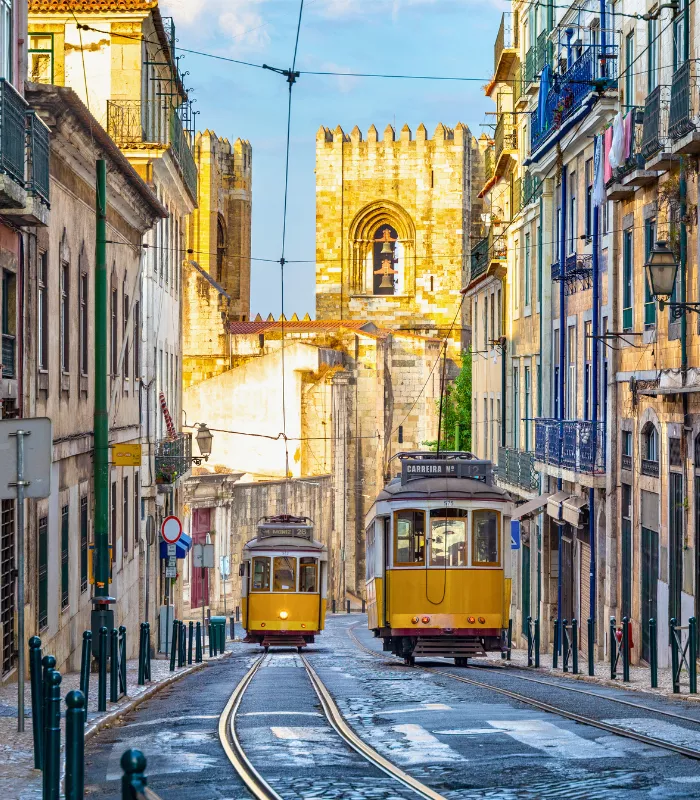
Tram 28 is one of Lisbon’s most photographed icons.
It rattles through the old hillside neighborhoods in a charming yellow car.
The reality? It is packed wall-to-wall with tourists during peak hours.
Pickpocketing is a well-known problem on this route.
You’re better off walking the same neighborhoods at your own pace or taking a less-famous tram line without the crowds.
The tram was built in the early 1900s and was never designed to carry the volume of passengers it sees today.
Many locals avoid it entirely during tourist season. It has become more of a tourist attraction than a functioning transport line.
Standing for the entire journey is common.
The tram is small, the hills are steep, and the stops are frequent.
Lines to board can stretch down the street in summer. Some travelers wait 30 minutes or more just to squeeze on.
The neighborhoods the tram passes through, like Alfama and Graca, are well worth exploring. Just do it on foot and at your own pace.
Why It’s On This List: What looks like a scenic ride in photos is often a sweaty, standing-room-only commute through the city’s steepest hills.
3. Lisbon’s Rua Augusta
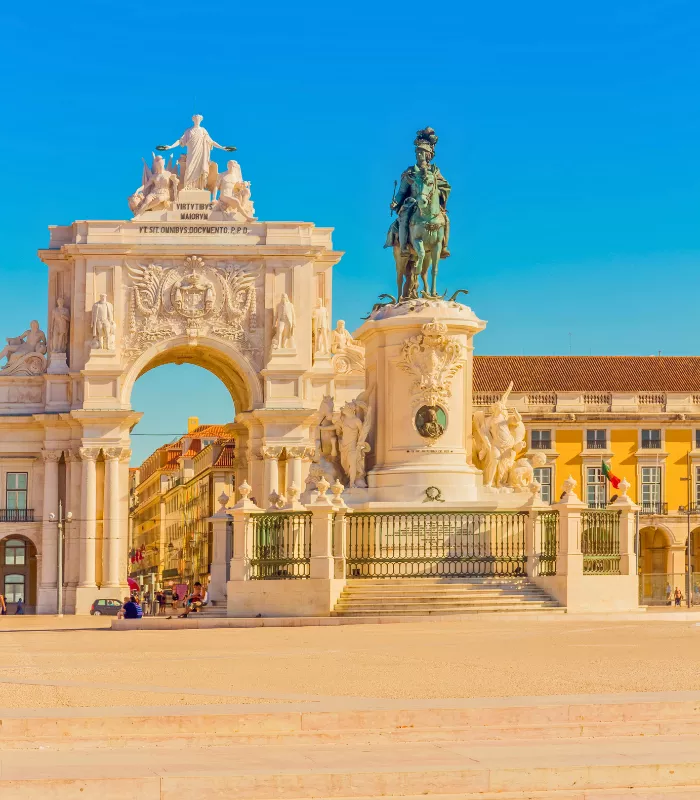
Rua Augusta is Lisbon’s most famous pedestrian street.
It leads straight to the waterfront and looks stunning on a postcard.
But the food here is overpriced and far from authentic.
Every block is lined with souvenir shops selling the same magnets and tiles.
Locals rarely eat here. That alone should tell you something.
That’s why most savvy travelers skip this strip after one walk-through.
The street runs through Baixa, Lisbon’s downtown district, which was rebuilt after the devastating 1755 earthquake.
The triumphal arch at the end of the street is worth a glance. But the street itself offers little beyond window shopping and tourist menus.
A meal for two on Rua Augusta can easily cost double what you would pay just two streets away.
The tiled facades and wide layout do make for a pleasant short stroll. Just do not plan a full afternoon around it.
Streets like Rua das Portas de Santo Antao, just a short walk north, offer better food at far more honest prices.
Why It’s On This List: Tourist trap pricing and generic food stalls make this street a disappointment for anyone hoping to taste real Portuguese culture.
4. Porto’s Ribeira District
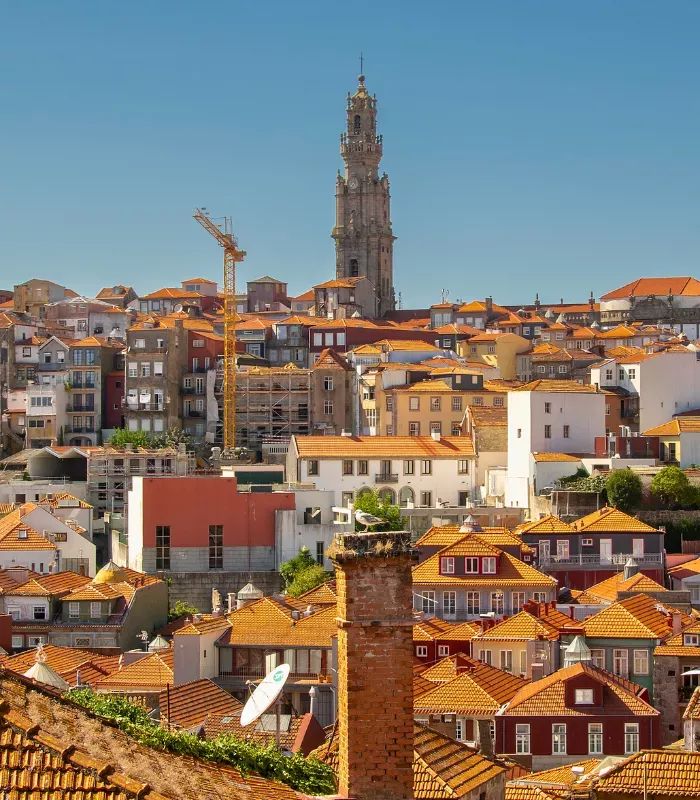
The Ribeira riverfront in Porto is genuinely pretty. The colorful buildings and Douro River views are hard to argue with.
But the narrow alleys get so packed that even catching a clear view of the water becomes a challenge. Restaurants along the waterfront often trade food quality for location.
Neighborhoods like Cedofeita and Foz do Douro give you a far more authentic Porto experience without the tourist markup.
Ribeira is a UNESCO World Heritage Site and has been drawing visitors for decades. That history comes with a price tag.
A simple grilled fish dish at a waterfront table can cost two to three times what the same meal costs inland.
The cobblestones are uneven and steep in several sections. For anyone with knee or mobility concerns, it can be physically demanding.
The Luis I Bridge nearby is a genuine highlight and worth crossing on foot for the views from the upper deck.
But the restaurant strip along the water has become predictable. Most menus look identical, and quality varies widely.
Why It’s On This List: What should be a relaxing riverside stroll often turns into an elbow-to-elbow shuffle past overpriced menus.
5. The Algarve’s Benagil Cave
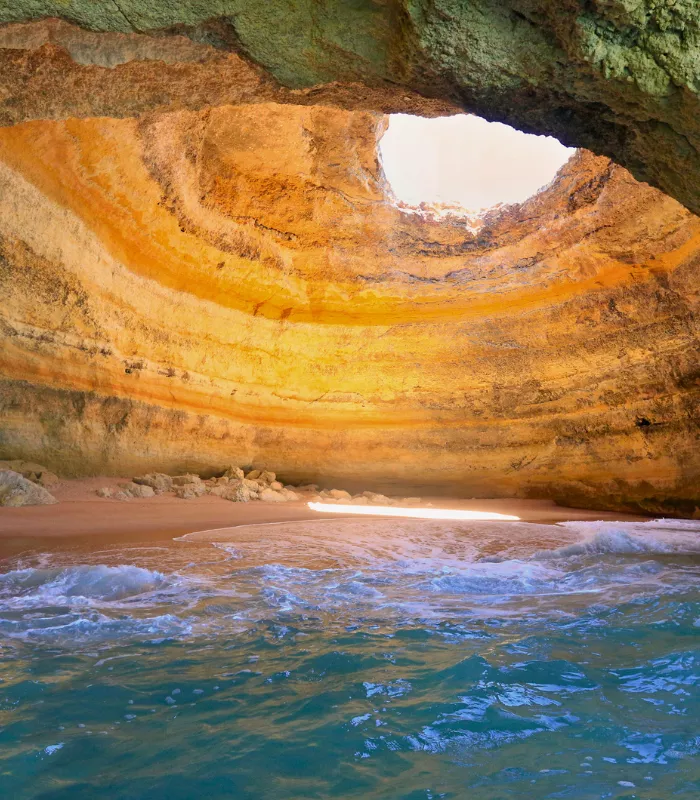
Benagil Cave is one of the most shared images of Portugal on the internet. The golden rock arch and turquoise water look unreal.
But locals believe this attraction is at breaking point. Dozens of kayaks, paddleboards, and boat tours crowd the cave at all hours of the day.
The experience rarely matches the photo. You spend more time waiting in line for a boat than you do actually inside the cave.
The cave itself is only accessible by water. There is no walking path in, which means everyone arrives by the same small number of entry points.
In peak summer, the cave can have 20 or more watercraft inside it at once. The serene image you saw online does not reflect that reality.
Boat tour operators have multiplied in recent years to meet demand. Standards and safety briefings vary considerably between providers.
Nearby sea caves like Marinha Beach and the Algar Seco rock formations offer dramatic coastal scenery with far fewer people.
The Algarve coastline is genuinely spectacular. Benagil Cave is just no longer the best way to experience it.
Why It’s On This List: Overtourism has turned one of Portugal’s most magical natural spots into a floating traffic jam on busy summer days.
6. Obidos Medieval Village

Obidos looks straight out of a history book. White walls, a stone castle, and cobblestone streets surround the entire village.
But here’s the deal: every one of those cobblestone streets is lined with souvenir stands. Cafes charge tourist prices for basic food and drinks.
The medieval charm gets harder to feel when you’re shoulder-to-shoulder with tour groups. The village can be toured in under two hours, which makes the journey feel long for what you get.
Obidos has a population of just a few thousand people. On a busy day, it receives more visitors than it has residents.
The castle walls are walkable and offer decent views of the surrounding countryside. That part is genuinely enjoyable.
The famous Ginjinha cherry liqueur served in a chocolate cup is a fun novelty. But it is now sold at every second stall in the village.
The drive to Obidos from Lisbon takes about an hour. Many visitors feel the journey outweighs the reward.
Smaller, less-visited hilltop villages like Marvao and Monsanto offer the same medieval atmosphere with almost none of the crowds.
Why It’s On This List: Heavy commercialization has turned this once-quiet walled town into a souvenir market with a historic backdrop.
7. Lisbon’s Bairro Alto at Night

Bairro Alto has a reputation as Lisbon’s nightlife hub. People talk about it like it is the heart of the city’s soul.
The streets are loud, crowded, and mostly aimed at young party-goers. For travelers over 50, it can feel more overwhelming than enjoyable.
The fado houses in Alfama offer a far richer and more peaceful evening experience with genuine Portuguese music and good food in one place.
Bairro Alto comes to life after 10 pm and peaks well past midnight. If you keep earlier hours, there is little reason to visit.
Most of the bars are tiny and spill their crowds directly onto the street. Noise levels can make conversation nearly impossible.
The area has a lively creative energy during the day, with independent bookshops and art galleries worth exploring before dark.
At night, however, the character of the neighborhood shifts almost entirely toward a younger drinking crowd.
A quiet dinner in Principe Real, just uphill from Bairro Alto, gives you the neighborhood’s charm without the late-night chaos.
Why It’s On This List: What is marketed as a cultural hotspot is largely a loud street party that caters to a very different kind of traveler.
8. Aveiro Canal Boat Tours
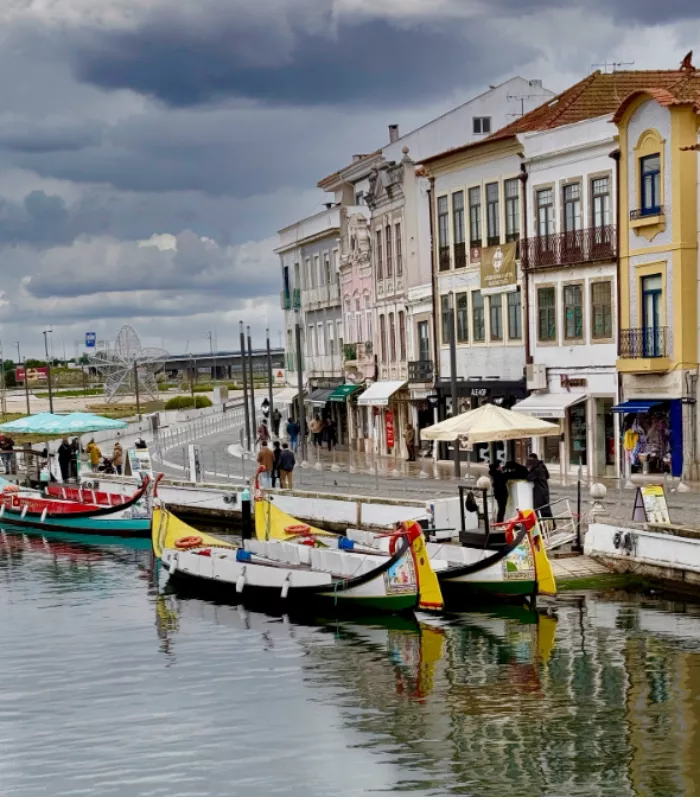
Aveiro is often called the Venice of Portugal. Its painted canals and colorful boats are genuinely charming to look at.
But the official boat tours feel short, expensive, and light on real commentary. Many visitors walk away feeling like they paid a lot for a quick loop around the water.
A simple walk along the canals is free and shows you far more of the town’s character than any guided boat ride.
The traditional moliceiro boats were once used to harvest seaweed from the lagoon. Today, they carry tourists almost exclusively.
A standard canal tour lasts around 45 minutes and costs upwards of 15 euros per person. Groups are often large and the boats feel rushed.
The town of Aveiro itself is pleasant and worth exploring. Its Art Nouveau architecture is genuinely impressive and often overlooked.
The local ovos moles, a traditional egg-based sweet, are far more memorable than any boat ride. They are sold at bakeries throughout the town center.
The nearby Costa Nova beach, with its striped fishermen’s houses, is one of the most photogenic spots in central Portugal and costs nothing to visit.
Why It’s On This List: The boat tour price tag rarely matches the actual experience, especially when the best views are available for free on foot.
9. Lisbon Oceanarium
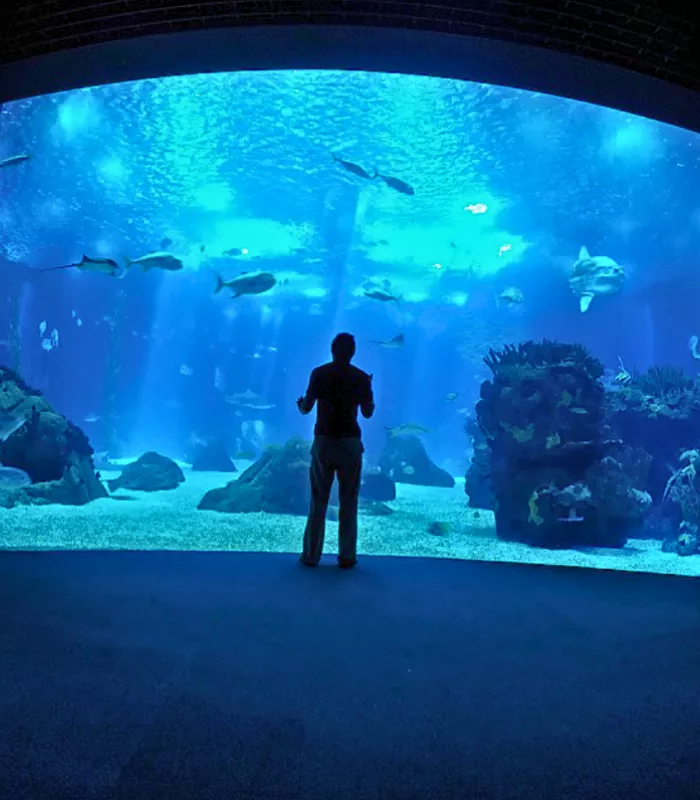
The Lisbon Oceanarium has been praised as one of Europe’s best aquariums. It sits in the modern Parque das Nacoes district near the waterfront.
I made a classic mistake of visiting on a holiday weekend. The lines moved slowly, the popular tanks were mobbed, and some exhibits felt smaller than expected.
Ticket prices have risen steadily in recent years. For travelers who have visited world-class aquariums before, this one may not justify the time or cost.
The Oceanarium opened in 1998 for the Lisbon World Expo. It was considered groundbreaking at the time for its central ocean tank design.
Adult tickets now cost around 21 euros. Combined with travel time to the Parque das Nacoes district, the outing takes up a good half day.
The central tank, which houses sharks, rays, and sunfish together, is genuinely impressive. But the surrounding exhibits are relatively modest in size.
The Parque das Nacoes district itself is worth a visit for its riverside promenade, modern architecture, and relaxed atmosphere.
For nature lovers, the natural tide pools and marine life visible along the Cascais coastline offer a free and equally rewarding alternative.
Why It’s On This List: Crowds and rising ticket prices make this a tough sell when Portugal’s real coastline and natural marine life are just minutes away.
10. Cascais Town Center
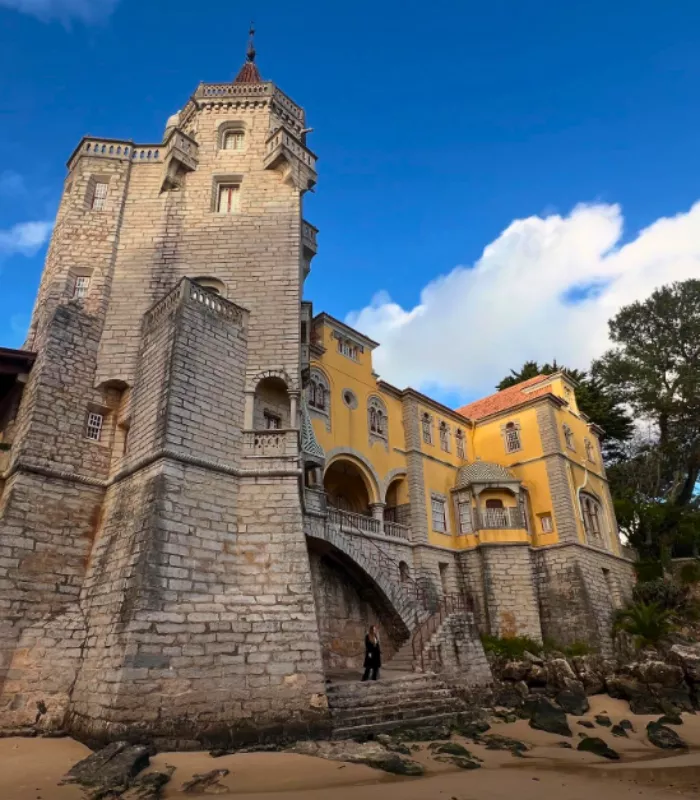
Cascais sits just 40 minutes west of Lisbon by train. It has a reputation as a charming seaside escape with royal history and ocean views.
But the town center is packed with generic tourist shops and overpriced cafes. The relaxed beach vibe disappears quickly on a summer weekend.
Cascais does have one genuinely stunning attraction: the natural cliff formation called Boca do Inferno, where waves crash into hollow rock chambers. That part is worth the trip. The town center is not.
Cascais became a retreat for Portuguese royalty in the late 19th century. That history adds a layer of elegance to the town’s layout and architecture.
The town museum and the Condes de Castro Guimaraes palace are genuinely interesting and rarely crowded. Most tourists walk right past them.
The beaches nearest to the town center get extremely busy in July and August. Sunbeds and space become scarce by mid-morning.
The cycling path between Cascais and Estoril is a lovely way to see the coastline without the crowds. Bike rentals are available near the train station.
Heading further west toward Guincho Beach rewards those willing to travel a little further with wild Atlantic scenery and far fewer people.
Why It’s On This List: What looks like a quiet coastal gem has become heavily commercialized, with prices and crowds that rival central Lisbon.
11. Douro Valley Organized Tours
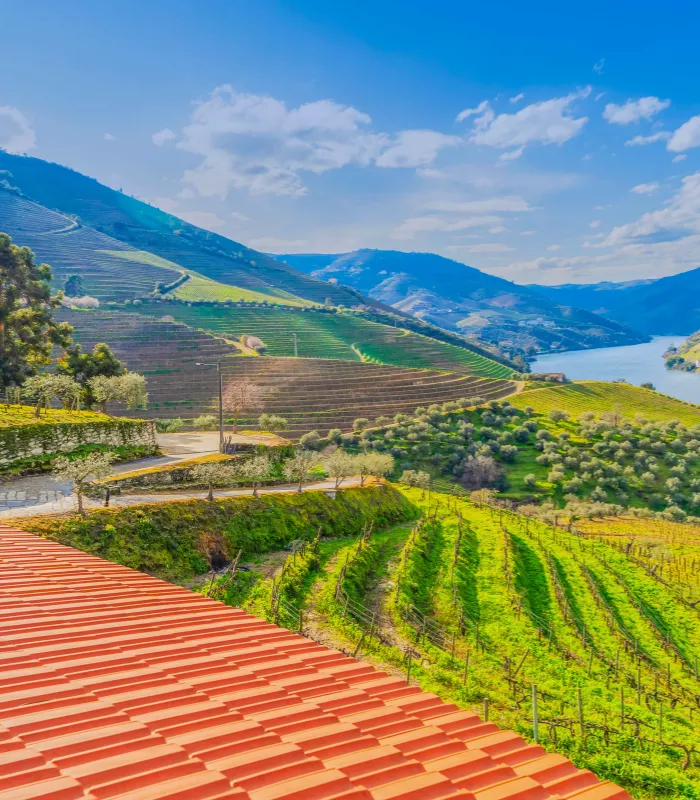
The Douro Valley itself is breathtaking. Portugal’s wine country is terraced along the river, and the views are among the best in all of Europe.
But the packaged group tours have become overcrowded and overpriced. Many tour boats carry large groups through the same wine estates with rushed schedules and limited tasting time.
Renting a car and exploring the valley independently gives you the same views at half the price and twice the freedom to stop where you want.
The Douro Valley has been a UNESCO World Heritage Site since 2001. It is one of the oldest demarcated wine regions in the world.
Standard one-day group tours from Porto can cost 80 to 120 euros per person. That often includes just one or two brief winery stops.
The boat cruises along the river are scenic but slow. The same stretch of river can be driven along winding roads with far more dramatic views.
Staying overnight in a quinta, a traditional wine estate, transforms the experience entirely. Many offer rooms, meals, and private tastings at reasonable rates.
Small villages like Pinhao and Peso da Regua give you a genuine feel for life in the valley without a tour guide telling you where to stand.
Why It’s On This List: The destination is stunning, but the commercial tour industry around it has turned a peaceful wine region into a conveyor belt of group travel packages.