

Not all that glitters in the Mediterranean is gold. Some of it is a gift shop selling plastic gladiators.
Cruise lines love to dress up their itineraries with exciting port names.
Rome. Athens. The French Riviera. It all sounds incredible on paper.
But here’s the deal: the name on the itinerary and the actual port experience are sometimes two very different things.
A famous city 90 minutes away is still 90 minutes away.
1. Civitavecchia, Italy (Rome’s Port)
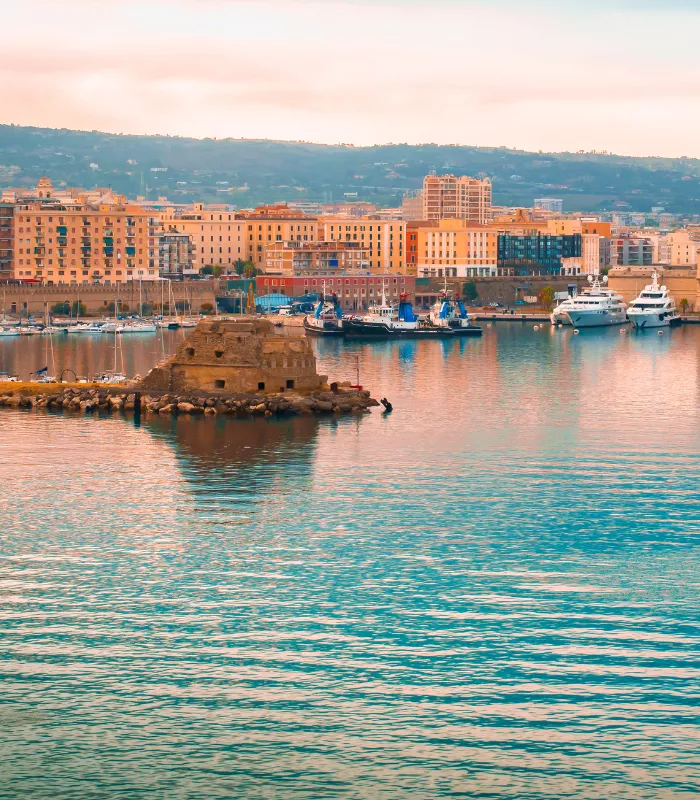
This is the gateway to Rome. But here’s the catch: the port itself is far from the city.
Rome is about 90 minutes away by bus or train. That means a lot of travel time on a short port day.
Many travelers feel rushed and exhausted before they even see the Colosseum.
Civitavecchia itself is a working industrial port. It was built for cargo and ferry traffic, not tourists.
The streets near the dock are not particularly interesting. There are a few cafes and shops, but nothing remarkable.
Most cruise passengers spend their entire port day on a bus. That is not exactly what you imagined when you booked a Mediterranean cruise.
The port does have a small historic fortress called the Forte Michelangelo. It was designed in part by Michelangelo himself in the 1500s.
But one fortress does not fill a full day. Most travelers see it in under an hour.
Shore excursions to Rome are expensive and exhausting. Prices for guided tours can run well over $100 per person.
If you go independently, you still have to navigate trains, crowds, and the brutal Roman summer heat.
Travelers over 50 often find the full-day Rome excursion physically draining. By the time you return to the ship, you are too tired to enjoy dinner.
That’s why so many cruisers say Civitavecchia is the most disappointing port on their itinerary.
Plan this port day carefully, or you will spend most of it sitting in traffic.
Why It’s On This List: You spend more time in transit than actually exploring one of the world’s greatest cities. Some cruisers never make it past the port town at all.
2. Piraeus, Greece (Athens’ Port)
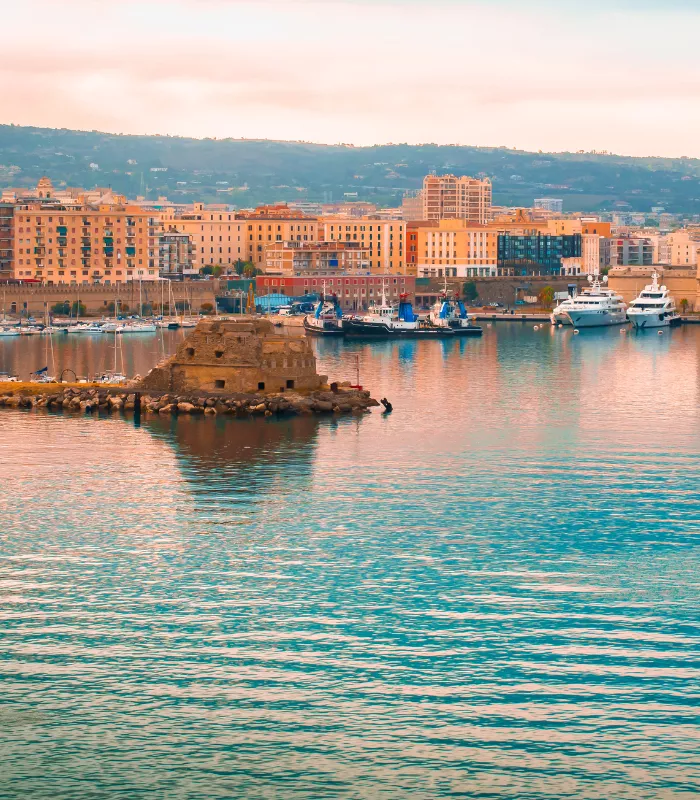
Piraeus is the main port for Athens. It is one of the busiest ports in all of Europe.
The port area is noisy, crowded, and not very scenic. Athens itself is about 45 minutes away by metro or bus.
Crowds here can be overwhelming, especially in July and August.
Piraeus handles millions of passengers every year. It is a massive commercial hub, not a charming seaside town.
The area around the cruise terminal is not safe for leisurely strolling. Traffic is heavy, and the sidewalks are narrow.
Getting to Athens by metro is actually the smartest option. The trip takes about 40 minutes and costs just a few euros.
But the Athens metro can be packed with cruise passengers all heading to the same stops. The Acropolis station gets especially crowded.
The Acropolis itself involves a steep uphill climb over uneven ancient stone. For travelers with knee or hip issues, it can be genuinely difficult.
Summer temperatures in Athens regularly hit 95 degrees Fahrenheit or higher. Doing the Acropolis in midday heat is not recommended for anyone.
Taxis near the port are plentiful, but some drivers overcharge tourists. Always agree on a fare before you get in.
The port neighborhood has little dining or shopping worth stopping for. Most visitors pass through it as fast as possible.
Athens is absolutely worth seeing, but the port experience that surrounds it is rough around the edges.
Go early, wear comfortable shoes, and bring plenty of water.
Why It’s On This List: The port experience is chaotic, and getting to the Acropolis on a hot summer day can be physically demanding for older travelers.
3. Dubrovnik, Croatia
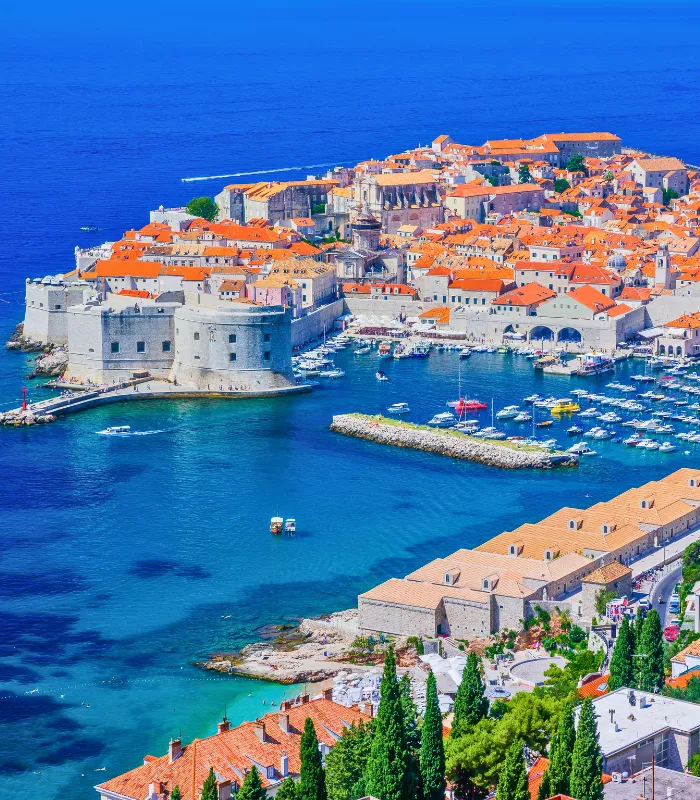
Dubrovnik is beautiful. But it is also one of the most overcrowded cruise destinations in the world.
On busy days, up to 15,000 cruise passengers flood the Old Town. The narrow stone streets become nearly impossible to walk through.
The city now limits cruise ship arrivals to try to manage the crowds.
The Old Town walls are stunning, but walking them in peak season means shuffling along in a slow-moving crowd.
Restaurants inside the Old Town are overpriced and often mediocre. Locals joke that the best food was left with the residents years ago.
Many actual Dubrovnik residents have moved out of the Old Town entirely. Short-term rentals have replaced family homes and neighborhood shops.
The city became even more famous after being used as a filming location for a popular fantasy television series. That only added more visitors.
Cruise ships dock at the Gruz port, which is about 3 kilometers from the Old Town. You will need a bus or taxi to get there.
The cable car up Mount Srd offers incredible views, but lines can be very long during peak season. Expect to wait 45 minutes or more.
Local authorities have started charging higher fees for cruise ships bringing too many passengers. The goal is to slow the tourist flood.
Even with new restrictions, summer in Dubrovnik is still extremely busy. The charm of the city is harder to find when you are packed shoulder to shoulder.
You’re better off visiting Dubrovnik on a land-based trip during the shoulder season in May or October.
The city is gorgeous in photos and genuinely overwhelming in person during summer.
Why It’s On This List: The charm of the Old City is buried under tourist traffic. You’re better off visiting Dubrovnik on a land-based trip when ships are not in port.
4. Messina, Sicily, Italy
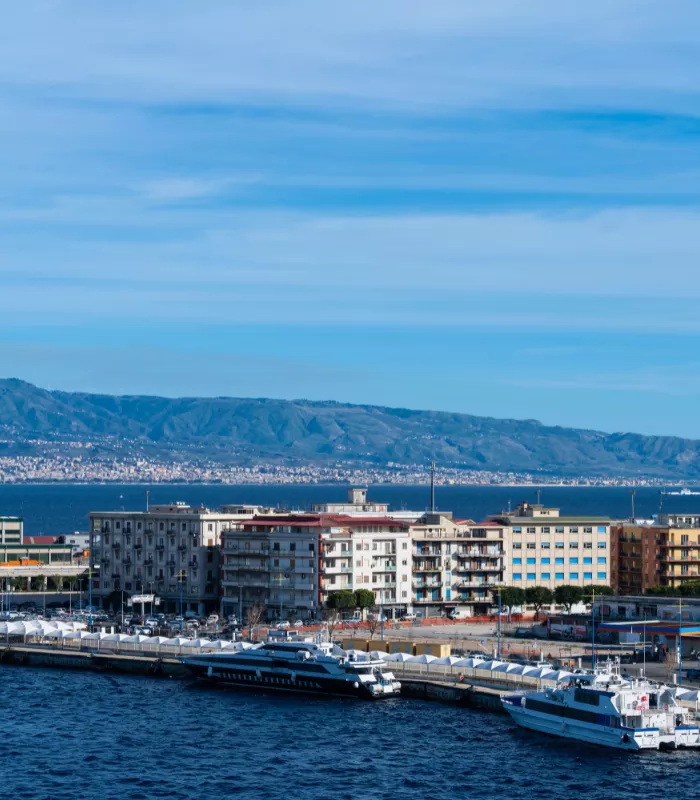
Messina is often used as a jumping-off point for Mount Etna or Taormina. But the port town itself has very little to offer.
The city was largely destroyed by an earthquake in 1908 and was rebuilt quickly. It lacks the historic beauty of other Sicilian towns.
Excursions from here are long, expensive, and tiring.
The 1908 earthquake killed over 75,000 people and flattened nearly the entire city. It remains one of the deadliest earthquakes in European history.
The rebuilding happened fast out of necessity. The result is a functional city that lacks the layered charm of places like Palermo or Syracuse.
The cathedral and its famous astronomical clock are worth a quick visit. The clock puts on a show at noon every day.
But after the cathedral, most visitors find themselves wondering what to do next. The options are limited.
Taormina is one of Sicily’s most beautiful hilltop towns. It is about an hour from Messina by bus or shuttle.
Mount Etna excursions take even longer. By the time you get up the volcano and back, your port day is essentially over.
Shore excursion prices for Etna tours can run $80 to $150 per person, depending on the cruise line.
Travelers who skip the excursions and stay in Messina often feel like they chose the wrong port day to stay close to the ship.
The waterfront promenade is pleasant for a short walk, but it is not enough to fill several hours.
Messina is a transit point dressed up as a destination.
Why It’s On This List: Most of what you came to see is 1 to 2 hours away by bus. That leaves very little time to actually enjoy the destination.
5. La Goulette, Tunisia (Tunis Port)
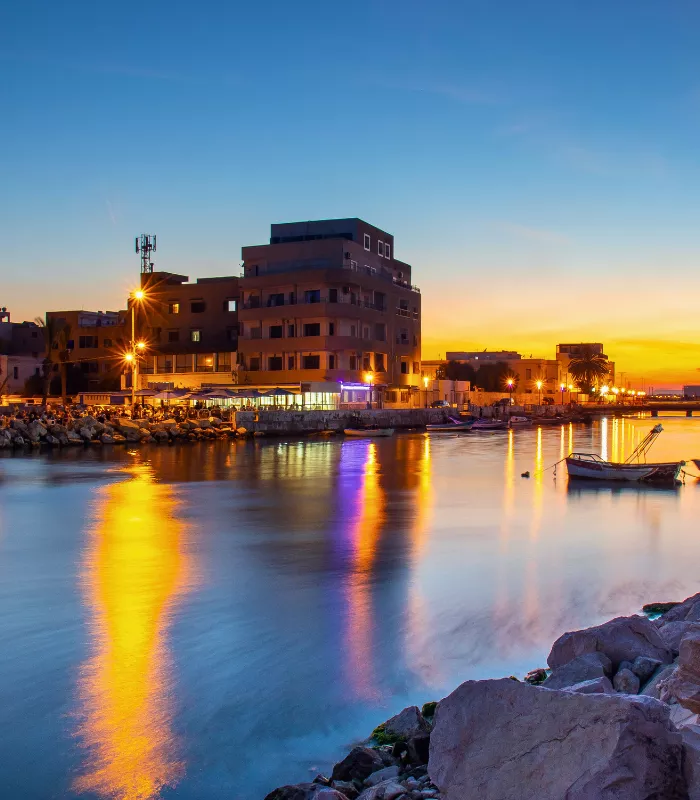
La Goulette is the port for Tunis and the ancient ruins of Carthage. The port area itself is run-down and not welcoming.
Many travelers feel uneasy navigating this port alone. Organized tours are almost a necessity here.
That’s why many cruisers skip going ashore entirely.
La Goulette has a small beach town feel, but the infrastructure for cruise tourists is underdeveloped compared to other Mediterranean ports.
The ruins of ancient Carthage are genuinely fascinating. At its peak, Carthage was one of the most powerful cities in the ancient world.
But the ruins are spread across a wide area and require a car or organized tour to see properly. They are not easy to navigate independently.
The Bardo National Museum in Tunis is world-class. It houses one of the finest collections of Roman mosaics anywhere on Earth.
Getting from the port to the museum and back, however, takes planning and time. Taxis are available, but negotiating fares can be stressful.
Some travelers have reported feeling followed or hassled near the port entrance. This adds stress to what should be a relaxing day.
The medina of Tunis is colorful and historic. But it can feel overwhelming for first-time visitors without a guide.
Political instability in the region in recent years has also caused some cruise lines to drop La Goulette from their itineraries periodically.
For older travelers who prefer a more relaxed and predictable port experience, this one requires extra preparation.
La Goulette has real cultural value, but it asks a lot of you in return.
Why It’s On This List: The port infrastructure is poor, and the area around the dock is not set up for independent exploration by cruise passengers.
6. Kusadasi, Turkey (Ephesus Port)
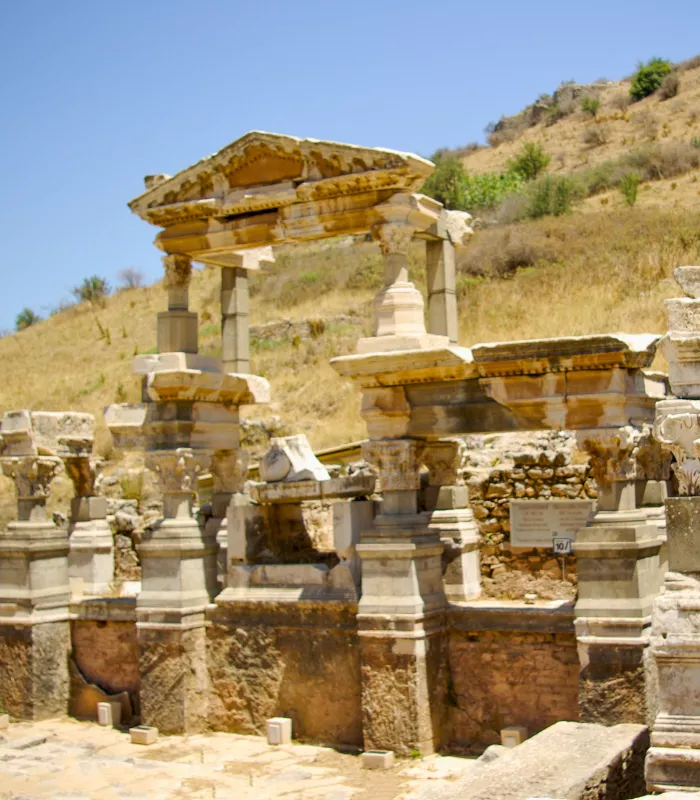
Kusadasi is the port for Ephesus, one of the best-preserved ancient cities in the world. But the port town is aggressively commercial.
Vendors and tour operators crowd the dock area. Pressure selling is common and can feel very uncomfortable.
The ruins of Ephesus are incredible, but getting there is a stressful experience.
The moment you step off the ship in Kusadasi, you are surrounded by people trying to sell you tours, carpets, leather goods, and jewelry.
It can feel like running a gauntlet just to reach the street. This is especially jarring if you are used to quieter European ports.
Ephesus itself is about 30 minutes away by minibus or taxi. The ancient Library of Celsus is one of the most photographed ruins in the world.
But the site gets extremely crowded during peak season. Tour groups move through in large waves, making quiet contemplation nearly impossible.
The terrain at Ephesus is uneven and involves a lot of walking on old stone surfaces. Comfortable, supportive footwear is absolutely essential.
Summer temperatures in this part of Turkey regularly exceed 95 degrees Fahrenheit. Heat exhaustion is a real risk for unprepared visitors.
The port shopping area is filled with stalls selling similar merchandise at inflated prices. Bargaining is expected but can be exhausting.
Some travelers enjoy the lively market atmosphere. Others find it aggressive and draining.
If Ephesus is on your bucket list, it is worth the effort. Just go in knowing what the port experience actually involves.
Ephesus is a wonder of the ancient world wrapped in a very pushy shopping mall.
Why It’s On This List: The port environment feels more like a tourist trap than a gateway to history. First-time visitors often feel overwhelmed and taken advantage of.
7. Naples, Italy
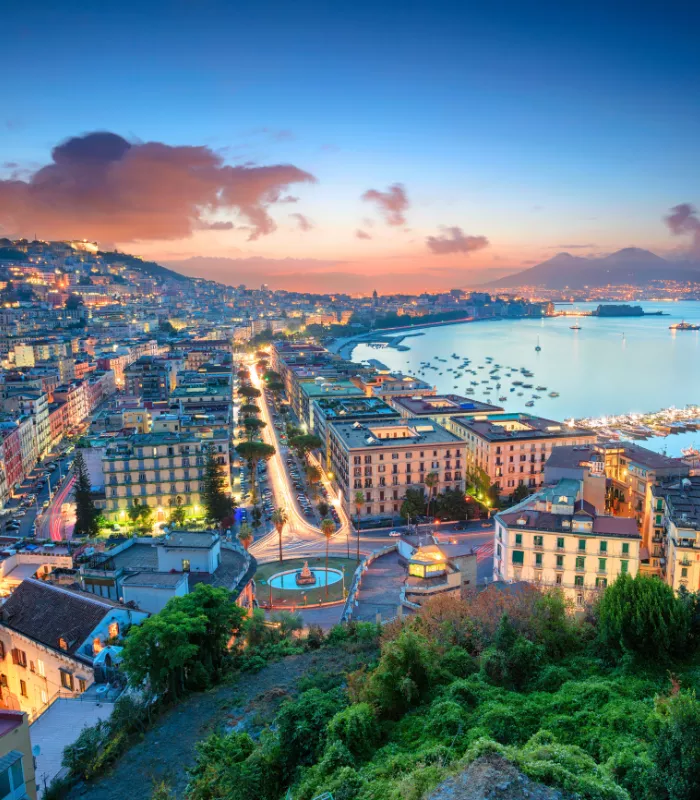
Naples is a vibrant city with great food and history. But it has a well-known reputation for petty crime targeting tourists.
Pickpocketing is common near the port and in busy areas. The streets around the dock can feel unsafe, especially for those traveling alone.
You need to be alert and cautious from the moment you step off the ship.
Naples is one of the oldest continuously inhabited cities in the world. Its history goes back over 2,800 years.
The National Archaeological Museum here is extraordinary. It holds the finest collection of artifacts from Pompeii and Herculaneum in existence.
Pompeii itself is about 45 minutes away by train. It is one of the most remarkable archaeological sites in the world.
But the journey from the port to Pompeii requires navigating a busy train station in a city where bag snatching is unfortunately common.
The pizza in Naples is arguably the best in the world. The city invented the modern pizza, and locals take it very seriously.
A few hours in a good Naples pizzeria is genuinely one of the best food experiences you can have in Europe.
But the streets between the port and the good restaurants require awareness. Avoid wearing flashy jewelry or carrying visible expensive cameras.
Traffic in Naples is famously chaotic. Scooters weave through pedestrian areas, and traffic lights are treated as suggestions.
For travelers who take basic precautions, Naples is exciting and rewarding. For those caught off guard, it can be a stressful day.
Naples rewards the prepared and surprises the careless.
Why It’s On This List: For travelers who just want a relaxing day ashore, Naples requires extra vigilance that can take the joy out of the visit.
8. Ajaccio, Corsica, France
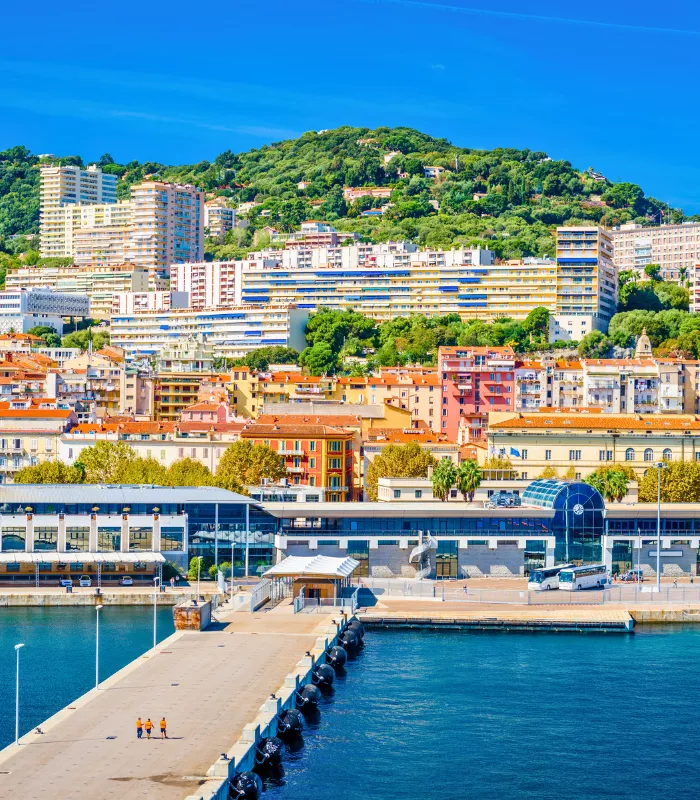
Ajaccio is the birthplace of Napoleon Bonaparte. It is a pretty port city, but many cruisers find it underwhelming after a few hours.
There are only a handful of main attractions. Once you visit the Napoleon museum and the cathedral, there is not much else to do.
Most visitors run out of things to see well before the ship is ready to depart.
Napoleon was born here in 1769, just one year after France acquired Corsica from the Republic of Genoa. The timing of history was very convenient for France.
The Maison Bonaparte, where he was born, is now a museum. It is interesting but not large, and most visitors move through it in under an hour.
The Cathedral of Ajaccio is where Napoleon was baptized. It is a beautiful building, but another relatively quick stop.
The city market is lively in the morning hours. Local charcuterie, cheeses, and chestnuts are specialties of Corsican cuisine.
The waterfront is pleasant for a stroll. Cafes along the marina serve good coffee and pastries at reasonable prices by French standards.
The beaches near Ajaccio are genuinely lovely. But cruise passengers rarely have enough time to fully enjoy a beach day and still see the town.
Corsica’s interior mountains and natural parks are stunning. Unfortunately, they are too far from the port to reach on a typical shore excursion.
The island deserves more time than a single cruise port day allows. A land-based visit would give you a completely different and far richer experience.
As a cruise port, Ajaccio simply does not have enough to fill the day for most travelers.
Corsica is a beautiful island that Ajaccio alone cannot fully represent.
Why It’s On This List: For a full port day, Ajaccio does not offer enough variety to keep most travelers engaged. It feels like a half-day stop stretched into a full one.