

Europe has been around for thousands of years. It will still be there if you visit in October instead of August. It will also be cheaper, quieter, and far less likely to give you heatstroke on a cobblestone street.
But here’s the catch: millions of people every year ignore this completely.
They book the peak dates, pay the peak prices, and come home with peak regrets.
Wisdom, as it turns out, is the best travel accessory you can bring.
1. Paris, France — Summer (July and August)
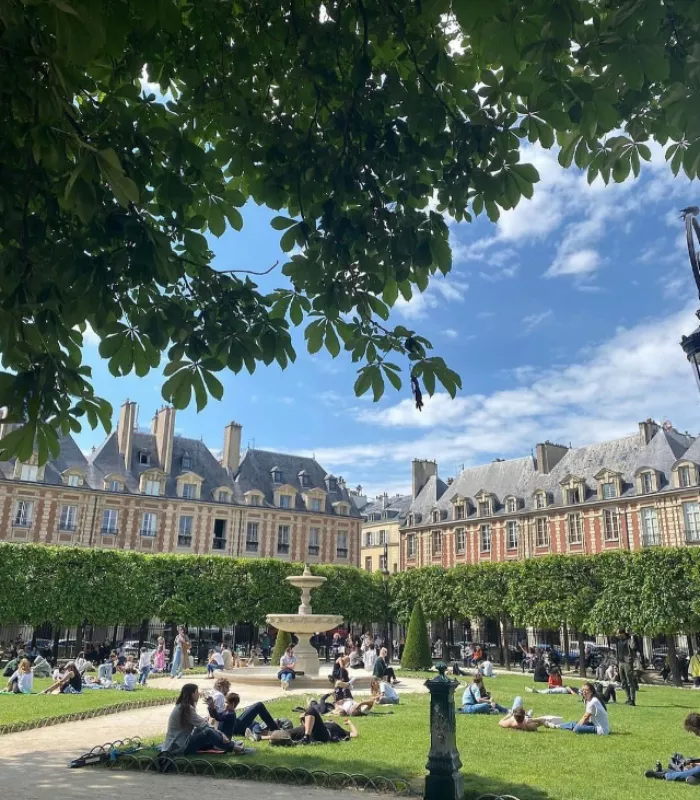
Paris is one of the most visited cities on Earth.
And summer is its busiest season by far.
In July and August, tourist numbers swell to tens of millions. Lines at the Eiffel Tower and the Louvre can stretch for hours. Temperatures often climb above 35°C (95°F), which can be tough on your feet and energy levels.
The Metro becomes unbearably hot and crowded during peak hours.
Outdoor cafes along the Champs-Élysées are packed from morning to night.
Hotel prices in central Paris can double or even triple compared to autumn rates.
Many popular restaurants require reservations weeks in advance during this period.
Street performers and vendors crowd every major plaza, making it hard to simply enjoy the scenery.
Even the Seine River boat tours sell out days ahead.
Families with strollers and large tour groups make navigating narrow streets particularly exhausting.
For travelers over 50, the combination of heat, crowds, and noise can quickly drain the joy from an otherwise incredible city.
Why It’s On This List: Many Parisians leave the city in August, meaning shops, bakeries, and local restaurants close down — leaving tourists with fewer authentic experiences and more crowds at the same spots.
2. Barcelona, Spain — Late July to August
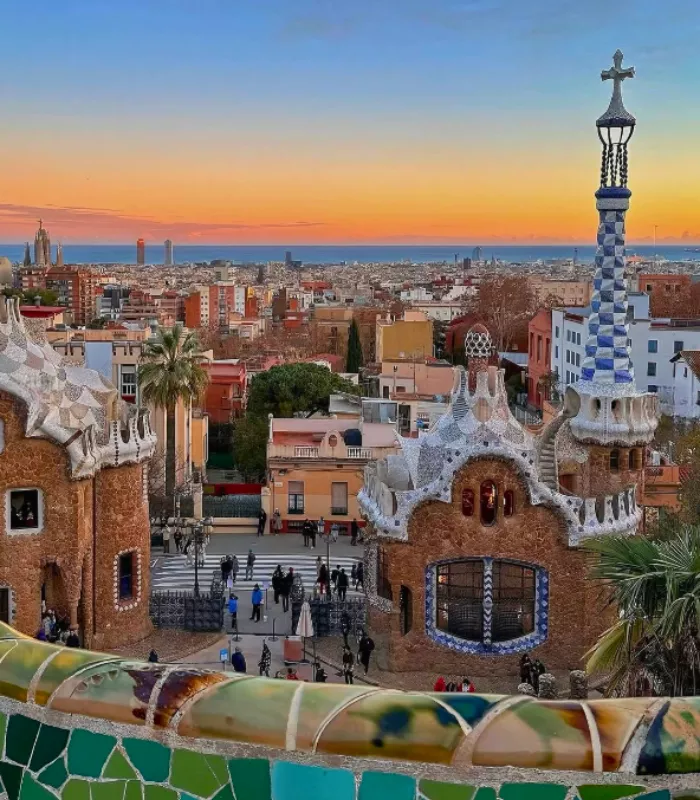
Barcelona is stunning. But late summer turns it into a crowded, sweltering maze.
Temperatures regularly hit 33°C (91°F) or higher.
The famous La Rambla boulevard becomes almost impossible to walk comfortably. Pickpocketing also peaks during these months. Hotel prices can double or even triple compared to spring rates.
The city’s beaches are packed shoulder to shoulder from early morning.
Finding a shaded spot to rest in the Gothic Quarter is nearly impossible.
Restaurant wait times stretch to over an hour even on weeknights.
The Sagrada Familia requires timed entry tickets booked weeks in advance.
Public buses and the Metro are standing room only for most of the day.
Noise levels in the old city stay high well past midnight, making restful sleep difficult.
Air conditioning in older hotels and apartments often cannot keep up with the relentless heat.
Day trips to nearby towns like Sitges become equally crowded, leaving few easy escapes from the chaos.
Why It’s On This List: August is peak season for European holidaymakers too, not just international tourists — so every beach, restaurant, and attraction is packed to capacity.
3. Venice, Italy — June to August
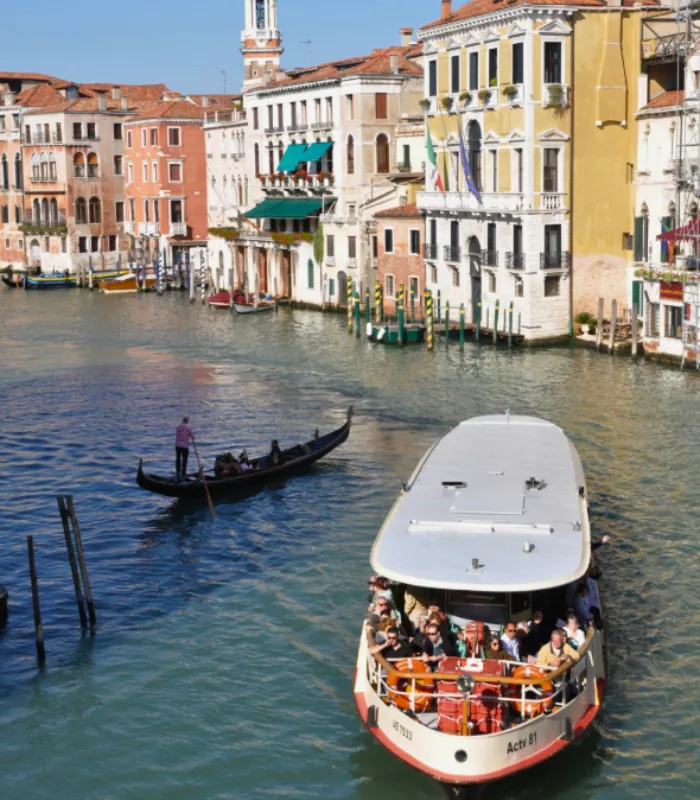
Venice is a bucket-list destination for good reason. But summer nearly breaks it.
The narrow streets and bridges become dangerously overcrowded.
The heat trapped between the old stone buildings makes walking exhausting. The canals also emit stronger odors in the summer heat. In peak season, over 60,000 tourists can arrive in a single day to a city that has fewer than 50,000 residents.
Gondola rides, once a romantic experience, now feel more like rush-hour traffic on water.
The Rialto Bridge is so congested that authorities have had to install one-way pedestrian lanes.
Vaporetto water buses are packed to standing capacity throughout the day.
Many small family-run trattorias have been replaced by fast-food stalls catering to day-trippers.
Finding a quiet square to sit and enjoy a coffee without being jostled is a real challenge.
Museum lines at the Doge’s Palace regularly stretch over two hours in midsummer.
The combination of heat, humidity, and canal odors can make outdoor exploration genuinely unpleasant.
Evening walks that should feel magical instead feel like navigating a crowded shopping mall.
Why It’s On This List: Venice introduced a tourist entry fee in recent years precisely because summer crowds were becoming unmanageable — something worth factoring into your travel budget and planning.
4. Santorini, Greece — July and August
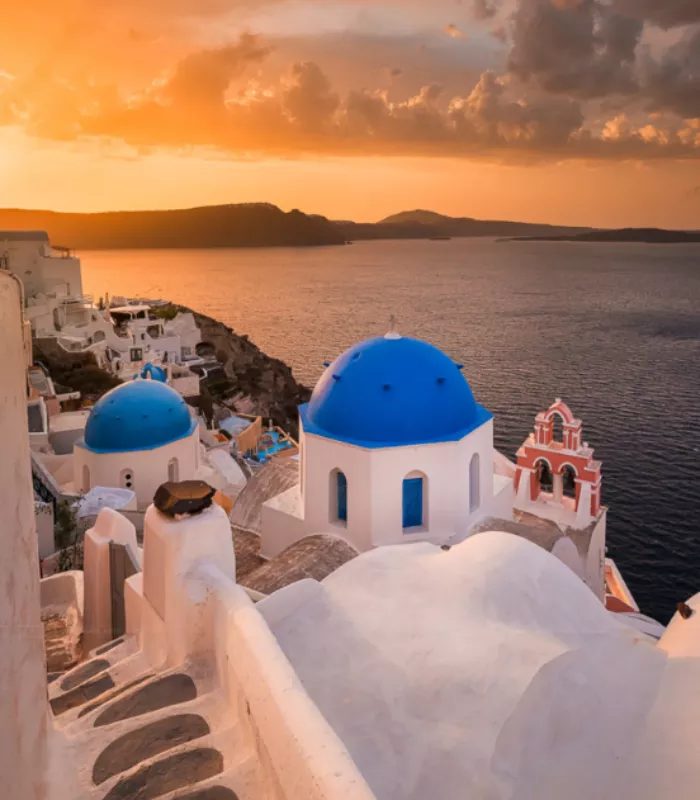
Those iconic white-and-blue cliffside views look magical in photos.
But here’s the catch: in midsummer, every other tourist is trying to take that same photo.
The famous sunset spot in Oia draws massive crowds each evening. Cruise ships bring thousands of day-trippers daily. Rooms with caldera views can cost over $500 a night in peak season.
The cliffside steps between villages become gridlocked with visitors and donkeys carrying luggage.
Restaurants with caldera views stop taking walk-ins entirely and require advance bookings of several weeks.
Water shortages on the island become more acute during the peak summer months.
The main village of Fira feels more like a duty-free shopping strip than a Greek island town in August.
Ferry connections from Athens sell out far in advance, limiting your flexibility to change plans.
Quad bike and ATV rentals, a popular way to explore, are booked out almost every day.
The island’s limited road network creates traffic jams that can delay even short journeys by an hour.
For a destination built around romance and tranquility, July and August deliver neither very reliably.
Why It’s On This List: The island’s winding stone steps and steep pathways are beautiful but physically demanding — and navigating them shoulder-to-shoulder with thousands of strangers in intense heat makes the experience far less enjoyable.
5. Rome, Italy — August
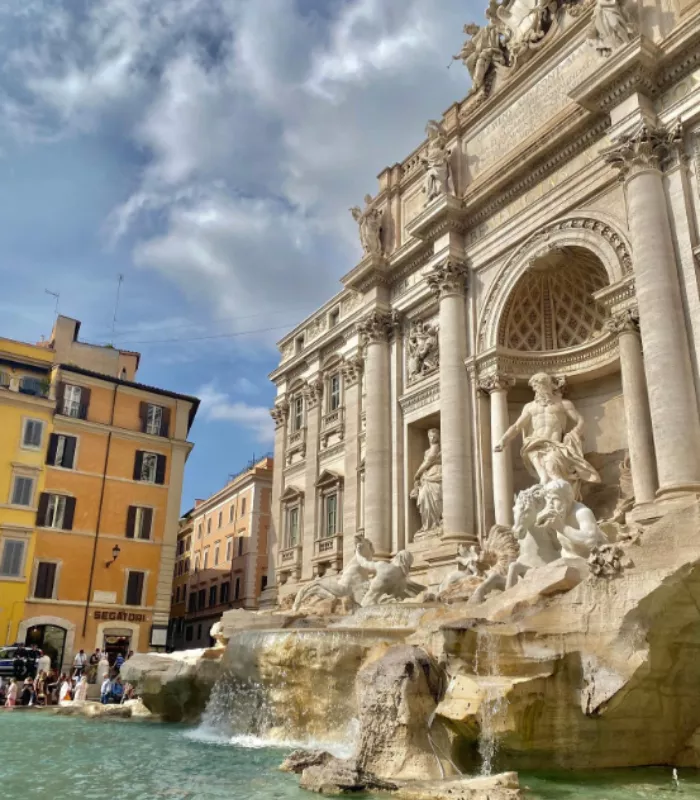
Rome in August is hot, humid, and very crowded.
Temperatures regularly reach 36°C (97°F).
Many locals take their own vacations during this month, known as “Ferragosto.” That means some local restaurants and family-run shops close. You are left with tourist-trap eateries and long lines at the Colosseum and Vatican.
The Forum and Palatine Hill offer almost no shade, making midday visits genuinely risky in the heat.
Taxis become scarce as many drivers also take August holidays.
The Trevi Fountain area is so crowded that police sometimes control foot traffic around it.
Piazza Navona, normally a lively local gathering spot, becomes a wall-to-wall tourist photo zone.
Guided tours are louder and more rushed as operators try to move large groups through attractions quickly.
Street vendors become far more aggressive near major monuments during peak season.
Even the catacombs and lesser-known churches, once peaceful retreats, fill up with overflow crowds in August.
The magic of Rome is still there beneath the surface, but you have to work a lot harder to find it in summer.
Why It’s On This List: Standing in line for the Vatican Museums in August heat for 2 or more hours is a common experience — and for travelers over 50, that kind of physical strain can take the joy out of an otherwise incredible visit.
6. Amsterdam, Netherlands — Spring Tulip Season (Late April)
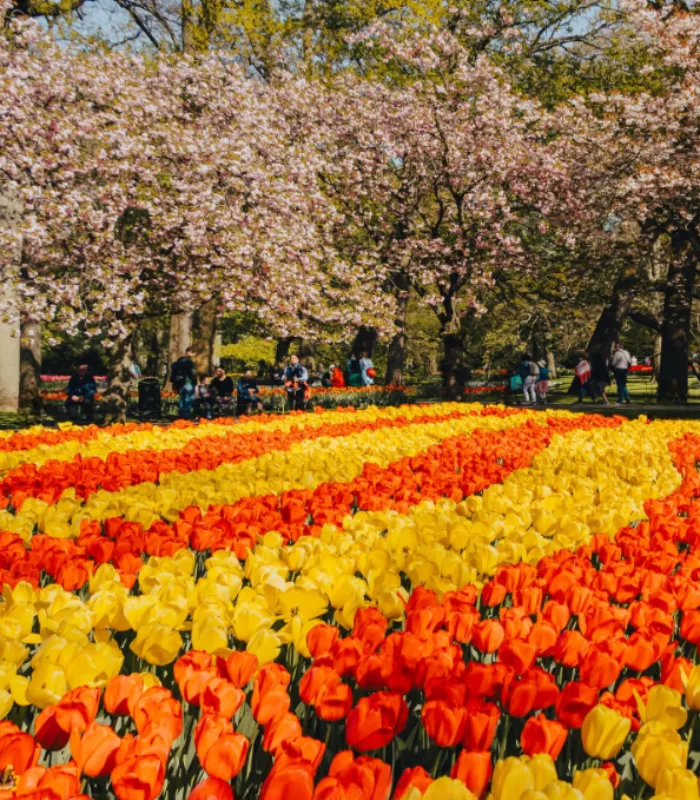
Late April sounds ideal for Amsterdam. The tulips are blooming, and the weather is mild.
But that’s exactly why millions of people choose the same weeks.
The Keukenhof Gardens, which only open for about 8 weeks a year, draw over 1.5 million visitors annually. Canal boat tours sell out days in advance. The city center feels more like a theme park than a real European capital.
Bicycle lanes, normally a smooth way to get around, become obstacle courses for tourists on rental bikes.
The Anne Frank House requires tickets booked months ahead during tulip season.
Hotels within walking distance of the main museums charge their highest rates of the entire year.
The famous flower markets are so crowded that browsing them comfortably is almost impossible.
Day trips to the tulip fields outside the city involve long shuttle queues and crowded viewing areas.
Tram services run behind schedule as passenger volumes overwhelm the city’s public transport network.
Even the quieter canal neighborhoods that locals love start to feel busy and commercialized in late April.
The city’s charm is undeniable, but sharing it with this many people at once makes it hard to appreciate.
Why It’s On This List: That’s why many seasoned travelers now visit Amsterdam in late October or November instead — smaller crowds, golden autumn light, and far more affordable hotel rates.
7. Prague, Czech Republic — December (Christmas Markets)
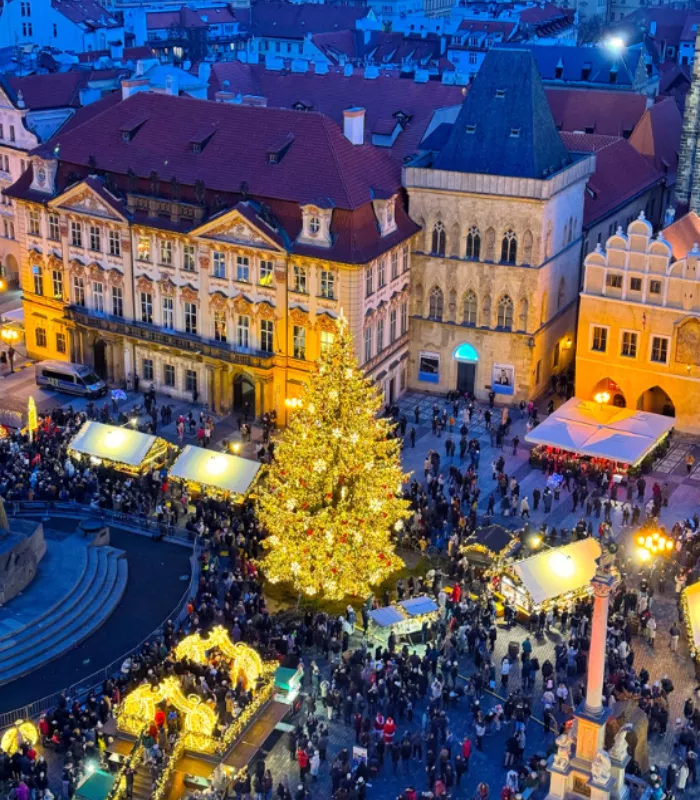
Prague’s Christmas markets are genuinely magical.
But they are no longer a hidden gem.
The Old Town Square fills with thousands of visitors every weekend in December. Hotels near the center charge premium holiday rates. Cobblestone streets become slippery in the cold and nearly impossible to navigate with large crowds. For travelers with joint pain or mobility concerns, this combination can be difficult.
The famous astronomical clock draws such large crowds on the hour that you often cannot get close enough to see it properly.
Mulled wine and trdelnik pastry stalls create long queues that wind through already narrow laneways.
Restaurant reservation systems are overwhelmed, and walk-in dining becomes nearly impossible near the Old Town.
Flight prices into Prague in December are among the highest of the year due to holiday demand.
The Charles Bridge, beautiful at any time of year, becomes a slow shuffle of tourists and selfie sticks in December evenings.
Pickpocketing incidents rise sharply during the Christmas market season as large crowds provide cover.
Getting around by taxi or rideshare becomes slower and more expensive as holiday traffic clogs the city center.
The beauty of Prague in winter is real, but so is the effort required to enjoy it during peak December weeks.
Why It’s On This List: I made a classic mistake visiting Prague the week before Christmas — the charm was real, but the crowds, icy streets, and inflated prices made it one of my most stressful trips in Europe.
8. Edinburgh, Scotland — August (Festival Season)

The Edinburgh Festival Fringe is the world’s largest arts festival.
It brings over 3 million ticket sales and visitors to a city of just 500,000 people.
Accommodation prices skyrocket. Streets in the Old Town are packed day and night. If you are visiting for the scenery, history, and castles rather than the festival, August is actually the worst time to go. You will pay more and see less of the real Edinburgh.
The Royal Mile transforms into a non-stop performance corridor with performers competing loudly for attention.
Edinburgh Castle queues stretch well down the esplanade throughout the day in August.
Budget accommodation books out entirely months in advance, leaving only expensive last-minute options.
The city’s pubs and restaurants are at maximum capacity almost every evening of the festival month.
Traffic into and out of the city center slows to a crawl as festival-goers fill every available street.
Day trips to the Scottish Highlands become harder to arrange as tour operators prioritize festival visitors.
Even the normally peaceful Holyrood Park and Arthur’s Seat hiking trail feel busier than usual in August.
For a city with so much genuine history and natural beauty, August crowds make it hard to connect with either.
Why It’s On This List: You’re better off visiting Edinburgh in May or early June — the weather is still pleasant, the crowds are manageable, and you can actually enjoy the Royal Mile without being swept along by a sea of strangers.
9. Dubrovnik, Croatia — July and August
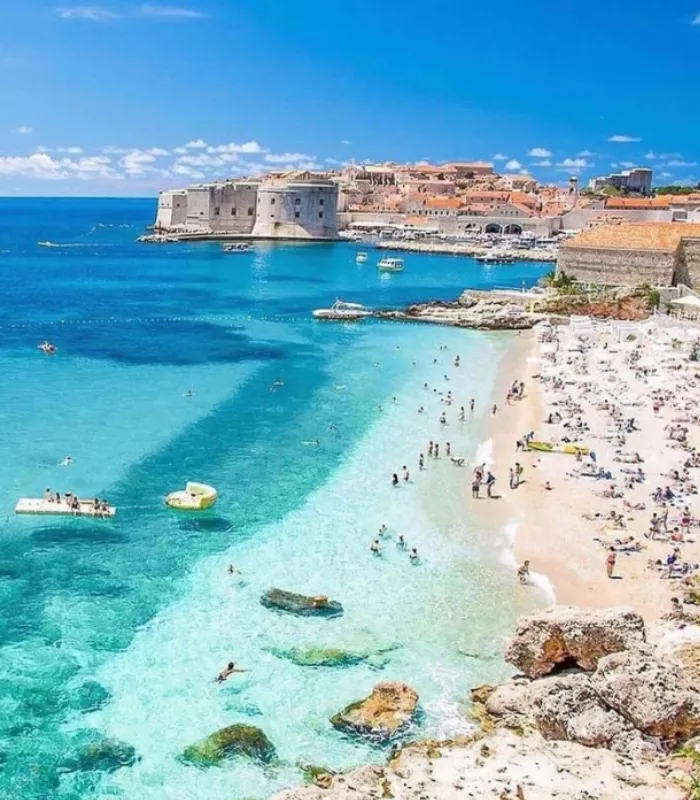
Dubrovnik’s old walled city is one of Europe’s most beautiful.
But it has become a victim of its own fame.
Up to 10,000 cruise ship passengers arrive in a single day during peak summer. The city has actually had to limit the number of visitors on the famous city walls. Temperatures top 33°C (91°F). Walking the walls in that heat alongside massive crowds is physically exhausting.
The main gate to the old city creates a bottleneck that can take 30 minutes or more to clear.
Seafood restaurants within the old walls charge prices that rival top establishments in Paris or London.
The nearby beaches at Banje and Lapad fill up completely by mid-morning throughout July and August.
Water taxis to nearby islands like Lokrum run well behind schedule due to demand.
Narrow streets inside the old city walls become one-way flows of tourists moving in opposite directions.
Residents have increasingly moved out of the old city as tourism pressure has made daily life difficult.
The Game of Thrones filming locations, already famous worldwide, draw dedicated crowds on top of regular tourist numbers.
What should be a slow, savoring experience of one of Europe’s finest medieval cities becomes a fast-moving conveyor belt in summer.
Why It’s On This List: The Croatian government itself has introduced visitor caps and cruise ship limits in recent years — a clear sign that summer tourism in Dubrovnik has gone well past the comfortable limit.
10. Amalfi Coast, Italy — August
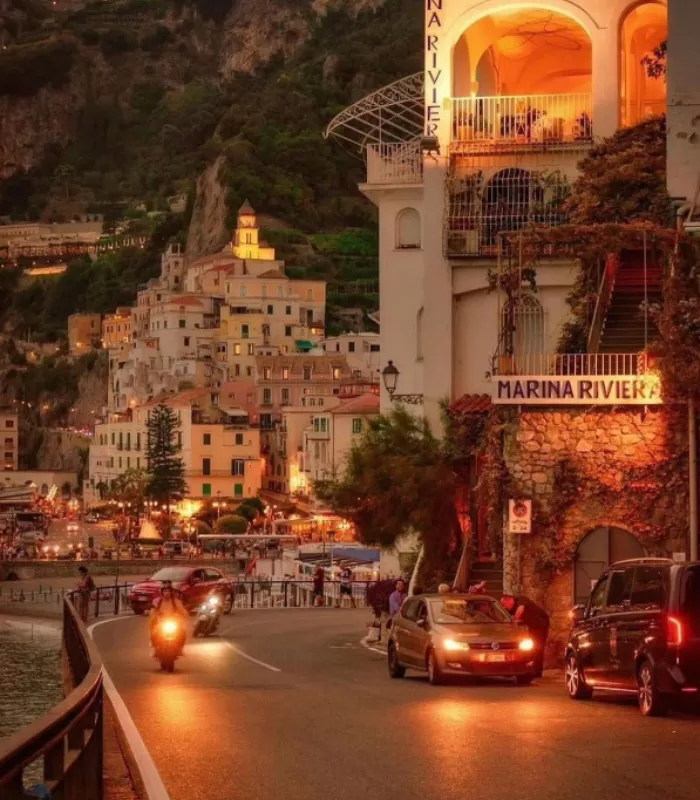
The Amalfi Coast is one of the most scenic drives in the world.
In August, that drive turns into a traffic nightmare.
The narrow coastal road is shared by tour buses, rental cars, scooters, and pedestrians all at once. Cliffside villages like Positano become so packed that some restaurants stop taking walk-in guests entirely. Parking is nearly impossible. Prices for everything — food, boats, hotels — are at their yearly peak.
Journey times between towns that should take 20 minutes can stretch to well over an hour in August traffic.
The famous staircase streets of Positano become slow queues of tourists moving up and down in both directions.
Boat trips along the coast sell out days in advance, limiting spontaneous exploration.
Lemon groves and local farms that welcome visitors in quieter months close to the public during peak season.
Beach clubs charge premium entry fees and still feel uncomfortably overcrowded throughout August.
The SITA bus service along the coastal road, a budget-friendly option, becomes standing-room only and runs behind schedule daily.
Smaller hill towns like Ravello offer some relief, but even they see heavy visitor numbers on summer weekends.
The coast is as beautiful as its reputation promises, but August turns the experience of getting around into a genuine test of patience.
Why It’s On This List: For travelers who prefer a relaxed pace and the ability to stop and enjoy the views without stress, late September or early October offers the same stunning scenery with far fewer crowds and much cooler temperatures.
11. Reykjavik, Iceland — Mid-Winter (December and January)
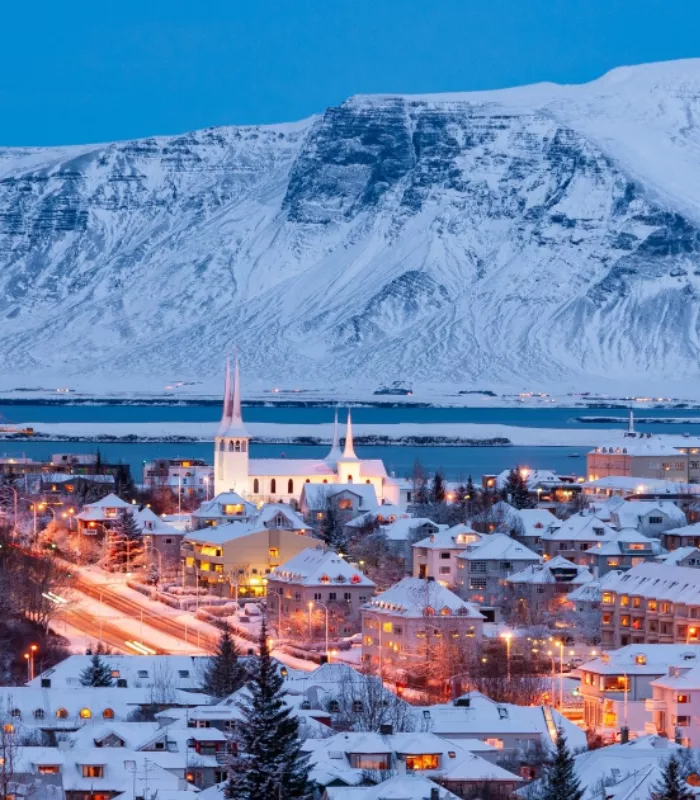
Iceland is extraordinary. But midwinter comes with serious trade-offs.
In December and January, Reykjavik gets only 4 to 5 hours of daylight.
Road conditions across the country can be dangerous, with many highland routes completely closed. Northern Lights tours are popular but never guaranteed. Outdoor activities like whale watching and waterfall hikes are very limited. For travelers hoping to see Iceland’s famous landscapes, winter darkness cuts deeply into what you can actually do each day.
The Golden Circle route, one of Iceland’s most popular drives, can be hazardous or fully inaccessible after snowstorms.
Rental car companies require four-wheel-drive vehicles in winter, significantly raising daily transport costs.
The famous Blue Lagoon geothermal spa books out months in advance over the Christmas and New Year period.
Wind chills along the coast can make outdoor sightseeing genuinely painful without specialist cold-weather gear.
Domestic flights to other parts of Iceland are frequently delayed or cancelled due to winter weather conditions.
Many guesthouses and hotels outside Reykjavik close entirely from November through February.
Restaurant and attraction hours in smaller towns are reduced significantly during the dark winter months.
The Northern Lights, while possible to see, require clear skies that are far from guaranteed during Iceland’s stormy winter season.
Why It’s On This List: While New Year’s Eve in Reykjavik is genuinely spectacular, most of December and January offer limited sightseeing hours, harsh driving conditions, and unpredictable weather — making it a challenging trip for first-time visitors to Iceland.