

The Caribbean is the most visited tropical region on earth.
That is either a glowing endorsement or a warning, depending on how much you enjoy crowds.
Millions of travelers book the same popular islands every year, come back mildly disappointed, and then book them again the next year.
Hope is a powerful thing. So is good advertising.
1. Nassau, Bahamas
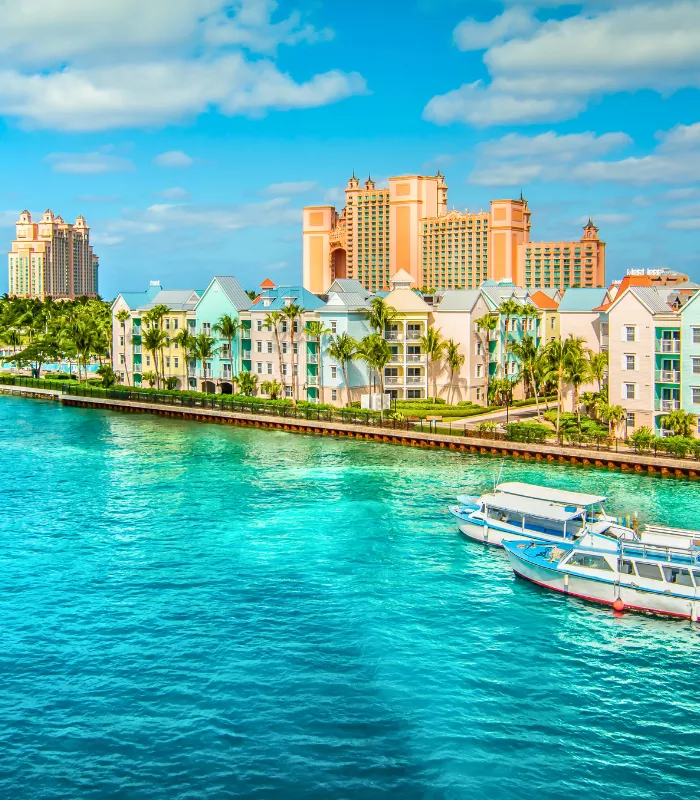
Nassau is one of the most visited islands in the Caribbean.
But here’s the catch: most of what you see is built for cruise ship crowds.
The beaches near the port are packed. The shops sell the same things you find everywhere.
If you are looking for a quiet, authentic Caribbean experience, Nassau will let you down.
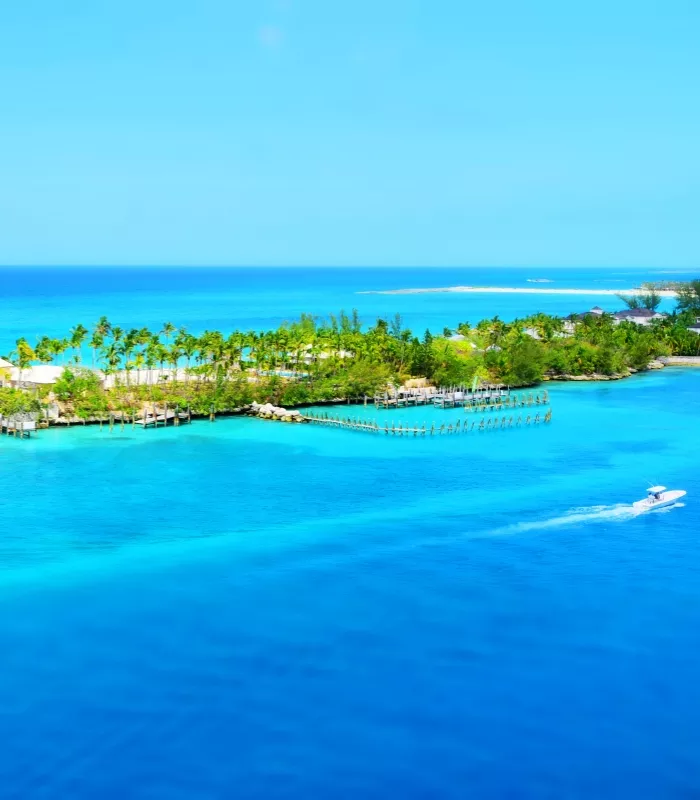
Downtown Nassau can feel more like a shopping mall than a Caribbean town.
Bay Street is lined with jewelry stores, liquor shops, and souvenir stands.
Most of it is designed to get cruise passengers to spend money quickly before they sail away.
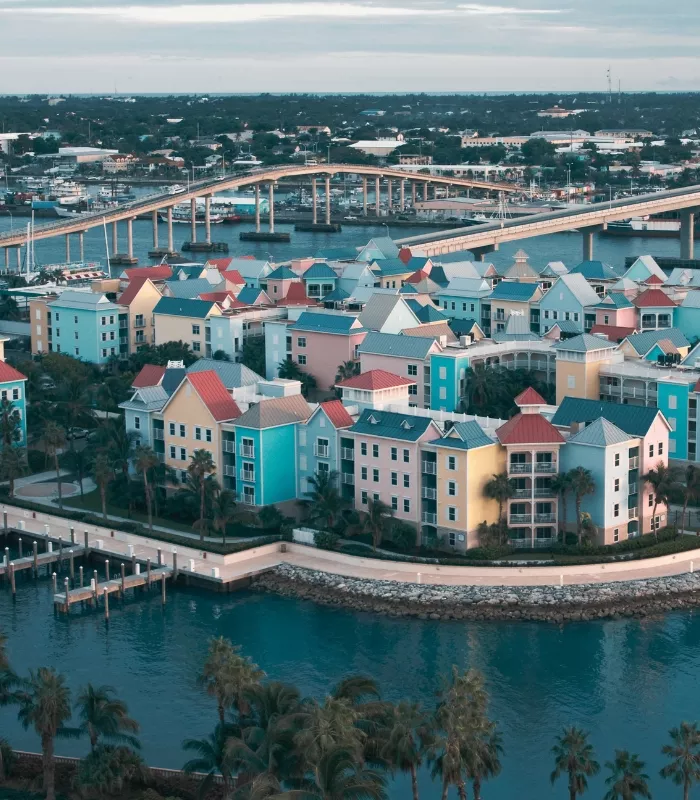
The locals who live here deserve more credit than the tourist version of Nassau suggests.
There is a real culture buried underneath all the commercial noise.
You just will not find it near the port.
Cable Beach is nicer and less crowded, but you will need a taxi to get there.
Even then, the resort strip feels generic and interchangeable with dozens of other Caribbean destinations.
Nassau is not without charm, but it takes real effort to find it.
For most first-time visitors, the effort is rarely worth it.
Why It’s On This List: Over 4 million cruise passengers pass through Nassau every year. That kind of traffic turns a once-charming island into a tourist trap fast.
2. St. Thomas, U.S. Virgin Islands
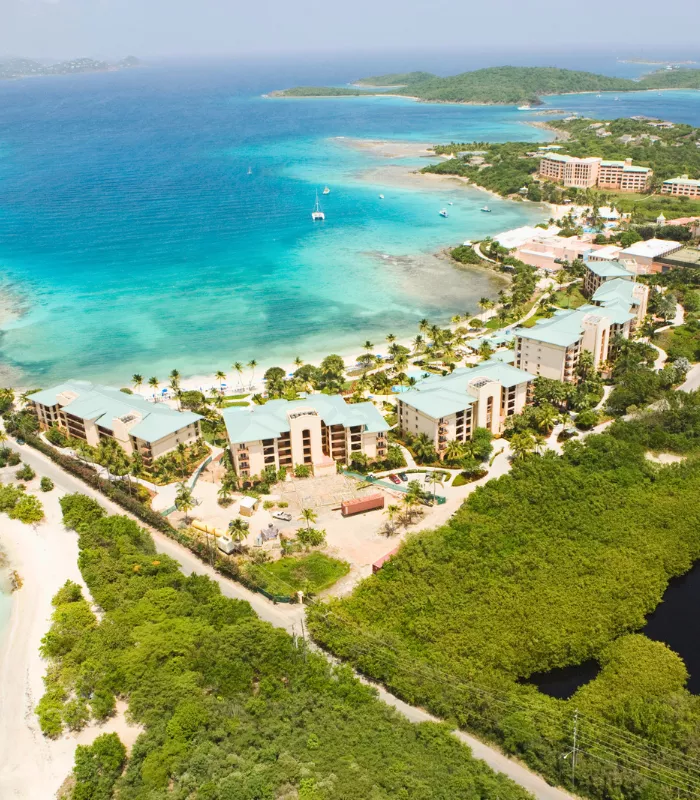
St. Thomas looks beautiful in photos.
The reality? Charlotte Amalie, the main town, is crowded and commercialized.
Duty-free shopping is the main draw here. If you are not into jewelry stores and liquor shops, you may feel like you wasted your trip.
The harbor is stunning from a distance, but walking through it on a cruise day is exhausting.
Sidewalks fill up fast. Vendors compete loudly for your attention.
Taxis charge premium prices, and the waits can be long.
Magens Bay is genuinely beautiful and worth a visit if you can get there early.
By midday, even that beach starts to feel crowded.
The island has some lovely hilltop views that most visitors never bother to explore.
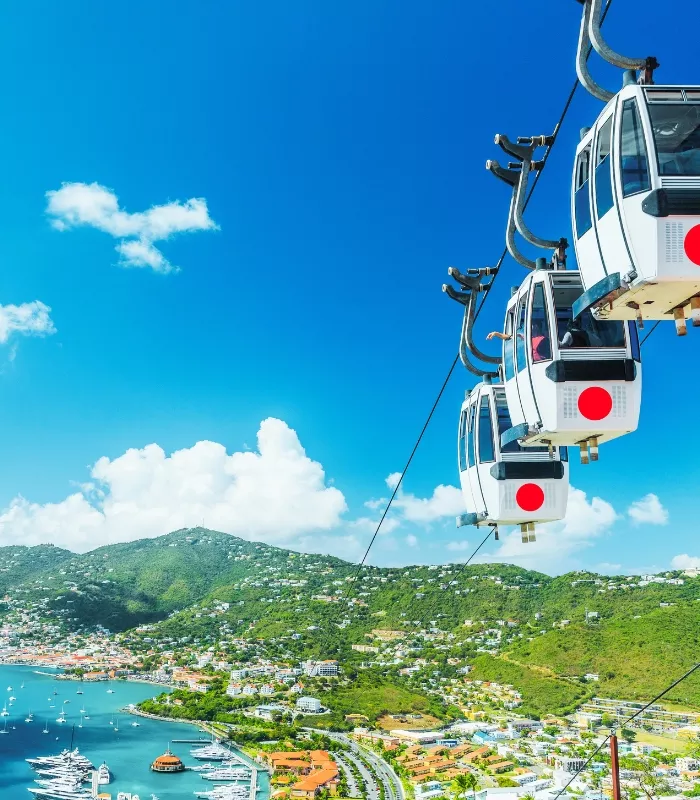
But the infrastructure around tourism here is built for volume, not experience.
Restaurants near the port are overpriced and mostly mediocre.
The further you get from the cruise terminal, the better everything gets.
The problem is that most visitors never get that far.
Why It’s On This List: Travelers over 50 often come expecting relaxation and find a busy port town instead. You’re better off heading to nearby St. John for peace and quiet.
3. Cancun, Mexico

Cancun is technically on the Yucatan Peninsula, not an island.
But the Hotel Zone feels like a bubble cut off from real Mexico.
Most visitors never leave the resort strip. The beaches can be beautiful, but the area is loud, commercialized, and built entirely around mass tourism.
The Hotel Zone is essentially a long road lined with identical resorts and chain restaurants.
You could be in Florida or Las Vegas and barely notice the difference.
The real Mexico starts the moment you cross the lagoon into downtown Cancun.

Most tourists never make that crossing.
Ancient Mayan ruins at Chichen Itza are close enough for a day trip.
But getting there means navigating tour operators and hours on a bus.
The water is genuinely turquoise, and the weather is reliable.
Those are real positives that keep people coming back year after year.
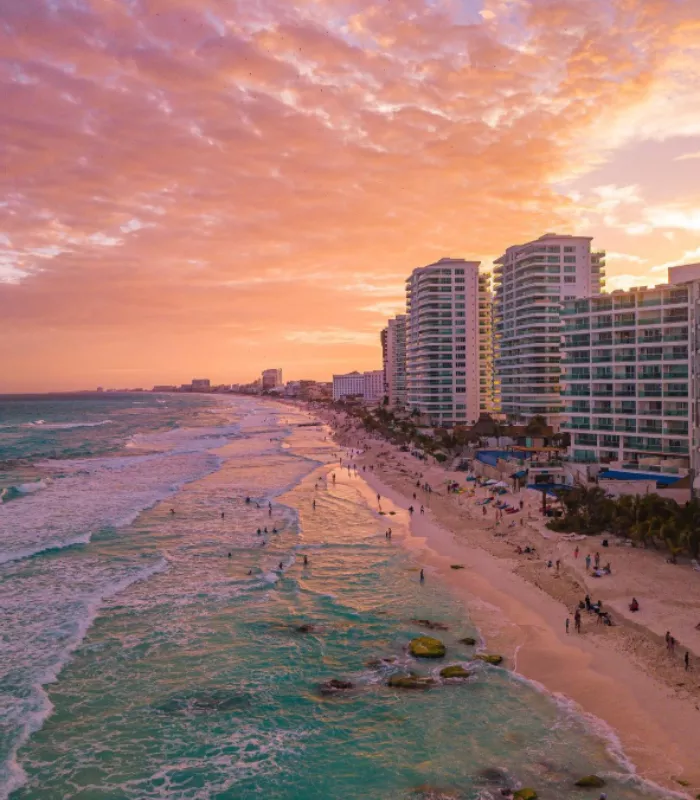
But a pretty view from a resort pool is a thin reward for a long and expensive flight.
Cancun sells a version of Mexico that Mexico itself would barely recognize.
Why It’s On This List: If you came expecting culture, history, or charm, Cancun’s Hotel Zone offers almost none of it. That’s why so many travelers leave feeling a little empty.
4. Cozumel, Mexico
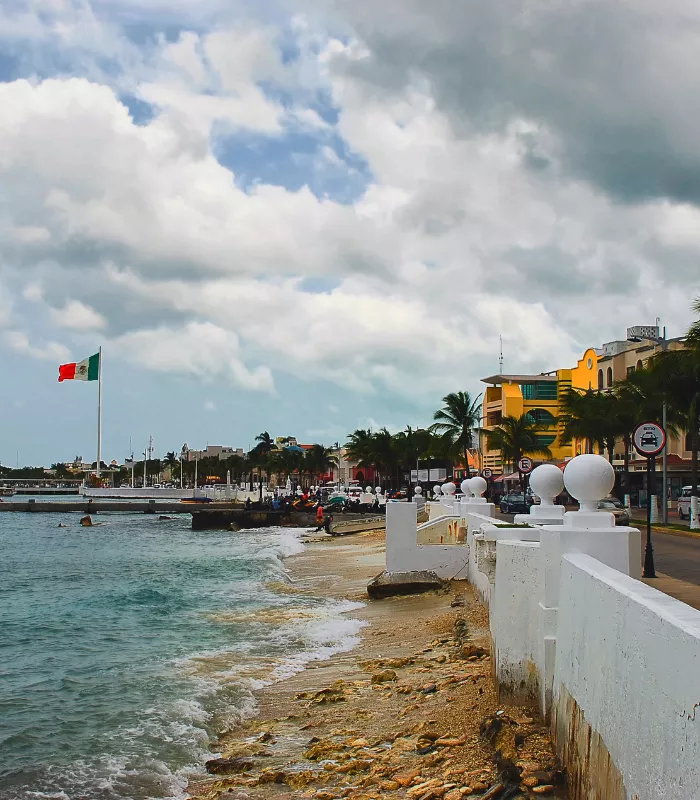
Cozumel has world-class diving. That part is true.
But the main town of San Miguel is overrun by cruise ships almost every single day.
Up to 16 cruise ships can dock here on a single day. The streets fill up fast. Vendors are pushy. The charm disappears quickly.
If you are not a certified diver, Cozumel loses most of its appeal almost immediately.
Snorkeling is decent but not dramatically better than other nearby Caribbean spots.
The east side of the island is wild, rugged, and largely undeveloped.
It is worth a drive, but there is not much to do when you get there.
The food in San Miguel can be good if you wander away from the port area.
Local taco stands and small family restaurants are far better than the tourist-facing places near the docks.
Renting a scooter and circling the island is one of the better ways to spend a day here.
But again, that works best when the cruise ships are not in port.
Timing your visit around the cruise schedule is a strategy, not a guarantee.
An island that requires that much planning just to feel pleasant has already failed the test.
Why It’s On This List: Unless you are a diver, there is not much reason to visit Cozumel. You’re better off saving your time for a quieter Mexican destination.
5. Aruba
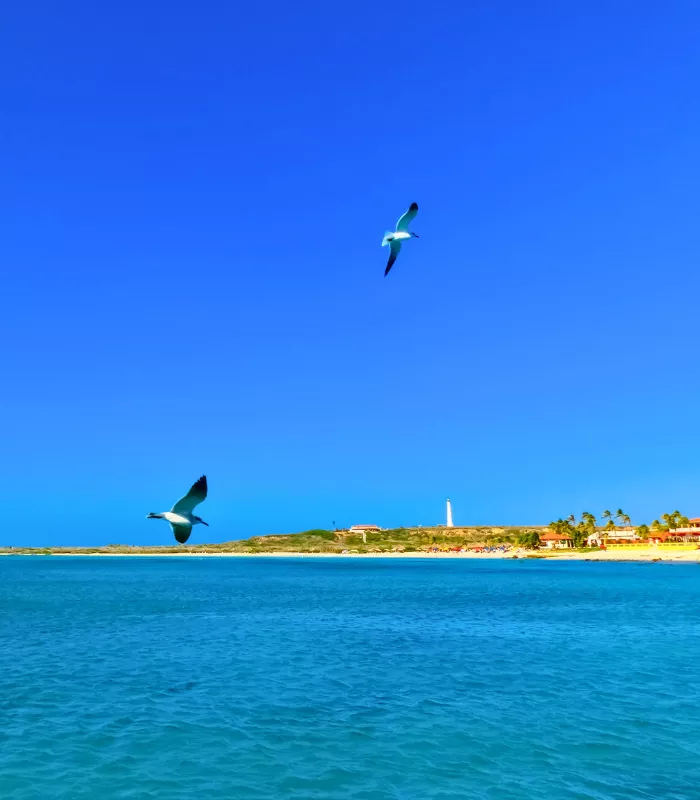
Aruba is dry, flat, and windy. The beaches on the west side are gorgeous.
But outside of Palm Beach and Eagle Beach, the island offers very little to explore.
Aruba has almost no rainforest, no lush scenery, and limited cultural experiences. Many visitors feel bored after two days.
The constant trade winds are refreshing at first and relentless by day three.
Oranjestad, the capital, is a colorful and walkable little town.
It is pleasant for an afternoon but not much more than that.
The Arikok National Park covers roughly 20 percent of the island and offers some hiking.
But the landscape is mostly cacti, rocky terrain, and dry brush.
It is striking in its own way, but it is not what most people picture when they book a Caribbean trip.
Nightlife in the resort area is lively if that is what you are after.
For travelers over 50 who want calm, culture, and variety, Aruba runs out of things to offer quickly.
The resorts are comfortable, and the weather is predictable, which is why people keep booking it.
Predictable and memorable are not the same thing.
Why It’s On This List: Aruba is sold as a dream destination, but travelers looking for variety and adventure often feel underwhelmed. The average annual rainfall is only about 17 inches, which tells you how sparse the landscape really is.
6. Grand Cayman, Cayman Islands
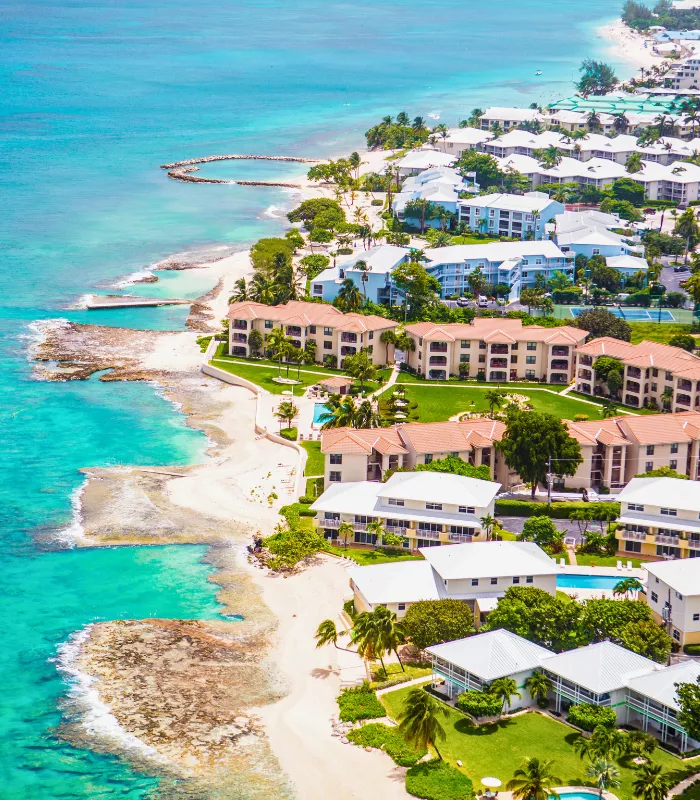
Grand Cayman is expensive. Very expensive.
A meal for two at a mid-range restaurant can easily run over $100 USD.
The island is polished and safe, but it lacks soul. It feels more like a wealthy suburb than a Caribbean island. Stingray City is fun, but one attraction does not make a great vacation.
Seven Mile Beach is beautiful and well-maintained, but lined almost entirely with high-rise resorts.
The sand is soft, and the water is clear, but the setting feels more corporate than Caribbean.
George Town, the capital, is essentially a financial hub dressed up for tourists.
There are over 600 banks and financial firms registered in the Cayman Islands.
That fact tells you a lot about the island’s priorities.
Local food and culture exist here, but you have to work hard to find them.
Most restaurants cater to wealthy visitors and charge accordingly.
The diving is excellent and rivals anything else in the Caribbean.
But if you are not diving, the days can start to blur together quickly.
Grand Cayman is a place that impresses your bank account more than your sense of adventure.
Why It’s On This List: For the price you pay, many travelers expect more personality and culture. Grand Cayman delivers luxury but leaves many visitors feeling like something was missing.
7. St. Maarten / St. Martin
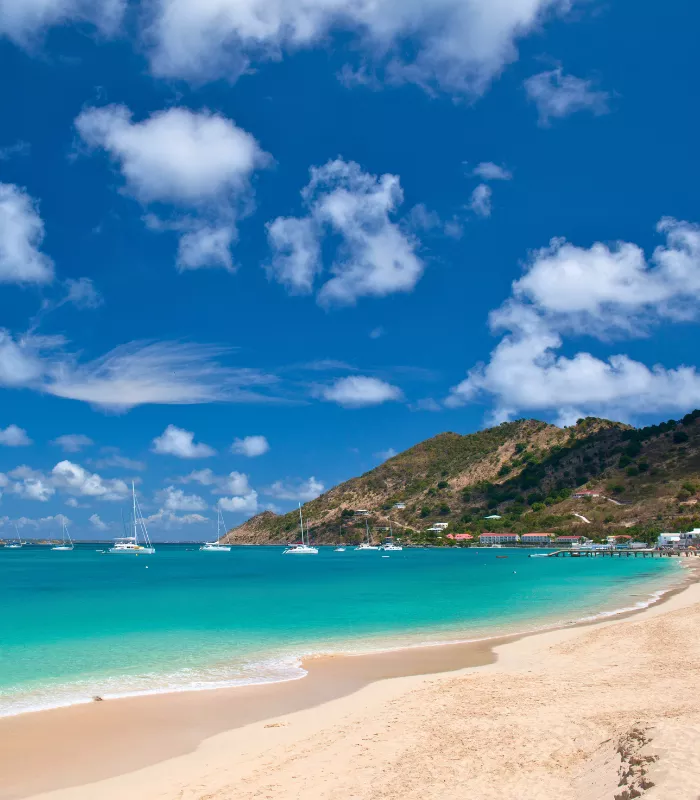
This island was badly hit by Hurricane Irma in 2017.
Recovery has been slow in some areas. Parts of the Dutch side still show storm damage years later.
The famous Maho Beach, known for planes flying overhead, is one of the few real highlights. But the overall island experience can feel patchy and uneven depending on where you stay.
The French side of the island is noticeably more charming and less commercial.
Grand Case is a lovely little town with good restaurants and a slower pace.
The Dutch side, Philipsburg, gets the bulk of the cruise traffic and shows it.
Casinos, duty-free shops, and jewelry stores dominate the main strip.
The beaches on both sides of the island can be quite good when they are not crowded.
Orient Bay on the French side is popular and lively, though it draws a mixed crowd.
Getting around the island requires a car or taxis, which add up quickly.
The food scene on the French side is one of the better ones in the entire Caribbean.
That is a genuine bright spot in an otherwise uneven destination.
An island that is half great and half disappointing still counts as disappointing when you paid full price.
Why It’s On This List: Many travelers arrive expecting a fully restored tropical paradise and are surprised by what they find. Always research current conditions before you book.
8. Jamaica (Montego Bay)
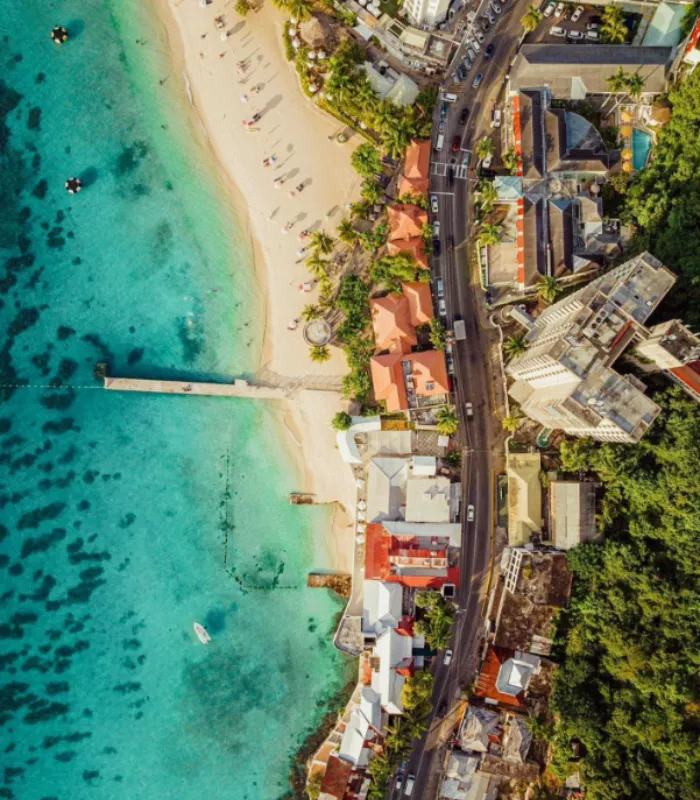
Jamaica has incredible culture, food, and music. The island itself is not the problem.
Montego Bay, the main tourist hub, is a different story.
Most visitors are kept inside all-inclusive resorts and warned not to wander far. I made a classic mistake of booking a cheap resort near the Hip Strip and spent most of my trip feeling unsafe stepping outside. That is not the relaxing vacation most people over 50 are looking for.
The Hip Strip is the main tourist road, and it is loud, congested, and aggressively commercial.
Vendors, taxis, and tour operators compete for every tourist who steps outside.
Doctor’s Cave Beach is pleasant but charges an entry fee and fills up fast.
The all-inclusive model here keeps guests comfortable but completely isolated.
You can spend an entire week in Montego Bay and never taste real Jamaican food.
Never hear live reggae outside of a resort stage performance.
Never have a genuine conversation with someone who is not trying to sell you something.
The real Jamaica, with its warmth, its jerk chicken, and its rhythm, is there if you know where to look.
But Montego Bay, as a tourist destination, actively works against you finding it.
Jamaica deserves better than what Montego Bay delivers to most of its visitors.
Why It’s On This List: Montego Bay has one of the highest crime rates among Caribbean tourist destinations. The beauty of Jamaica is real, but the resort bubble experience leaves many travelers feeling disconnected from the island they came to see.